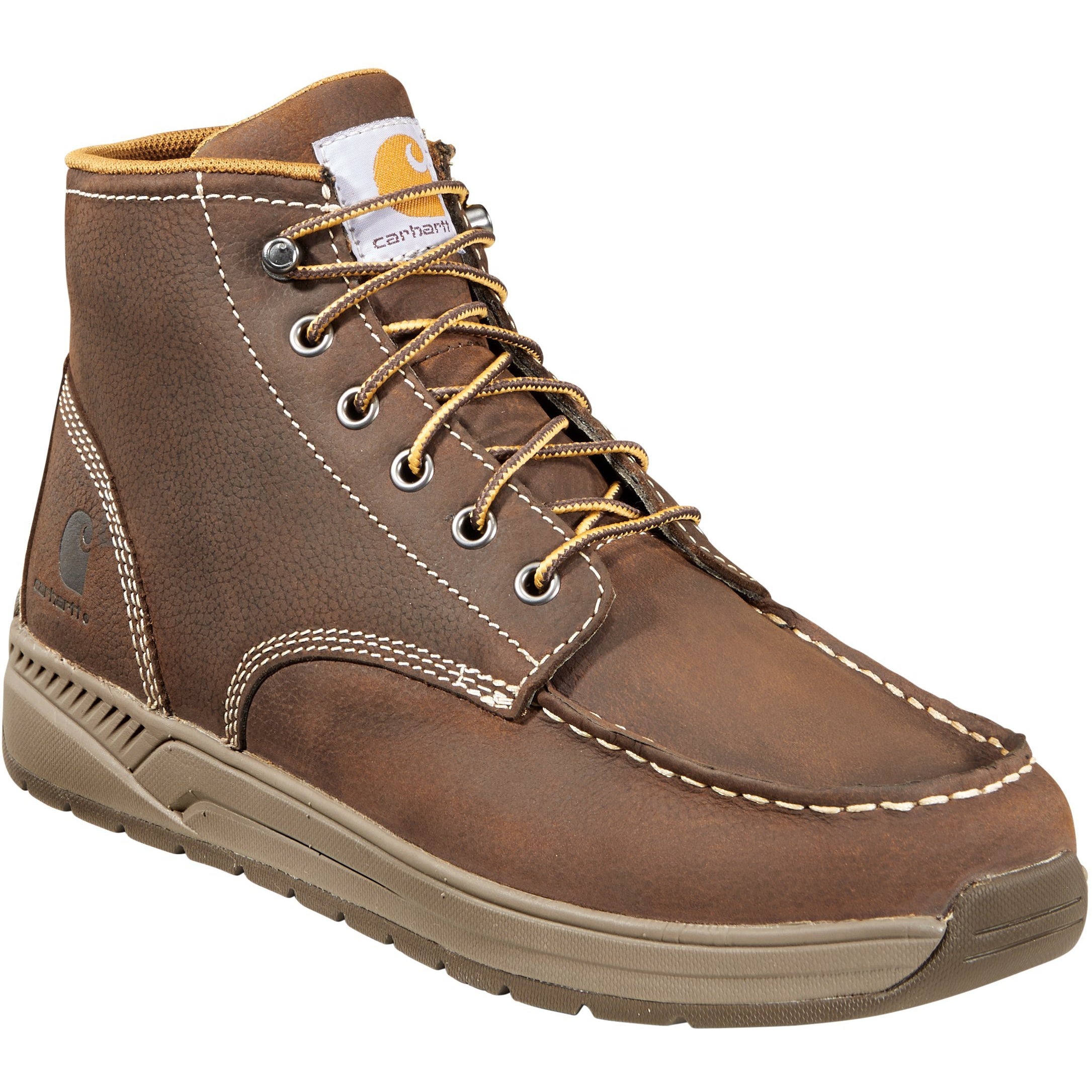
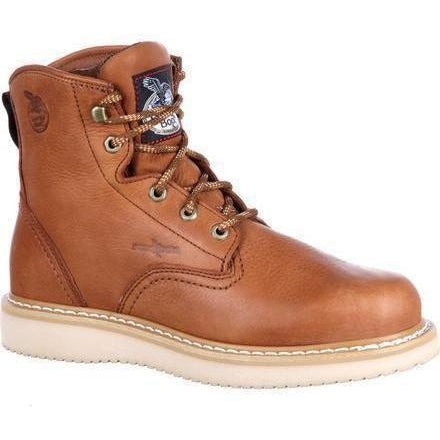
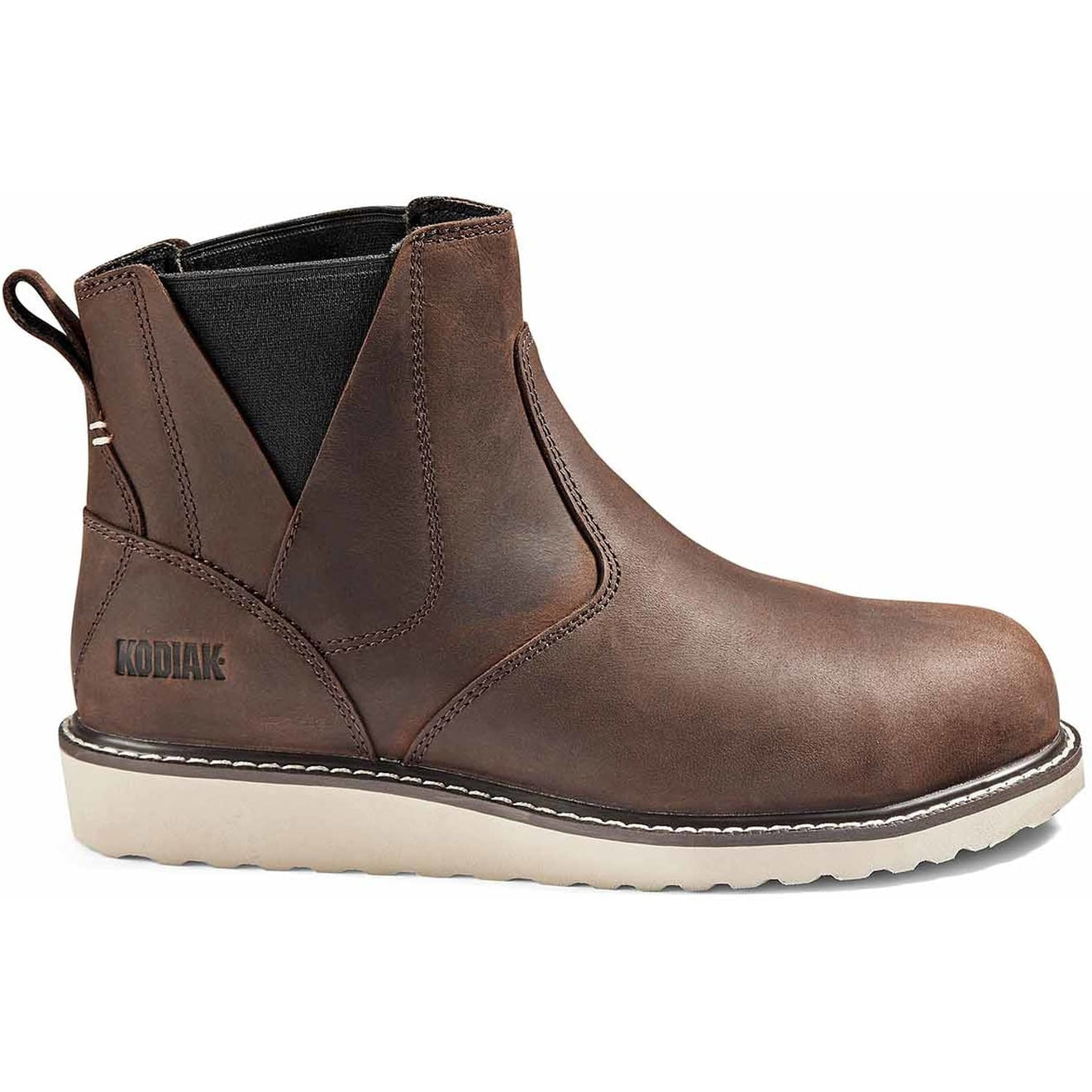
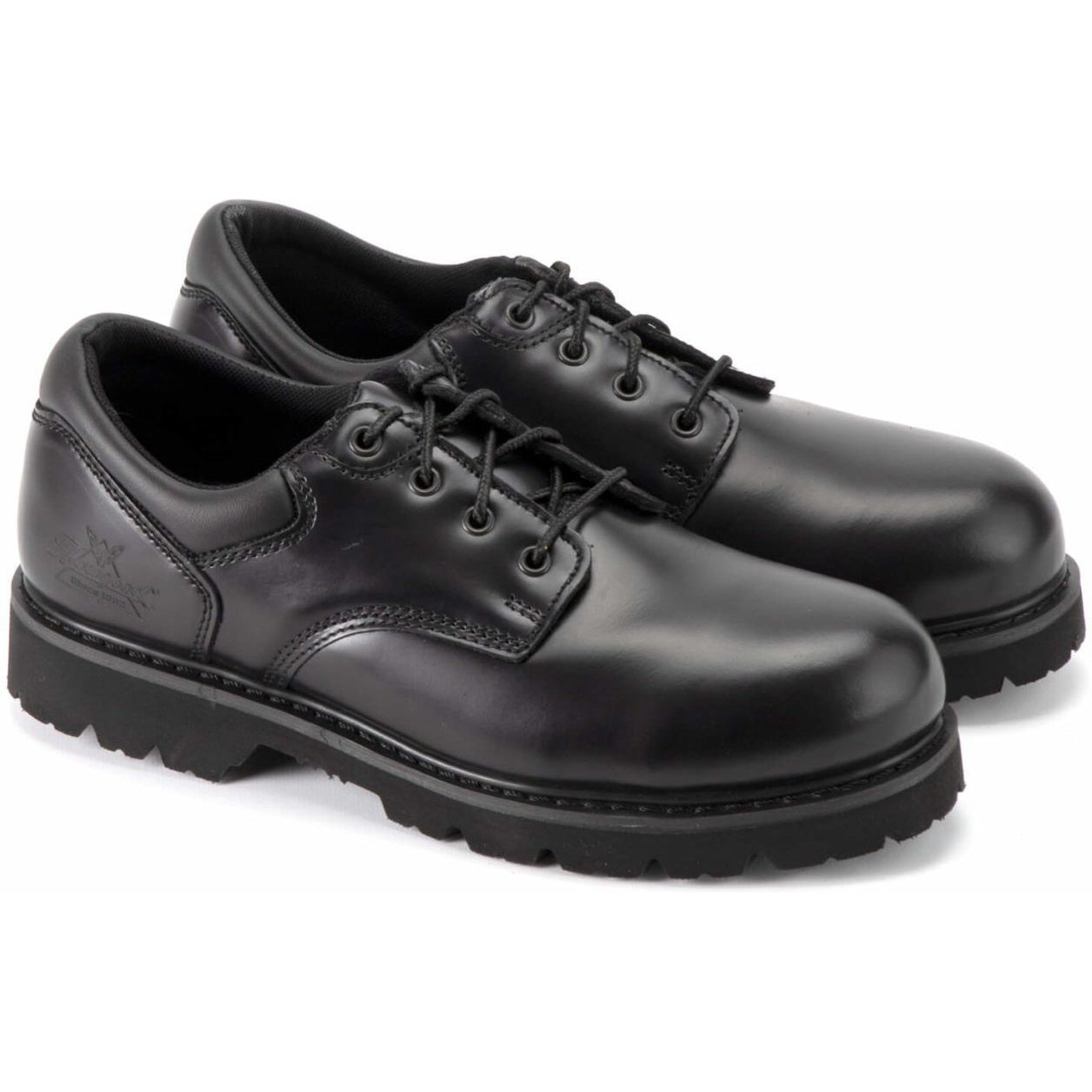
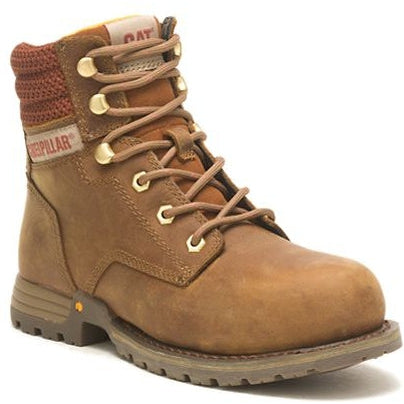
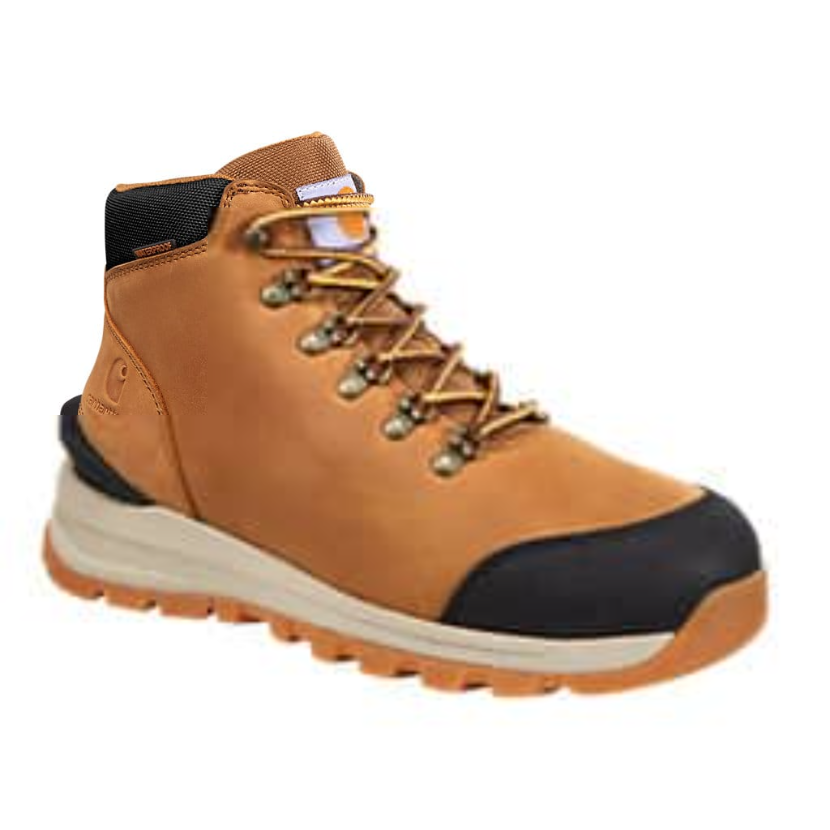

When your work depends on speed and movement, low-cut work boots keep your ankle free while still delivering job-ready protection. The right boot height isn’t about what looks tougher. It’s about what helps you move efficiently and confidently through the conditions you actually work in.
A boot that feels perfect in a warehouse can become a liability on uneven ground. But a taller boot that feels stable in loose gravel can feel restrictive if you’re crouching, climbing, and stepping in and out of vehicles all day. The goal is to match your boot cut to your daily movement patterns, surface conditions, and job-site hazards.
What “Low Cut” and “High Cut” Really Mean
Low cut and high cut refer to how high the boot upper rises around your ankle and lower leg. Low-cut boots usually sit at or just below the ankle, giving you a shoe-like range of motion. High-cut boots rise above the ankle, which changes how much of your lower leg is covered and how stable the boot feels.
How Cut Height Changes The Way a Boot Feels
A lower cut generally feels quicker and less restrictive, especially when you’re bending and shifting position. A higher cut often feels more secure and protected, especially when conditions are messy or footing is unpredictable.
What Cut Height Does Not Decide
Boot height doesn’t determine whether you have safety toes, slip resistance, or other job-site-required protection. Height shapes comfort and coverage. Features and construction shape compliance and performance.
Why Low-Cut Work Boots Often Win for Speed And Comfort
Low-cut work boots feel better in jobs where you're constantly changing positions. If your day includes long walks on concrete, quick pivots around equipment, frequent kneeling, or climbing ladders, a lower cut lets your ankles move freely instead of working against them. That difference shows up late in a shift when fatigue leads to shorter steps, slower reaction time, and sore joints.
Why Mobility Matters More Than People Think
Mobility means more than just comfort. When your ankle can move naturally, your stride stays consistent. That often means fewer compensations through your knees and hips by the end of the day.
Heat is another reason low cuts become daily favorites. Less upper material around the ankle usually means less heat retention in that area. While that's not the same as full breathability, it supports comfort in warm environments, particularly in indoor operations where air movement is limited and you’re walking continuously. If you’re choosing boots primarily to manage fatigue and stay quick, the same logic that pushes people toward low cuts is what makes lightweight work boots worth comparing side-by-side, because reducing unnecessary bulk can make a noticeable difference by hour eight.
[prc-collections-carousel]
Where High Cut Work Boots Make More Sense
High-cut work boots work best when the job site is rough enough that coverage becomes protection. On uneven surfaces, ankle-level hazards are constant. You’re stepping around debris, brushing against sharp edges, and walking through conditions that push dust and grit toward your footwear. A taller upper adds a barrier exactly where low cuts are more exposed, and many workers prefer the added structure when their day involves unstable footing.
The 6-Inch Vs 8-Inch Question Comes Up Fast
Many workers settle on a 6-inch boot because it balances coverage and mobility, while others prefer an 8-inch boot when debris control and lower-leg coverage are the top priorities. That difference shows up quickly in heat, flexibility, and how the collar interacts with movement, which is why a direct comparison like 6-Inch Vs 8-Inch Boots can clarify the choice once you’ve decided you want something above the ankle.
Your Movement Pattern Matters As Much As Terrain
Two people can work in the same industry and need different boot cuts because of how their day is structured.
Frequent Kneeling, Climbing, And Tight Spaces
If you’re kneeling constantly, squatting, climbing, and stepping into tight spaces, low-cut work boots feel better because they allow ankle flex without pressure and stiffness. The more often your ankle needs to bend and rotate, the more you’ll notice collar height.
Load Carrying And Lateral Movement
If your job is more about maintaining a stable footing while carrying weight, walking over uneven surfaces, or working in environments where you may catch your ankle on debris, a high-cut boot often feels more dependable. The goal isn’t “higher is safer.” The goal is to choose a cut that reduces the compensation your body has to do to stay stable.
Boot Height Is Not The Same Thing As Protection
Many buyers assume a taller boot is automatically safer, and a low-cut boot is automatically less protective. That's not how it works.
Toe Protection Is A Requirement, Not A Cut
Protection is determined by the features built into the boot, not the collar height. If your workplace requires toe protection, it can be met in different cuts, depending on the model. If toe protection is part of your job, browsing safety toe boots can help you focus on compliance first, then narrow down to low-cut or high-cut options that fit your workday.
Traction Matters Regardless Of Boot Height
Traction is the same story. If slips are a major risk where you work, outsole performance matters whether you wear low-cut or high-cut footwear. In that case, a traction-first filter like slip-resistant work boots keeps the decision anchored to real jobsite risk rather than height alone.
Are Low-Cut Slip-On Work Boots Worth It?
For the right role, they can be a great choice. Low-cut slip-on work boots are popular because they remove friction from your routine. They’re easy to put on, fast to take off, and they avoid lace snag points in busy environments. For delivery work, service bays, warehouse roles, and light industrial settings, that convenience often translates into better daily consistency.
Some workers assume "easy" means "less capable." In reality, the right slip-on can still be built with serious outsole traction and job-ready durability. If you prefer pull-on construction but still want to compare low-profile options, browsing pull-on work boots can help you see the range of builds and cuts available without treating slip-on as a separate category.
The Best “Quick Pick” Rule For Most Workers
If you want a simple decision rule that holds up in most environments, start here: choose low-cut work boots when your job is fast-paced, mostly on flat ground, and comfort depends on ankle freedom. Choose high-cut boots when your jobsite is uneven, debris-heavy, outdoors most of the day, or when you want more coverage and a more secure feel around the ankle.
Use Requirements To Confirm The Choice
Then refine the choice based on what your workplace requires. If you need toe protection, prioritize that first. If traction is the risk you’re solving, prioritize that next. After that, choose the cut that makes your day easier, not harder.
Frequently Asked Questions
Do Low-Cut Boots Provide Enough Ankle Support?
They can, but it depends on your work conditions. On predictable, flat ground, most workers don’t need extra collar height to feel stable. If your day includes uneven terrain, side slopes, loose gravel, or frequent lateral movement while carrying loads, a higher cut often feels more secure.
Are High-Cut Boots Always Safer Than Low-Cut Boots?
Not automatically. Boot height mainly changes coverage and how the boot feels around your ankle. “Safer” depends on whether the boot has the protective features your job requires, like a safety toe, slip resistance, or puncture resistance, and whether it fits your environment.
How Do I Choose Between a 6-Inch and an 8-Inch If I Want a Higher Cut?
Think about your day in two parts: movement and exposure. If you kneel, climb, and move constantly, a slightly shorter high cut often feels easier. If you work in heavy debris, brush, mud, or rough outdoor conditions, more height can mean more coverage and less intrusion around the ankle.