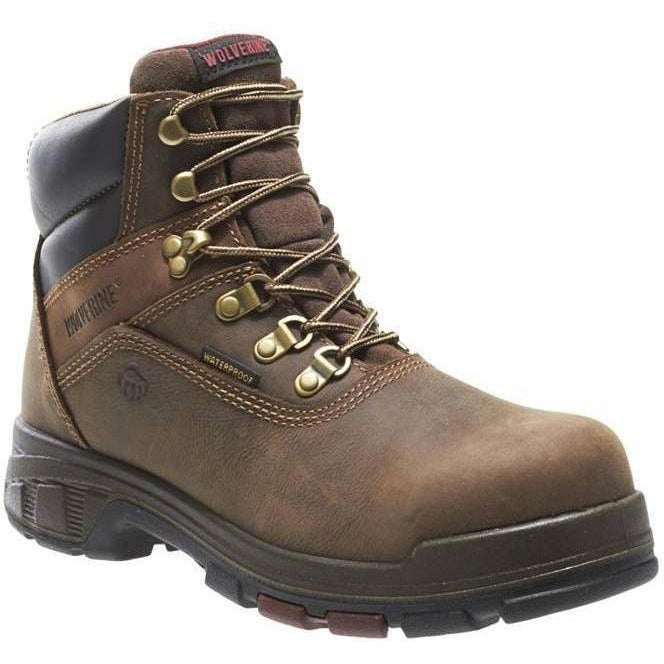
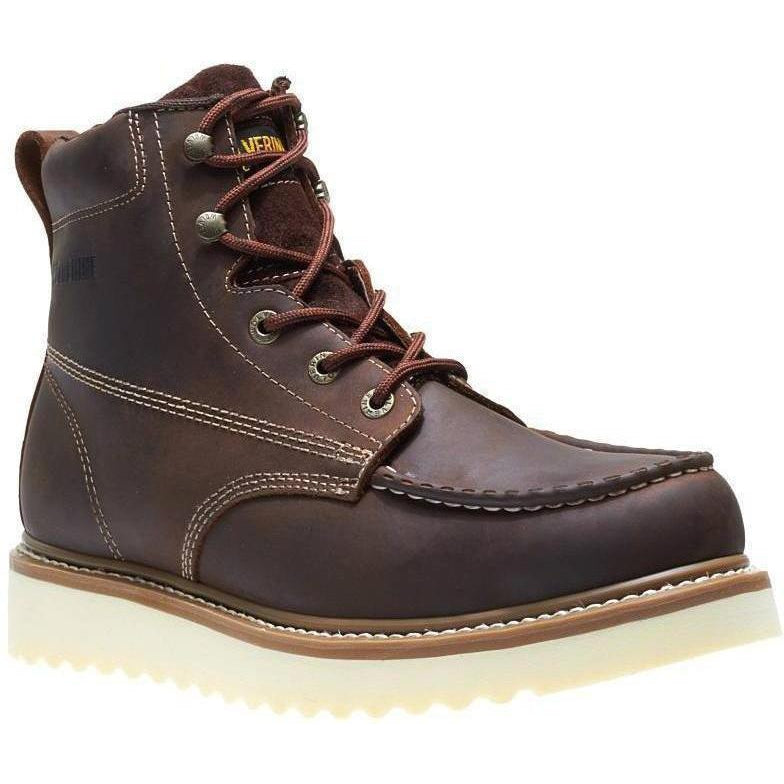
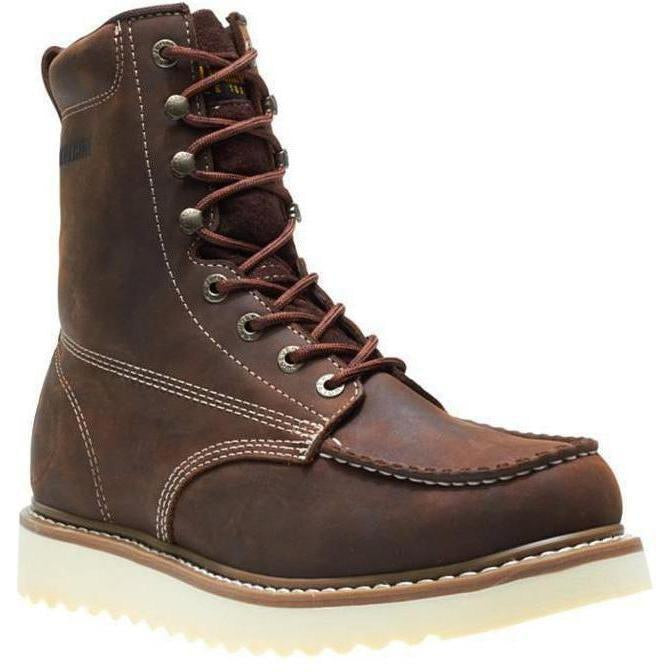
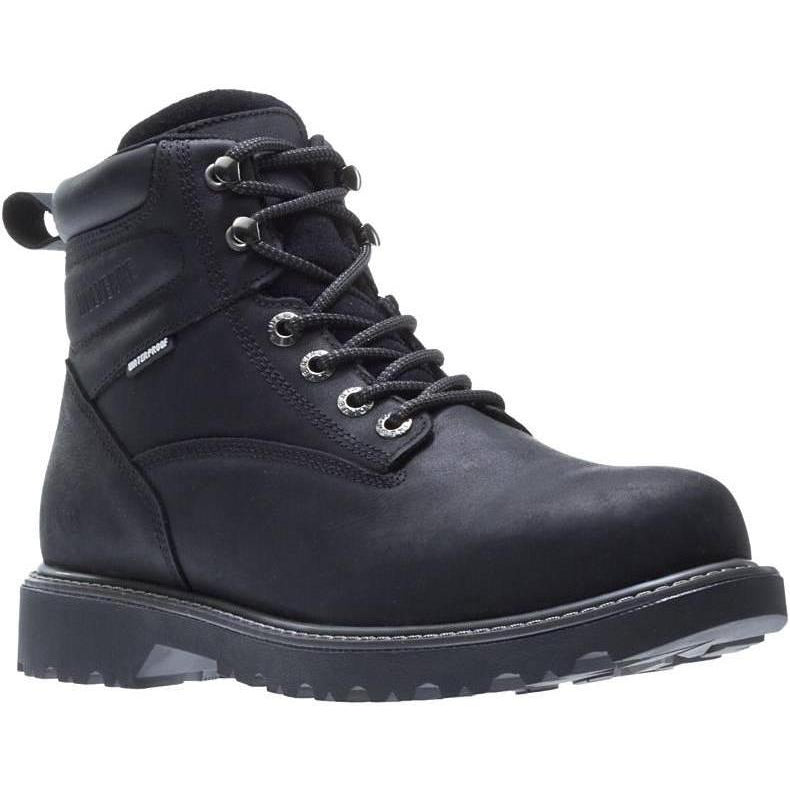
Long shifts expose every weakness in a work boot. When you are walking warehouse aisles, standing on concrete, climbing in and out of service vehicles, or moving across uneven outdoor ground, comfort stops being optional. That is one reason so many workers compare Wolverine work boots before buying their next pair. For shoppers weighing comfort, support, and long-term wearability, the brand sits in an appealing middle ground between rugged jobsite performance and everyday usability. If you are comparing men’s Wolverine work boots, comfortable work boots for standing all day, and durable work boots for repeated daily use, this guide will help clarify what matters most to you.
Wolverine Work Boots Can Be a Strong Choice for All-Day Wear
Wolverine has earned a solid reputation for building work boots that balance practical durability with everyday comfort. That balance matters because many workers do not want a boot that feels overly bulky, rigid, or exhausting halfway through a shift. Instead, they want something supportive enough for long hours, durable enough for daily jobsite wear, and comfortable enough to reduce foot fatigue. That is why all-day work boots are not only about toughness. They are about sustained comfort under real work conditions.
For many buyers, men’s Wolverine boots hit the sweet spot between protection and wearability. The Overlook collection gives shoppers multiple ways to narrow their choice based on need, whether they are browsing slip-resistant work boots, construction work boots, or steel-toe boots. That context helps because the best all-day boot is rarely the heaviest or most aggressive option. It is the one that meets the job without creating unnecessary fatigue.
Comfort Starts With Cushioning and Shock Absorption
Cushioning and shock absorption are two of the biggest factors in long-shift comfort. Workers on hard surfaces, especially concrete, usually notice a lack of underfoot comfort by midday. Better impact absorption reduces the repeated stress that travels from the feet into the knees, hips, and lower back. That is one reason many buyers search for cushioned work boots, work boots with arch support, and boots for standing on concrete as they narrow down the right style.
This is where Wolverine work boots stand out. The brand is known for comfort-focused design elements and work-ready support systems, and its official technology pages emphasize shock absorption, cushioning, and energy return as major performance features. You can see more about that on the Wolverine DuraShocks technology page. For a worker putting in ten-hour shifts on flat hard floors, that kind of underfoot support matters more than almost anything else.
Weight, Flexibility, and Support Shape How Your Feet Feel by Midday
Heavy boots can feel protective, but they can also wear you down over long shifts. A lighter build often feels easier to walk in, especially for workers covering long distances indoors or moving quickly between stations. That is why lightweight work boots and supportive work boots are common priorities for warehouse employees, mechanics, and service technicians. A stiff boot may last, but if it fights natural foot movement all day, it can become tiring fast.
Flexibility matters for similar reasons. Boots that move more naturally with the foot can feel less punishing over time, particularly during jobs that require frequent bending, crouching, and walking. That is why workers often compare the main Wolverine work boots collection with lightweight work boots and men’s work boots before making a final decision. A better all-day boot is usually not the one with the most features. It is the one with the right combination of comfort, stability, and flexibility for the shift you actually work.
What Makes a Wolverine Work Boot Better for Long Shifts?
The best Wolverine work boots for long shifts usually share a few practical traits. They deliver enough cushioning to reduce foot fatigue, enough support to keep the foot stable, and an outsole design that matches the primary work surface. They also avoid unnecessary bulk when the job does not require extra structure. This is especially important for shoppers looking for work boots for long shifts, warehouse work, or mechanics, where daily comfort often matters just as much as rugged durability.
Buying Paths That Help You Find the Right Wolverine Boot Faster
Not every shopper starts with the same need. Some are prioritizing comfort for standing on concrete. Others are focused on water resistance, traction, or jobsite protection. Instead of treating every pair of men’s Wolverine work boots the same, it helps to use Overlook’s collection structure to narrow your options by work condition and comfort goal.
For Concrete Floors and Indoor Long Shifts, Start With Wedge Sole Work Boots
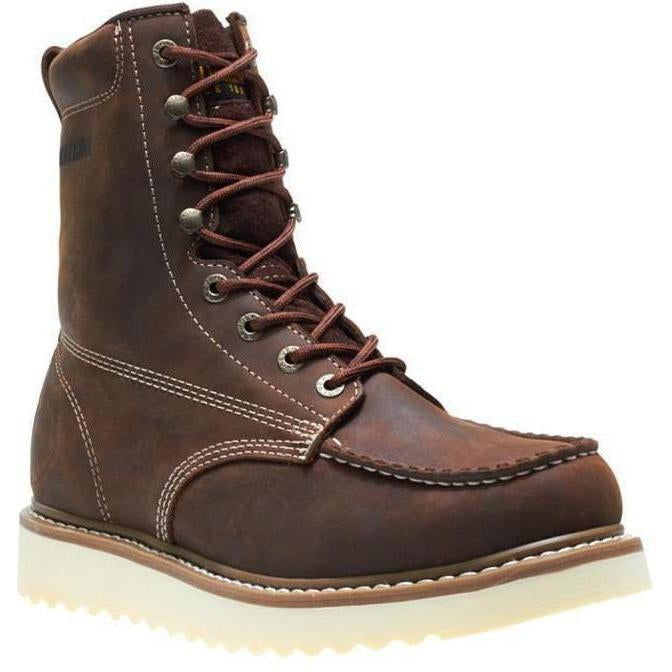
If your day is mostly spent on concrete, shop floors, warehouse aisles, or other hard indoor surfaces, wedge-sole work boots are a strong starting point. This type of outsole works well on flat surfaces, feeling more stable and less fatiguing than deeper lug patterns. For workers searching for boots for standing on concrete or for all-day work boots, this category is usually a stronger fit than a general work boot search.
For Fast-Paced Movement, Compare Lightweight Work Boots
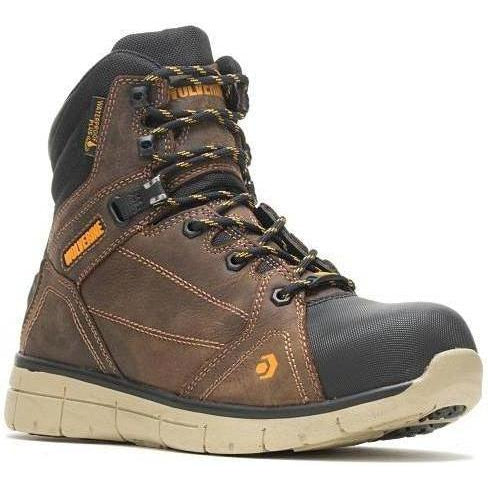
Workers who move constantly throughout the day often benefit from boots that reduce drag and leg fatigue. Lightweight work boots make sense for delivery work, warehouse roles, indoor trades, and service jobs where speed and mobility matter. This path is especially useful for anyone looking for lightweight or supportive work boots, or boots for long shifts, without overbuying features meant for harsher environments.
For Wet Conditions, Look at Waterproof Work Boots
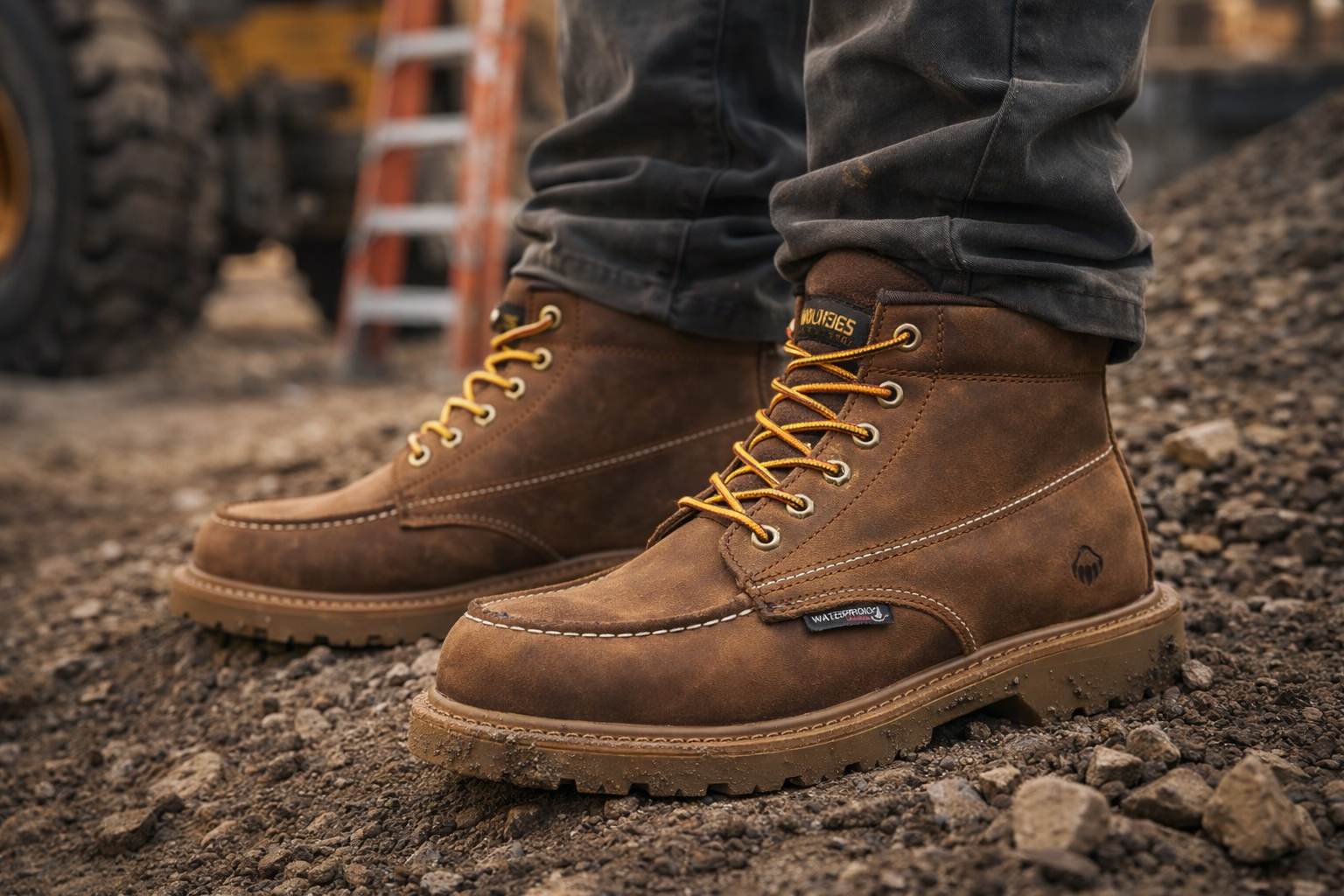
When the job involves wet grass, mud, changing weather, washdown conditions, or outdoor exposure, waterproofing becomes more than a convenience. Waterproof work boots keep feet drier and more comfortable during long hours. For many workers, wet feet are one of the fastest ways to ruin all-day comfort, so this is an important part of choosing the right durable work boots for daily wear.
[prc-collections-carousel]
How Long Will Wolverine Boots Last With Daily Use?
There is no single lifespan for all Wolverine work boots because daily wear conditions vary so much. A boot worn on smooth indoor floors will usually age differently from a boot exposed to mud, rough terrain, jobsite debris, and weather. The way the boot is built also matters. Leather quality, outsole wear, stitching, and construction method all affect long-term value. So does how often the same pair is worn without rest or maintenance.
In practical terms, buyers should think about lifespan through the lens of environment and routine. A contractor who rotates one pair through demanding outdoor use every day will usually wear it out faster than a warehouse worker who uses the same boot indoors. That does not make the boot less durable. It just means Wolverine boot comfort and support will naturally change at a different pace depending on how hard the pair is worked.
Routine care also contributes to long-term value. Wolverine’s official care resources recommend cleaning leather, letting boots dry properly, and maintaining them before wear becomes excessive. For shoppers evaluating long-lasting work boots, the takeaway is simple: buy the right build for the job and treat the boots like equipment, not disposable gear.
Wolverine Boots Make the Most Sense for Workers Who Need Comfort and Durability in Balance
Wolverine is a strong fit for workers who need a boot that handles daily use without feeling overly stiff or punishing. That includes warehouse staff, mechanics, facility teams, service techs, delivery workers, and many light construction roles. These jobs usually demand comfort, traction, and support across long hours, but not always the heaviest possible boot on the page. That is why Wolverine shoes for men and men’s Wolverine boots continue to appeal to workers who want a practical middle ground.
Best Fit for Warehouse, Mechanics, Delivery, and Light Construction
For workers on the move, comfort often comes down to stability, manageable weight, underfoot support, and a sole that performs well on the surfaces they see most. A mechanic may need dependable footing and flexibility. A warehouse employee may care more about cushioning and fatigue reduction on concrete. A delivery driver may need lightweight comfort across constant in-and-out movement. In each case, the right Wolverine work boots are the pair that meet the demands of the workday without creating extra strain.
When a More Structured or Protective Model Is the Smarter Choice
Heavier-duty outdoor jobs may call for more structure, weather protection, or reinforced toe designs. In those situations, it makes sense to compare the Wolverine work boots collection alongside waterproof work boots, steel toe boots, and construction work boots.
Frequently Asked Questions
Are Wolverine Work Boots Good for Standing All Day?
Yes, especially when the style is matched to the surface and the work environment. Workers who spend long hours on concrete or indoor floors often benefit from cushioning, support, and outsole designs that reduce fatigue.
Which Are the Best Work Boots for Standing All Day?
The best work boots for standing all day usually combine cushioning, shock absorption, arch support, traction, and a sole design that fits the surface underfoot. For hard flat surfaces, wedge-style options are often a smart starting point.
Are Wolverine Work Boots Good Work Boots for Daily Jobsite Use?
In many cases, yes. Wolverine is a well-known workwear brand with a long history in jobsite footwear, and many of its boots are built for daily wear. The best results come from choosing the right model for your work pace, protection needs, and environment.
What Boots Are Best for Being on Your Feet All Day?
Boots with cushioning, support, flexibility, and dependable traction are usually best for all-day wear. Workers on concrete often benefit from wedge soles or comfort-focused designs that reduce the strain of repeated impact.
How Long Will Wolverine Boots Last?
That depends on the construction, working conditions, maintenance practices, and wear frequency. Indoor use and harsh outdoor use will yield very different lifespans, even with the same pair. Long days demand boots that can keep up without wearing you down.