Sale price$184.99
Regular price$192.00
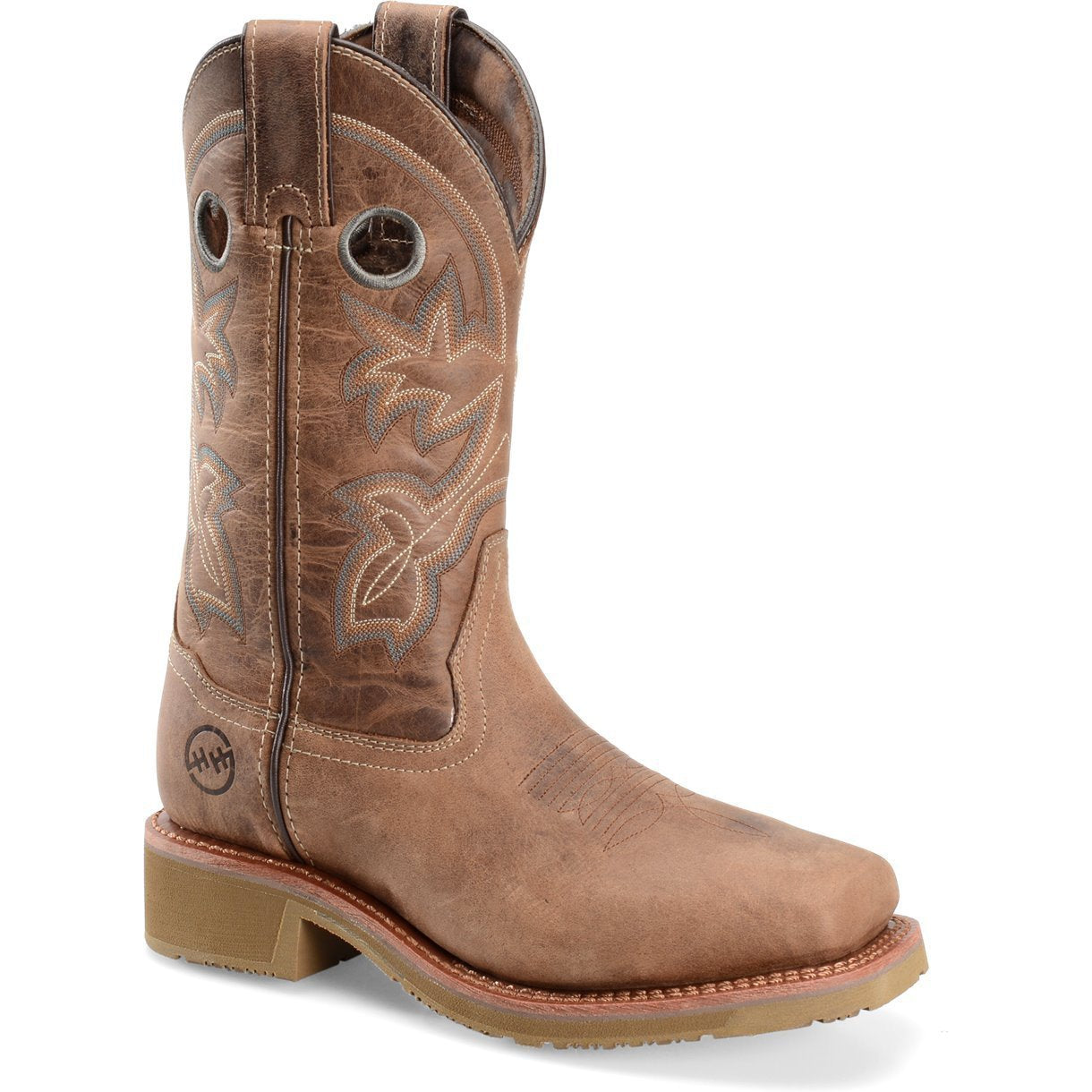
Double H Women's Haddie 11" Composite Toe Western Work Boot- Brown - DH2411
Save 38%
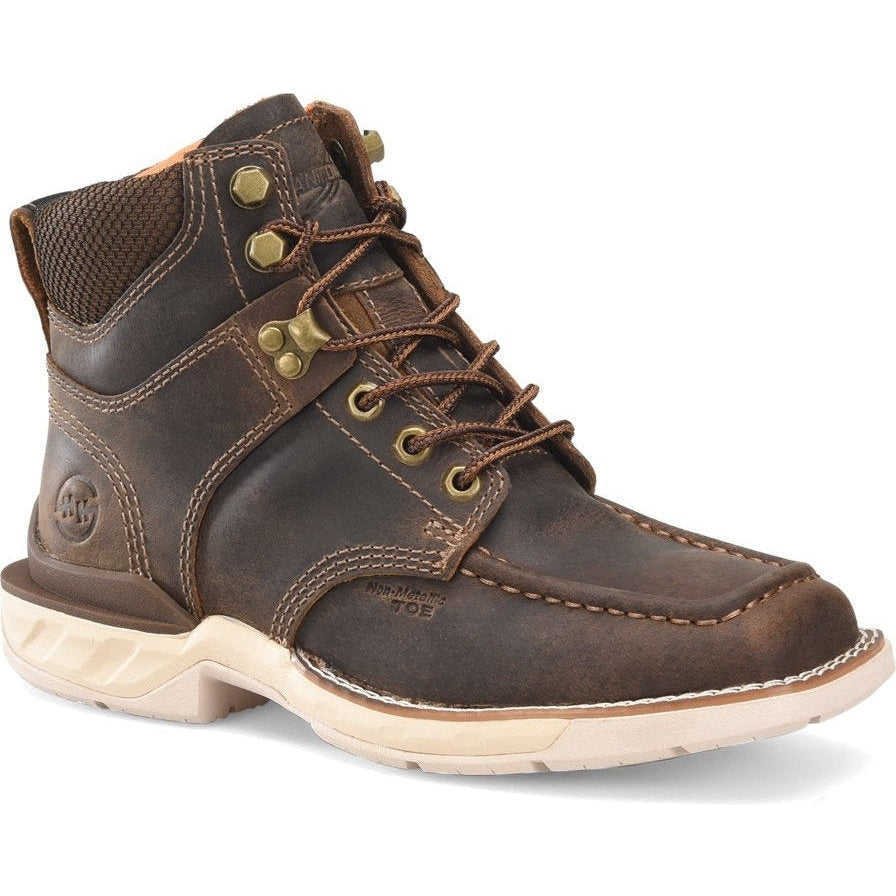
Sale price$105.67
Regular price$170.00
Double H Women's Phantom 5" Waterproof Composite Toe Lacer Work Boot -Brown- DH5386
Save 9%
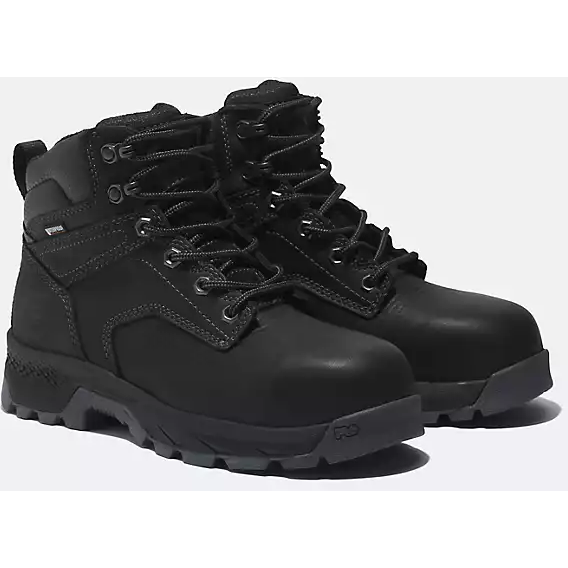
Sale price$154.95
Regular price$170.00
Timberland Pro Women's Titan 6" Composite Toe Waterproof Work Boot -Black- TB1A5WUY001
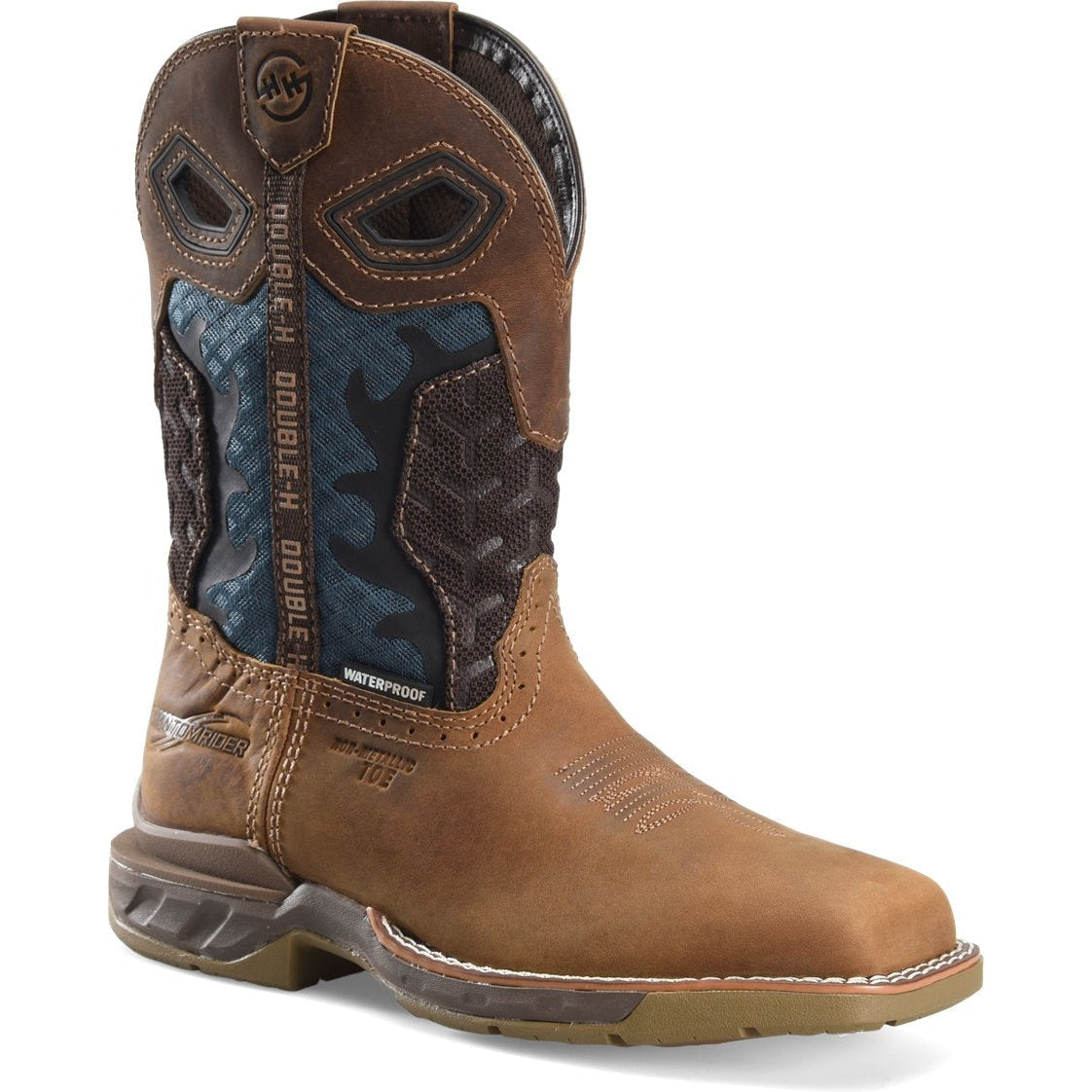
Sale price$189.99
Regular price$196.00
Double H Women's Phantom Rider Watcher 10" Waterproof Composite Toe Roper Work Boot -Brown- DH5392
Save 5%
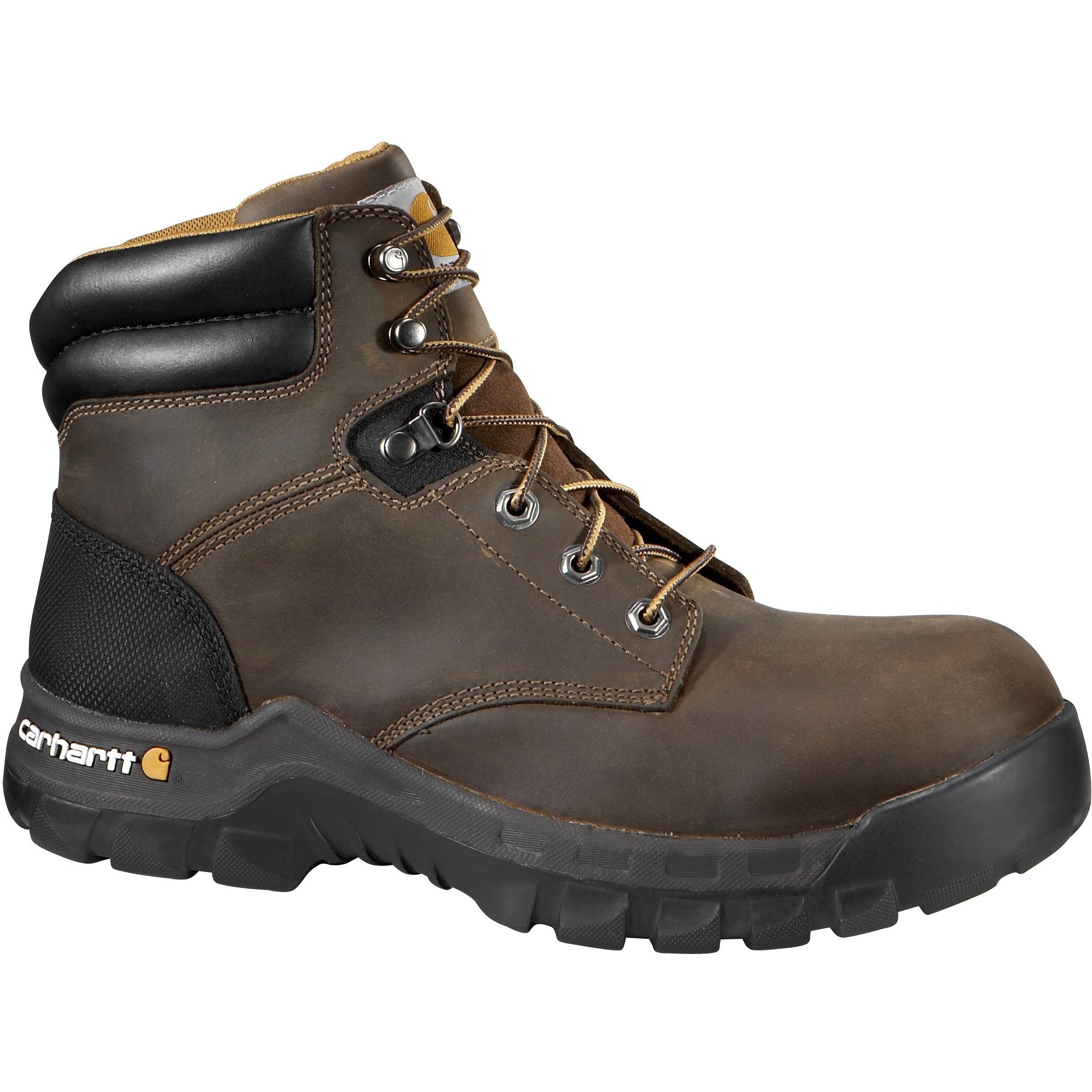
Sale price$149.99
Regular price$158.00
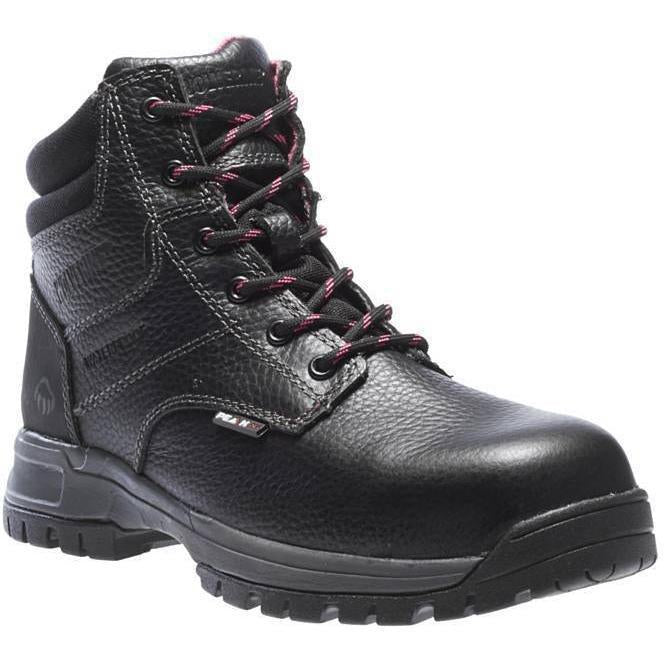
Carhartt Women's Rugged Flex 6" Composite Toe Work Boot - Brown - CWF5355

Save 8%
Sale price$229.95
Regular price$250.00
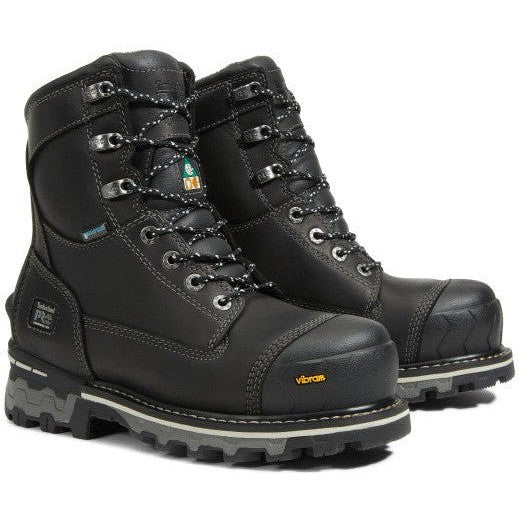
Timberland Pro Women's Boondock 8" Composite Toe Waterproof Puncture Resistant 200G Work Boot- TB1A5R7K001
Sale price$159.95
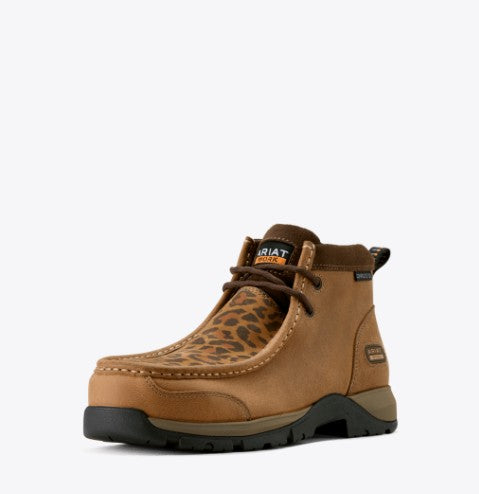
Ariat Women's Edge Moc Composite Toe Work Boot - Brown - 10073361
Save 5%
Sale price$159.99
Regular price$168.00
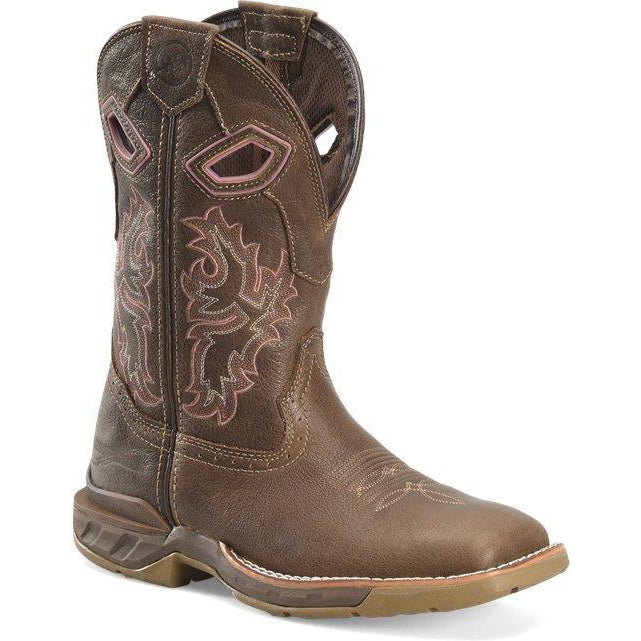
Double H Women's Phantom Rider 10" Composite Toe Western Work Boot - DH5374
Save 9%
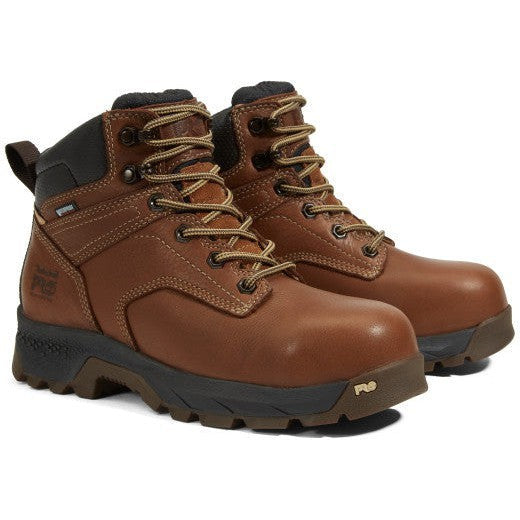
Sale price$154.95
Regular price$170.00
Timberland Pro Women's Titan Evolution 6" Composite Toe Waterproof Work Boot- Brown- TB1A5P1A214
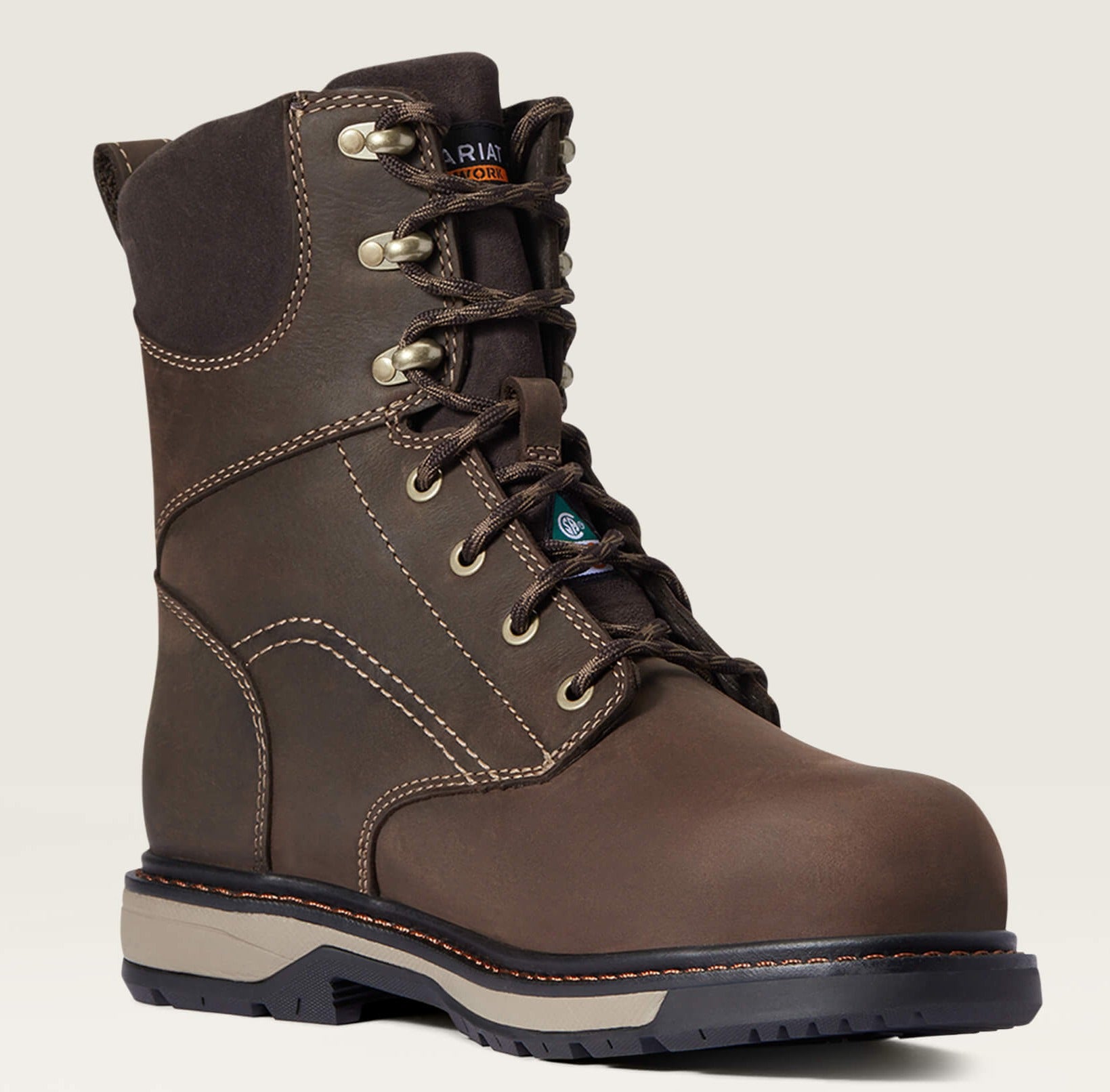
Save 12%
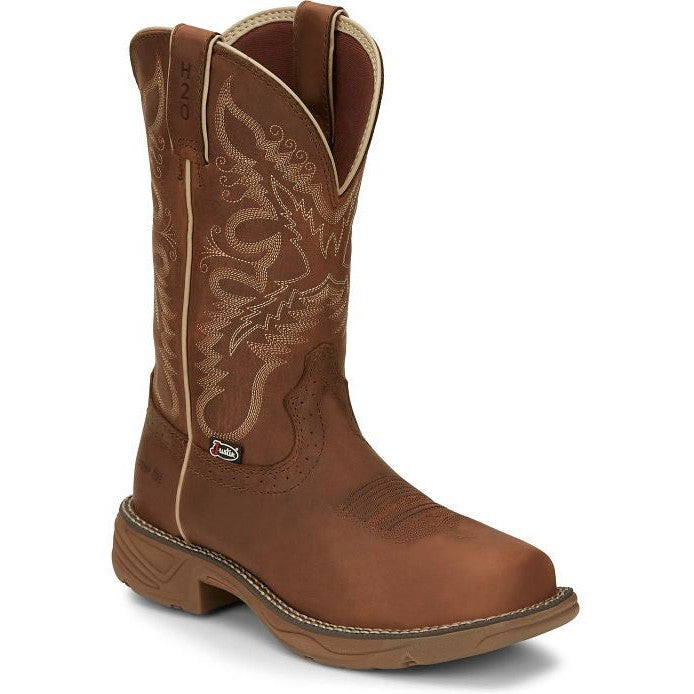
Sale price$211.55
Regular price$240.00
Justin Women's Rush 11" Nano Composite Toe Waterproof Slip Resistant Work Boot - Rustic Tan - SE4352
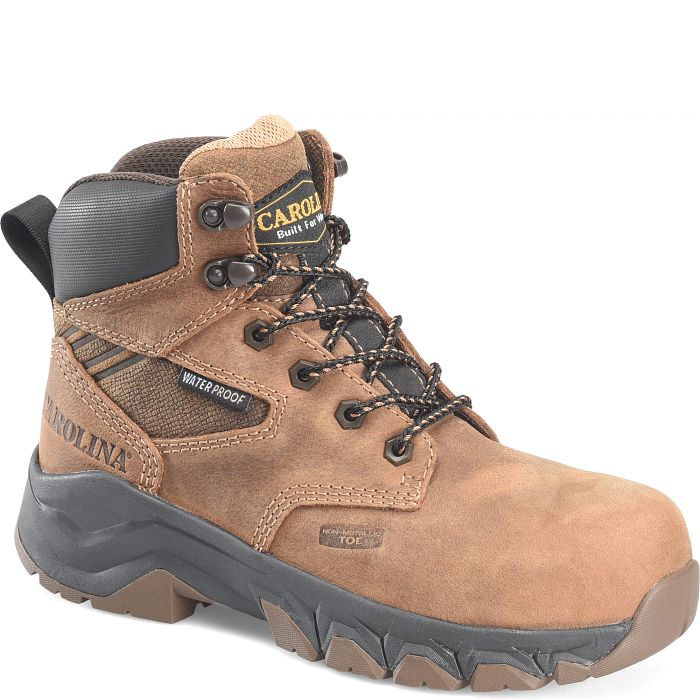
Save 16%
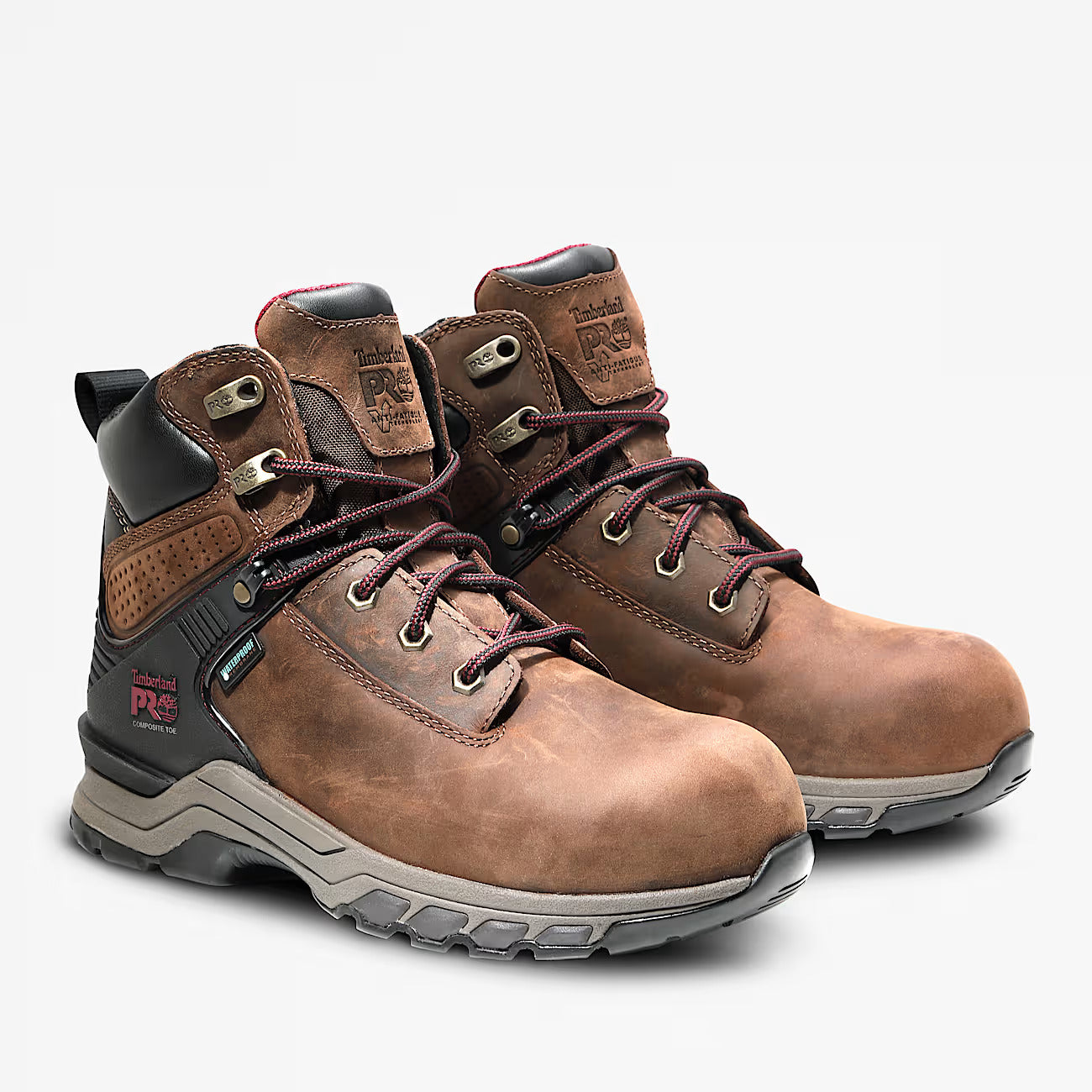
Sale price$146.95
Regular price$175.00
Timberland Pro Women's Hypercharge 6" Comp Toe Waterproof Work Boot - Brown - TB1A4115214
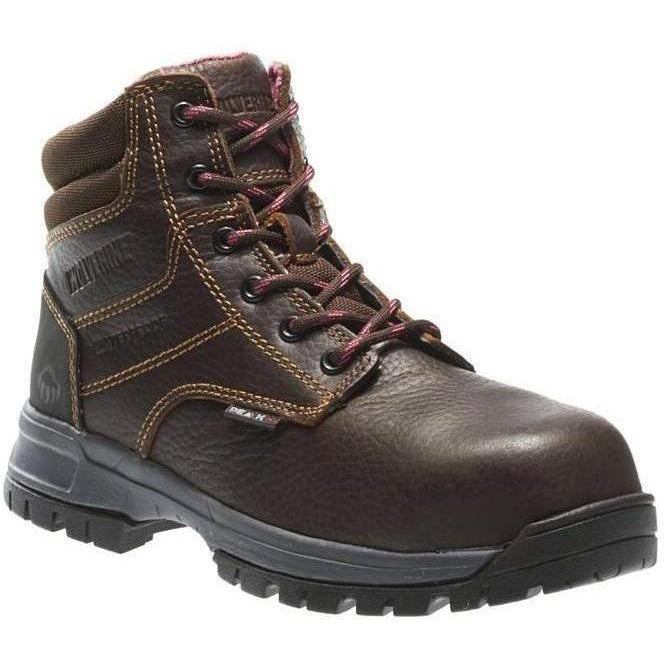
Save 37%
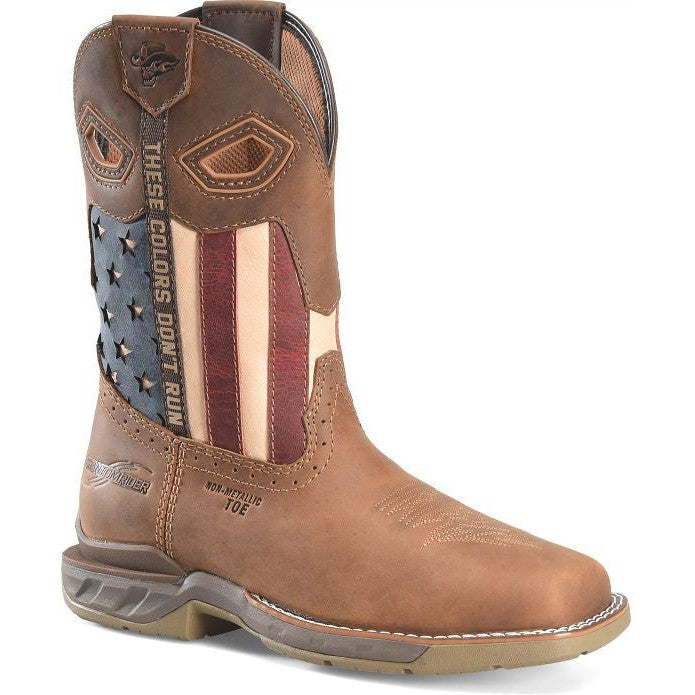
Sale price$133.67
Regular price$212.00
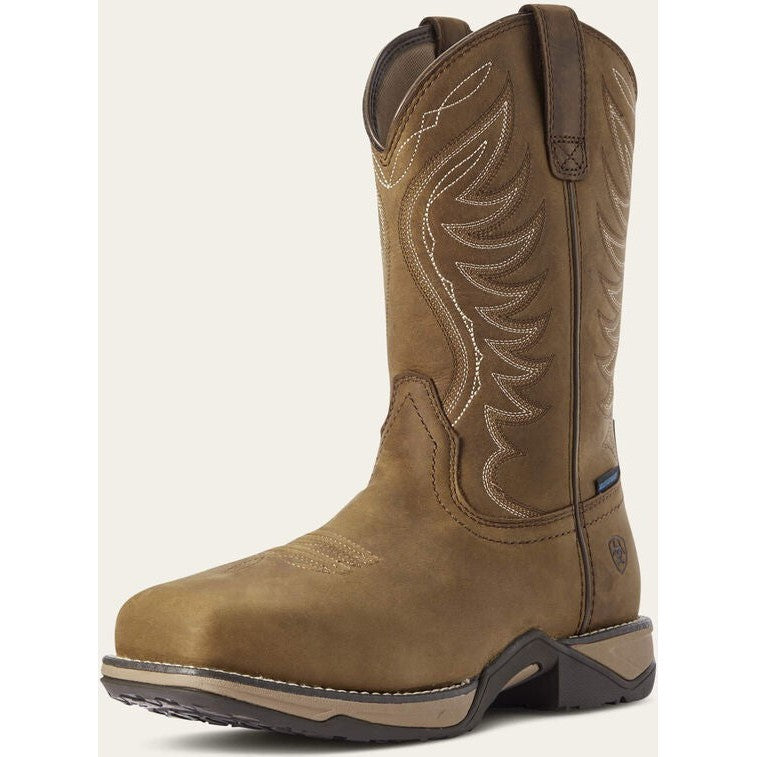
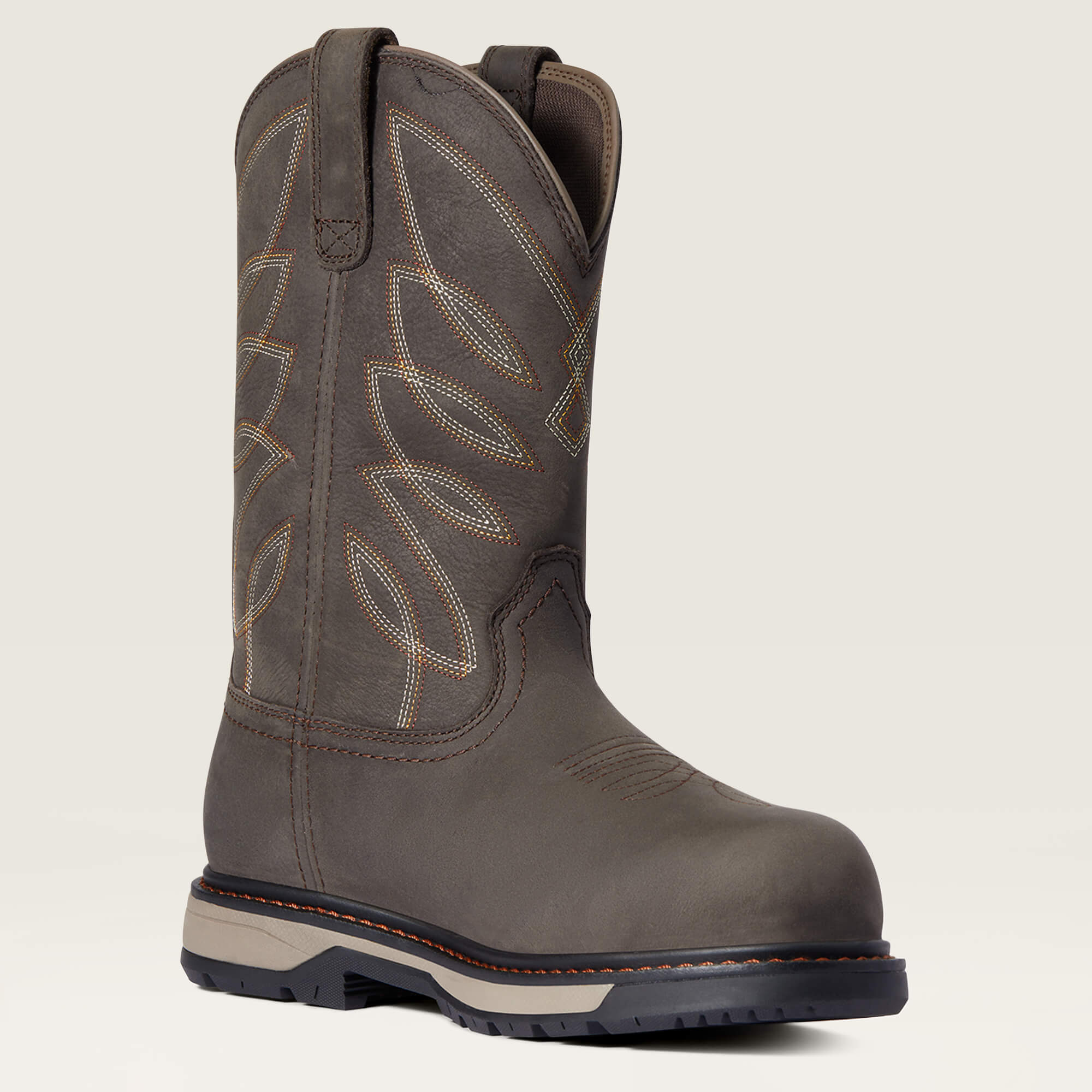
Phantom Rider Women's Fortress 10" Composite Toe Western Roper Work Boot Brown - PH5014
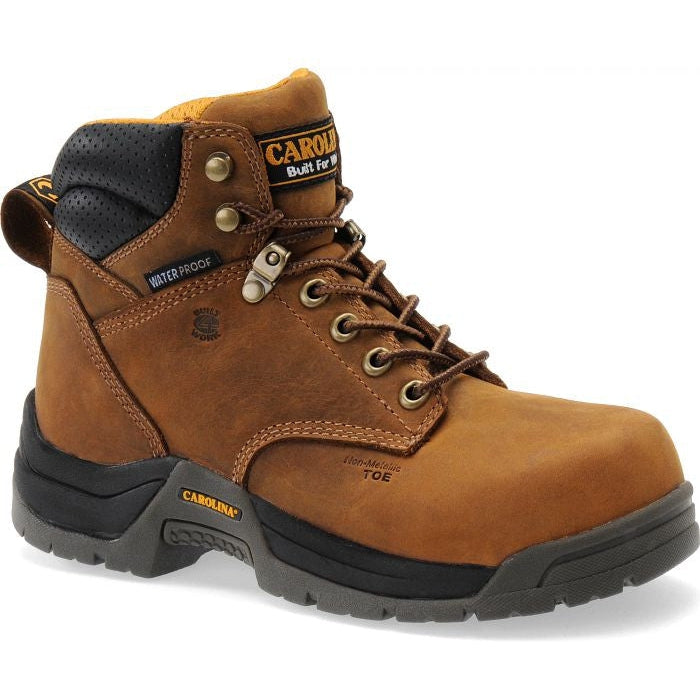
Sale price$179.99
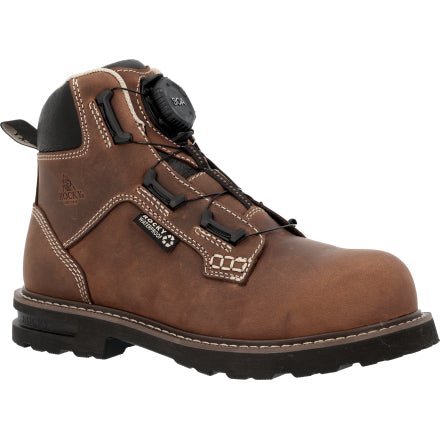
Rocky Women's Grindstone XTR BOA Composite Toe Work Boot (RKK0523)
Save 7%
Sale price$249.95
Regular price$270.00
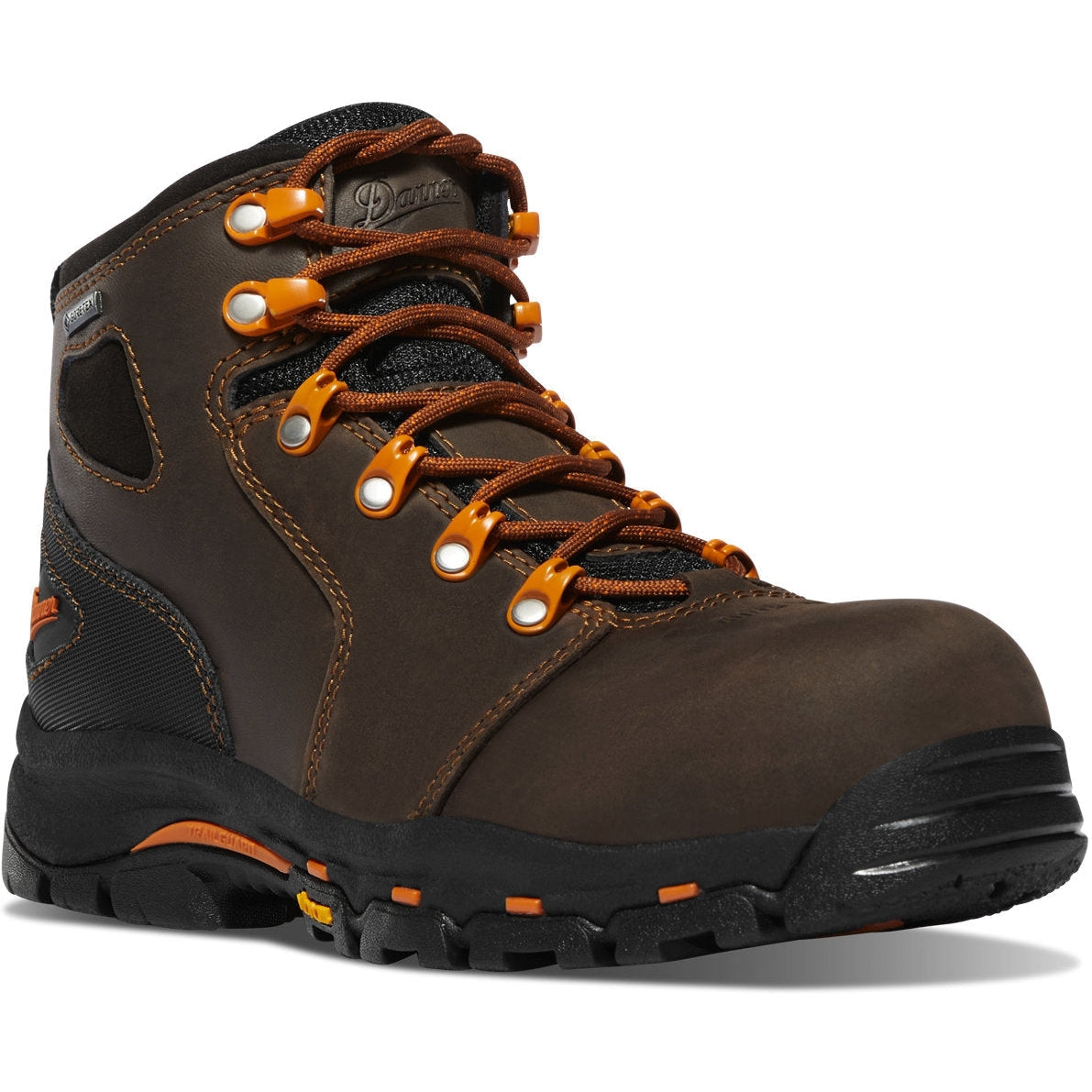
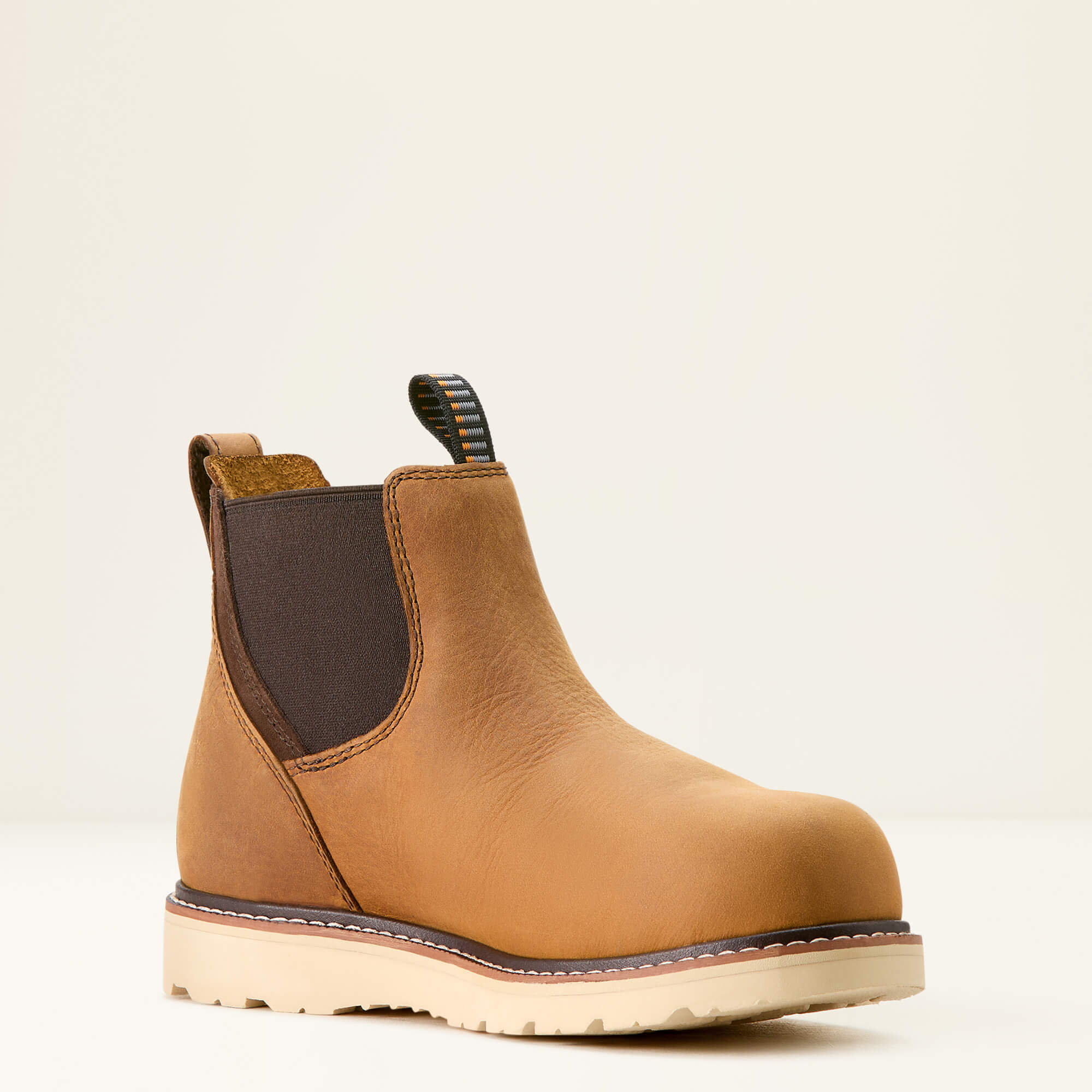
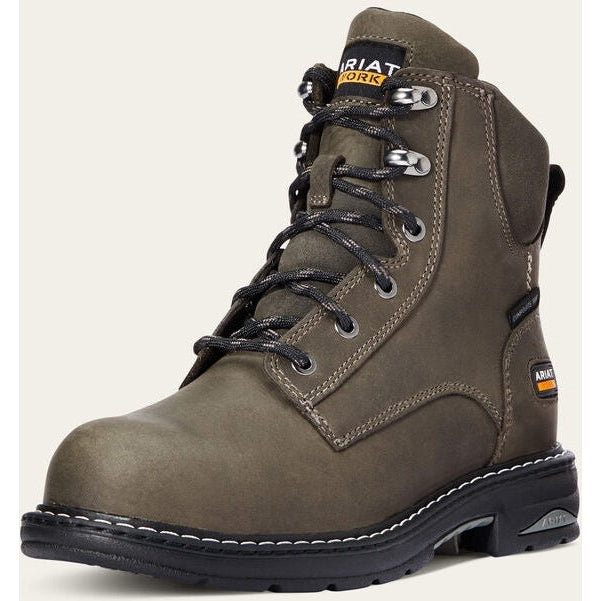
Danner Women's Vicious 4" Composite Toe Waterproof Slip Resistant Work Boot -Brown- 13884
Save 16%
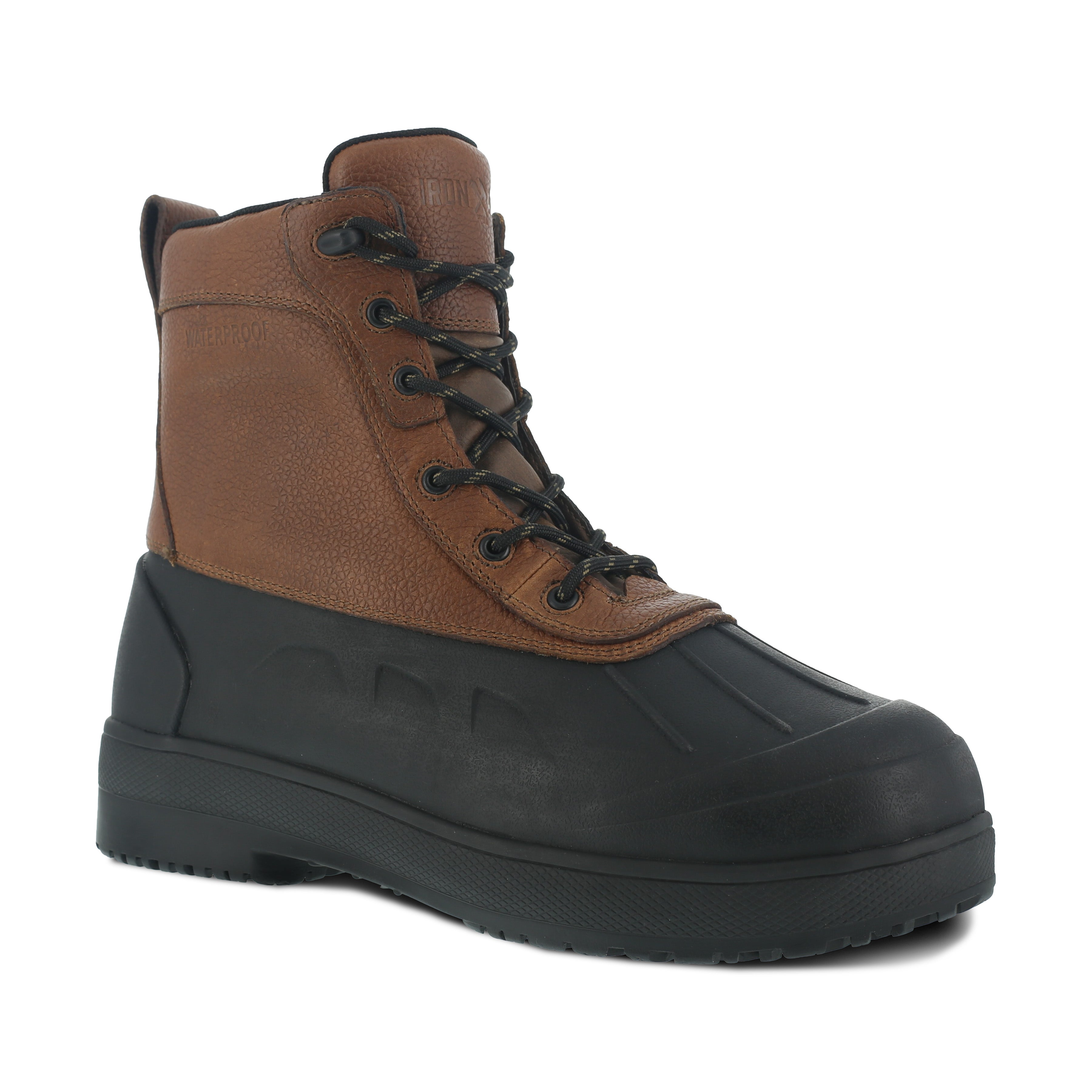
Sale price$164.95
Regular price$196.00
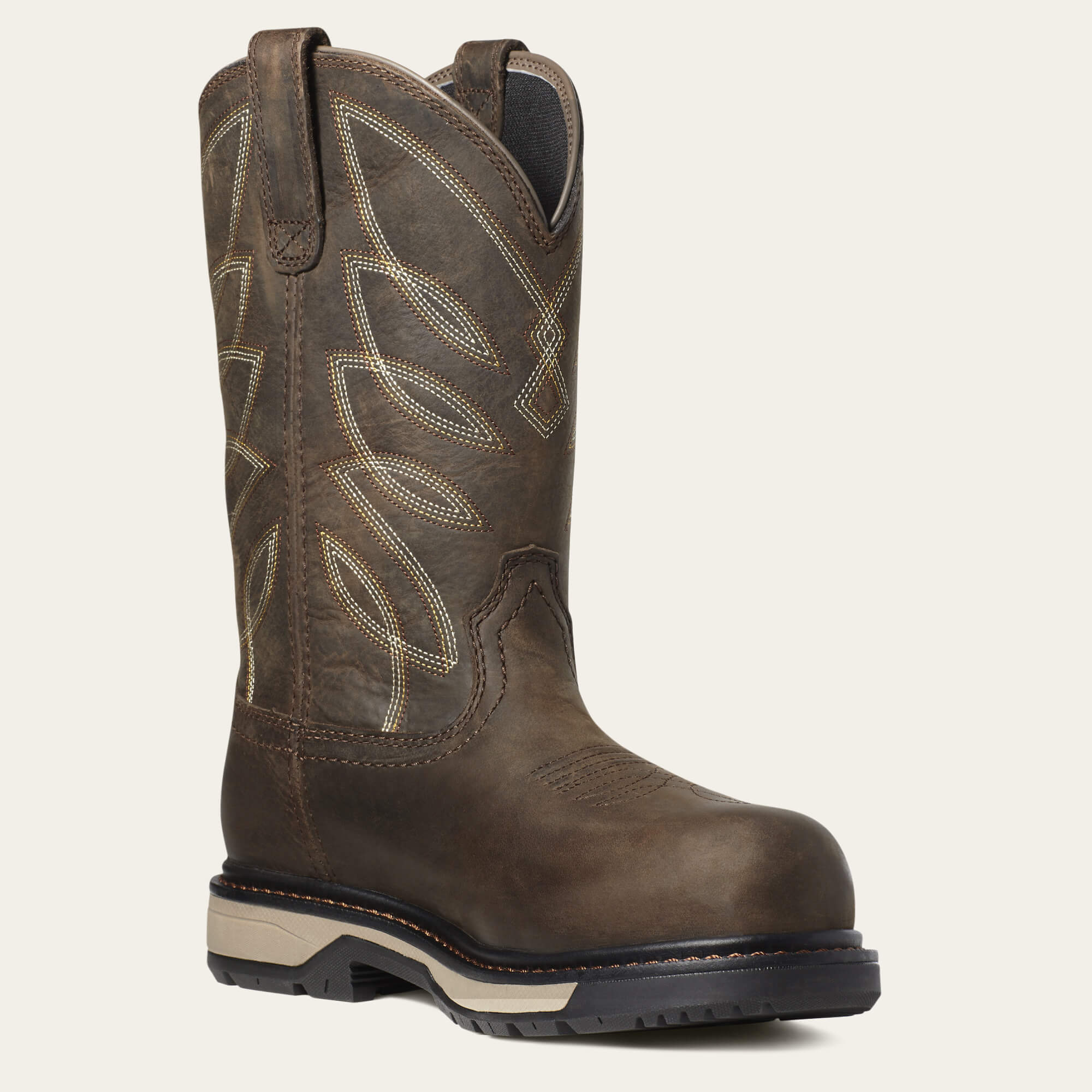
Iron Age Women's Compound Composite Toe Waterproof Rubber Vamp Work Boot - Black - IA965
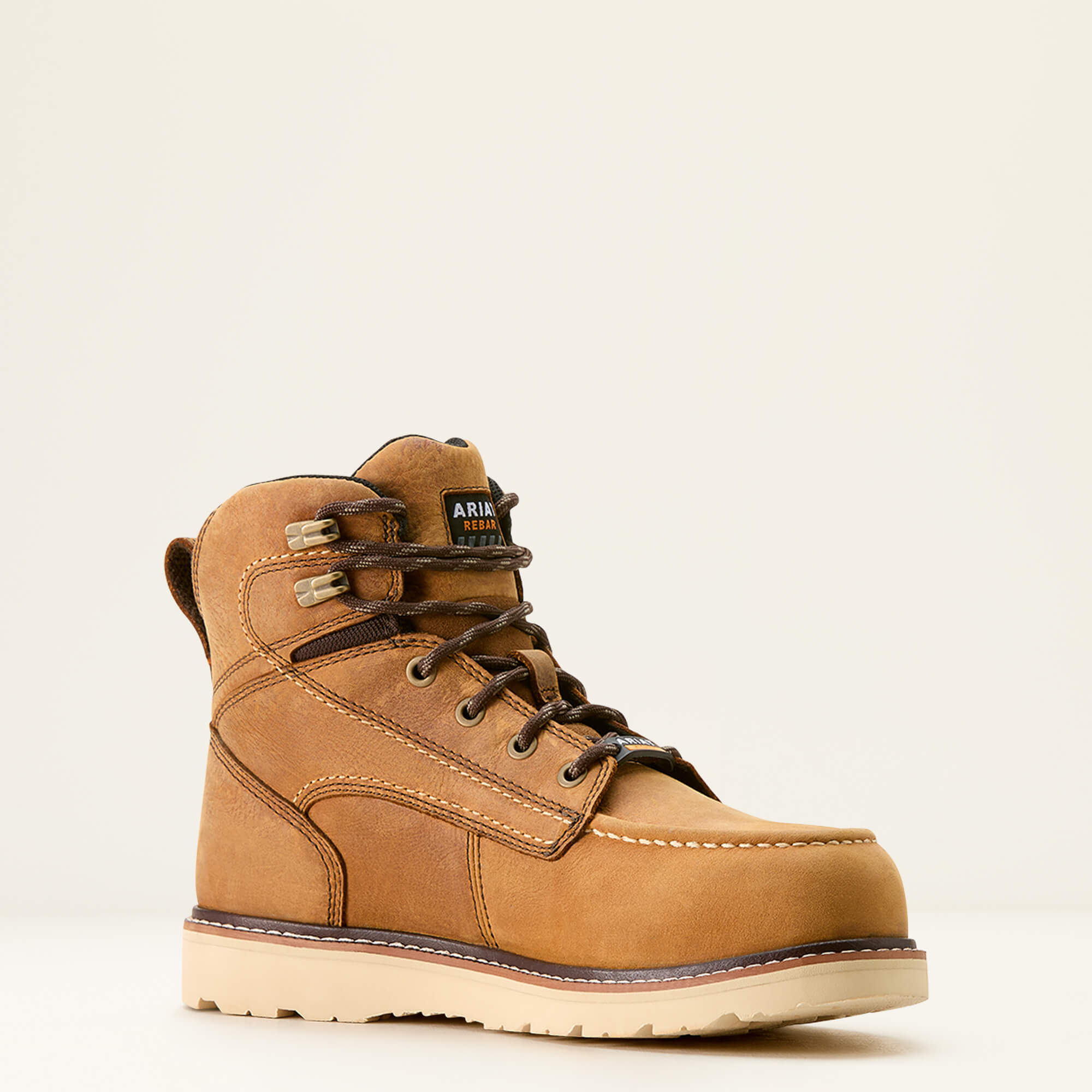
Sale price$179.95
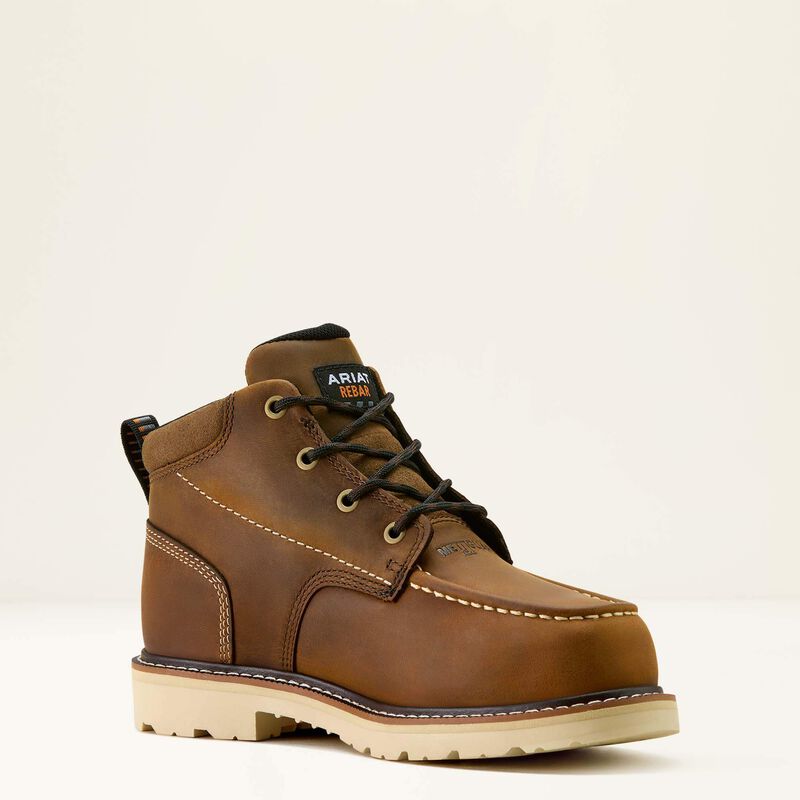
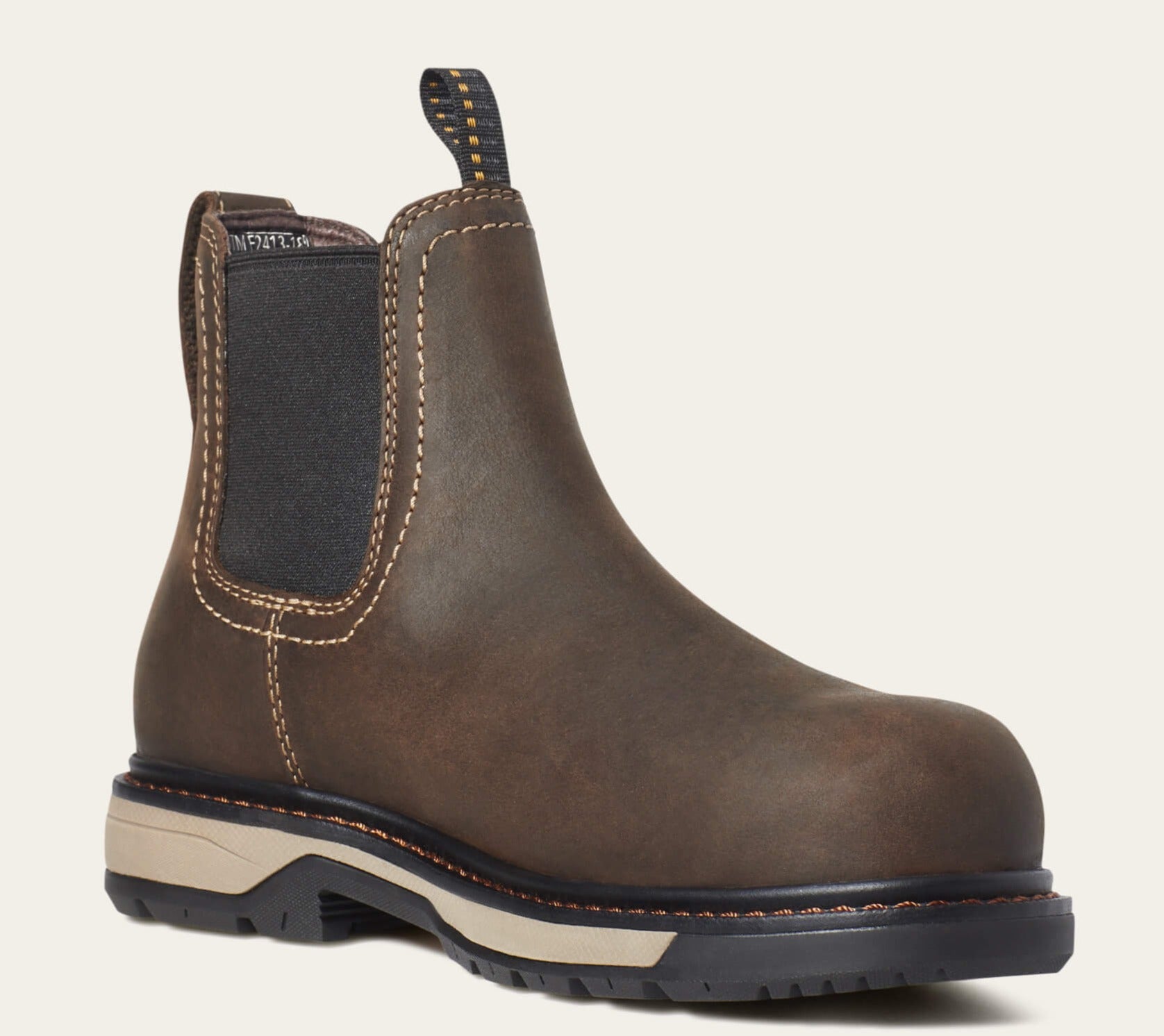
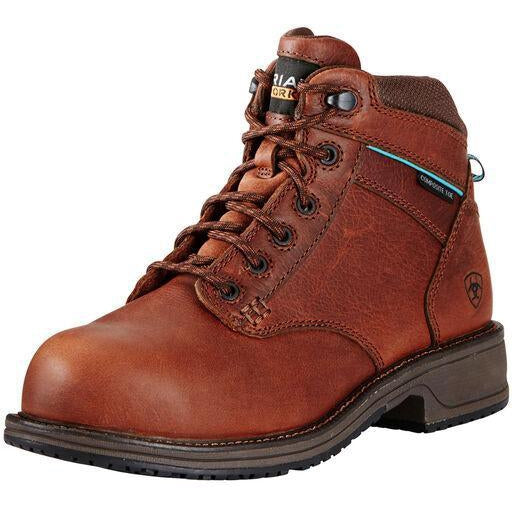
Ariat Women's Rebar Moc Toe Waterproof Wedge Work Boot -Brown- 10053717
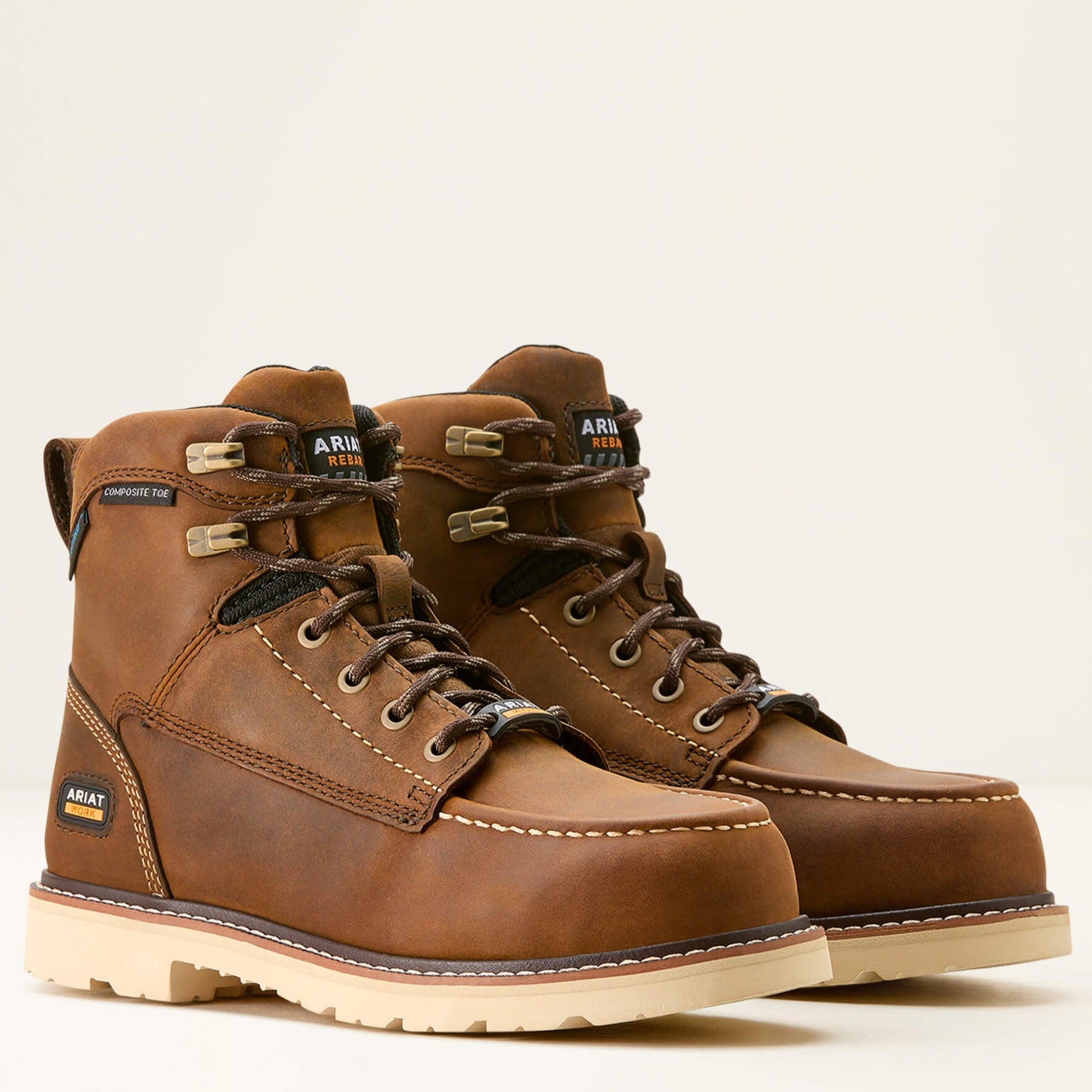
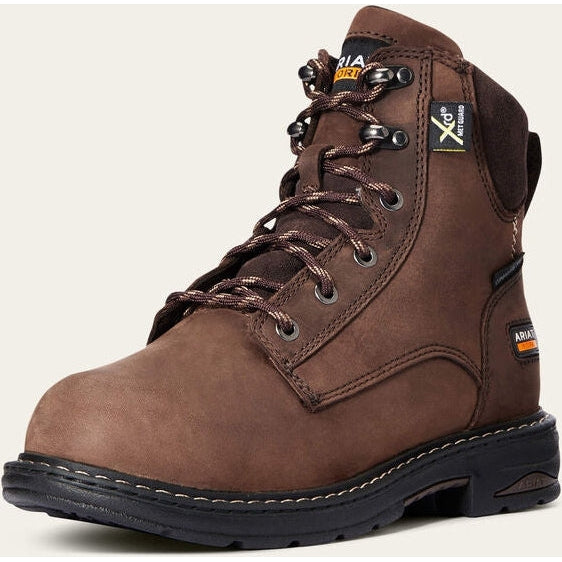
Save 10%
Sale price$134.95
Regular price$150.00
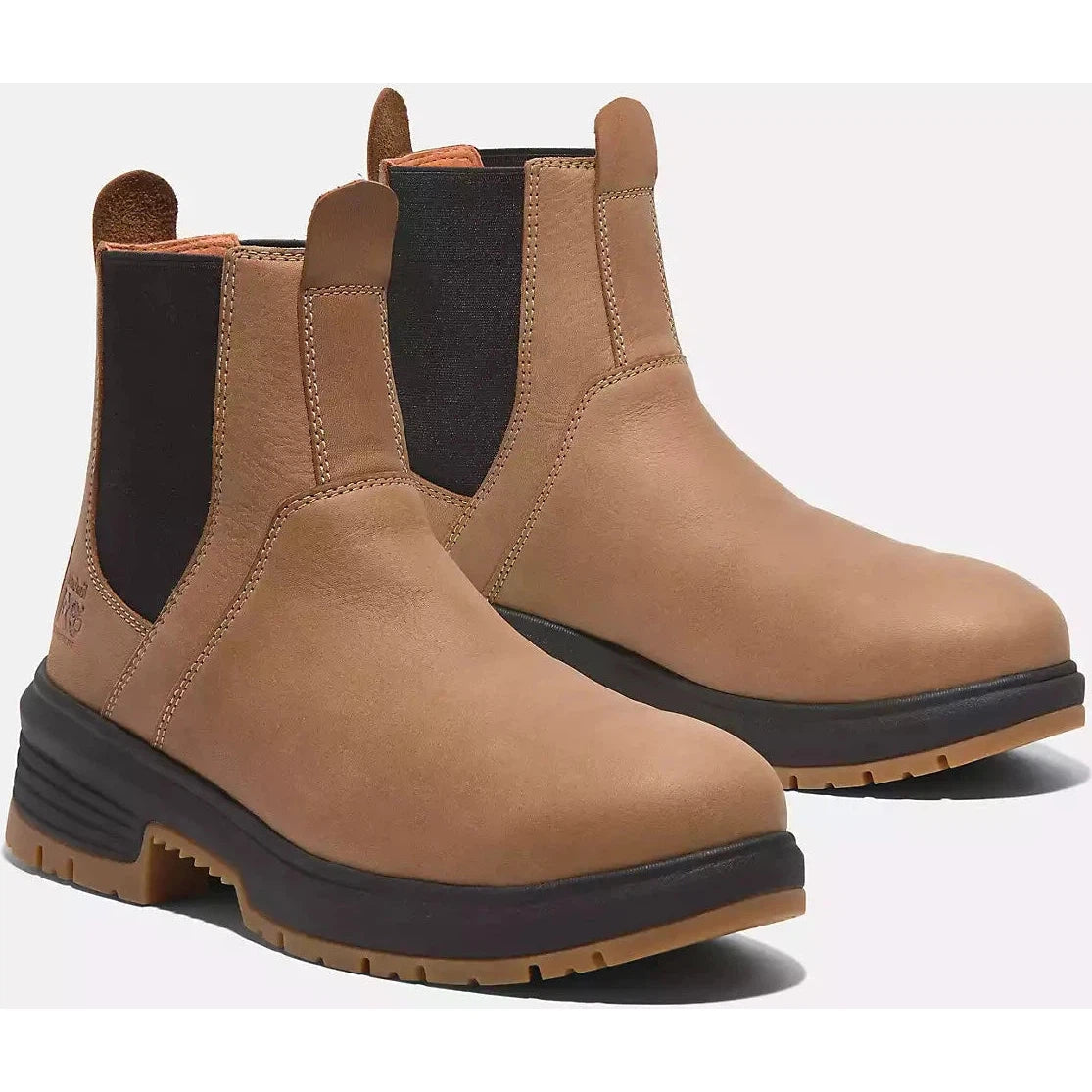
Timberland Pro Women's Birchline 6" Composite Toe Slip Resistant Work Boot -Brown- TB0A669YEM8
Save 12%
Sale price$162.00
Regular price$184.99
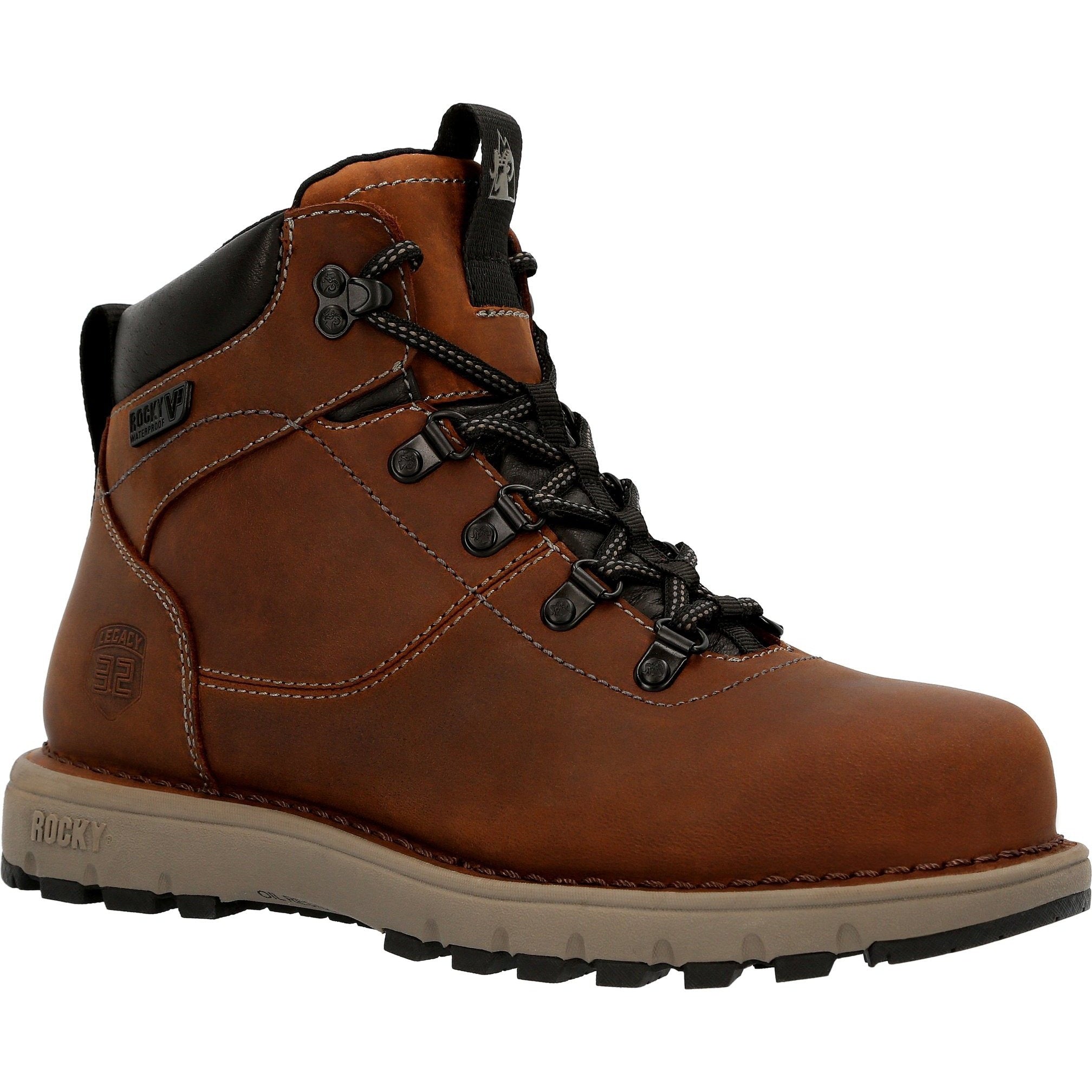
Rocky Women's Legacy 32 6" Composite Toe Waterproof Work Boot - Brown - RKK0350
Save 14%
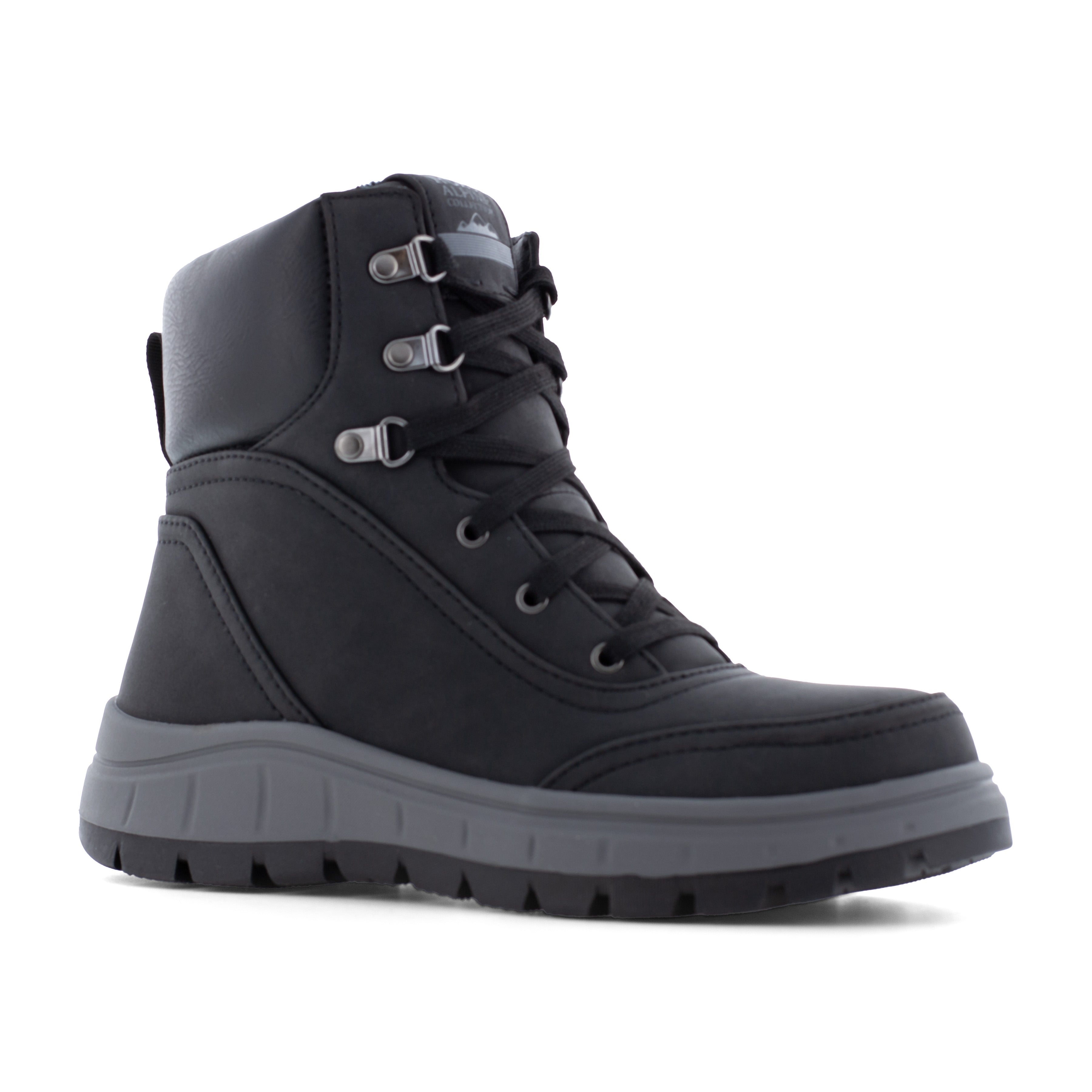
Sale price$109.95
Regular price$128.00
Roxy Women's Karmel Composite Toe Lace-Up Work Boot - Black - RX90301
12
Frequently Asked Questions
For what is tested, yes. Both meet ASTM F2413 for impact and compression, the same certification against the same test. Steel is thinner for a given rating, so a steel toe boot has a slimmer profile, while composite has to be slightly bulkier to hit the standard. Neither is a protection gap; they are different routes to the same rating.
Weight, mainly, and the difference is proportionally larger on a smaller boot because the cap makes up more of the total mass. Over a long shift that matters, since weight on your feet costs disproportionate energy. Composite also does not conduct temperature, so your toes stay warmer in cold and cooler in heat.
The cap itself will not, since it is non-metallic. That does not make the whole boot detector-safe, because the shank, any puncture plate, and the eyelets are separate components and can be steel. If you clear checkpoints at work, verify the entire boot rather than the toe type. See our 100 percent non metallic collection.
Meaningfully, yes. Steel conducts cold straight to your toes and no amount of insulation around it fully compensates. A composite cap removes that path entirely, which is why it is worth choosing for outdoor winter work if your site allows it. See our women's winter work boots range.
Snug at the heel with no lift, room across the ball of the foot, and enough length that your toes never touch the cap when you walk downhill. The cap is rigid and will never soften, so a boot that pinches on day one will still pinch in month three. Width rather than length is the fix for forefoot tightness.
Usually somewhat, since the materials cost more and the cap requires more precise manufacturing. What you are paying for is weight saving and temperature performance rather than more protection. If neither is a problem for you, steel gets the same rating for less. See our women's steel toe work boots range.
Generally yes, since OSHA requires footwear meeting a recognized consensus standard rather than a specific cap material, and composite meets ASTM F2413. Some employers write a material into their own policy, which is stricter than the regulation. Check your site policy rather than assuming the standard is the whole answer.
Carbon fiber is one type of composite, and it is the lightest rated cap material available. Other composites use fiberglass, Kevlar, or reinforced plastics and are slightly heavier while meeting the same standard. Both are non-metallic. If weight is your priority, look specifically for carbon rather than composite generally.
Recently viewed
Our Top Brands