Save 11%
Sale price$169.95
Regular price$190.00
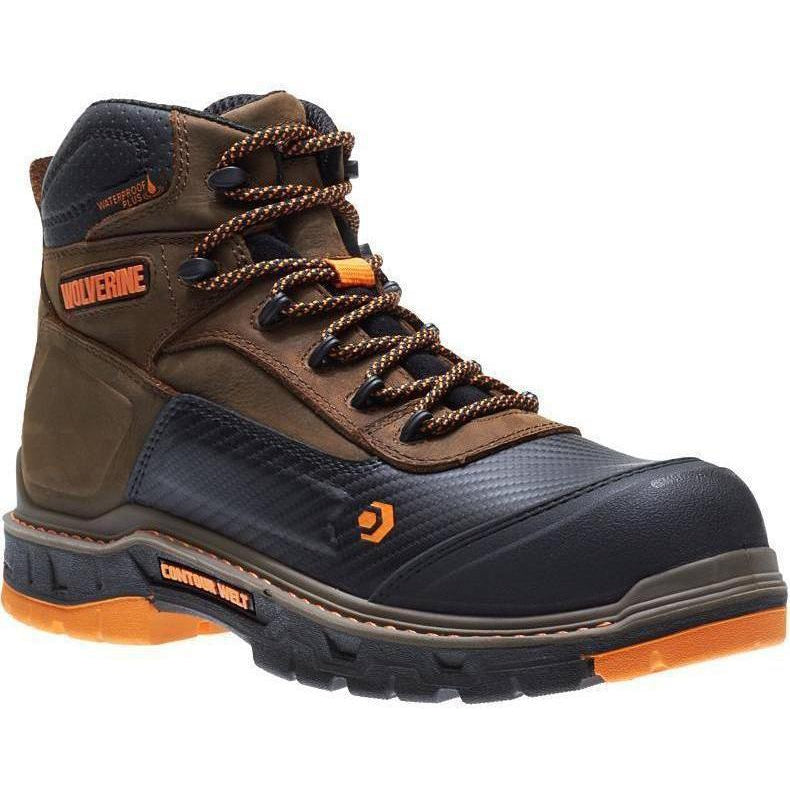
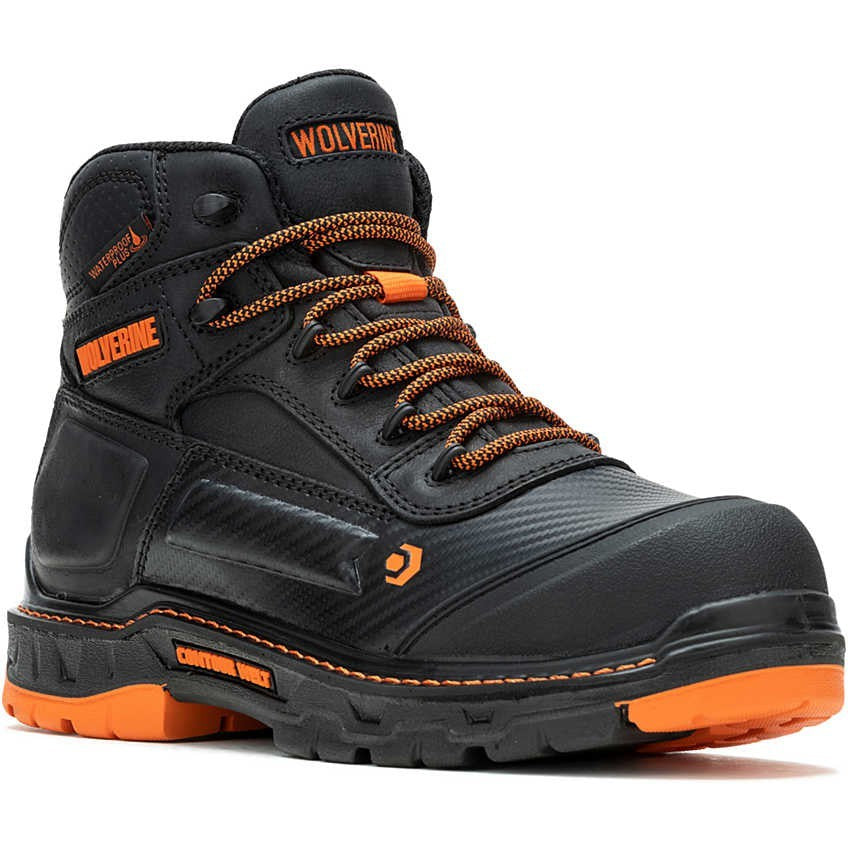
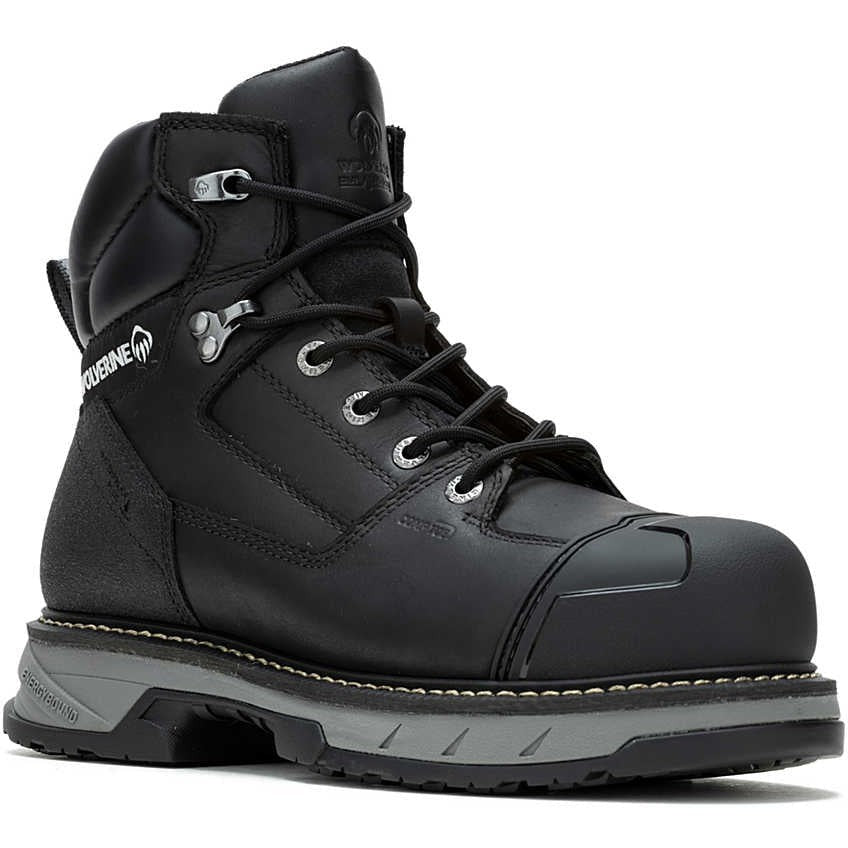
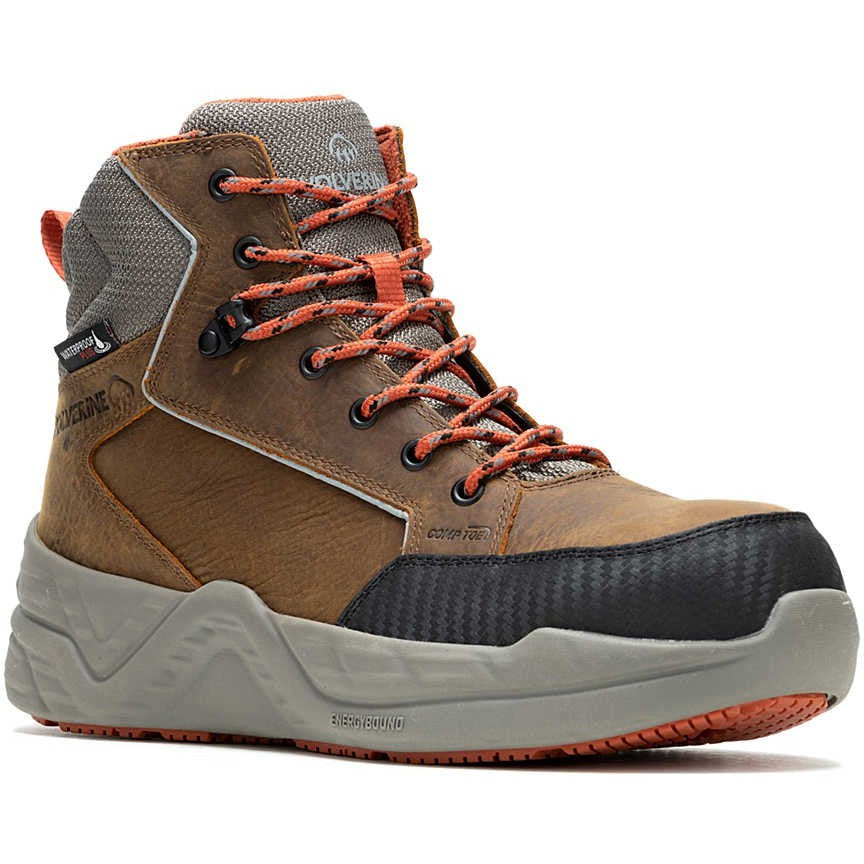
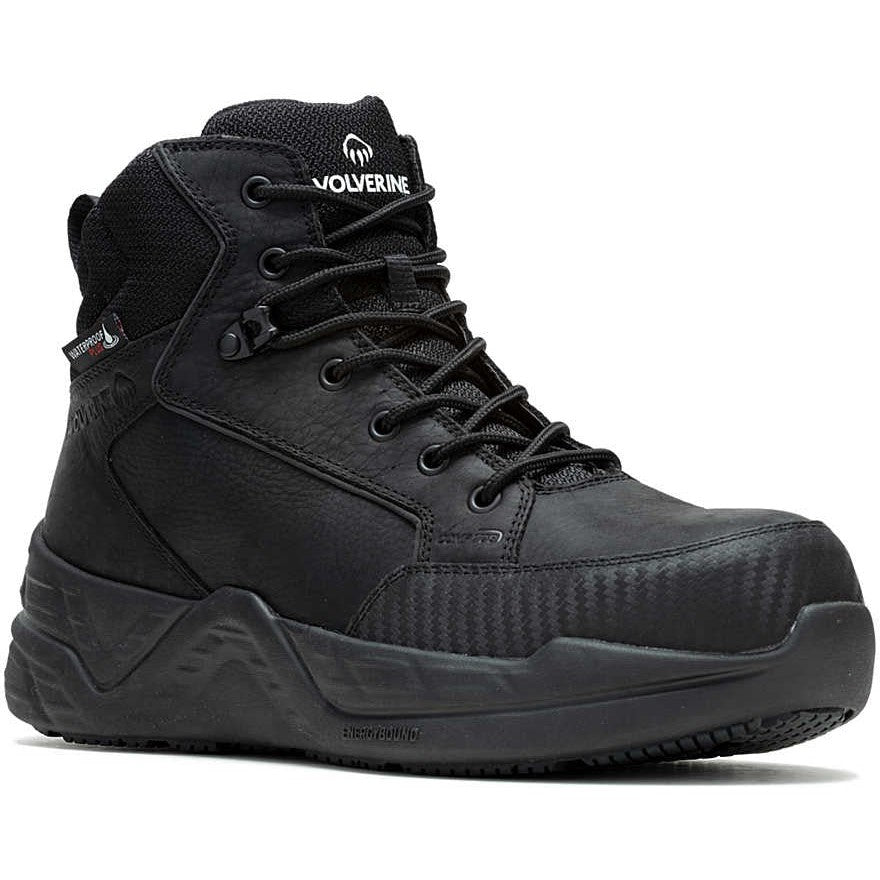
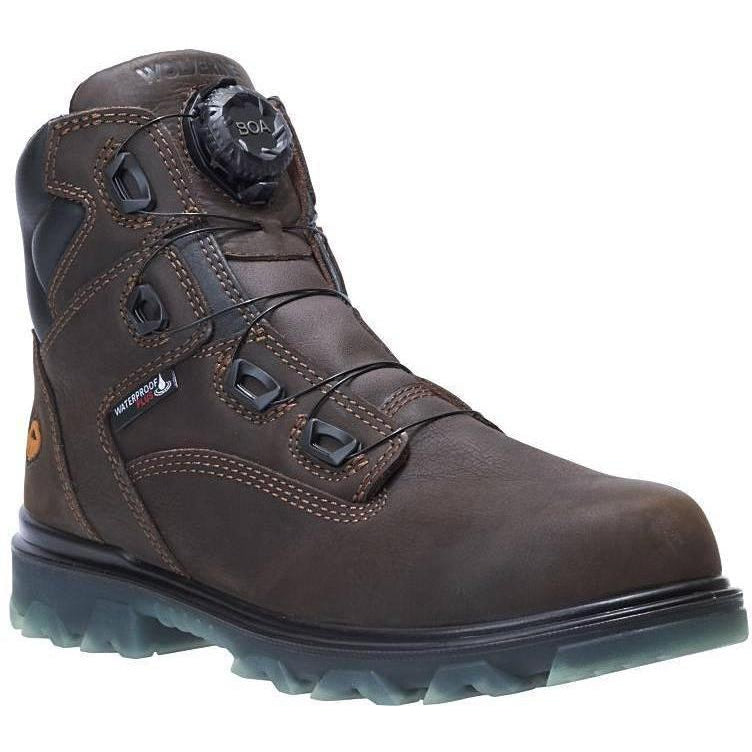
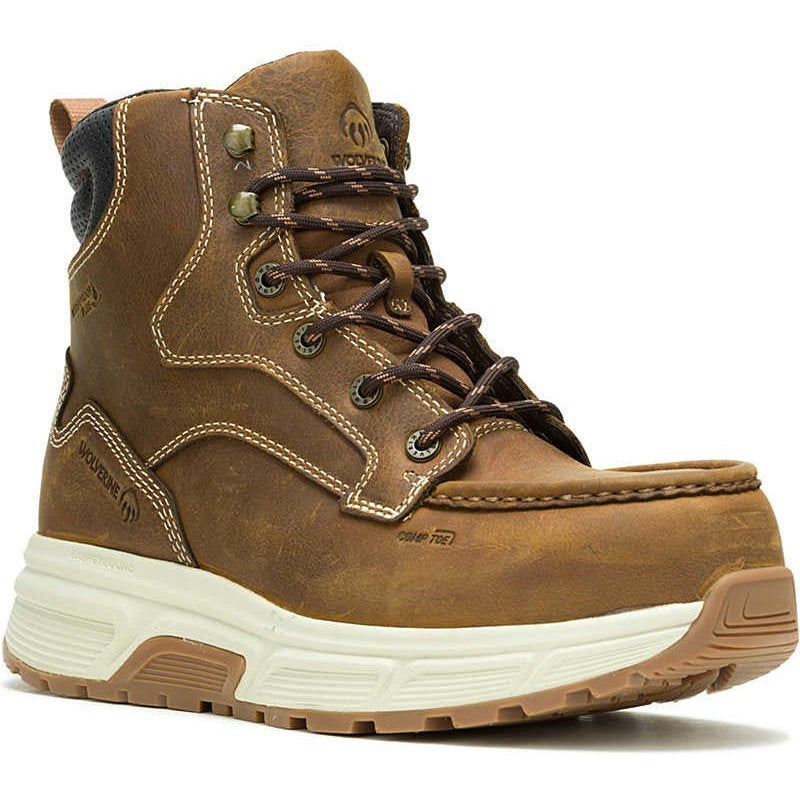
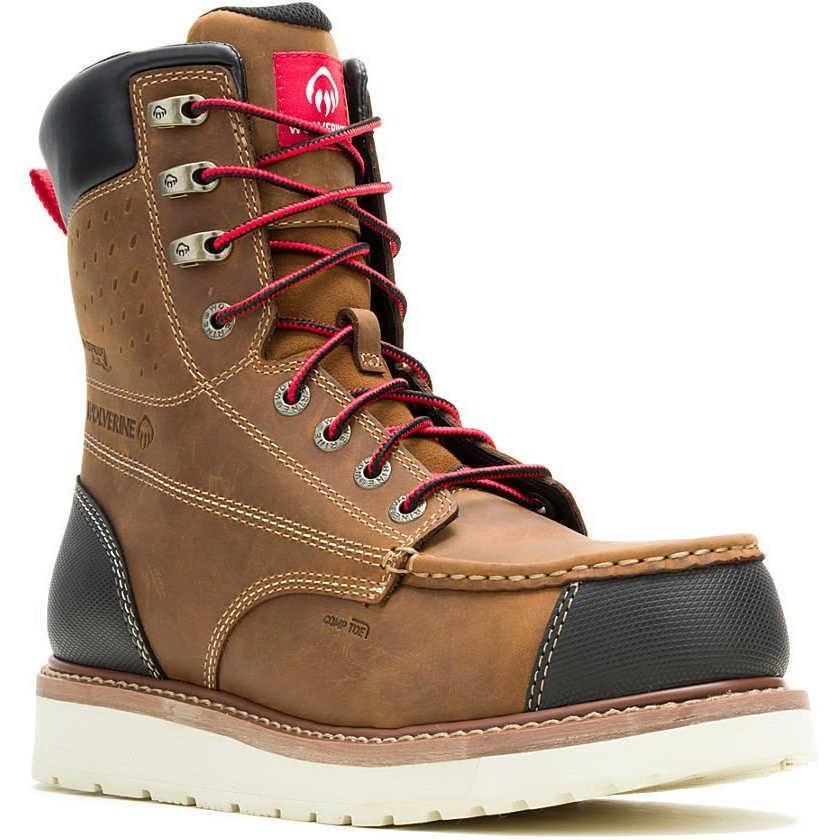
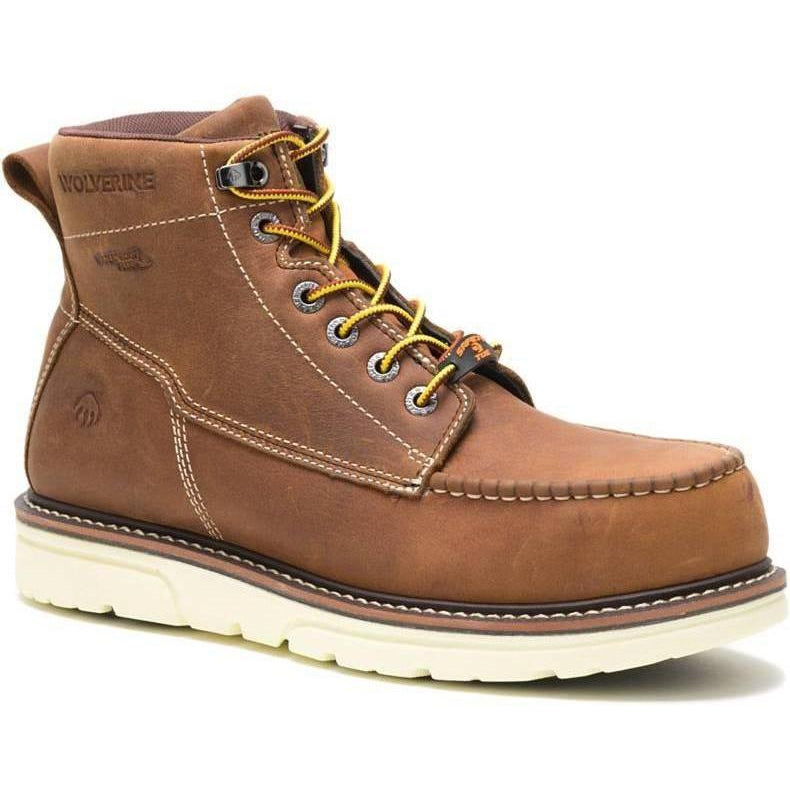
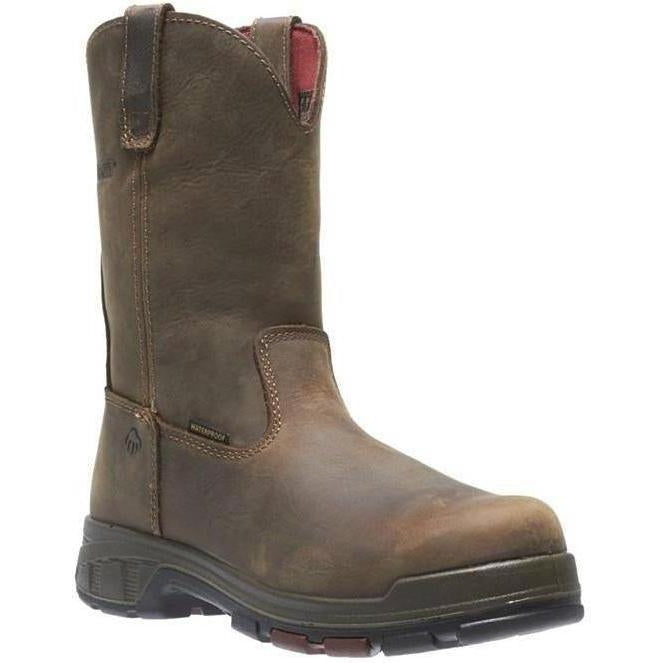
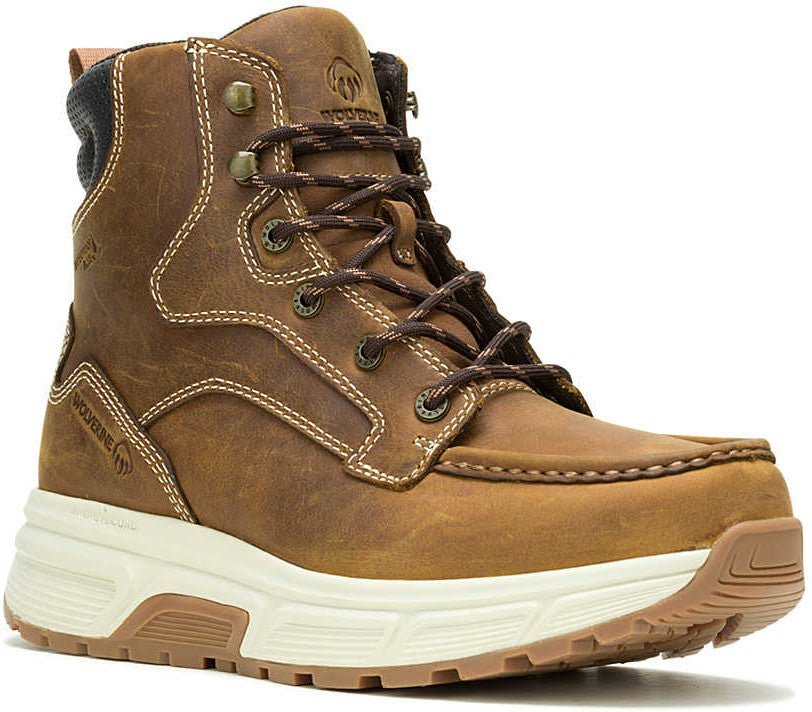
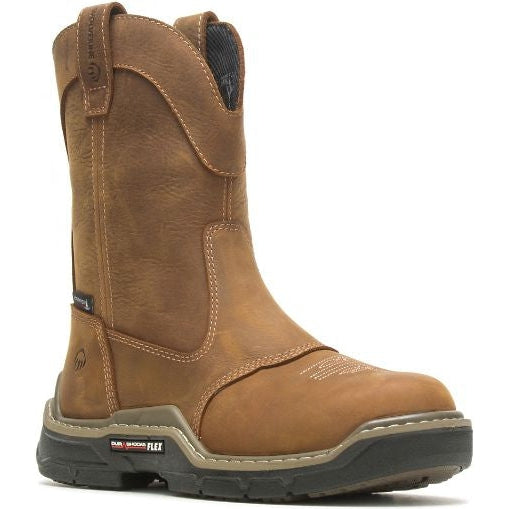
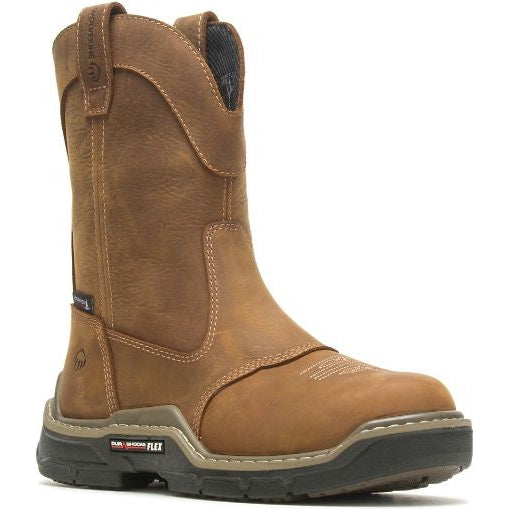
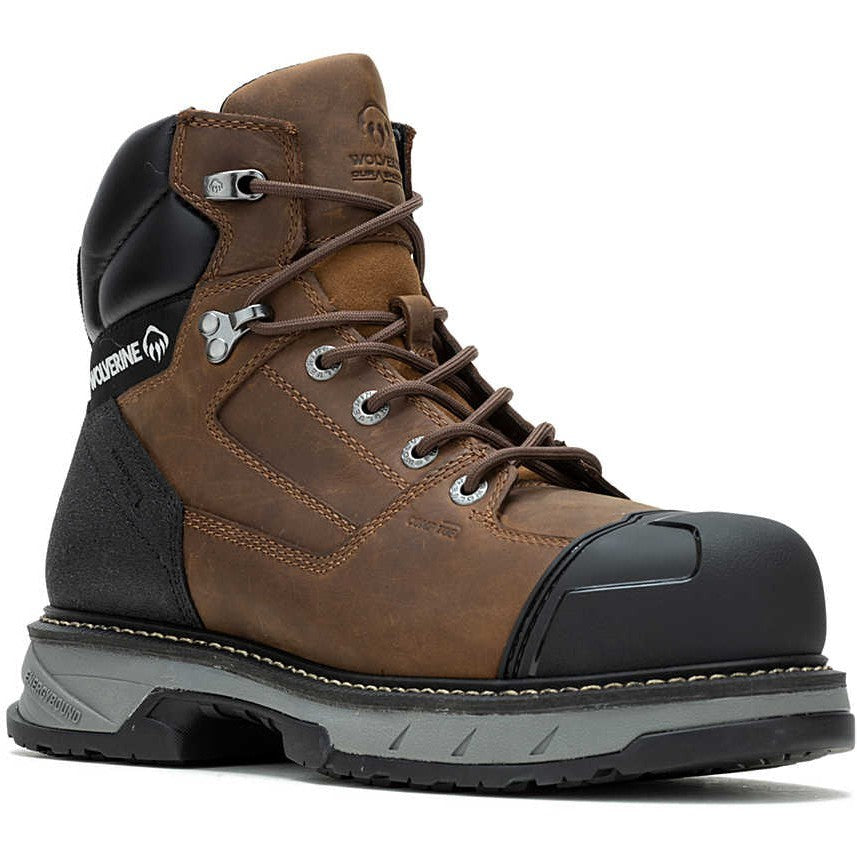
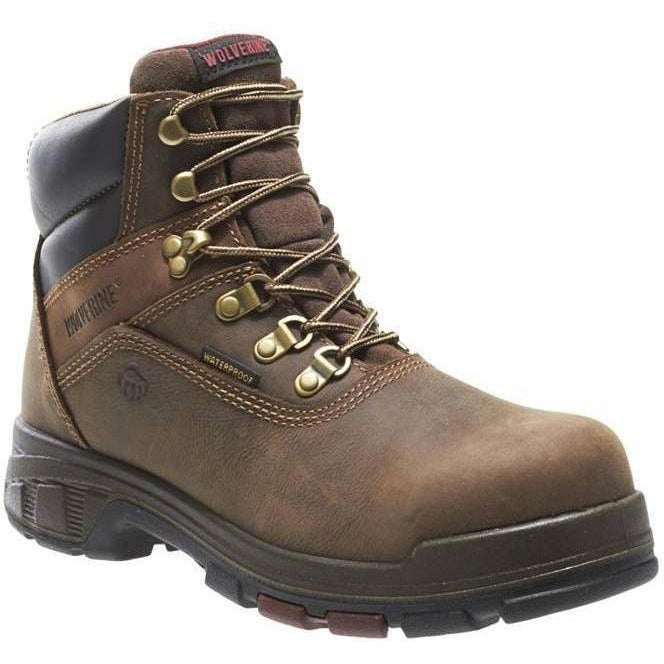
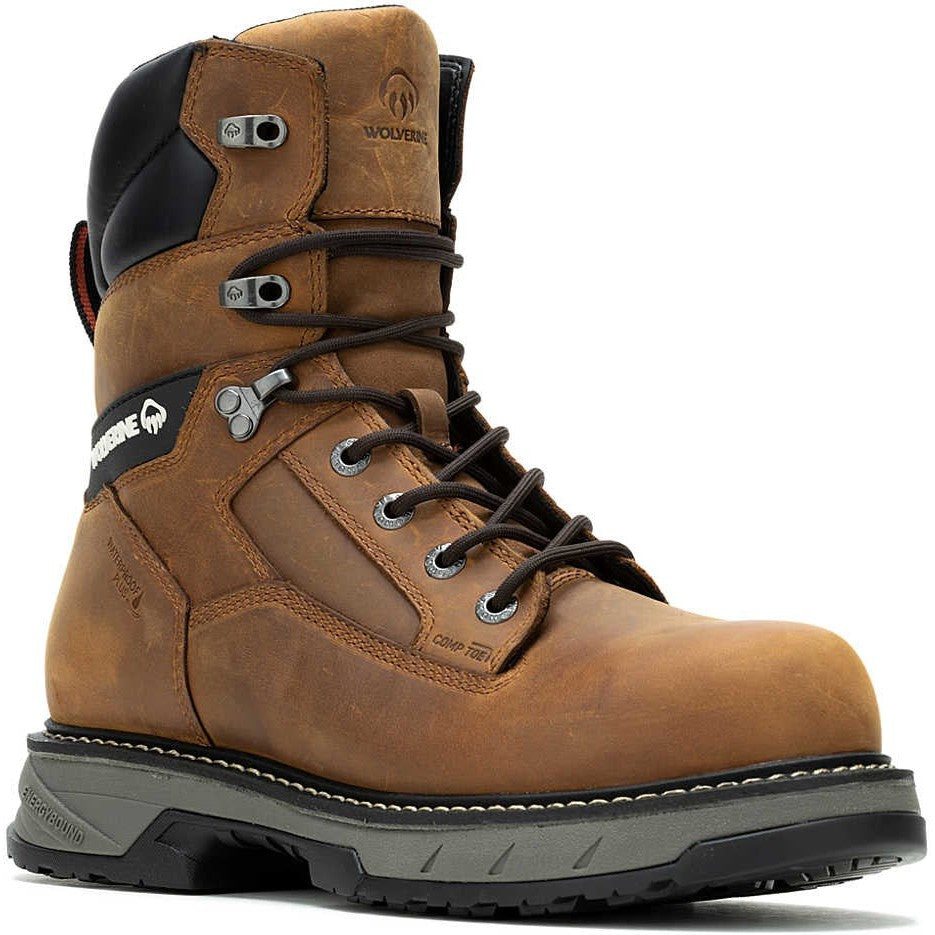
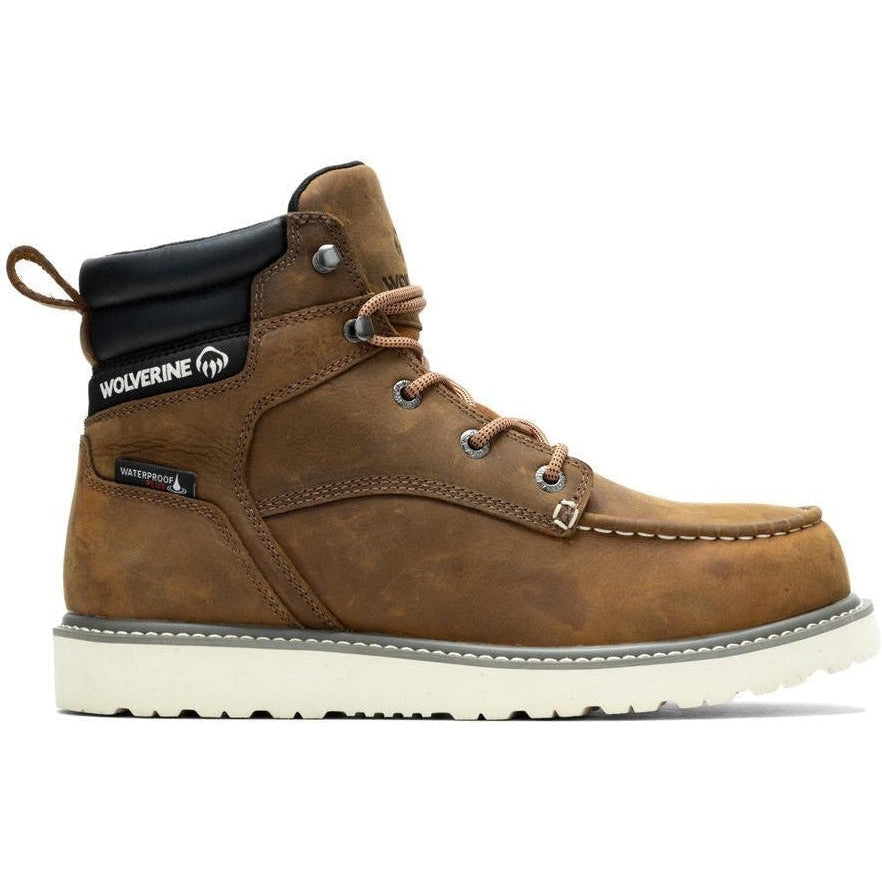
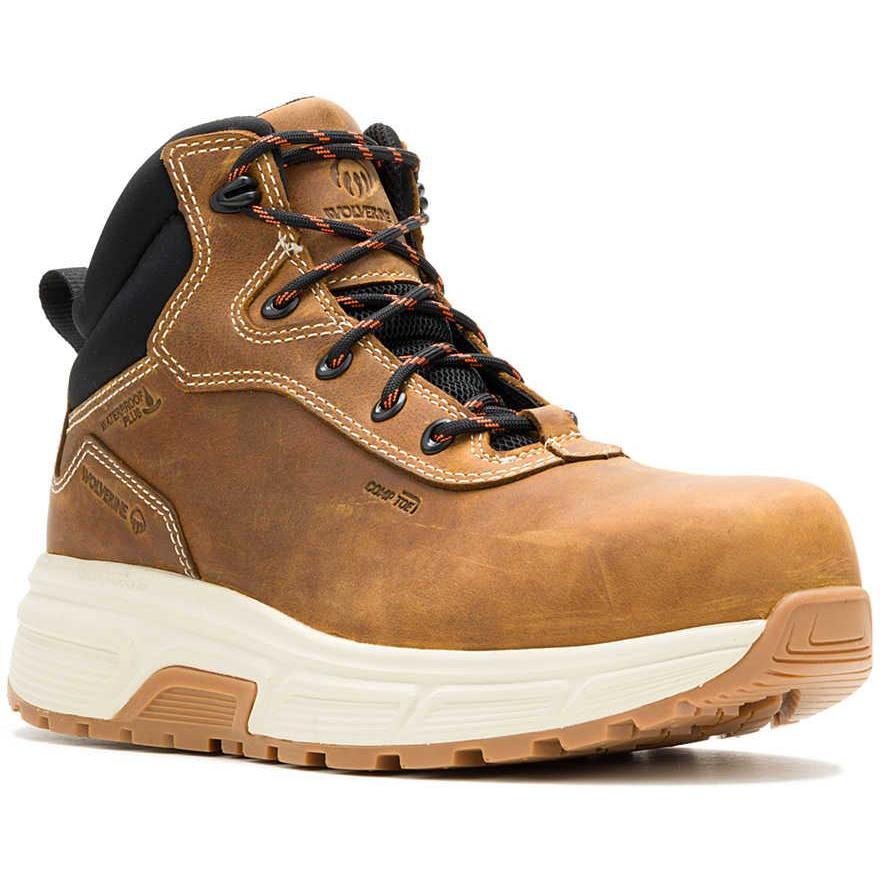
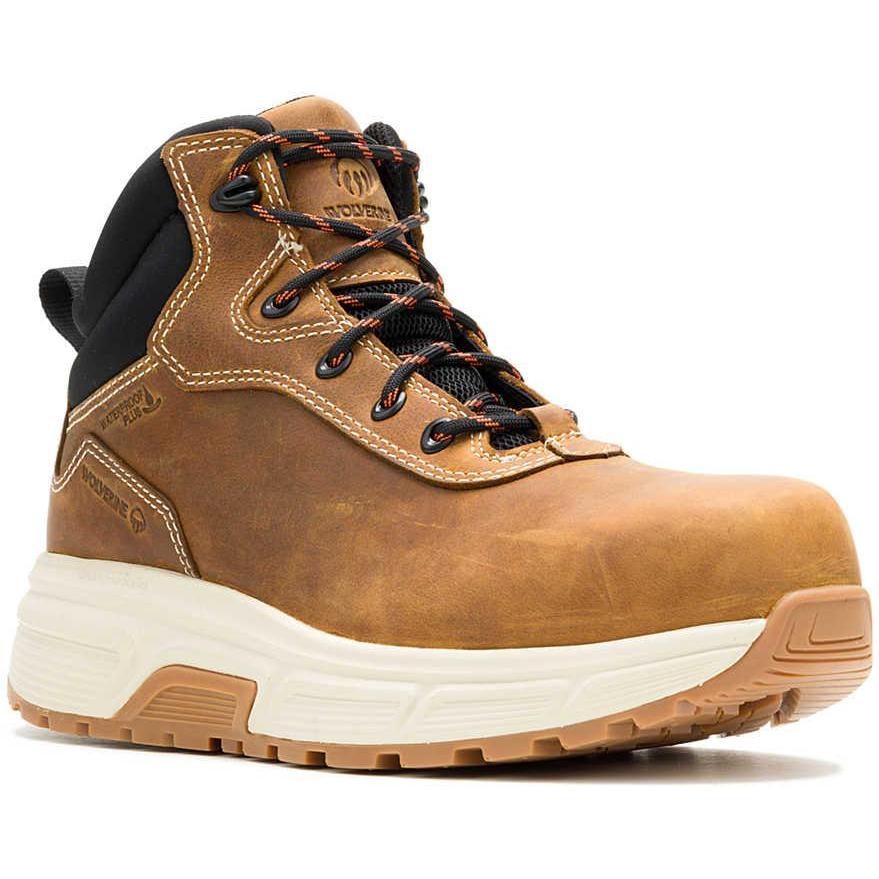
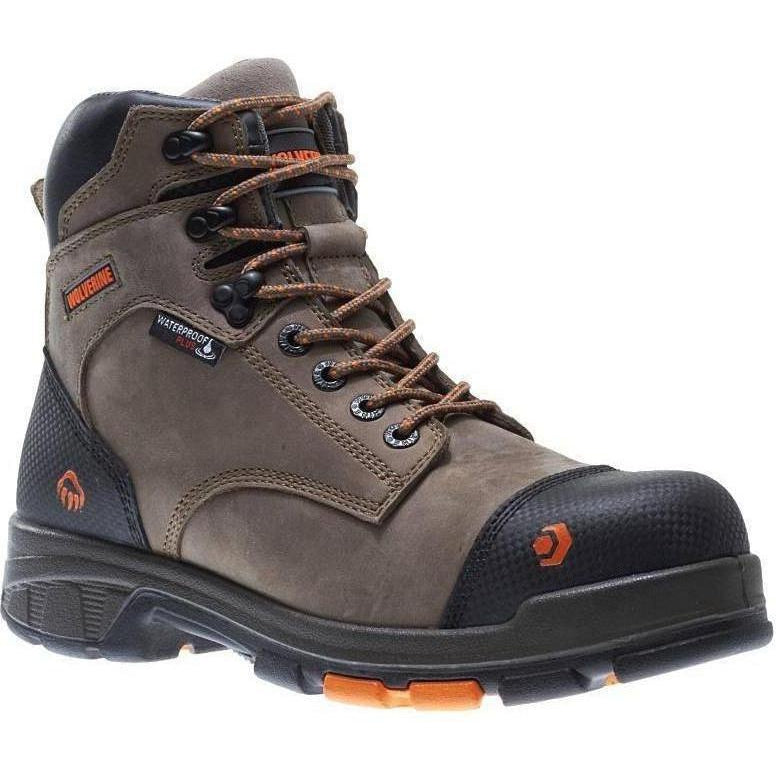
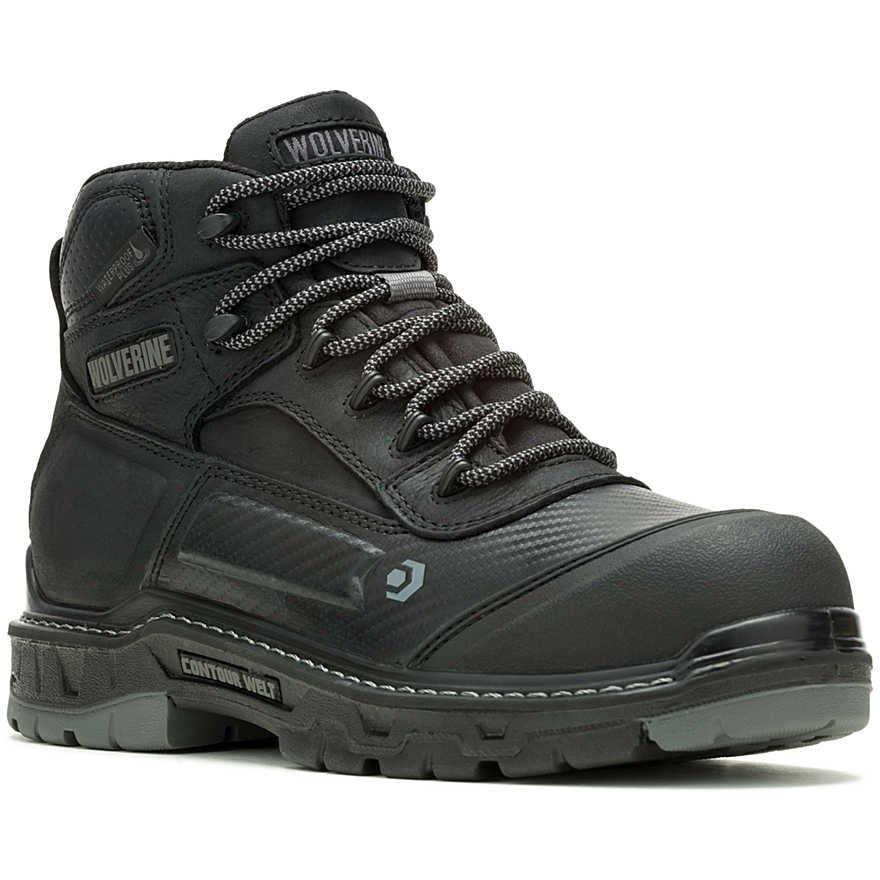
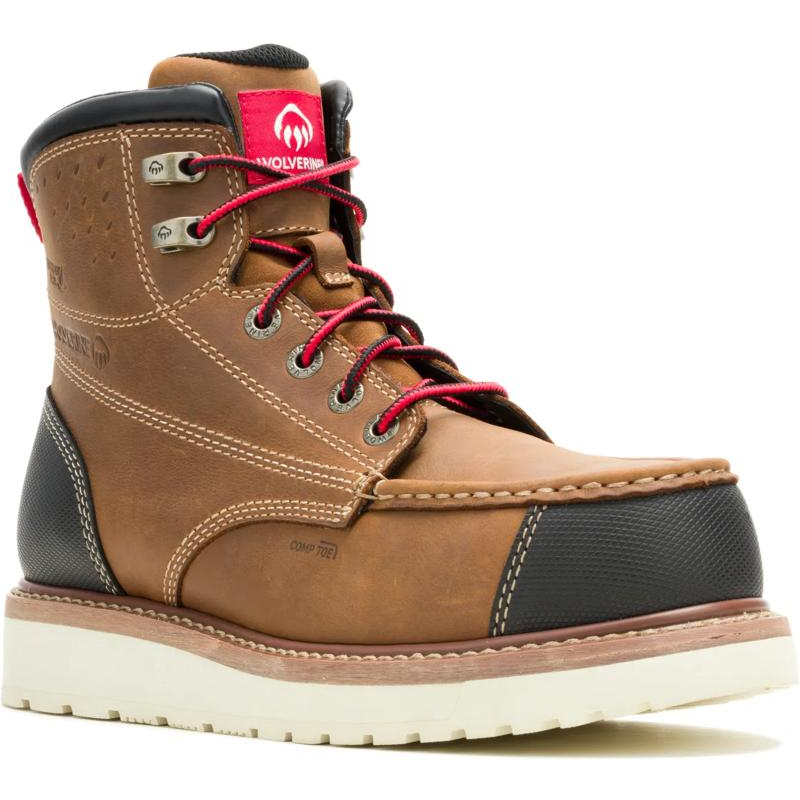
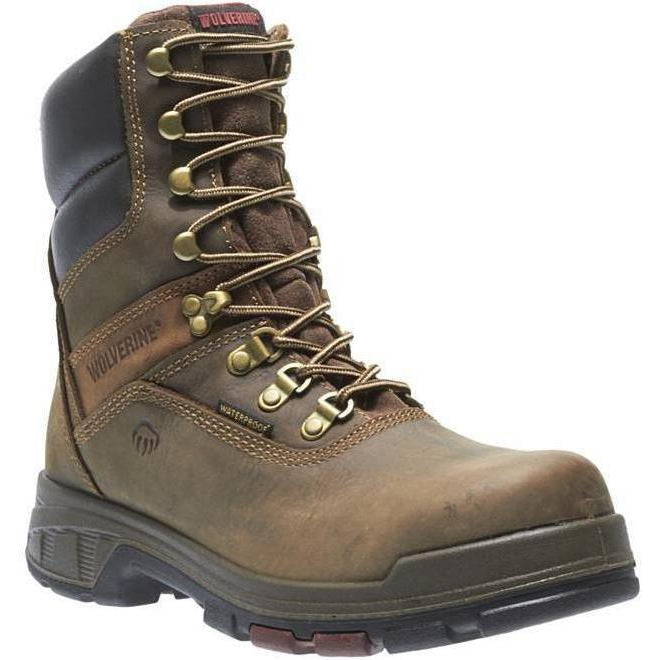
Wolverine Men's Loader 6" Comp Toe Waterproof Carbonmax Work Boot- Trail- W261029
Frequently Asked Questions
Most of the line uses a sealed waterproof membrane inside the boot that blocks liquid water while letting some vapor escape. Several models pair it with Wolverine's EPX and Contour Welt construction for a durable, sealed bond between the upper and sole. Because the membrane is built in rather than sprayed on the surface, it doesn't wash off or wear away with use.
Waterproof means a sealed barrier that keeps water out even when you're standing in it. Water-resistant means treated leather that sheds a shower but wets through under sustained exposure. The distinction matters most at the seams and the tongue, which is where a water-resistant boot fails first. Product titles in this collection state waterproof explicitly.
The membrane itself doesn't wear out from getting wet and typically outlasts the rest of the boot. What fades is the water-repellent finish on the leather, usually within a season of hard wear. When water soaks into the upper instead of beading on it, the boot isn't leaking, it just looks and feels like it is. That's the signal to clean and recondition the leather, not to replace the boot.
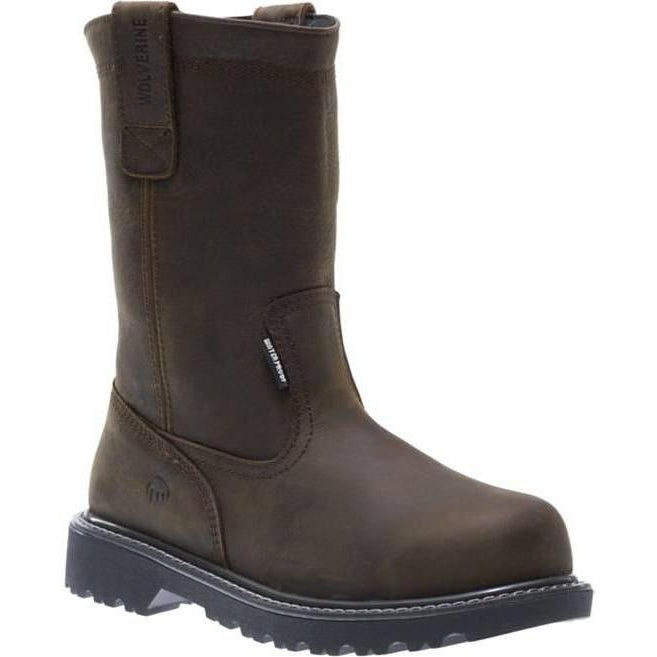
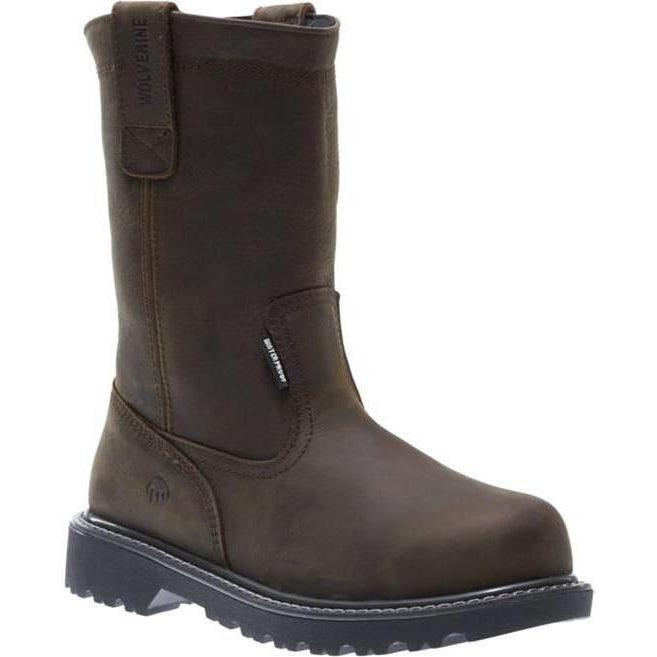
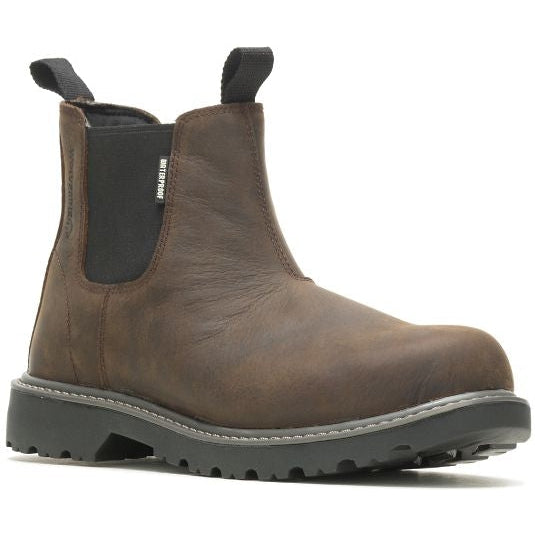
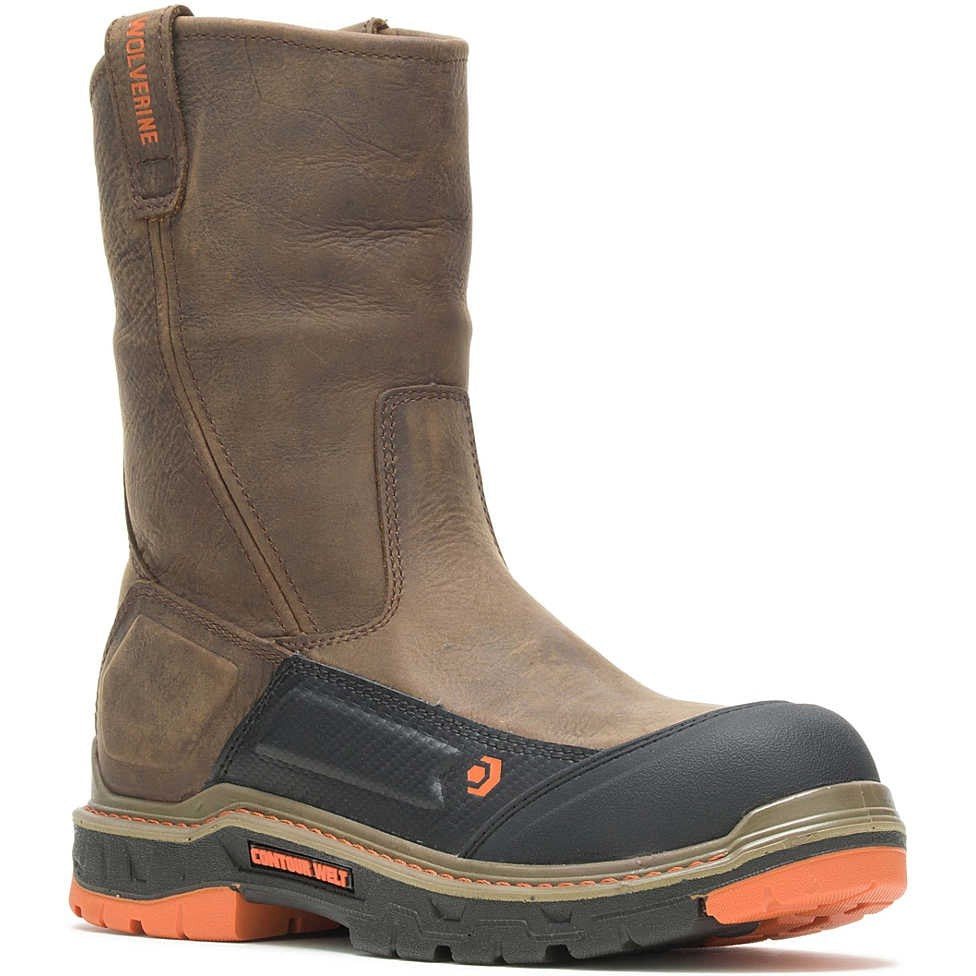
At the entry point, yes. A lace-up's most common leak path is the lacing gap and the seam under the tongue, which is why a gusseted tongue matters on one. A pull-on wellington or western has no lacing gap at all, so with a waterproof membrane and a tall shaft it keeps water out very effectively. That's part of why Wolverine's tall pull-ons are popular in genuinely wet work.
Only if you're actually cold. Insulation you don't need traps heat you can't shed, and sweat soaks a sock just as thoroughly as a puddle. For wet but mild work, take waterproof alone. For winter outdoors, Wolverine builds waterproof insulated models like the Vantage FT 400G and I-90 DuraShocks 200G, so match the gram weight to the temperature and to how much you move.
Slowly, and never with direct heat. Pull the insoles and loosen the laces so air reaches the inside, then leave the boots at room temperature with airflow. Heaters, fires, and truck defrost vents dry leather faster than it can handle, which cracks the upper and can weaken the sole bond. If boots are soaked every day, a second pair in rotation will outlast a single pair worn wet.
Recently viewed
Our Top Brands