Save 17%
Sale price$127.95
Regular price$155.00
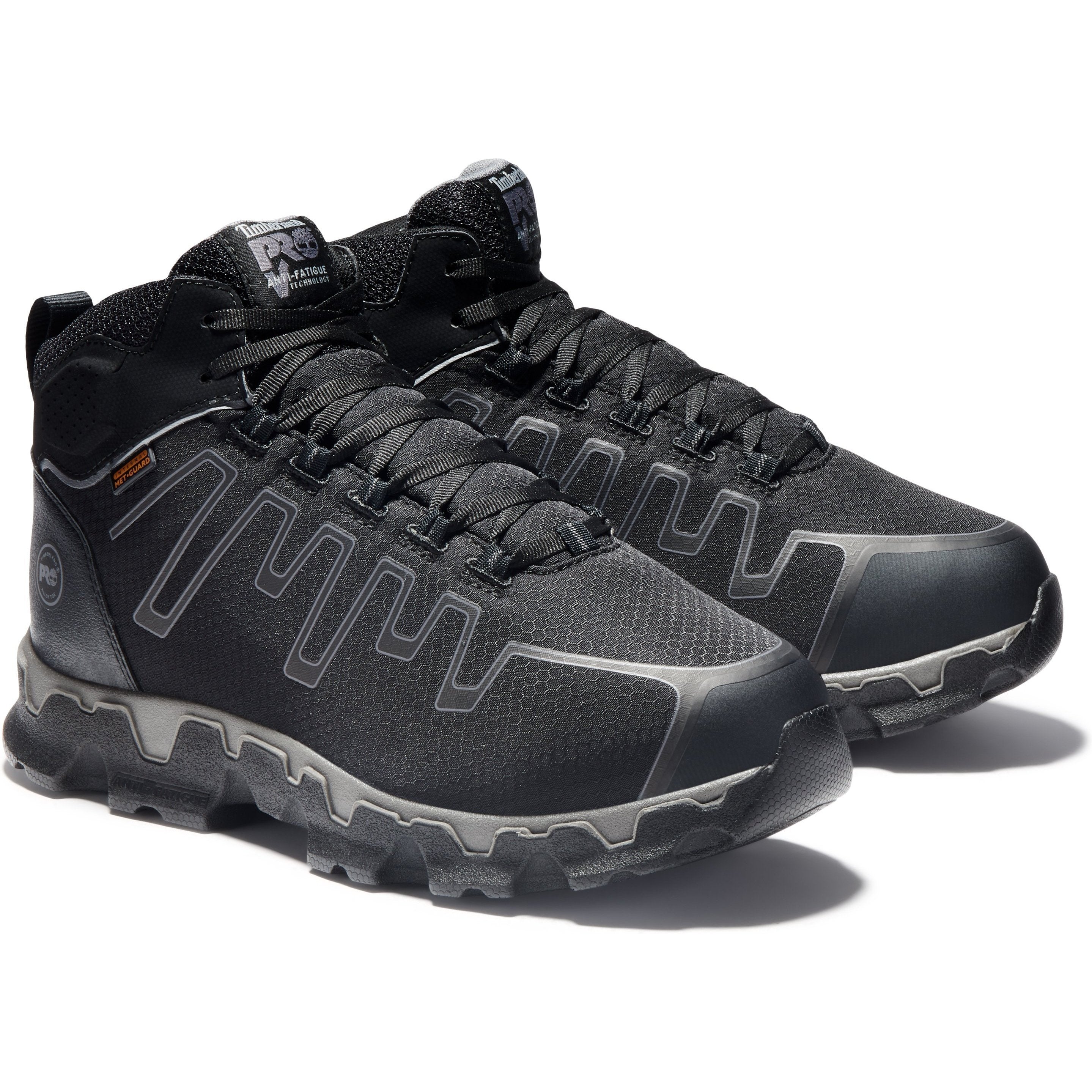
Timberland Pro Men's Powertrain Sport Alloy Toe Internal Met Guard Work Shoe - Black - TB0A1GHM001
Save 14%
Sale price$119.95
Regular price$140.00
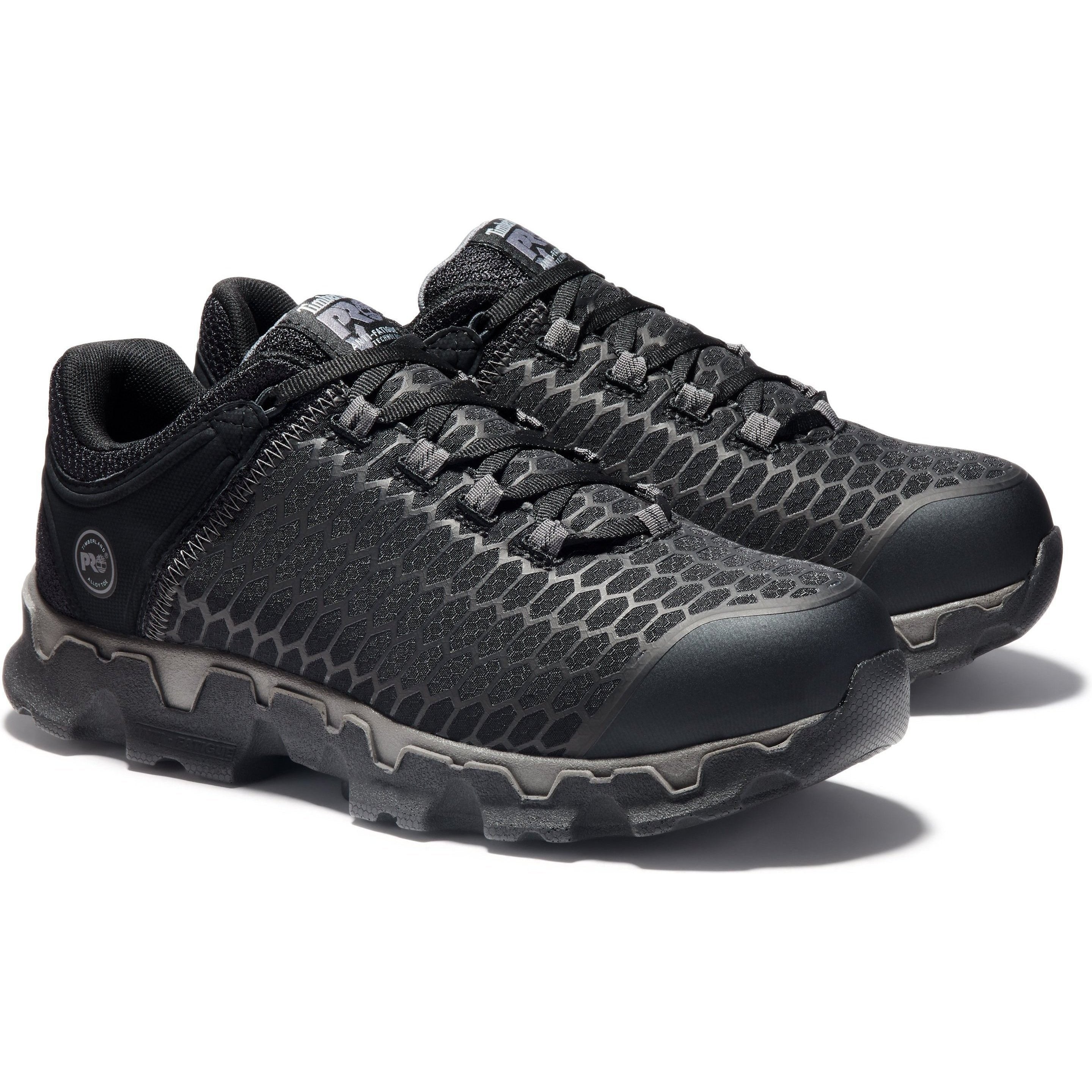
Timberland Pro Men's Powertrain Sport Alloy Toe SD+ Work Shoe - Black - TB1A1B6U001
Save 14%
Sale price$119.95
Regular price$140.00
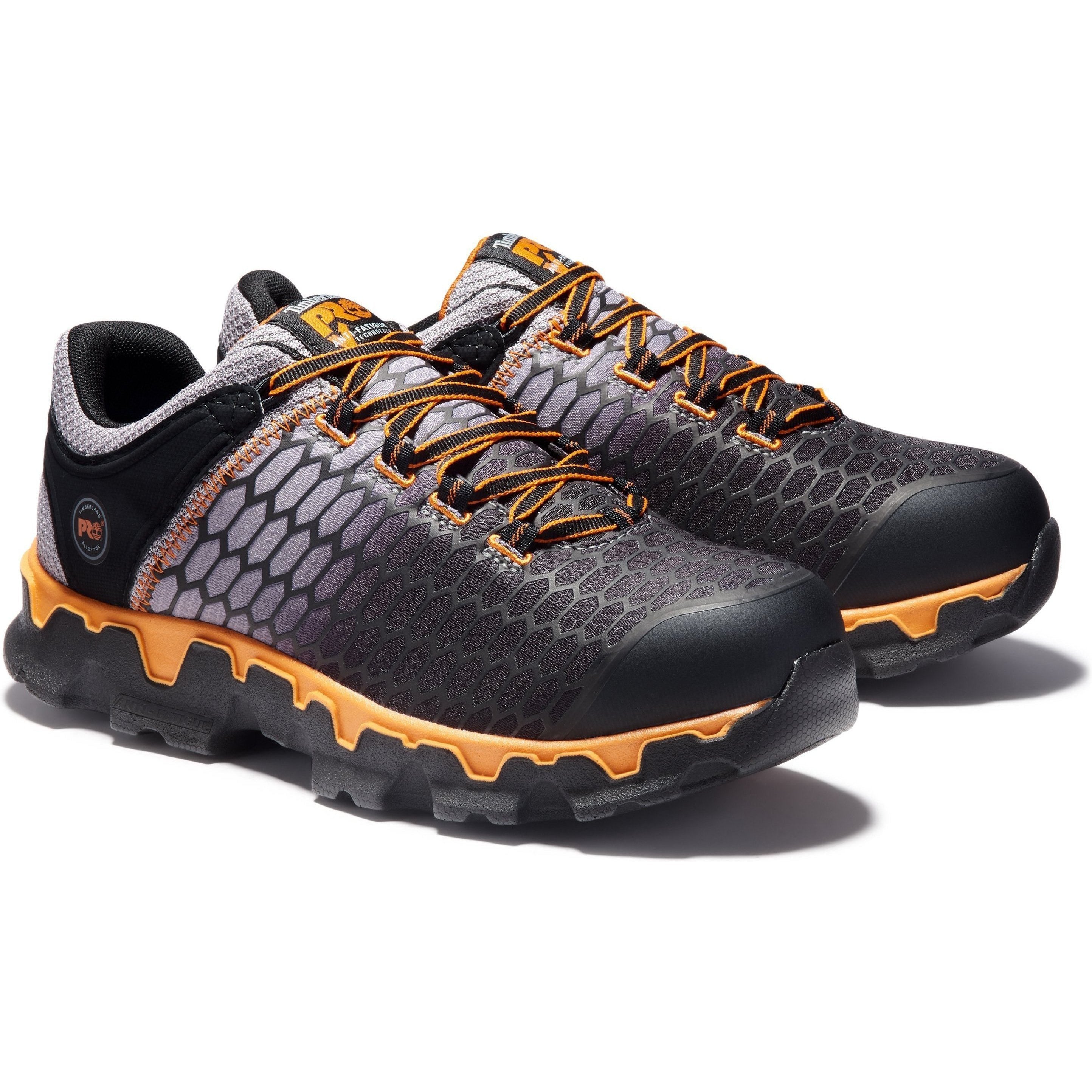
Timberland Pro Men's Powertrain Sport Alloy Toe SD+ Work Shoe - Grey - TB1A1GT9065
Sale price$139.95
Regular price$140.00
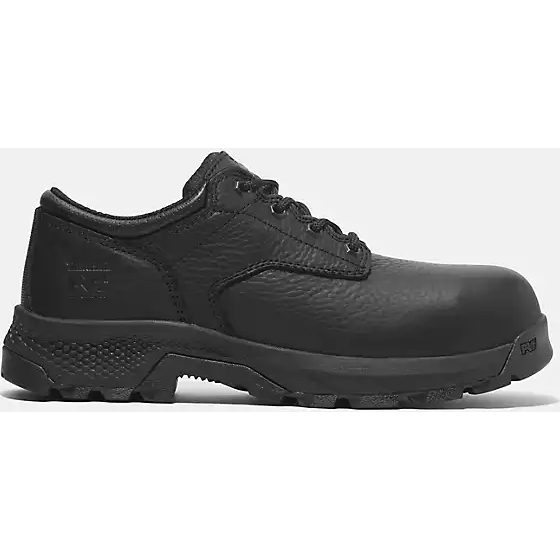
Timberland Pro Men's Titan Ev Oxford Composite Toe Work Shoe -Black- TB0A5ZBY001
Save 19%
Sale price$129.95
Regular price$160.00
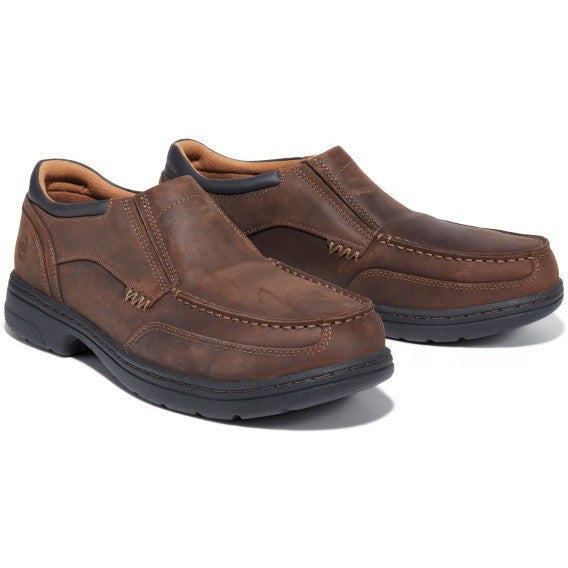
Timberland PRO Men's Branston Alloy Toe ESD Slip-On Moc Toe Work Shoe - Brown - TB191694214
Save 8%
Sale price$114.95
Regular price$125.00
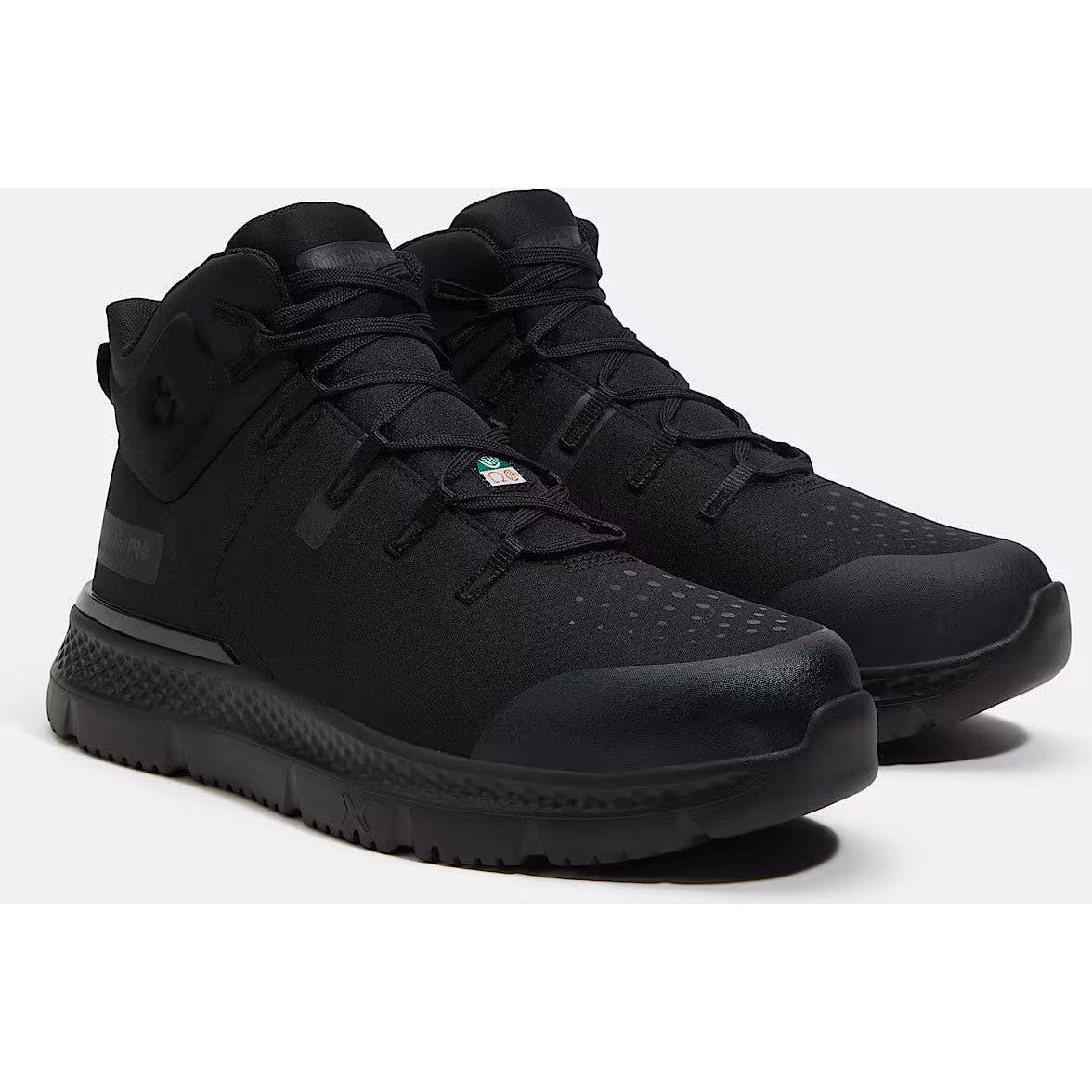
Timberland PRO Men's Intercept Mid CSA Steel Toe Puncture Resistant Sneaker Work Shoe - Black - TB0A67SFEL0
Sale price$139.95
Regular price$140.00
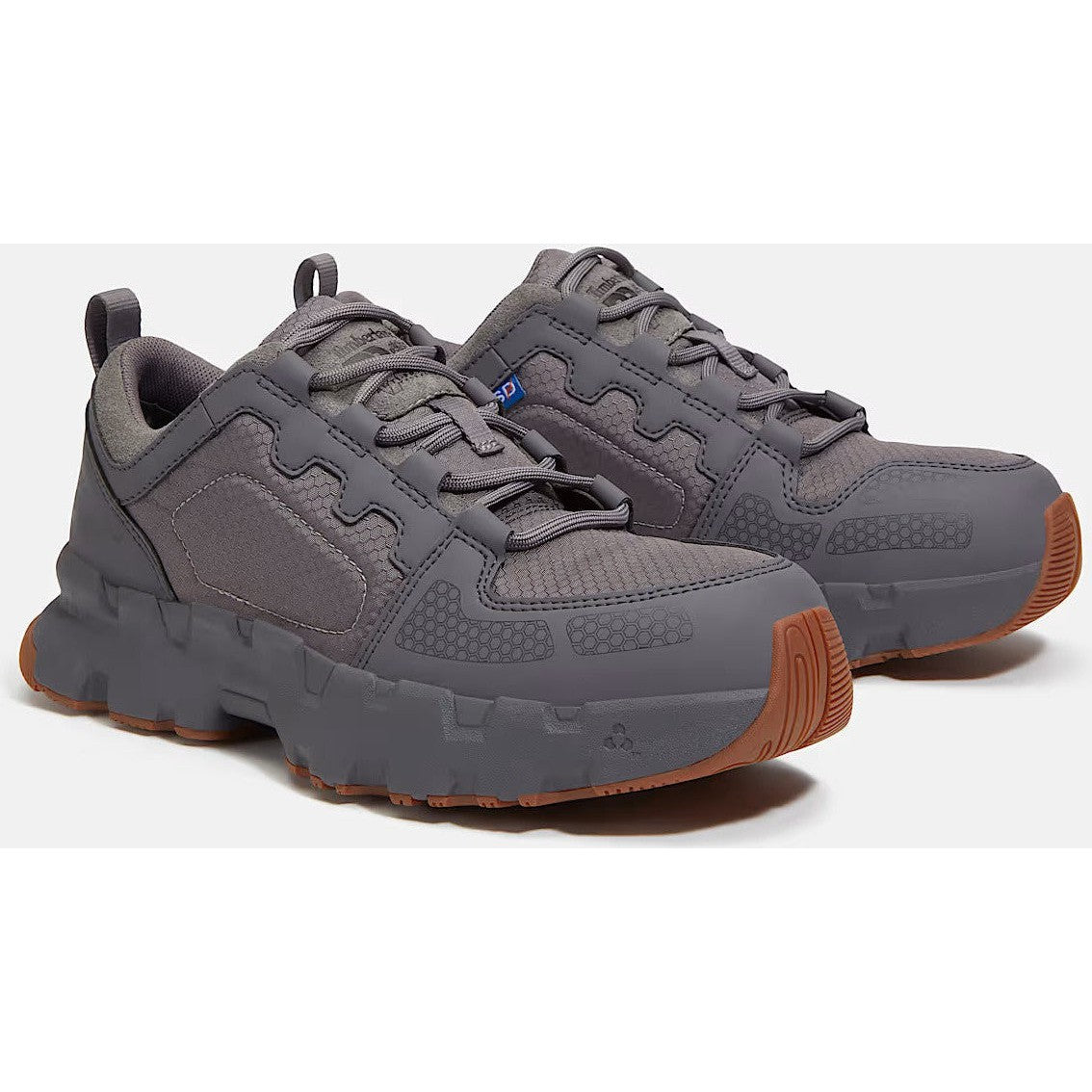
Timberland PRO Men's Powertrain EV SD10 Composite Toe Work Shoe - Grey - TB0A67NQY55
Save 13%
Sale price$134.95
Regular price$155.00
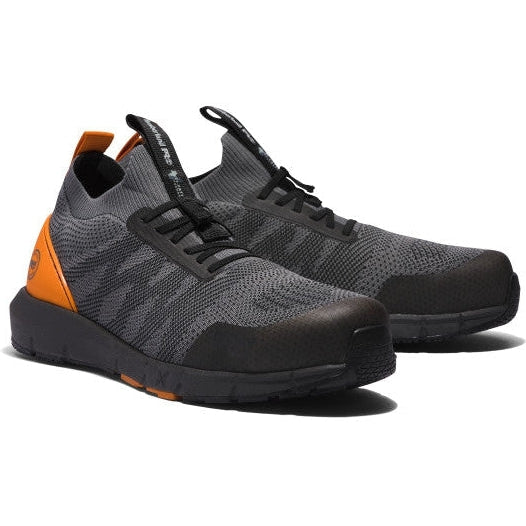
Timberland PRO Men's Radius Knit Slip-On Composite Toe Work Shoe - Grey - TB0A2B6X065
Save 14%
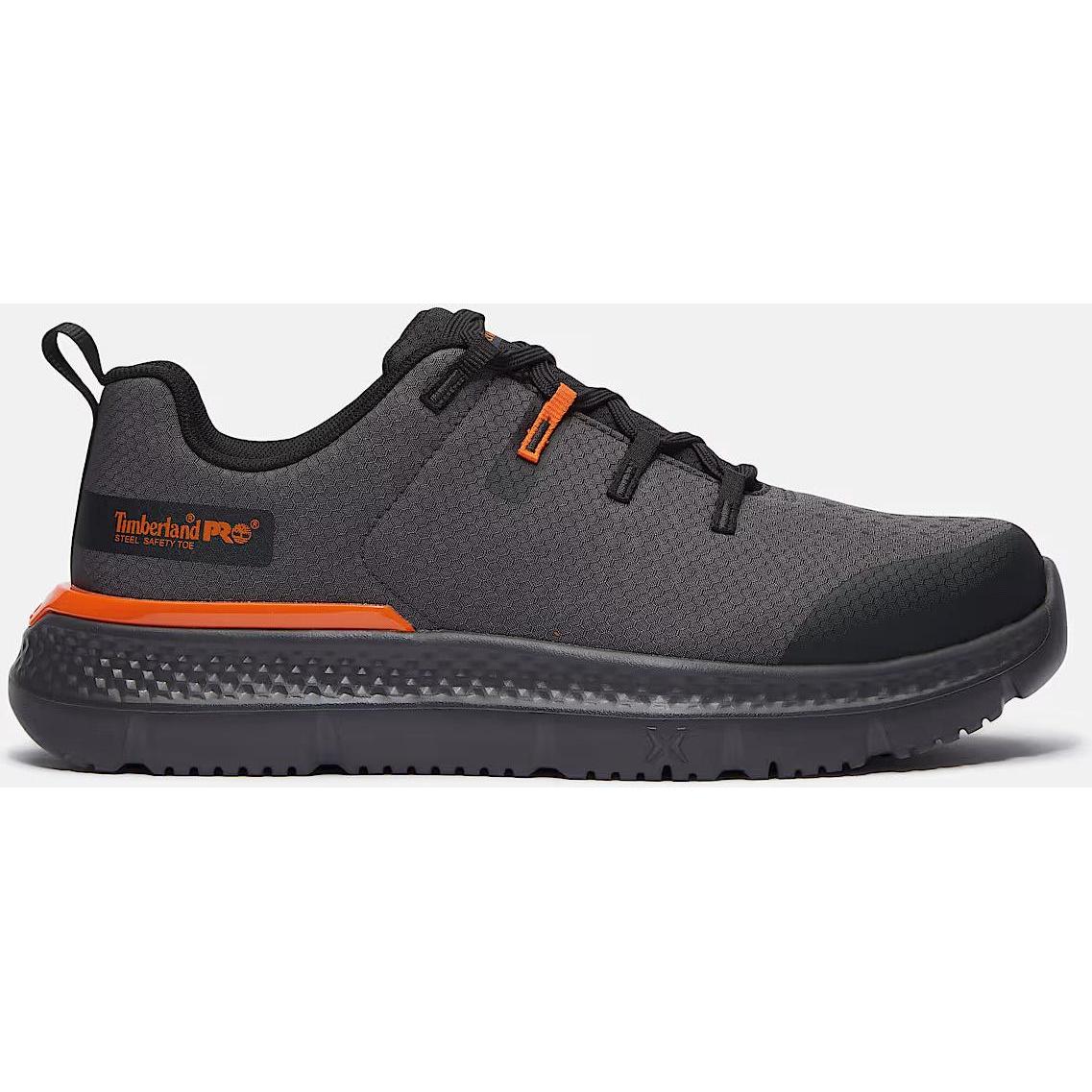
Sale price$89.95
Regular price$105.00
Timberland PRO Men's Intercept Steel Toe Sneaker Work Shoe - Dark Grey - TB0A5ME3EOS
Save 13%
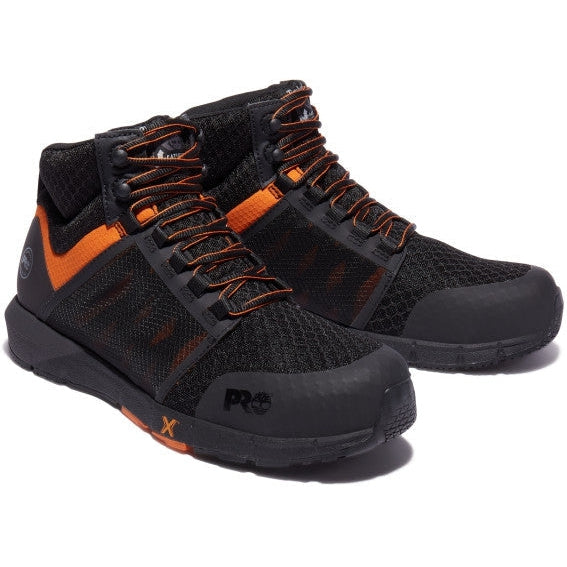
Sale price$134.95
Regular price$155.00
Timberland PRO Men's Radius Composite Toe Work Shoe - Black - TB1A29QB001
Save 14%
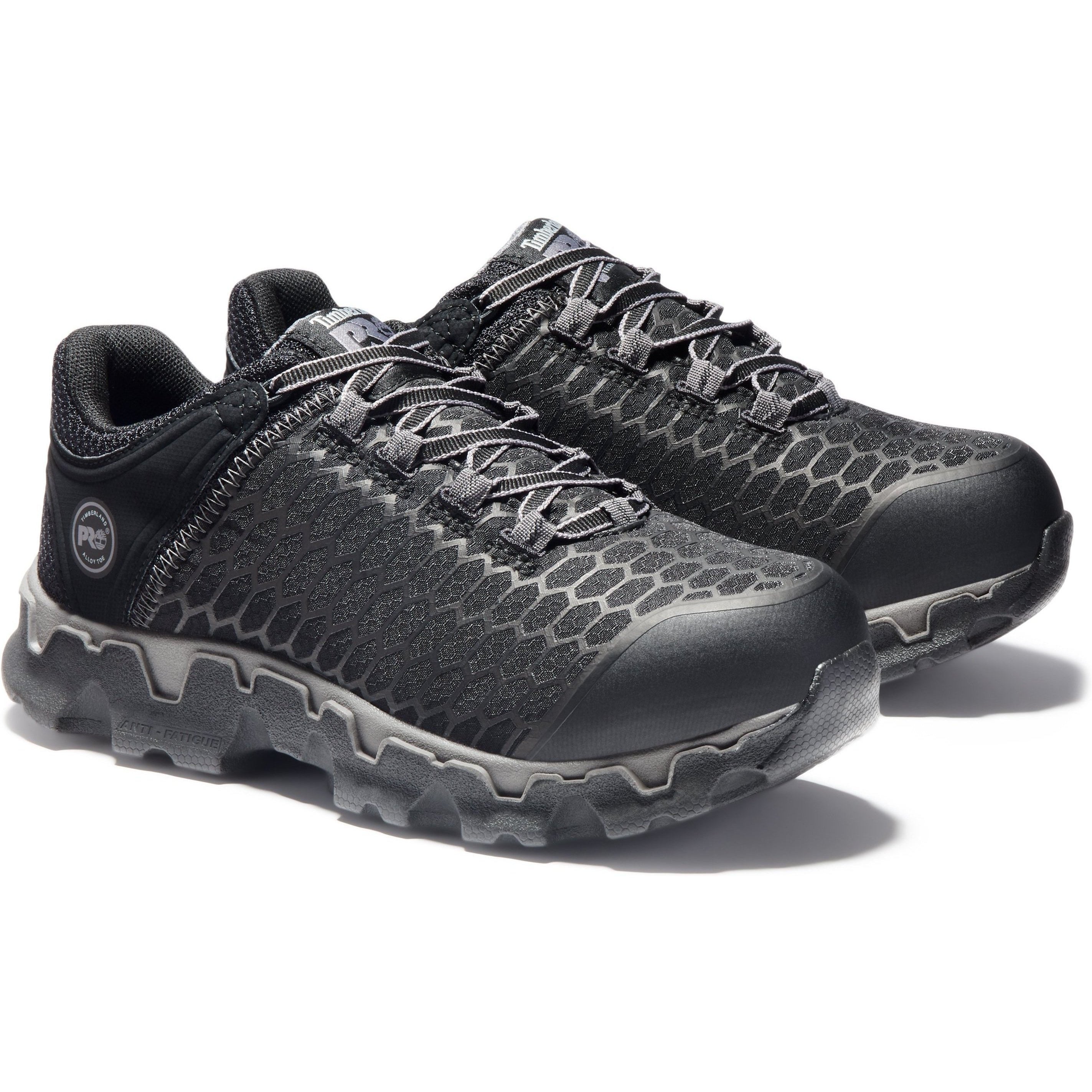
Sale price$119.95
Regular price$140.00
Timberland PRO Women's Powertrain Sport Alloy Toe SD+ Work Shoe - Black - TB1A1B7F001
Save 14%
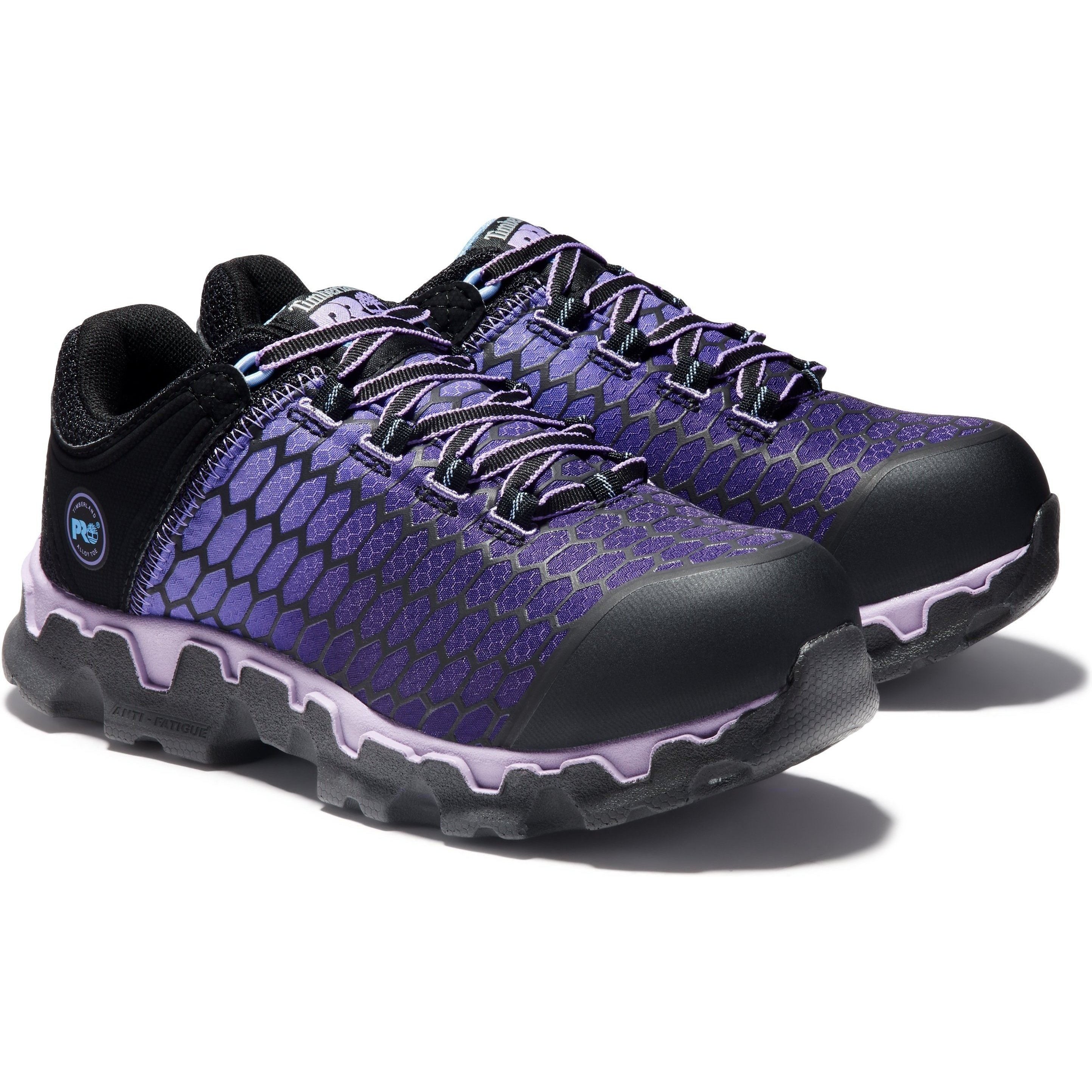
Sale price$119.95
Regular price$140.00
Timberland PRO Women's Powertrain Sport Alloy Toe SD+ Work Shoe - Black/Purple - TB1A1H1S001
Sale price$134.95
Regular price$135.00
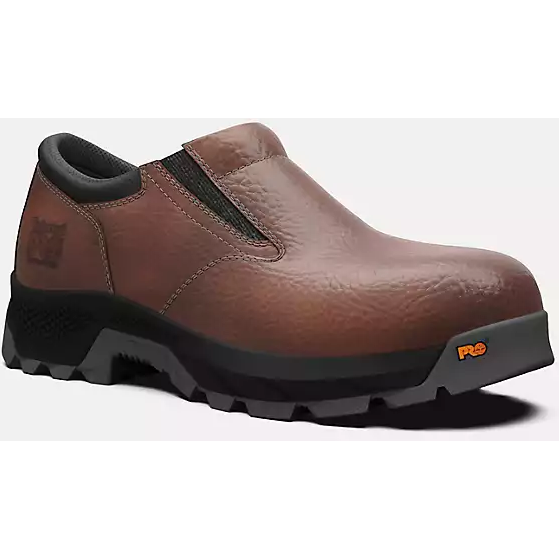
Timberland PRO Men's Titan EV Composite Toe Slip-On Work Shoe - Teak - TB0A5YC3214
Save 8%
Sale price$109.95
Regular price$120.00
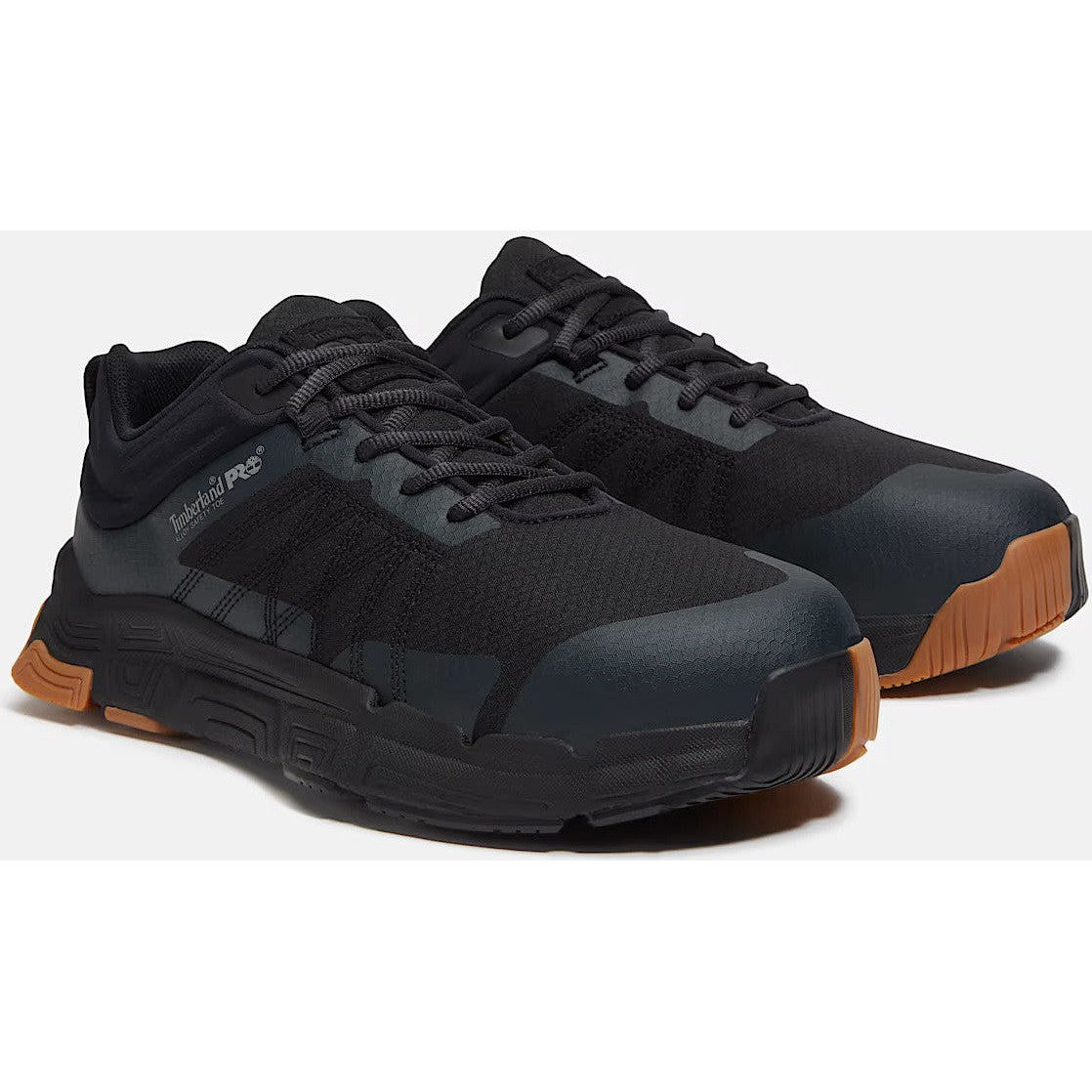
Timberland PRO Men's XR-1 Dynamic Natural Fit Alloy Toe Work Shoe - Blackout - TB0A67JKV96
Save 31%
Sale price$90.00
Regular price$130.00
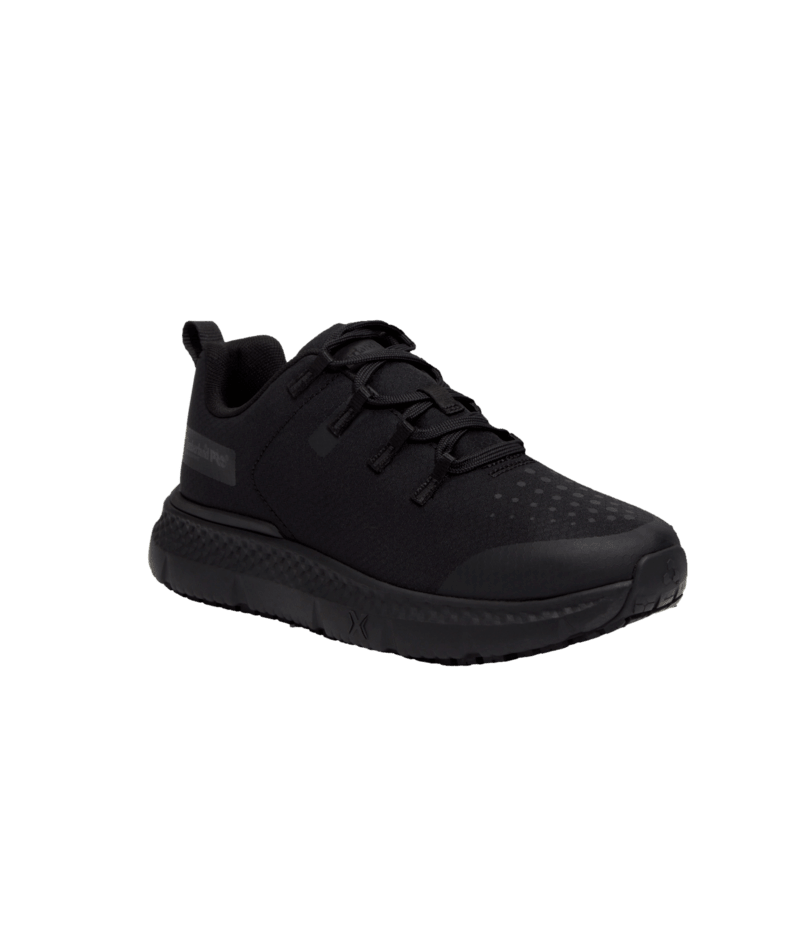
Timberland PRO Women's Power Shift Low Soft Toe Athletic Work Shoe - Black - TB0A67HBEL0
Sale price$154.95
Regular price$155.00
Timberland PRO Men's Powertrain EV Mid SD10 Composite Toe Work Shoe - Black - TB0A63K3V96
Save 36%
Sale price$90.00
Regular price$140.00
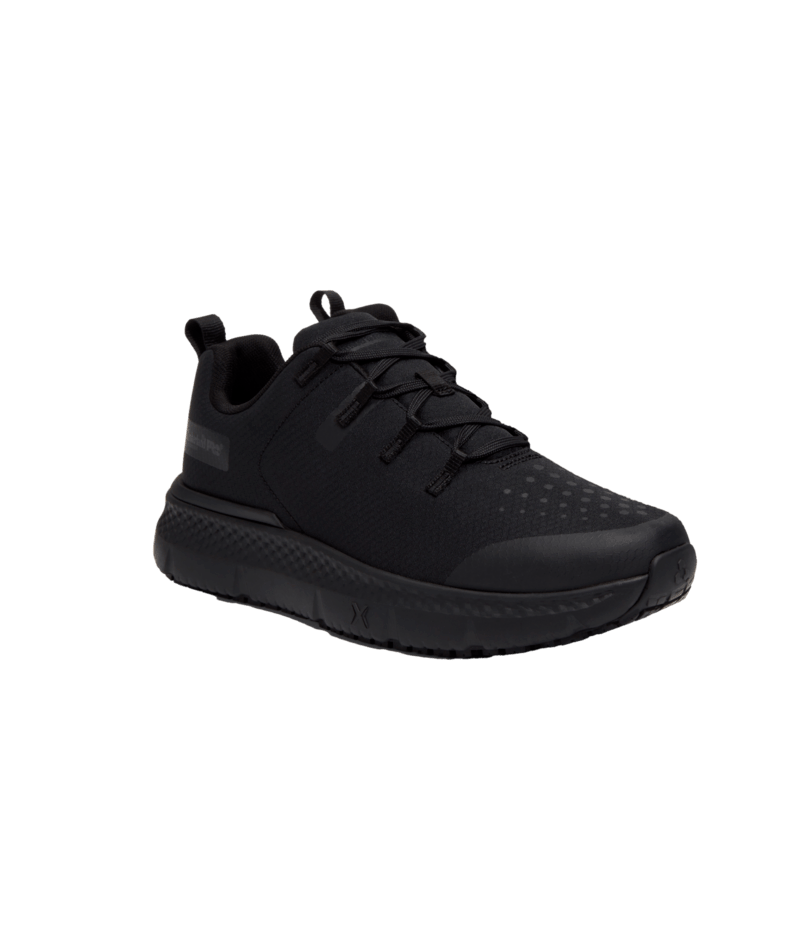
Timberland PRO Men's Power Shift Low Soft Toe Athletic Work Shoe - Black - TB0A67GQEL0
Save 14%
Sale price$119.95
Regular price$140.00
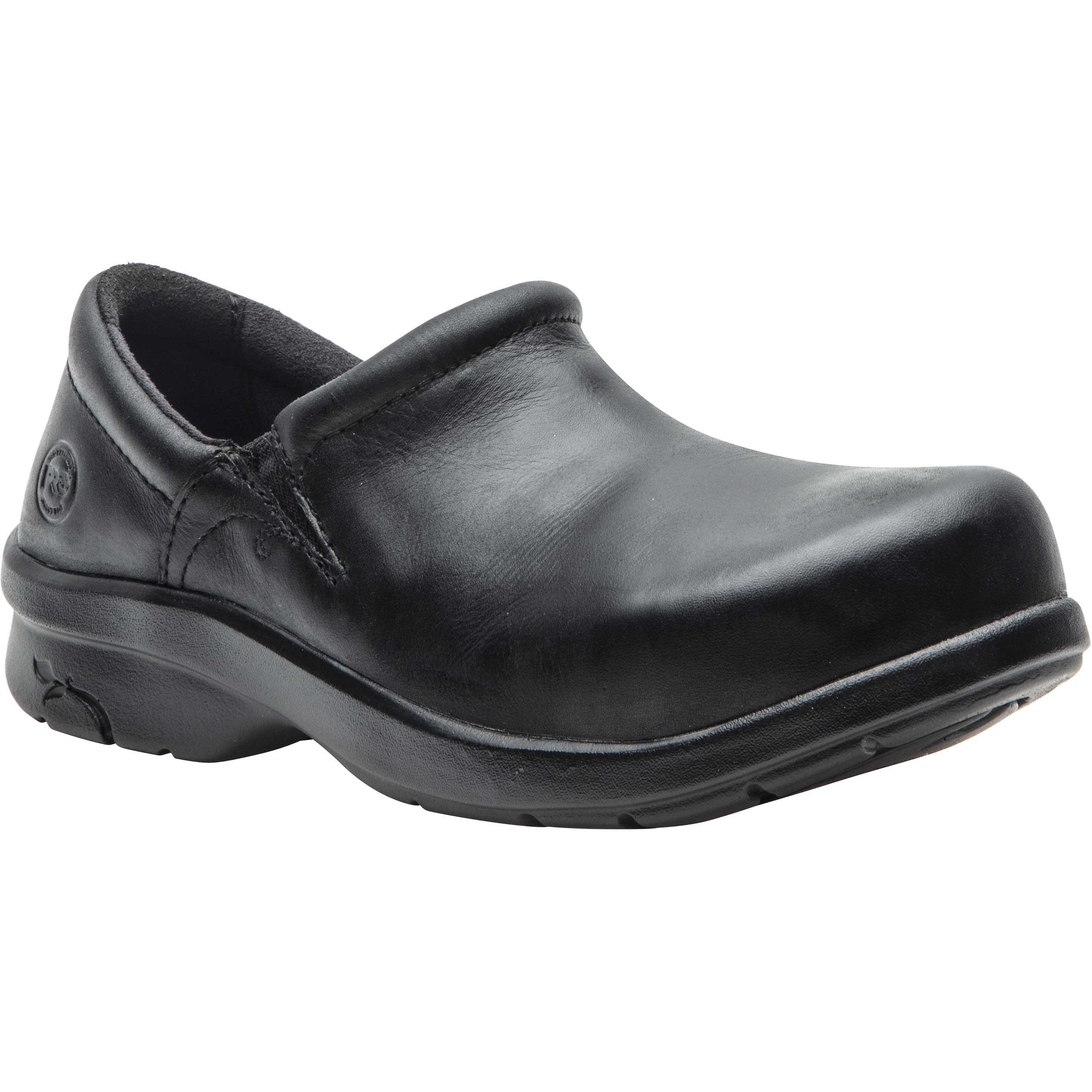
Timberland PRO Women's Newbury Alloy Toe ESD Slip-On Work Shoe - Black - TB187528001
Save 14%
Sale price$119.95
Regular price$140.00
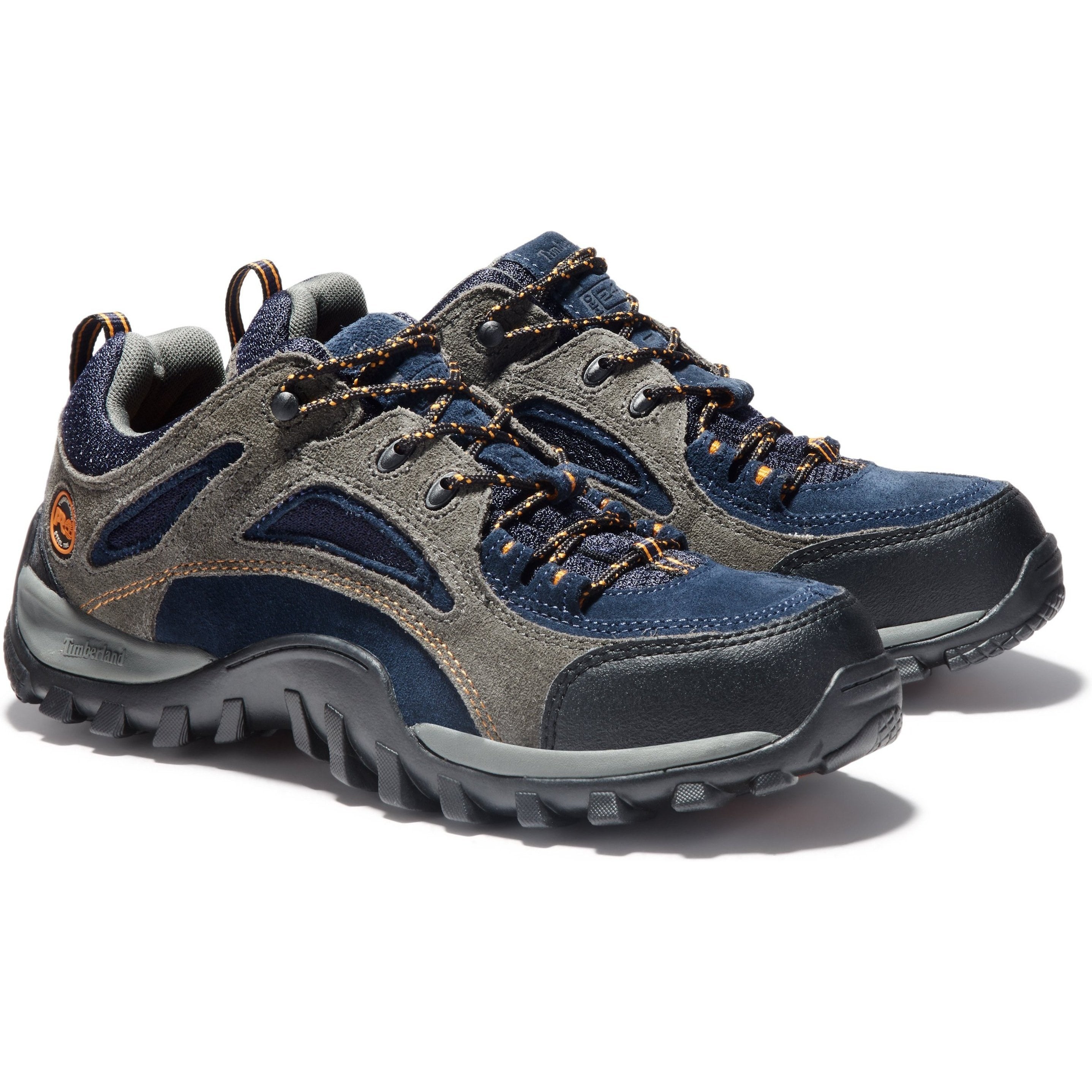
Timberland PRO Men's Mudsill Steel Toe Work Shoe - Grey/Sapphire - TB161009484
Save 15%
Sale price$109.95
Regular price$130.00
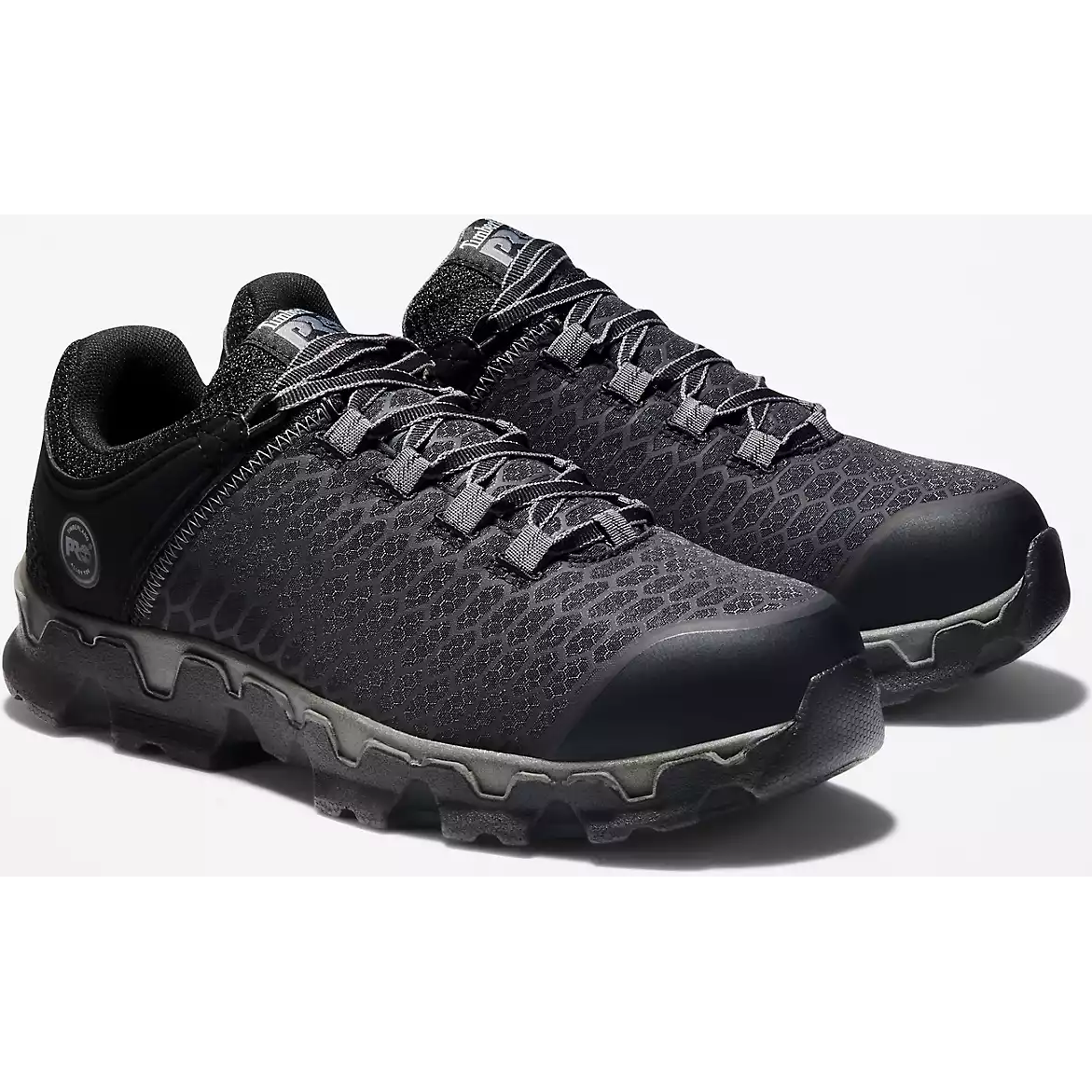
Timberland PRO Men's Powertrain Sport Alloy Toe EH Sneaker Work Shoe - Black - TB1A176A001
Save 7%
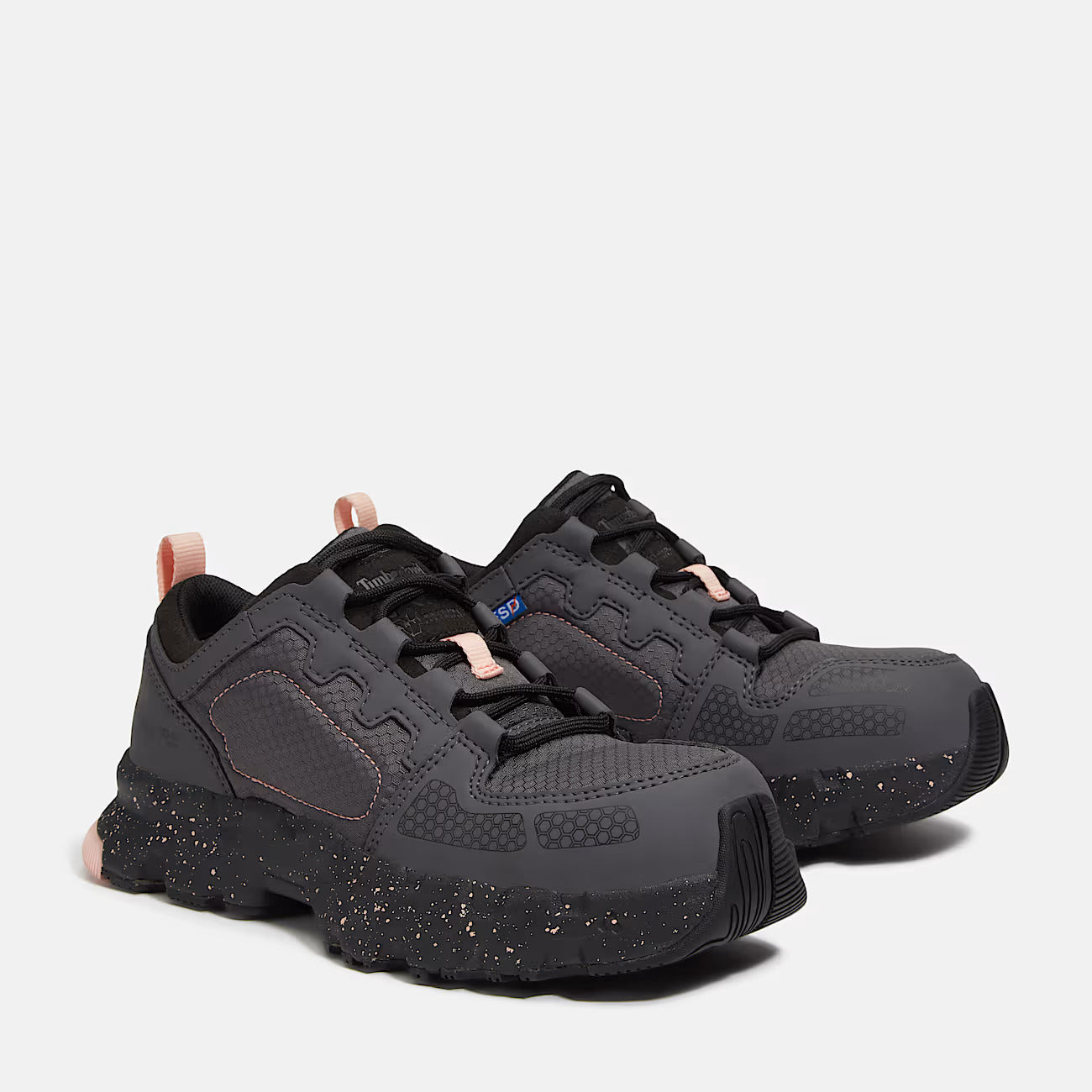
Sale price$129.95
Regular price$140.00
Timberland PRO Women's Powertrain EV SD10 Composite Toe Work Shoe - Grey - TB0A67PBEDA
Save 17%
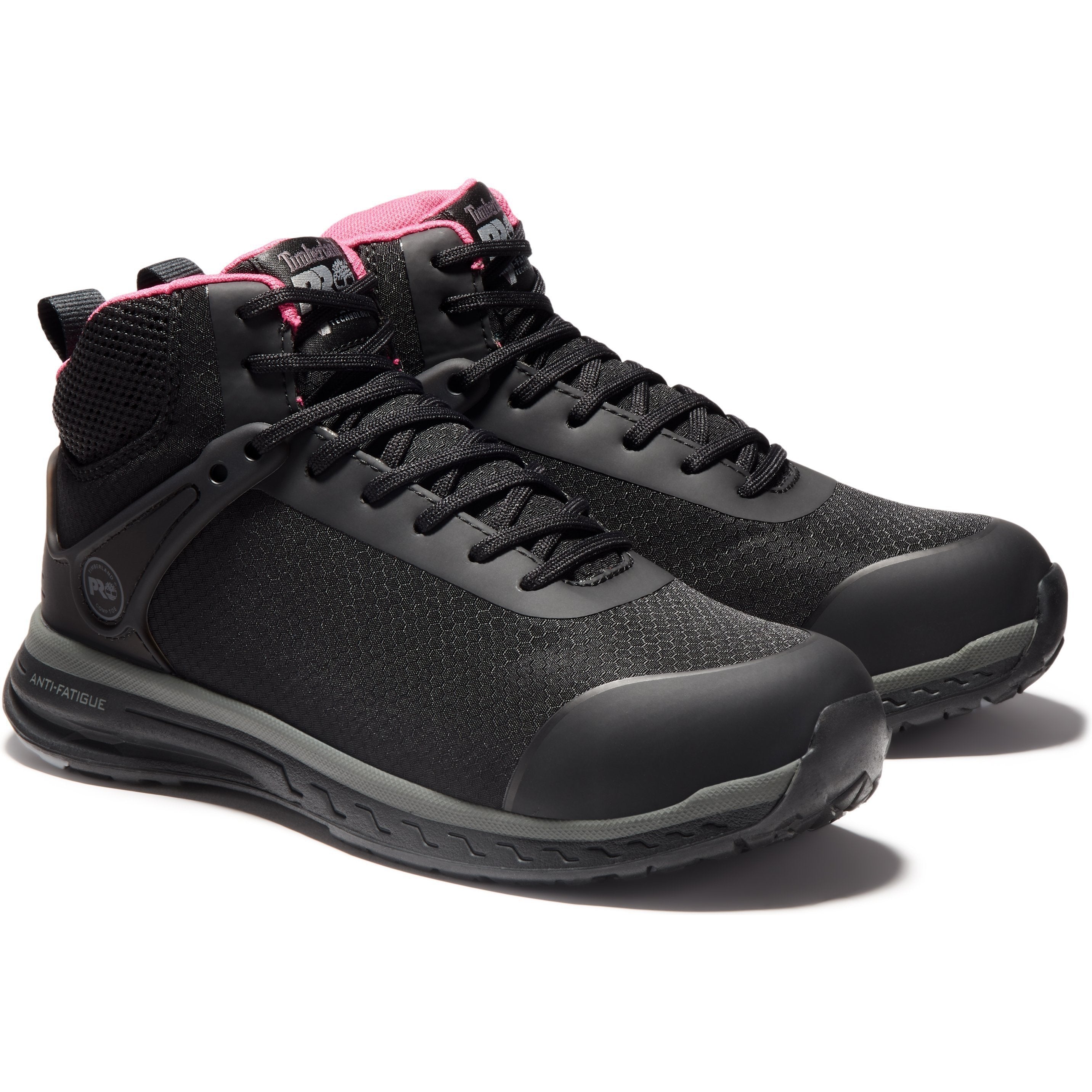
Sale price$124.95
Regular price$150.00
Timberland PRO Women's Drivetrain Composite Toe Work Shoe - Black - TB1A1Z4P001
Save 12%
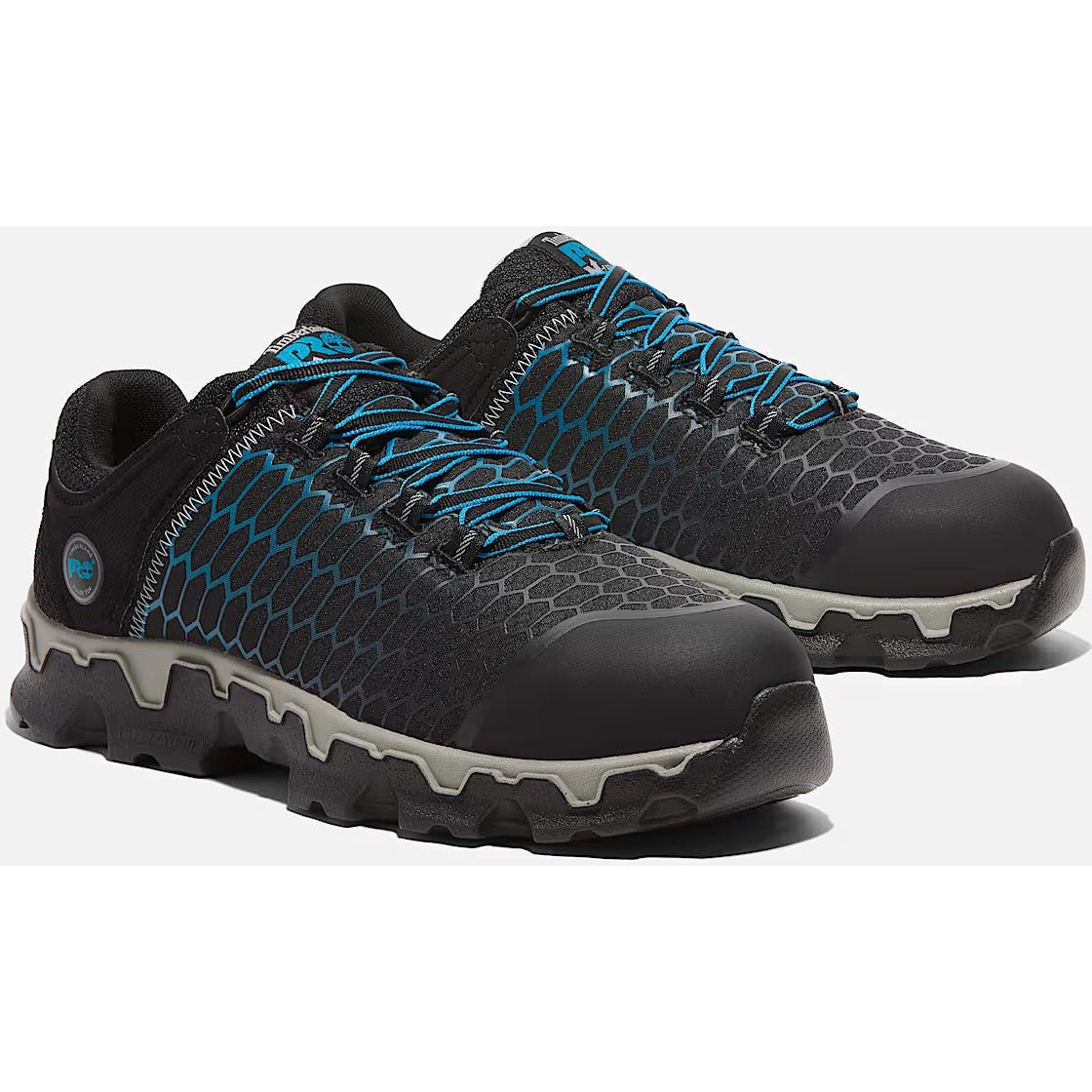
Sale price$114.95
Regular price$130.00
Timberland PRO Men's Powertrain Sport Alloy Toe Work Shoe - Black - TB1A1HRU001
Save 7%
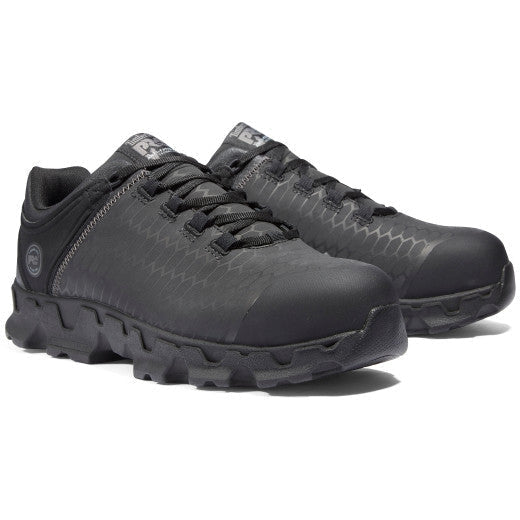
Sale price$134.95
Regular price$145.00
Timberland PRO Men's Powertrain Sport Alloy Toe Sneaker Work Shoe - Black - TB0A1Q3F001
Save 31%
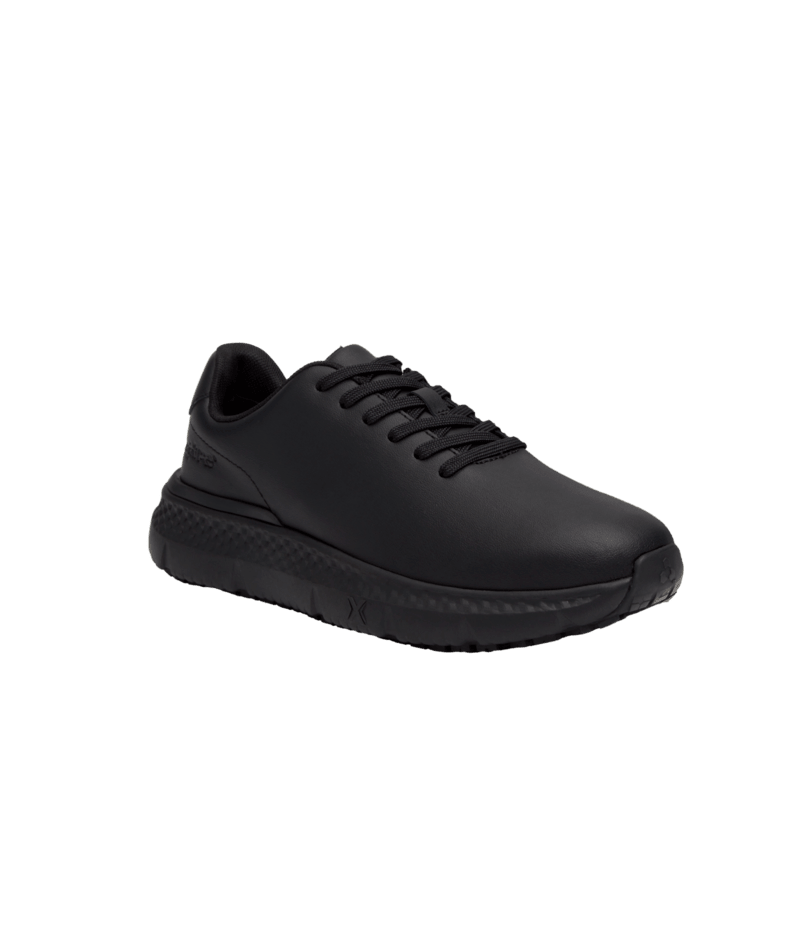
Sale price$90.00
Regular price$130.00
Timberland Pro Women's Power Shift Oxford Work Shoe- Black- TB0A63C7EK5
Save 36%

Sale price$90.00
Regular price$140.00
Timberland PRO Men's Power Shift Oxford Soft Toe Slip Resistant Work Shoe - Black - TB0A67HYEK5
Save 38%
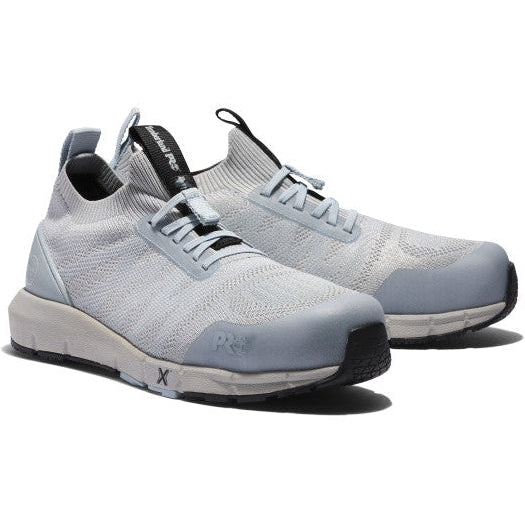
Sale price$90.00
Regular price$145.00
Timberland Pro Women's Radius Knit Composite Toe Slip On Work Shoe - TB0A2CDF065
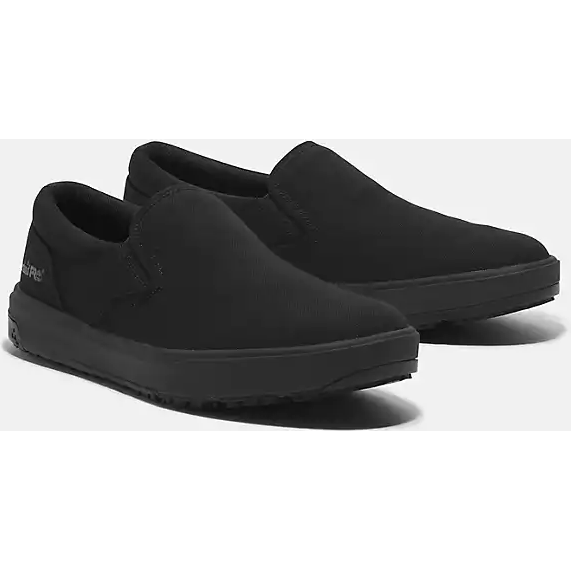
Sale priceFrom $79.95
Timberland Pro Men's Burbank Soft Toe Slip On Work Shoe -Black- TB0A619Y001
Save 14%
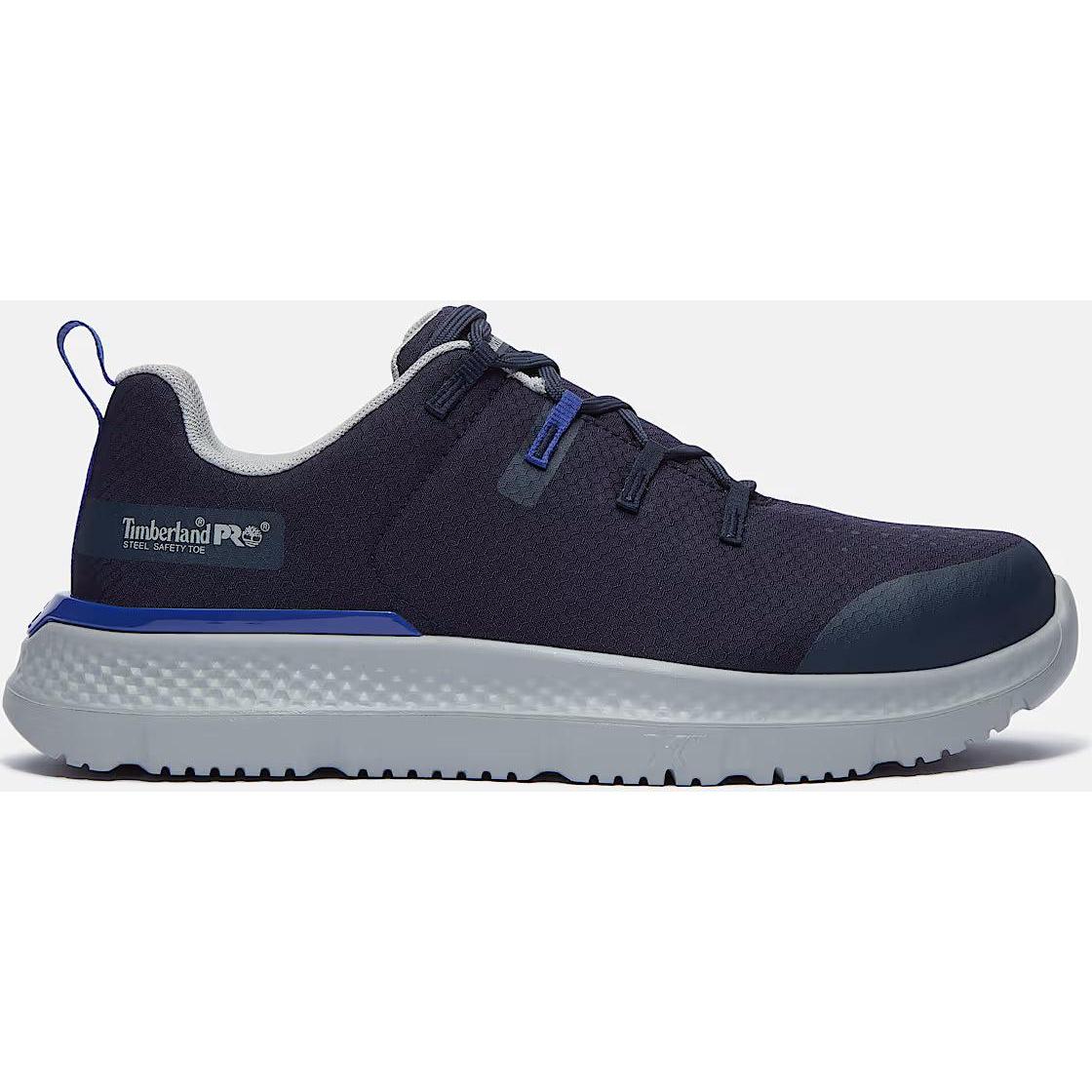
Sale price$89.95
Regular price$105.00
Timberland PRO Men's Intercept Steel Toe Slip Resistant Sneaker Work Shoe - Navy - TB0A5ME3EDK
Save 14%
Sale price$89.95
Regular price$105.00
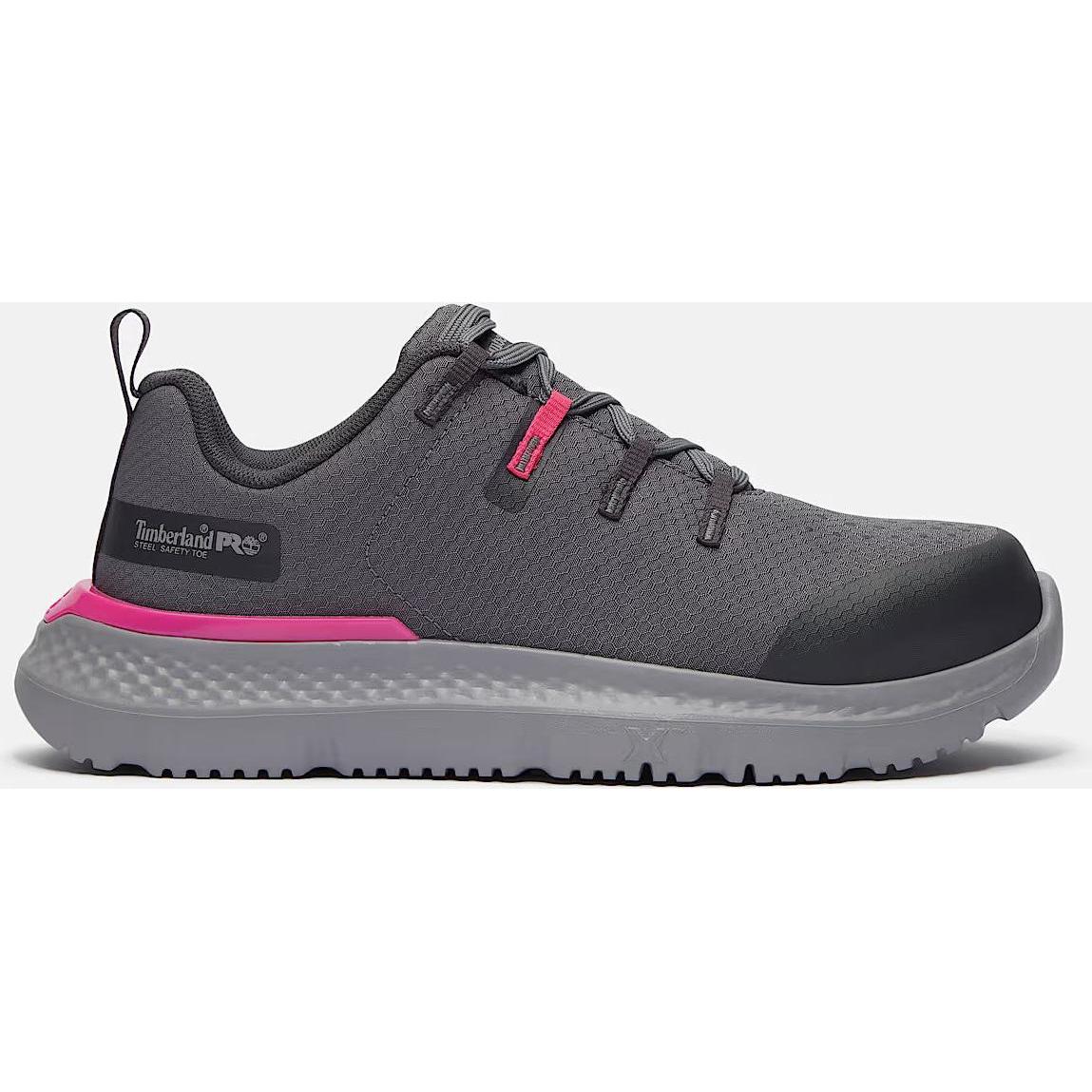
Timberland PRO Women's Intercept Steel Toe Slip Resistant Sneaker Work Shoe - Grey - TB0A5SVZEOT
Sale priceFrom $79.95
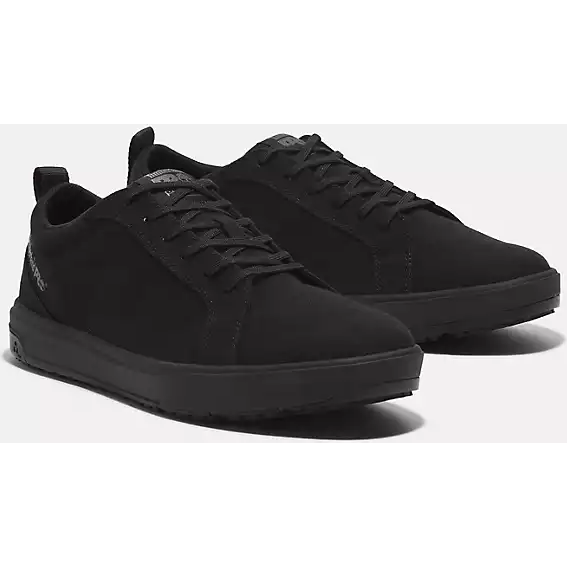
Timberland Pro Men's Burbank Soft Toe Work Shoe -Black- TB0A5YDY001

Sale price$129.95
Regular price$130.00
Timberland PRO Men's Powertrain EV Composite Toe Athletic Work Shoe - Navy - TB0A5Z3U484
Save 15%

Sale price$109.95
Regular price$130.00
Timberland PRO Men's Powertrain Sport Alloy Toe Sneaker Work Shoe - Grey - TB1A5VT7065
Save 15%

Sale price$114.95
Regular price$135.00
Timberland PRO Women's Powertrain Alloy Toe Electrical Hazard Work Shoe TB1A1I5Q001
Save 14%
Sale price$124.95
Regular price$145.00
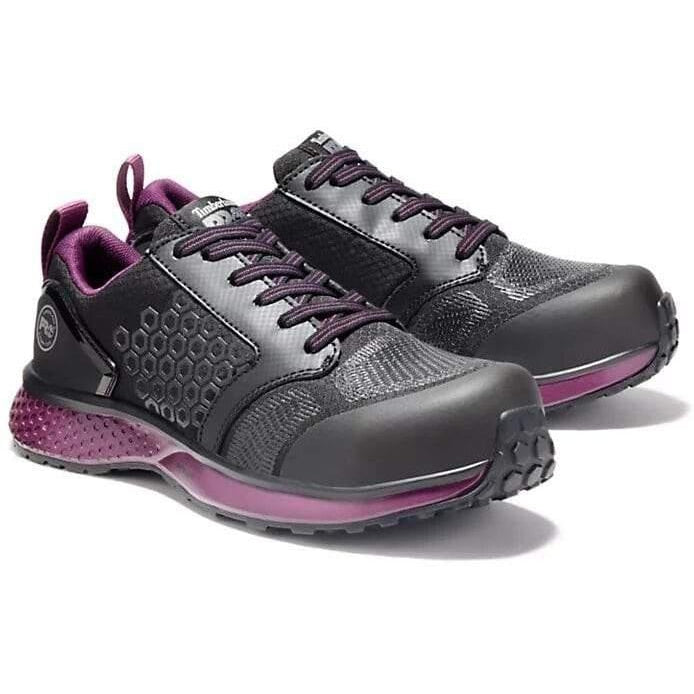
Timberland Pro Women's Reaxion Composite Toe Work Shoe Black TB1A2174001
Save 14%
Sale price$124.95
Regular price$145.00
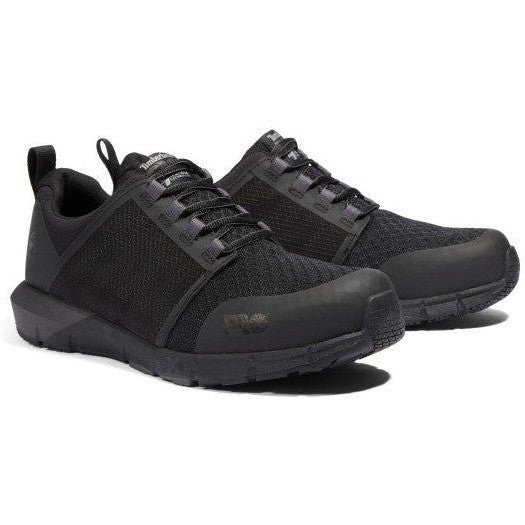
Timberland Pro Men's Radius Composite Toe Work Sneaker Shoe- Black- TB1A27W7001
12
Frequently Asked Questions
At the toe, yes. A rated work shoe carries the same ASTM F2413 impact and compression protection as a rated boot. What you give up is ankle support and the shaft that keeps debris, water and sparks out. If your hazard is dropped objects on a flat indoor floor, a shoe covers it.
Timberland PRO's best-known athletic work shoe platform, built on a sneaker last with alloy or composite toes and offered in low, mid, static dissipative and internal metatarsal guard versions. It is the range to look at if you want a rated shoe that does not feel like safety footwear.
An SD-rated shoe controls static discharge through a defined resistance range, which protects sensitive electronics rather than protecting you. Electronics assembly, server rooms and some manufacturing require it. It is the opposite requirement to an EH boot, and the two ratings are mutually exclusive under ASTM F2413.
Many are rated for it, which is what makes them common in kitchens, healthcare and retail stockrooms alongside industrial floors. Slip resistance is a property of the compound and tread and is rated per model, so confirm it on the product page. Browse the wider slip resistant range.
Yes, across the Radius, Reaxion, Titan EV and Powertrain lines. Composite keeps the weight down on a shoe where light weight is the whole point, and being non-metallic it clears detectors and does not conduct cold. See our Timberland PRO safety toe range.
For flat indoor work where you are in and out of them all day, yes, and the Branston and Newbury models are built for exactly that. On uneven ground or where you need the shoe held firmly to your foot, a laced or knit-collar model holds better. Match the closure to the floor.
They can be, and the athletic models are among the better options because they use running-shoe midsole cushioning rather than a rigid work boot platform. What matters is the midsole rather than the height. Anti-Fatigue Technology appears across most of the range.
Decide on the hazard and the ground. Flat indoor floors, dropped objects and long shifts favor a shoe. Uneven ground, water, mud, sparks or a need for ankle support favor a boot. See our Timberland PRO 6 inch range.
Recently viewed
Our Top Brands