Save 25%
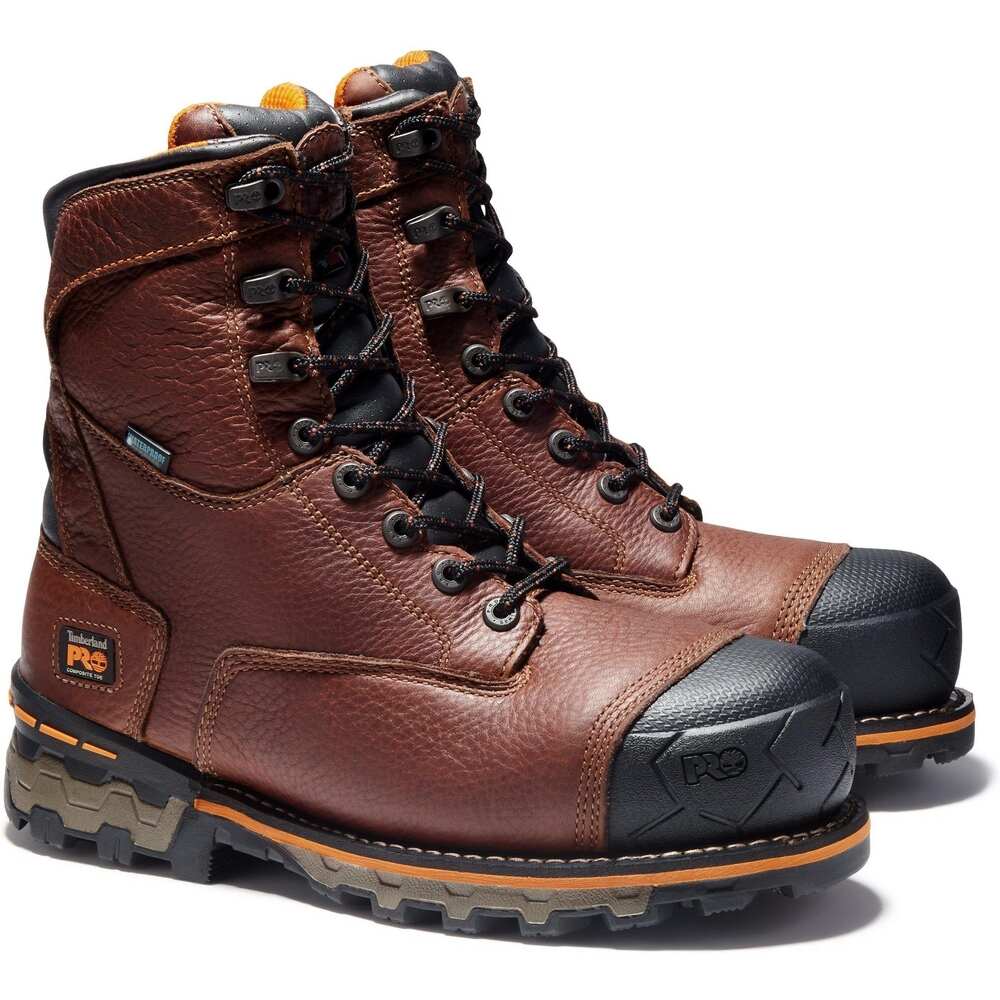
Sale price$199.95
Regular price$265.00
Timberland PRO Men's Boondock 8" Composite Toe Waterproof Ins Work Boot TB189628214
Save 24%
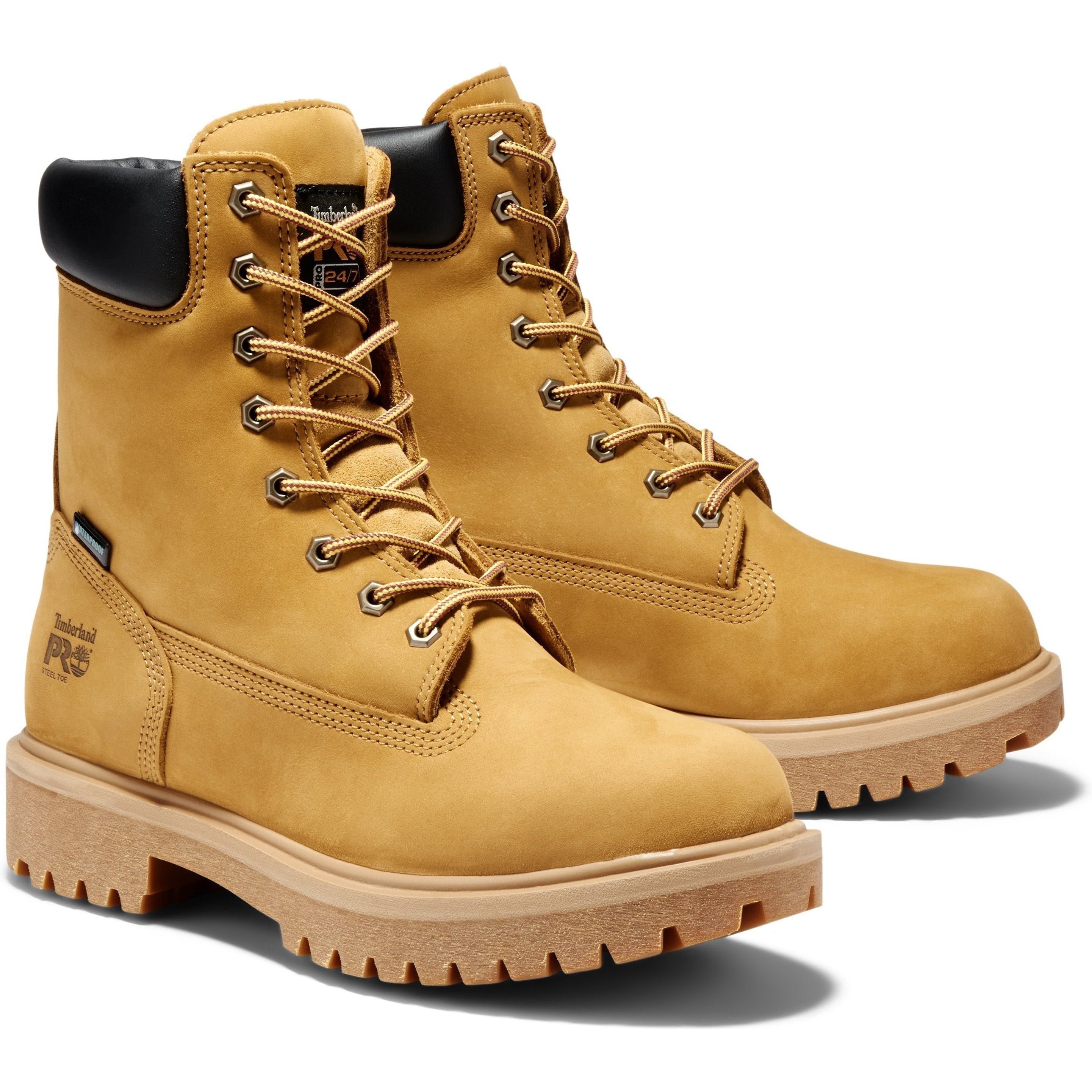
Sale price$144.95
Regular price$190.00
Timberland PRO Men's Direct Attach 8" Steel Toe Waterproof 400G Insulated Work Boot - Brown - TB126002713
Save 21%
Sale price$137.95
Regular price$175.00
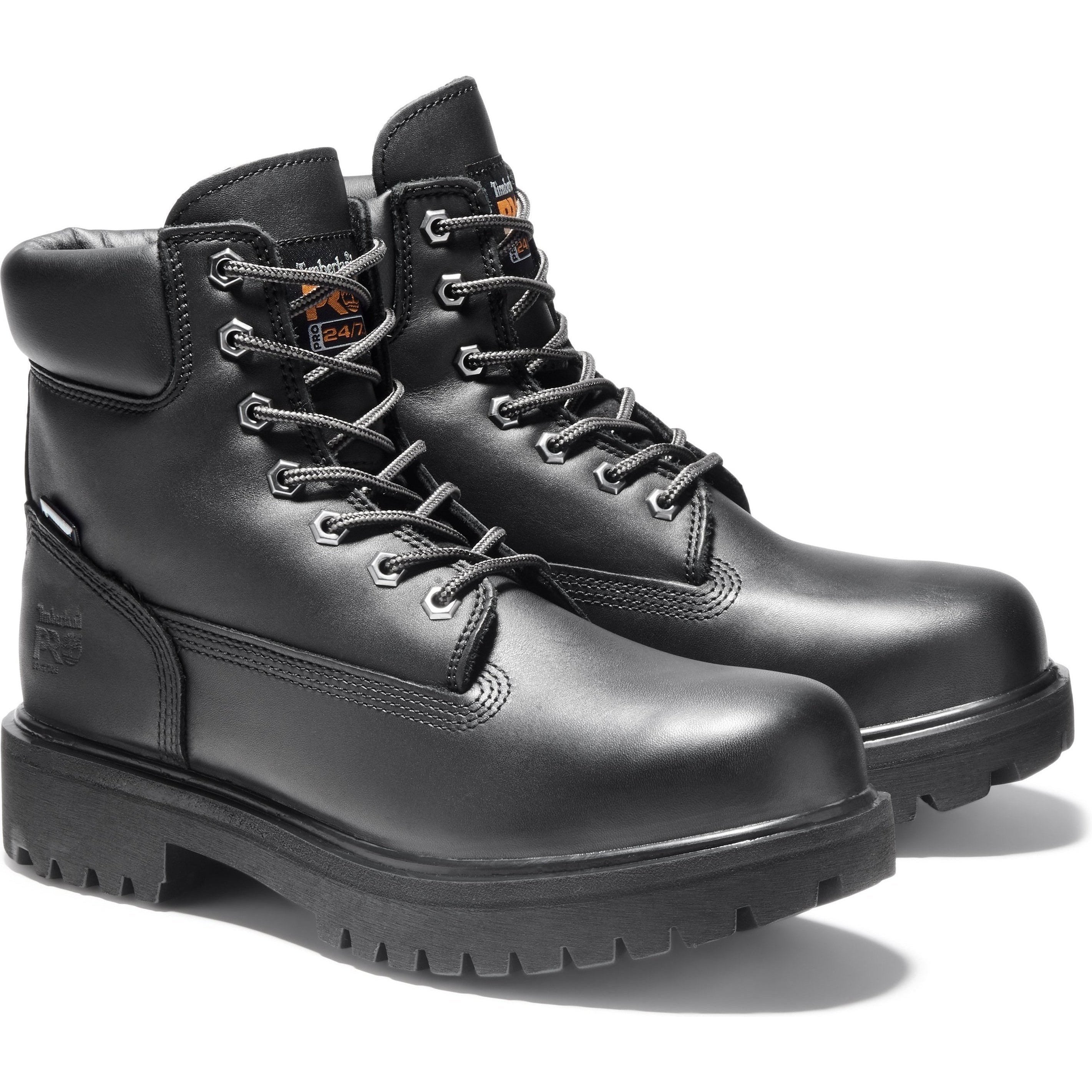
Timberland PRO Men's Direct Attach 6" Soft Toe Waterproof 200G Insulated Work Boot - Black - TB126036001
Sale price$174.95
Regular price$175.00
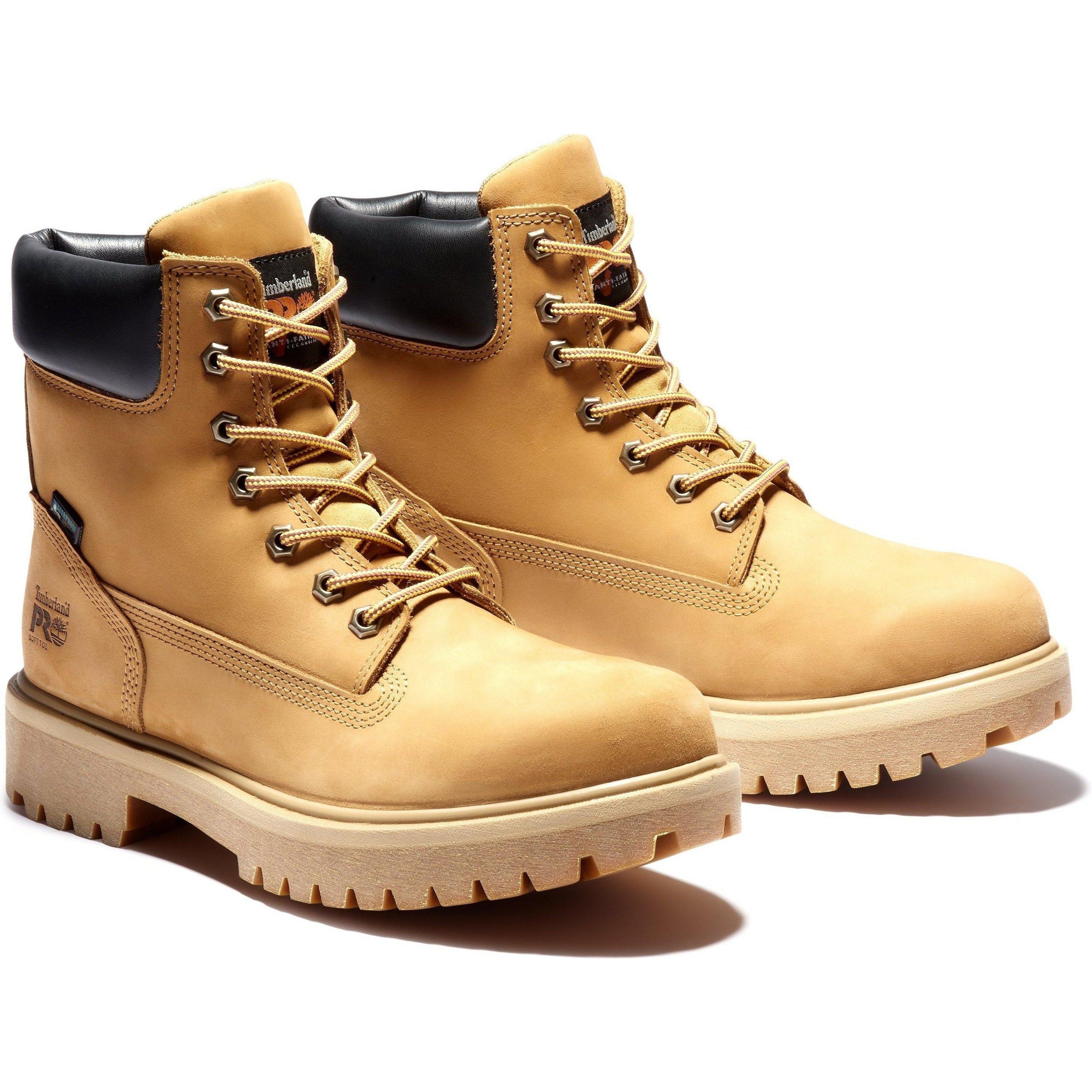
Timberland PRO Men's Direct Attach 6" Insulated Work Boot TB165030713
Save 20%
Sale price$139.95
Regular price$175.00
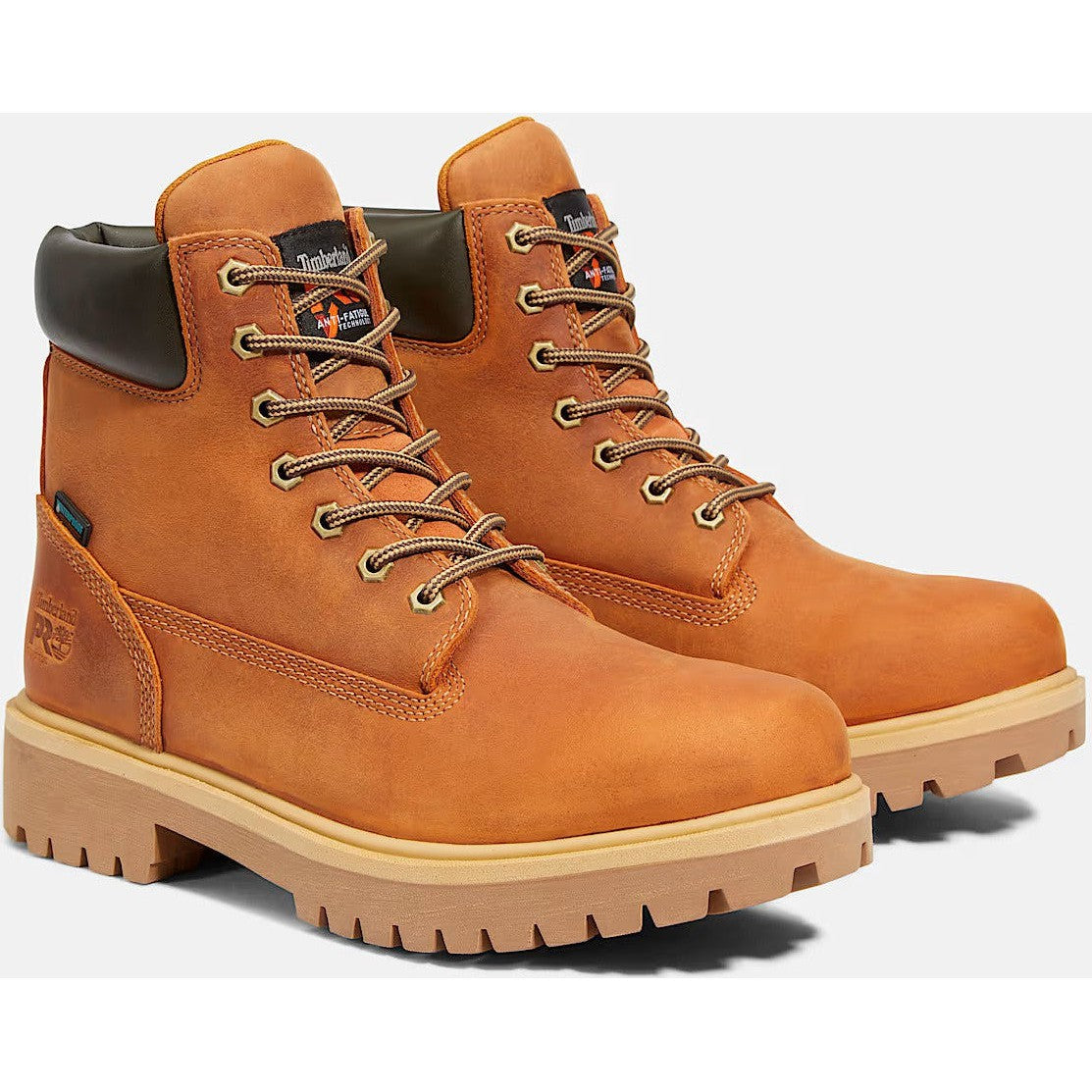
Timberland Pro Men's Direct Attach 6" Soft Toe Waterproof 200G Insulated Work Boot - Brown/Marigold - TB1A262R214
Save 19%
Sale price$219.95
Regular price$270.00
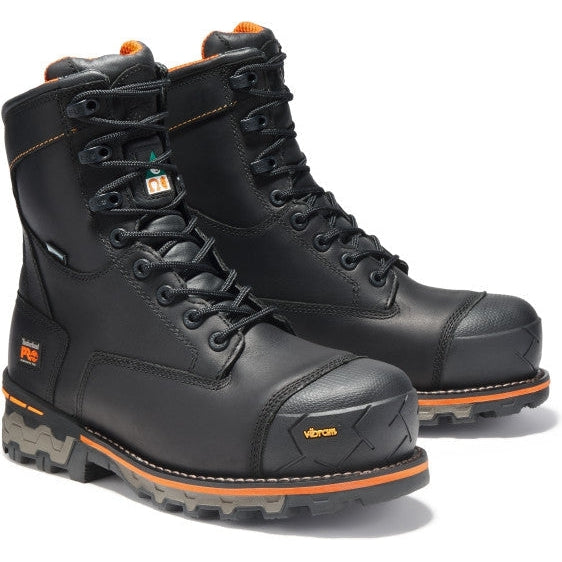
Timberland Pro Men's Boondock 8" Composite Toe Waterproof 200G Insulated Work Boot - Black - TB189645001
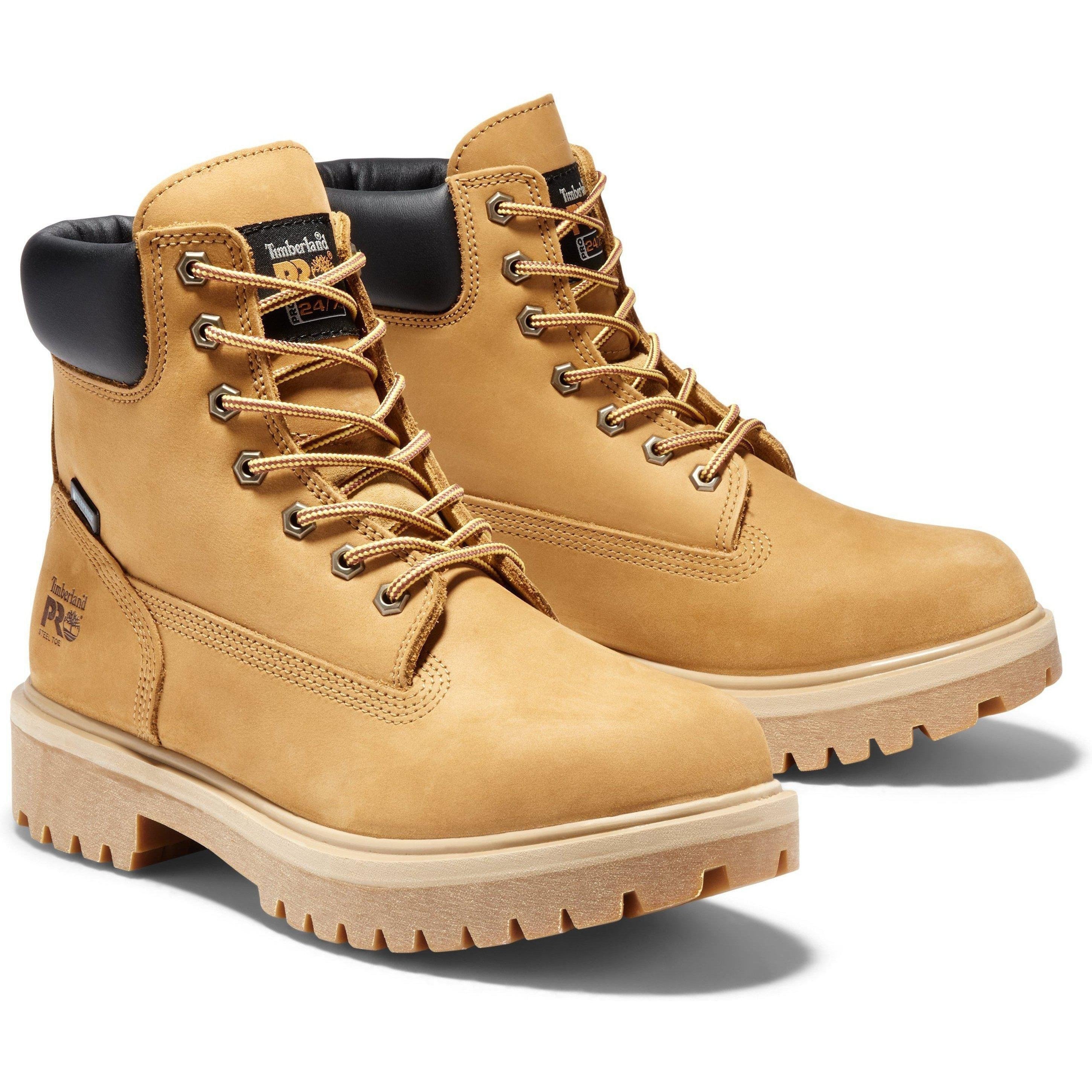
Sale price$179.95
Regular price$180.00
Timberland PRO Men's Direct Attach 6" Steel Toe Waterproof 200G Insulated Work Boot - Wheat - TB165016713
Save 20%
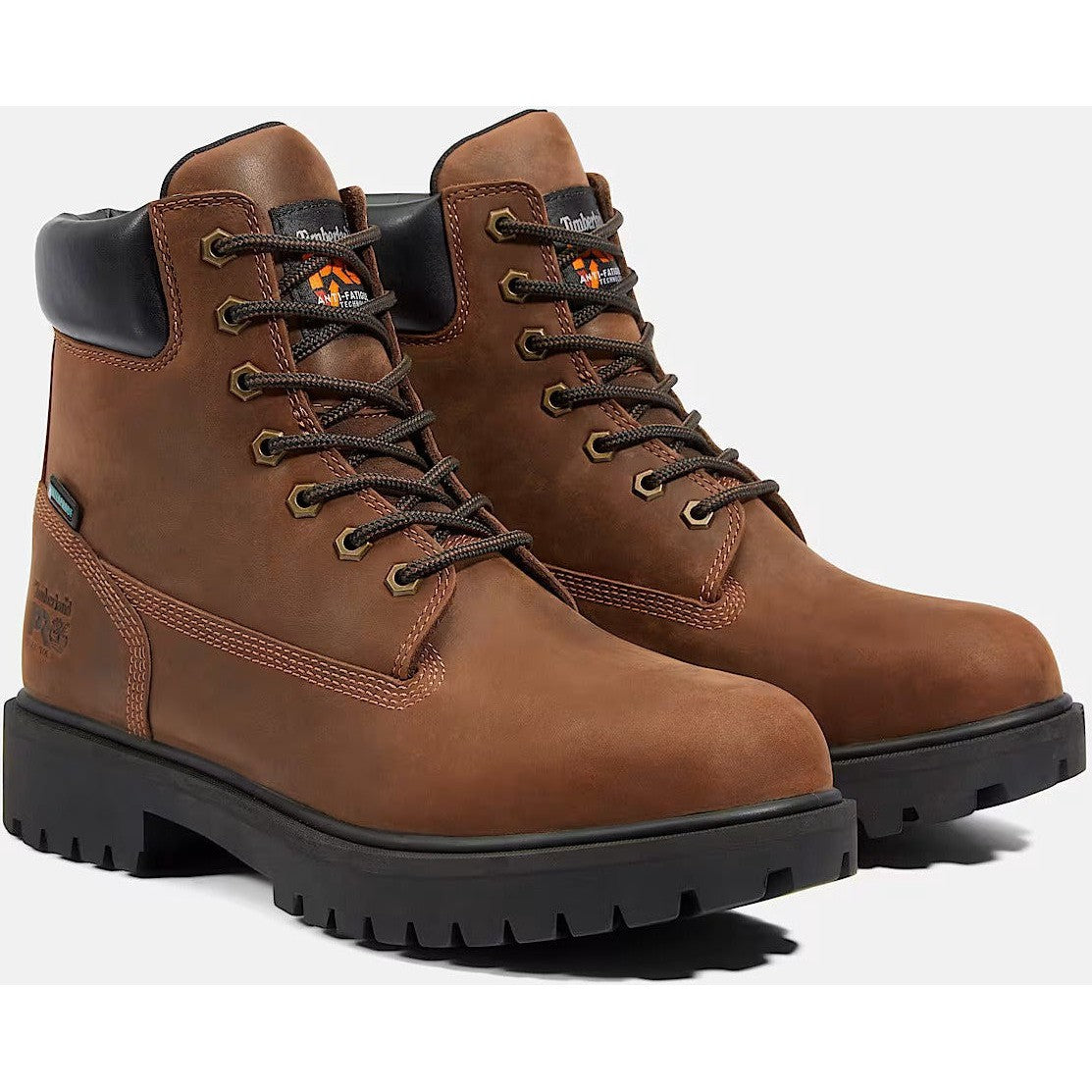
Sale price$139.95
Regular price$175.00
Timberland Pro Men's Direct Attach 6" Soft Toe Waterproof 200G Insulated Work Boot - Brown - TB138020242
Save 21%
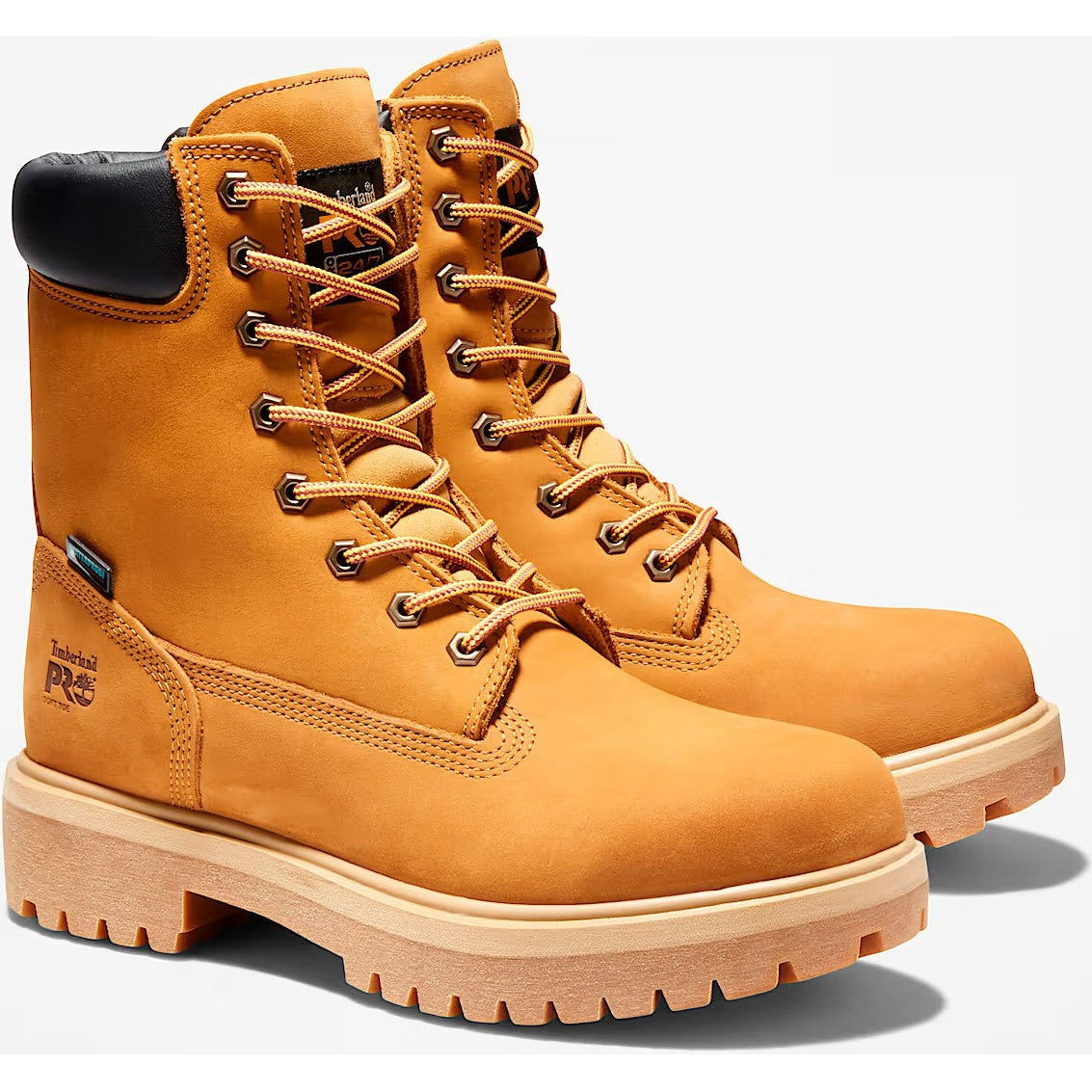
Sale price$146.95
Regular price$185.00
Timberland Pro Men's Direct Attach 8" Soft Toe Waterproof Work Boot- Wheat- TB126011713
Save 10%
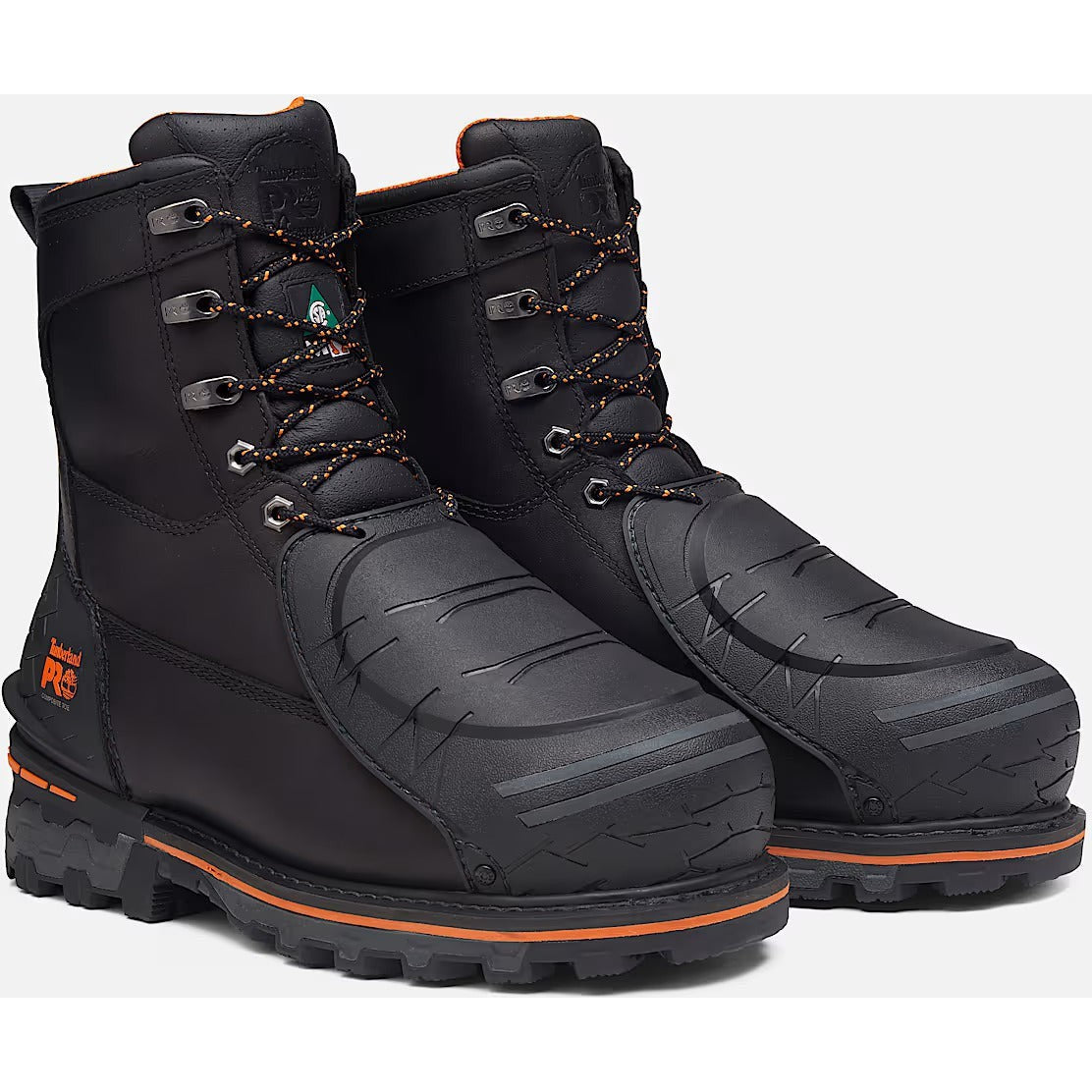
Sale price$259.95
Regular price$290.00
Timberland Pro Men's Boondock 8" Composite Toe Met Guard Work Boot -Black- TB0A66G7EDW
Save 21%
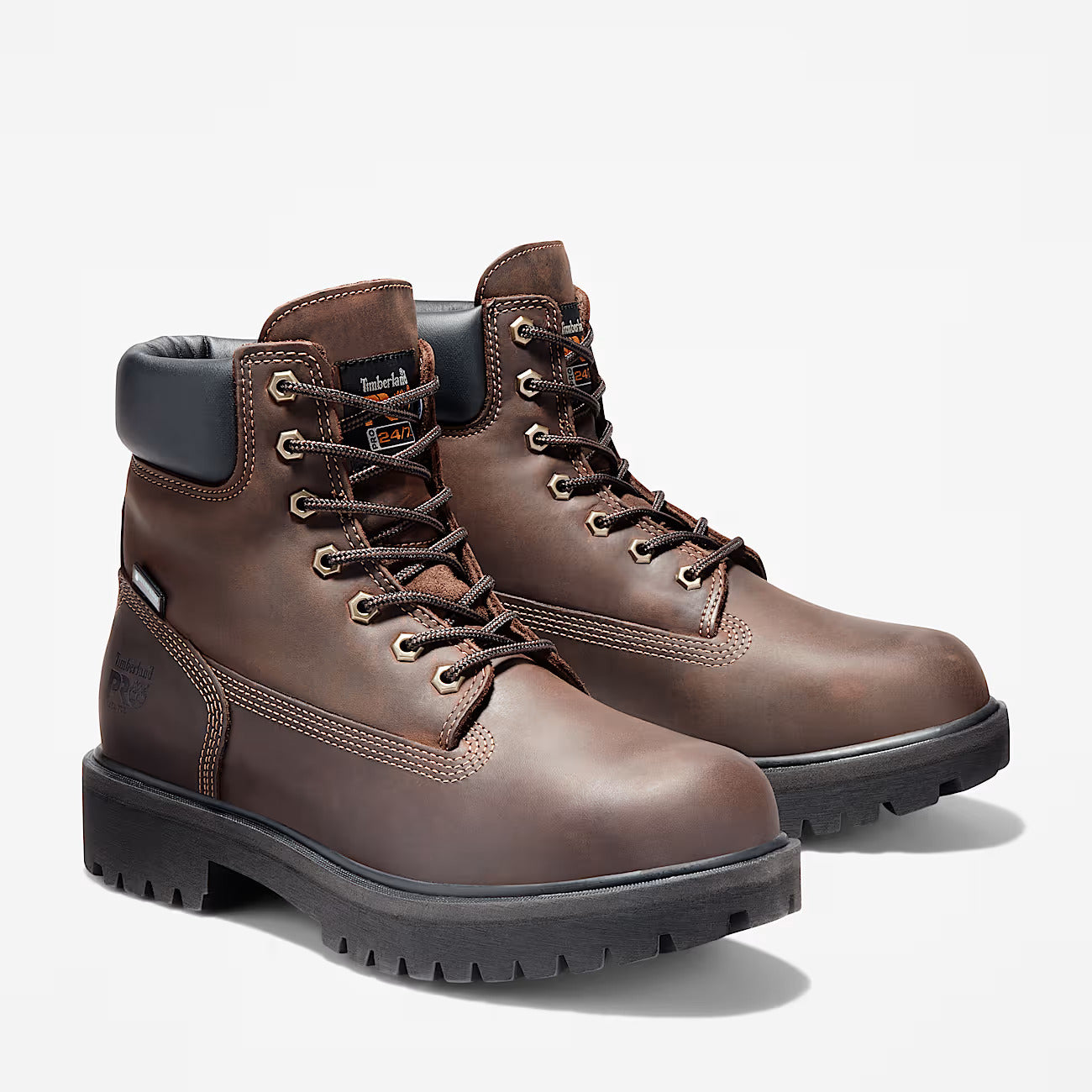
Sale price$142.95
Regular price$180.00
Timberland Pro Men's Direct Attach 6" Steel Toe Waterproof 200G Insulated Work Boot - Brown - TB138021242

Save 20%
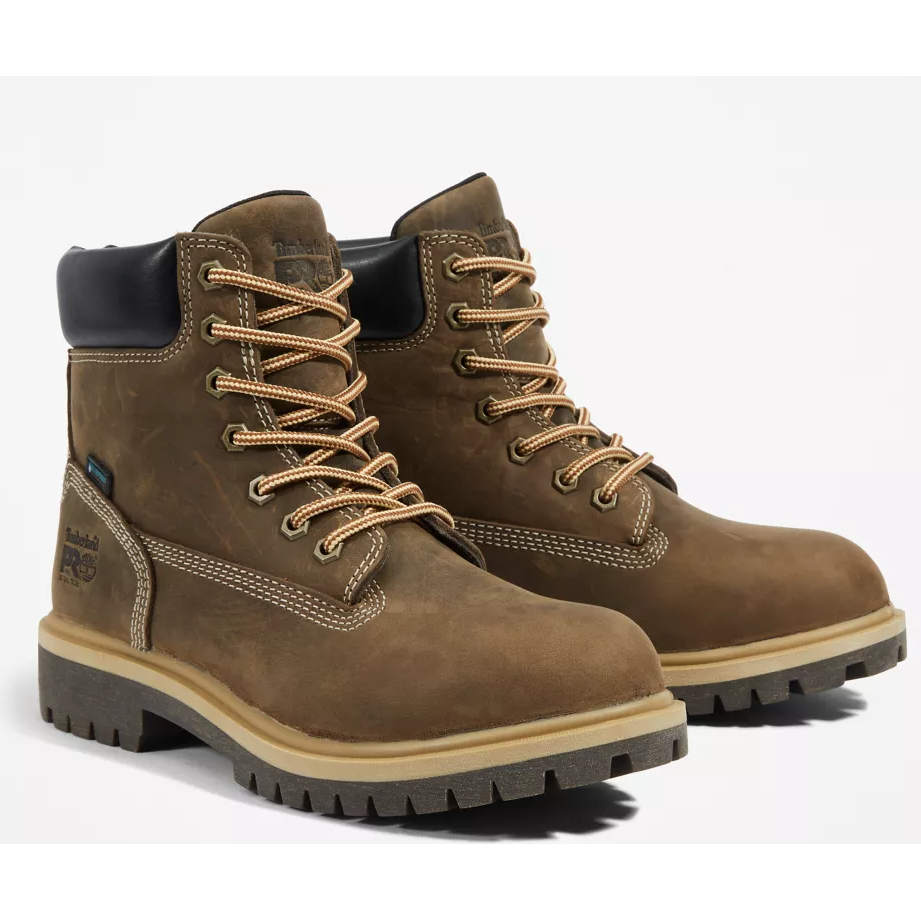
Sale price$139.95
Regular price$175.00
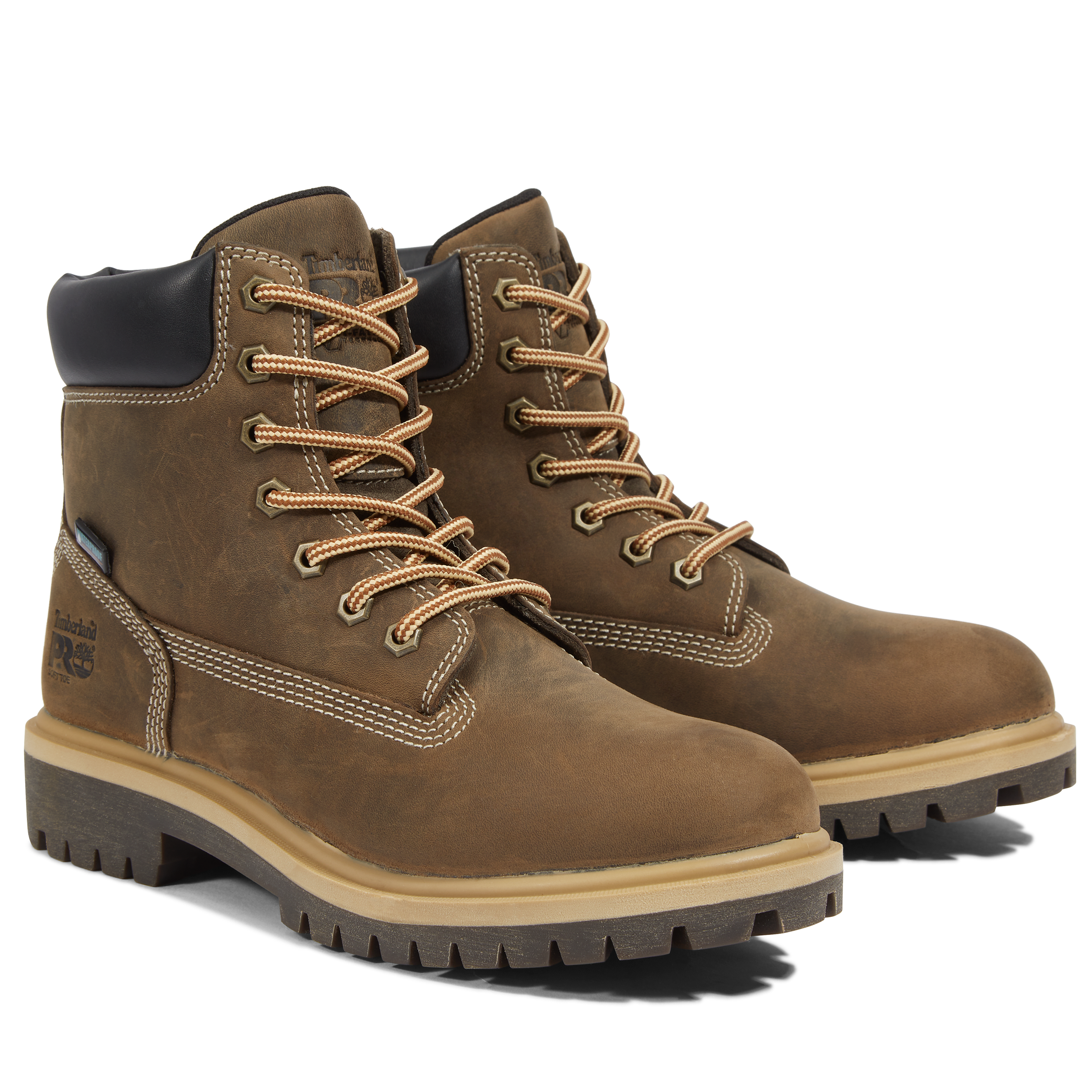
Timberland PRO Women's Direct Attach 6" Steel Toe Waterproof 200G Insulated Work Boot - Brown - TB1A2QX7214
Save 20%
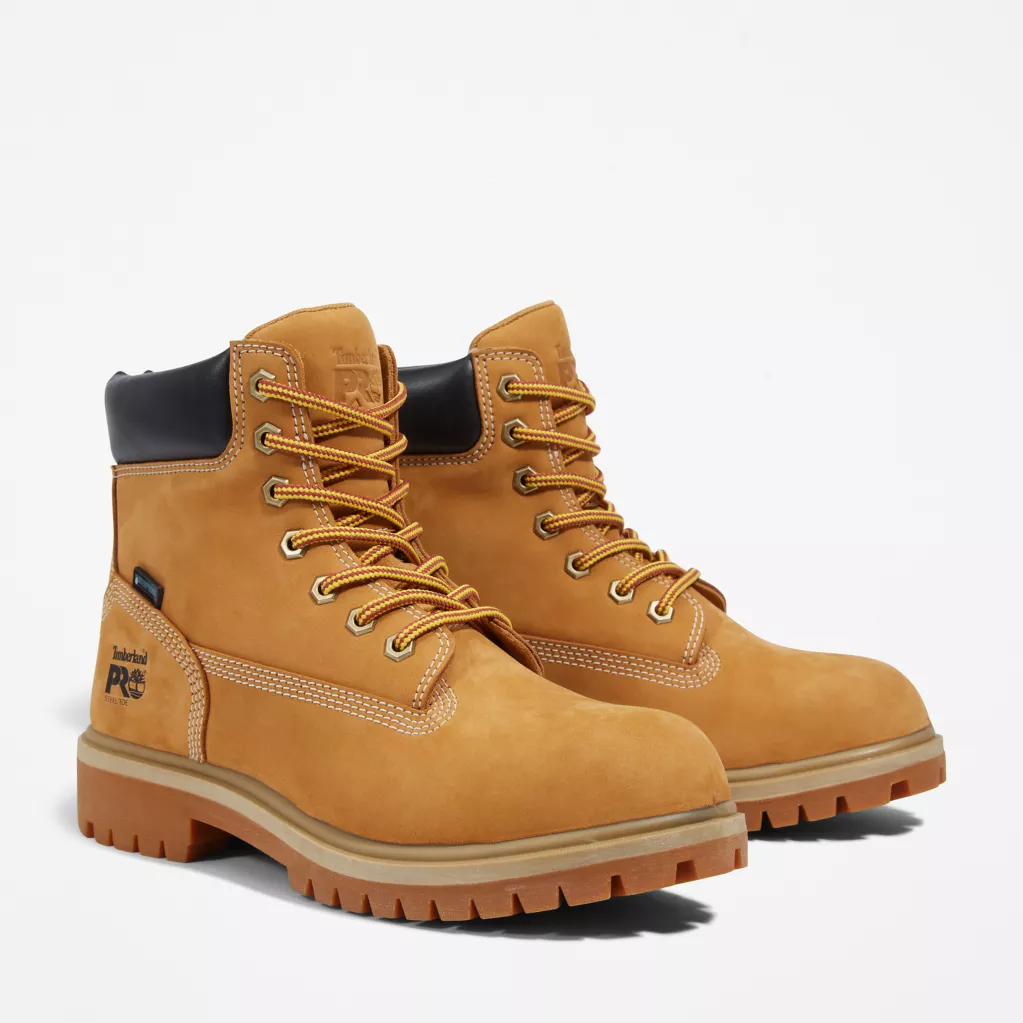
Sale price$139.95
Regular price$175.00
Timberland PRO Women's Direct Attach 6" Steel Toe Waterproof 200G Insulated Work Boot - Wheat - TB1A2QVU231
Save 24%
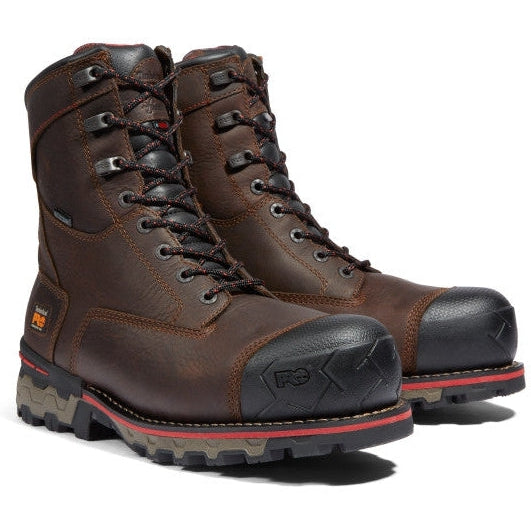
Sale price$219.95
Regular price$290.00
Timberland PRO Men's Boondock 8" Composite Toe Waterproof 1000G Insulated Work Boot - Brown - TB1A128P214
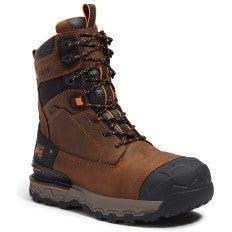
Sale price$219.95
Regular price$220.00
Timberland Pro Men's Boondock Ultralight 8" Composite Toe Waterproof 400G Insulated Work Boot - Brown - TB0A646FEM4
Save 6%
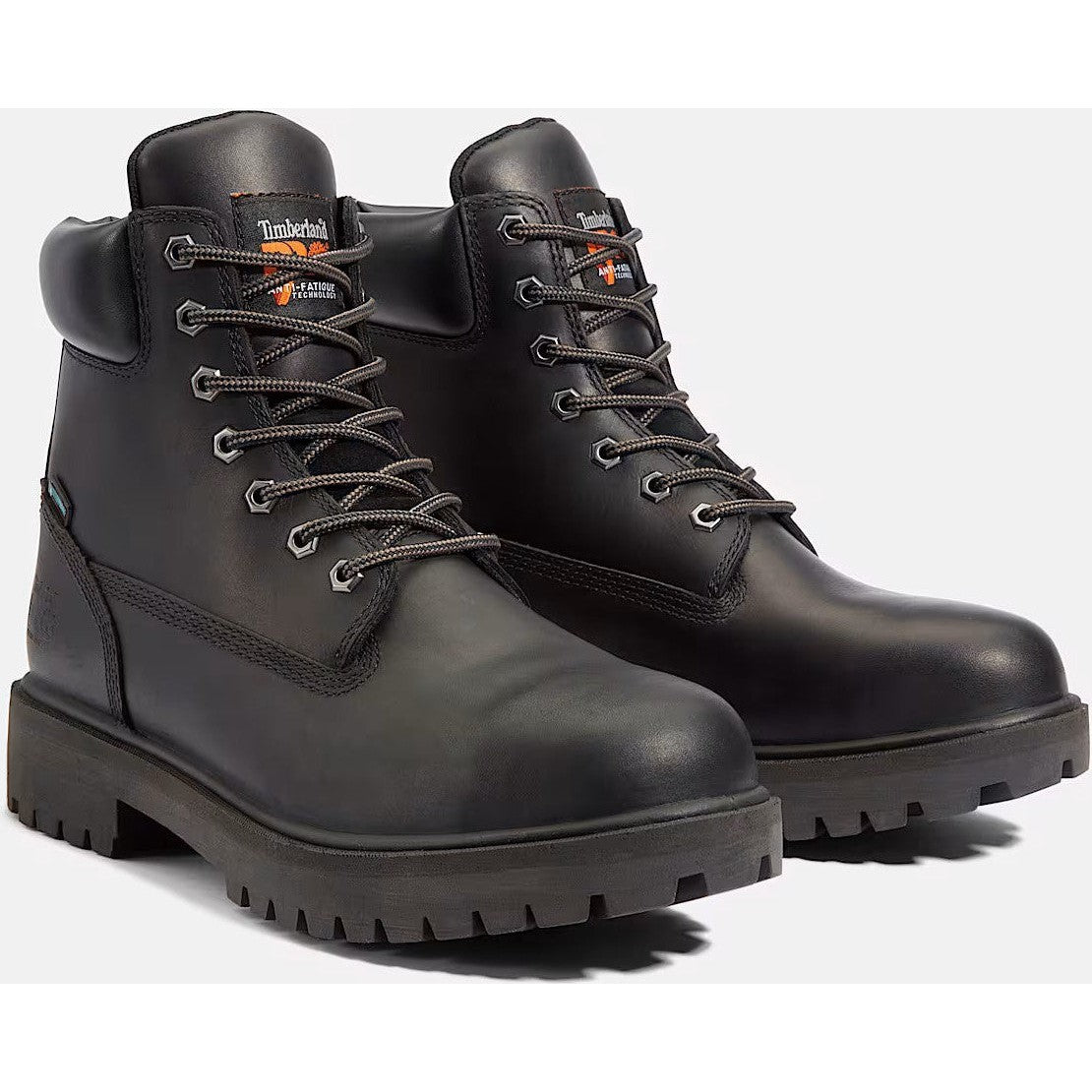
Sale price$169.95
Regular price$180.00
Timberland PRO Men's Direct Attach 6" Steel Toe Waterproof 200G Insulated Work Boot - Black - TB126038001
Save 20%
Sale price$174.95
Regular price$220.00
Timberland PRO Men's Endurance EV CSA 8" Composite Toe Waterproof Puncture Resistant Work Boot - Brown - TB0A67TQEM4
Save 19%
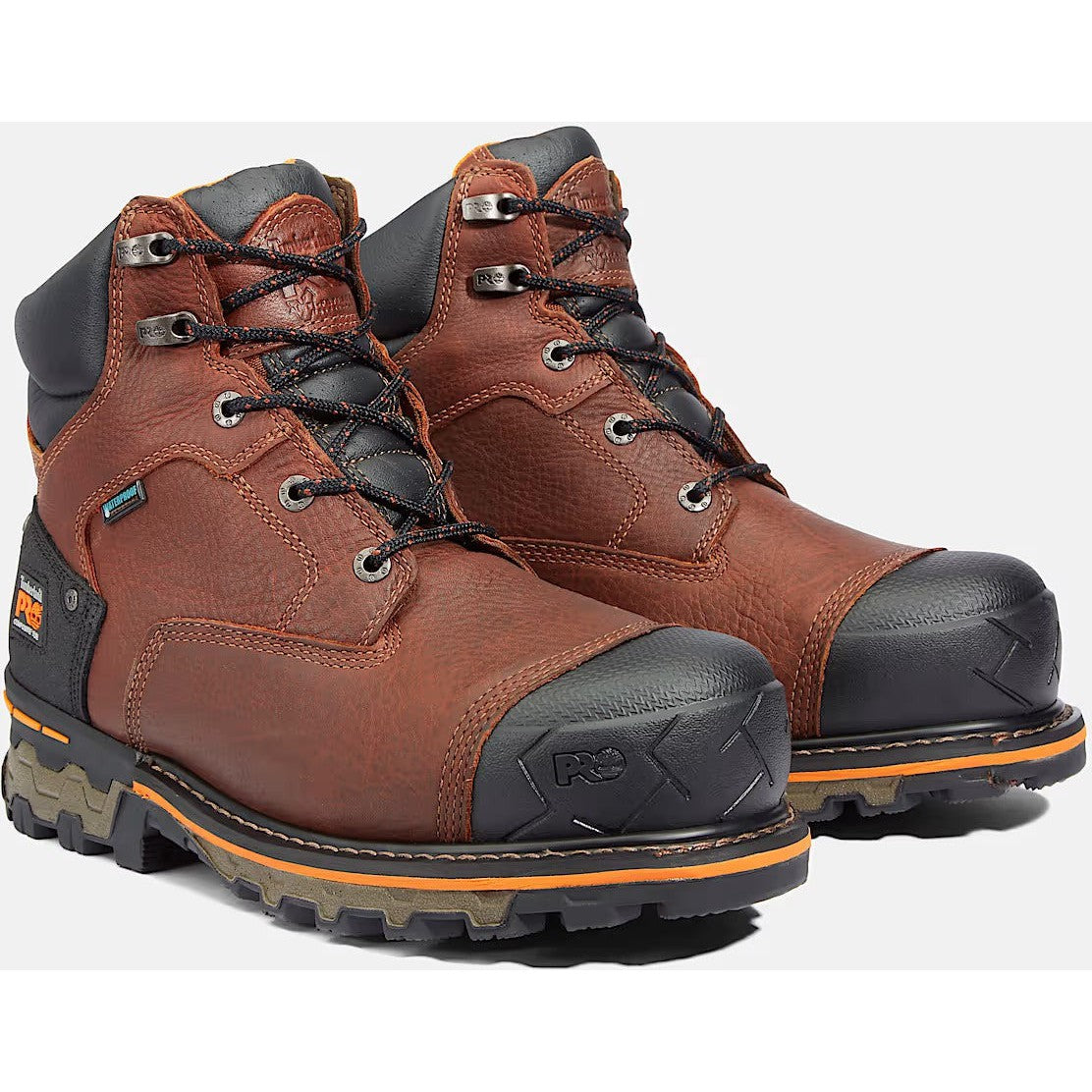
Sale price$189.95
Regular price$235.00
Timberland PRO Men's Boondock 6" Composite Toe Waterproof 400G Insulated Work Boot - Brown - TB192641214
Save 8%
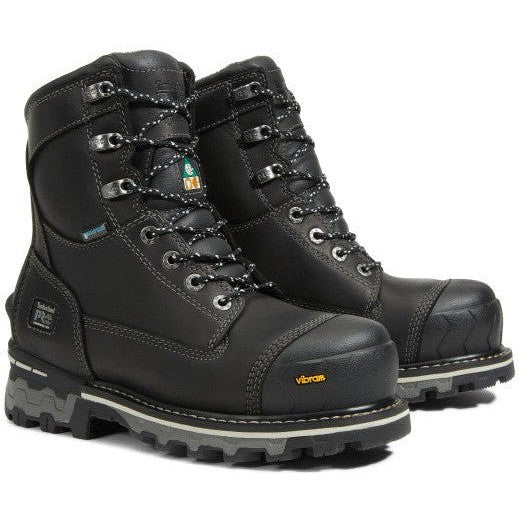
Sale price$229.95
Regular price$250.00
Timberland PRO Women's Boondock 8" Composite Toe Waterproof Puncture Resistant 200G Insulated Work Boot - Black - TB1A5R7K001
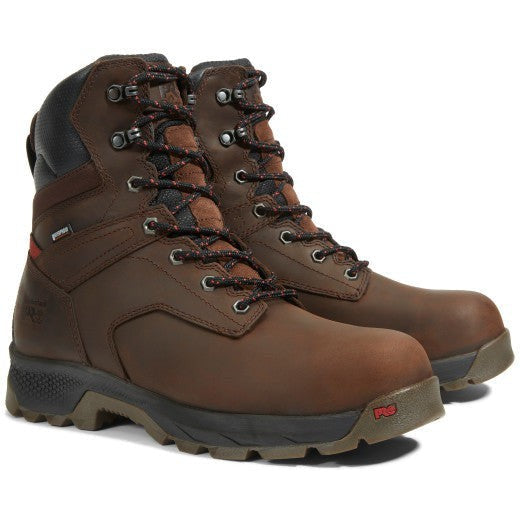
Sale price$199.95
Regular price$200.00
Timberland PRO Men's Titan EV 8" Composite Toe Waterproof 400G Insulated Work Boot - Potting Soil Saddleback - TB1A5RBP214
Save 19%
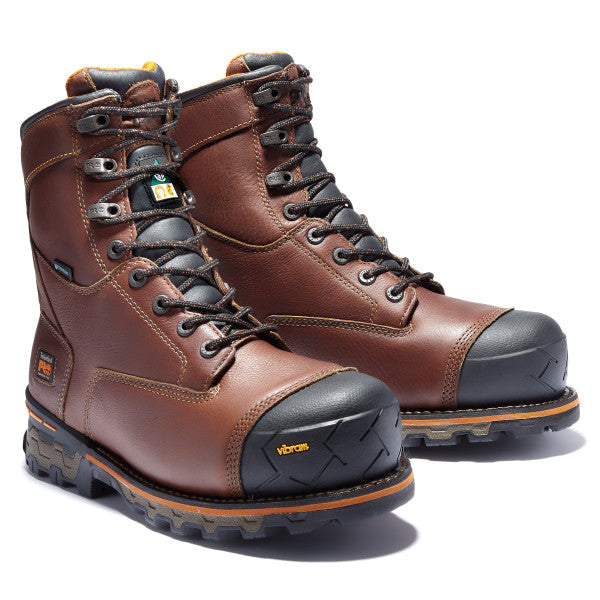
Sale price$219.95
Regular price$270.00
Timberland PRO Men's Boondock 8" Composite Toe Waterproof 200G Insulated Work Boot - Brown - TB189646214
Save 21%
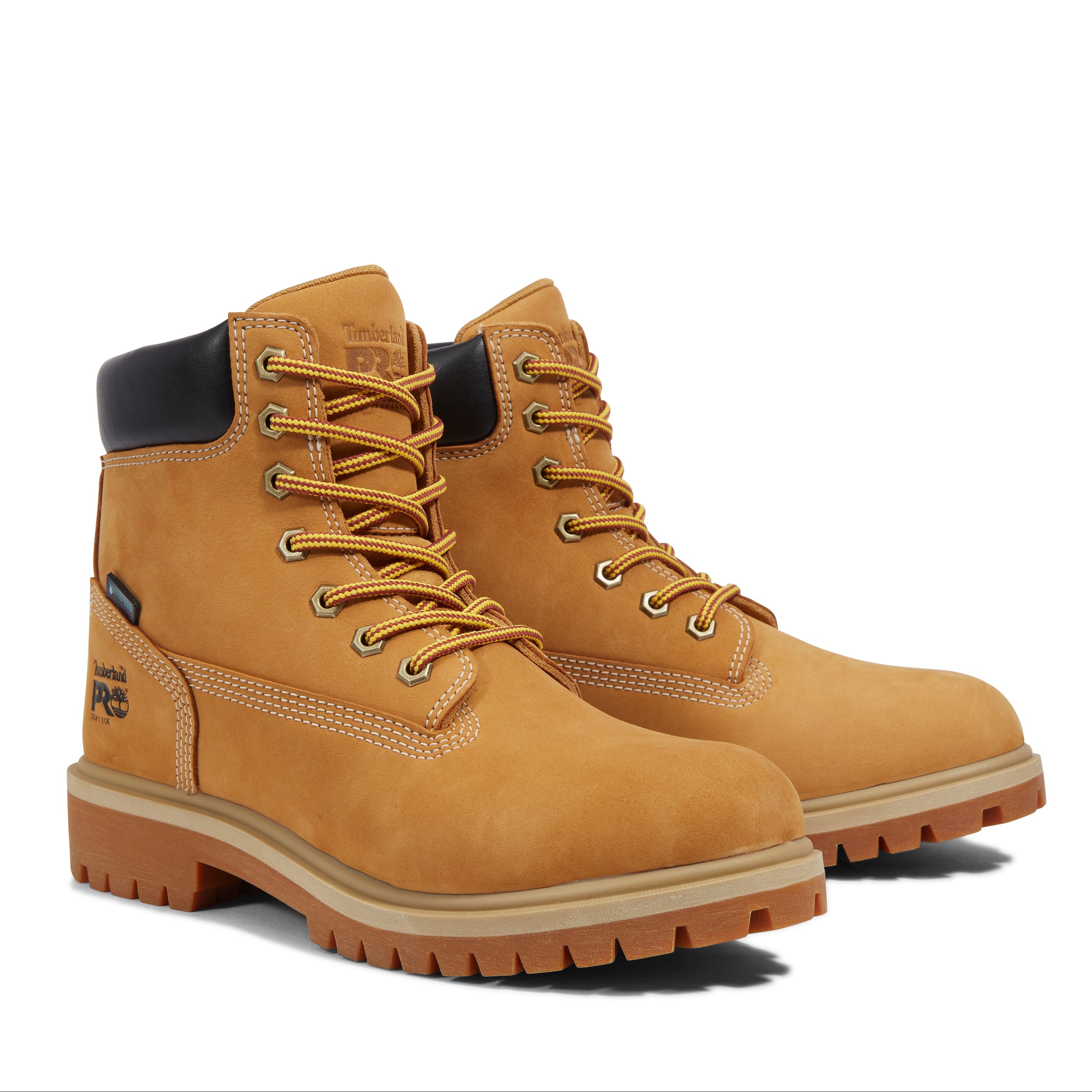
Sale price$134.95
Regular price$170.00
Timberland PRO Women's Direct Attach 6" Soft Toe Waterproof 200G Insulated Work Boot - Brown - TB1A2QZX231
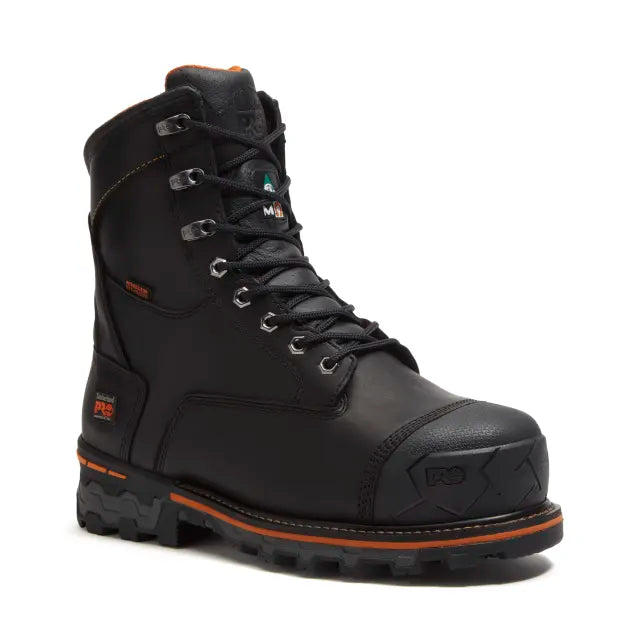
Sale price$279.95
Regular price$280.00
Timberland Pro Men's Boondock 8" Comp Toe WP 200G Ins. Work Boot - Black - TB0A5MA1W021
Frequently Asked Questions
Match the weight to how much you move rather than to the thermometer. Around 200g suits active work in cool conditions. 400g is the general-purpose winter weight for moderate activity. 600g and above is for standing still in genuine cold. If you are active in a heavy boot you will sweat, and damp insulation stops insulating.
A synthetic insulation made of fine fibers that trap air in a thin layer, which is why a boot can be warm without being bulky. The gram figure is the weight per square meter, so 400g is warmer than 200g. It also keeps most of its insulating value when damp, unlike down.
Usually circulation rather than insulation. Boots laced too tight or a thick sock crammed into a boot sized for a thin one restricts blood flow, and cold feet follow no matter the gram count. Standing on frozen ground also pulls heat through the sole, which is where a thicker midsole helps more than more insulation.
Only if you will wear noticeably thicker socks than usual, and then usually a half size. The insulation itself is already accounted for in the fit. Sizing up beyond that creates heel slip and dead air your foot has to heat, which makes the boot colder rather than warmer.
In wet cold, yes, and nearly all of this range is. Wet insulation loses most of its value, and snow melts against a warm boot, so a membrane matters more in winter than in summer. See our Timberland PRO waterproof range.
You can, but they will be warm once the weather turns, since the insulation works in both directions. Most people who work outdoors year round keep an uninsulated pair for the warm months. If you only want one boot, an uninsulated waterproof model plus a heavier sock is the more flexible choice.
The outsole is molded directly onto the upper, sealing the joint permanently against water, and the line is built with insulation across most of its models. That combination of a watertight seam and a warm lining is exactly what wet winter ground demands. It cannot be resoled, since there is no welt.
Yes, in steel, alloy and composite, all meeting ASTM F2413 for impact and compression. Composite is worth considering here specifically because it does not conduct cold the way a metal cap does, which is a real difference on a long winter shift. See our Timberland PRO safety toe range.
Recently viewed
Our Top Brands