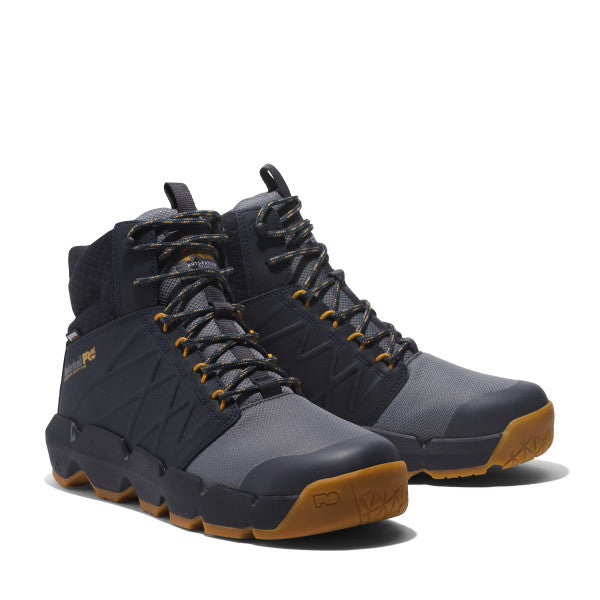
Sale price$174.95
Regular price$175.00
Timberland Pro Men's Morphix 6" Composite Toe Waterproof Work Boot - Grey - TB1A5YFU065
Save 27%
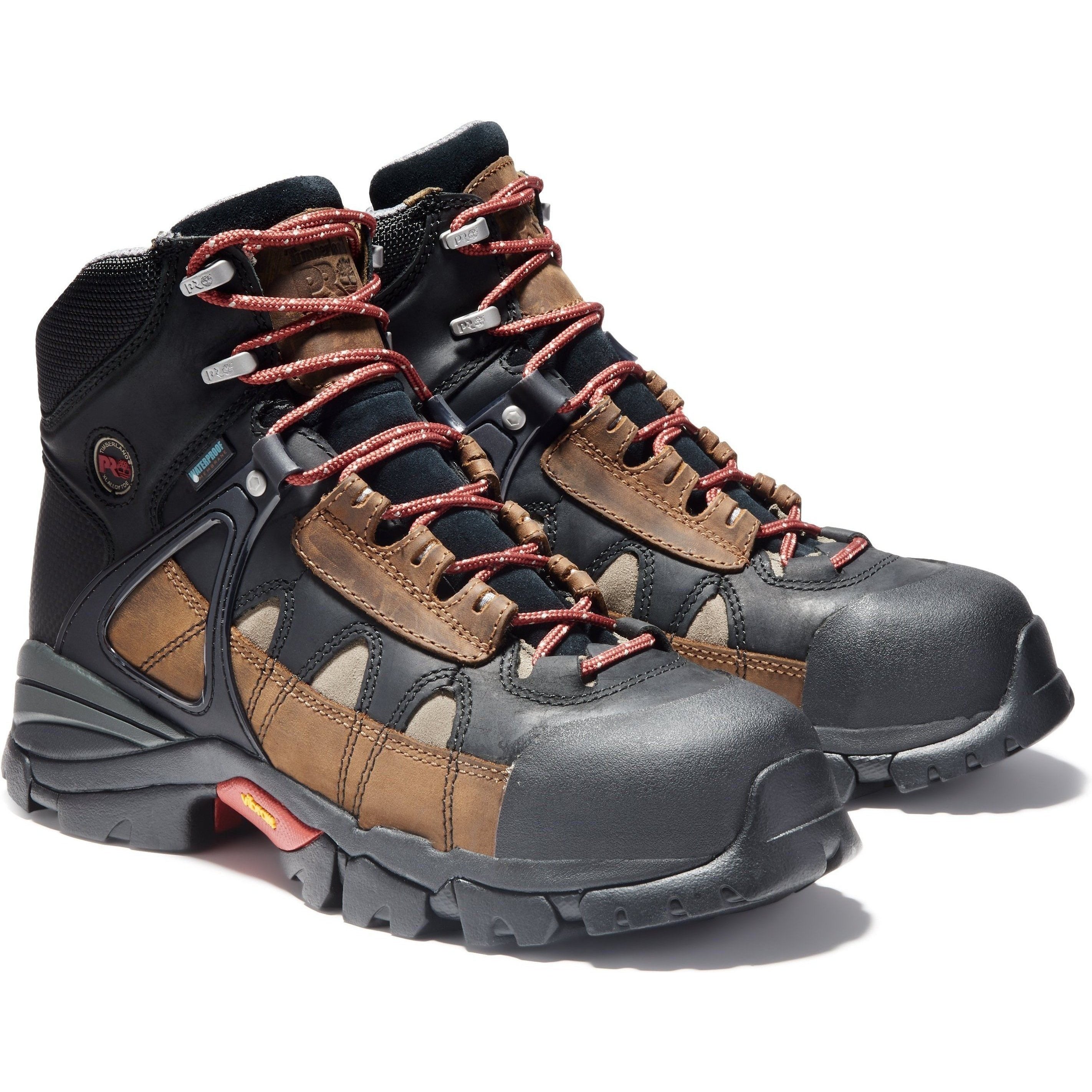
Sale price$157.95
Regular price$215.00
Timberland PRO Men's Hyperion 6" Alloy Toe Waterproof Work Boot - TB190646214
Save 10%
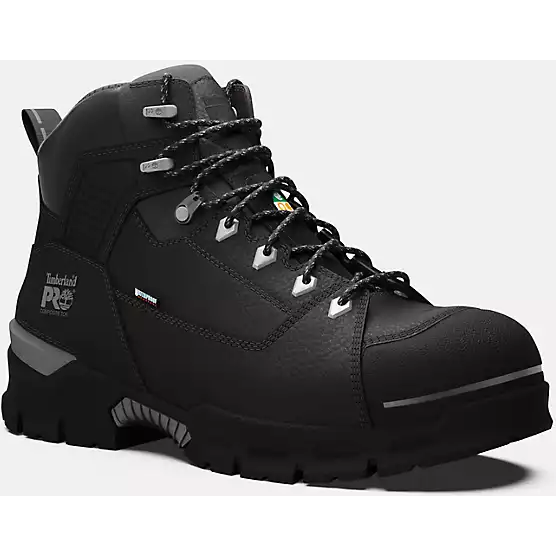
Sale price$179.95
Regular price$200.00
Timberland Pro Men's Endurance Evolution 6" Composite Toe Waterproof Work Boot -Black- TB0A5YYF001
Save 26%
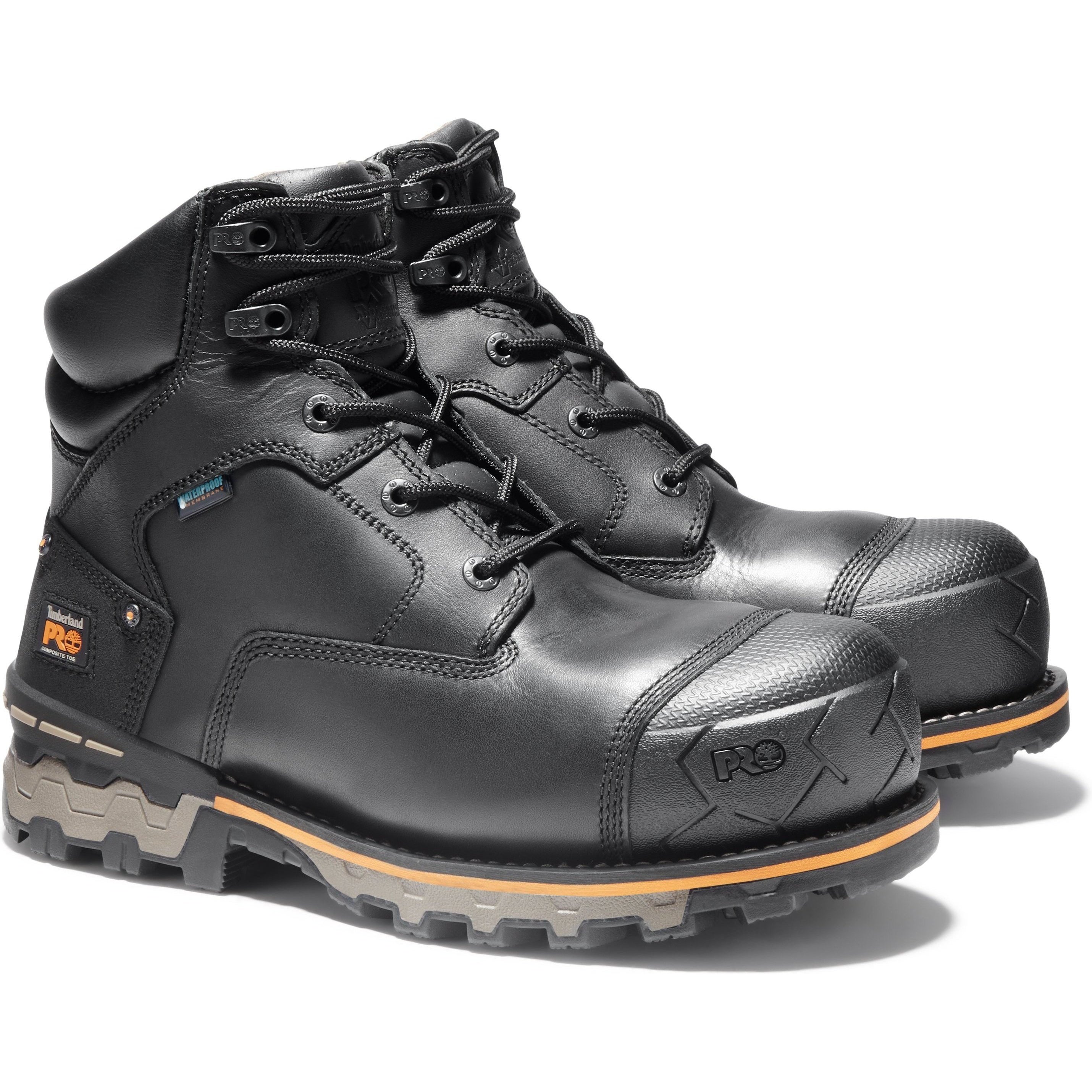
Sale price$169.95
Regular price$230.00
Timberland PRO Men's Boondock 6" Composite Toe Waterproof Work Boot TB1A1FZP001
Save 17%
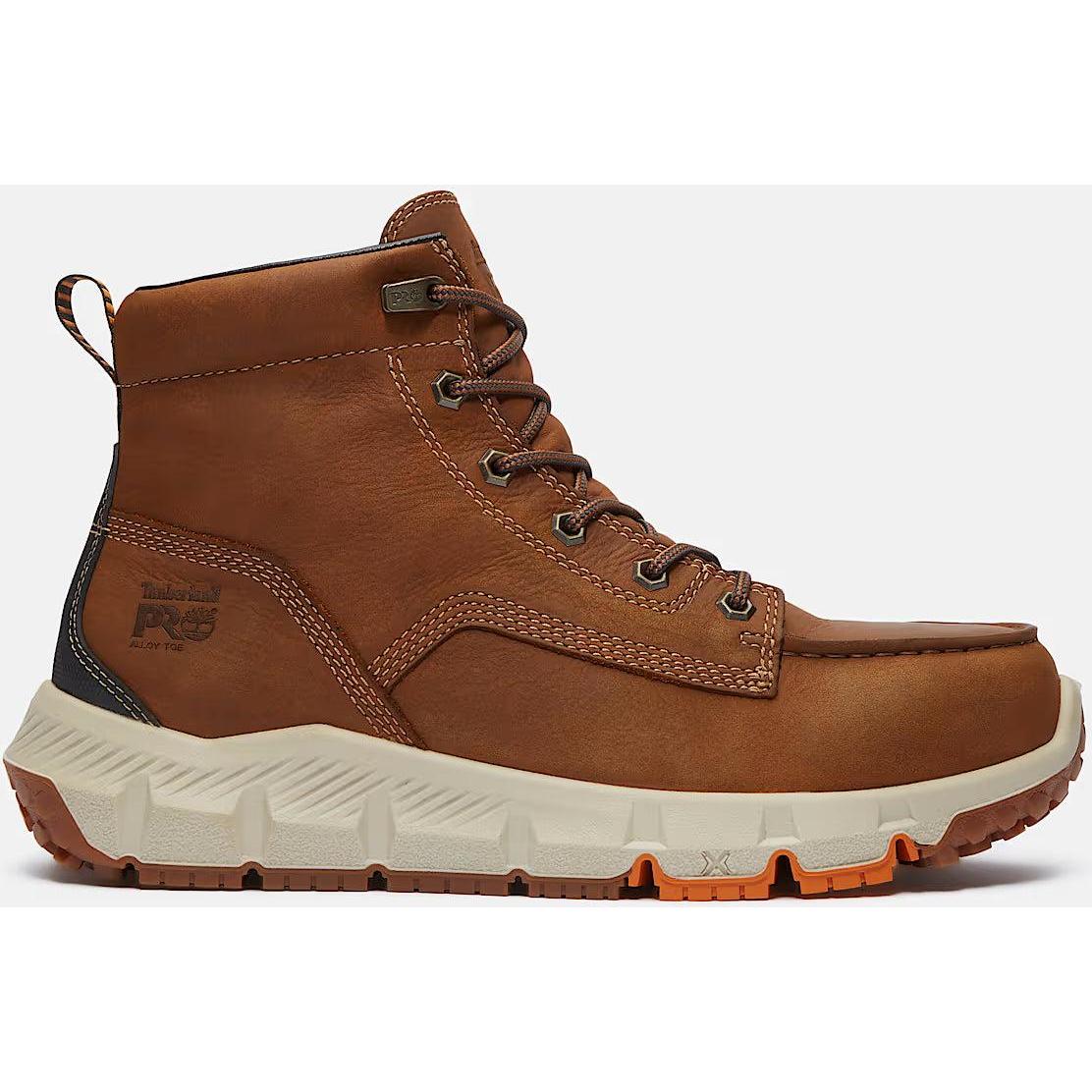
Sale price$127.95
Regular price$155.00
Timberland Pro Men's Tempe 6" Alloy Toe SR Work Boot- Brown- TB0A2QFUEM8
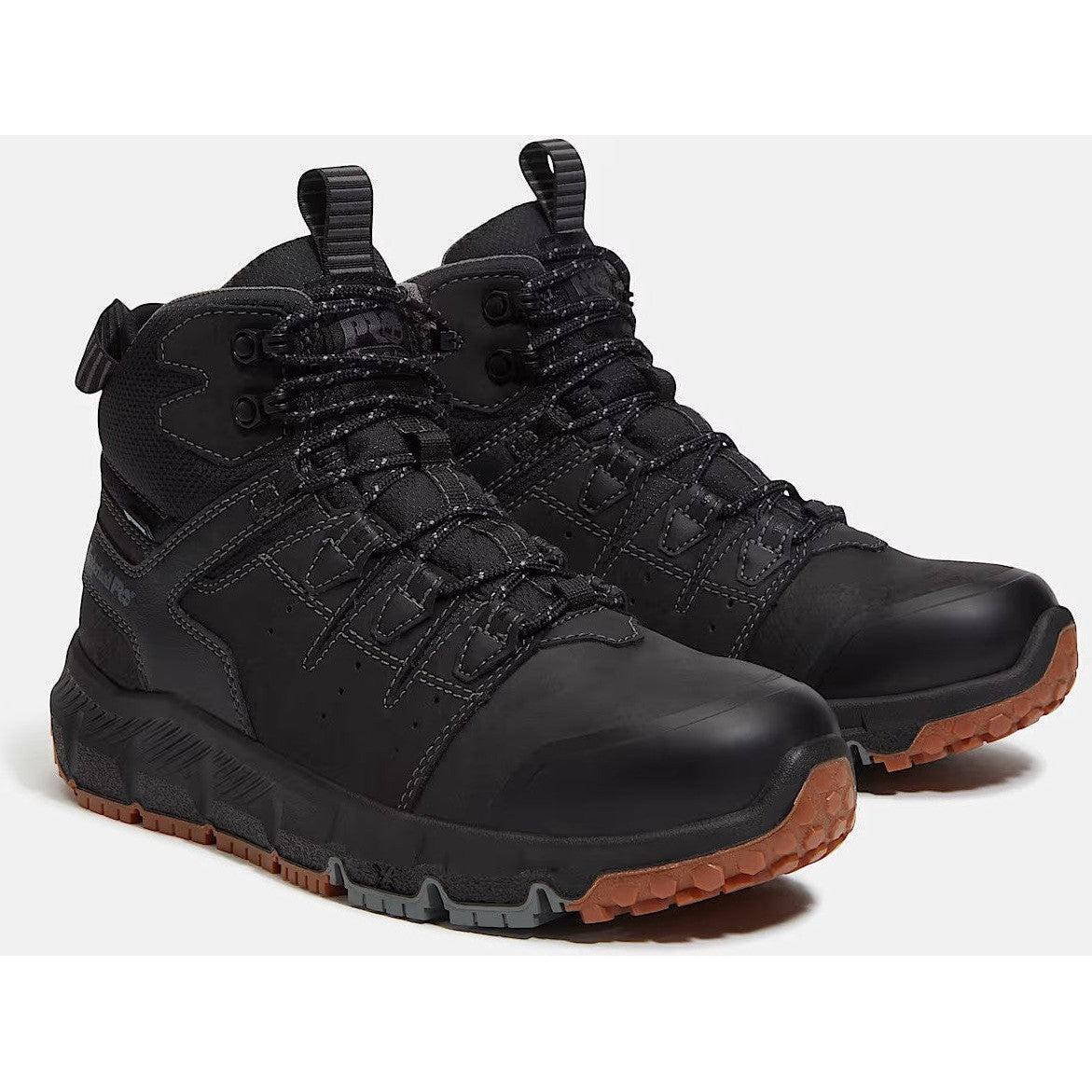
Sale price$149.95
Regular price$150.00
Timberland Pro Men's Tempe 6" Soft Toe Waterproof Work Boot- Black- TB0A63WQEK5
Save 17%
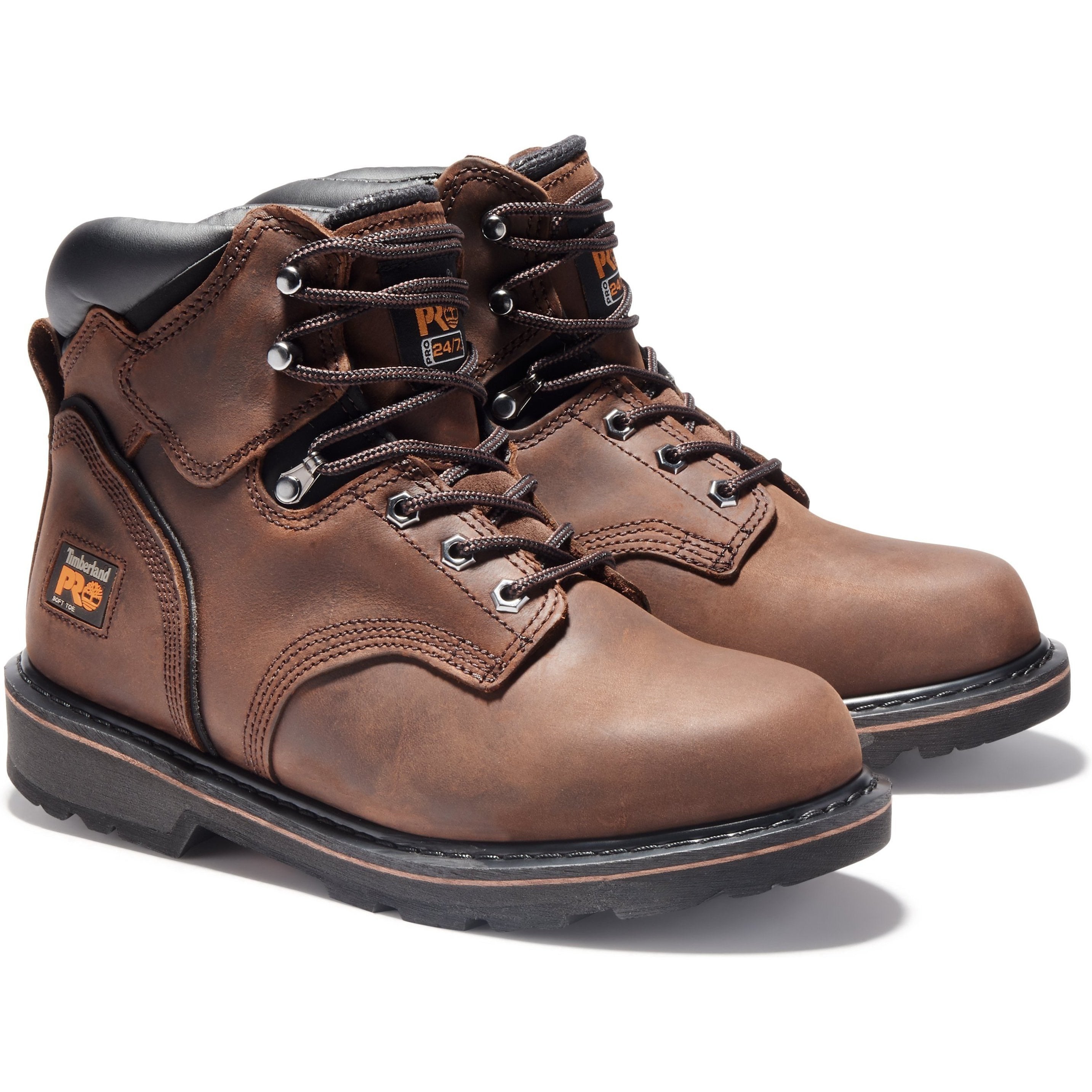
Sale price$127.95
Regular price$155.00
Timberland PRO Men's Pit Boss 6" Soft Toe Work Boot - Brown - TB133046214
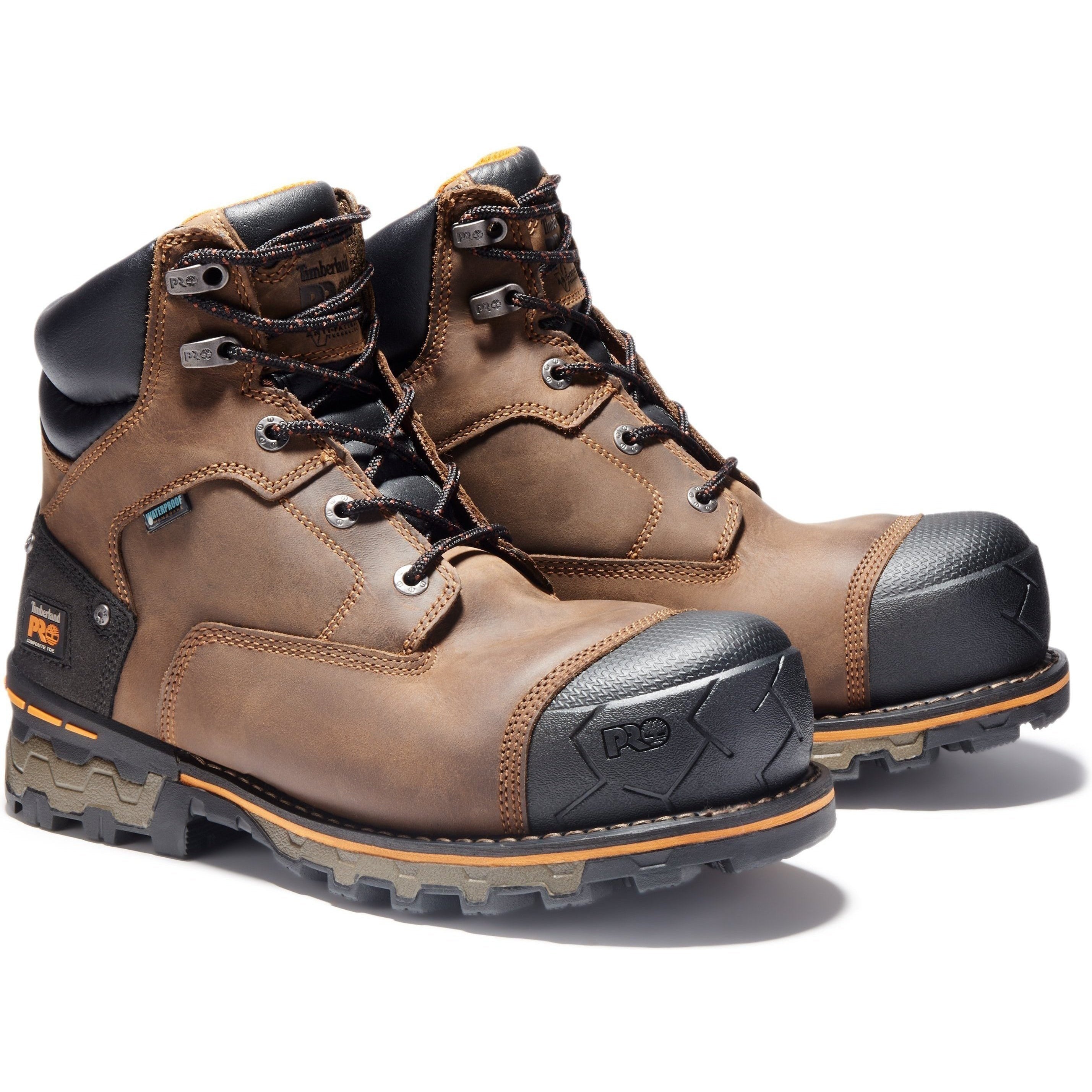
Sale price$229.95
Regular price$230.00
Timberland PRO Men's Boondock 6" Composite Toe Waterproof Work Boots - TB192615214
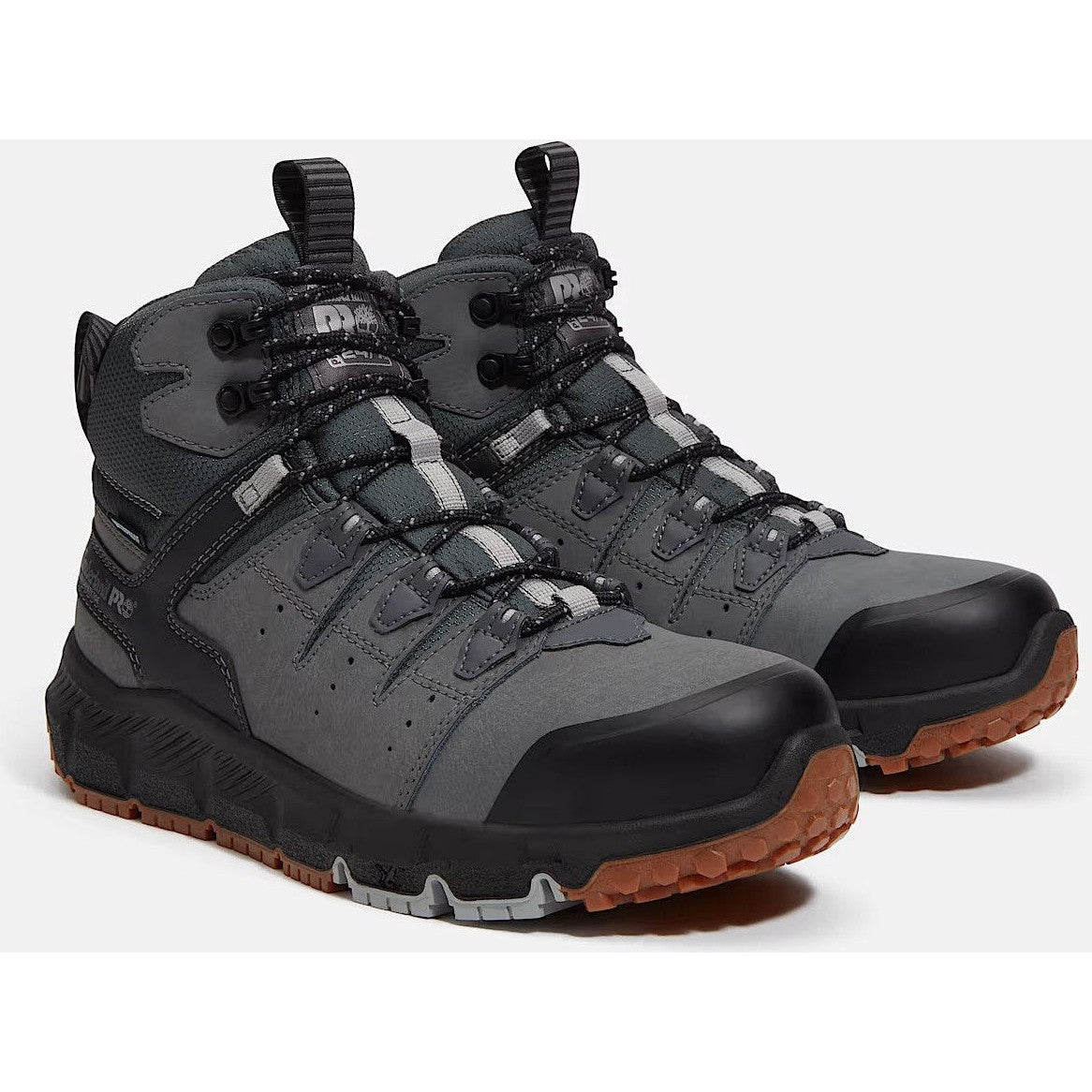
Sale price$159.95
Regular price$160.00
Timberland Pro Men's Tempe 6" Alloy Toe Waterproof Work Boot- Grey- TB0A67G3EJO

Sale price$199.95
Regular price$200.00
Timberland Pro Men's Boondock Ultralight 6" Comp Toe WP Work Boot - Brown - TB0A63FYEM4
Save 13%
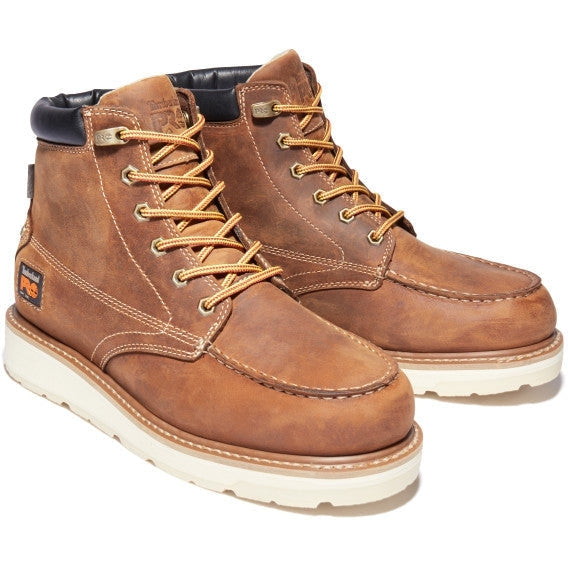
Sale price$164.95
Regular price$190.00
Timberland Pro Men's Gridworks 6" Alloy Toe Waterproof Work Boot - TB1A29V1214
Save 21%
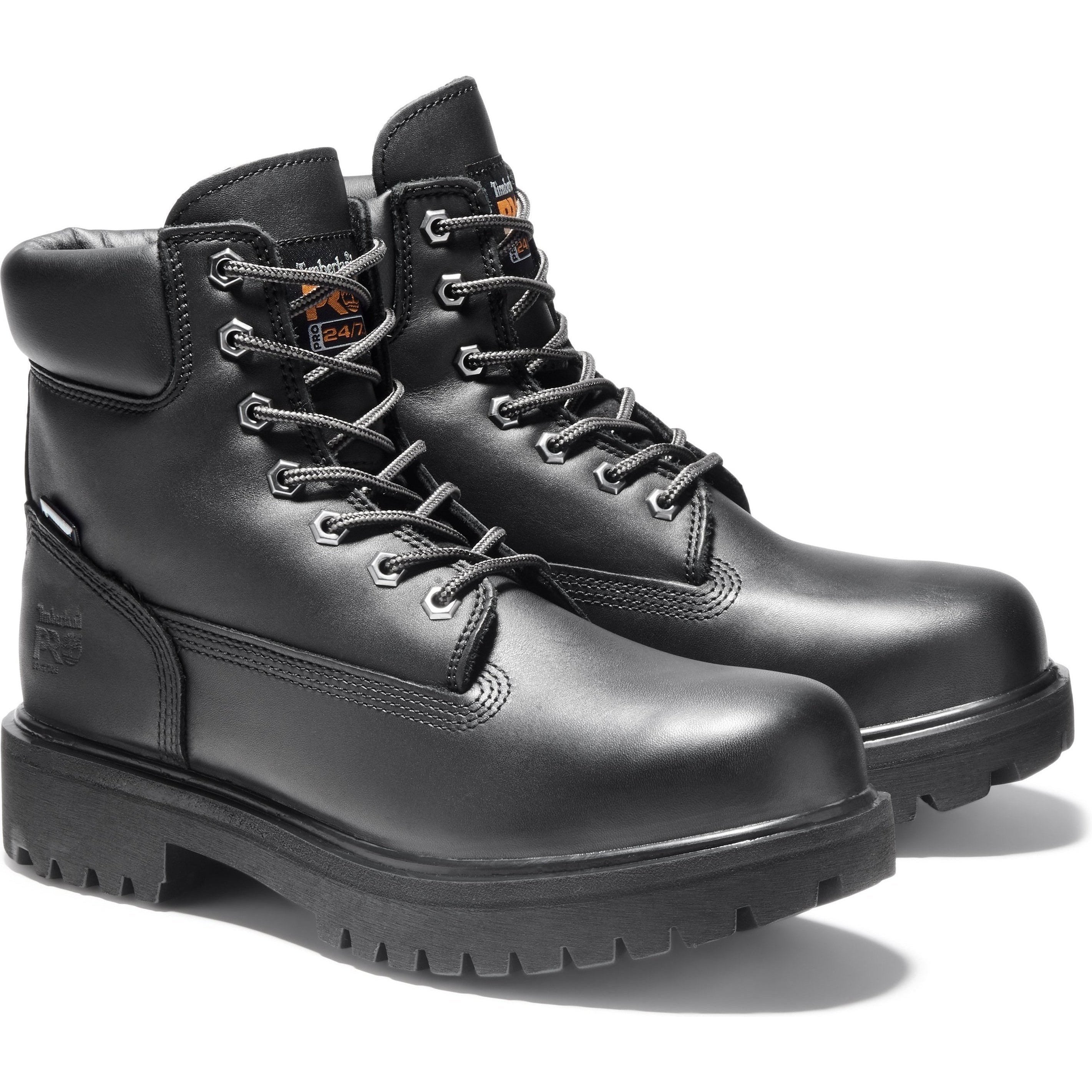
Sale price$137.95
Regular price$175.00
Timberland PRO Men's Direct Attach 6" Soft Toe Waterproof 200G Insulated Work Boot - Black - TB126036001
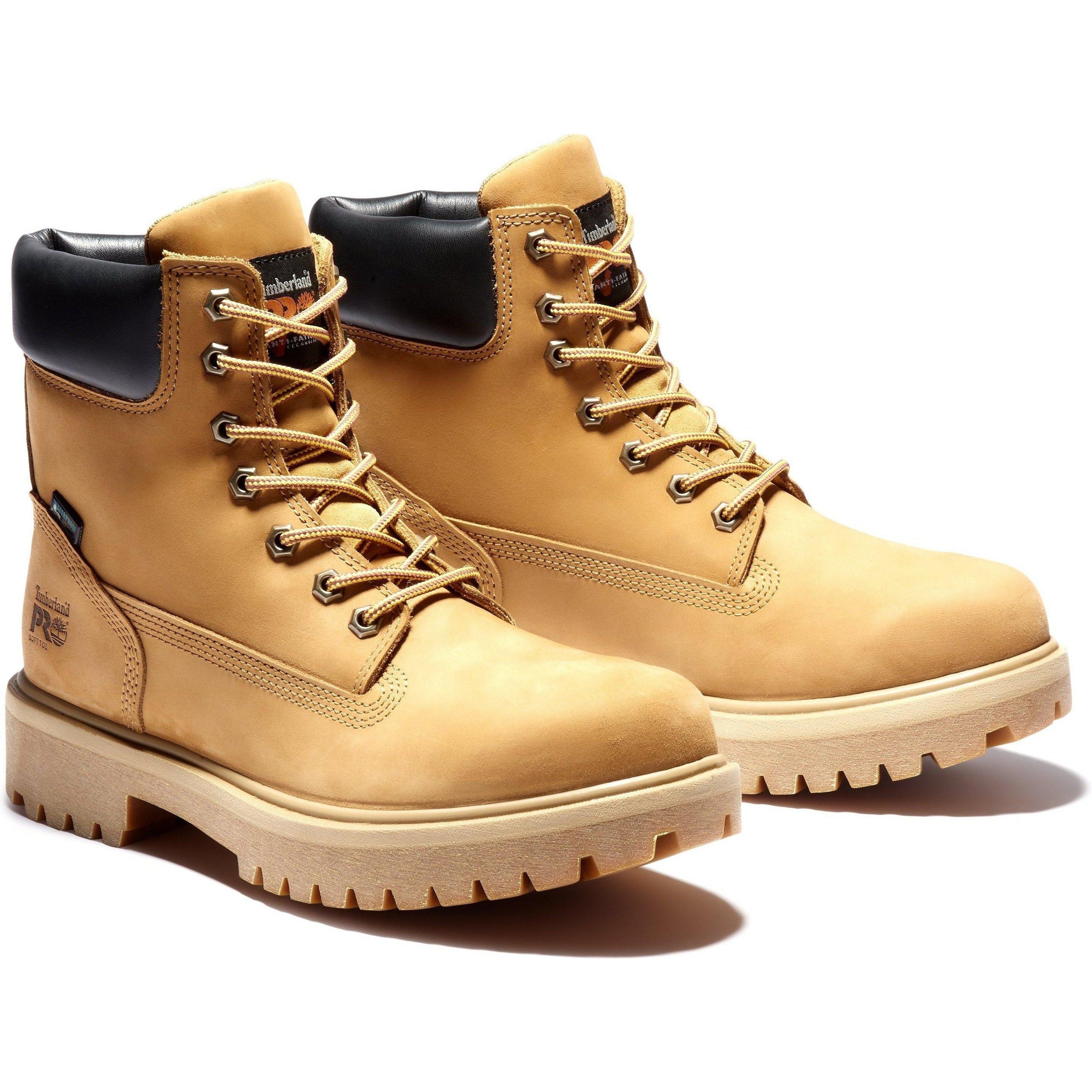
Sale price$174.95
Regular price$175.00
Timberland PRO Men's Direct Attach 6" Insulated Work Boot TB165030713
Save 15%
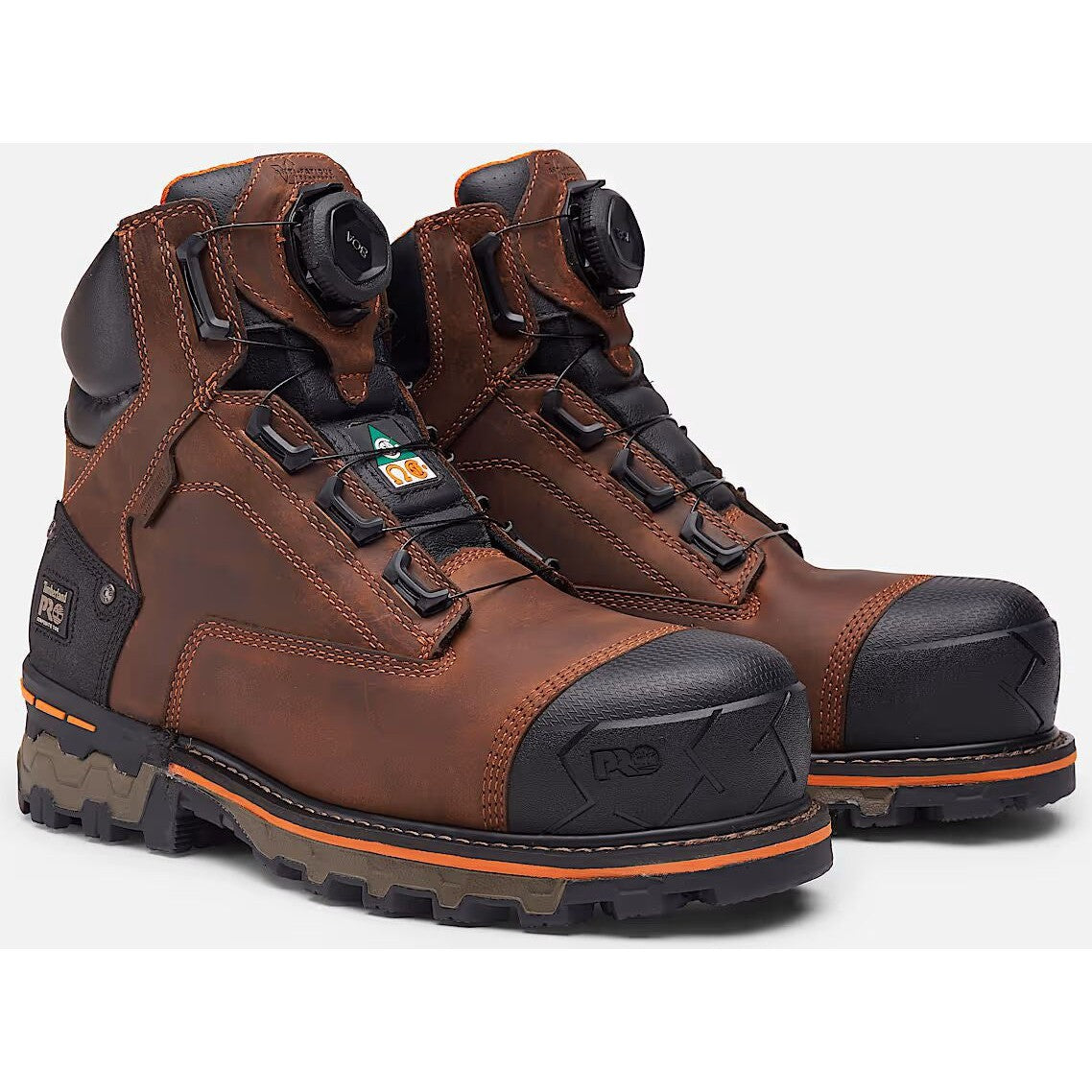
Sale price$229.95
Regular price$270.00
Timberland Pro Men's BOA Boondock 6" Composite Toe Waterproof Work Boot-Brown - TB0A66KYEM4
Save 27%
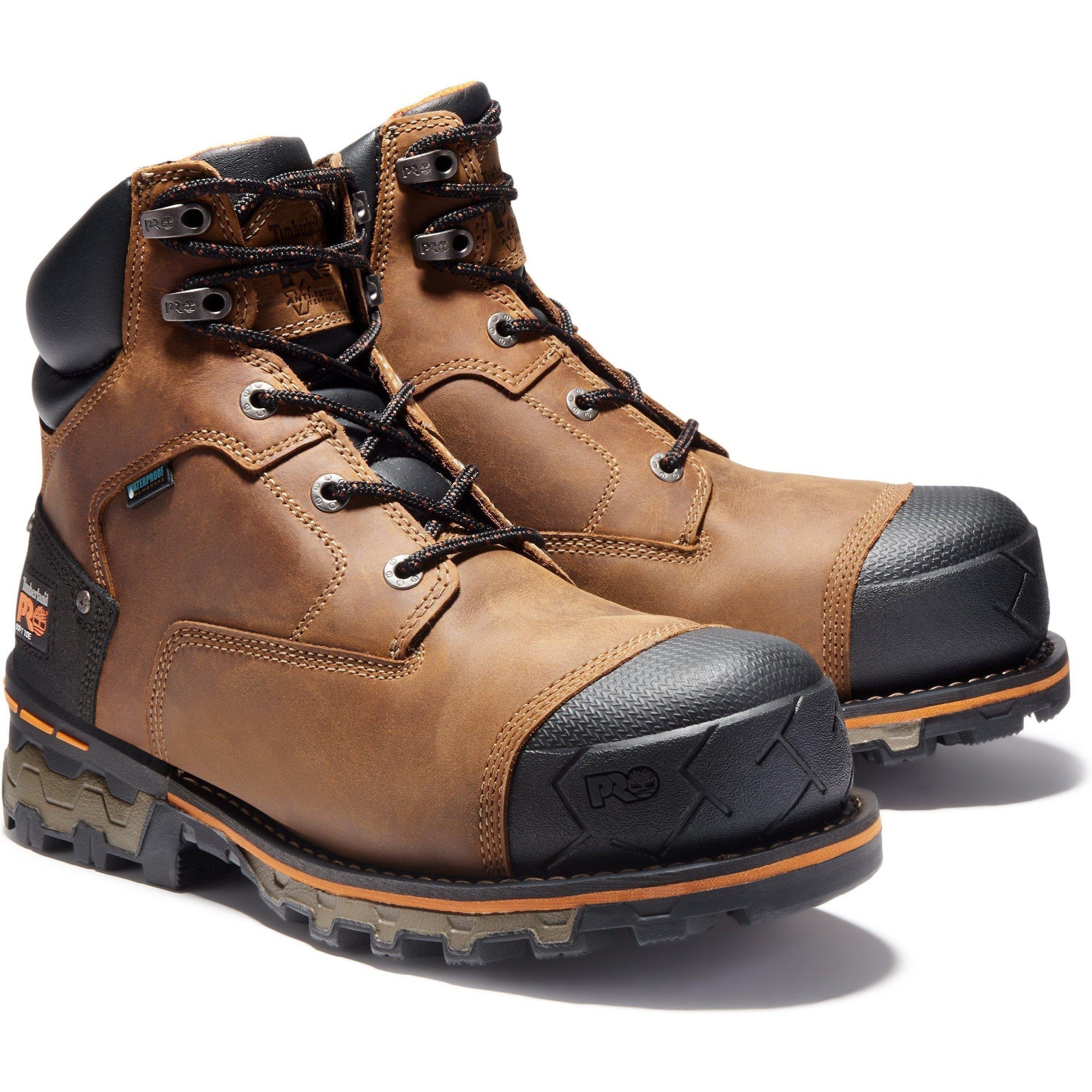
Sale price$159.95
Regular price$220.00
Timberland PRO Men's Boondock 6" Soft Toe Work Boot Brown TB192673214
Save 20%
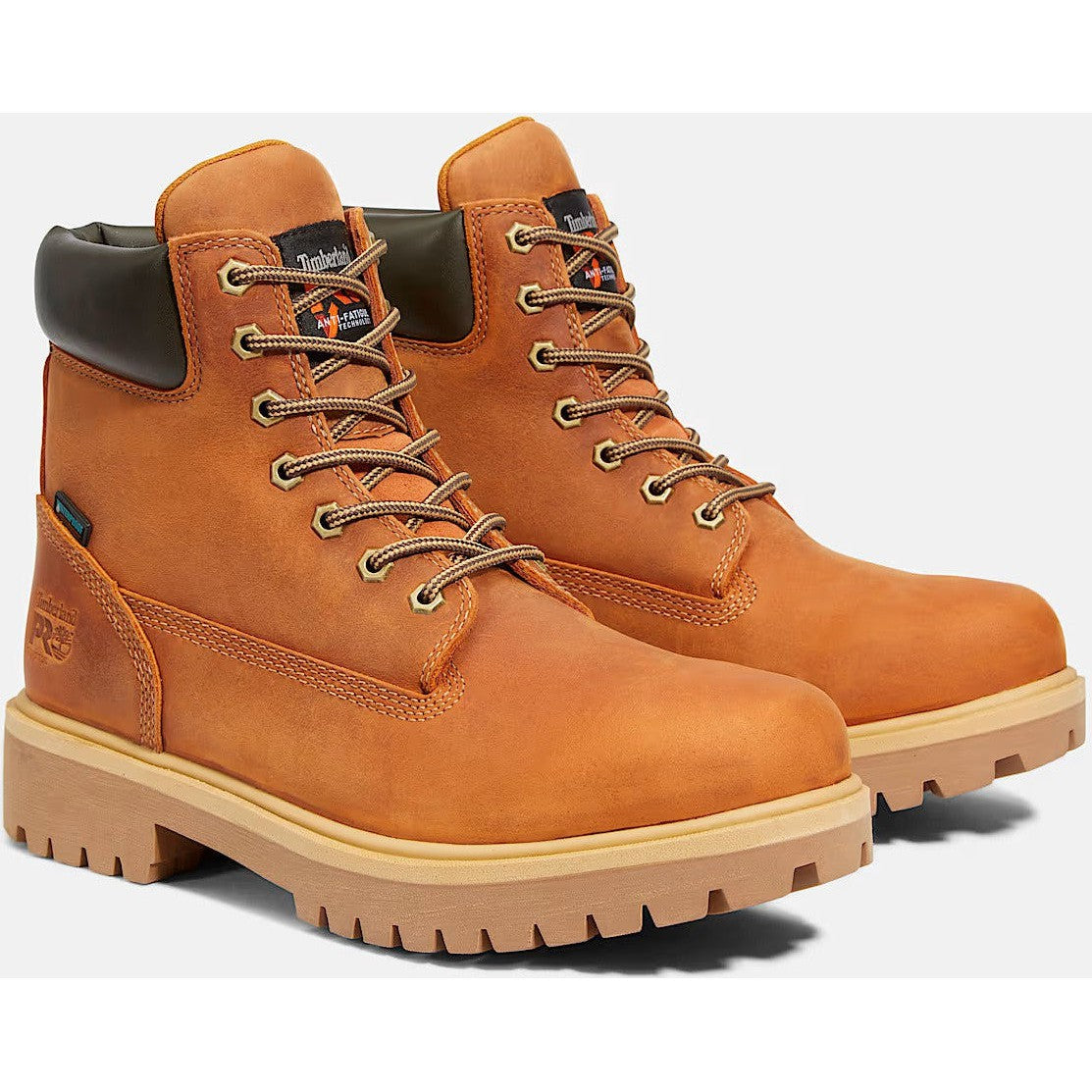
Sale price$139.95
Regular price$175.00
Timberland Pro Men's Direct Attach 6" Soft Toe Waterproof 200G Insulated Work Boot - Brown/Marigold - TB1A262R214
Save 15%
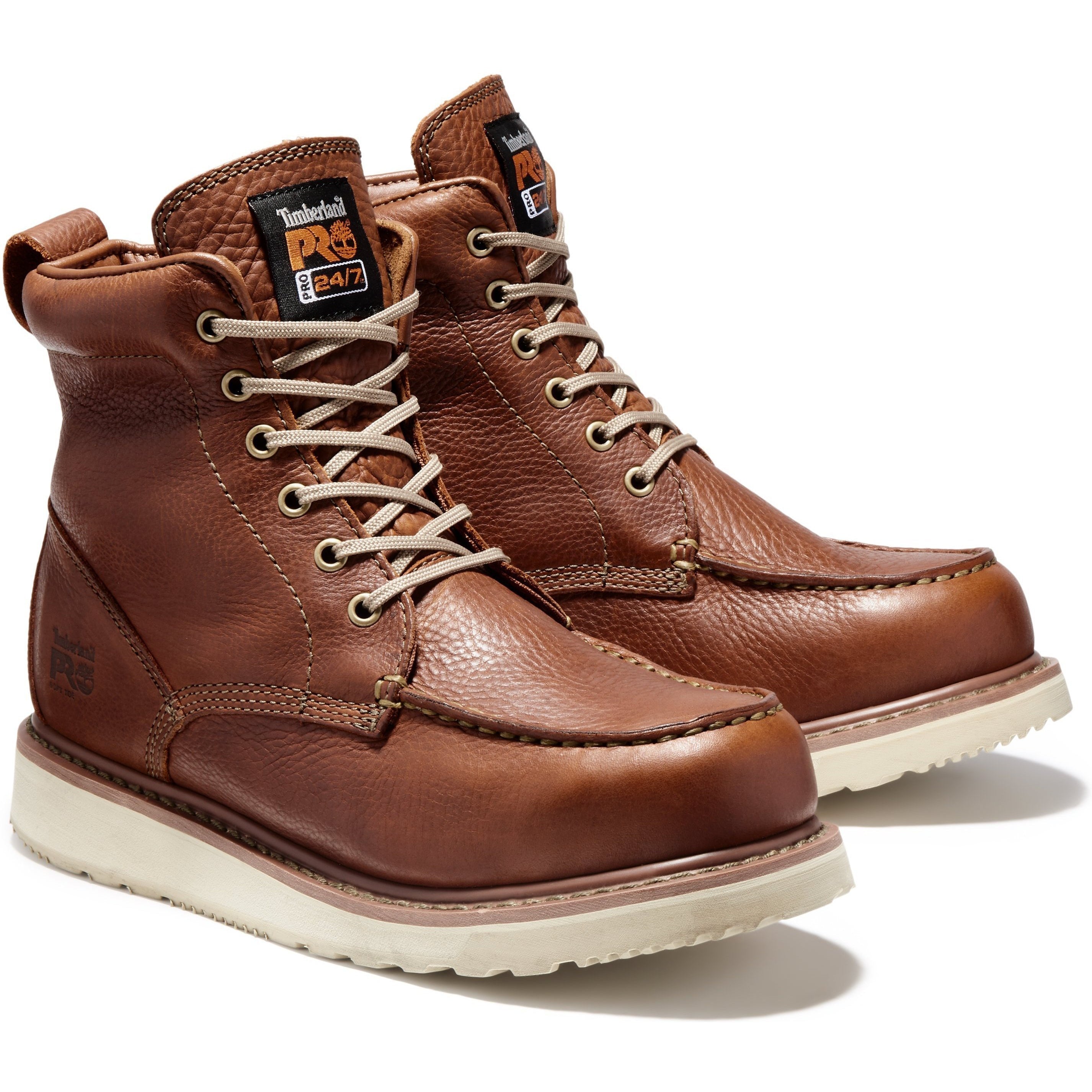
Sale price$114.95
Regular price$135.00
Timberland PRO Men's Wedge 6" Soft Toe Wedge Work Boot - Rust - TB153009214
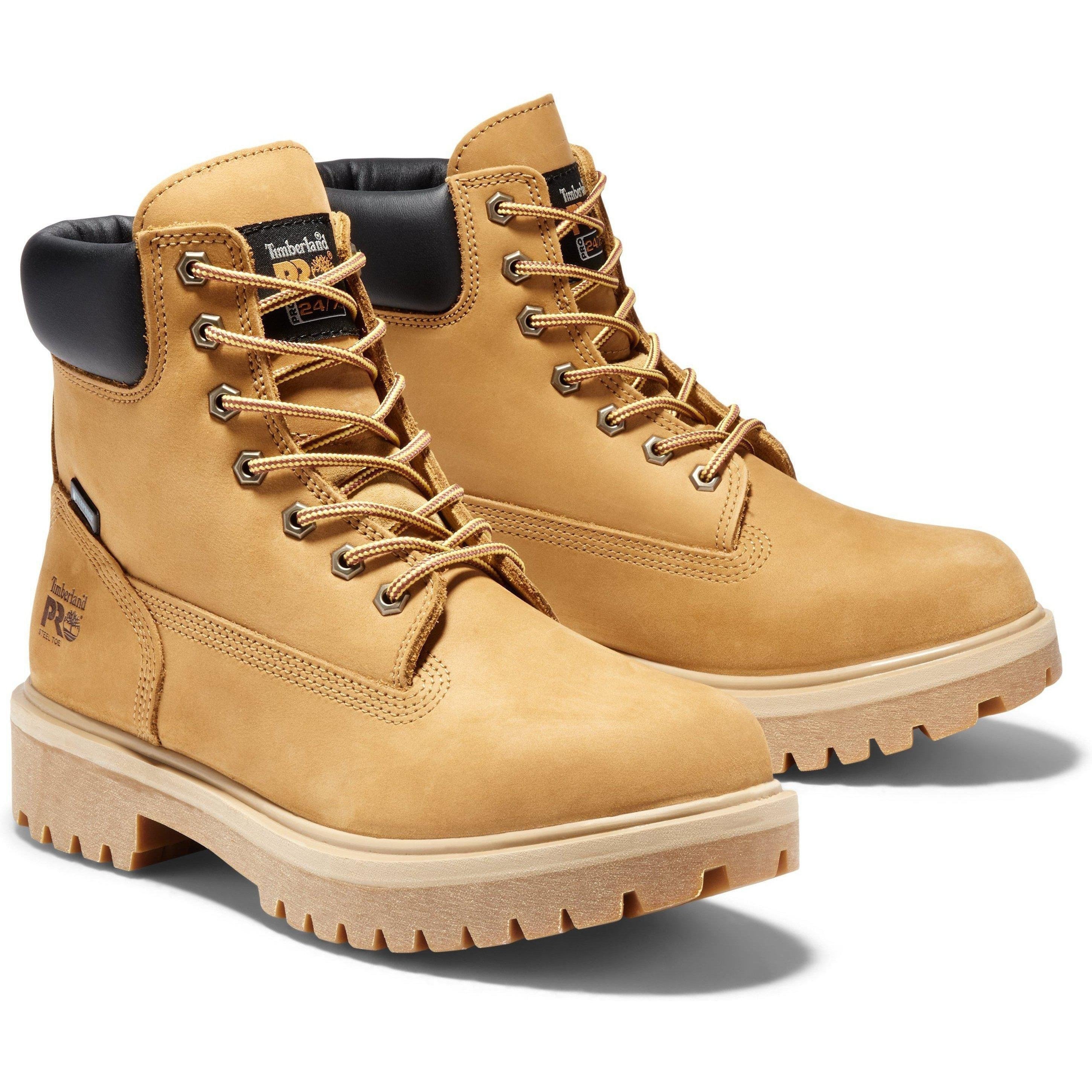
Sale price$179.95
Regular price$180.00
Timberland PRO Men's Direct Attach 6" Steel Toe Waterproof 200G Insulated Work Boot - Wheat - TB165016713
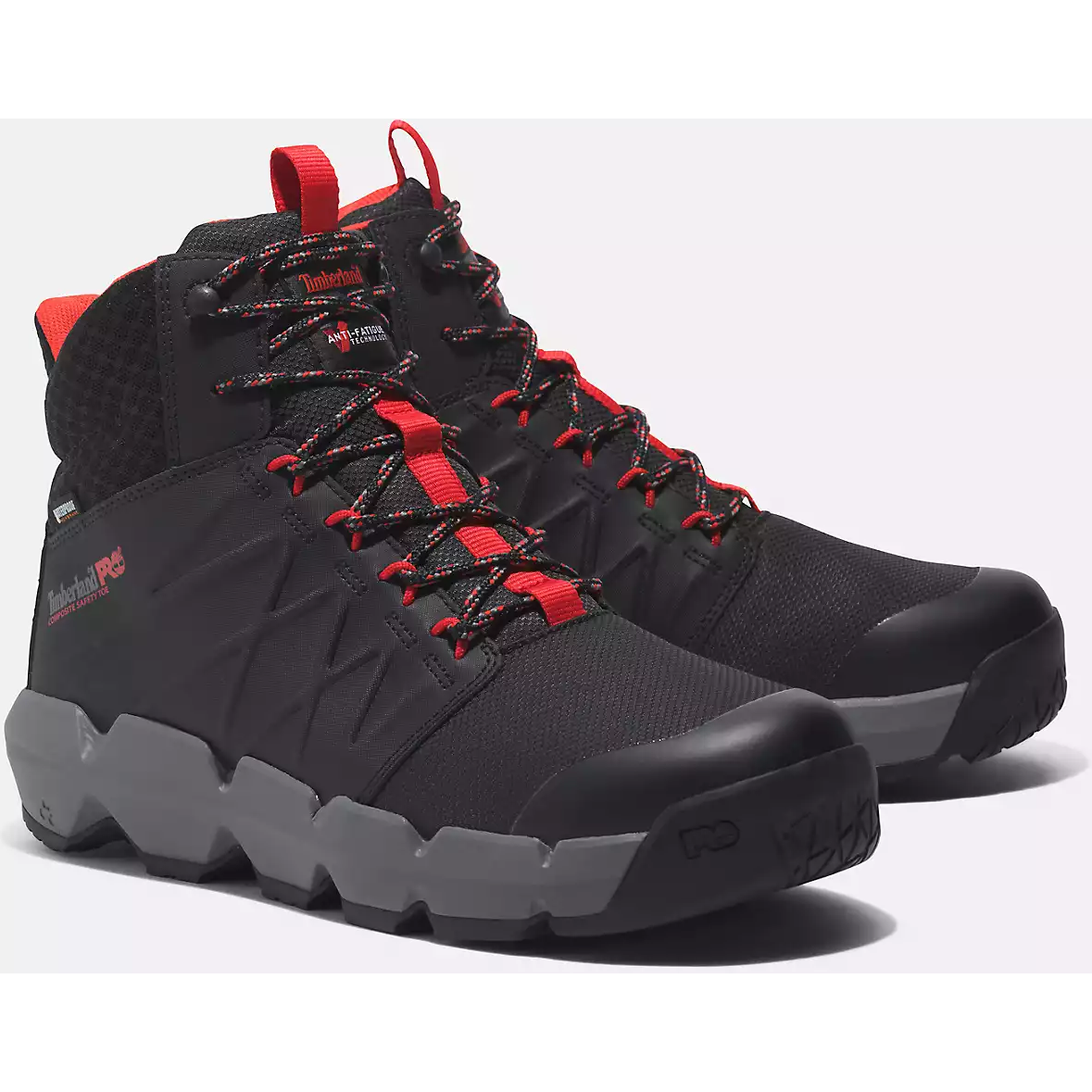
Sale price$174.95
Regular price$175.00
Timberland Pro Men's Morphix 6" Composite Toe Waterproof Work Boot -Black- TB1A5WHB001
Save 20%
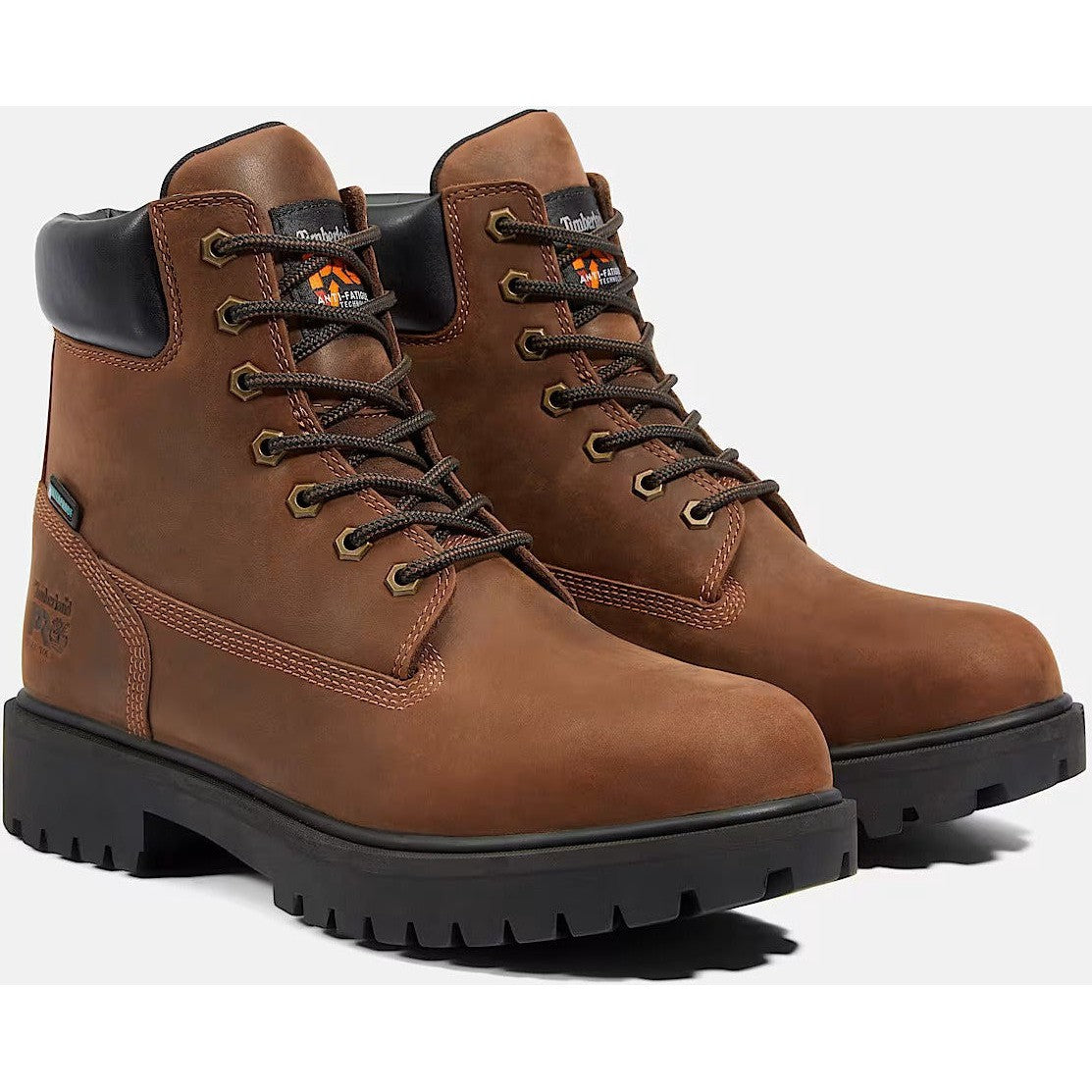
Sale price$139.95
Regular price$175.00
Timberland Pro Men's Direct Attach 6" Soft Toe Waterproof 200G Insulated Work Boot - Brown - TB138020242
Save 16%
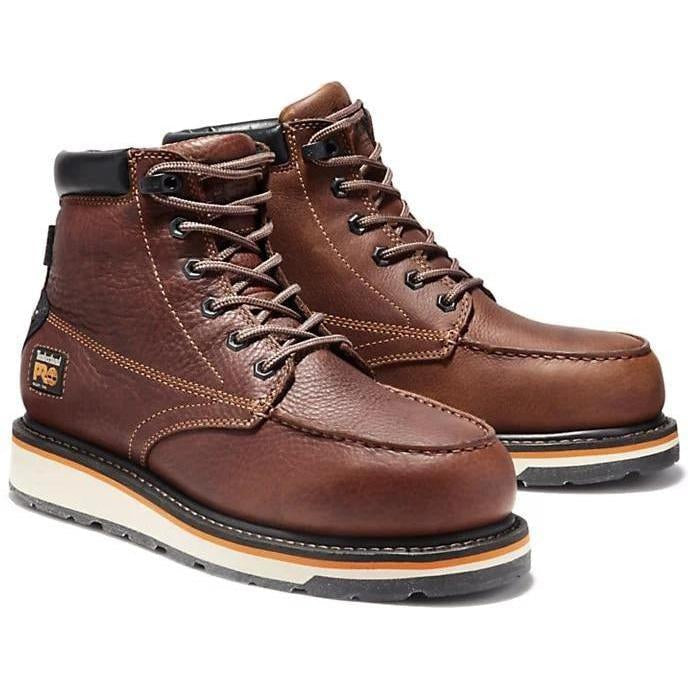
Sale price$159.95
Regular price$190.00
Timberland Pro Men's Gridworks 6" Alloy Toe Waterproof Work Boot - Brown - TB1A1ZVF214
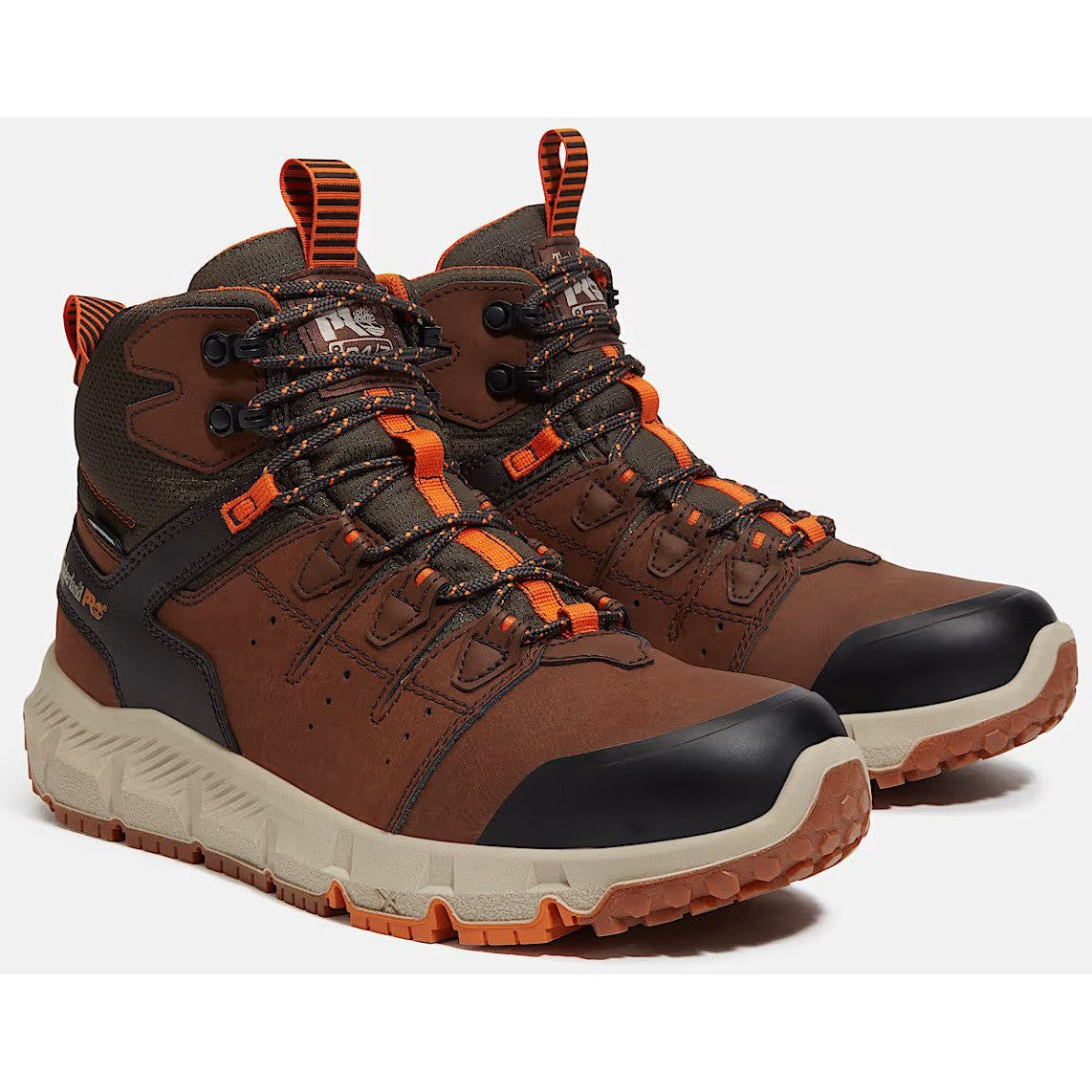
Sale price$149.95
Regular price$150.00
Timberland Pro Men's Tempe 6" Soft Toe Waterproof Work Boot- Brown- TB0A63WQEPB
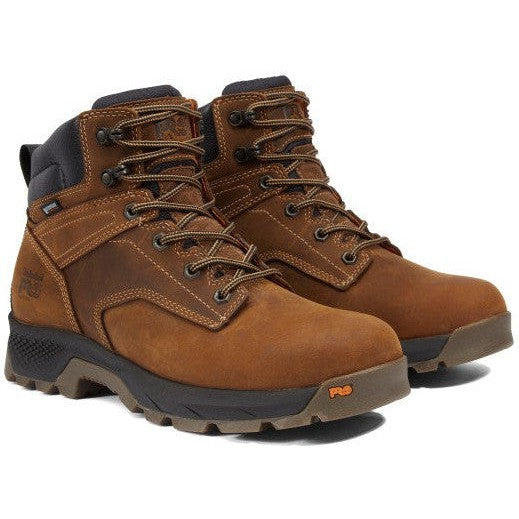
Sale price$169.95
Regular price$170.00
Timberland Pro Men's Titan Evolution 6" Soft Toe Waterproof Work Boot- Brown- TB1A5M2T214

Sale price$169.95
Regular price$170.00
Timberland Pro Men's Tempe Moc Toe WP Work Boot- Rust- TB0A5TMEEM6
Save 25%
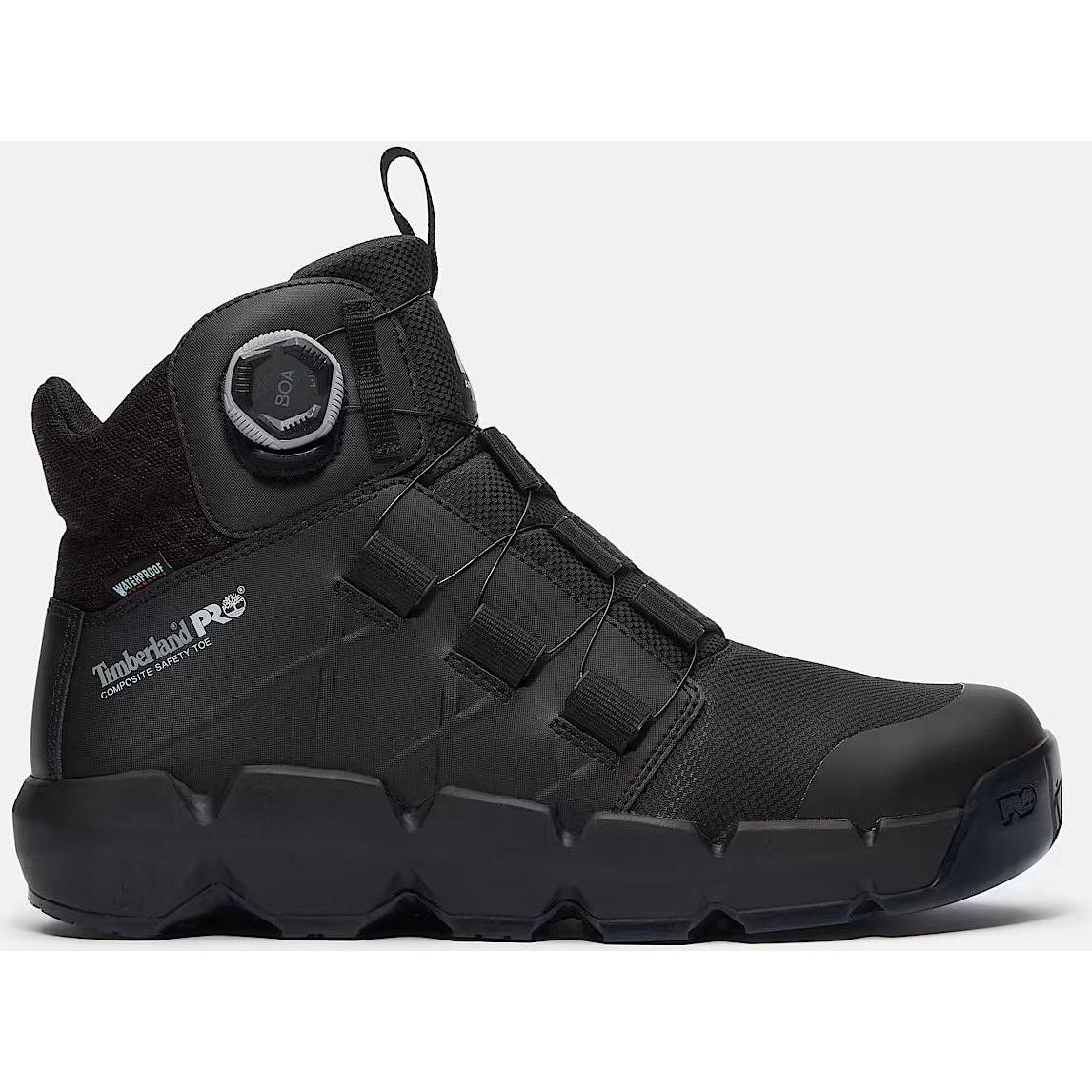
Sale price$165.95
Regular price$220.00
Timberland Pro Men's BOA® Morphix 6" Comp Toe WP Work Boot TB0A438GENR
Sale price$199.95
Regular price$200.00
Timberland Pro Men's Boondock Ultralight 6" Comp Toe Waterproof Work Boot - Grey - TB0A63FYA4F
Save 19%
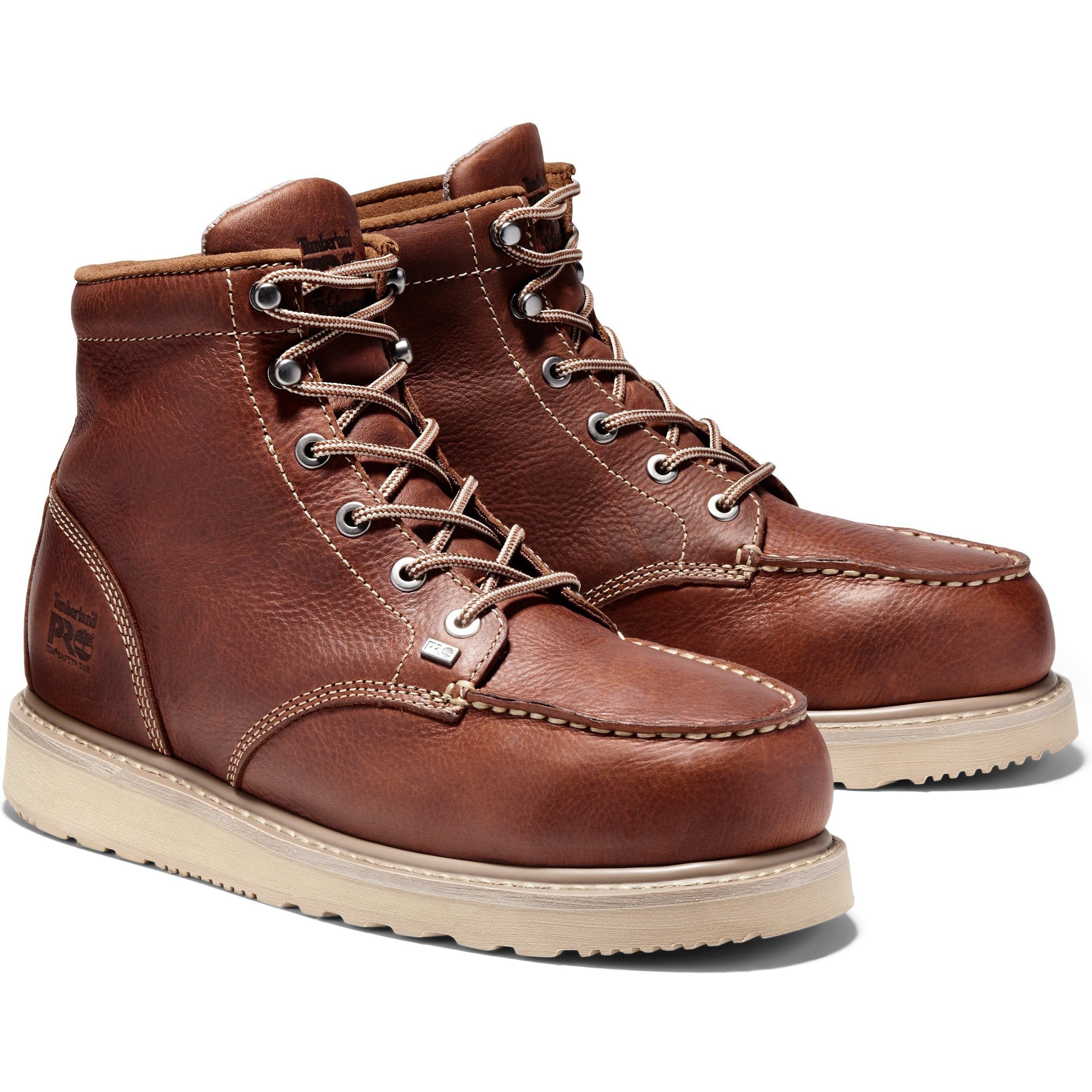
Sale price$129.95
Regular price$160.00
Timberland PRO Men's Barstow Wedge 6" Moc Toe Alloy Toe Work Boot - Rust - TB188559214
Save 21%
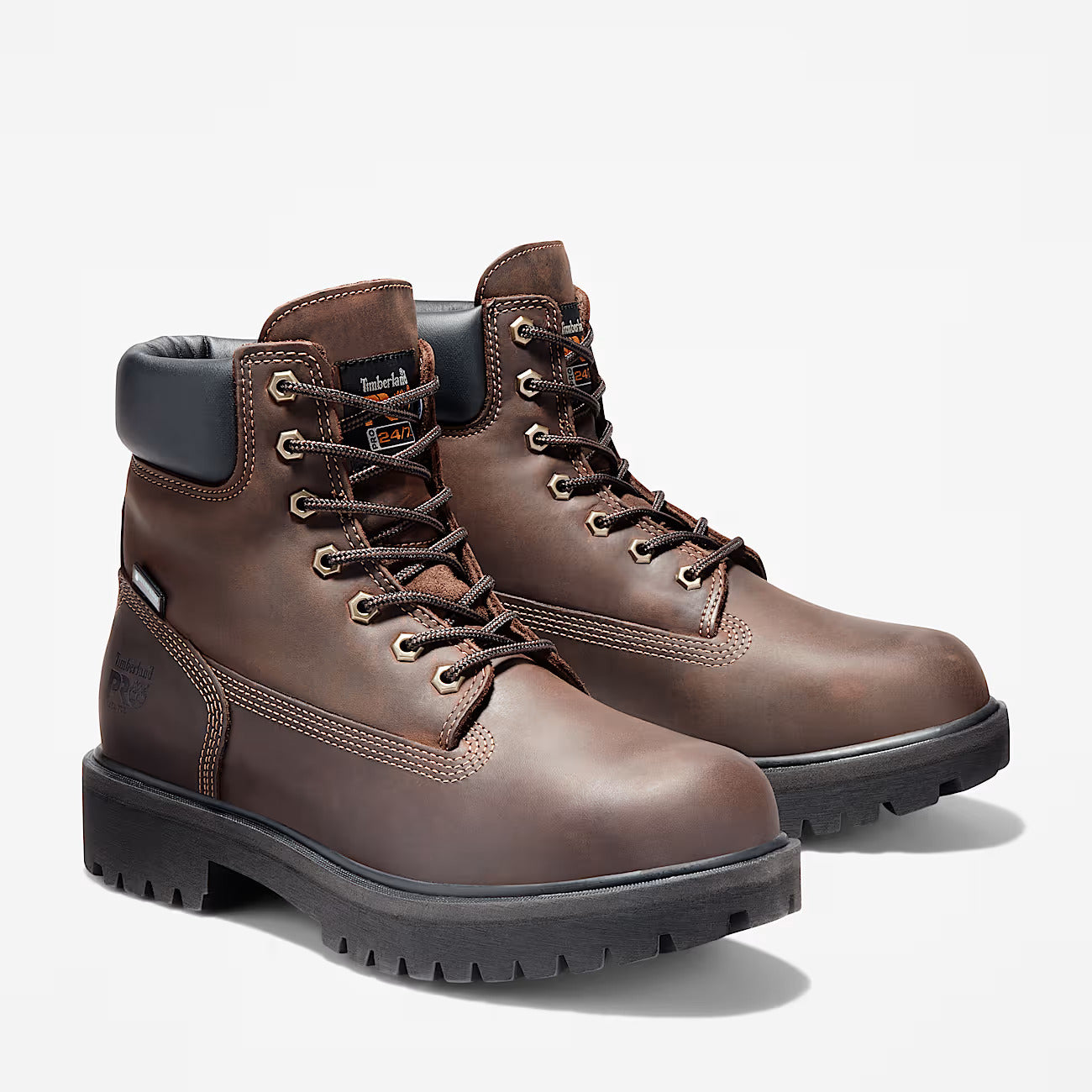
Sale price$142.95
Regular price$180.00
Timberland Pro Men's Direct Attach 6" Steel Toe Waterproof 200G Insulated Work Boot - Brown - TB138021242
Save 19%
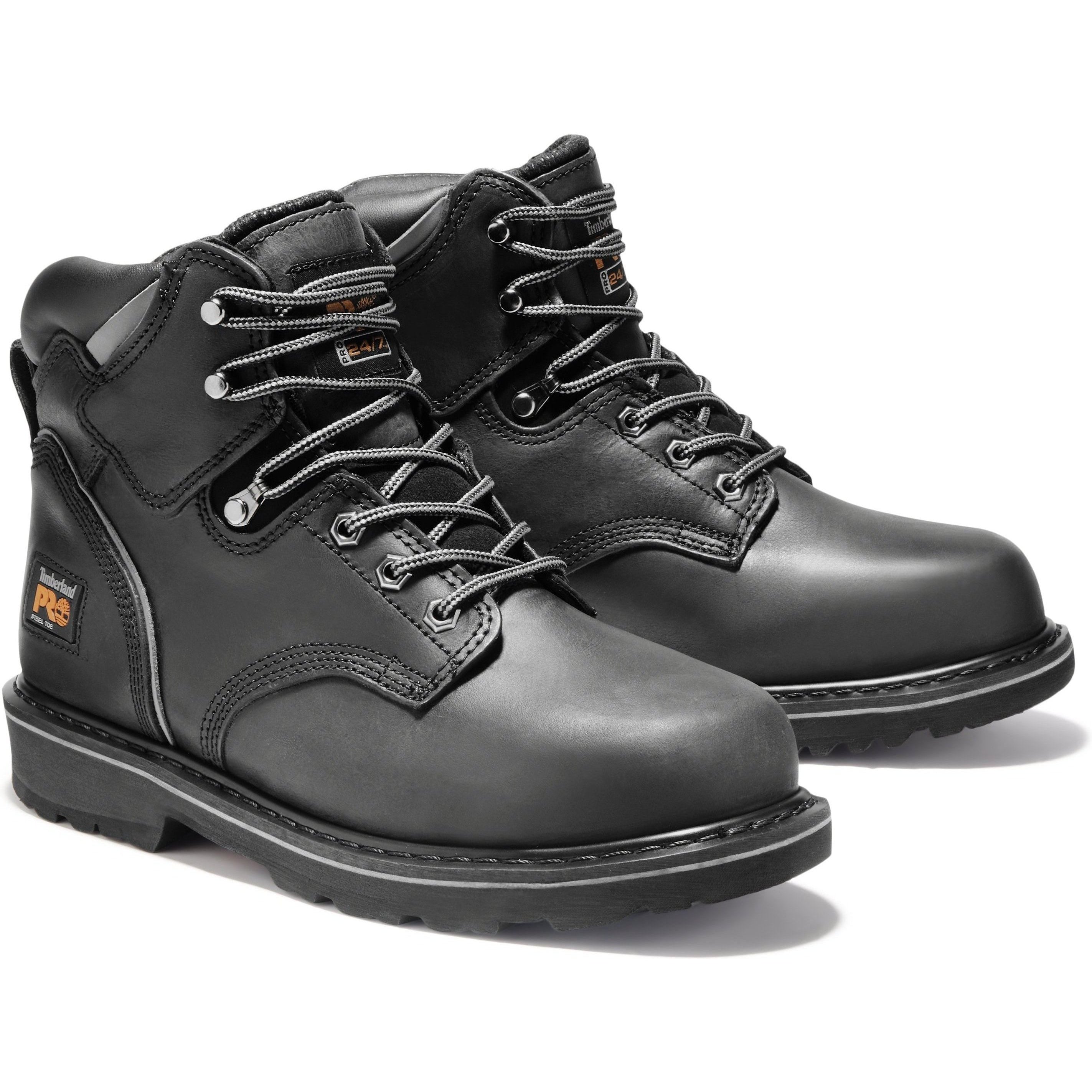
Sale price$129.95
Regular price$160.00
Timberland PRO Men's Pit Boss 6" Steel Toe Work Boot - Black - TB133032001
Save 16%
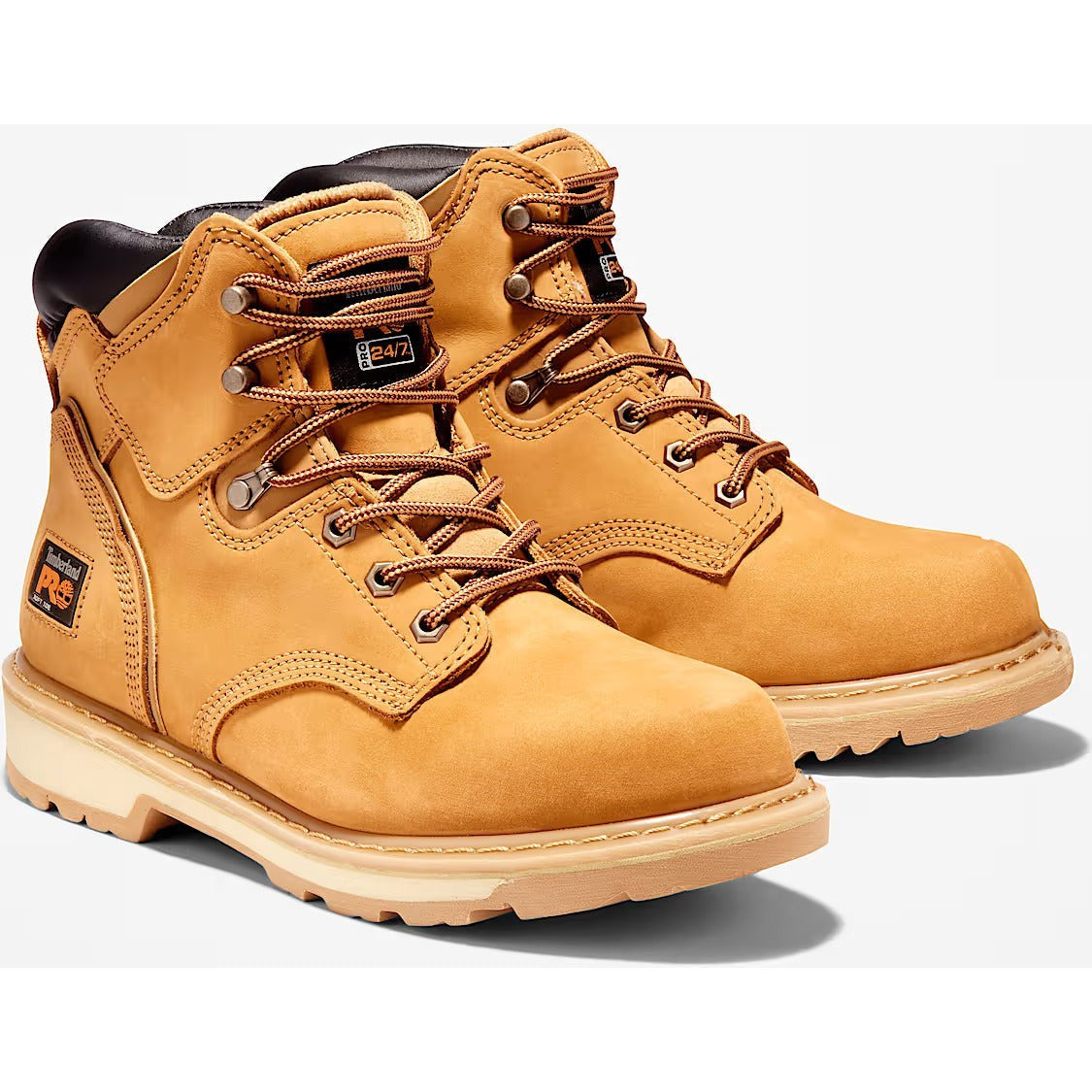
Sale price$129.95
Regular price$155.00
Timberland Pro Men's Pit Boss 6" Soft Toe Work Boot - Wheat - TB133030231
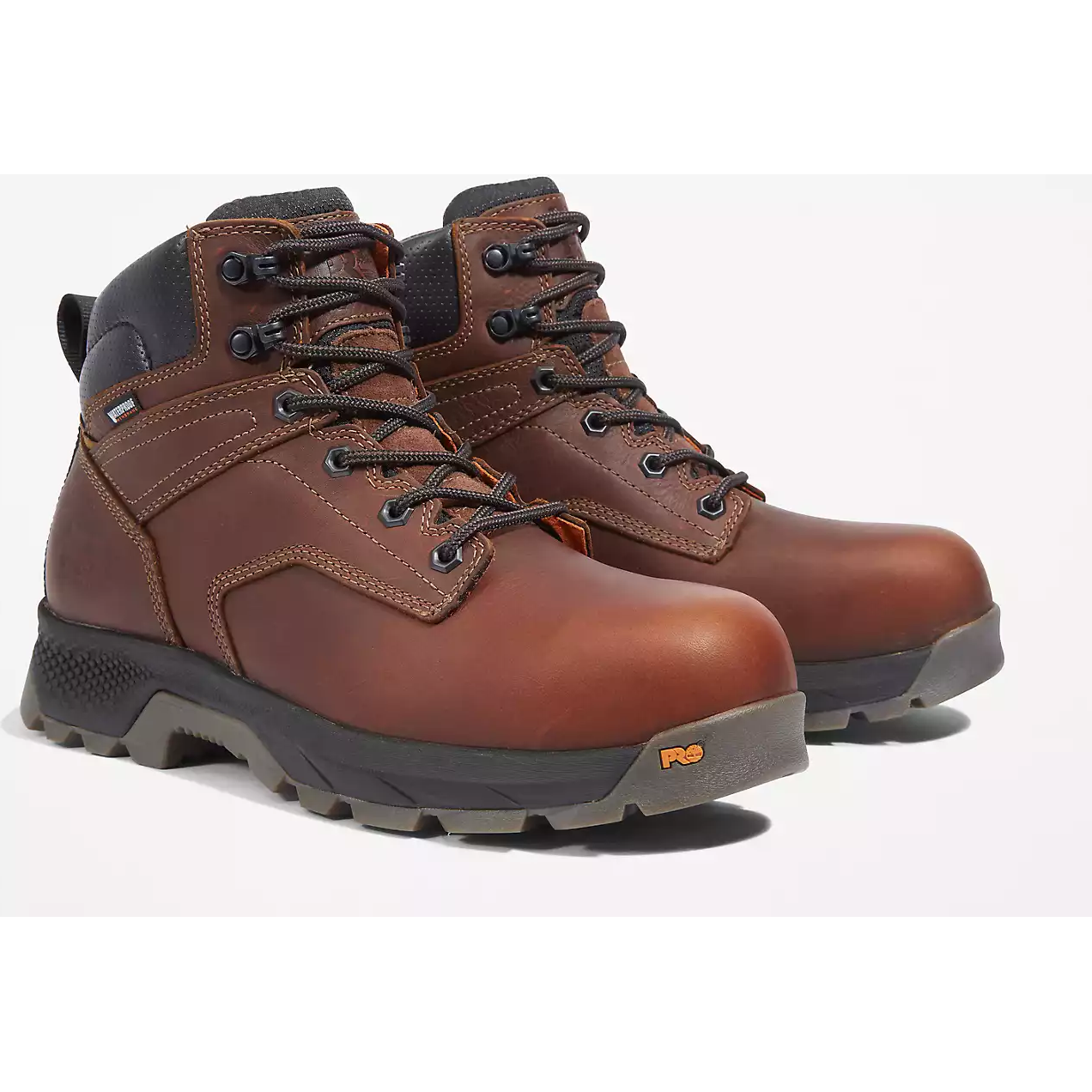
Sale price$179.95
Regular price$180.00
Timberland Pro Men's Titan Evolution 6" Composite Toe Waterproof Work Boot - Brown - TB1A42FY214
Save 17%
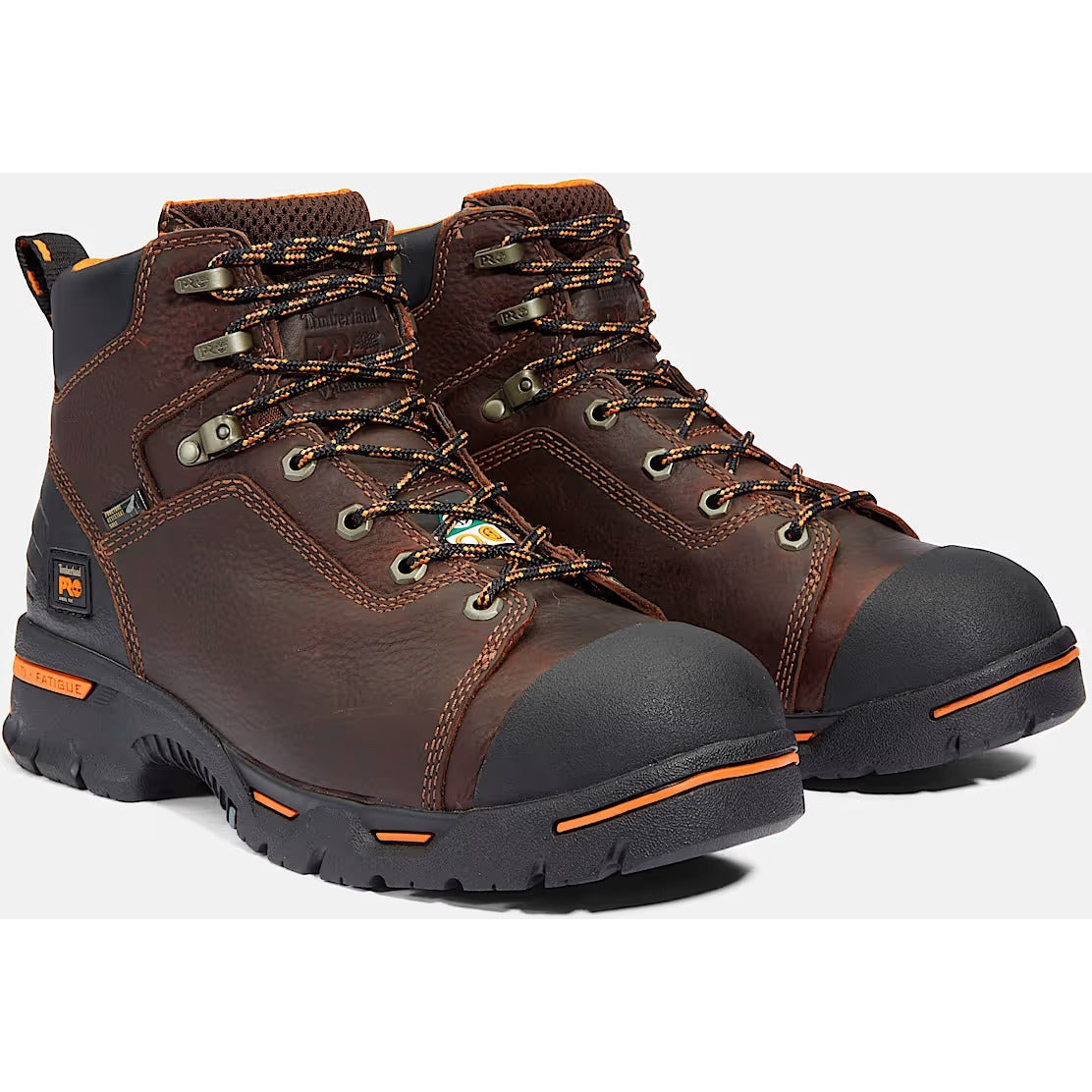
Sale price$169.95
Regular price$205.00
Timberland Pro Men's Endurance 6" Steel Toe Waterproof Work Boot- Brown- TB152562214
Save 9%
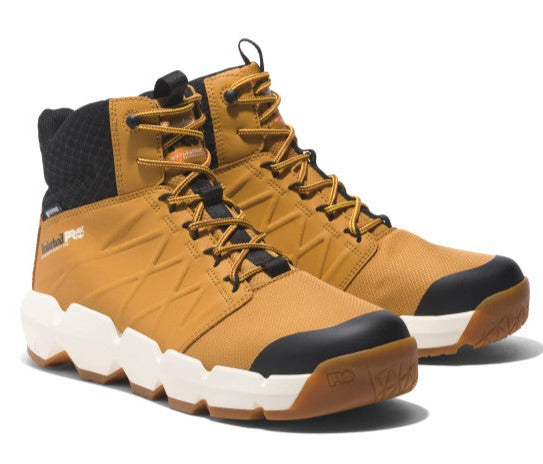
Sale price$159.95
Regular price$175.00
Timberland PRO Men's Morphix 6" Composite Toe Waterproof Work Boot - Wheat - TB1A5QZE231
Save 20%
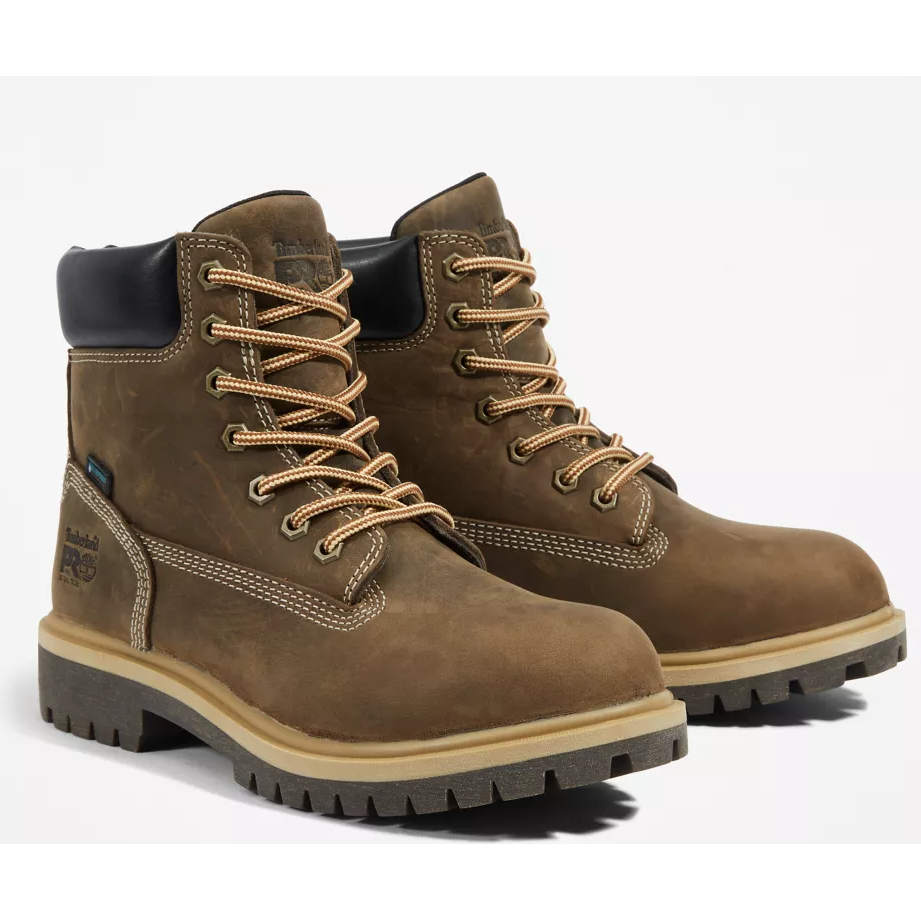
Sale price$139.95
Regular price$175.00
Timberland PRO Women's Direct Attach 6" Steel Toe Waterproof 200G Insulated Work Boot - Brown - TB1A2QX7214
Save 26%
Sale price$154.95
Regular price$210.00
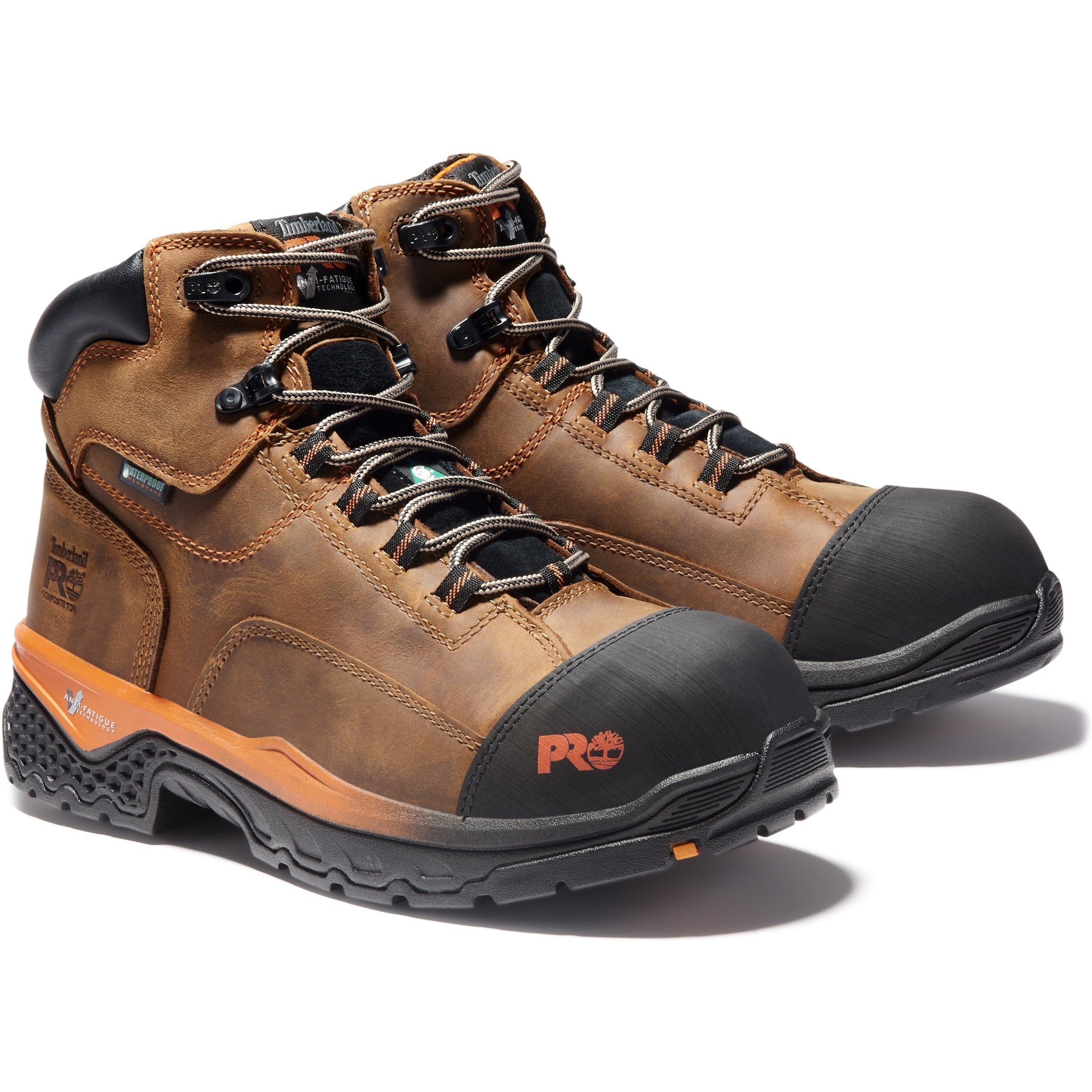
Timberland PRO Men's Bosshog 6" Composite Toe Waterproof Work Boot - Brown/Orange - TB1A1XK1214
Save 20%
Sale price$139.95
Regular price$175.00
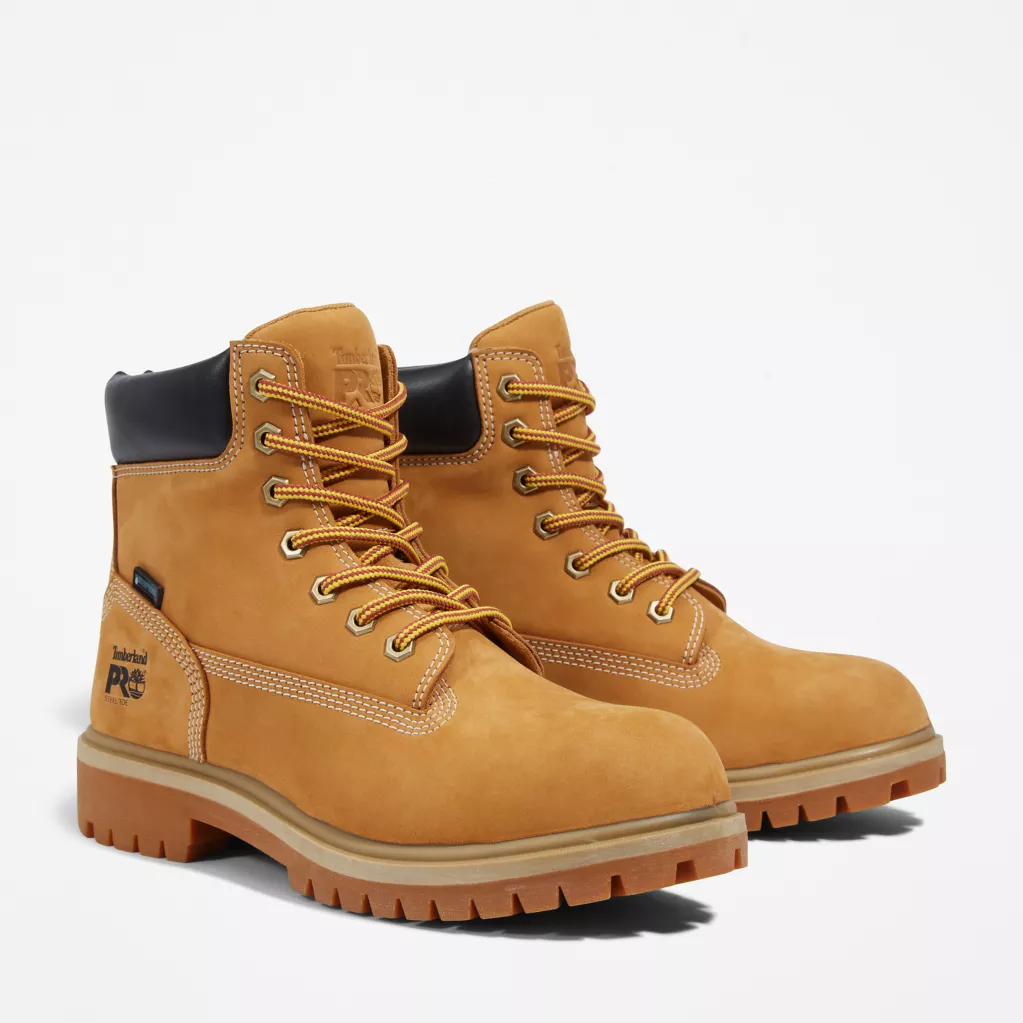
Timberland PRO Women's Direct Attach 6" Steel Toe Waterproof 200G Insulated Work Boot - Wheat - TB1A2QVU231
Frequently Asked Questions
For most trades, yes. Six inches clears the ankle bone, gives lateral support on uneven footing, and keeps ordinary debris out. You need more height when you stand in water or deep mud, work around sparks, or spend the day on genuinely broken ground. See our Timberland PRO 8 inch range.
Timberland PRO's footbed system, built around a molded cone geometry in the midsole intended to absorb shock at the heel and return energy through the step. It appears across most of the range and is the brand's main comfort platform. Like any foam it compresses with use, so a boot that feels flat underfoot is worn out even if the upper looks fine.
Start from the work rather than the name. Pit Boss is the traditional heavy-duty boot and the volume seller. Boondock is stiffer and more protective for rough ground. Hyperion and Morphix are the lighter athletic-leaning builds. Direct Attach is the insulated waterproof workhorse. Tempe and Gridworks sit in the middle.
The outsole is molded directly onto the upper under heat and pressure rather than stitched or cemented, which creates a permanently sealed waterproof bond at the joint. It is durable and completely watertight at the seam. The trade is that it cannot be resoled, since there is no welt to unstitch.
Generally close to true to size, though it varies by platform since the athletic models like Hyperion use different lasts from the traditional Pit Boss. Widths run medium and wide across most of the line. If you are between sizes, get the width right before changing the length.
Steel, alloy and composite on the rated models, all meeting ASTM F2413 for impact and compression, plus soft toe versions. Alloy is lighter than steel but still metal. Composite is non-metallic and does not conduct cold. Toe type is stated in every product title. See our Timberland PRO safety toe range.
Most are cemented or direct-attach rather than Goodyear welted, so they are built to be replaced rather than rebuilt. Check the construction on the product page if rebuildability matters to you. For welted boots, see our American made boots collection.
The athletic-platform models such as Hyperion, Morphix and Reaxion are comfortable within a few shifts. The heavier full-grain builds like Pit Boss and Boondock take one to two weeks, with Boondock the stiffest of them. Wear them in shorter stretches over the first week rather than a full shift on day one.
Recently viewed
Our Top Brands