Save 29%
Sale price$163.67
Regular price$230.00
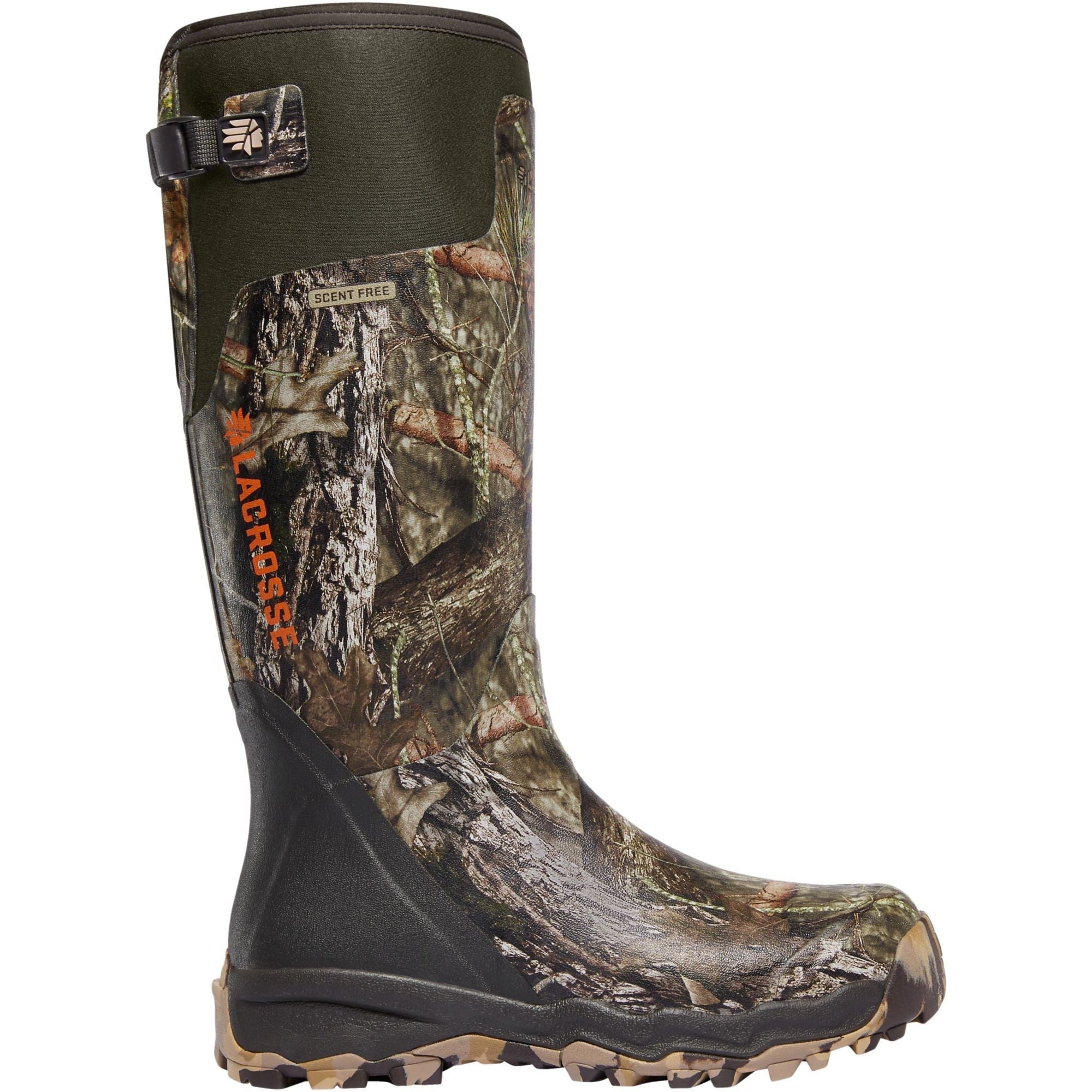
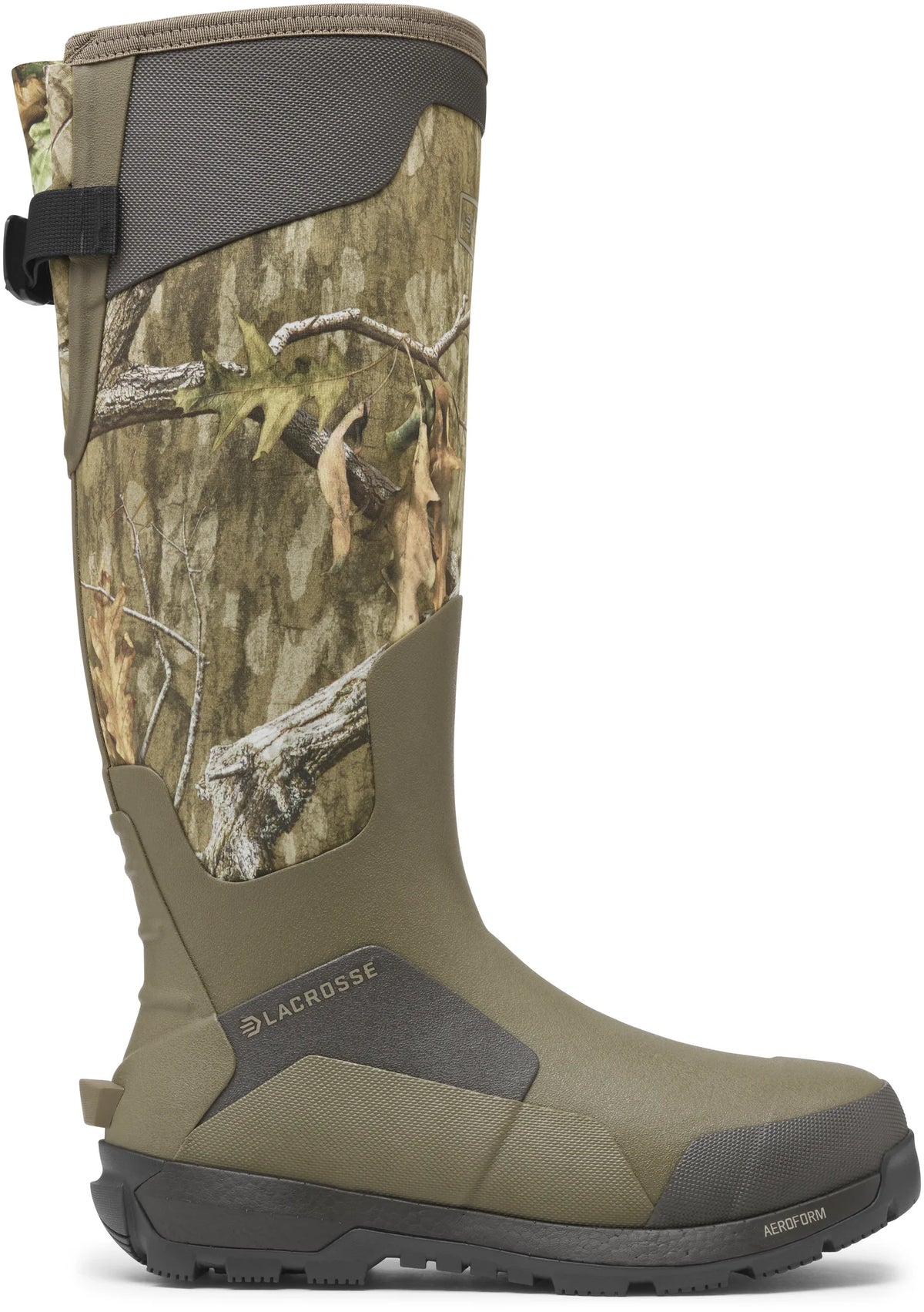
LaCrosse Men's Alphaburly Pro 18" Rubber Hunt Boot - Mossy Oak Break-Up Country - 376027
Save 15%
Sale price$219.95
Regular price$258.00
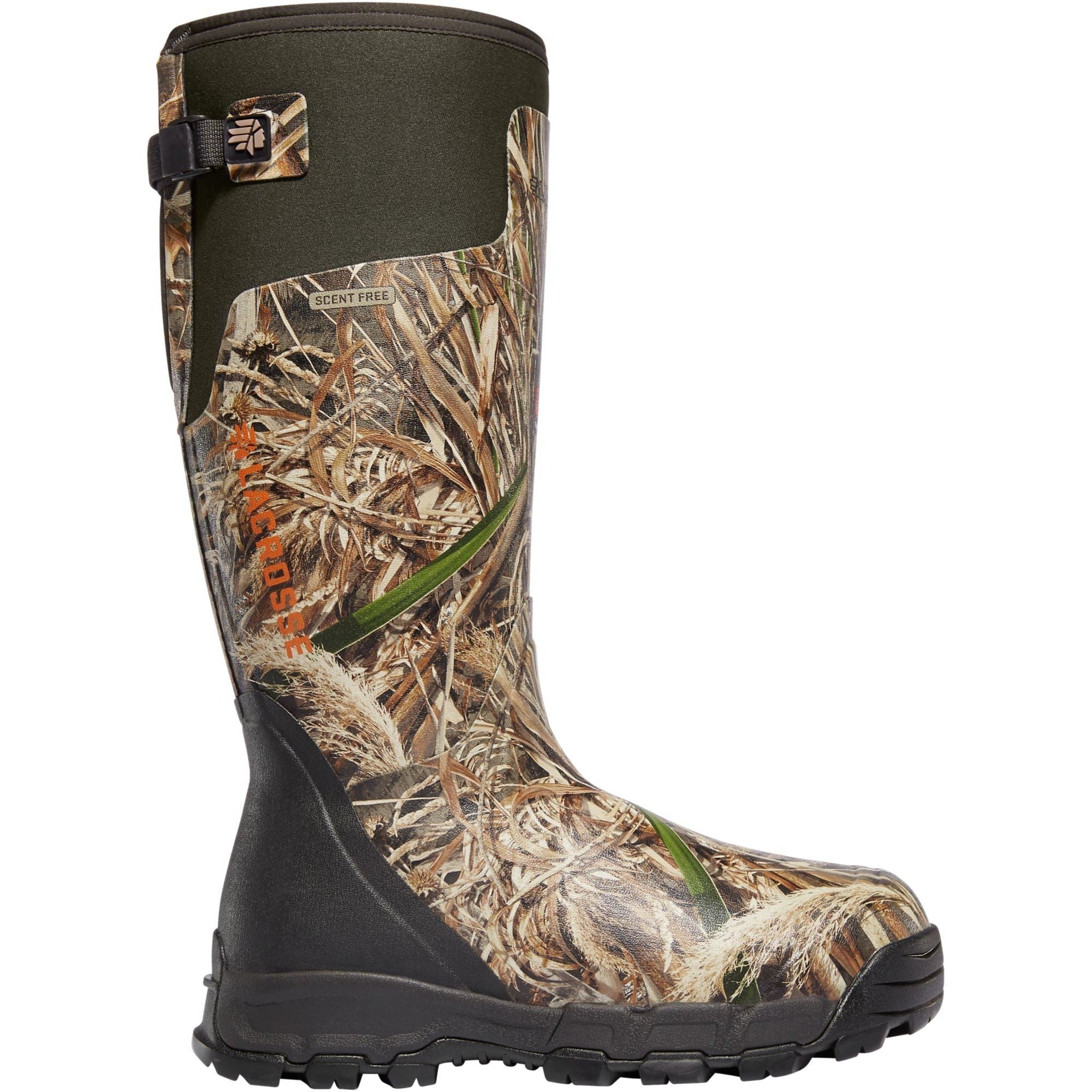
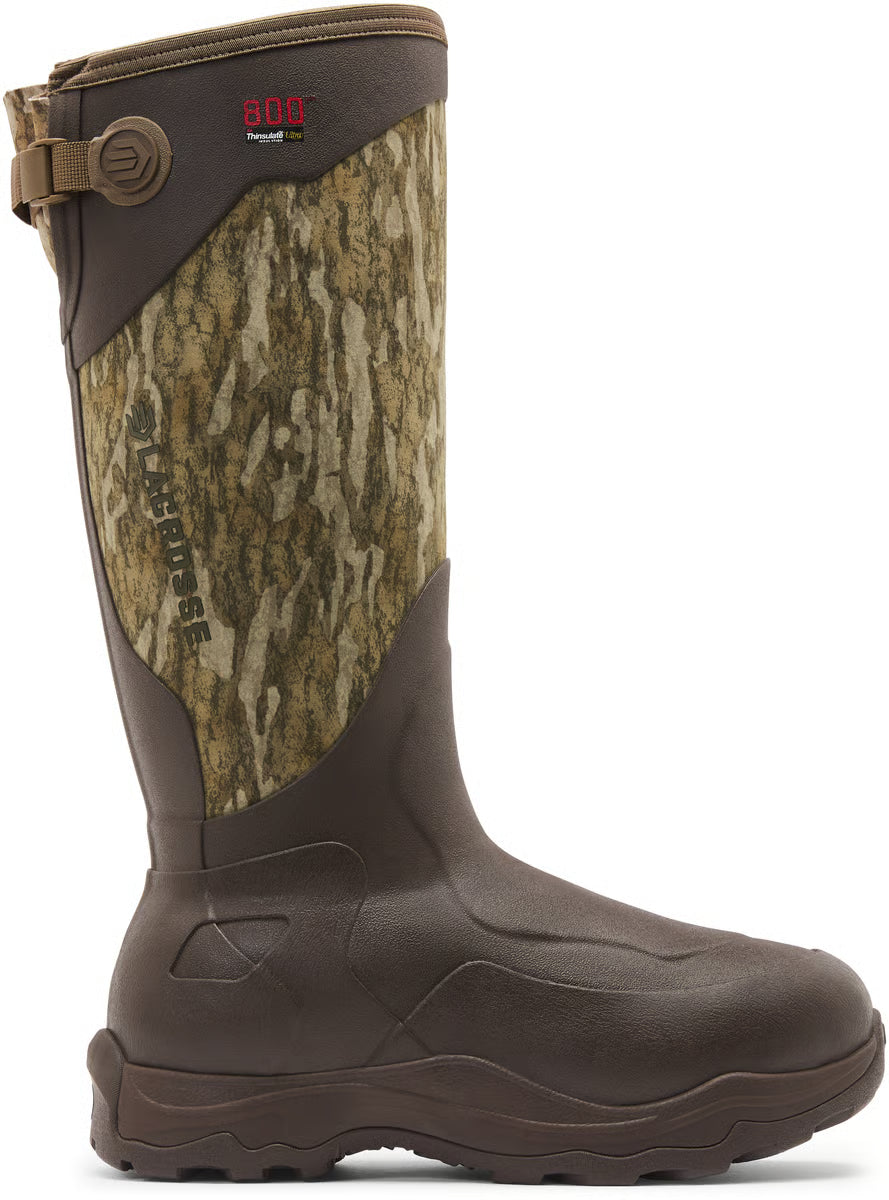
LaCrosse Men's Alphaburly Pro 18" 800G Insulated Rubber Hunt Boot - Realtree Max-5 - 376021
Save 35%
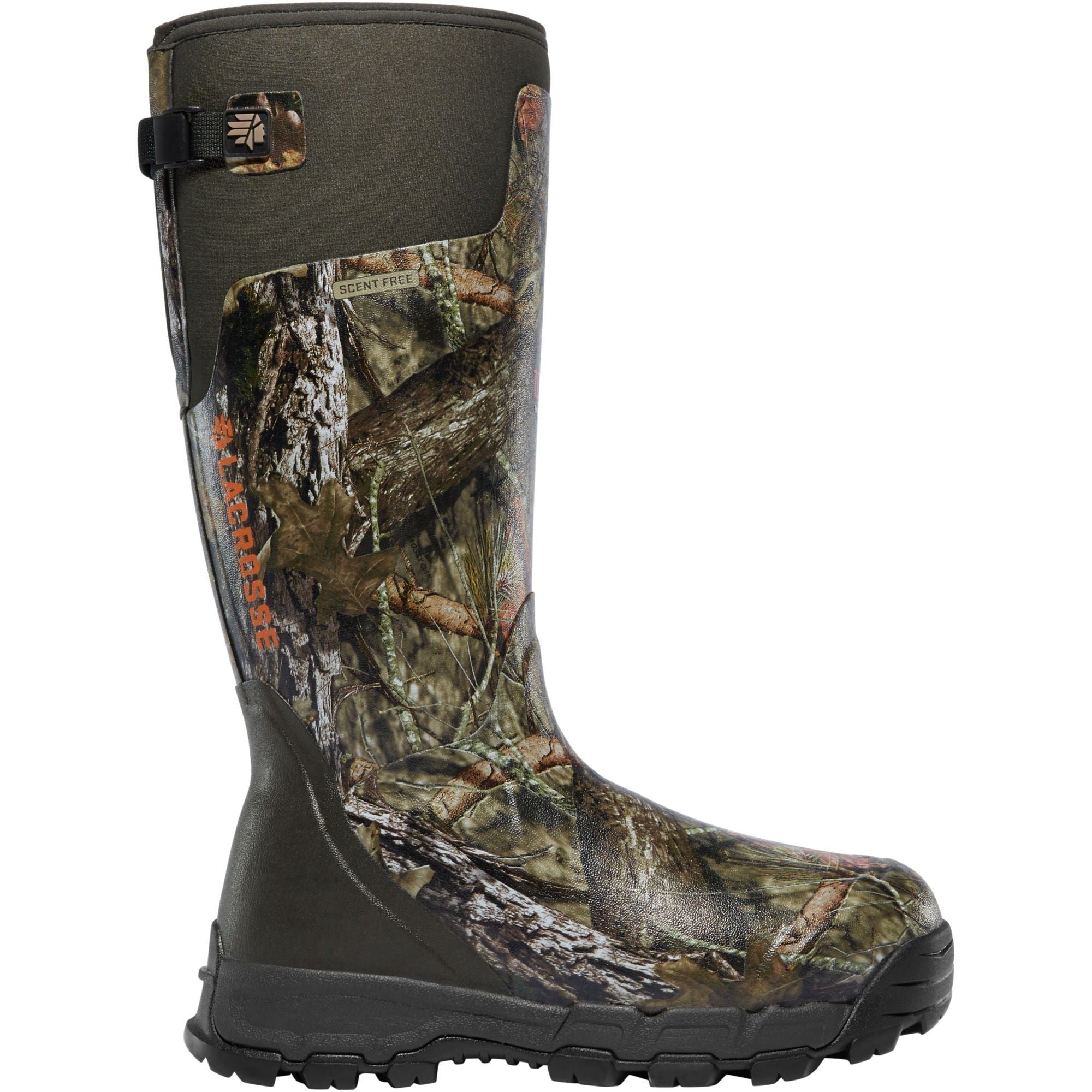
Sale price$161.67
Regular price$250.00
LaCrosse Men's Alphaburly Pro 18" Ins Rubber Hunt Boot Mossy Oak - 376029
Save 17%
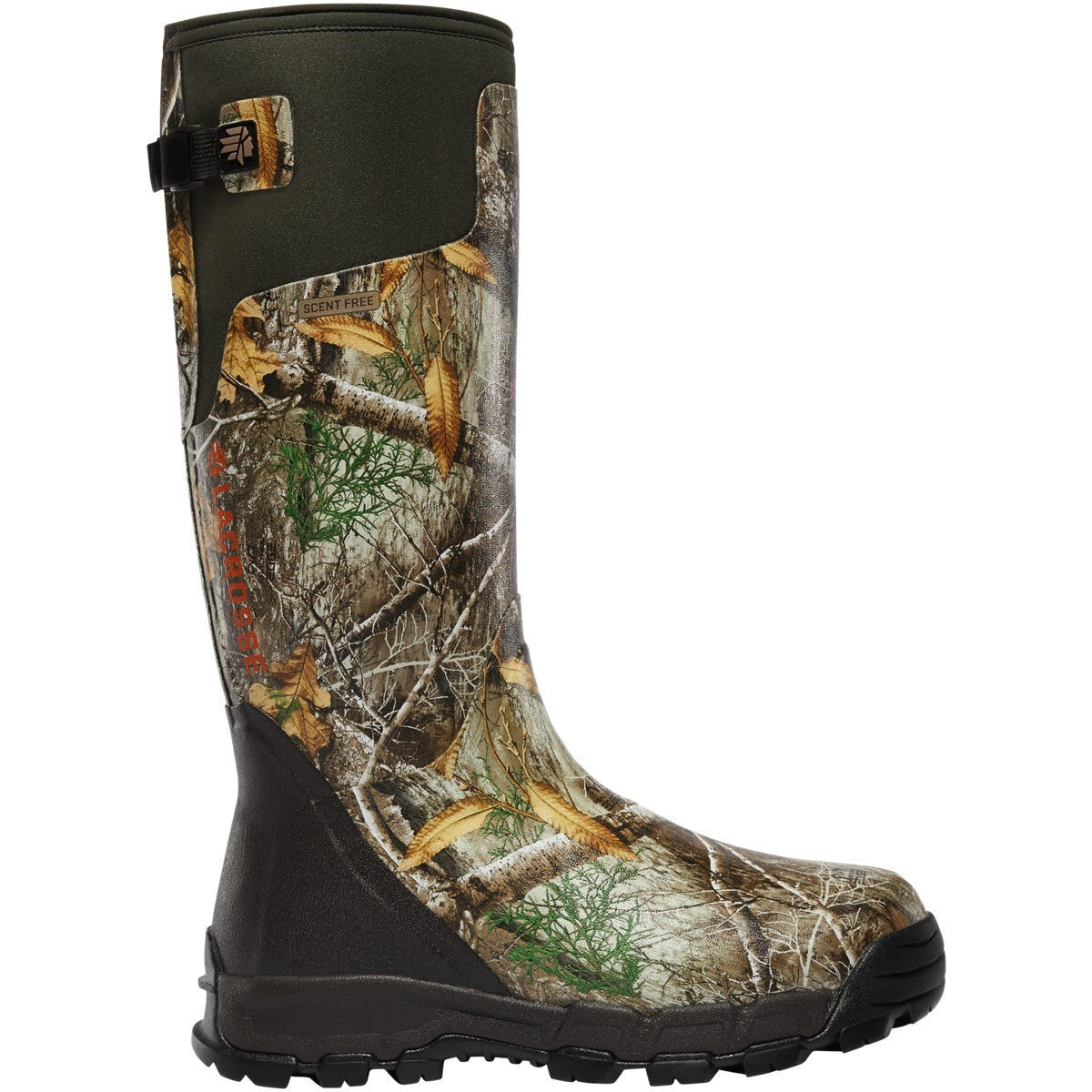
Sale price$209.95
Regular price$254.00
LaCrosse Men's Alphaburly Pro 18" Soft Toe Waterproof 400G Thinsulate Rubber Hunt Boot - Realtree Edge - 376012
Save 8%
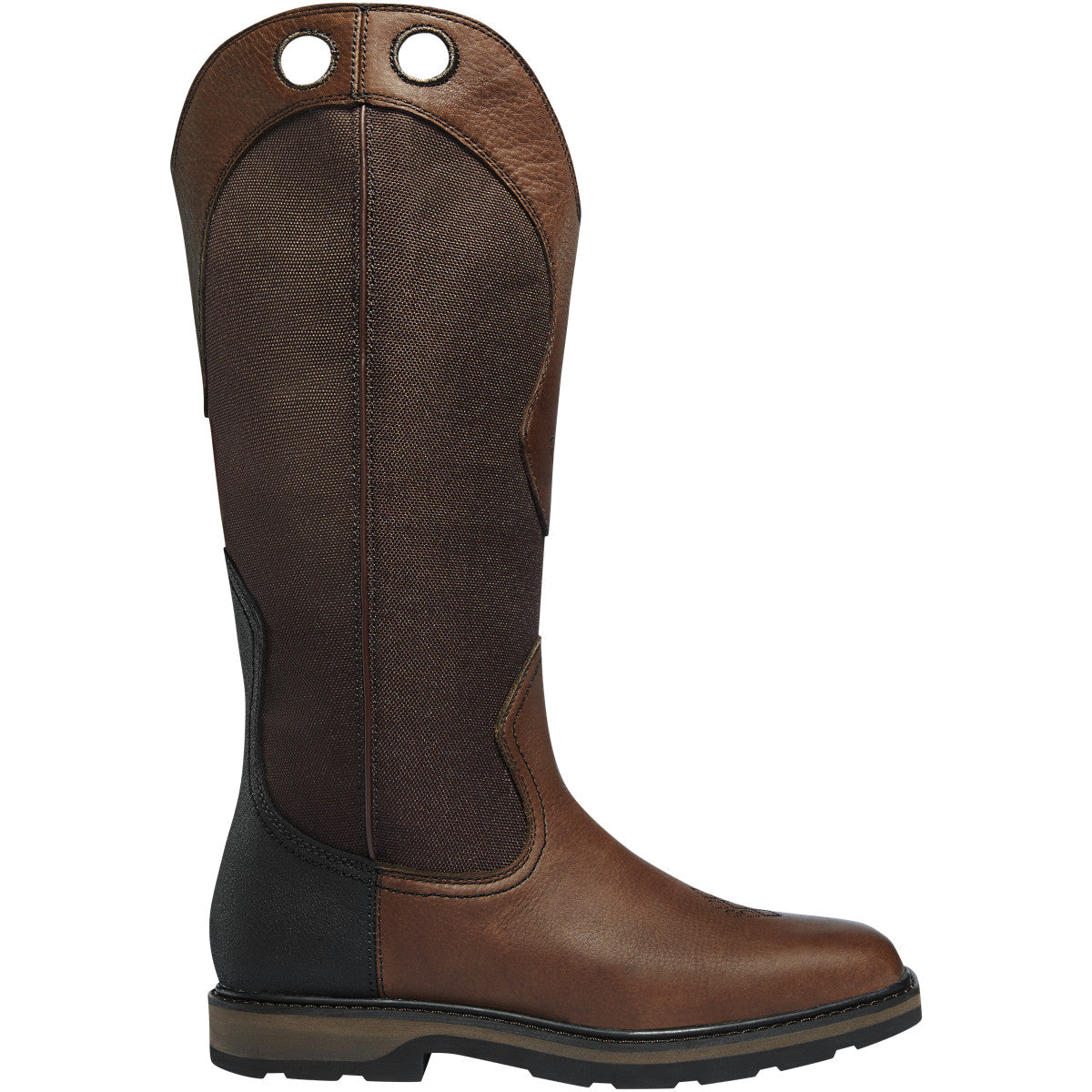
Sale price$259.95
Regular price$282.00
LaCrosse Men's Snake Country 17" Soft Toe Waterproof Snake Guard Hunt Boot - Brown - 521172
Save 8%
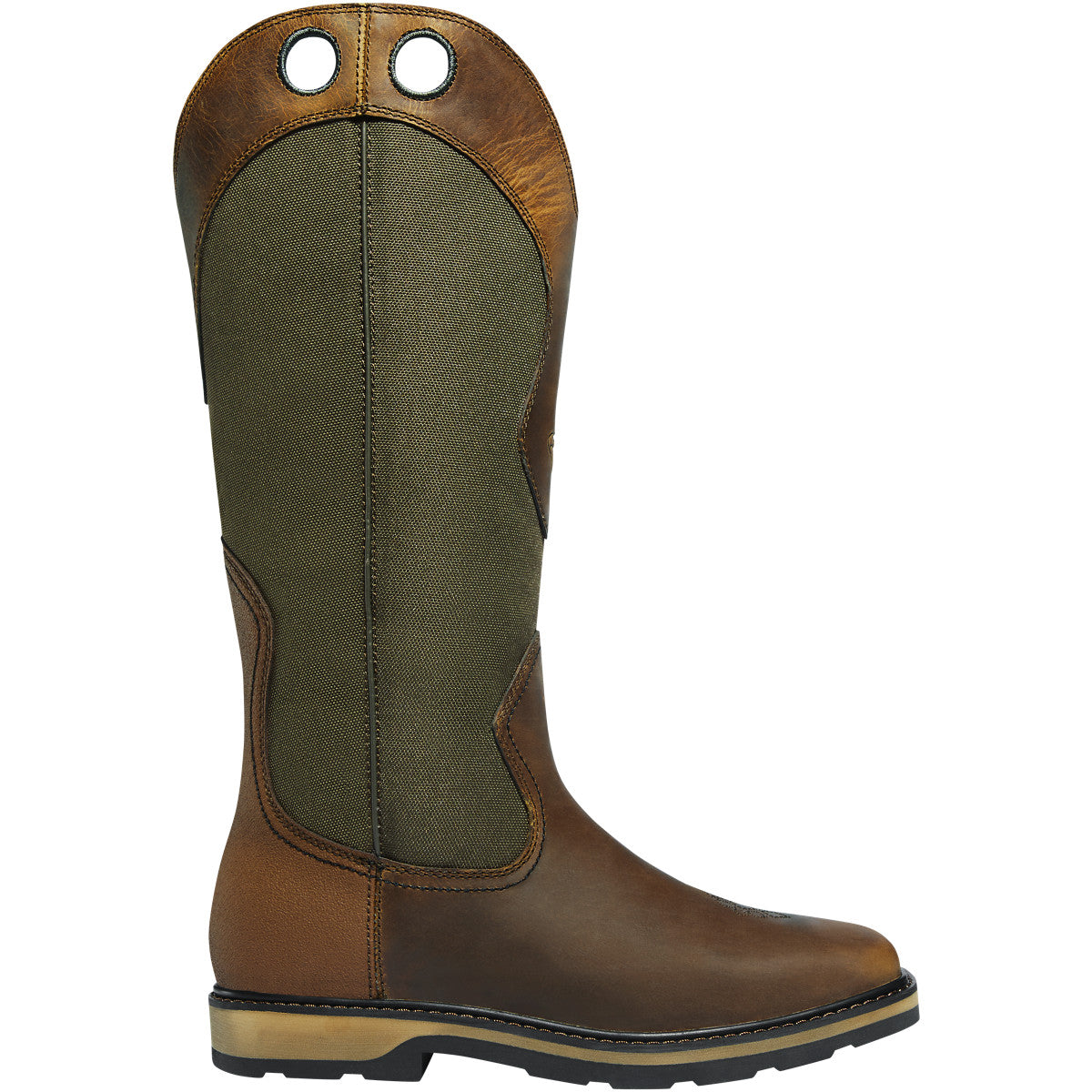
Sale price$249.95
Regular price$272.00
LaCrosse Men's Snake Country 17" Snake Guard Hunt Boot - Olive - 521170
Save 8%
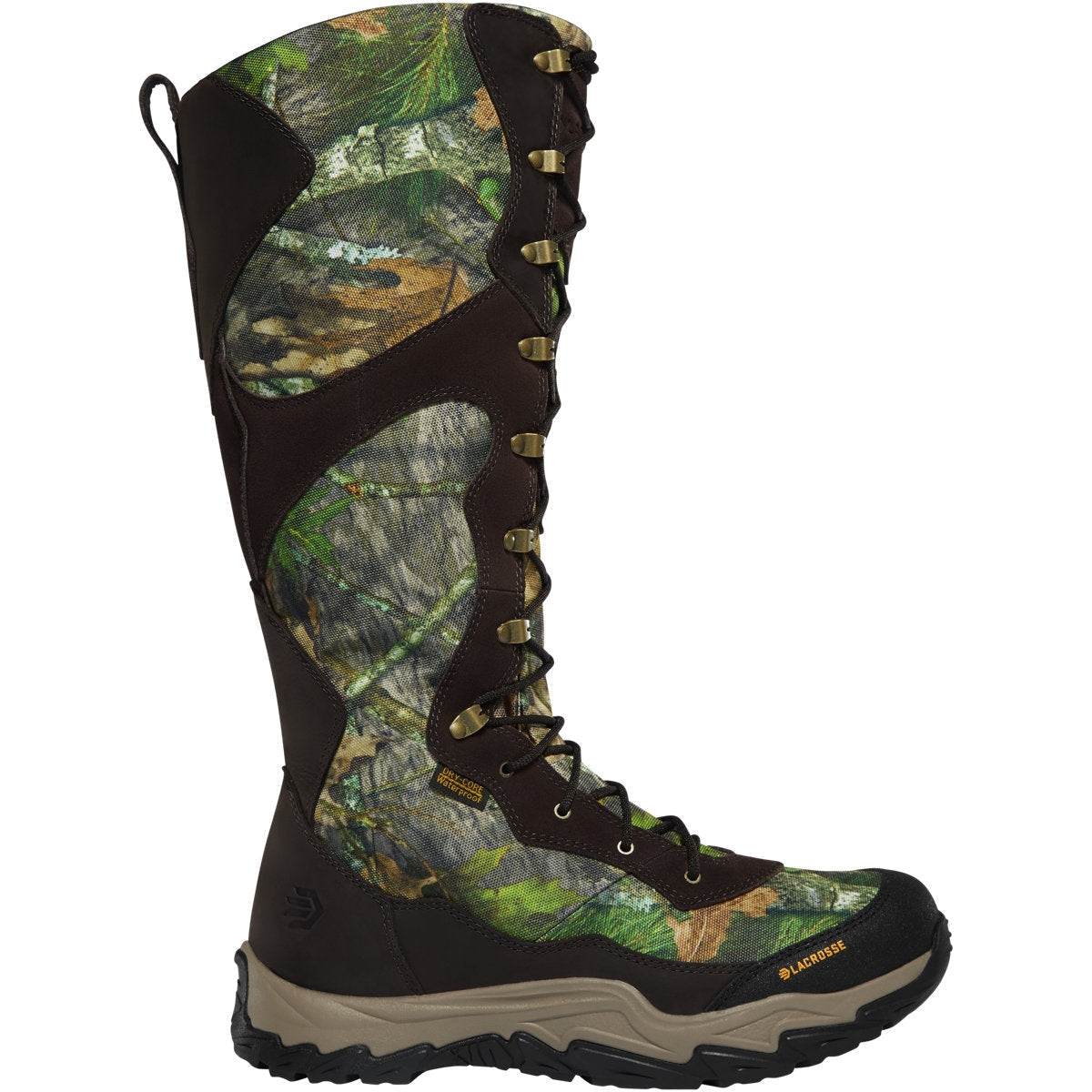
Sale price$279.95
Regular price$304.00
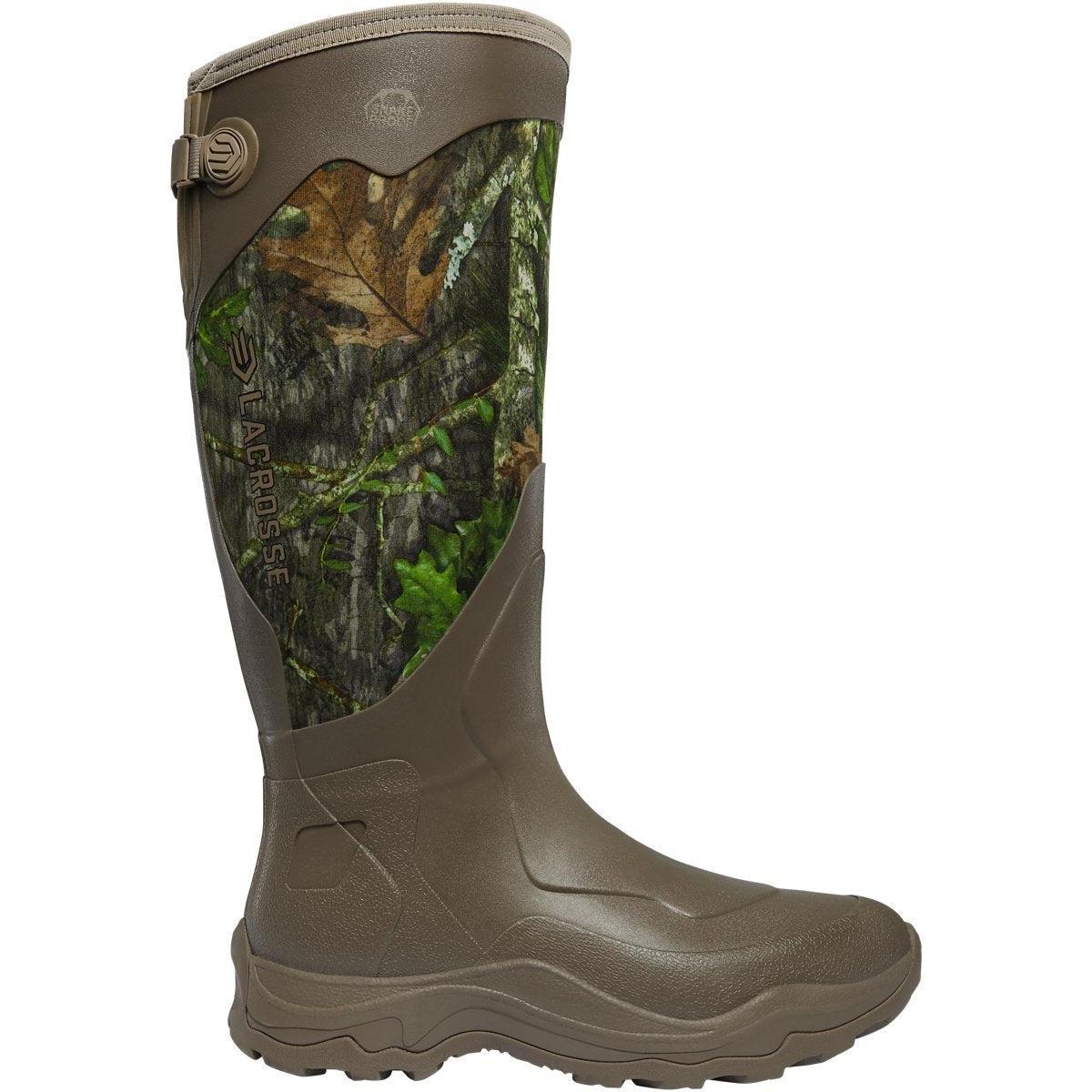
LaCrosse Men's Venom II 18" Waterproof Side Zipper Snake Hunt Boot - NWTF Mossy Oak Obsession - 501000
Save 13%
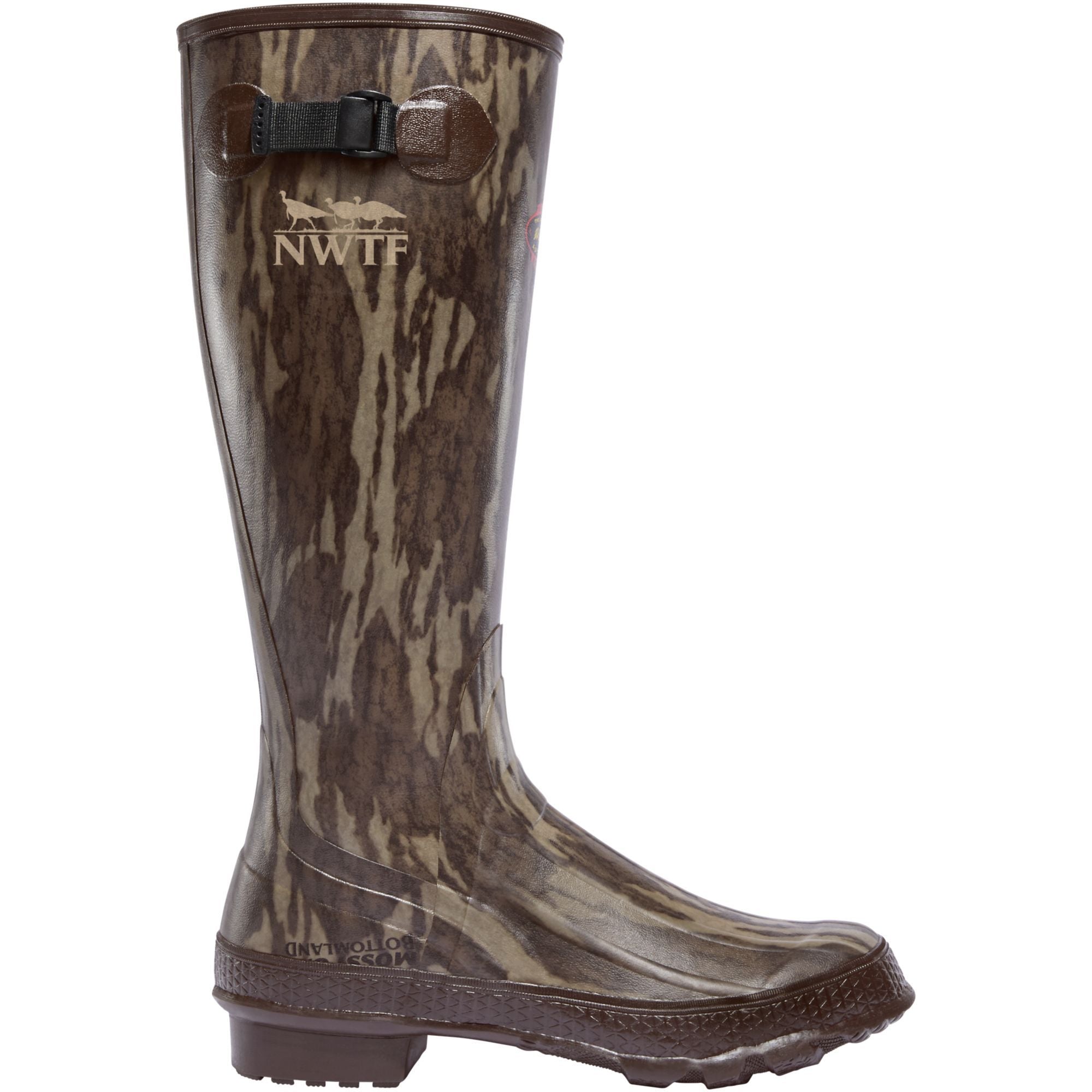
Sale price$129.95
Regular price$150.00
LaCrosse Men's Grange 18" Rubber Hunt Boot - Mossy Oak - 322142
Save 7%
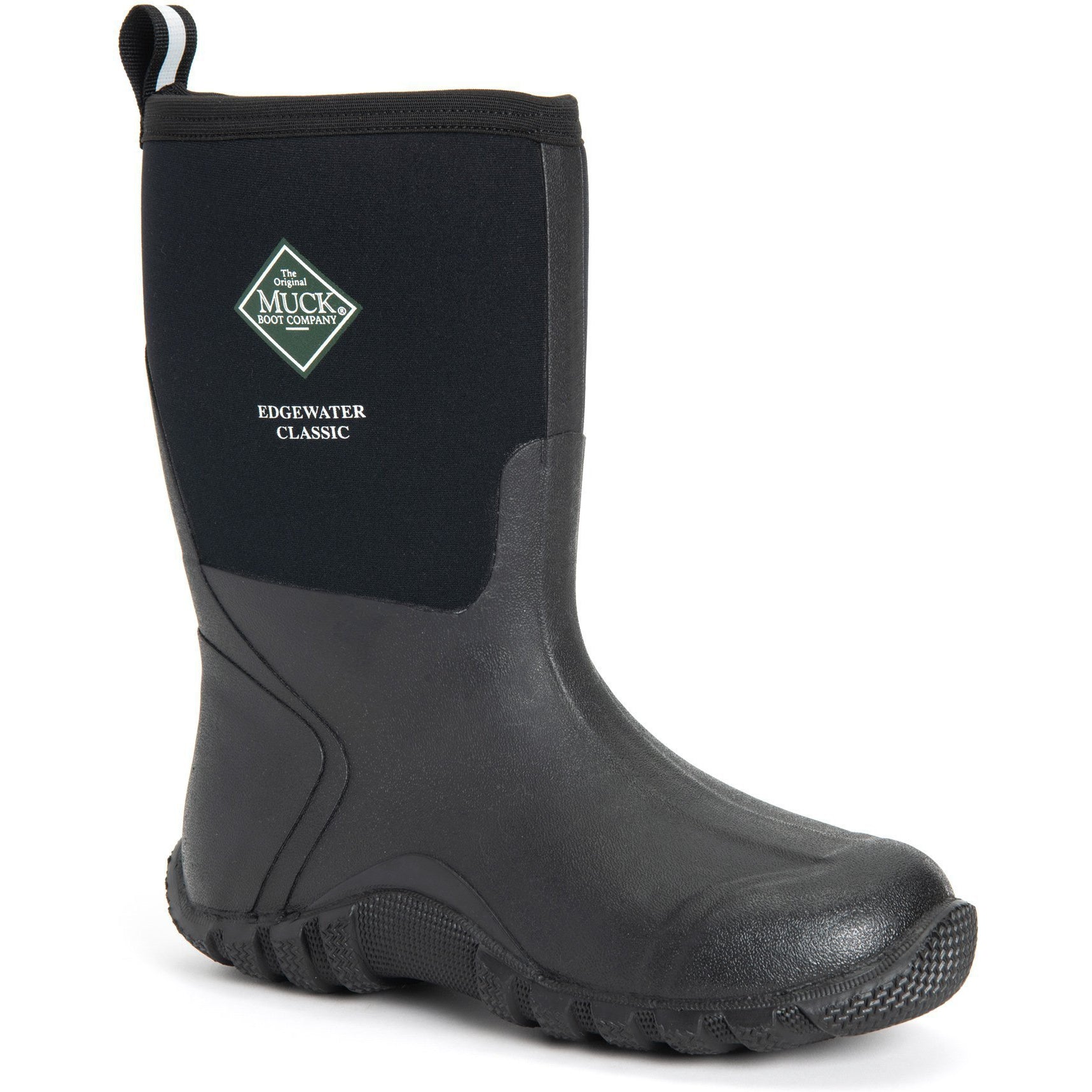
Sale price$125.00
Regular price$135.00
Muck Men's Edgewater Classic Mid Waterproof Rubber Hunt Boot - Black - ECM-000
Save 6%
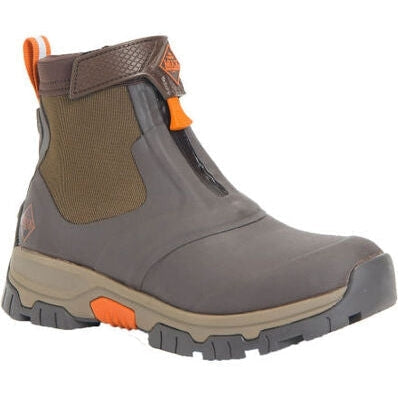
Sale price$165.00
Regular price$175.00
Muck Men's Apex Mid Zip Waterproof Hunt Boot - AXMZ-900
Save 12%

Sale price$181.35
Regular price$205.00
Muck Men's Arctic Pro Mossy Oak 17" Waterproof Rubber Hunt Boot - Mossy Oak - ACP-MOCT
Save 11%
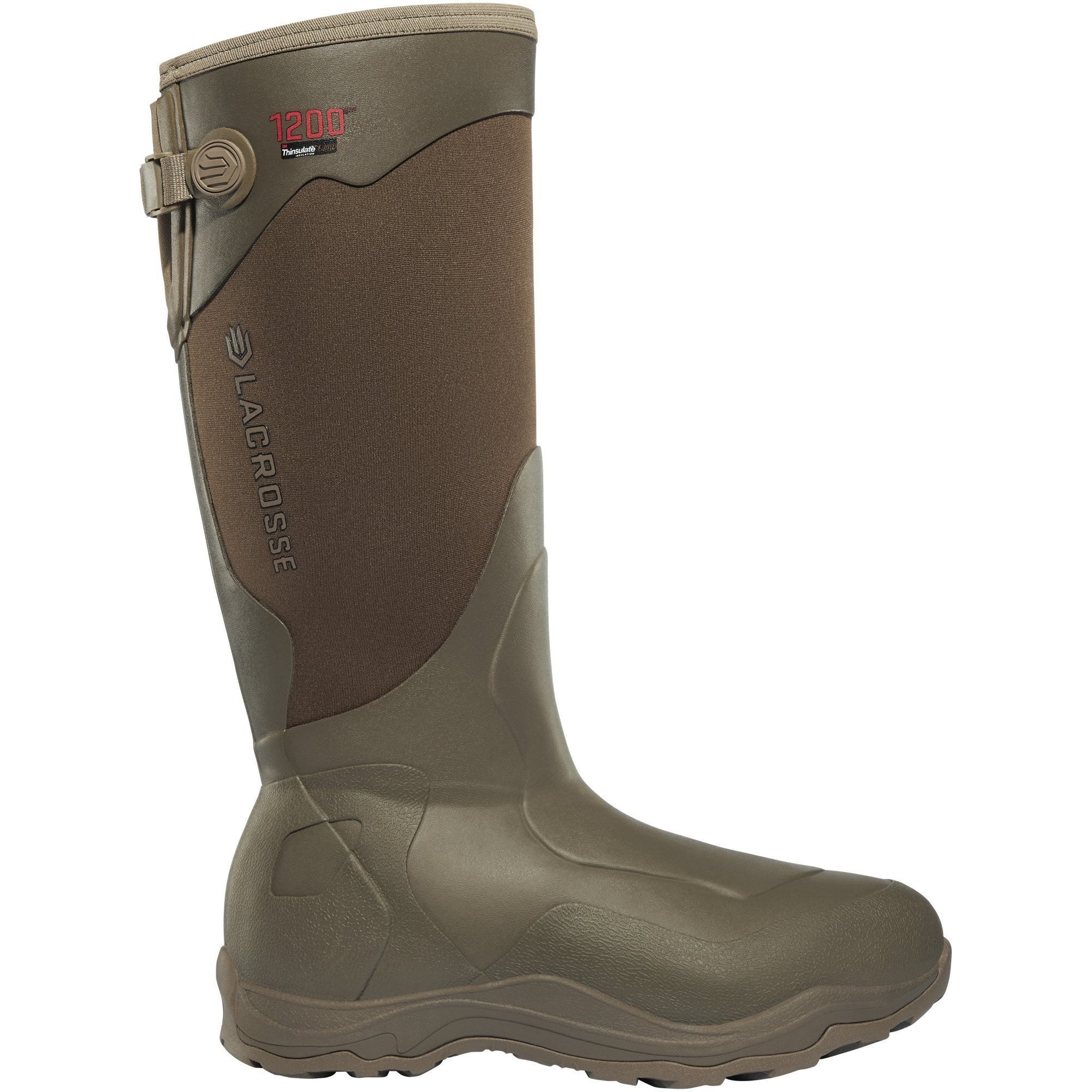
Sale price$189.95
Regular price$214.00
LaCrosse Men's Alpha Agility 17" Soft Toe Waterproof 1200G Insulated Rubber Hunt Boot - Brown - 302447
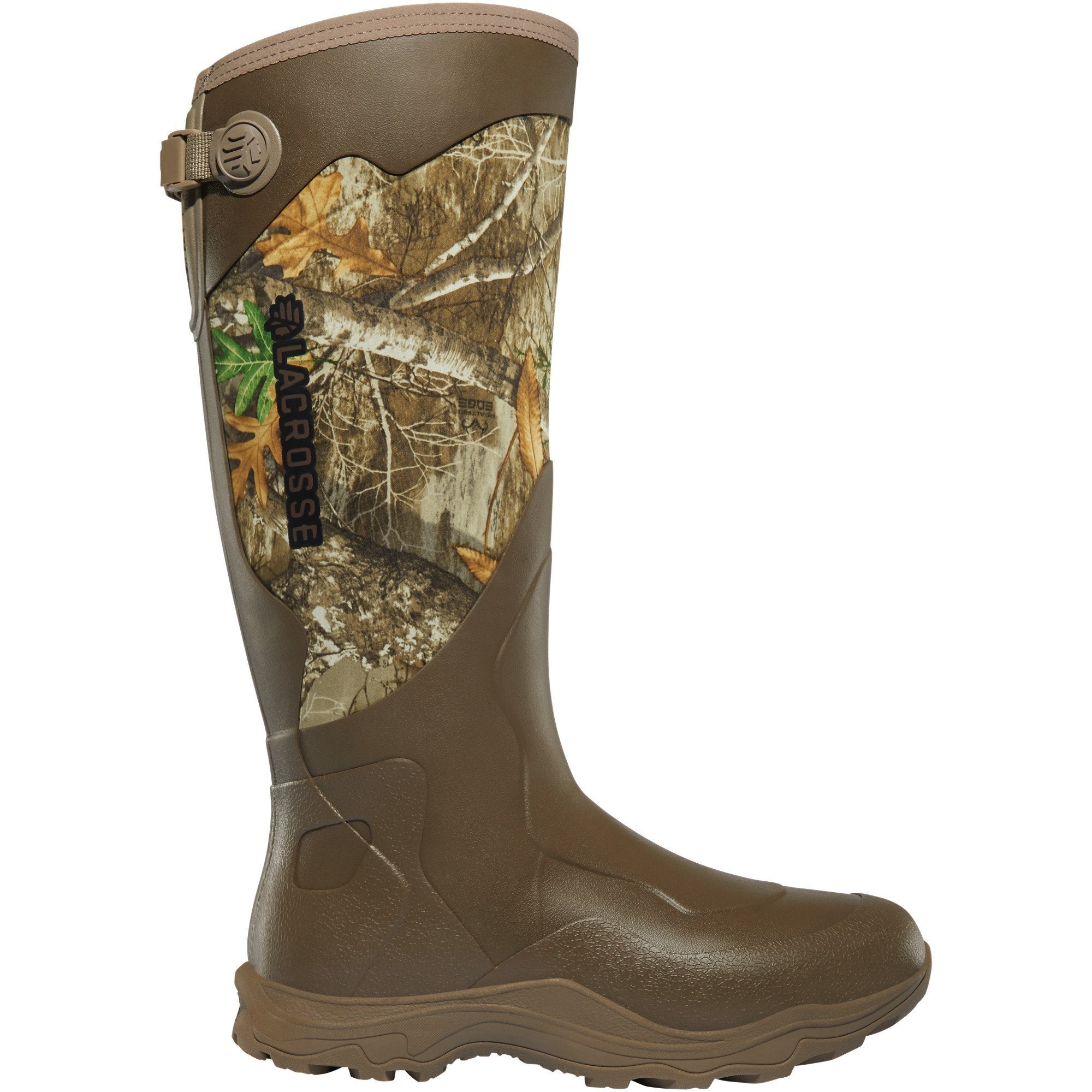
Sale price$179.95
Regular price$188.00
LaCrosse Men's Alpha Agility 17" Soft Toe Waterproof Rubber Hunt Boot - Realtree Edge - 339071
Save 12%
Sale price$223.20
Regular price$255.00
Muck Men's Arctic Ice XF AGAT Waterproof Hunt Boot - Realtree - MHVA-RTE
Save 12%
Sale price$144.99
Regular price$165.00
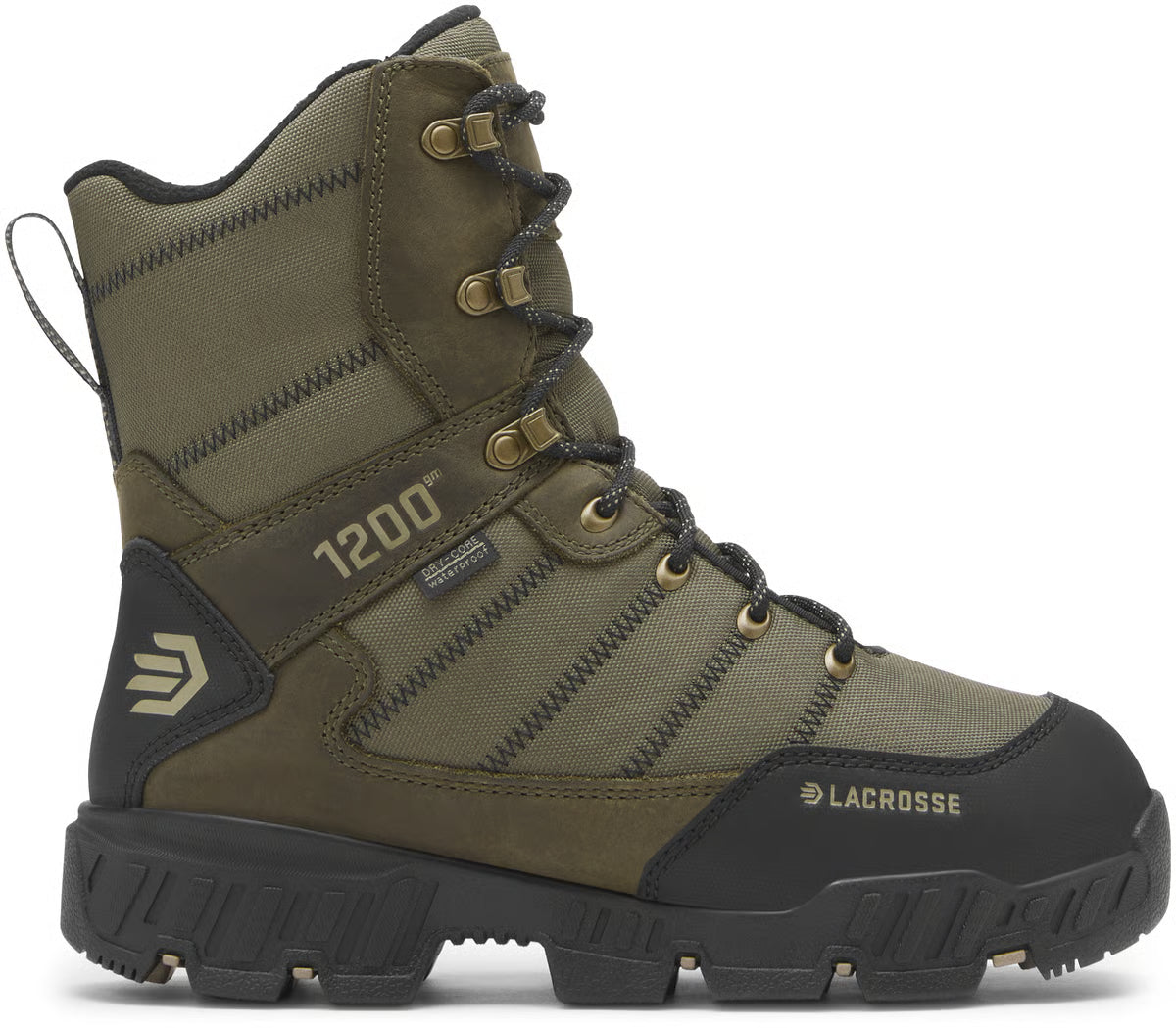
Rocky Men's Sport Pro 16" Soft Toe Waterproof 1200G Hunt Boot- Realtree- RKS0382
Save 8%
Sale price$239.95
Regular price$260.00
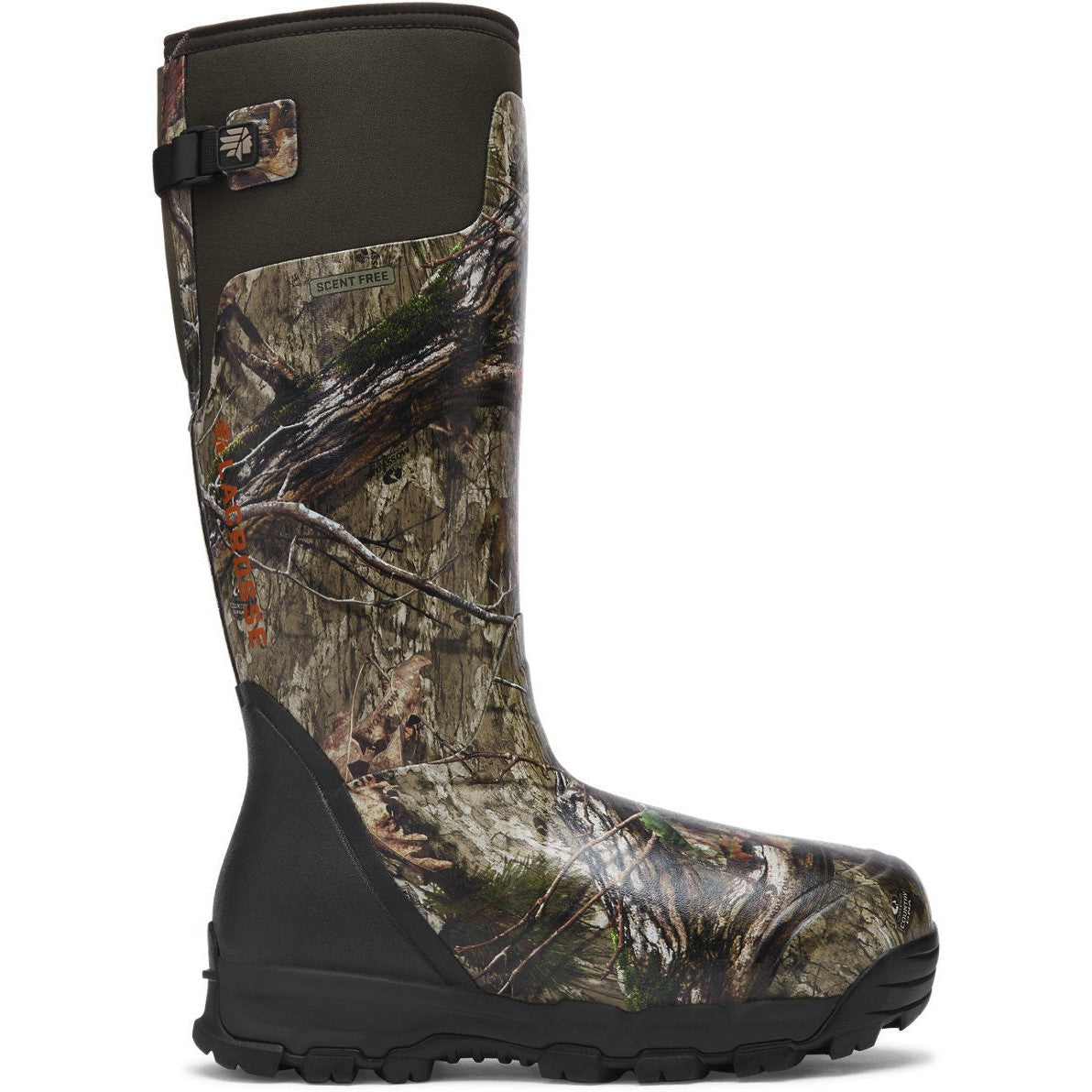
LaCrosse Men's AlphaBurly Pro 18" Plain Toe Waterproof 1600G Hunting Boot - Mossy Oak Country DNA - 376082

Save 16%
Sale price$117.00
Regular price$139.99
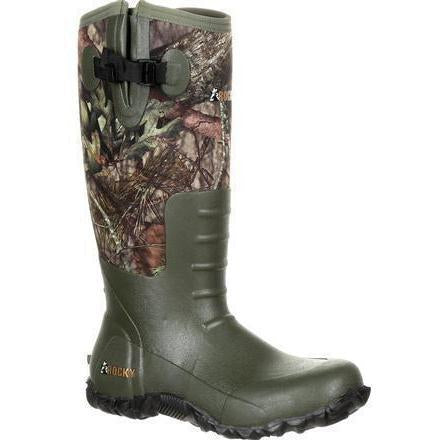
Rocky Men's Core Rubber 16” Waterproof Rubber Hunt Boot - Mossy Oak Camo - RKS0350
Save 6%
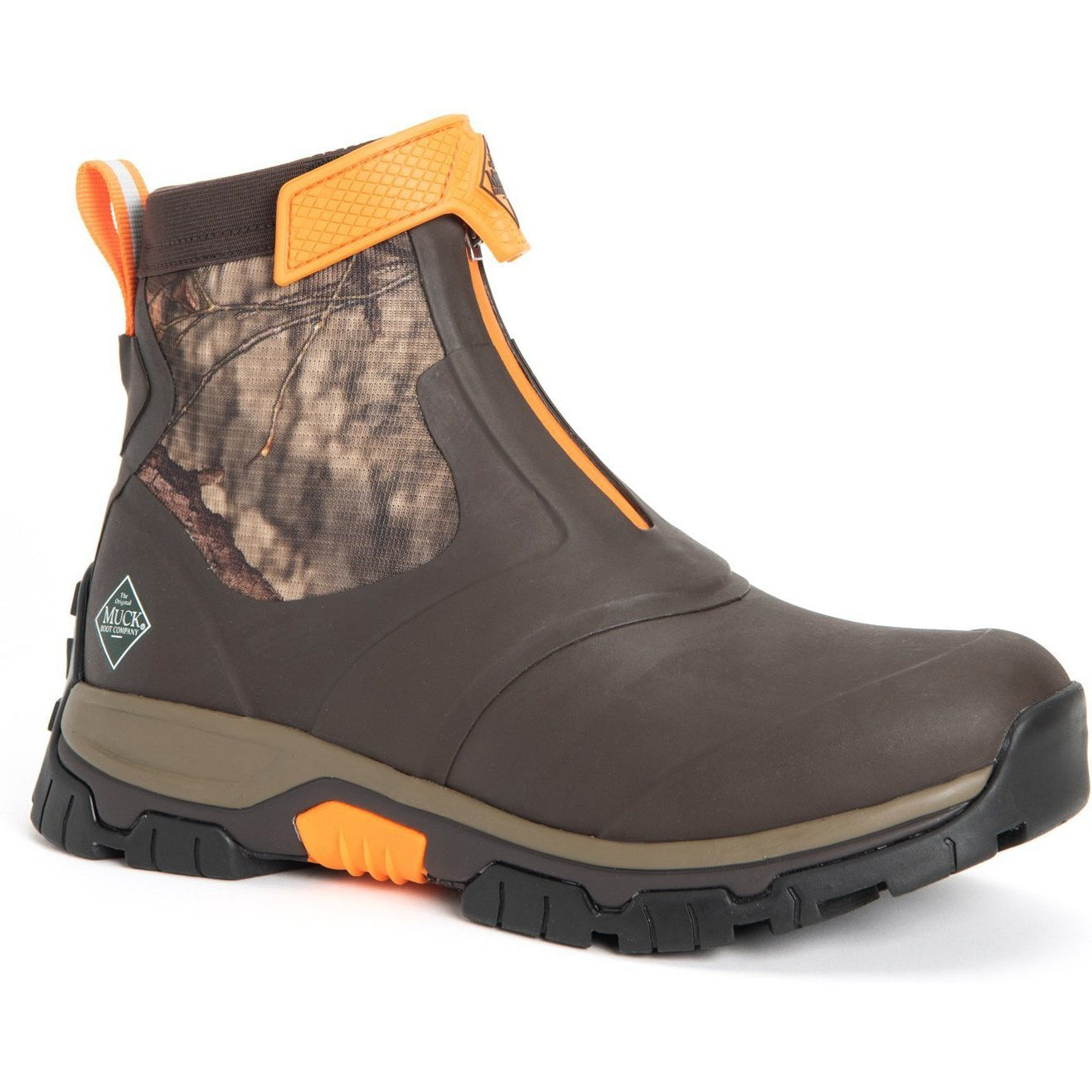
Sale price$170.00
Regular price$180.00
Muck Men's Apex Mid Zip Waterproof Outdoor Hunt Boot - Camo - AXMZ-MOC
Save 12%
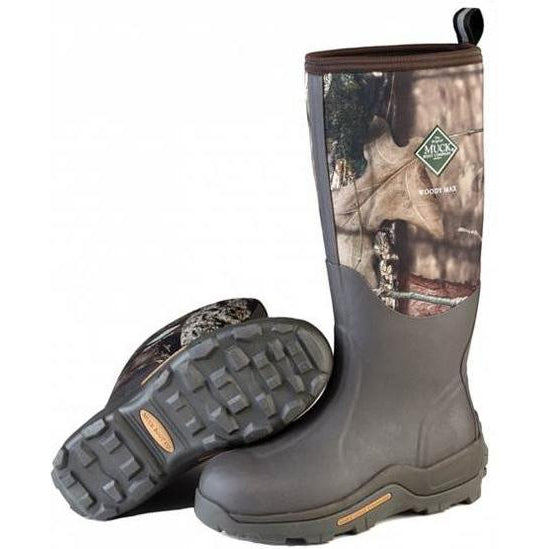
Sale price$172.05
Regular price$195.00
Muck Men's Woody Max Waterproof Rubber Hunt Boot - Bark/Mossy Oak - WDM-MOCT
Save 7%
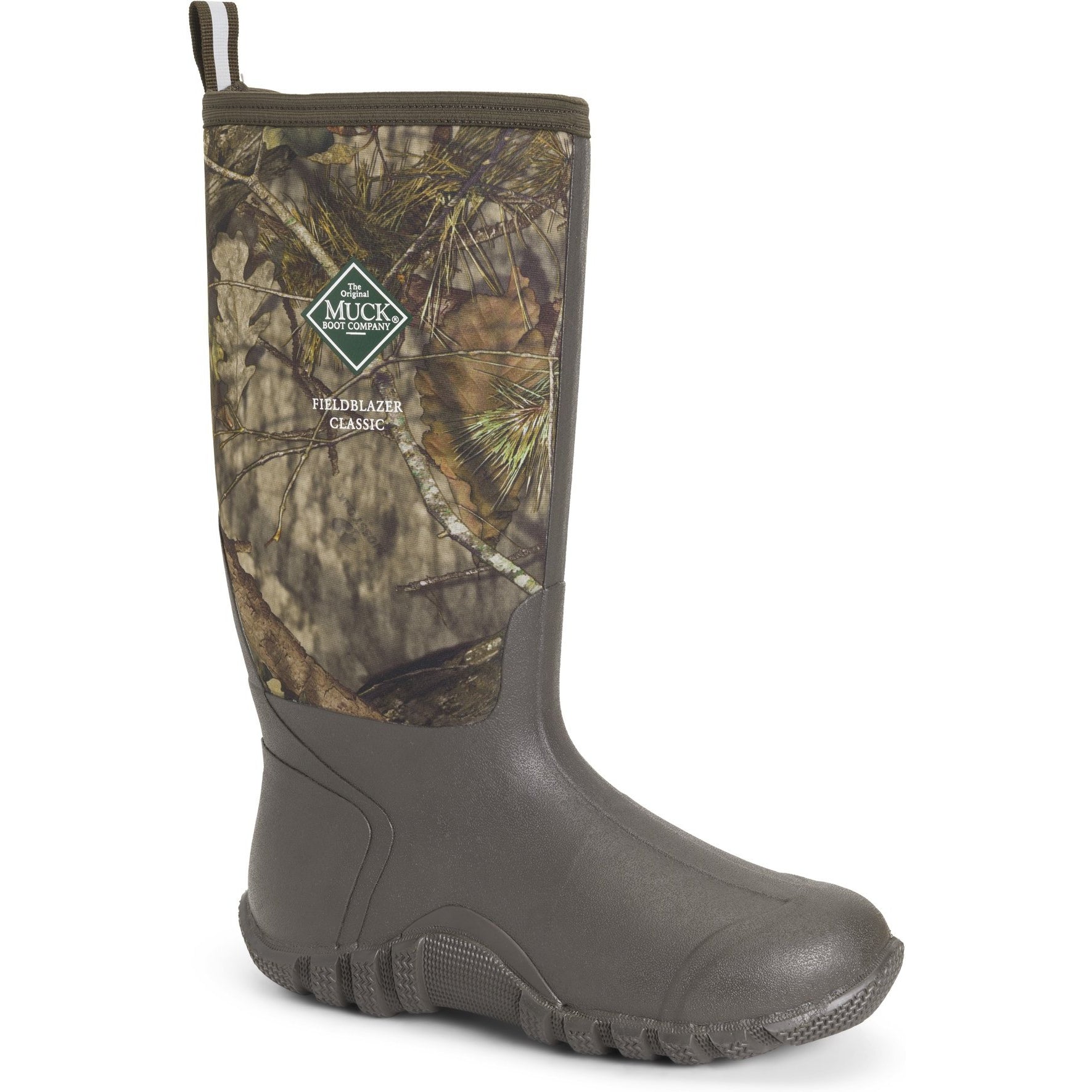
Sale price$140.00
Regular price$150.00
Muck Men's Fieldblazer Classic Waterproof Rubber Hunt Boot - Mossy Oak - FBC-MOCT
Save 10%
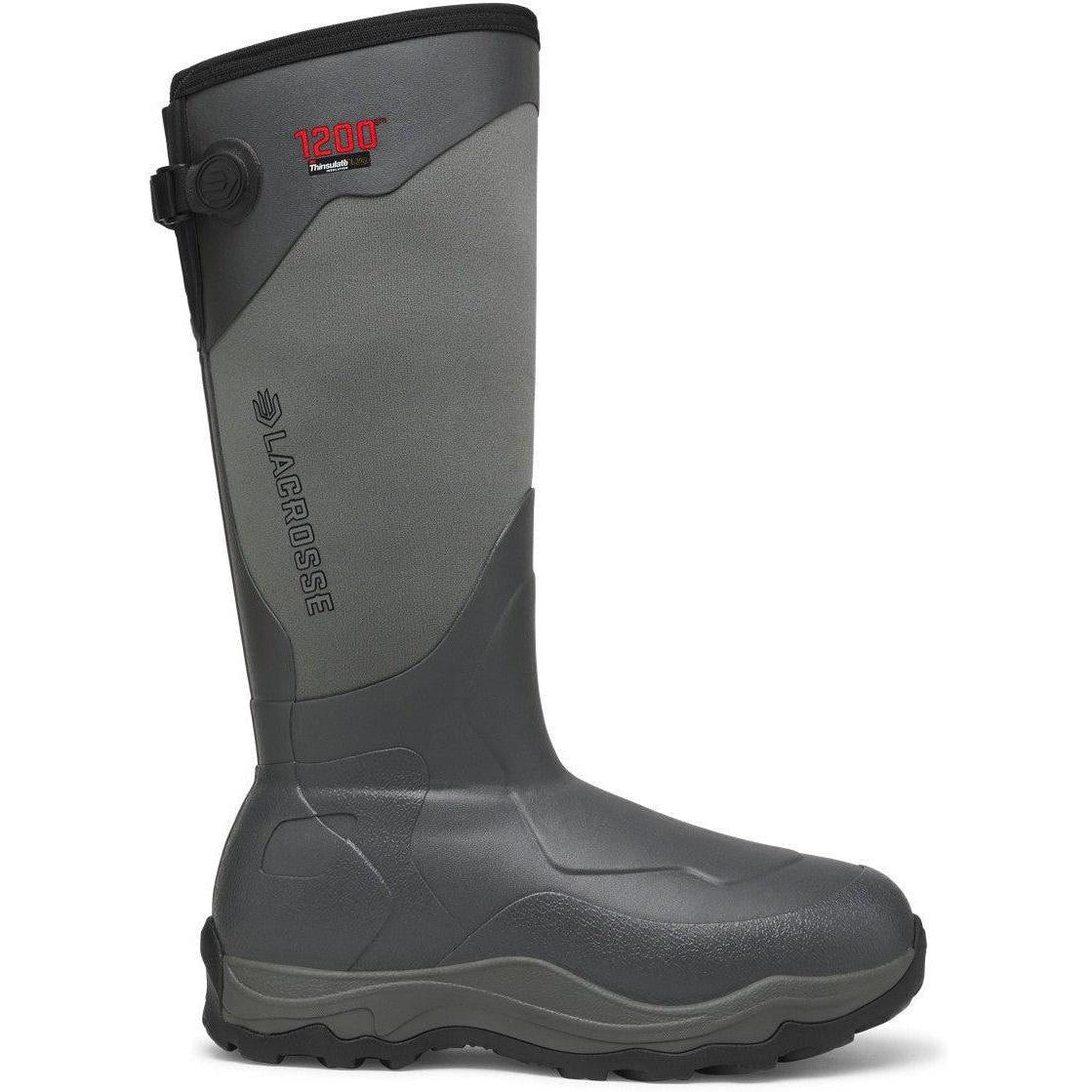
Sale price$209.95
Regular price$234.00
LaCrosse Men's Alpha Agility 17" Waterproof 1200G Hunting Boot - Grey Sky - 302462
Save 9%
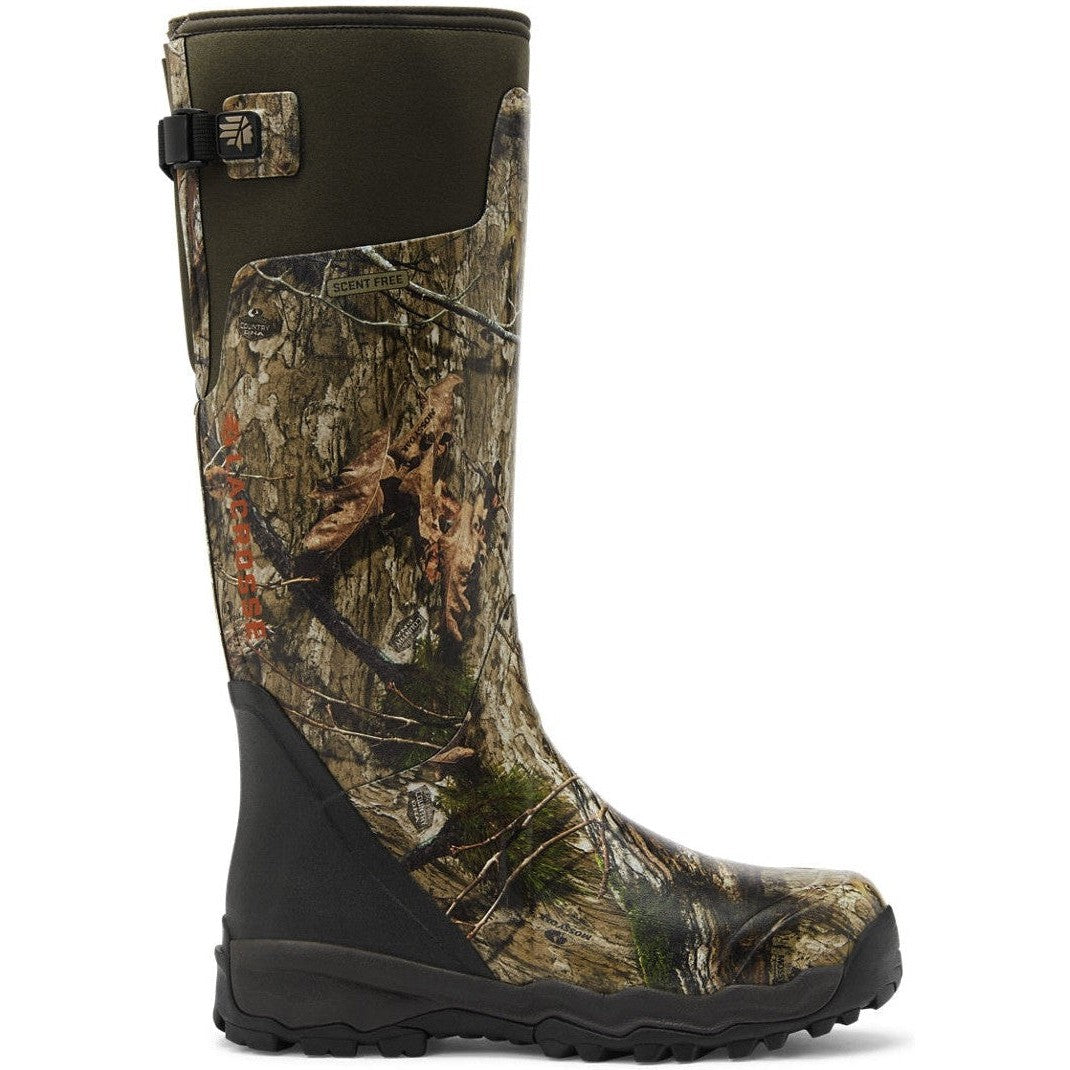
Sale price$209.95
Regular price$230.00
LaCrosse Men's Alphaburly Pro 18" Plain Toe Waterproof Hunting Boot - Mossy Oak Country DNA - 376067
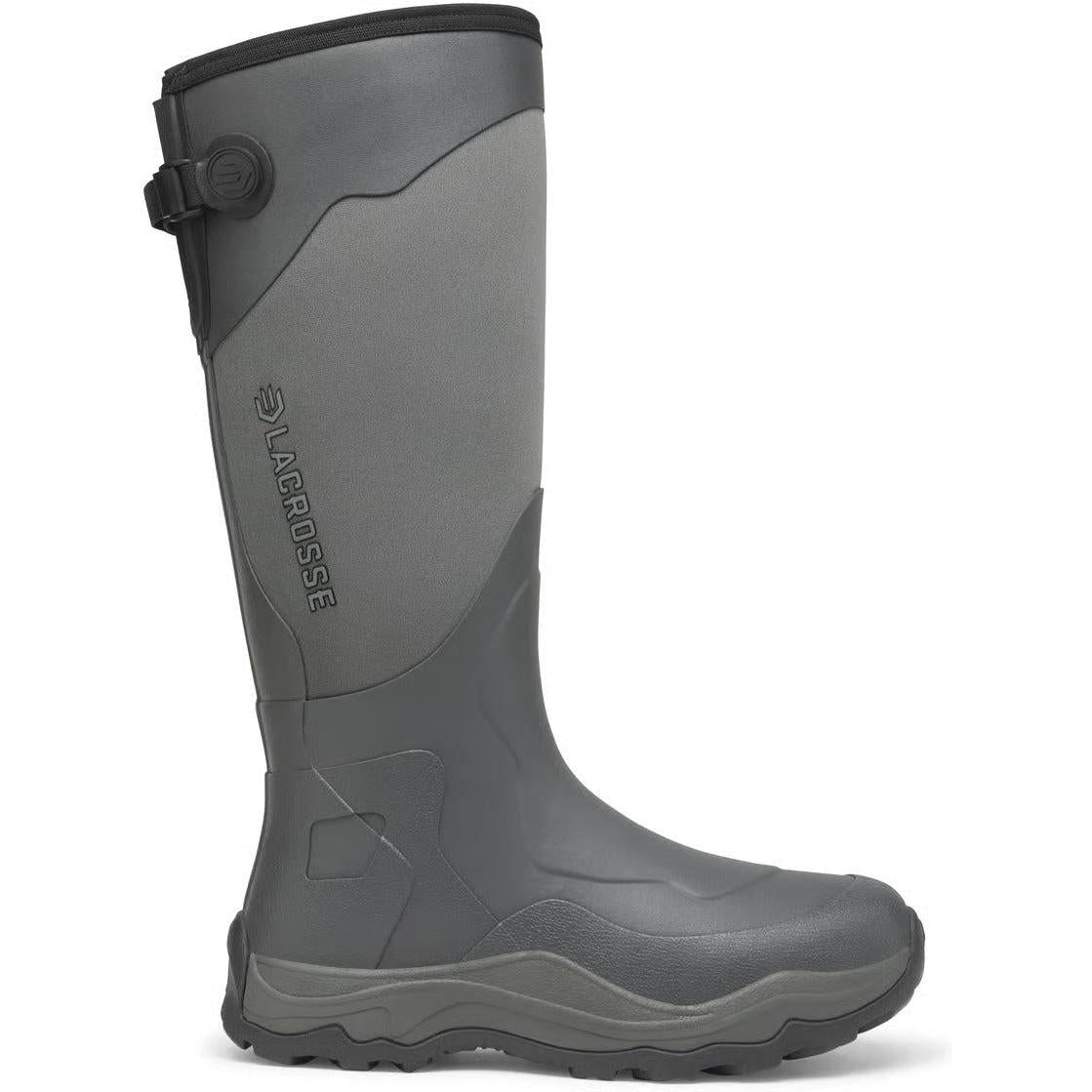
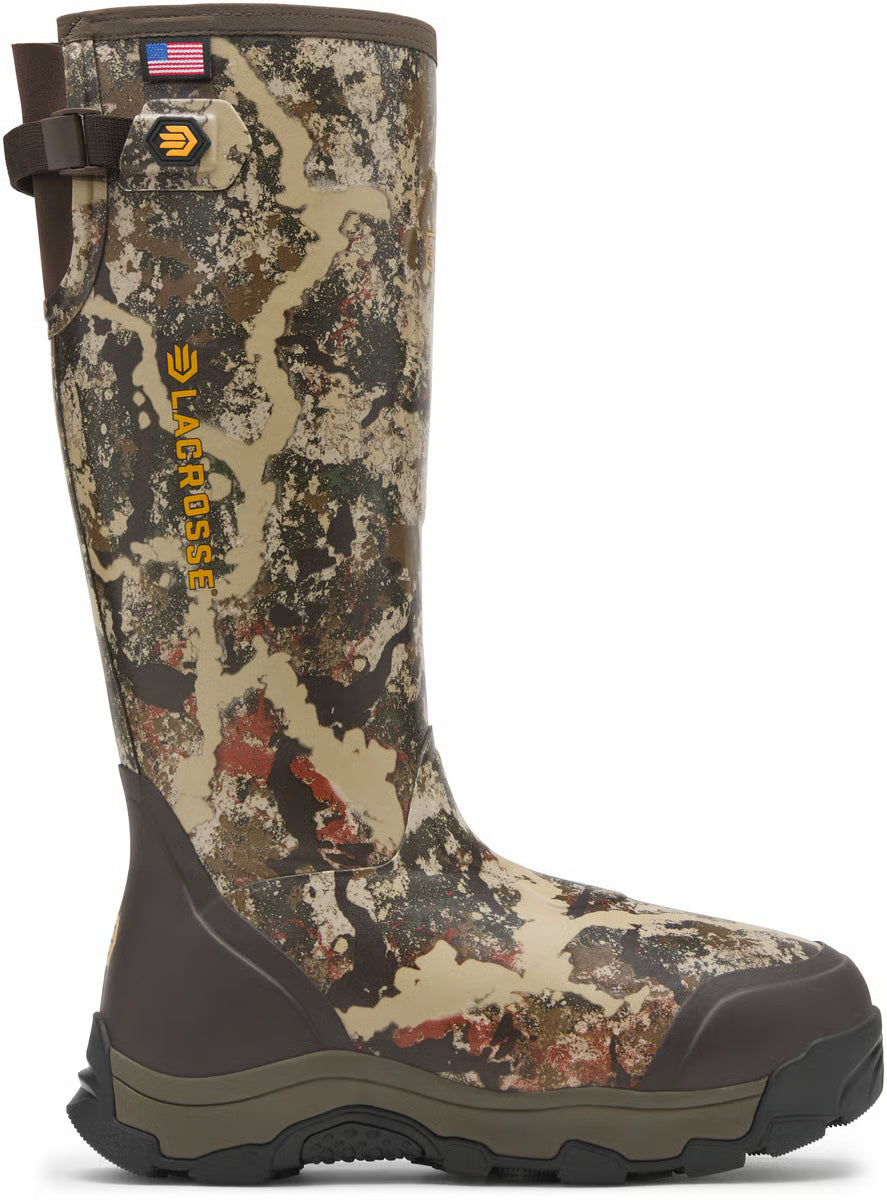
Save 6%
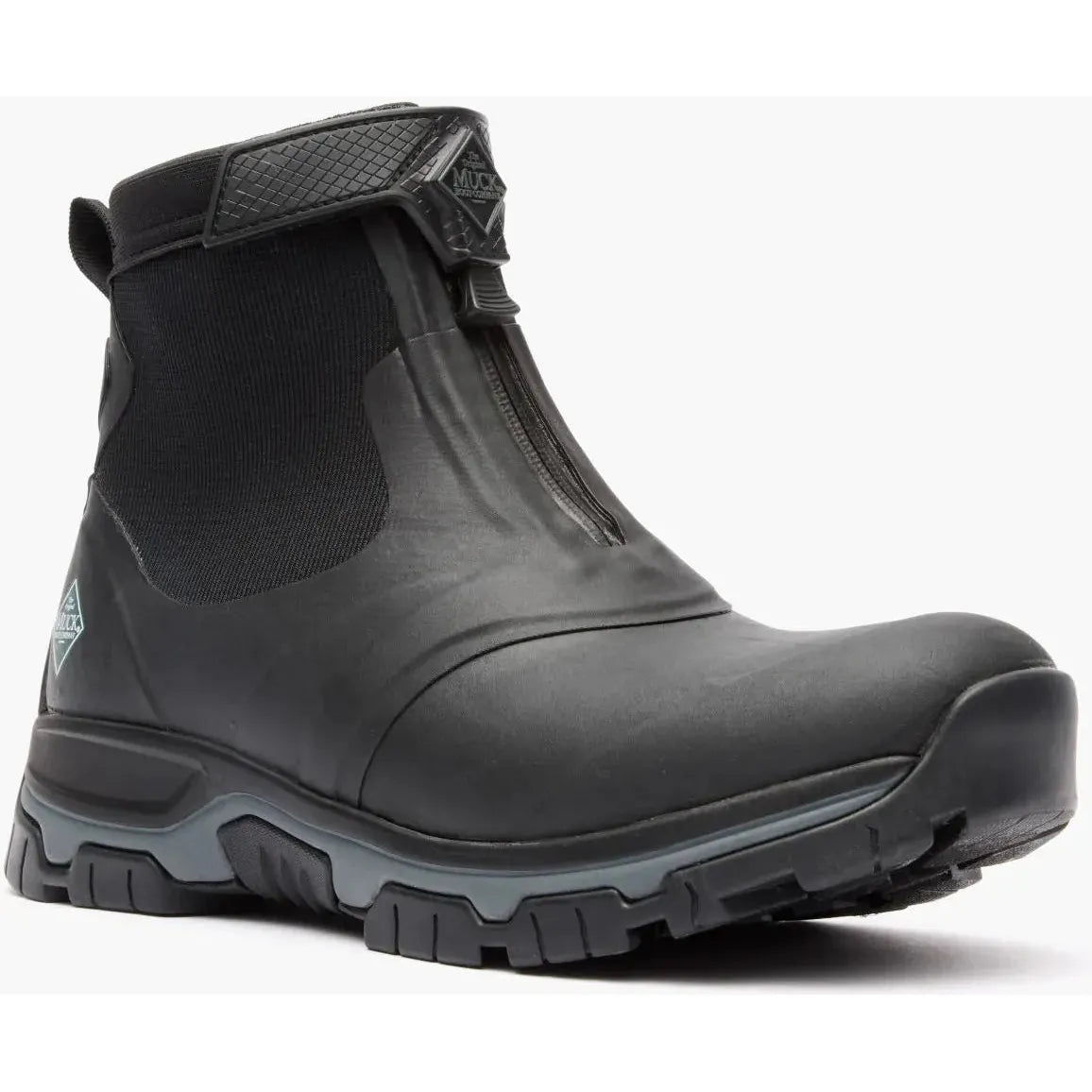
Sale price$165.00
Regular price$175.00
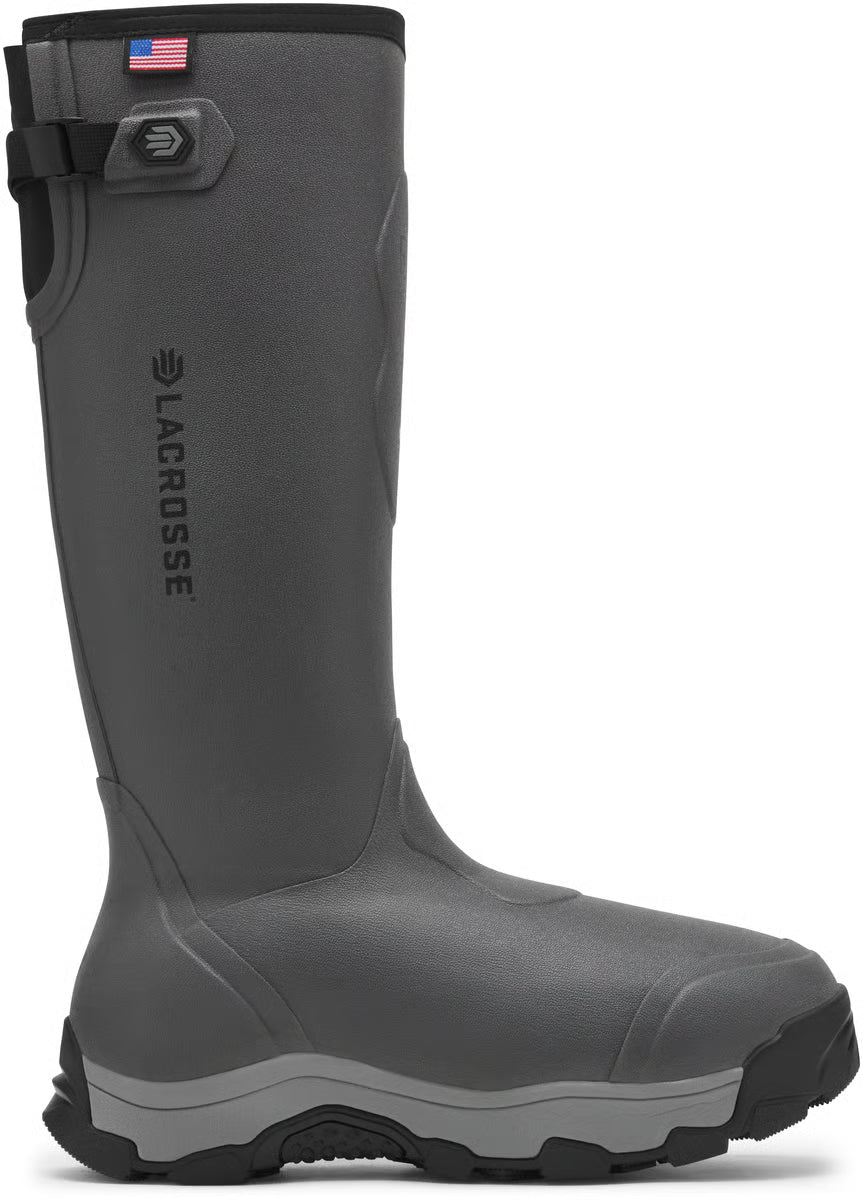
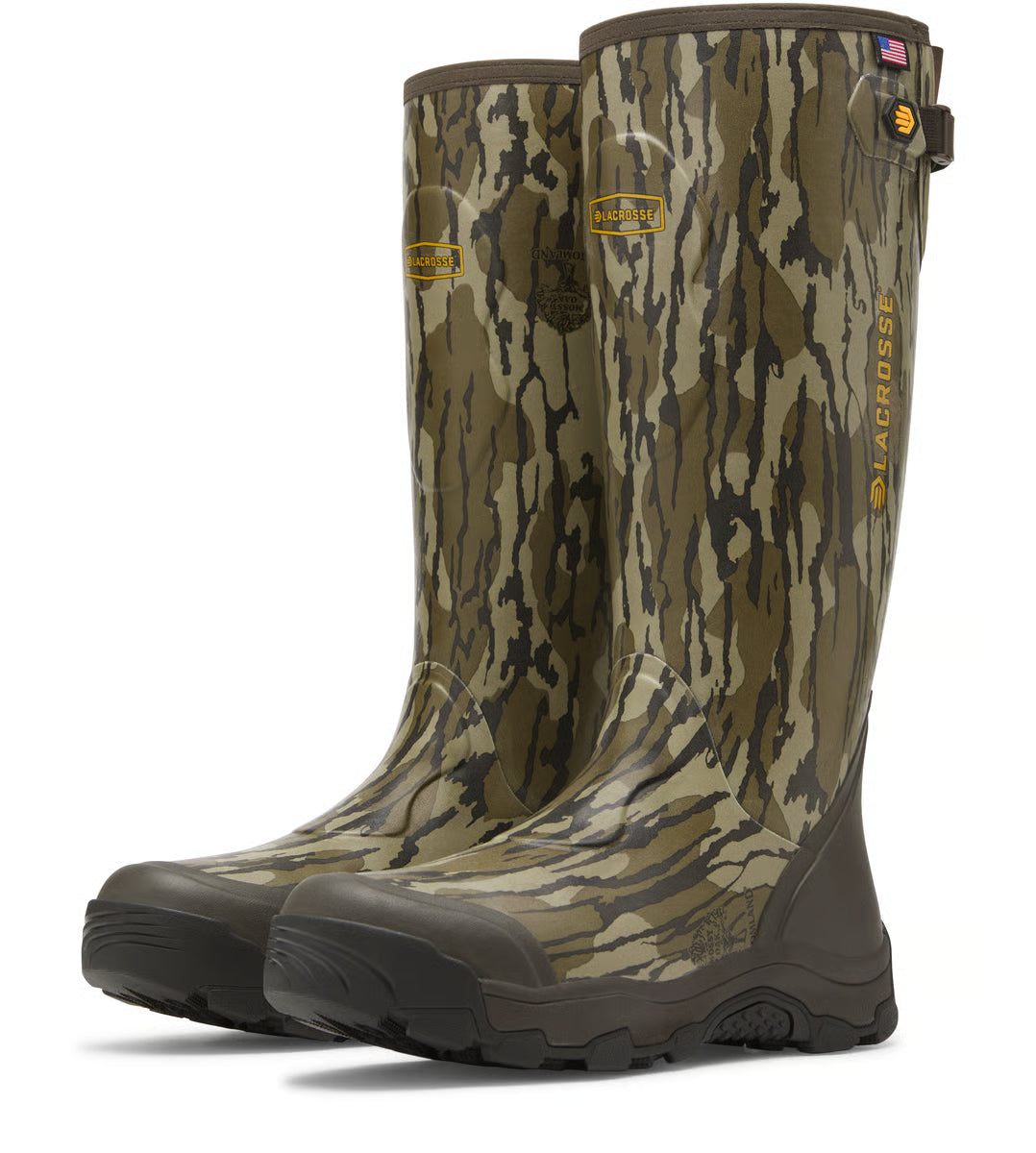
Muck Men's Apex Mid Zip Waterproof Hunt Boot - Black - AXMZ-000
Save 9%
Sale price$154.95
Regular price$170.00
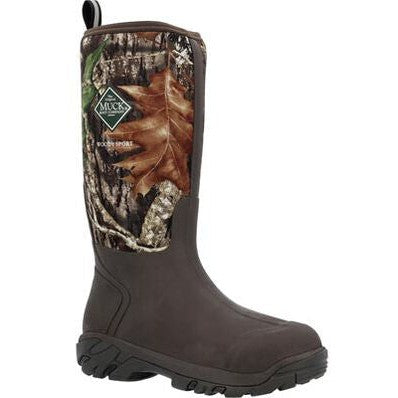
Muck Men's Break Up Country Waterproof Woody Sport Tall Hunt Boot - Camo - WDSMOBU
Sale price$130.00
Regular price$135.00
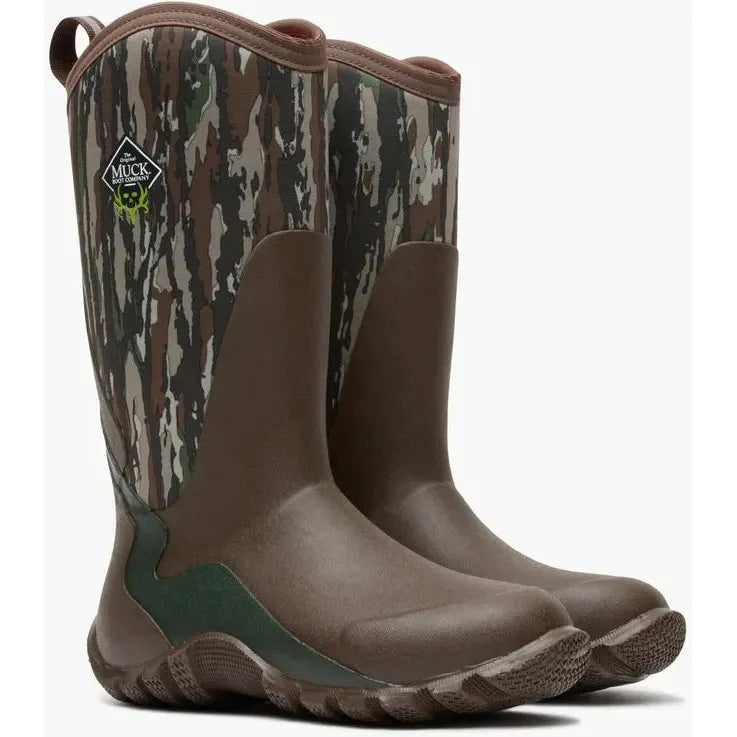
Muck Men's X Bone Collector 15" Waterproof Fieldblazer Hunt Boot - Realtree - MB15CM90
Save 6%
Sale price$150.00
Regular price$160.00
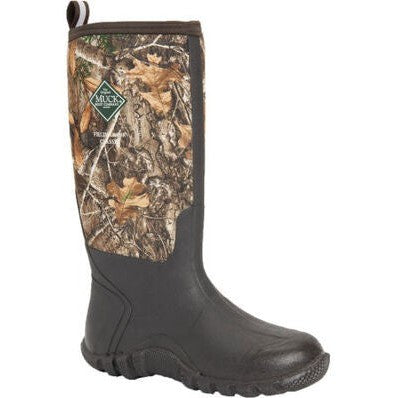
Muck Men's Fieldblazer Classic Fleece 16" Soft Toe Waterproof Hunt Boot Realtree FBFRTE
Save 9%
Sale price$136.95
Regular price$149.99
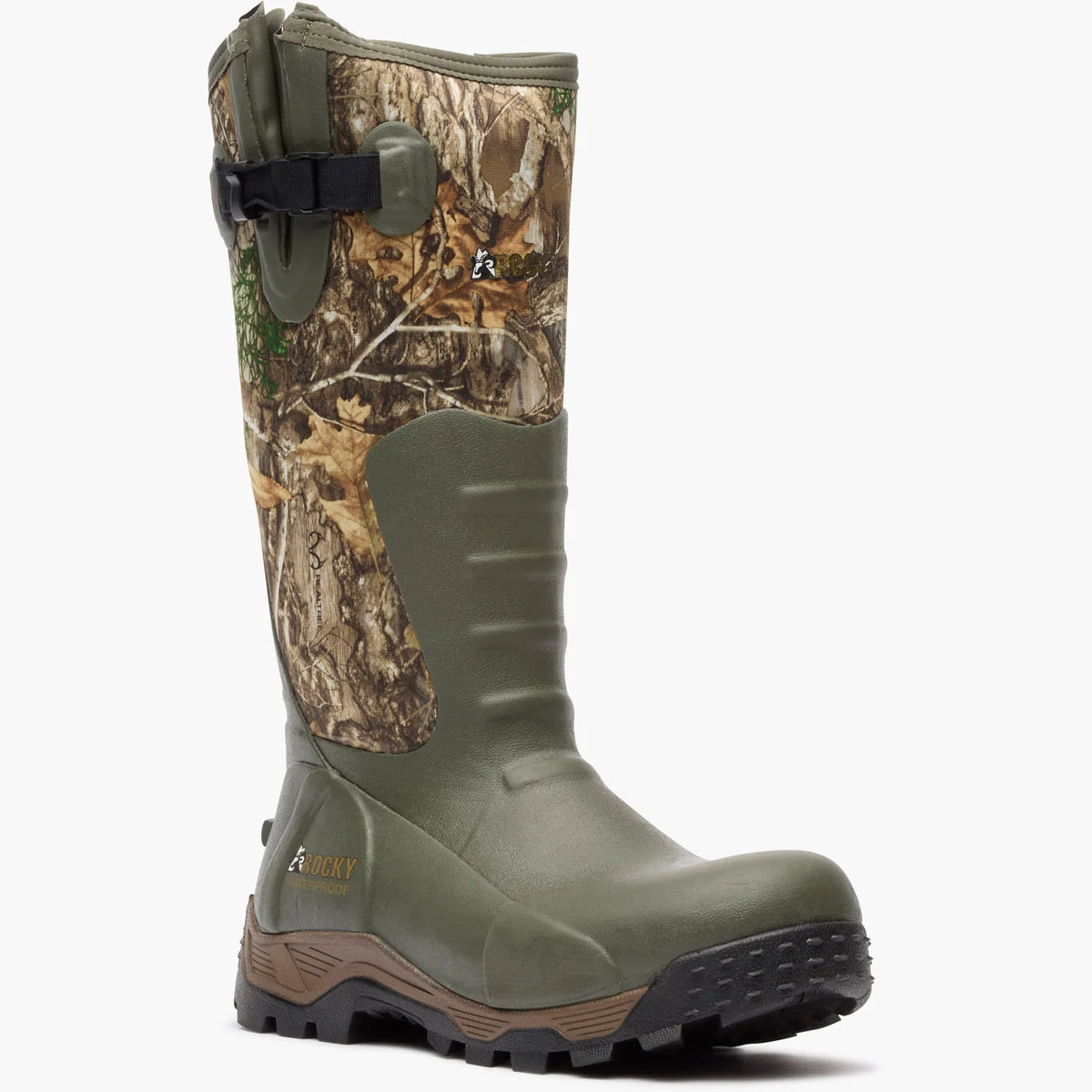
Rocky Men's Sport Pro 16" Outdoor Hunt Boot - Realtree - RKS0383
12
Frequently Asked Questions
Three reasons that stack. Rubber and neoprene absorb and hold far less scent than leather, which matters for whitetail hunting in particular. They are fully waterproof by construction with no membrane or seams to fail. And they hose clean, so you are not carrying yesterday's mud and scent back into the woods. The trade is support and breathability.
Neoprene insulates on its own, so an uninsulated neoprene-lined boot already handles cool weather better than plain rubber would. Add 400 to 800 grams for cold-weather activity, 1000 to 1200 for stand sits in genuine cold, and 1600 to 2000 for sitting still in sub-zero. Buying for the coldest possible morning is the classic error, since you sweat on the walk in and then get cold once you stop moving.
Sixteen to 18 inches is standard for marsh, flooded timber, and deep mud, and the height is genuinely the point in those conditions. Twelve to 15 inches covers general wet-ground hunting. Ankle and mid heights suit dry stand access and chore use. A boot taller than you need is heavier and hotter to walk in, so match it to the water you actually cross.
With enough insulation, yes, and that is exactly what the heavy 1200 to 2000 gram models exist for. The limitation is that once the insulation is damp with sweat it stops working, and a sealed rubber boot does not dry out during a hunt. If you walk a long way in, consider carrying the boots and changing at the stand, or use a pac boot with a removable liner instead.
Rubber does not breathe, so yes, more than leather. Neoprene linings manage it better than plain rubber because neoprene wicks and stays warm when damp. Good wool socks make a real difference. If your feet are wet at the end of a sit, sweat rather than leakage is almost always the cause.
Keep them out of direct sun, store them upright rather than folded at the ankle, and rinse them after use. UV and ozone degrade rubber faster than the hunting does, and repeated folding at one point creates the cracks that eventually end the boot. Storing boots in a hot truck bed or a sunny garage is one of the most common ways people shorten their life.
LaCrosse built its reputation on hand-laid rubber hunt boots and the Alphaburly Pro is the reference model in the category. Muck covers the neoprene chore-and-hunt side, and Rocky builds a solid range too. Browse the LaCrosse hunt and Muck hunt ranges to compare within a brand.
Not comfortably. There is no meaningful arch support, the sole is flexible, and there is no lacing to stop your heel lifting, so miles add up badly. They are built for standing, wading, and short access walks. If your hunt involves real distance on foot, a leather hunting boot with a supportive sole is the right tool. See our Danner hunt boots range.
Most run about a half size large and many people size down, though it varies by brand and it is worth checking the specific guidance. The neoprene lining takes up volume so the fit tightens once the boot is on, and with no lacing the fit you get is the fit you keep. If you wear heavy wool socks for cold sits, factor that in before sizing down.
Recently viewed
Our Top Brands