

Save 10%
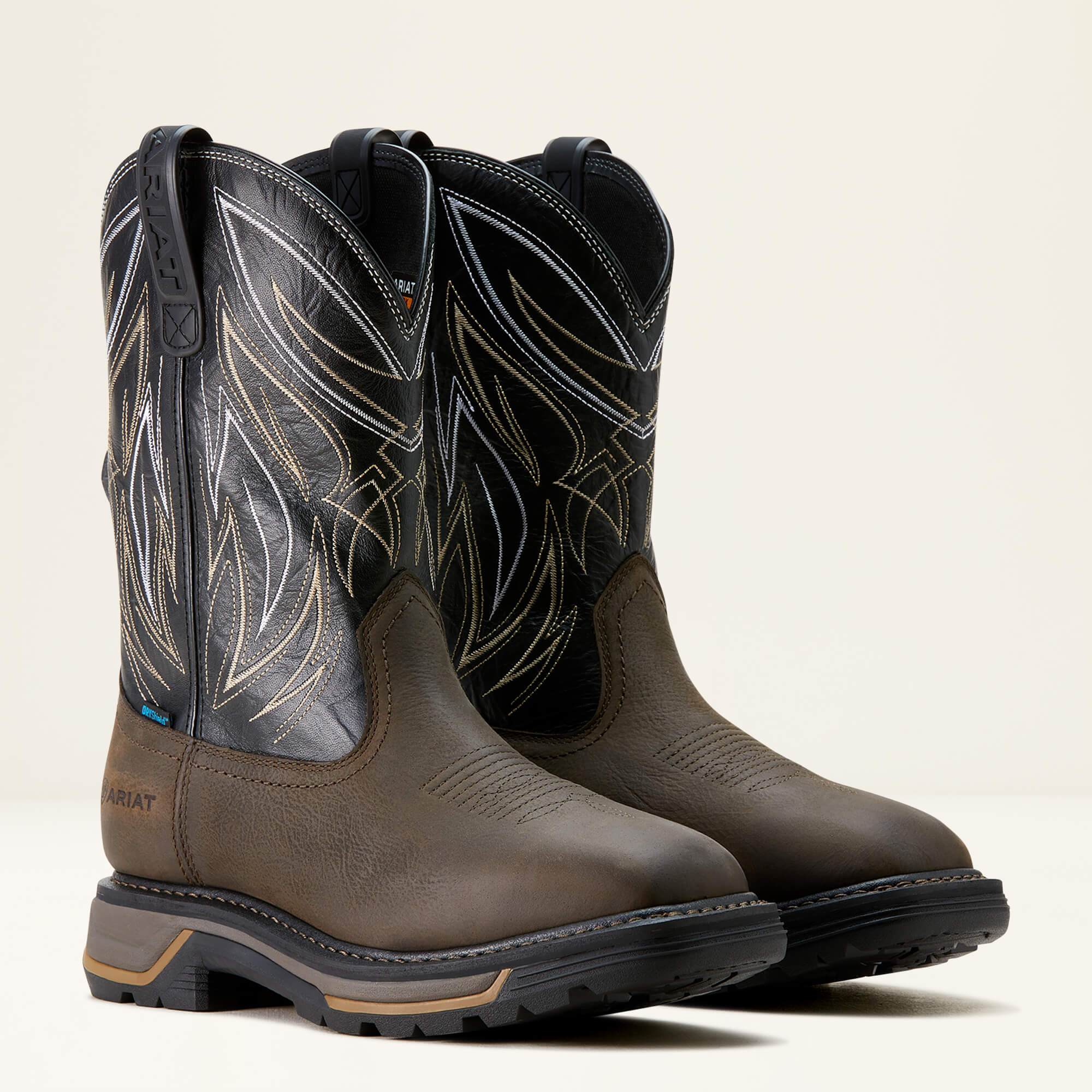
Sale price$260.96
Regular price$289.95
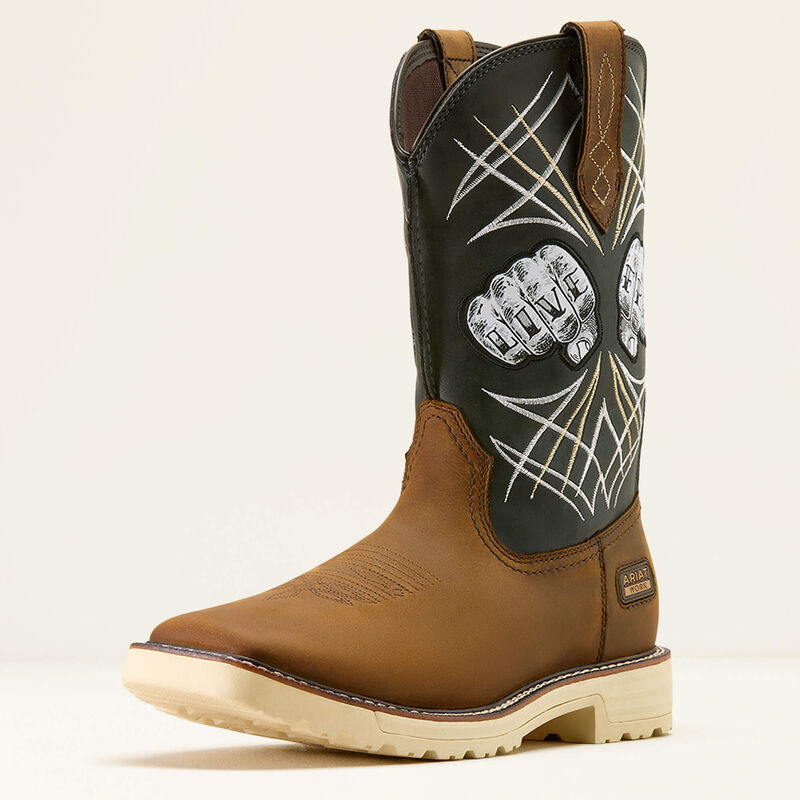
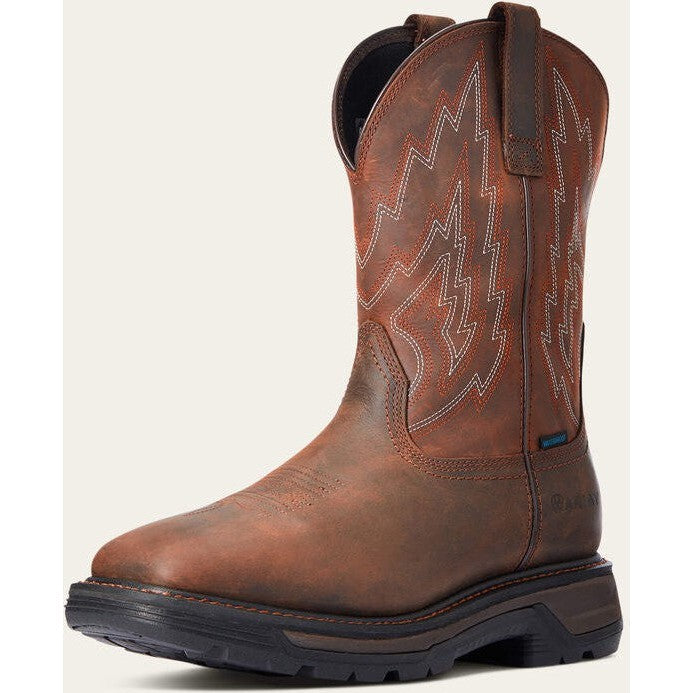
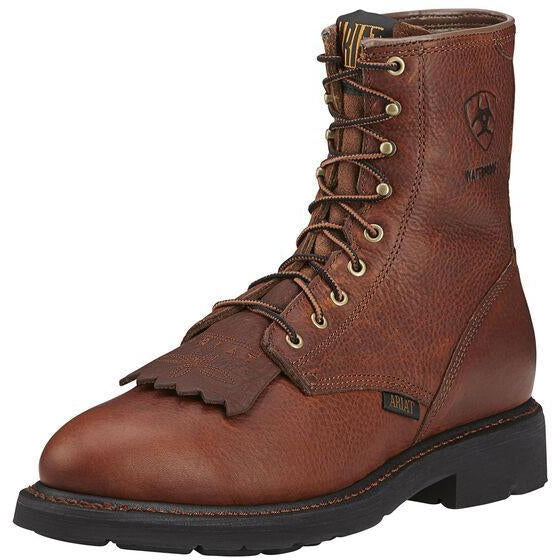
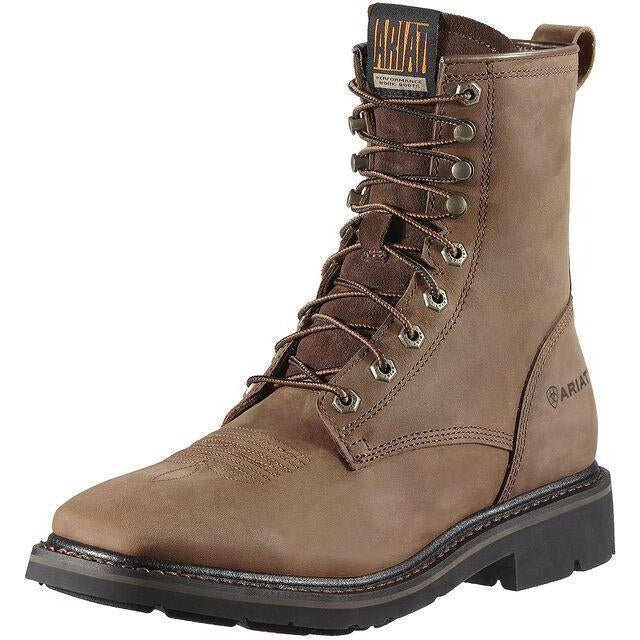
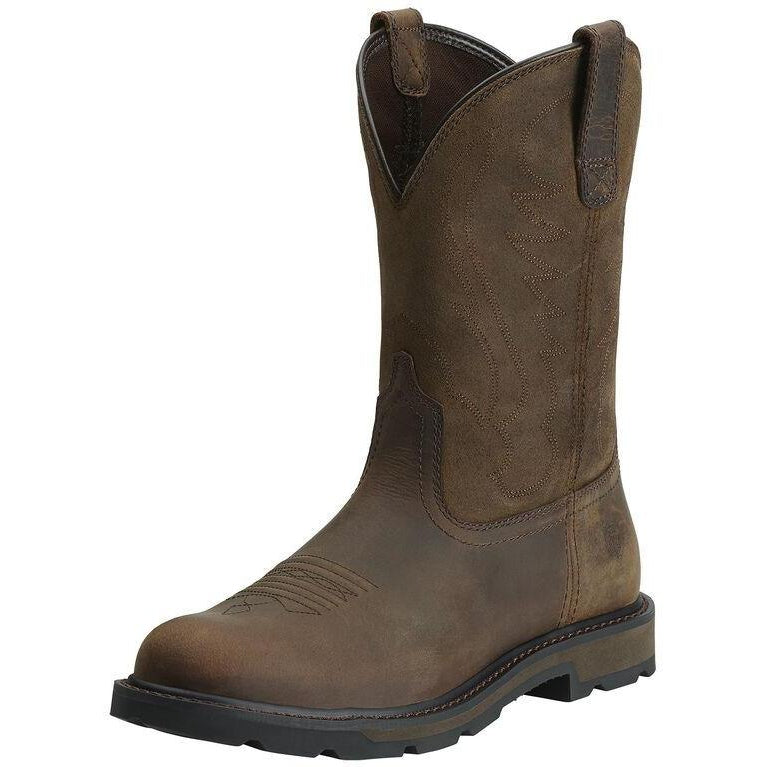
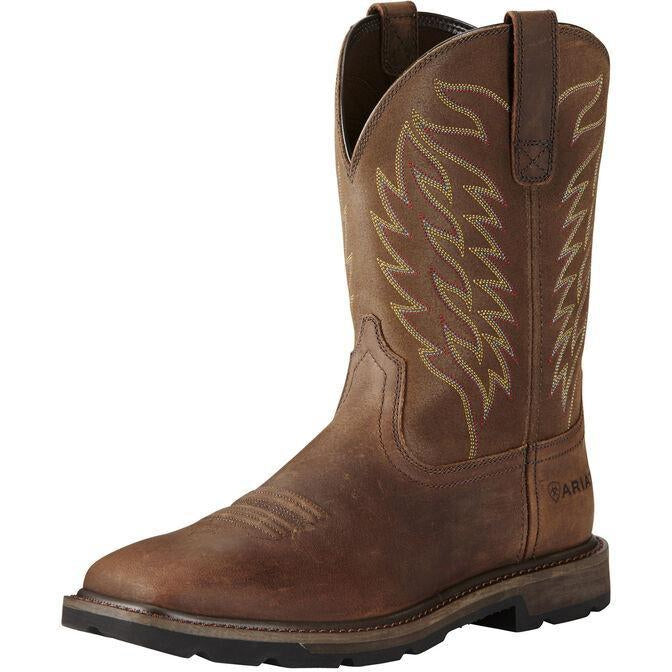
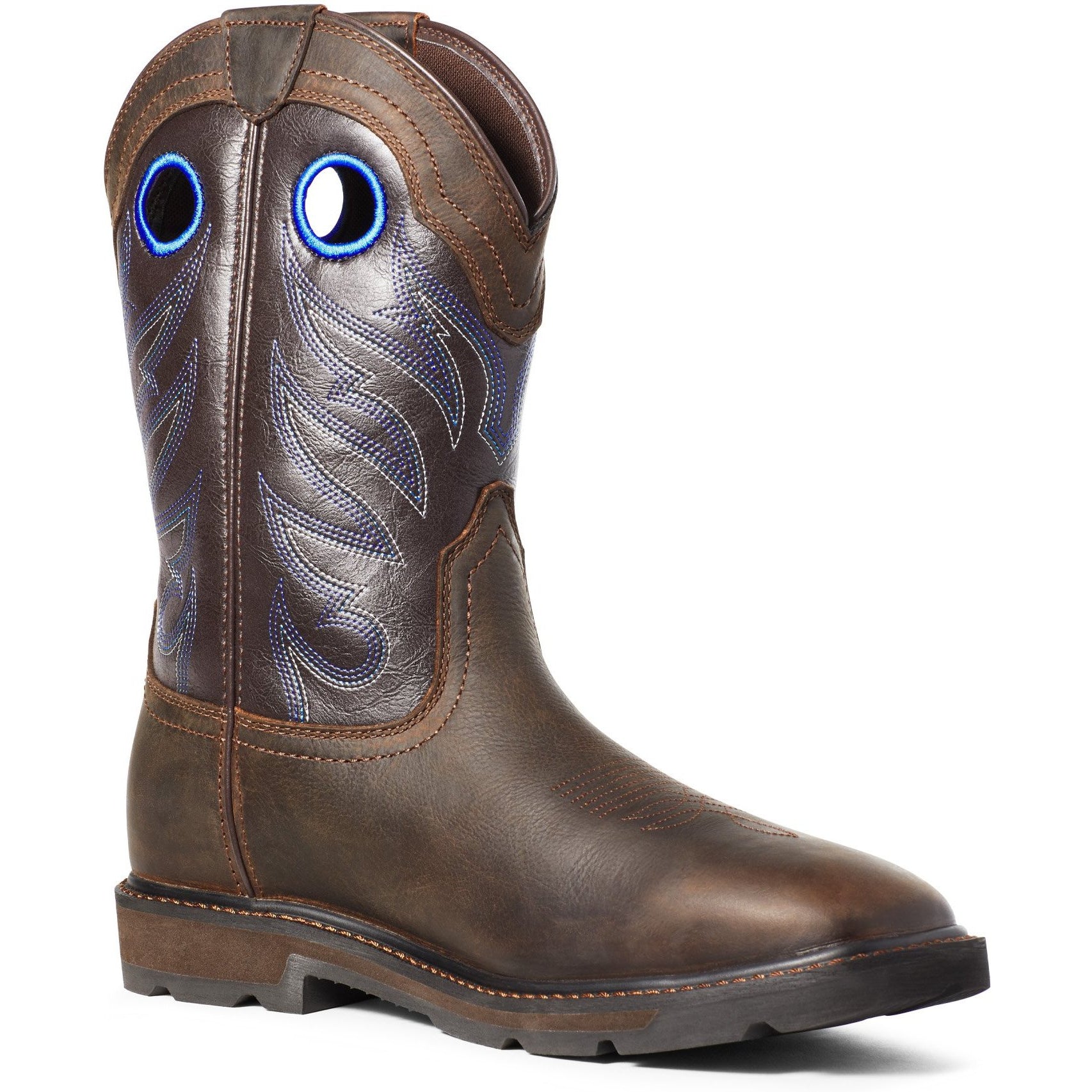
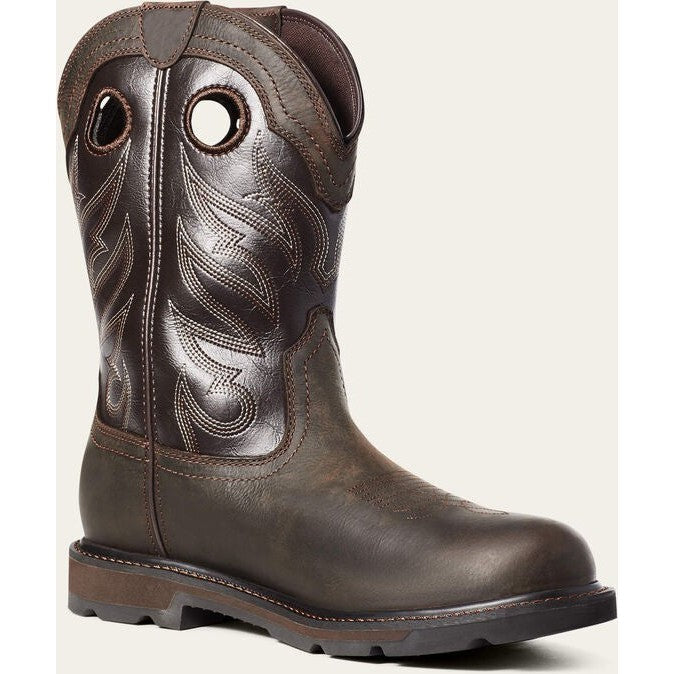
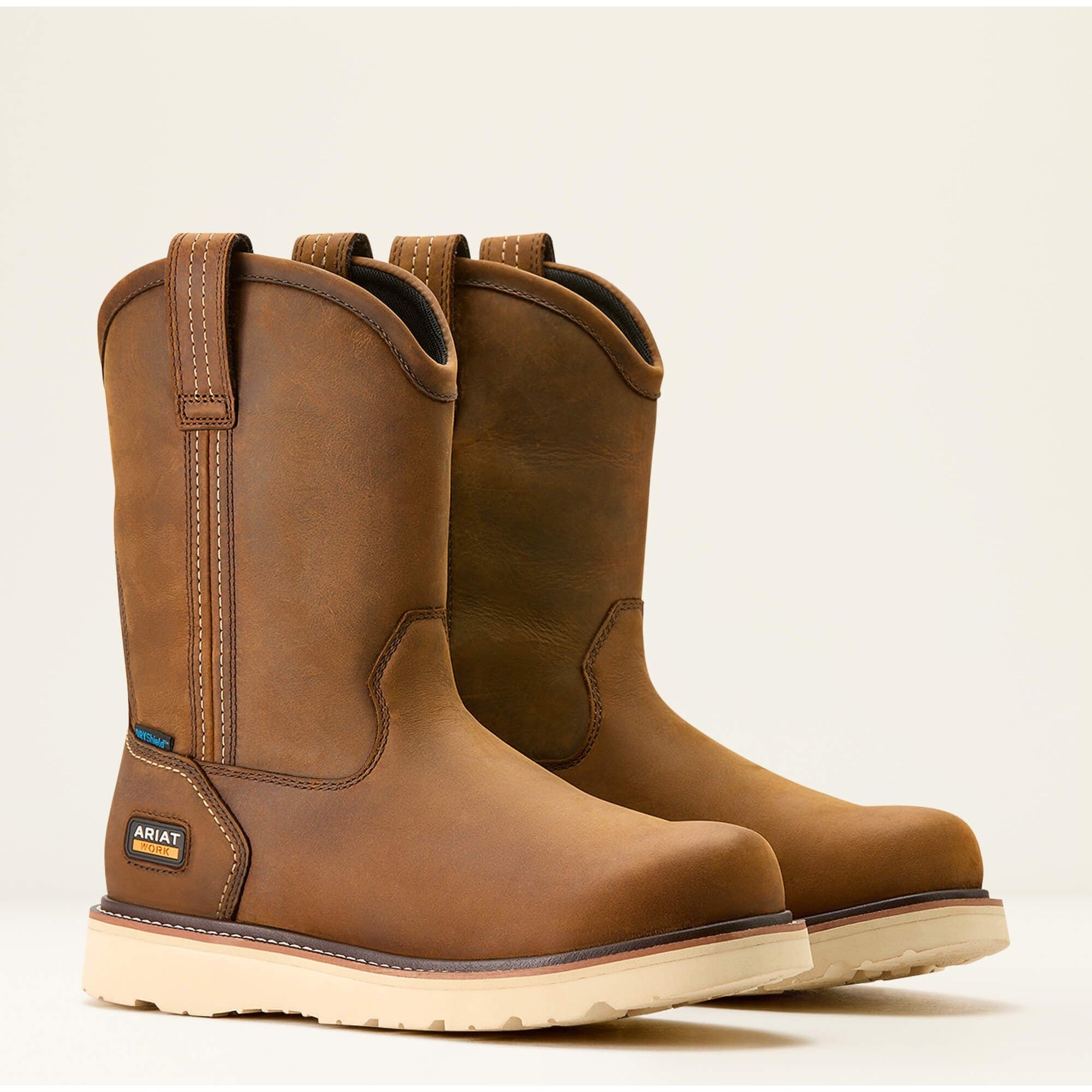
Ariat Men's Big Rig BOA 11" Soft Toe Waterproof Western Work Boot - Iron Coffee/Black - 10053777
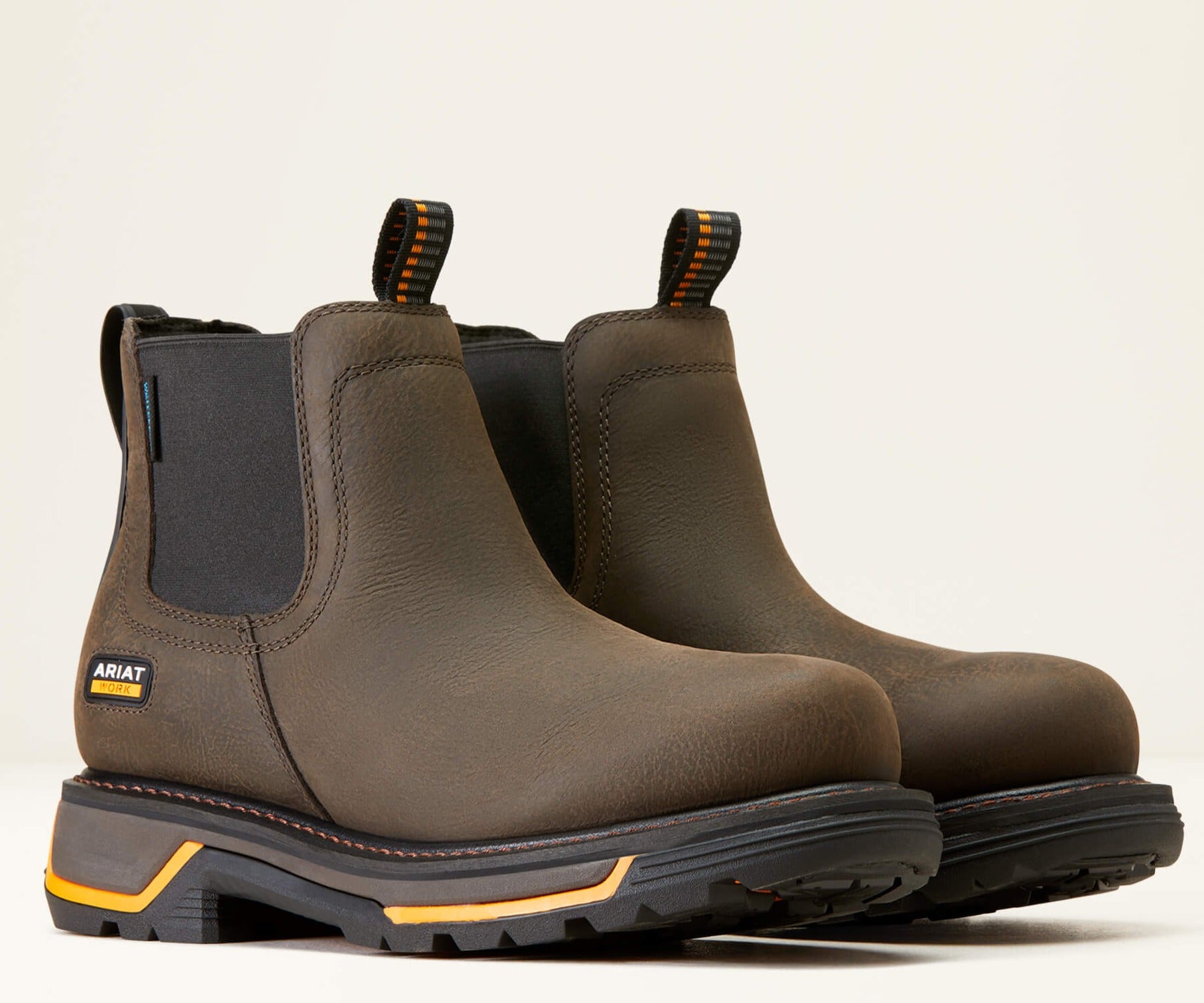

Sale price$189.95
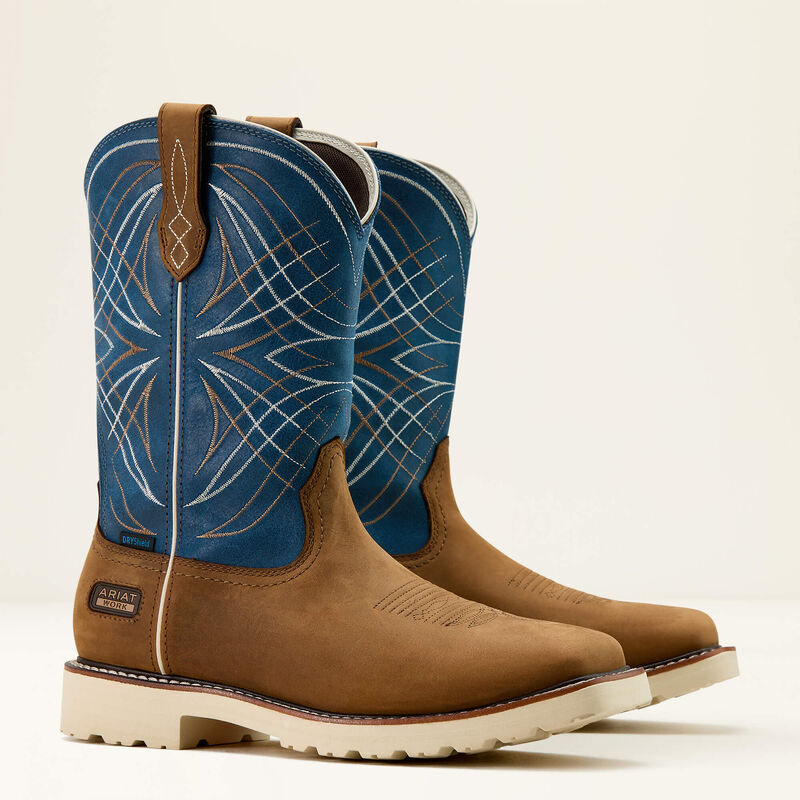
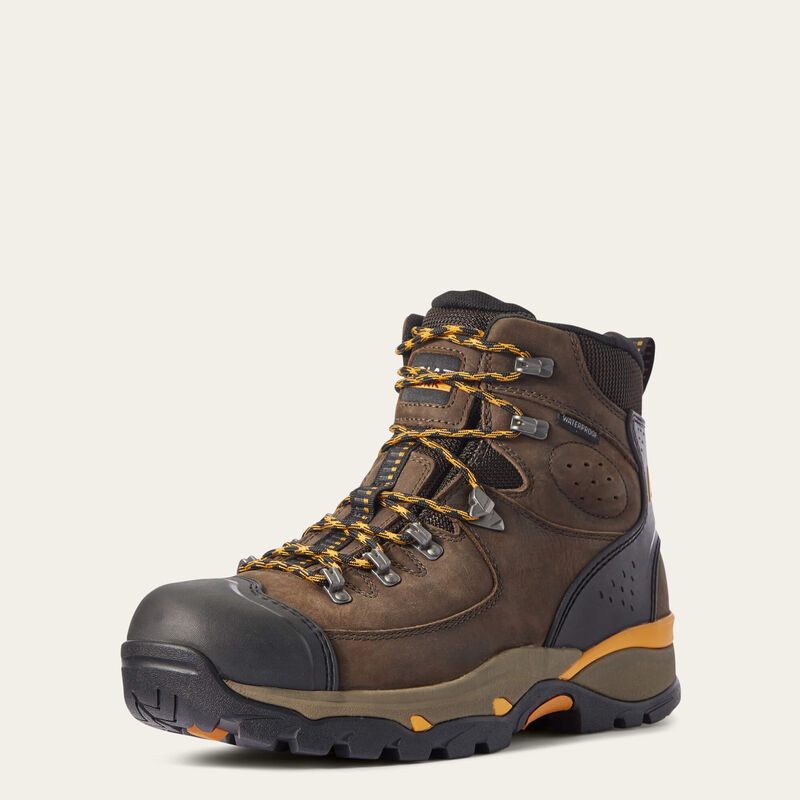
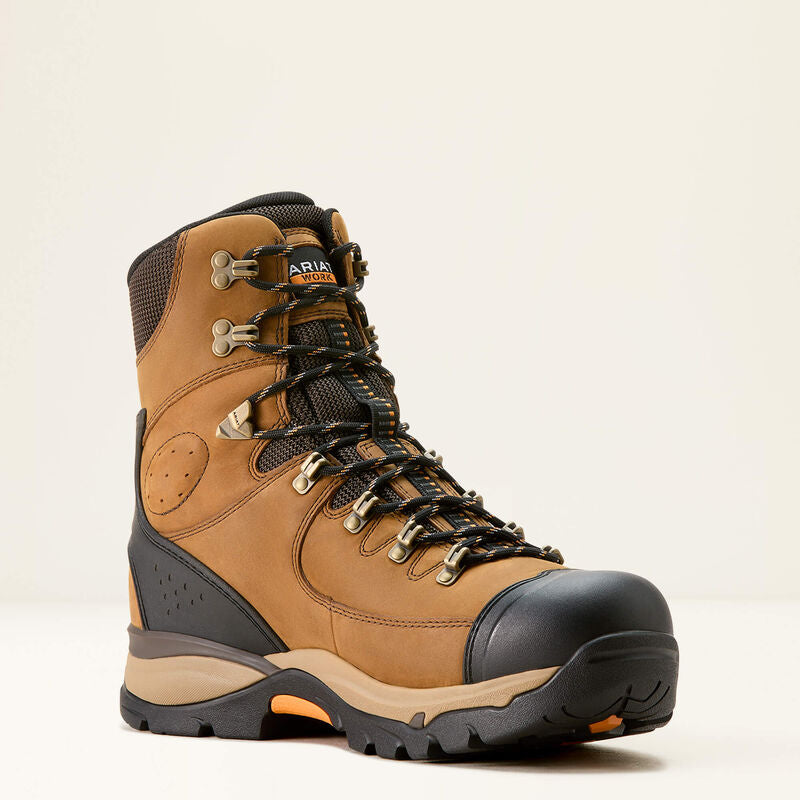
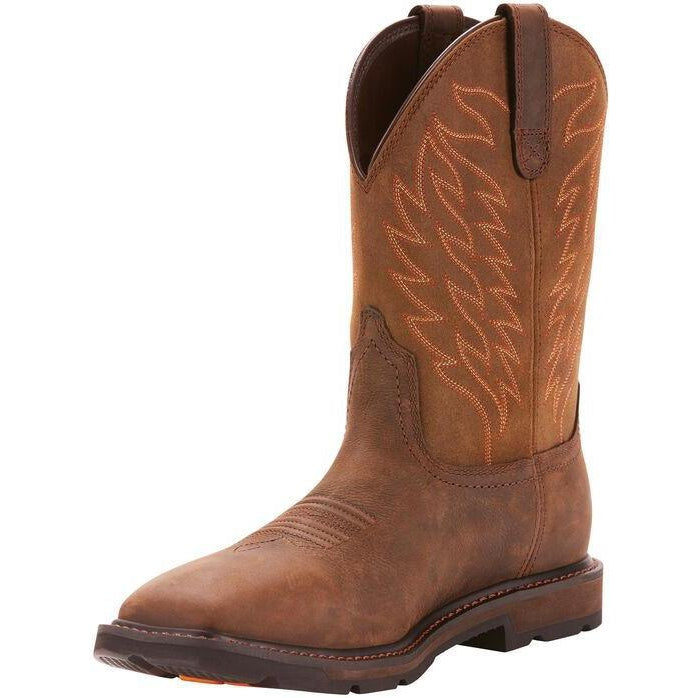
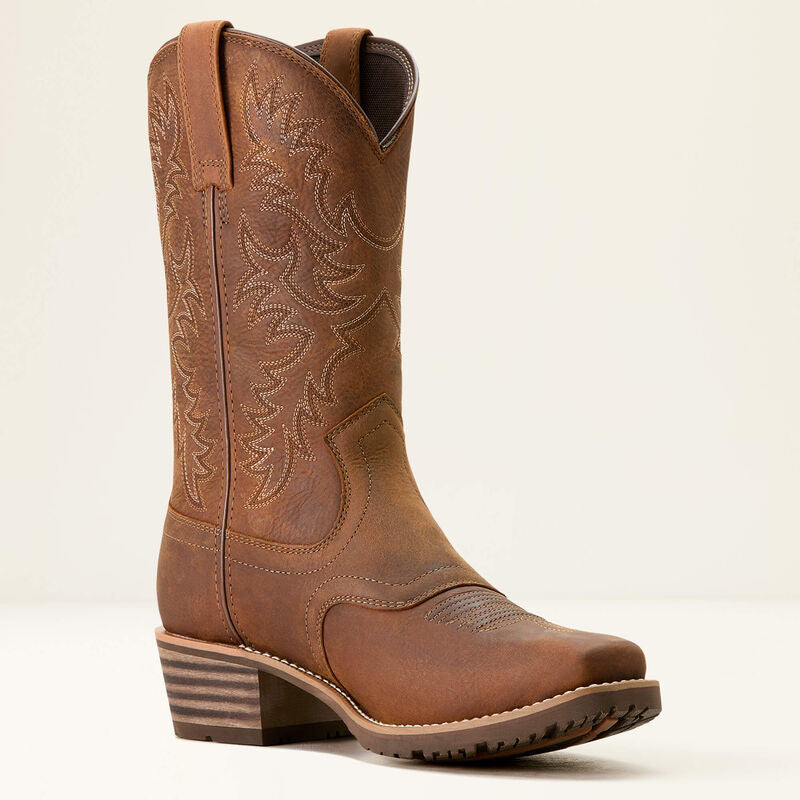
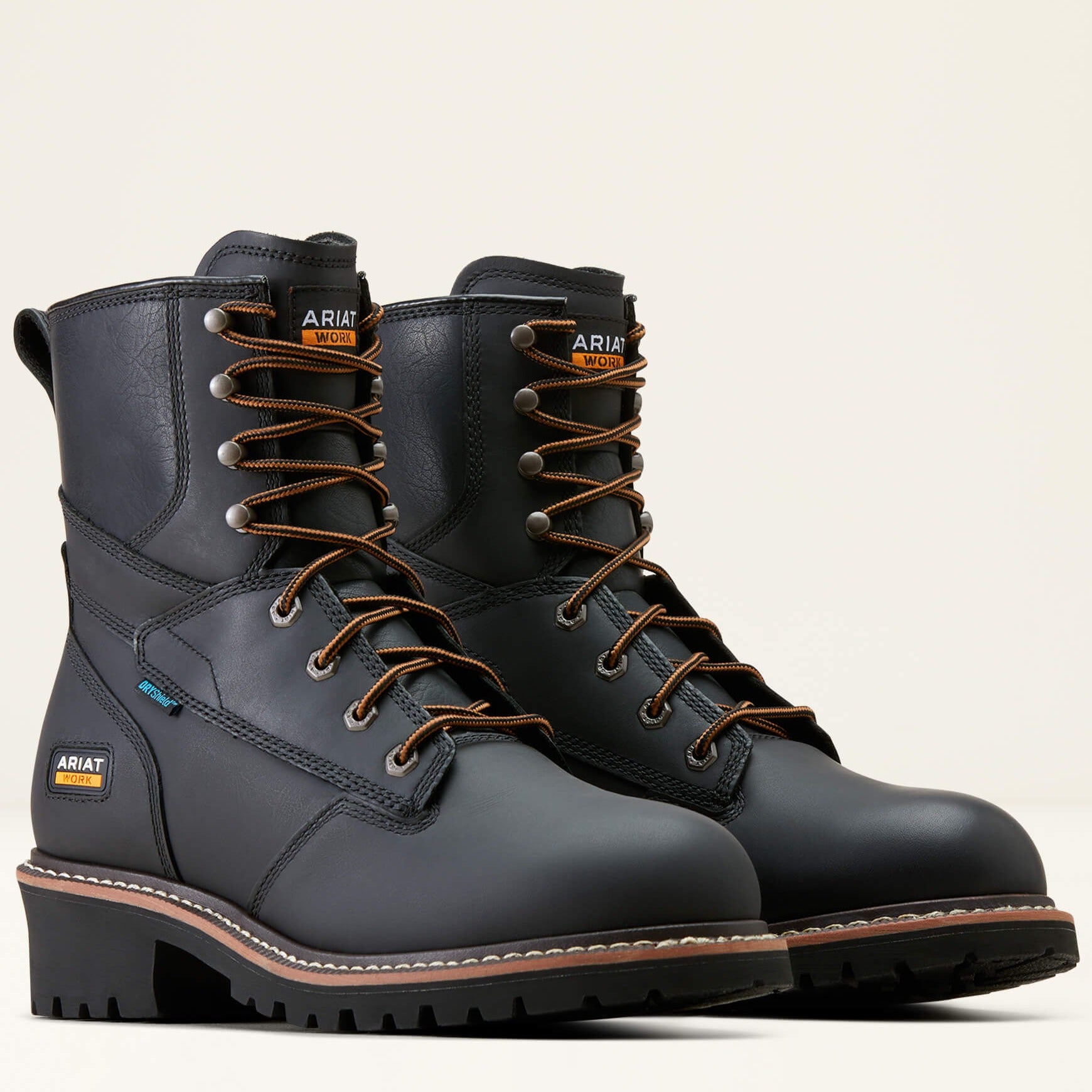
Ariat Men's Endeavor 6" Waterproof Soft Toe Work Boot - Brown - 10031659

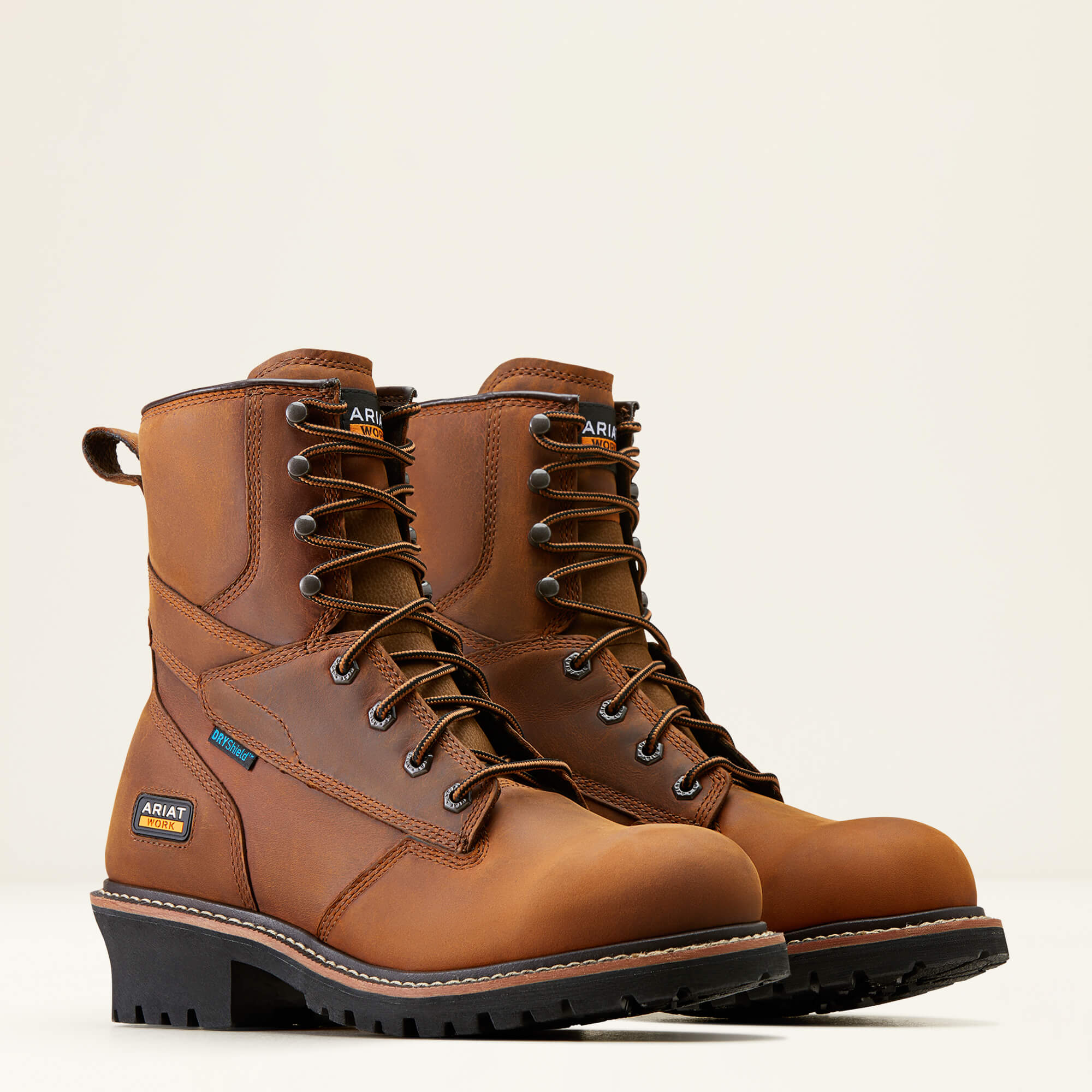
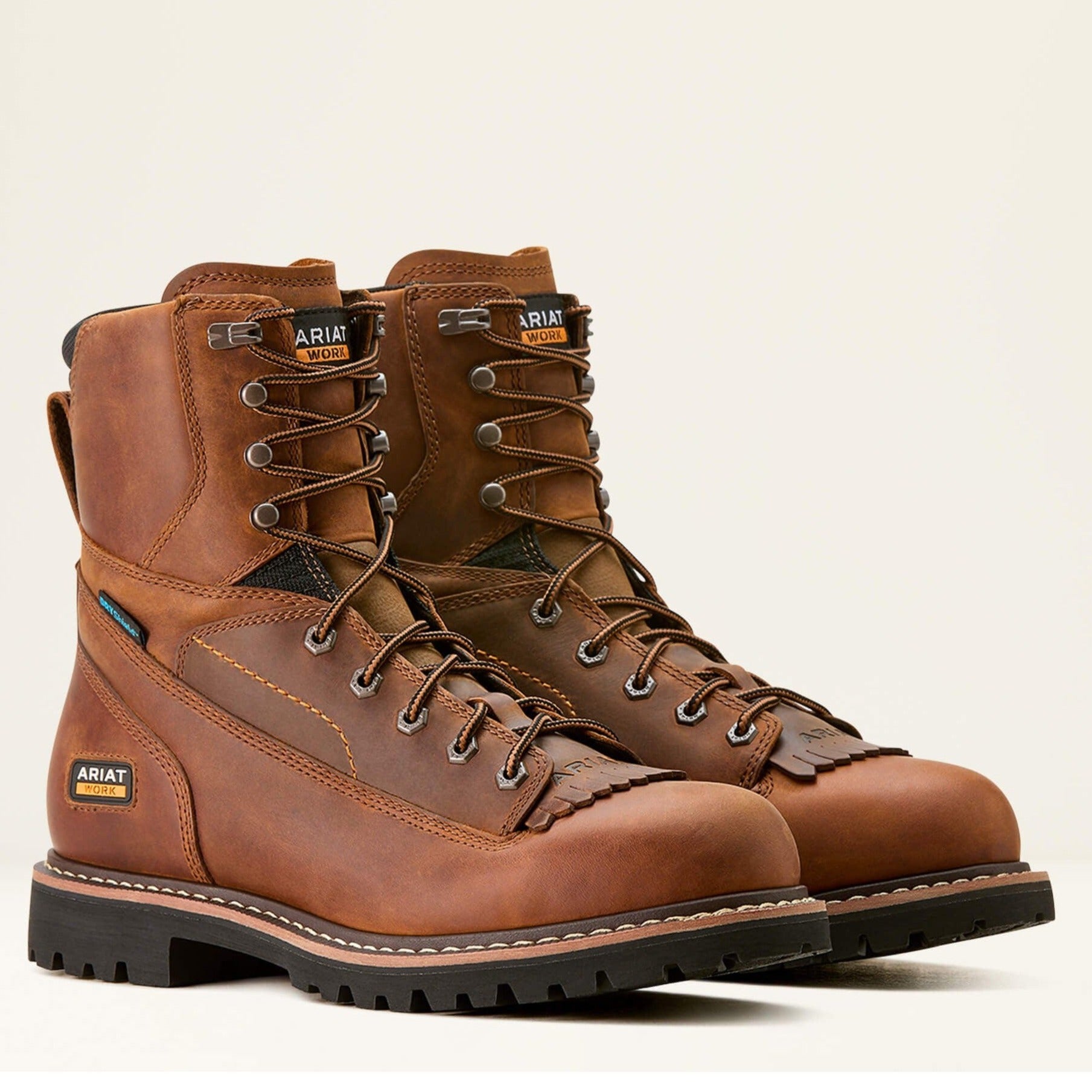
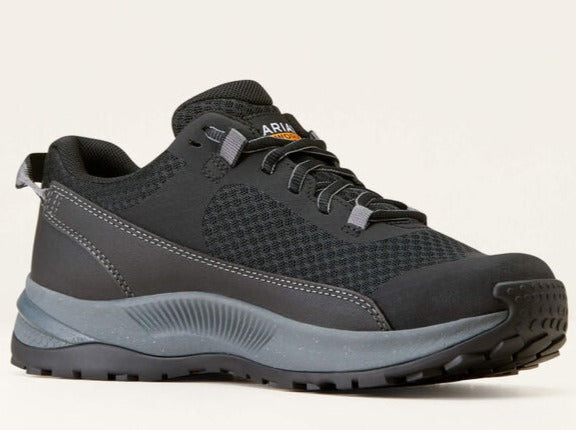
Sale price$119.95
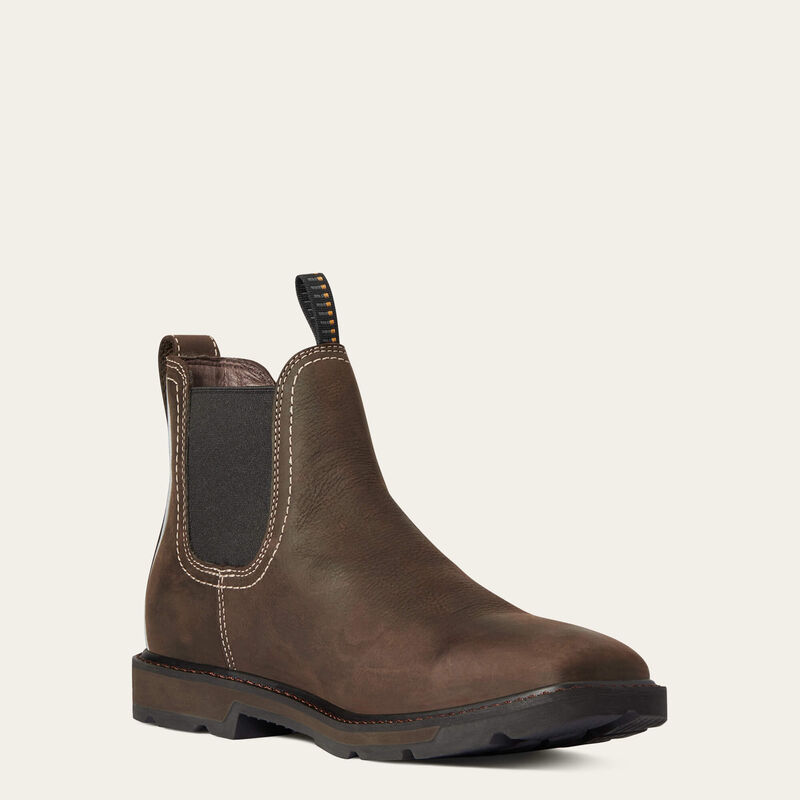
Ariat Men's Outpace Shift Slip Resistant Work Shoe -Black- 10047027
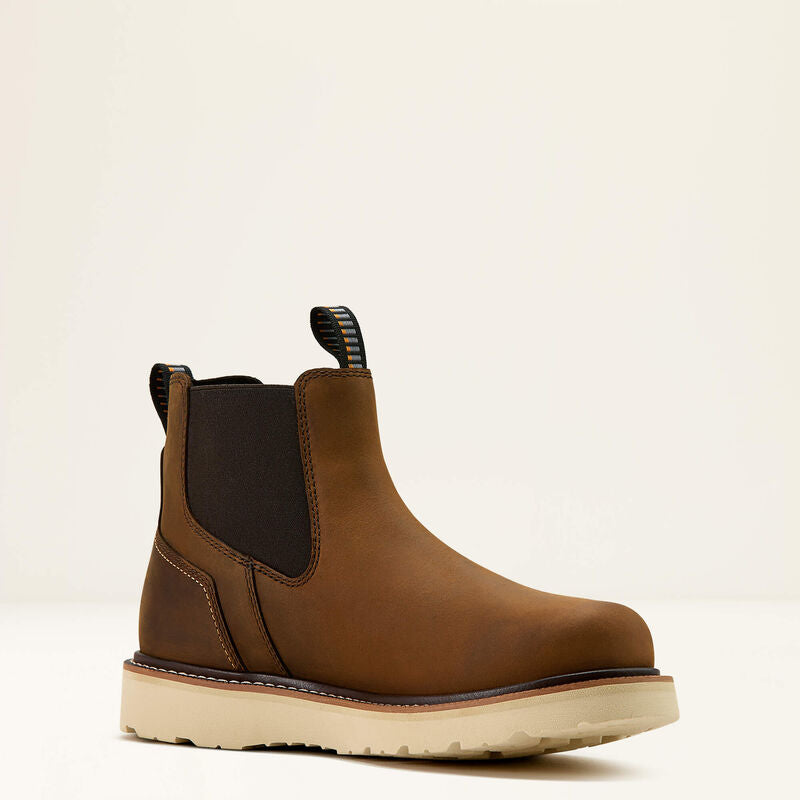
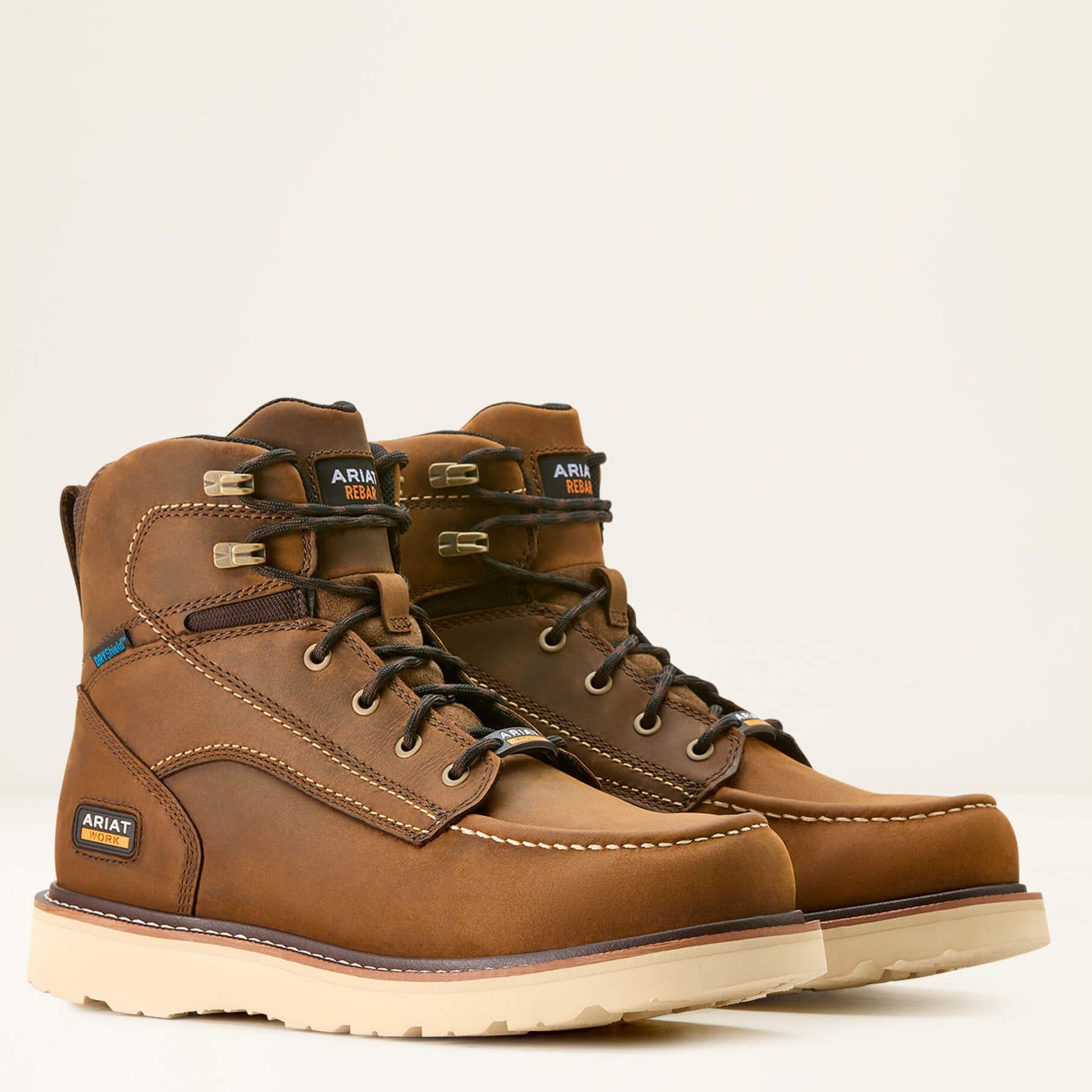
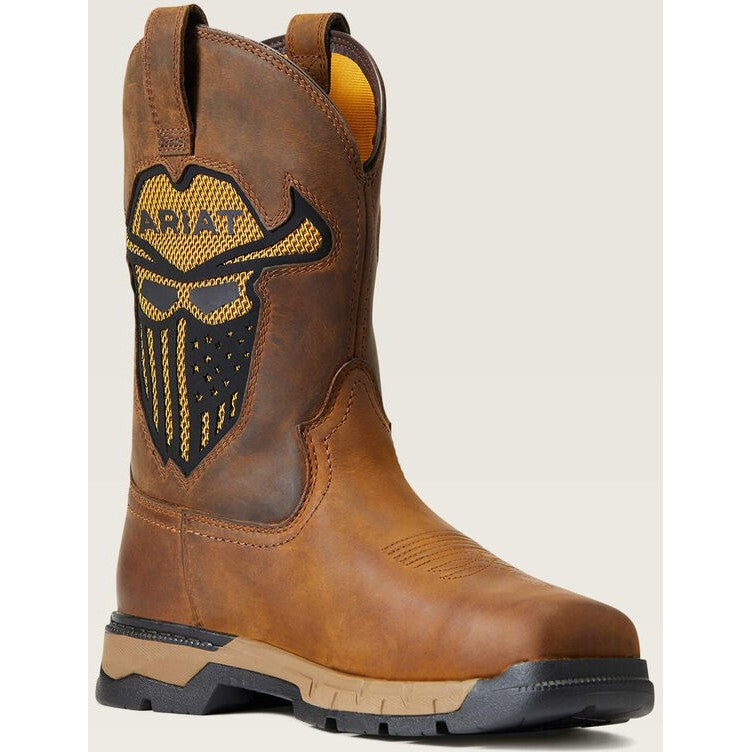
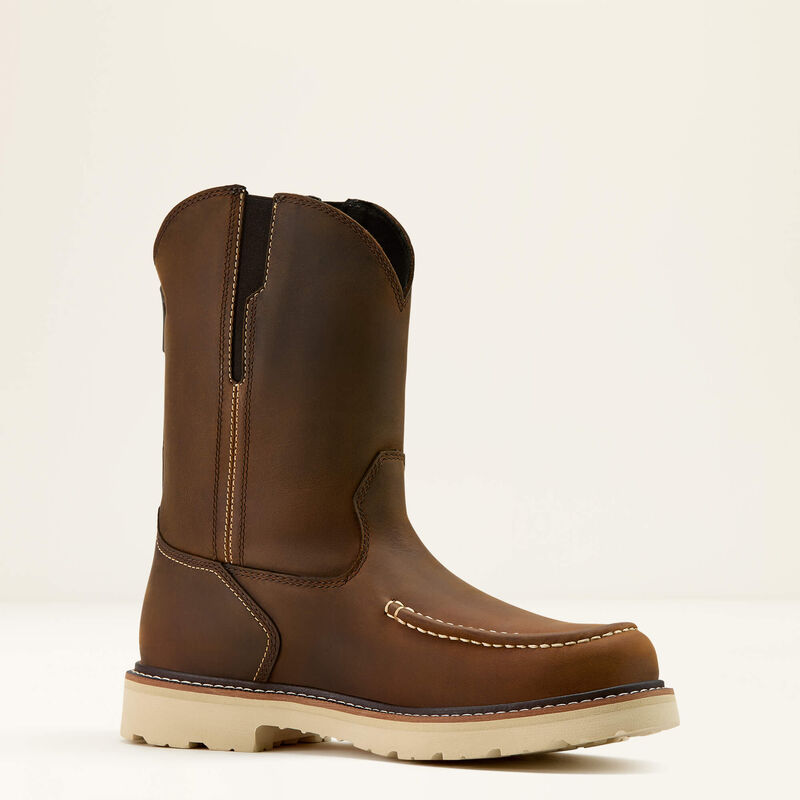
Frequently Asked Questions
Non-steel-toe work boots are work boots built without a steel toe cap. The boots on this page are soft toe, which means they have no protective toe cap at all, so they run lighter and flex more easily than a boot with a metal cap. Buyers pick them for comfort and mobility on jobs that carry no crush or rolling hazard at the foot. If your job needs a rated safety toe but not the metal, that is a composite toe, which is a different build covered in the next question.
The difference between soft toe and composite toe boots is the toe cap. A soft toe has none, while a composite toe has a non-metallic protective cap made from materials such as fiberglass, carbon fiber, or other reinforced compounds. A composite toe adds impact and compression protection that meets the same ASTM F2413 safety rating as steel, without the metal, so it stays non-conductive. The cap itself will not trip a metal detector, though the shank and eyelets can still be metal, so check those too if a fully metal-free boot matters for your job. Every boot on this page is a soft toe, so if you need a rated safety toe without steel, see the composite toe boots collection.
You need a safety toe only if your work carries an impact, crush, or rolling hazard at the foot, or your employer or site requires one. If none of those apply, a soft toe boot is enough and more comfortable over a long shift. If your job does carry those hazards, you will want a safety toe from the broader work boots range instead.
Non-safety-toe work boots are OSHA compliant for any job where protective-toe footwear is not required. OSHA requires protective footwear where there is a danger of foot injury from falling or rolling objects, objects piercing the sole, or certain electrical hazards, so a soft-toe boot may be acceptable only where your employer or site does not require protective-toe footwear. Your employer's own policy is the other thing to check, since a site can require more than OSHA does. When a safety toe is required, a soft toe will not satisfy it, and you will need a composite or steel toe.
Yes, soft toe work boots can have the same slip-resistant outsoles as their safety-toe counterparts, because traction comes from the sole, not the toe cap. Most boots in this collection are slip-resistant, and many also carry an electrical hazard (EH) rating, which protects against accidental contact with a live circuit rather than certifying work directly on energized equipment. Removing the steel changes the front of the boot, not the tread underfoot. Check the individual product for its exact slip and EH ratings, since not every model carries both.
Many of the boots on this page are waterproof, built with either a waterproof membrane or treated full-grain leather that keeps standing water and wet ground out. Waterproofing is a function of the upper and the liner, not the toe, so you can choose a soft-toe boot and still get waterproof protection when the model includes it. Ariat and Carhartt make several waterproof soft-toe models in this collection. You can filter the full waterproof work boots range if that is your main requirement.
Yes, the boots here come in both pull-on and lace-up styles. Pull-on styles, including western and wellington shapes, go on and off fast, and without laces or eyelets, there is nowhere at the front of the foot for mud or debris to catch. Lace-up styles let you dial in the fit around the instep and ankle, which matters on uneven ground or if you have a narrow heel. Height runs from low work shoes to taller pull-ons, so the pick comes down to comfort and how much ankle support you want.
Yes, part of this collection is made in women's sizes, though most of the models are men's. Women's soft toe work boots are typically cut on a women's last rather than sized down from a men's boot, so the fit through the heel and instep is different. If you are shopping specifically for a women's fit, the women's soft toe work boots collection narrows straight to those models. Otherwise, check each product page for the sizes it is offered in.
Soft toe boots are often more comfortable than safety-toe boots for standing on concrete all day, because there is no rigid cap pressing on your toes and the front of the boot flexes with your foot. Comfort on hard floors comes mostly from cushioning and support, so look for a supportive footbed, a shock-absorbing midsole, and enough arch support for your foot. Many boots here are also built light, which cuts leg fatigue over a ten- or twelve-hour shift. If you are on concrete every day, plan to swap the stock insole for a firmer aftermarket footbed once the original one packs out.
Boots without a steel toe suit low-hazard trades where comfort and flexibility matter more than a protective cap. That covers many roles, from warehouse pick-and-pack and delivery to farming, roofing, stockroom work, and some electrical or utility jobs where site policy allows a soft toe. Some electrical workers prefer less metal in the boot for weight, cold-transfer comfort, or metal-detector convenience, while still checking the product page for any required EH rating. For heavier-hazard work like ironwork with dropped loads, you will want a safety toe instead.
Recently viewed
Our Top Brands