Sale price$24.95
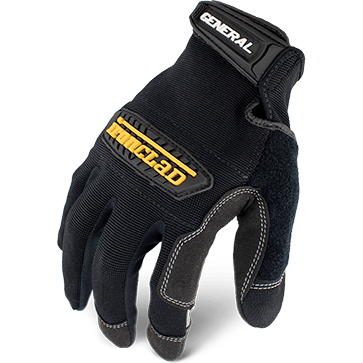
Ironclad General Utility Work Gloves - Black - GUG
Sale price$29.95
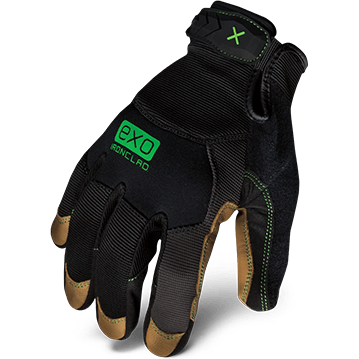
Ironclad EXO Modern Leather Work Gloves - EXO-MOL
Sale price$131.88
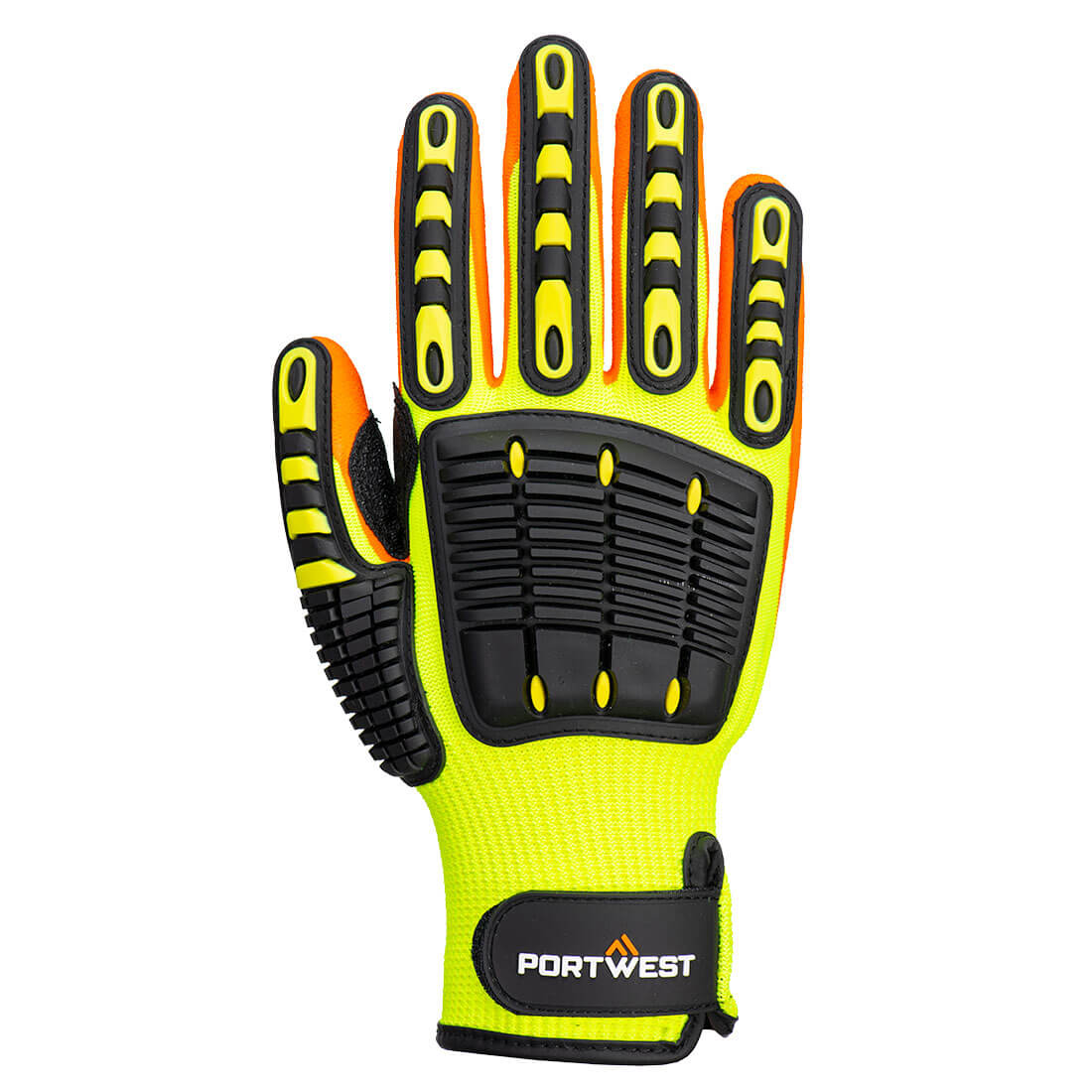
Portwest Anti Impact Grip Glove - 12 Pack - A721
Sale price$120.00
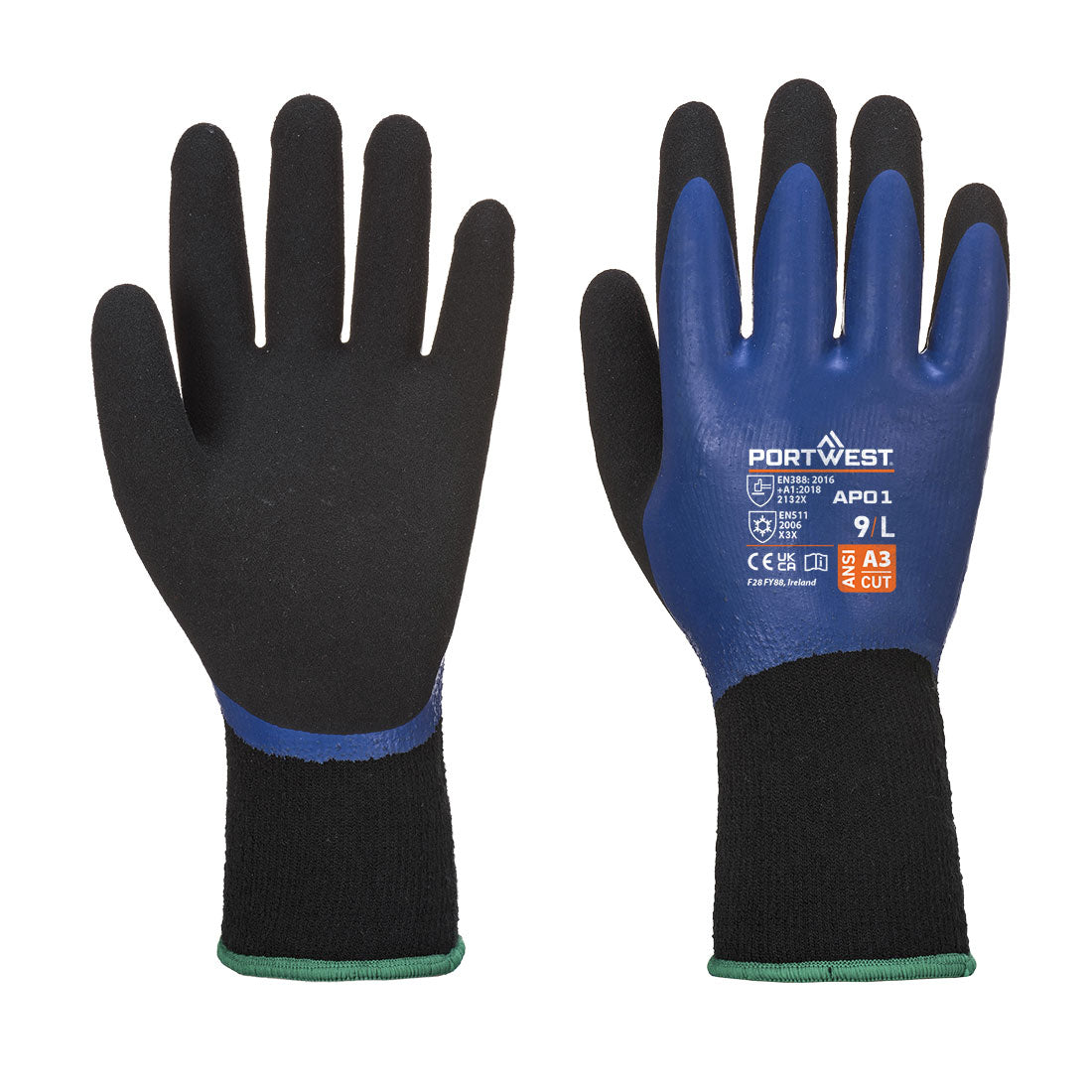
Portwest Cold 13 Latex Aqua Glove - Blue/Black - 12 Pack - AP01
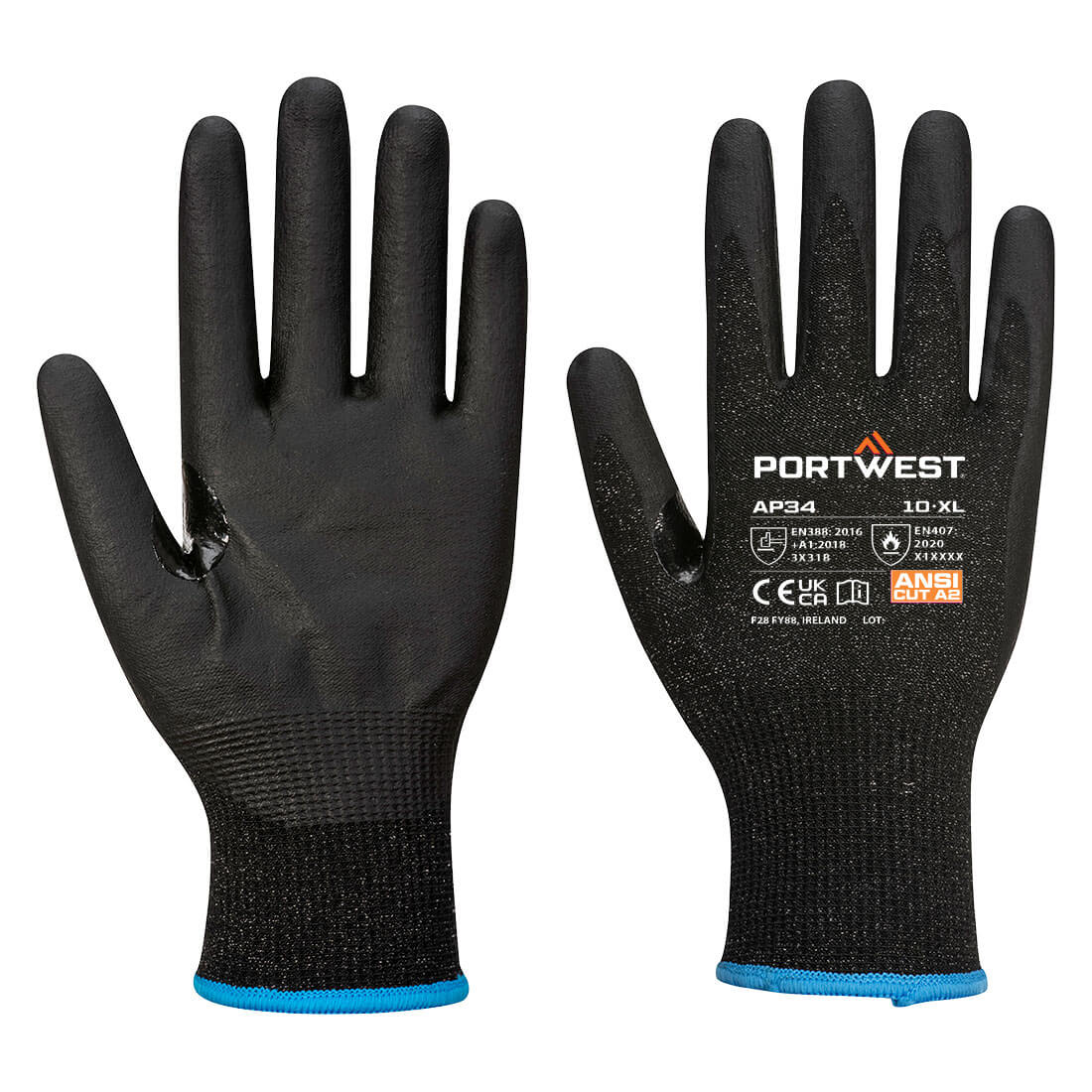
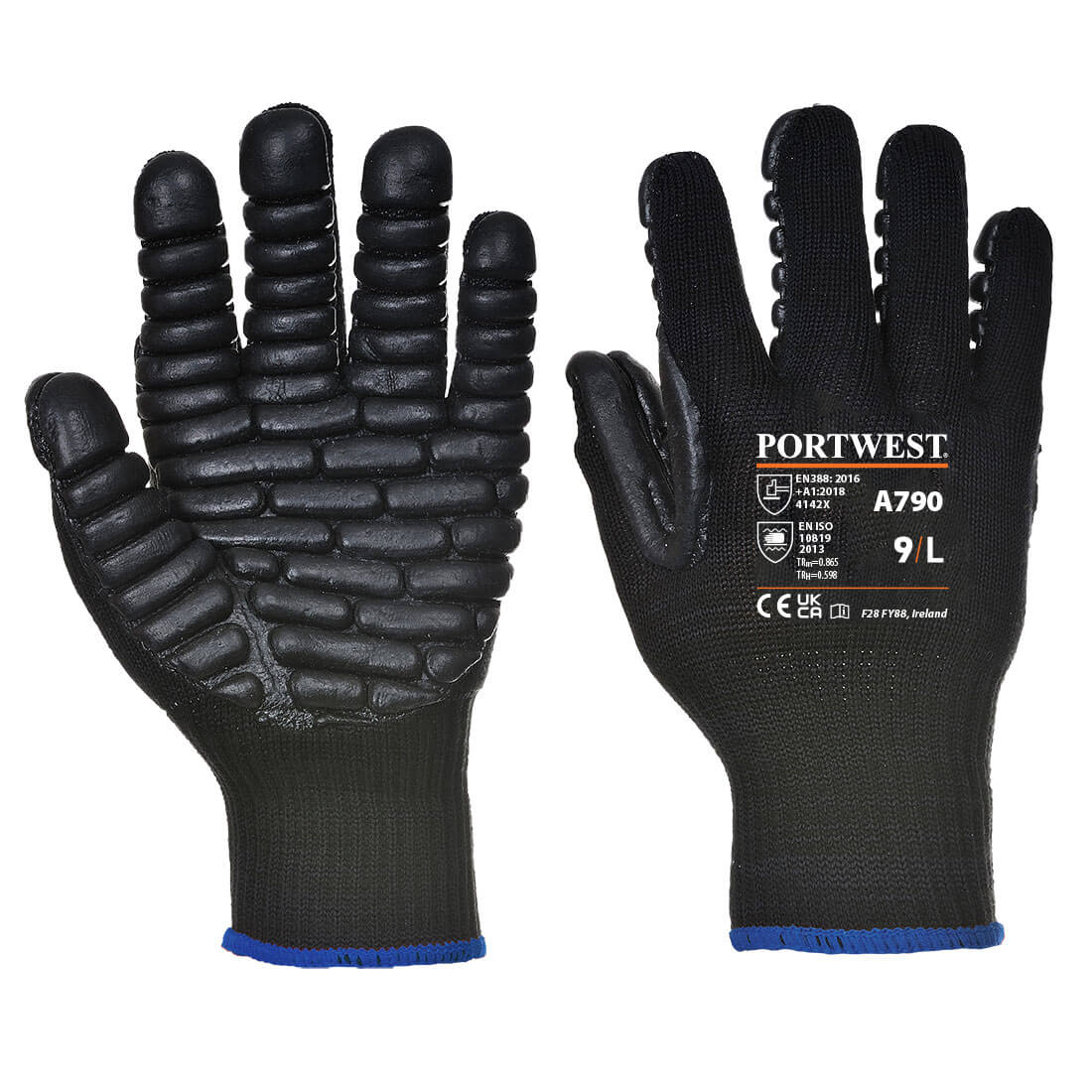
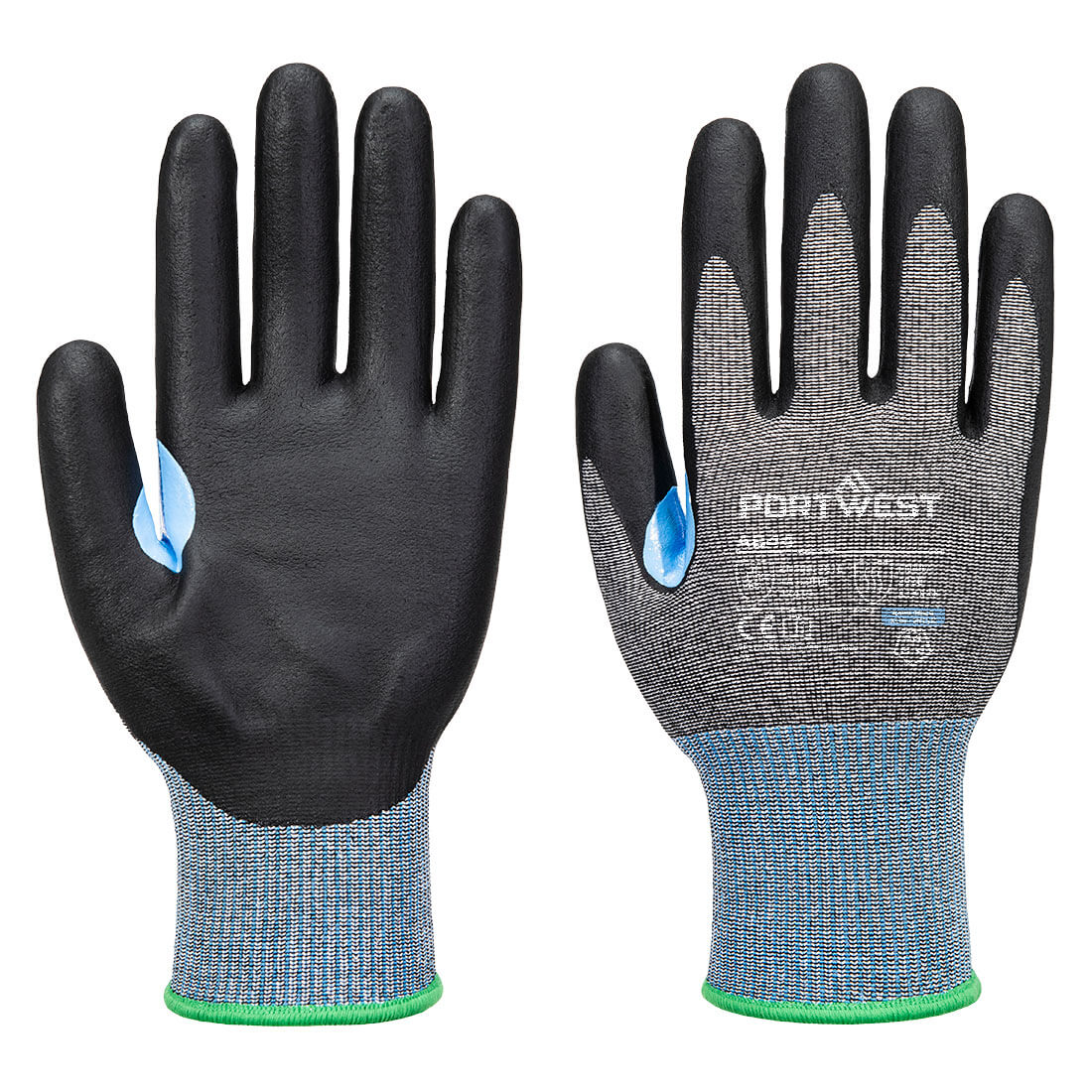
Sale price$72.00
Portwest CS Cut D15 Nitrile Glove A4 - Gray/Black - 12 Pack - A644
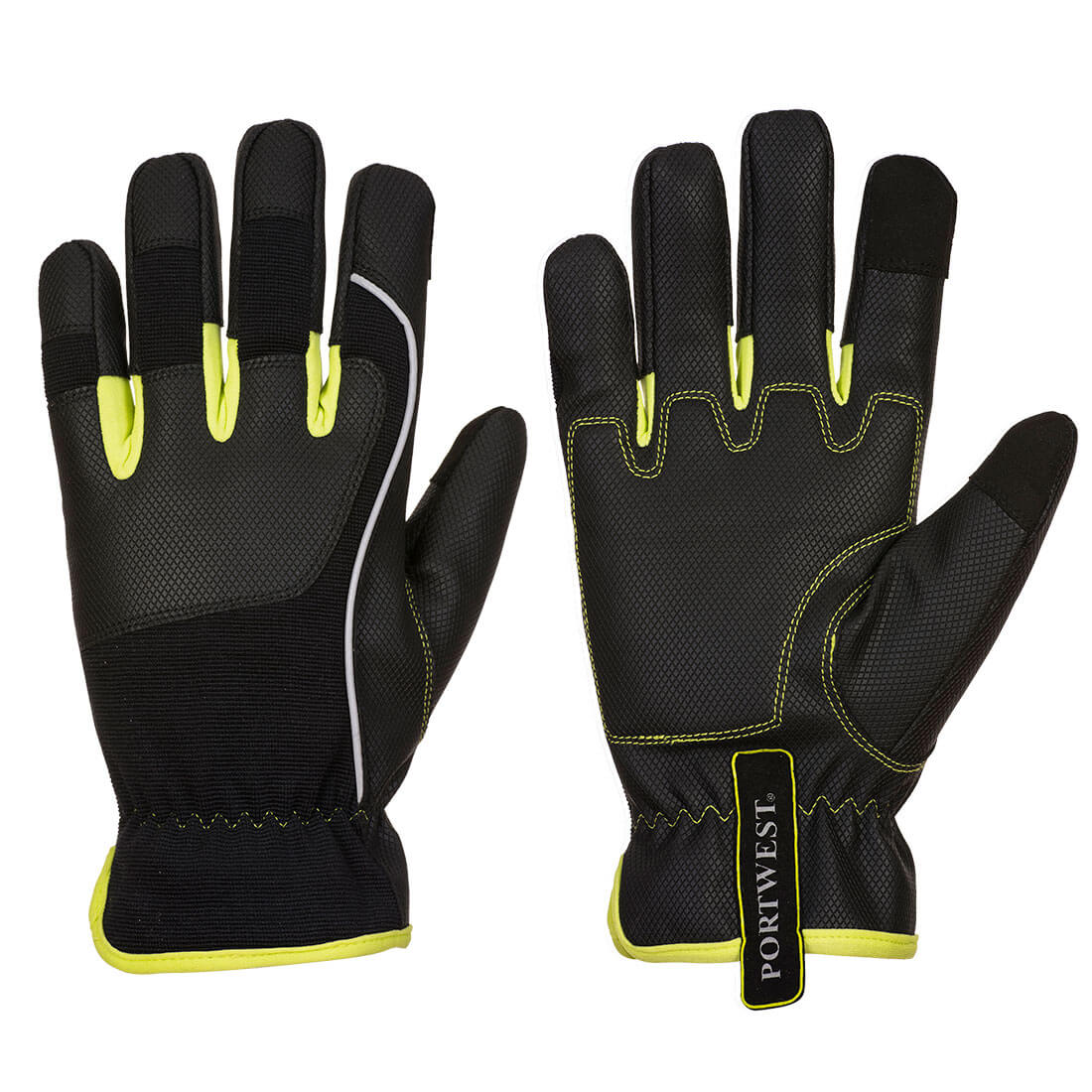
Sale price$96.00
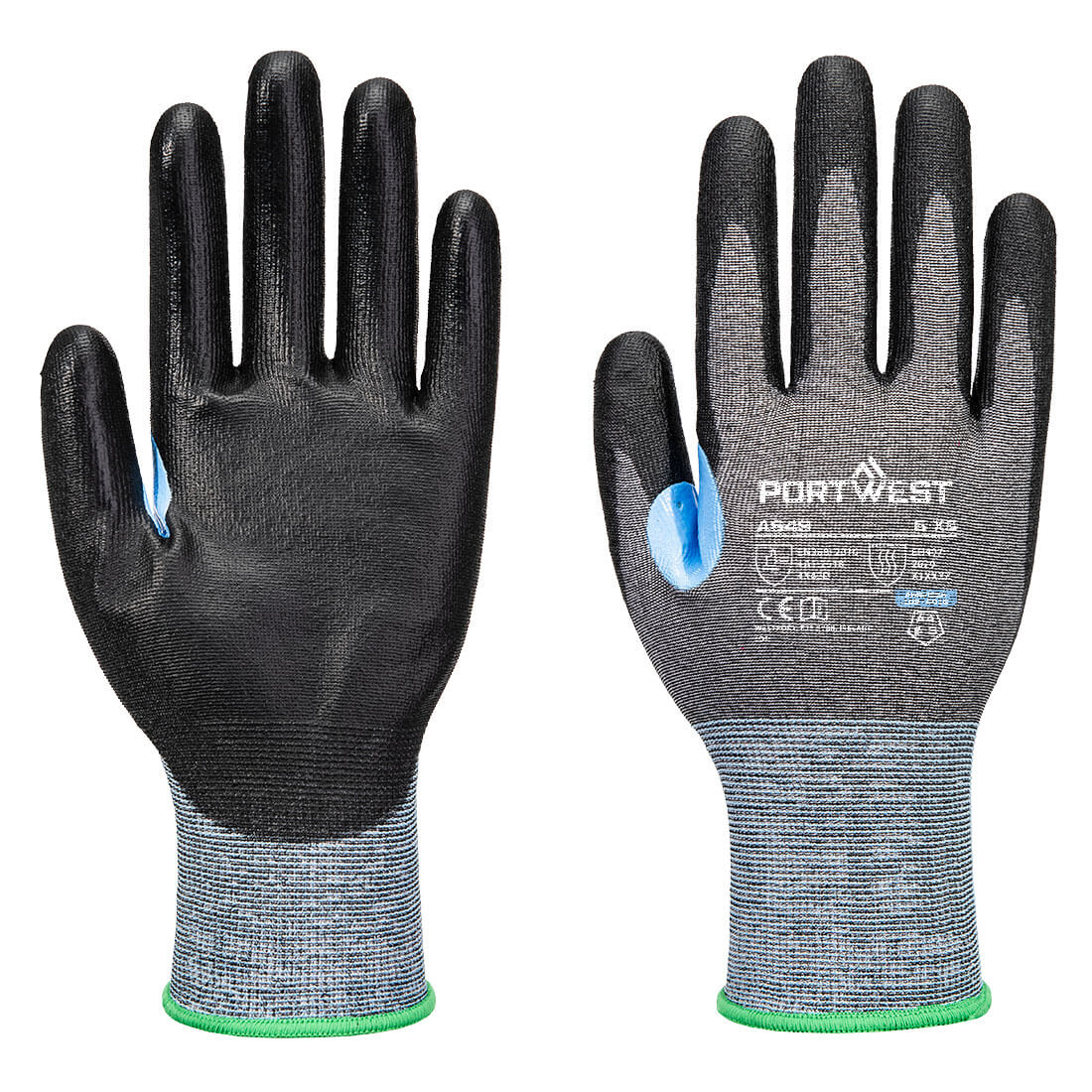
Portwest CS Cut D21 PU Glove A4 - Gray/Black - 12 Pack - A649
Sale price$168.00
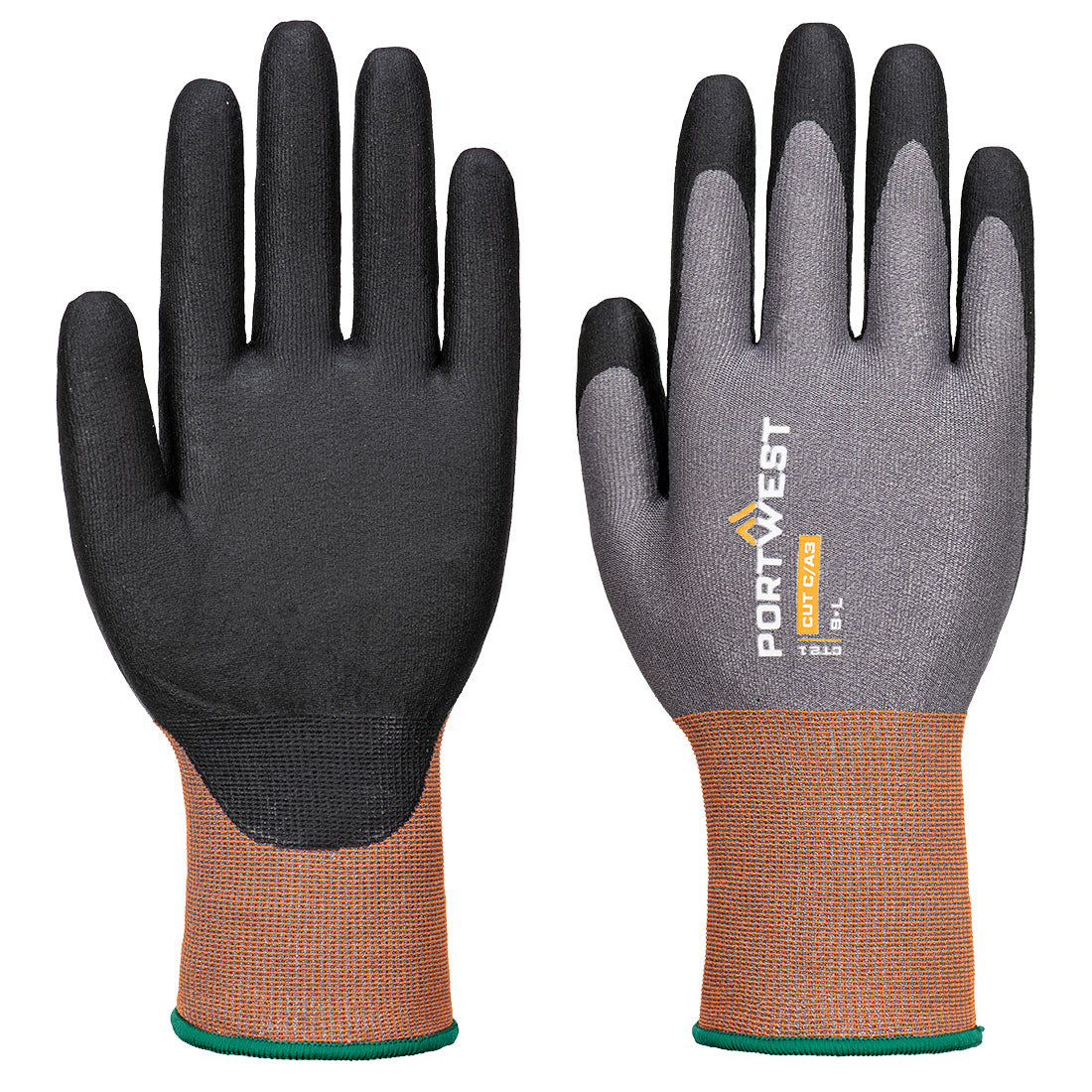
Portwest CT Cut C21 Nitrile Glove A3 - Gray/Black - 12 Pack - CT21
Sale price$96.00
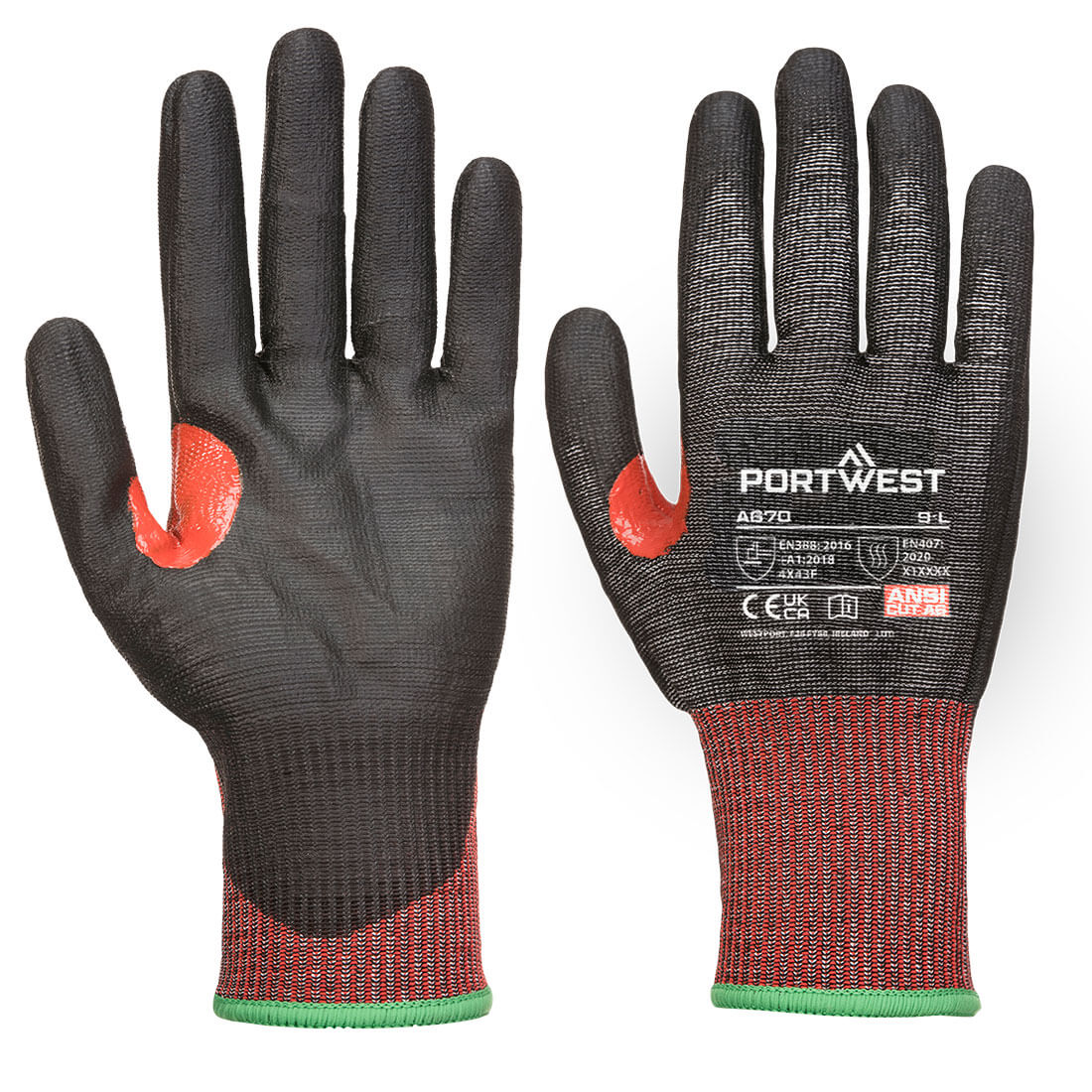
Portwest CS Cut F13 PU Glove A6 - Black - 12 Pack - A670
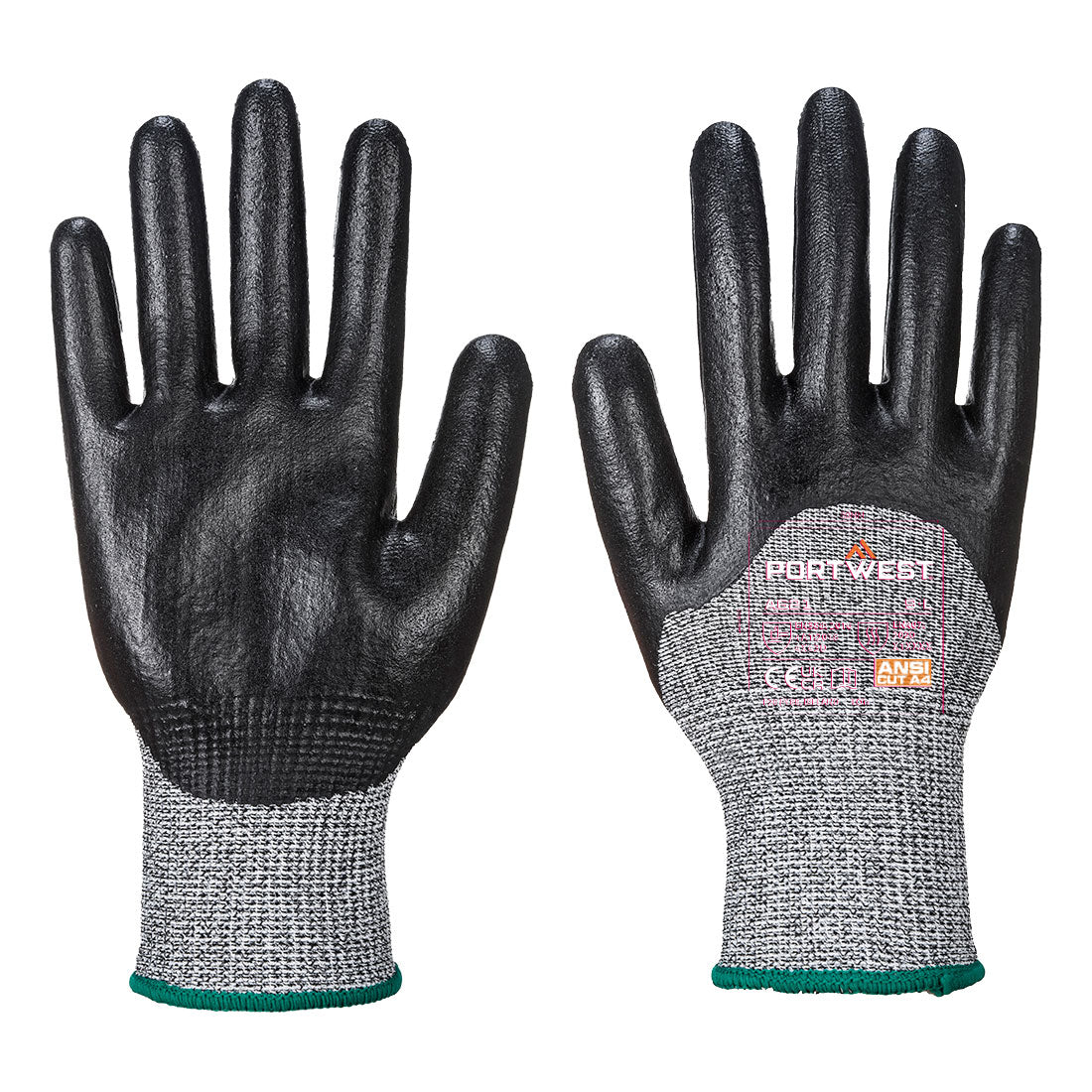
Sale price$83.88
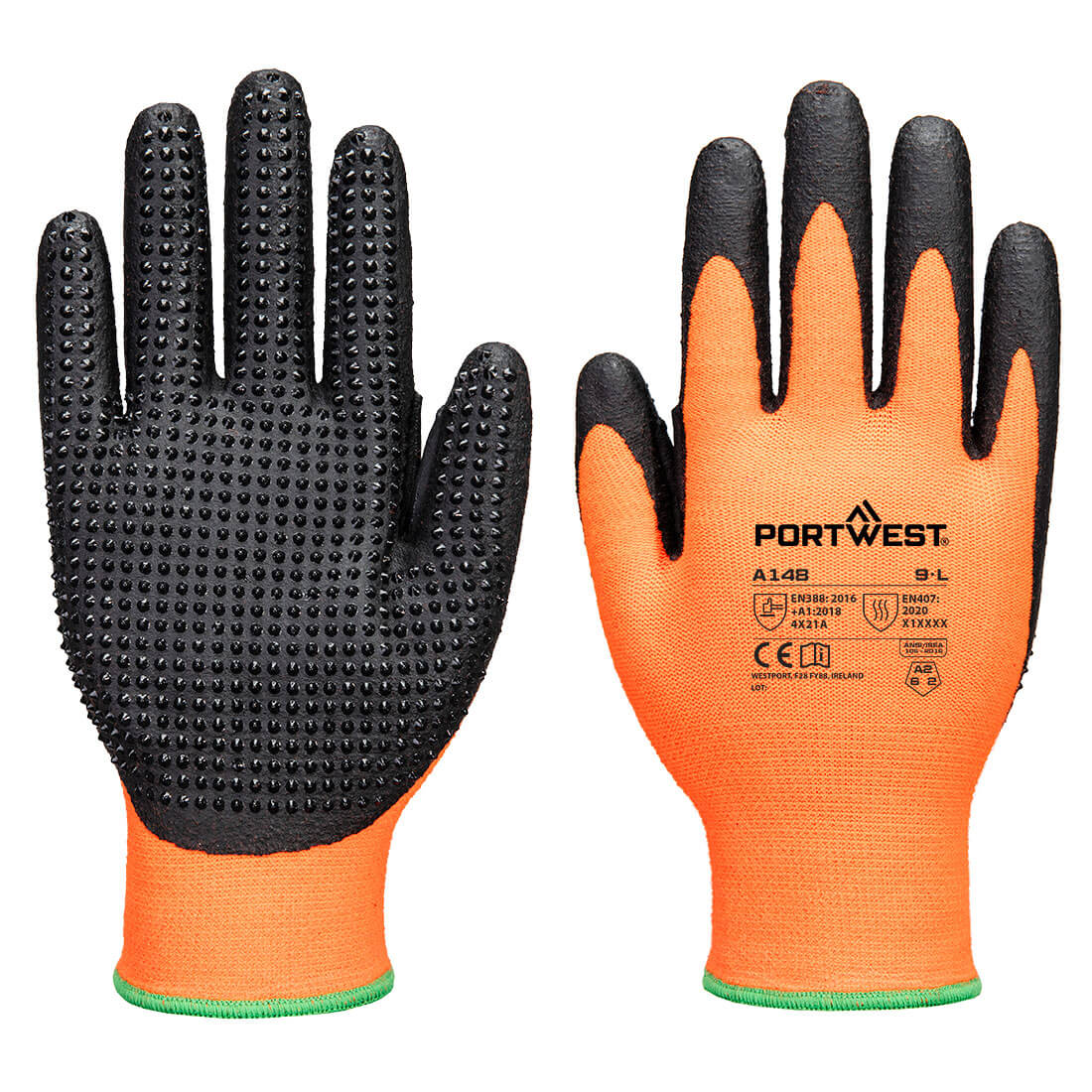
Portwest Cut D13 3/4 Nitrile Foam Glove A4 - Black - 12 Pack - A621
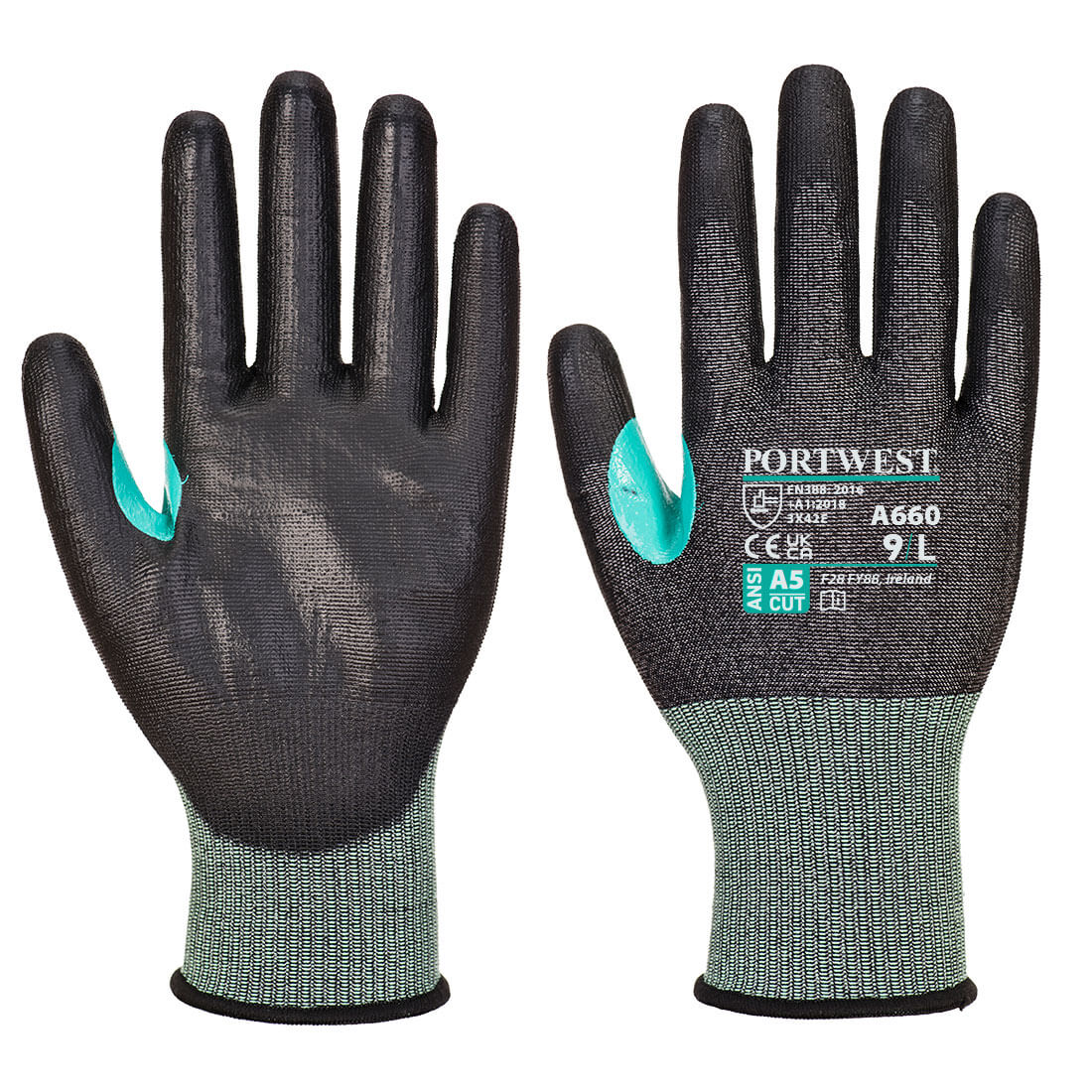
Sale price$108.00
Portwest CS Cut E18 PU Glove A5 - Black - 12 Pack - A660
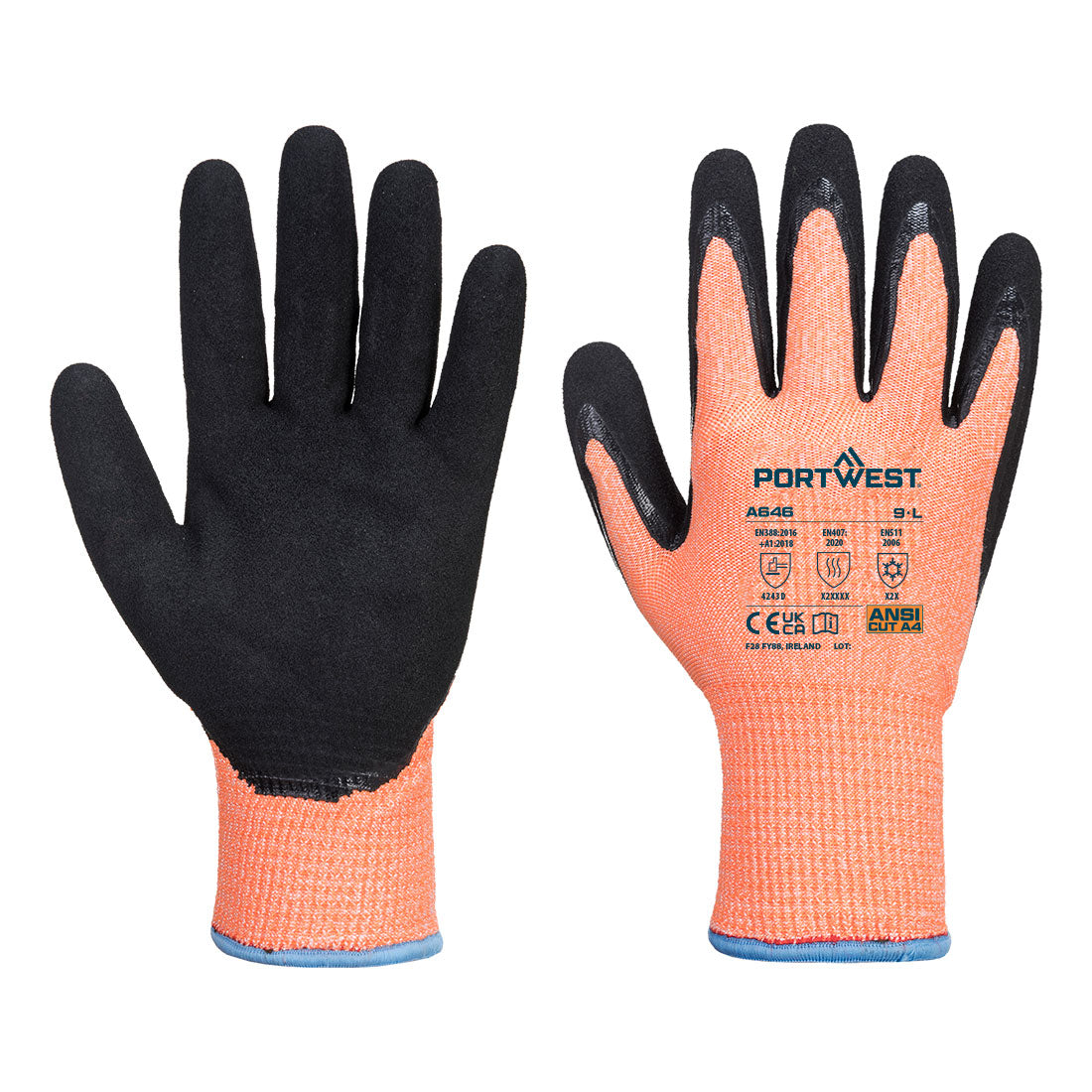
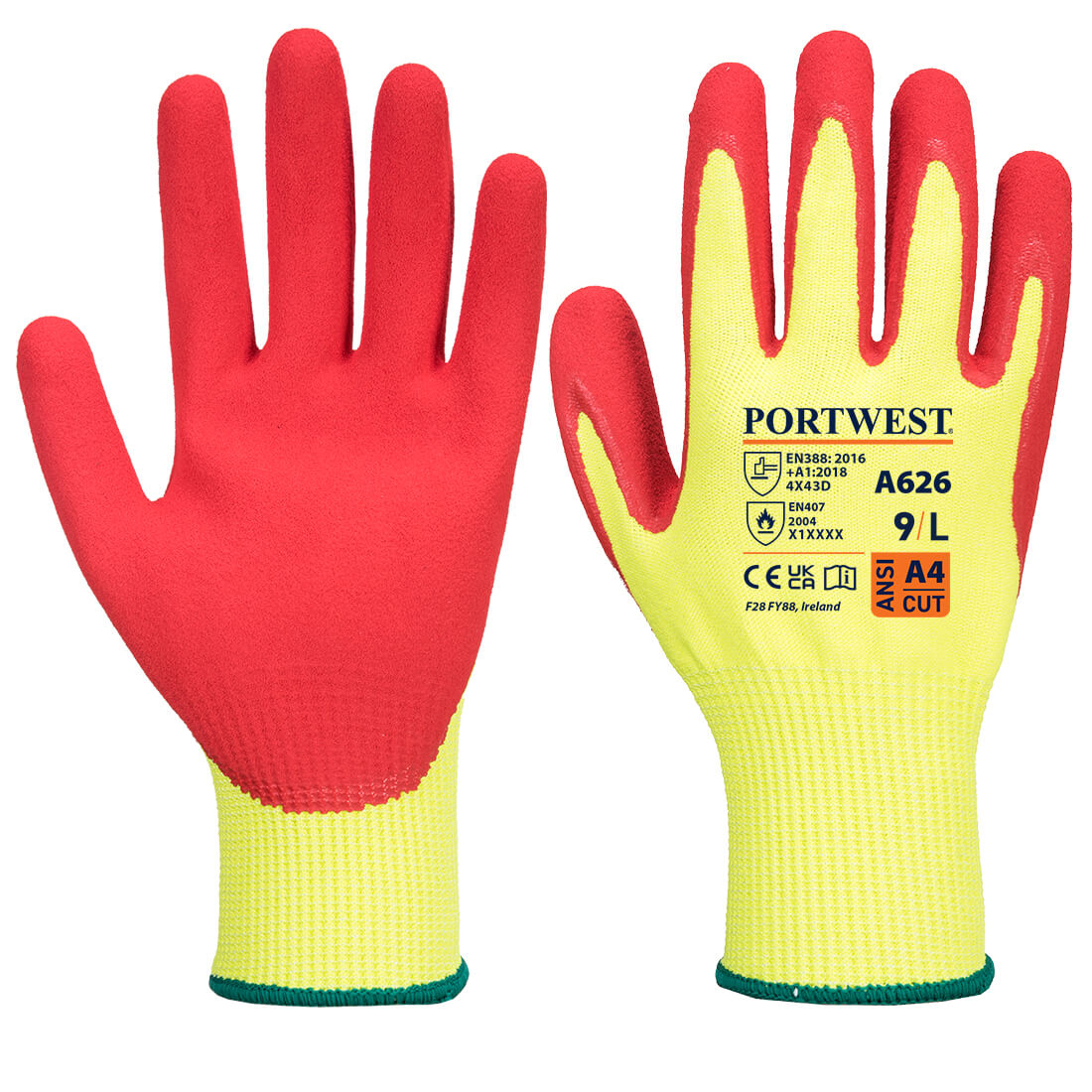
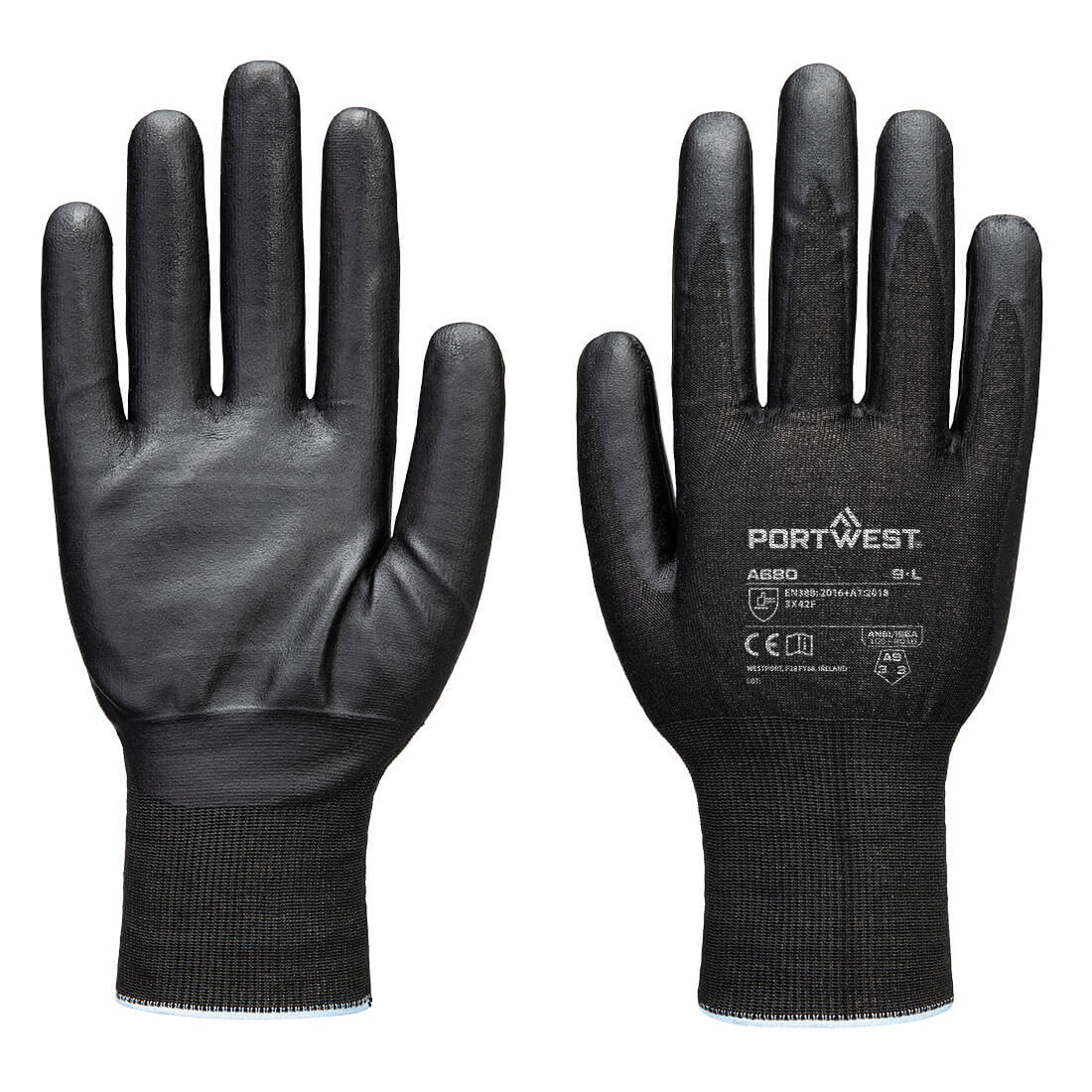
Sale price$216.00
Portwest Cut F21 Nitrile Tungsten A9 Glove - Black - 12 Pack - A680
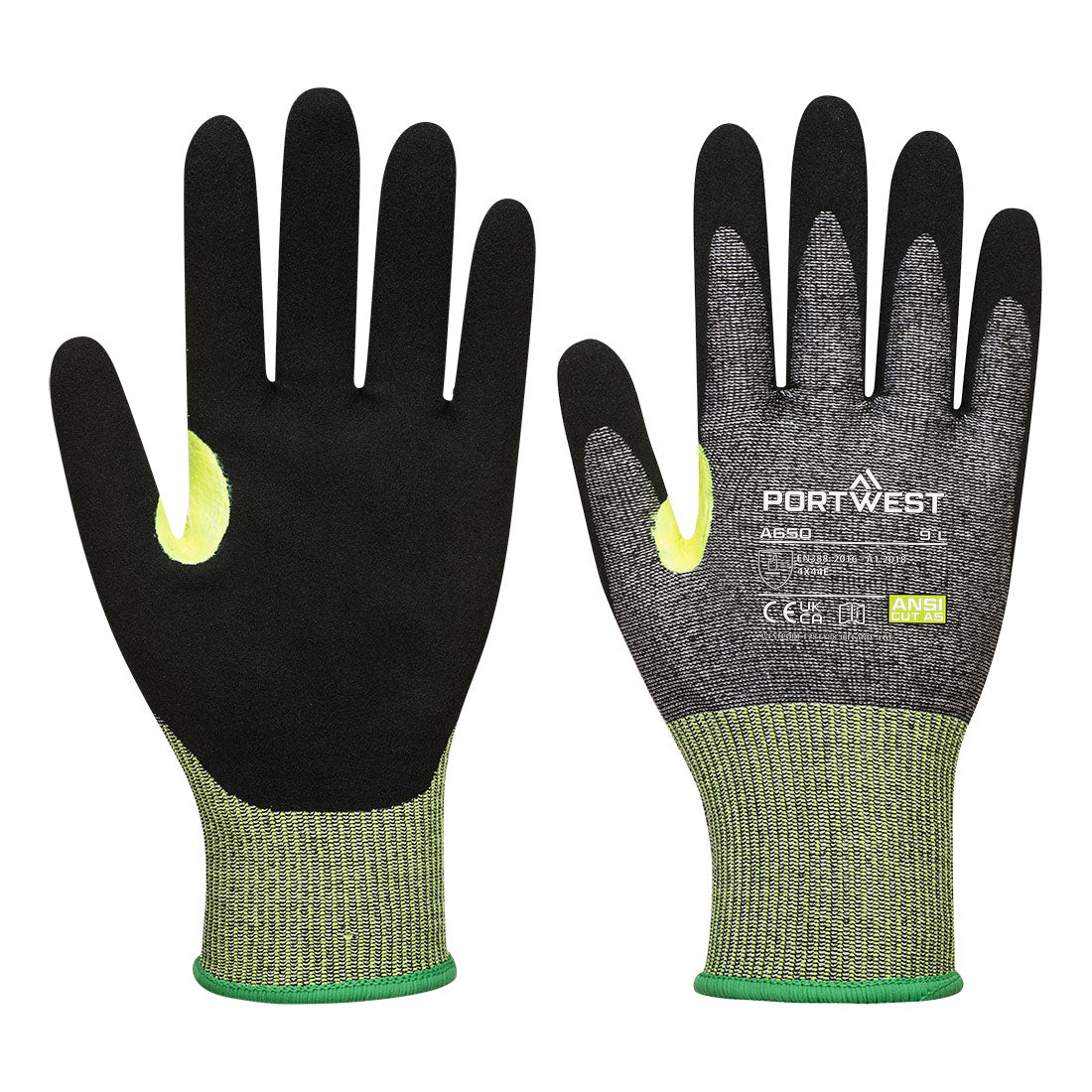
Sale price$120.00
Portwest CS Cut E15 Nitrile Glove A5 - Gray/Black - 12 Pack - A650
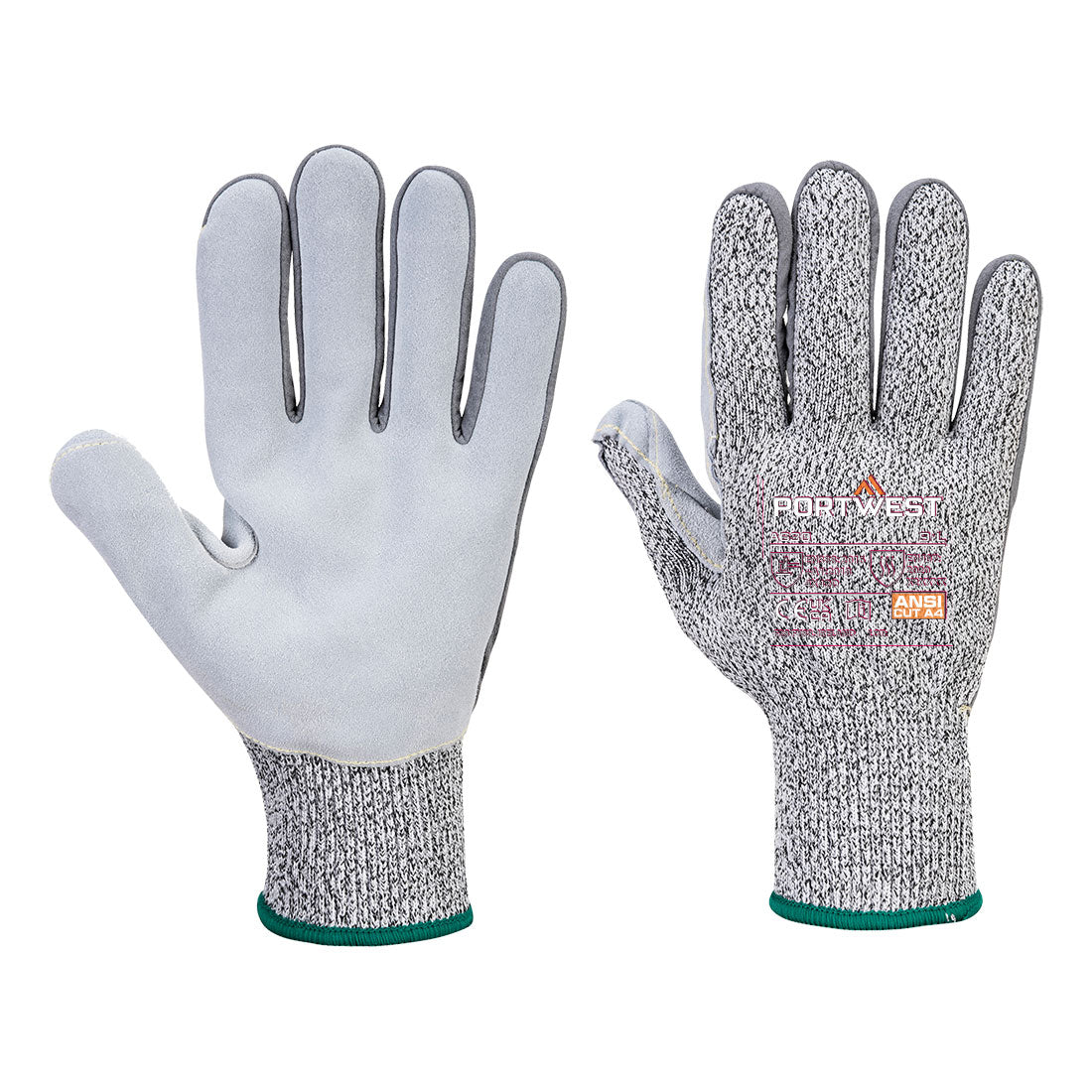
Sale price$143.88
Portwest Cut D13 Leather Palm Glove A4 - Gray - 12 Pack - A630
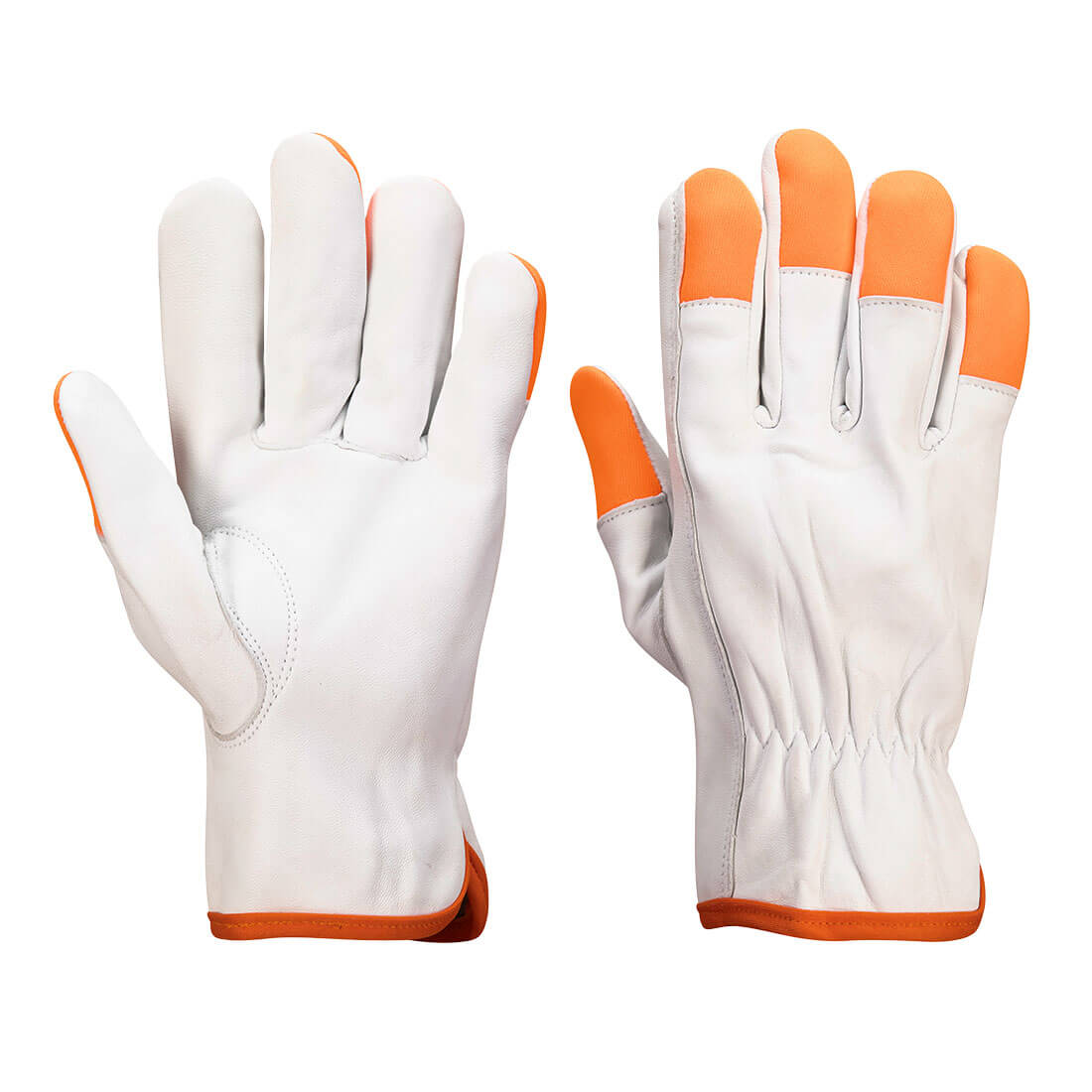
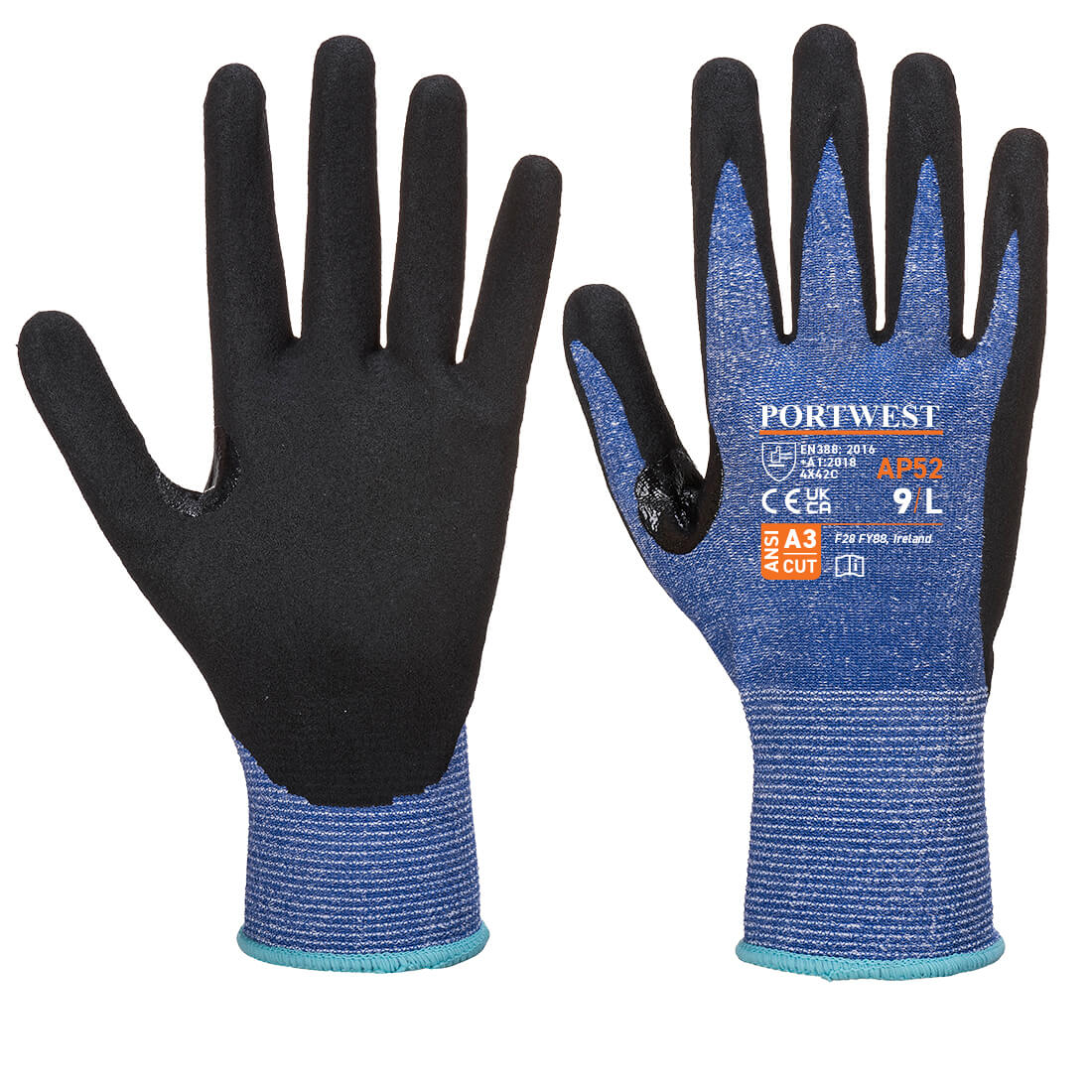
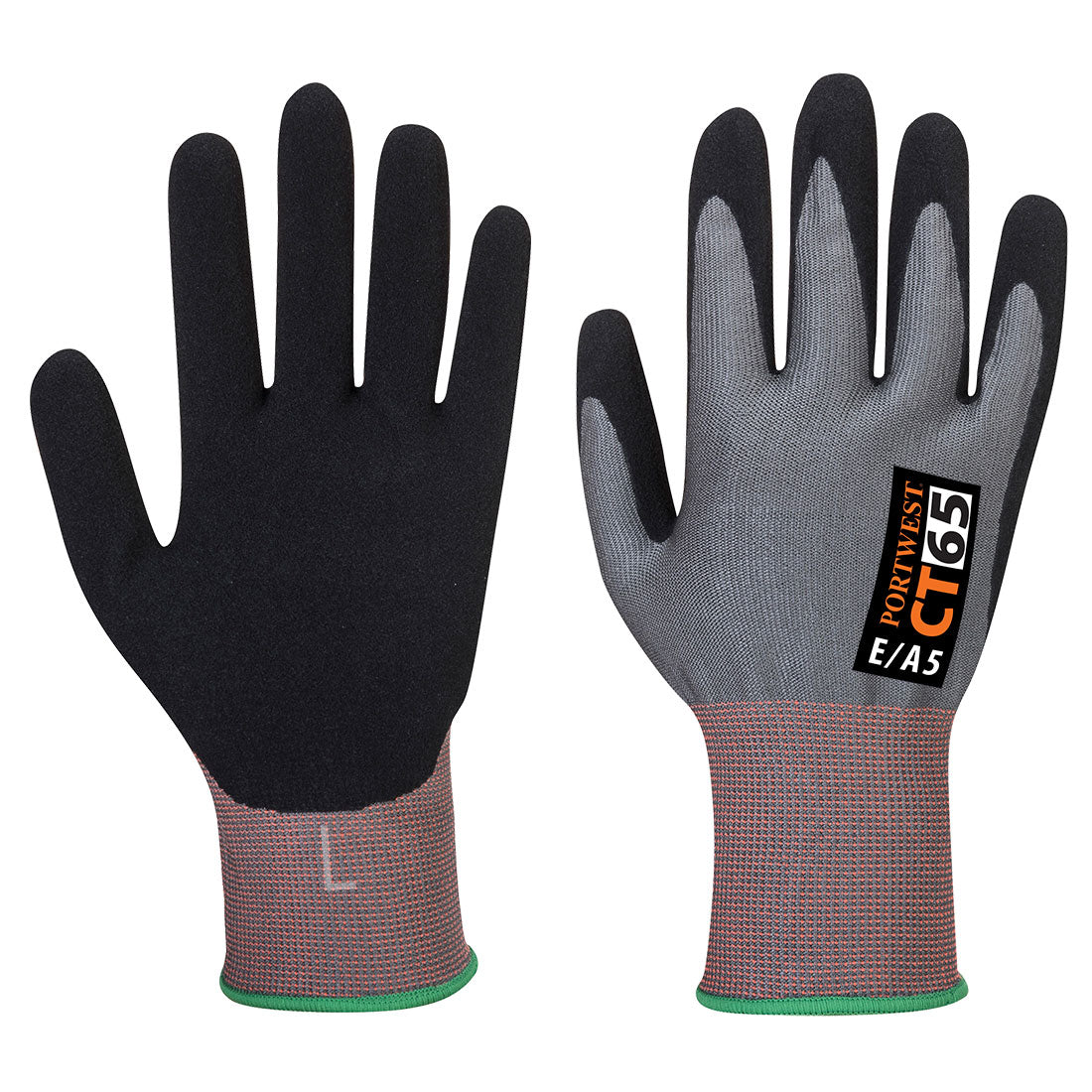
Sale price$156.00
Portwest CT Cut E15 Nitrile Glove A5 - Gray/Black - 12 Pack - CT65
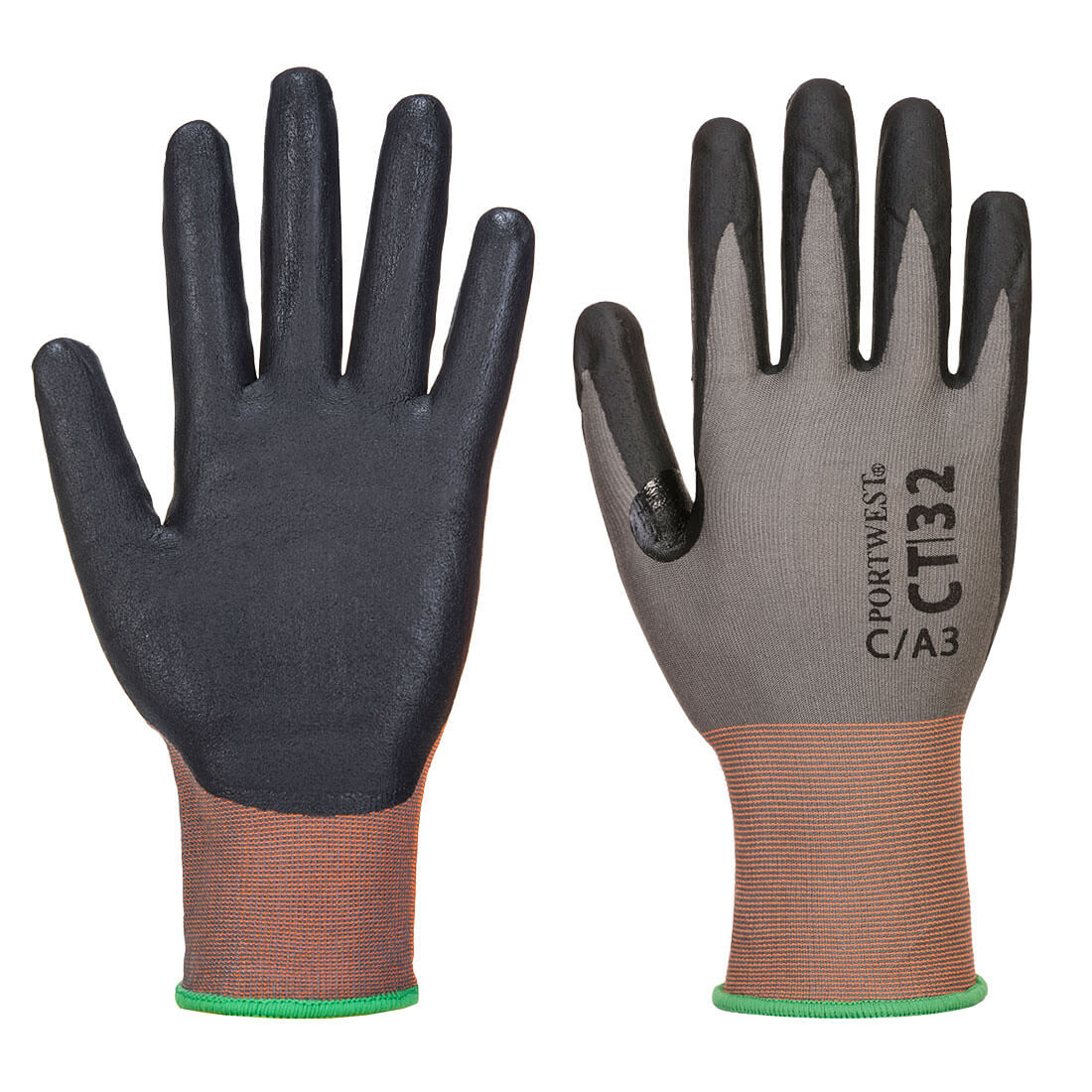
Sale price$168.00
Portwest CT Cut C18 Nitrile Glove A3 - Gray/Black - 12 Pack - CT32
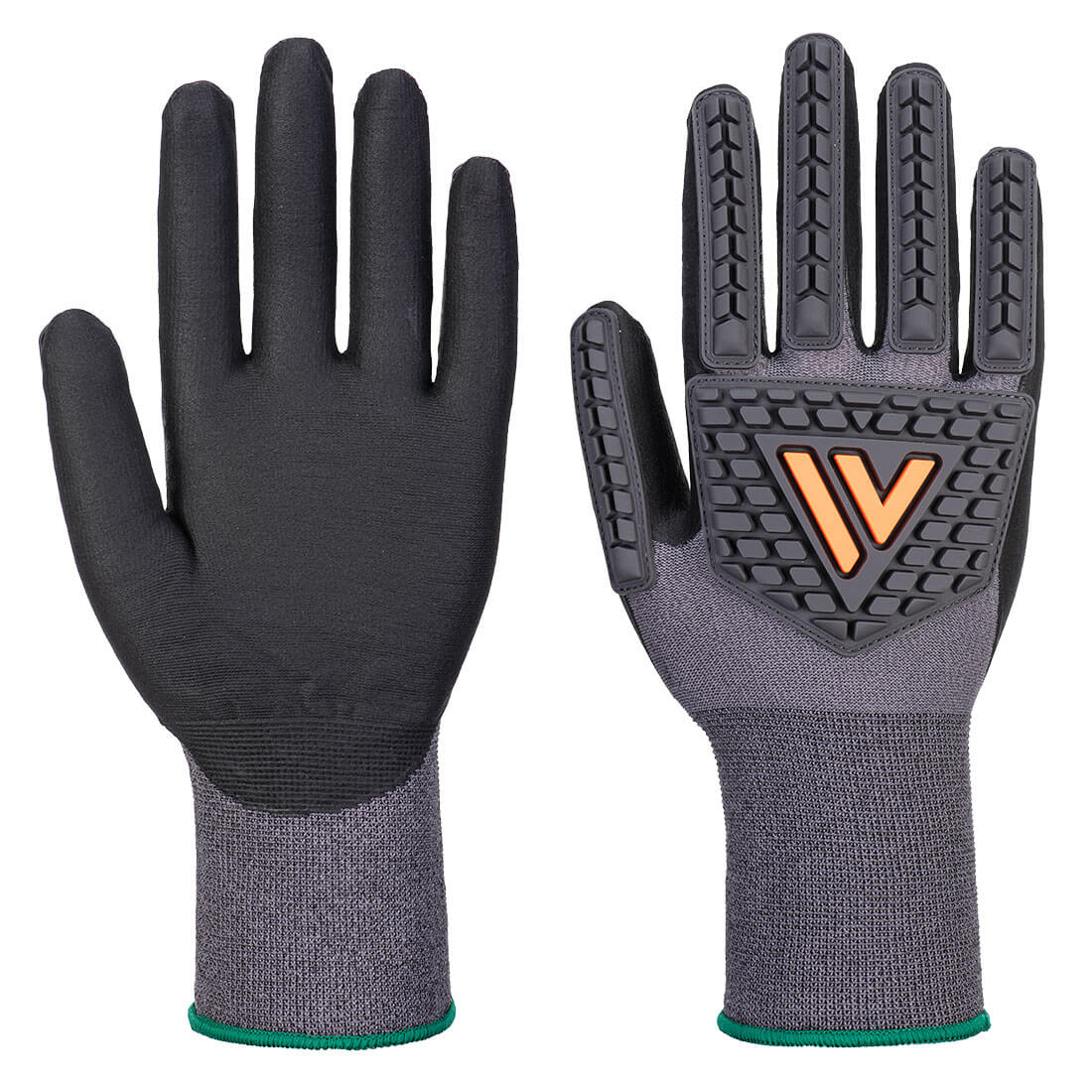
Sale price$144.00
Portwest Impact 15 Nitrile Micro Foam Glove - Black - 12 Pack - A715
Sale price$156.00
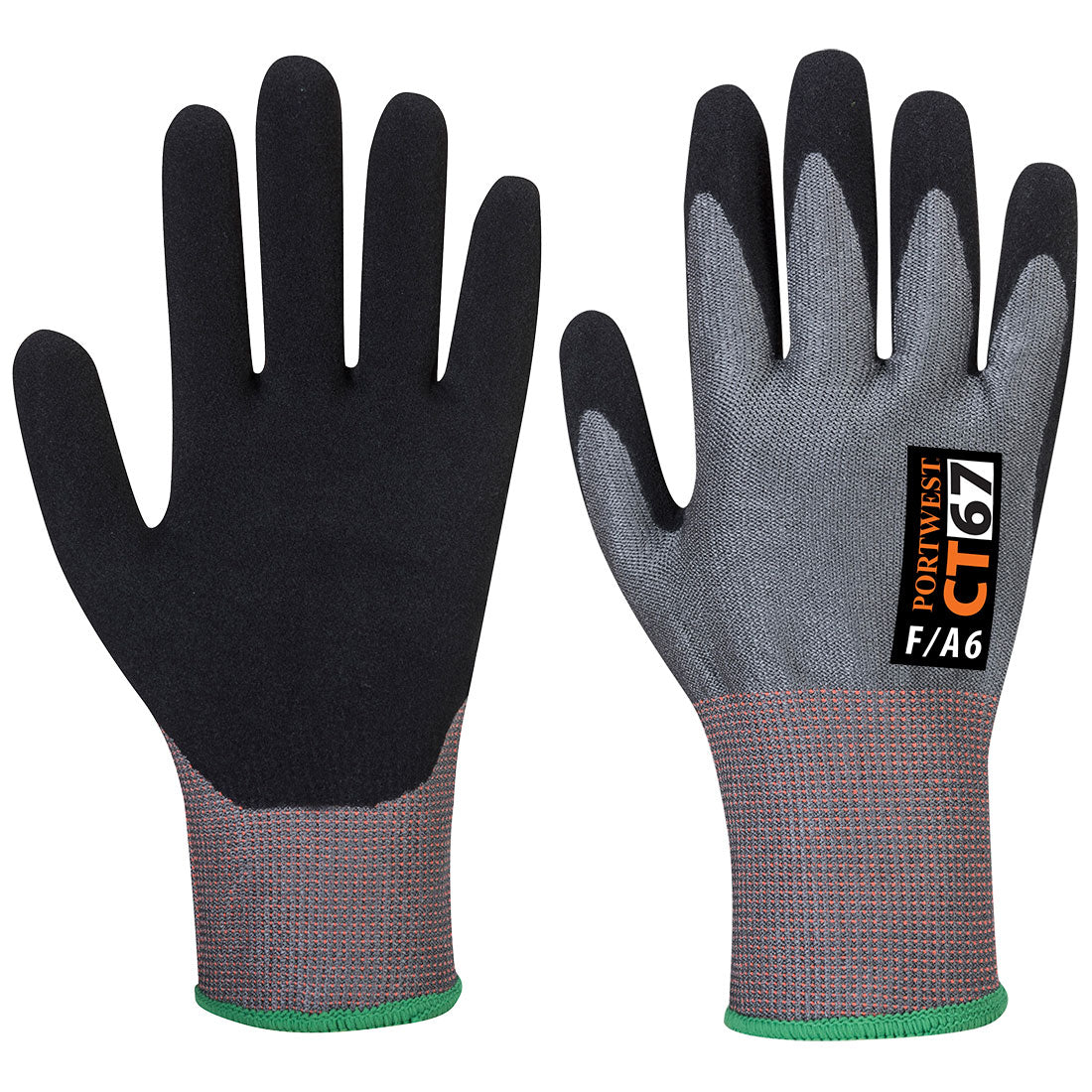
Portwest CT Cut F13 Nitrile Glove A6 - Gray/Black - 12 Pack - CT67
Sale price$141.00
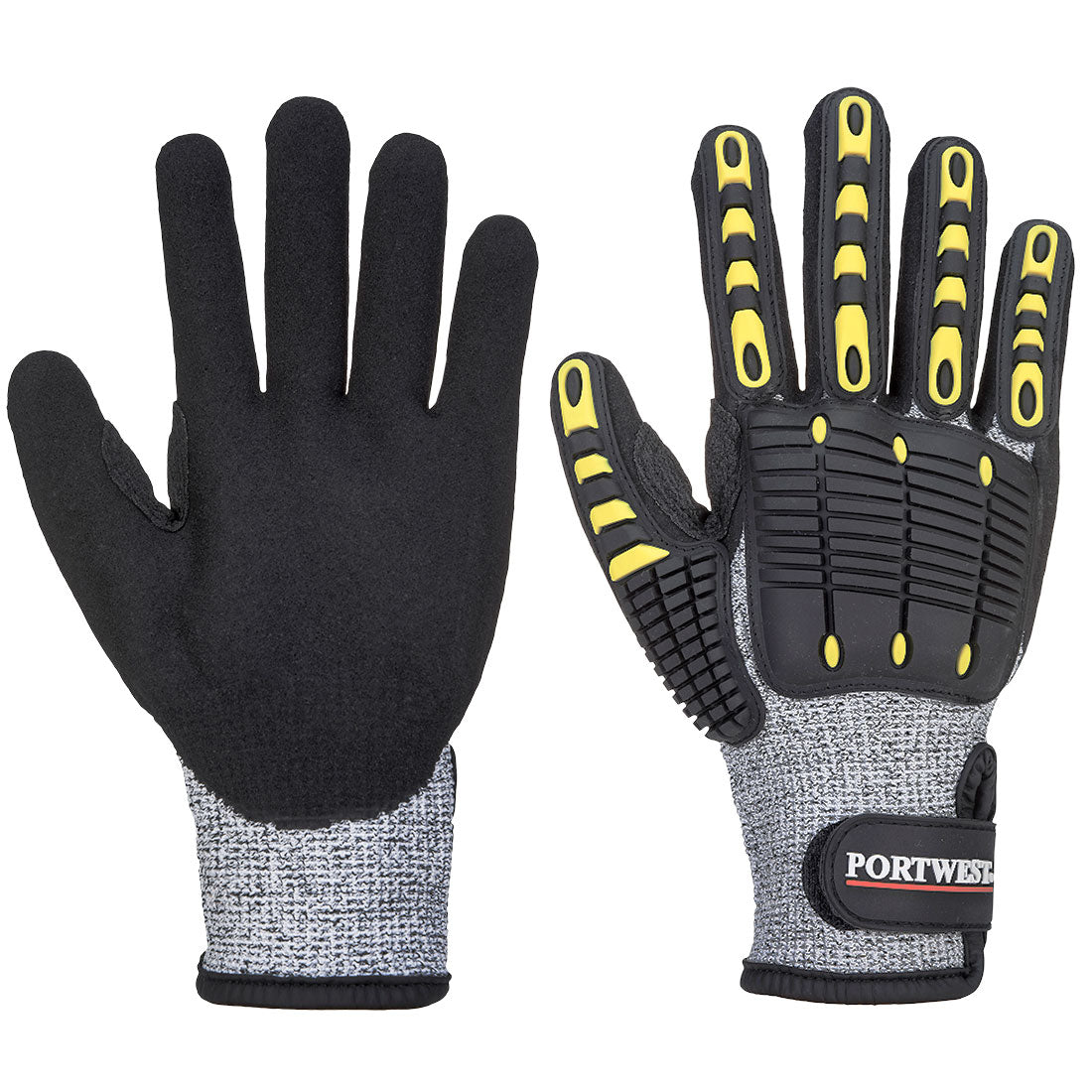
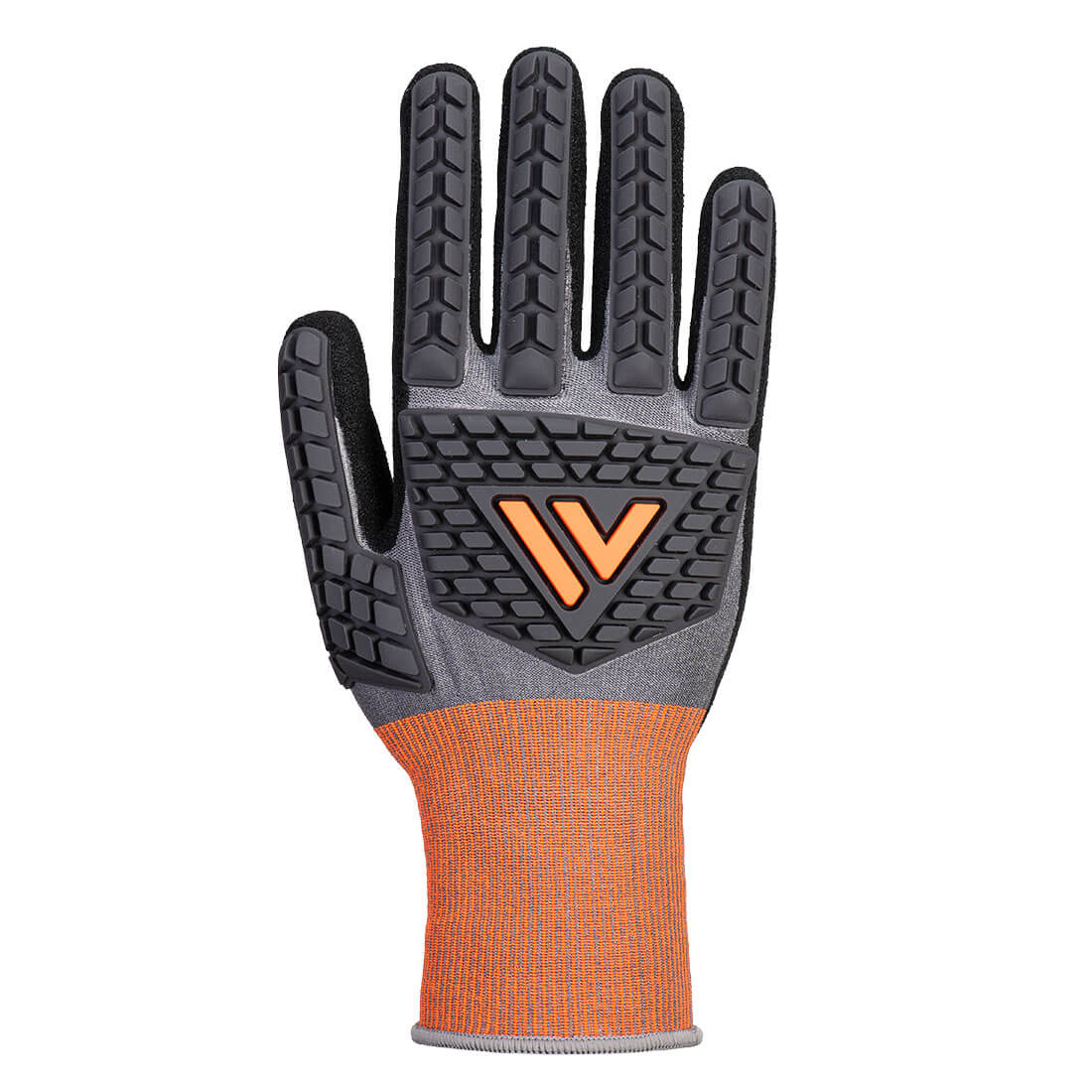
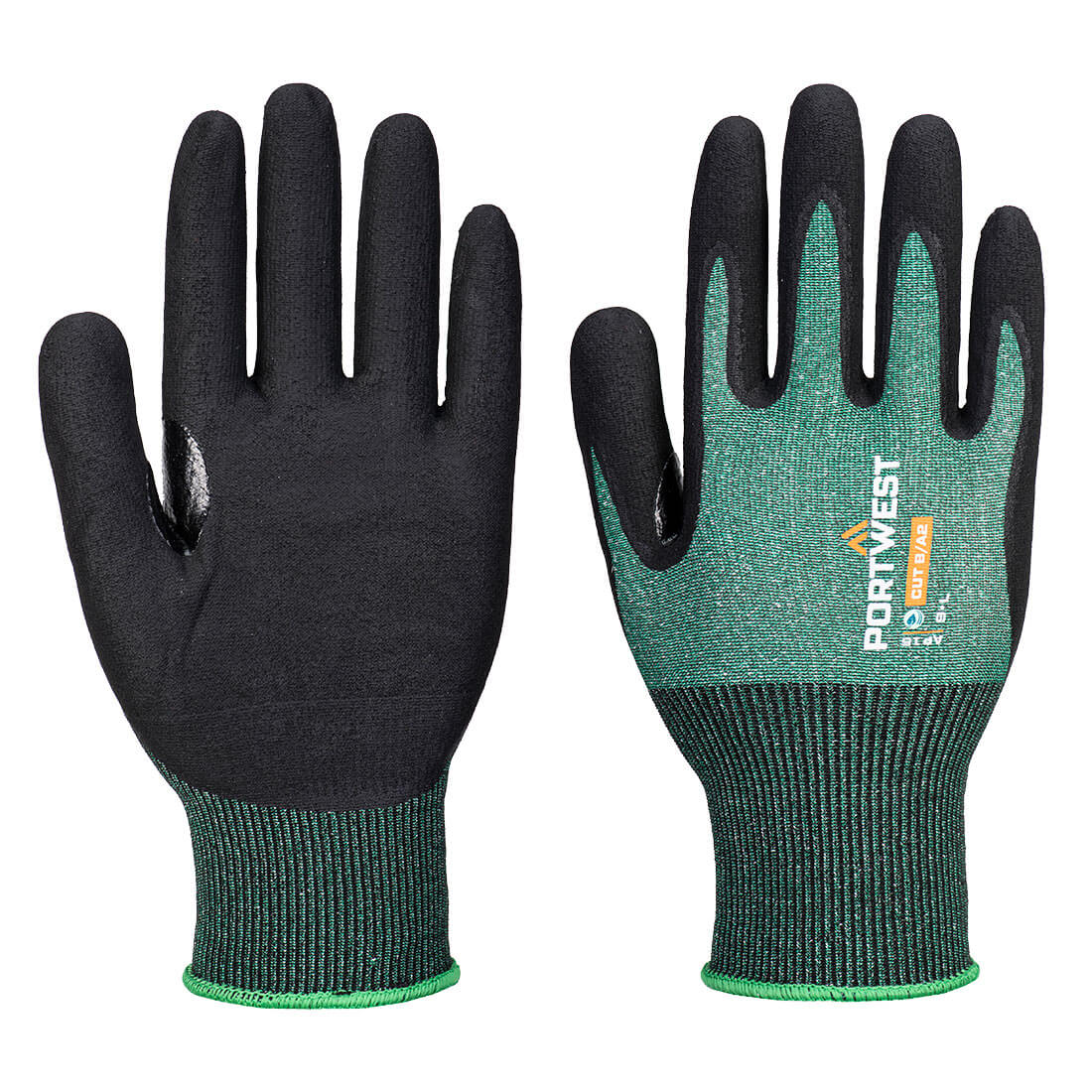
Portwest SG Cut B18 Nitrile Glove (Pk12) - Green/Black - AP15
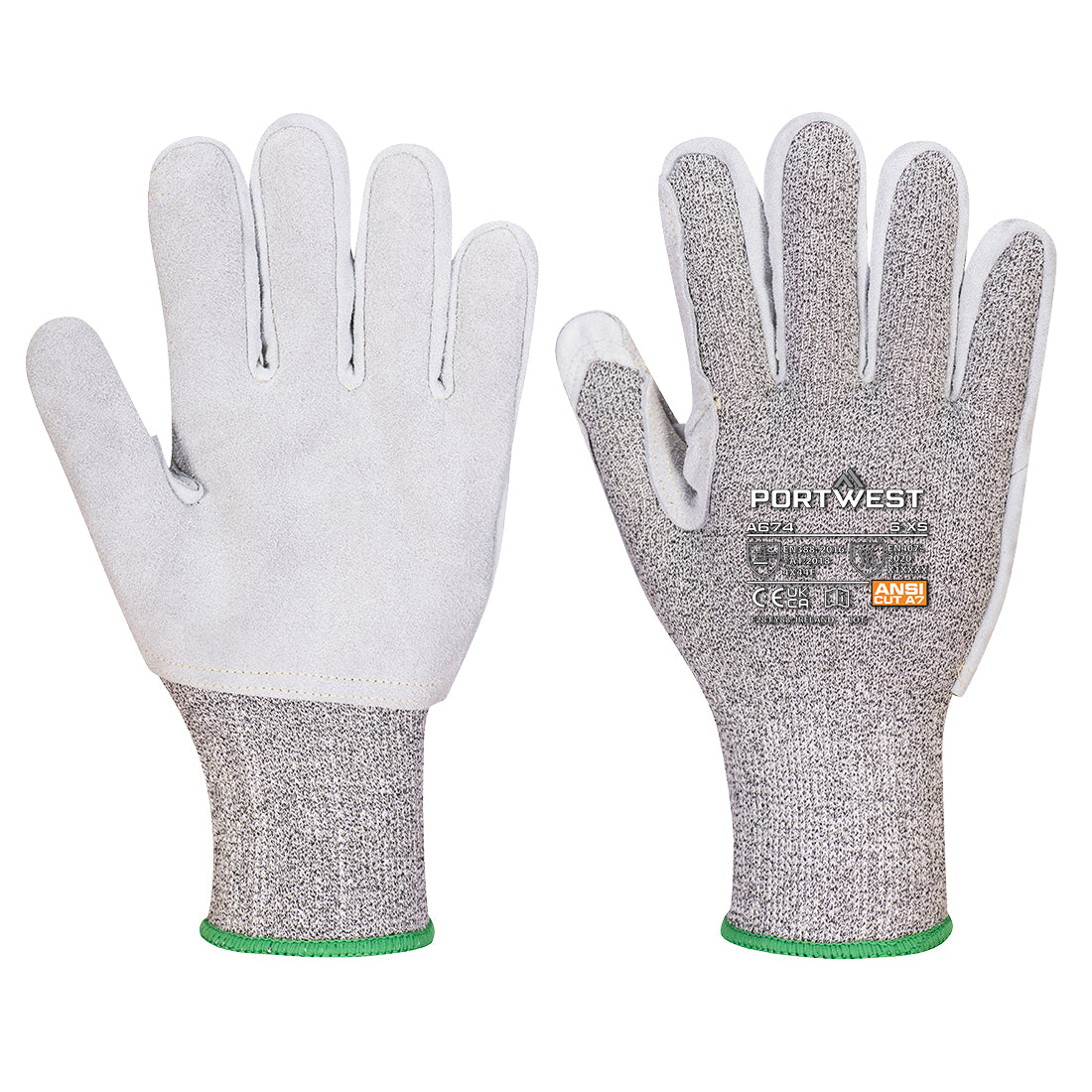
Sale price$180.00
Portwest CS Cut F13 Leather Glove A7 - White - 12 Pack - A674
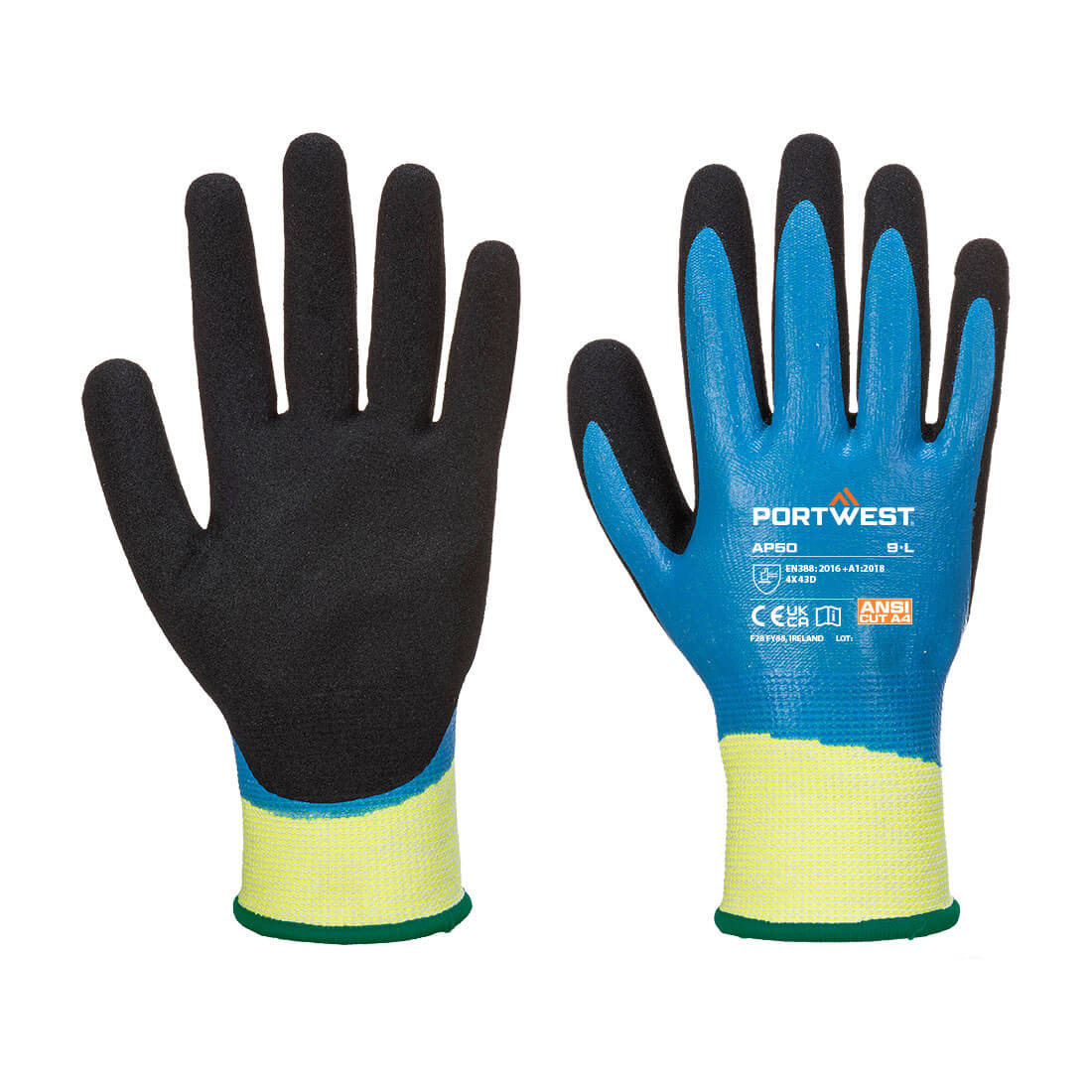
Sale price$120.00
Portwest Cut D13 Nitrile Aqua Glove A4 - Blue/Black - 12 Pack - AP50
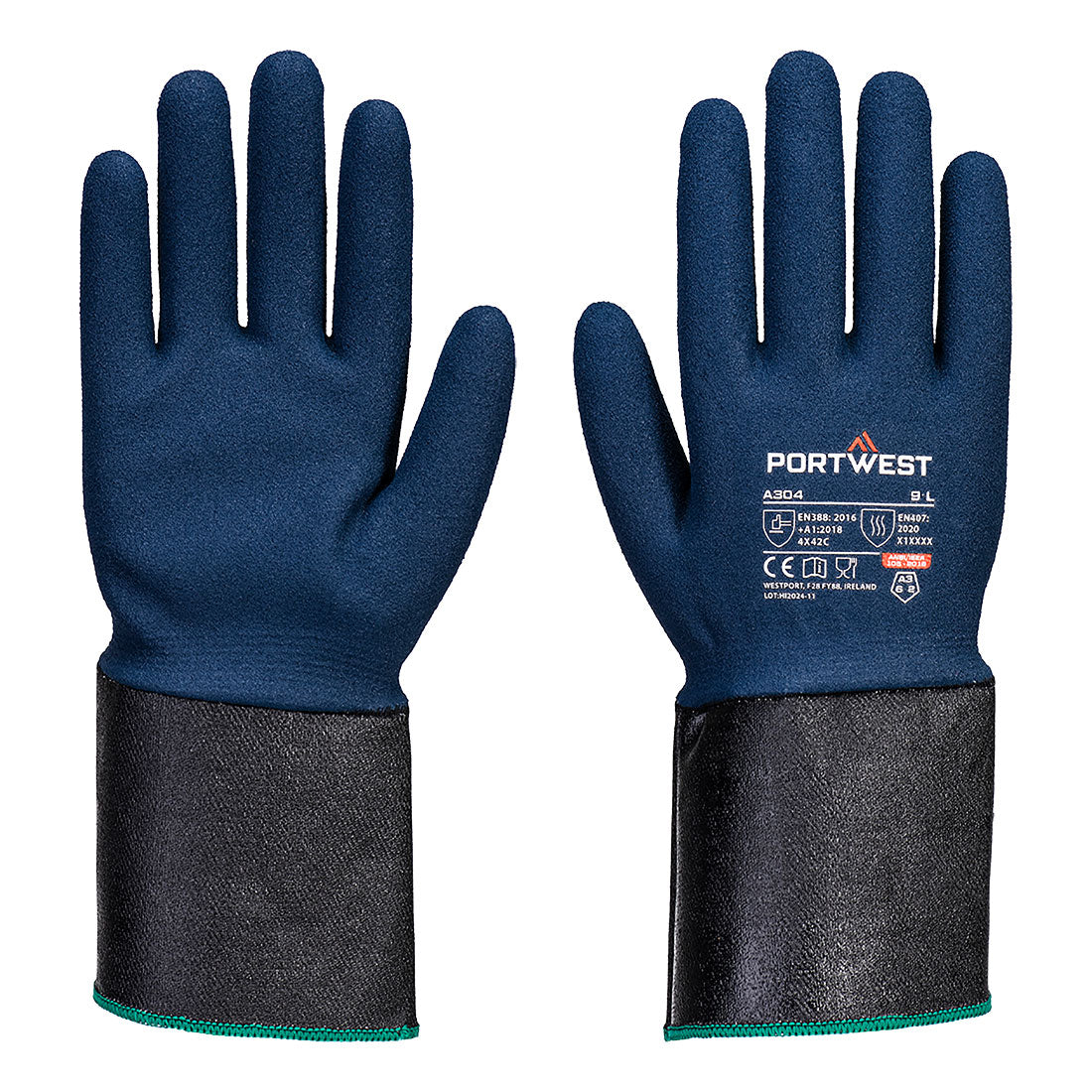
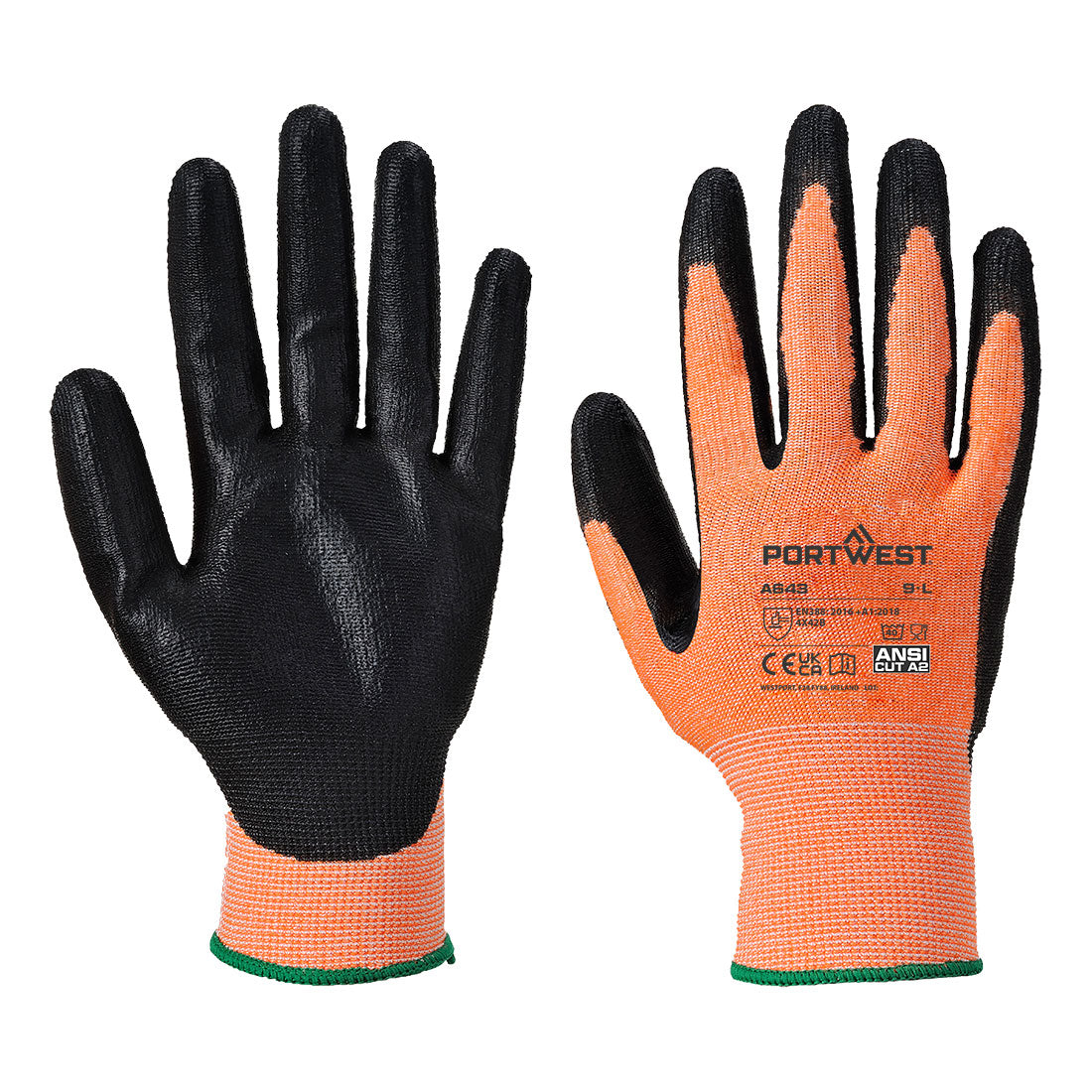
Sale price$83.88
Portwest Cut B13 Nitrile Amber Glove A2 - Orange - 12 Pack - A643
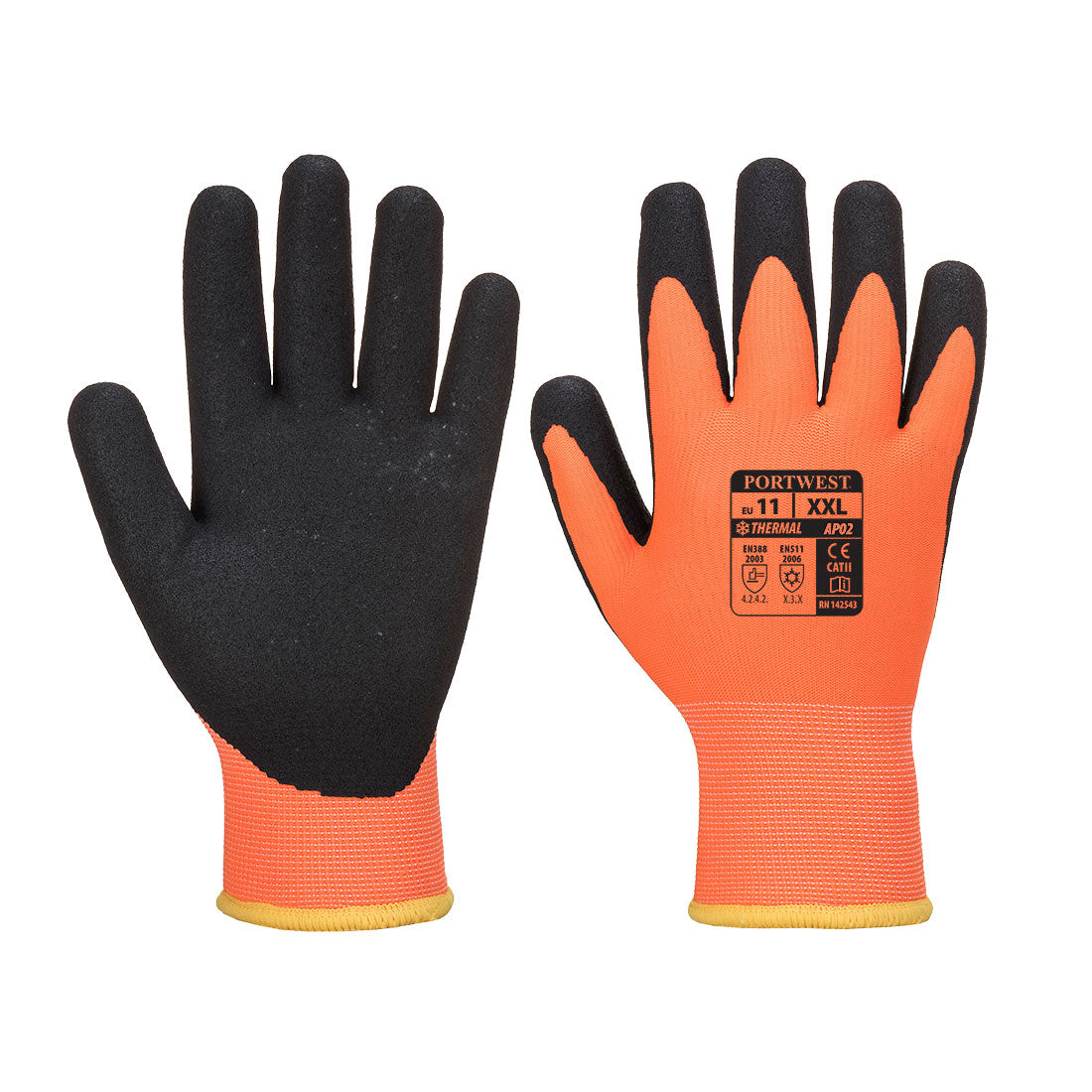
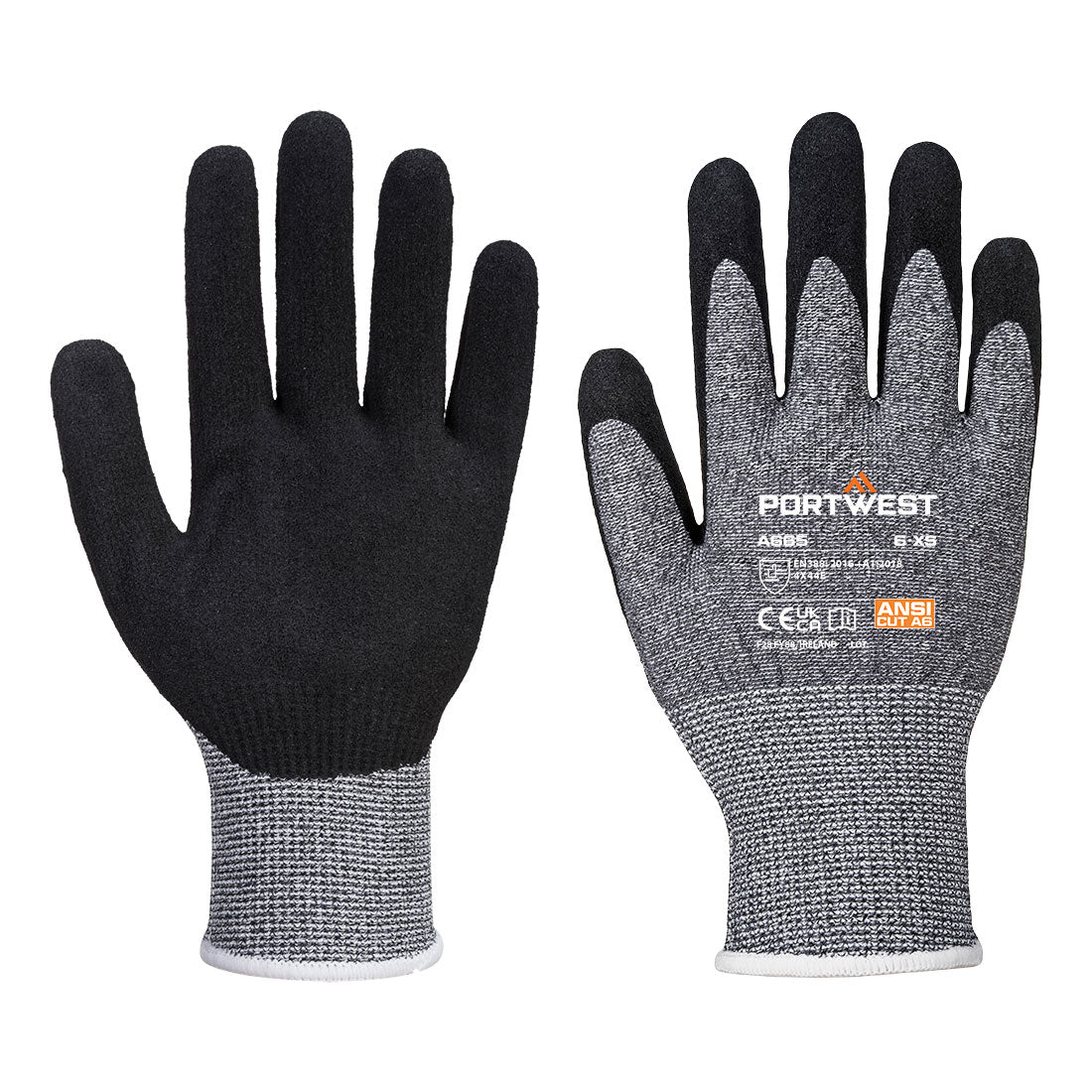
Sale price$95.88
Portwest Cut E13 Nitrile Glove A6 - Gray - 12 Pack - A665
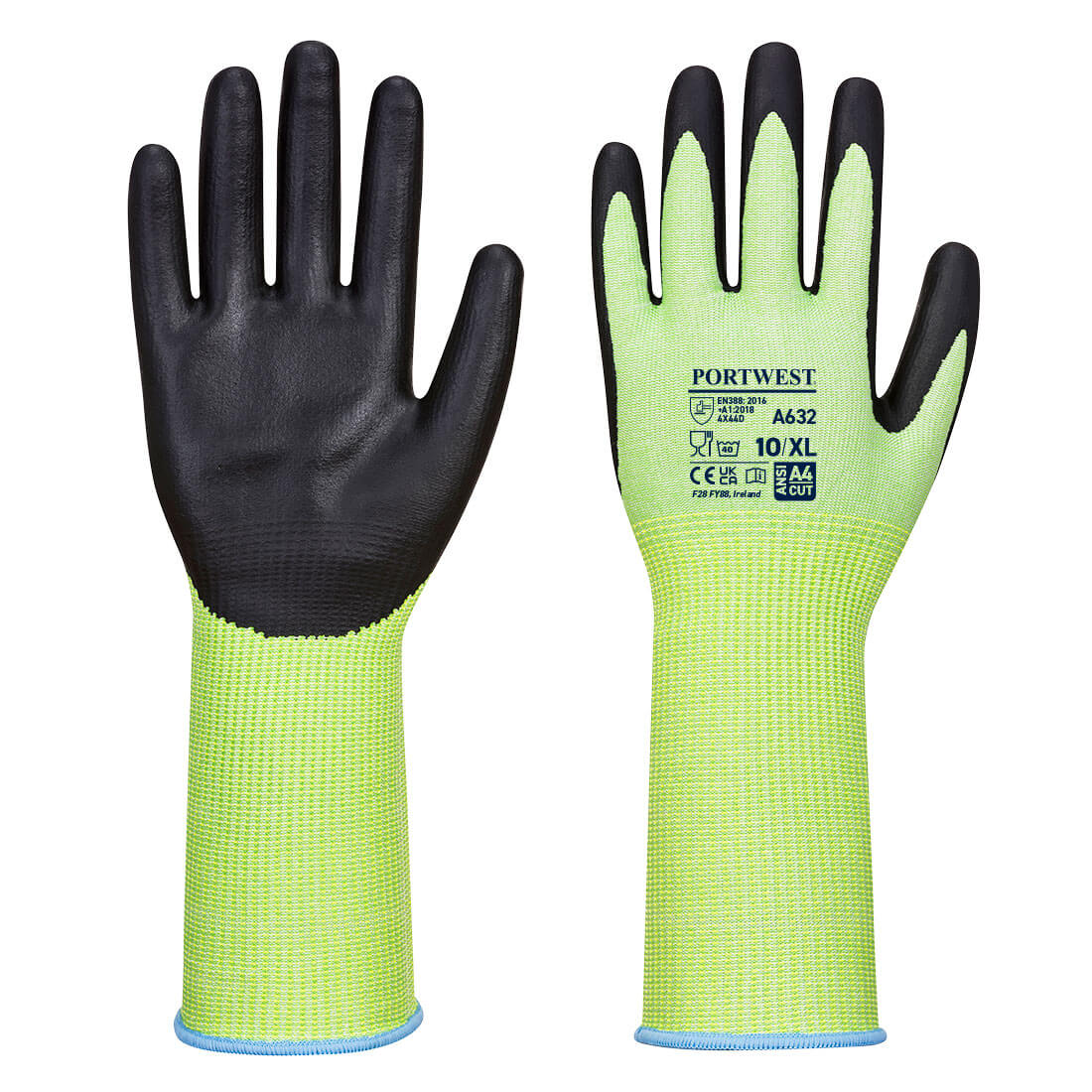
12
Frequently Asked Questions
Start from the hazard rather than the job title. Abrasion and general handling need a coated palm glove. Sharp edges and blades need a cut-rated glove. Chemicals need an impermeable glove matched to the specific substance. Impact hazards need back-of-hand protection. A glove that handles one of these well usually handles the others poorly.
Cut resistance is graded on a scale, with ANSI levels A1 through A9 in the US, where higher numbers withstand more cutting force. The rating comes from a standardized blade test rather than from the material alone. Matching the level to your hazard matters, because an over-rated glove is stiffer and less dexterous than you need, and dexterity loss causes its own accidents.
General handling. A thin knit liner with polyurethane on the palm and fingers gives grip and light abrasion resistance while staying breathable enough to wear all day. They suit assembly, warehouse, and parts handling where you need dexterity on dry items. They are not cut-resistant or chemical gloves.
Yes, and they matter more than they sound, because the alternative is taking gloves off to use a scanner or phone several times an hour, and gloves that come off tend to stay off. Conductive material in the fingertips lets you use a device without removing the glove.
Most knit and coated gloves can be washed in cool water and air dried, and doing so extends their life considerably since embedded grit accelerates wear from the inside. Avoid high heat, which degrades coatings and shrinks liners. Leather gloves should be cleaned rather than washed, and never dried near a heat source.
Snug without being tight. A loose glove bunches and reduces grip and dexterity, and loose material near moving machinery is a genuine entanglement hazard. A tight glove restricts circulation and tires your hands. If you are between sizes and doing fine work, take the smaller; for heavy handling, the larger.
No. High-visibility requirements under ANSI/ISEA 107 are met by garments carrying a class rating, and gloves are not part of that system. Hi-vis gloves aid hand signaling and visibility of the hands specifically, which is genuinely useful for flaggers and equipment guides, but they do not satisfy a Class 2 or 3 requirement. See our work vests range.
As soon as the coating wears through, the liner shows holes, or a cut-rated glove has been cut. A damaged cut-resistant glove has spent its protection at that spot and will not perform again. Gloves are consumable and cost very little relative to a hand injury, so replacing early is the correct instinct.
Recently viewed
Our Top Brands