Sale price$124.95
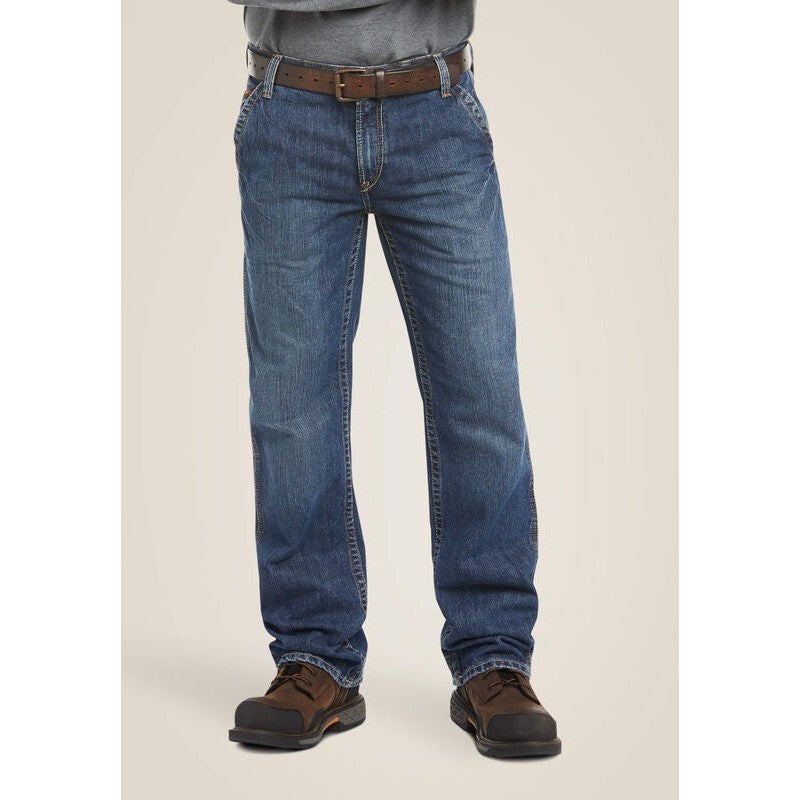
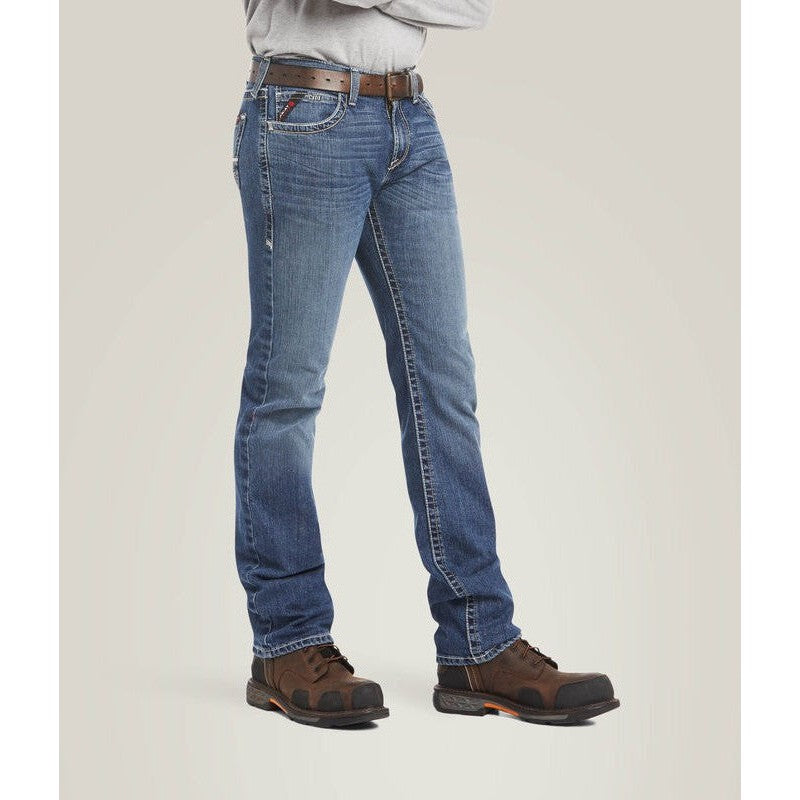
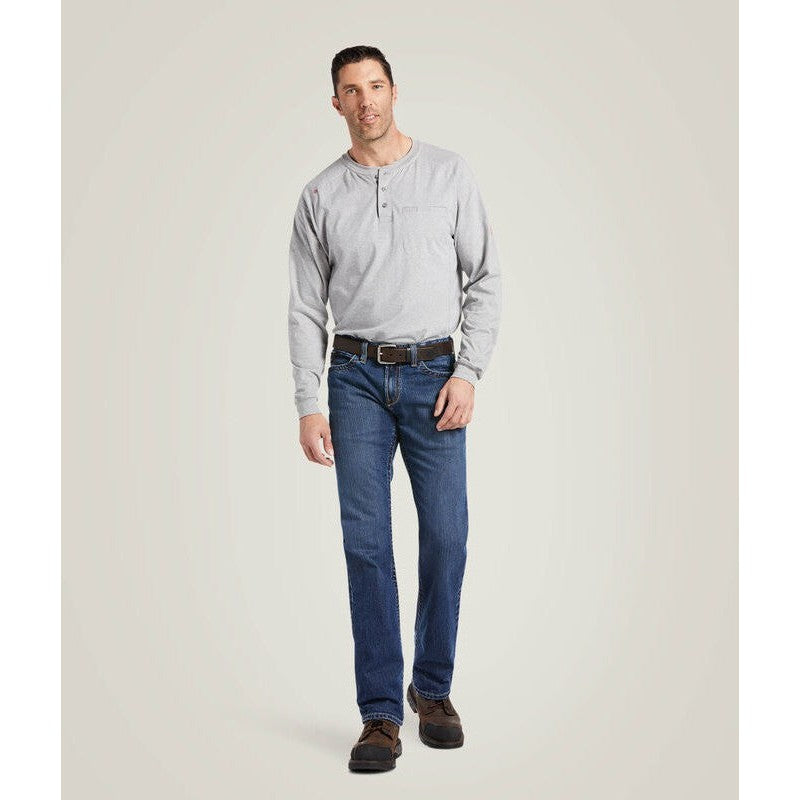
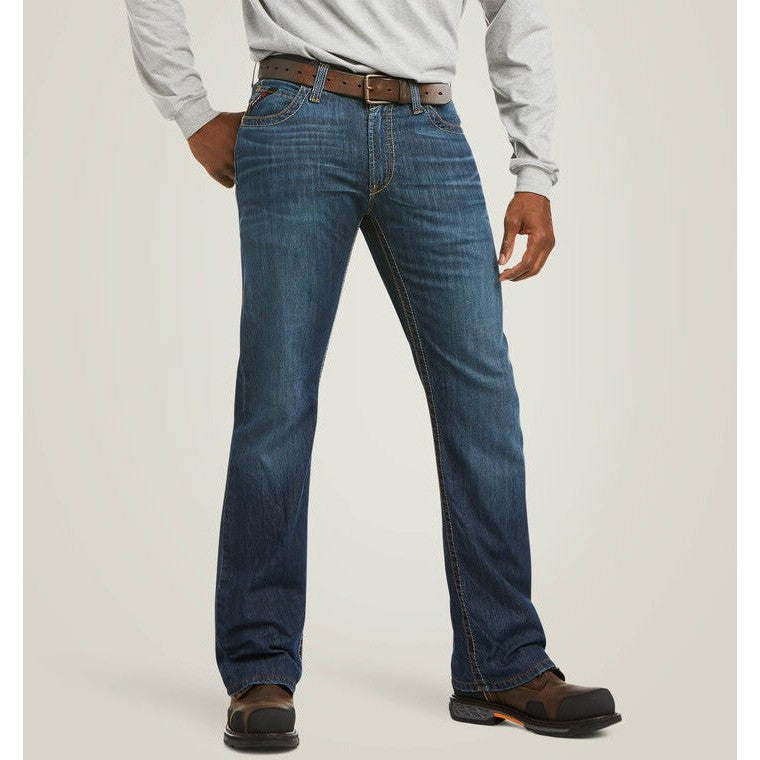
Ariat Men's FR M4 Relaxed Workhorse Boot Cut Jean Flint - 10017262


Sale priceFrom $93.75
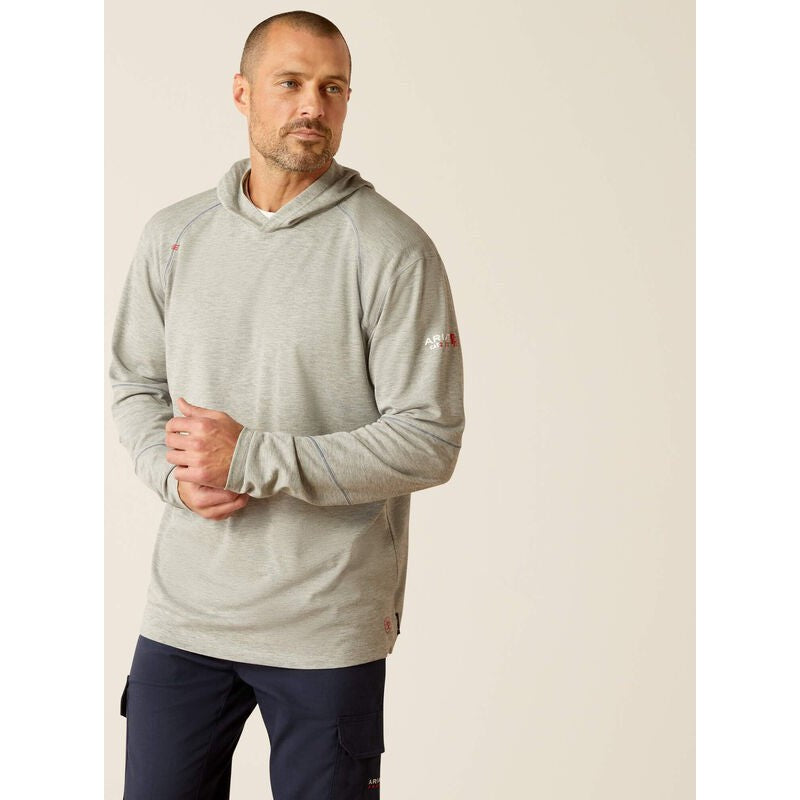
Timberland Pro Men's FR Grit-N-Grind Denim Work Pant - Dark Wash - TB0A23NJAW9
Sale price$159.95
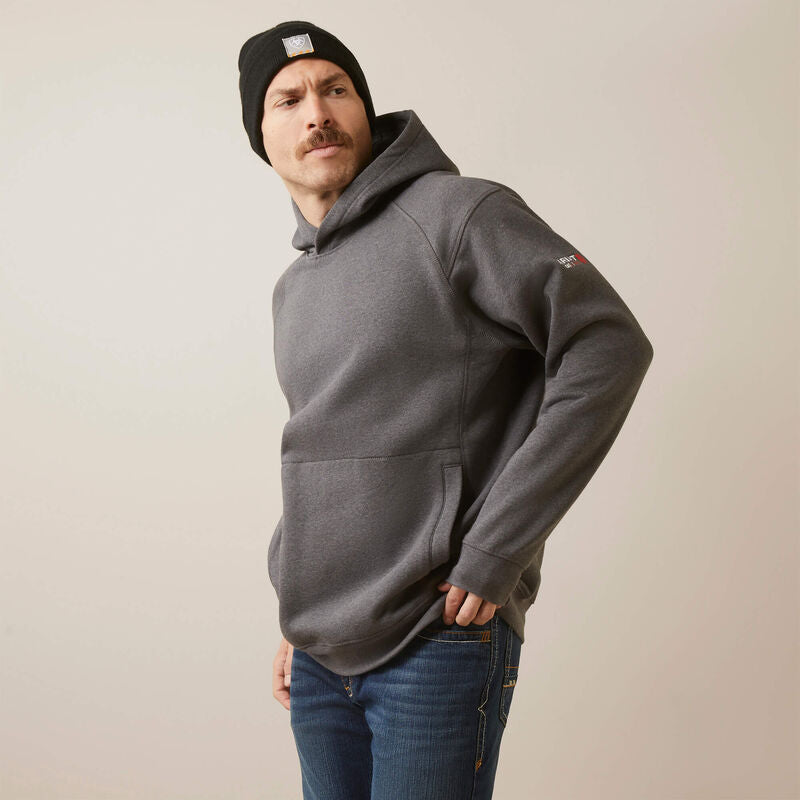
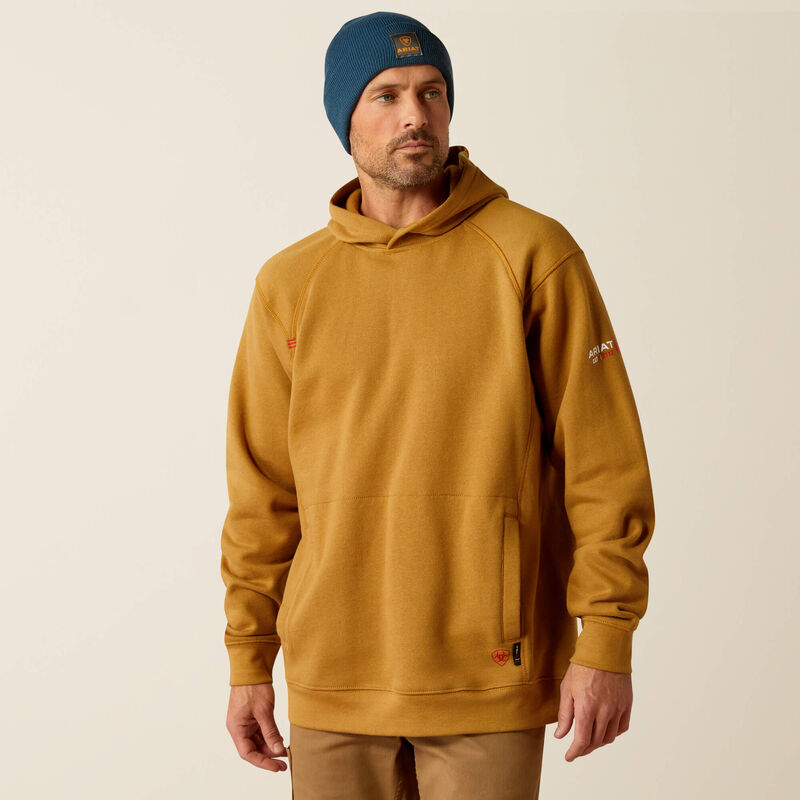
Ariat Men's Rev Flame Resist Pullover Hoodie Brown - 10052834
Sale price$169.95
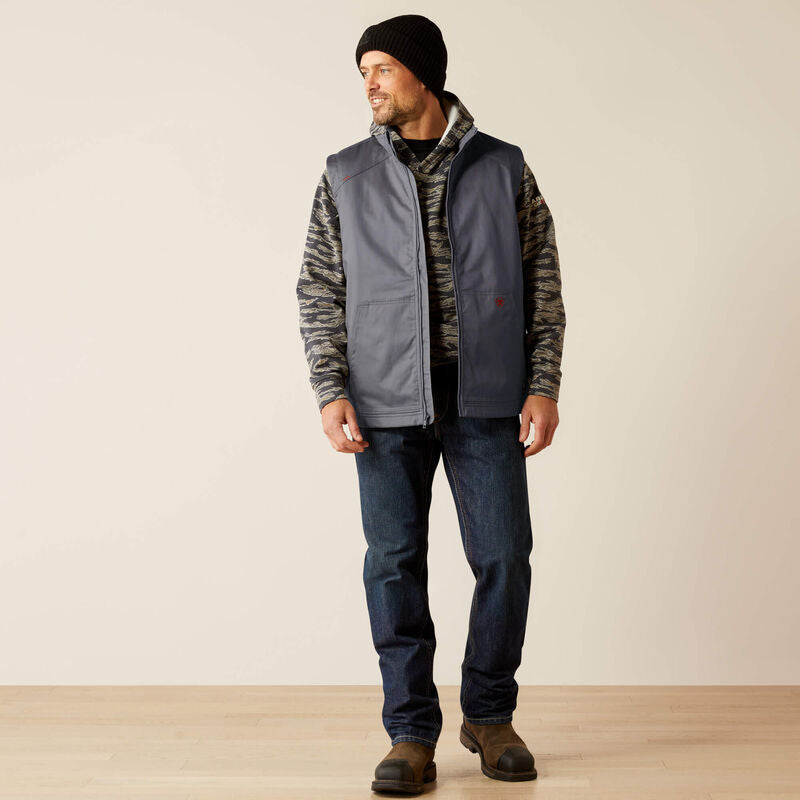
Ariat Men's Basic Flame Resistant Insulated Vest Grey - 10052101
Sale price$199.95
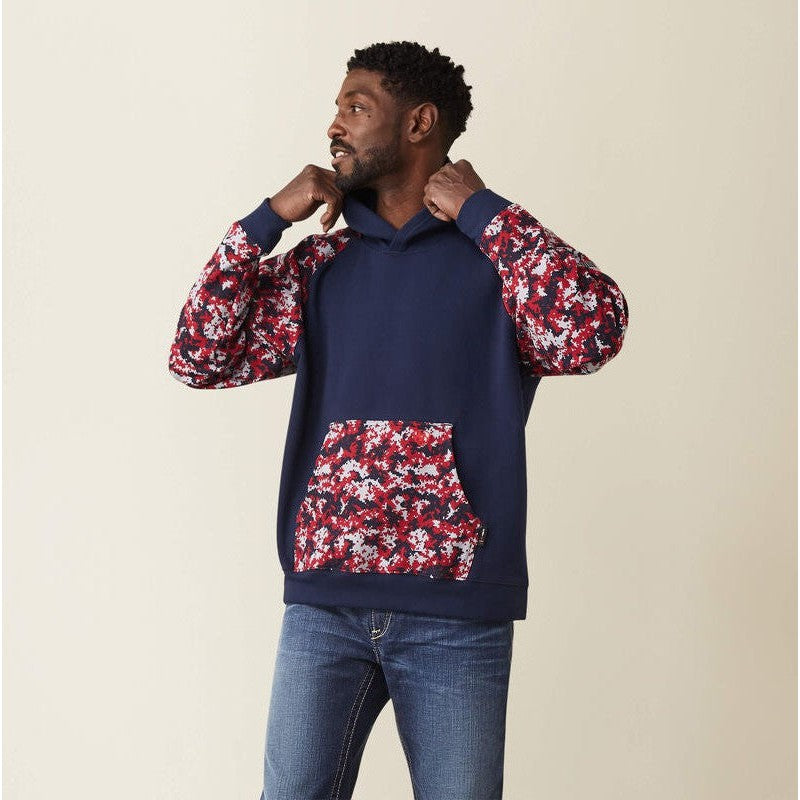
Ariat Men's DuraStretch Flame Resist Work Hoodie Patriot - 10041617
Sale price$249.95
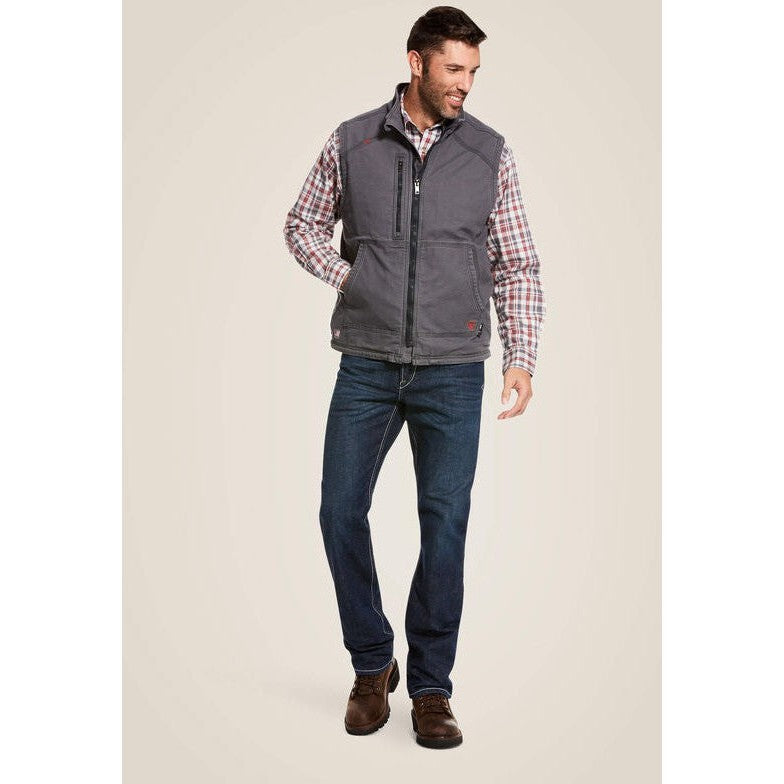
Ariat Men's DuraLight Stretch Flame Resist Canvas Vest Gray - 10027868
Sale price$219.95
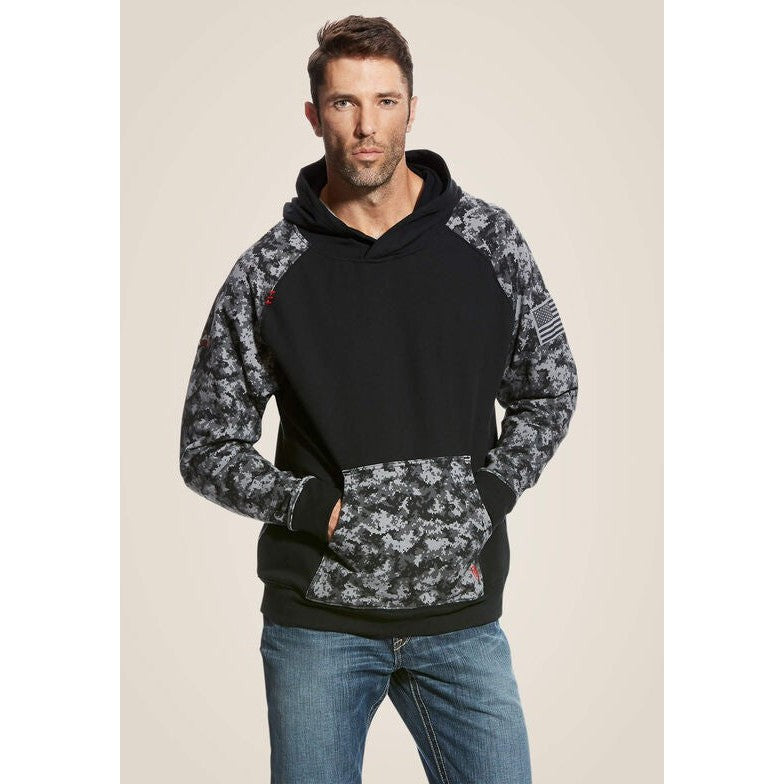
Ariat Men's DuraStretch Flame Resist Patriot Hoodie Black - 10023989
Sale price$219.95
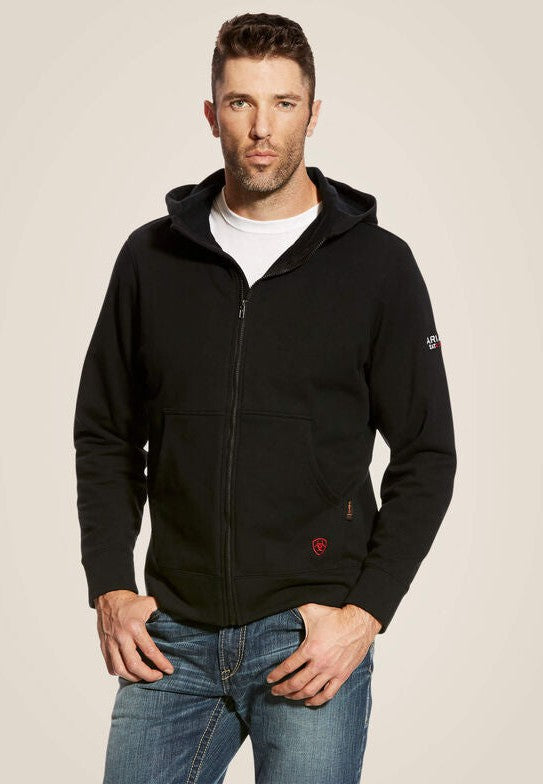
Ariat Men's DuraStretch Full Zip Flame Resist Hoodie Black - 10023974
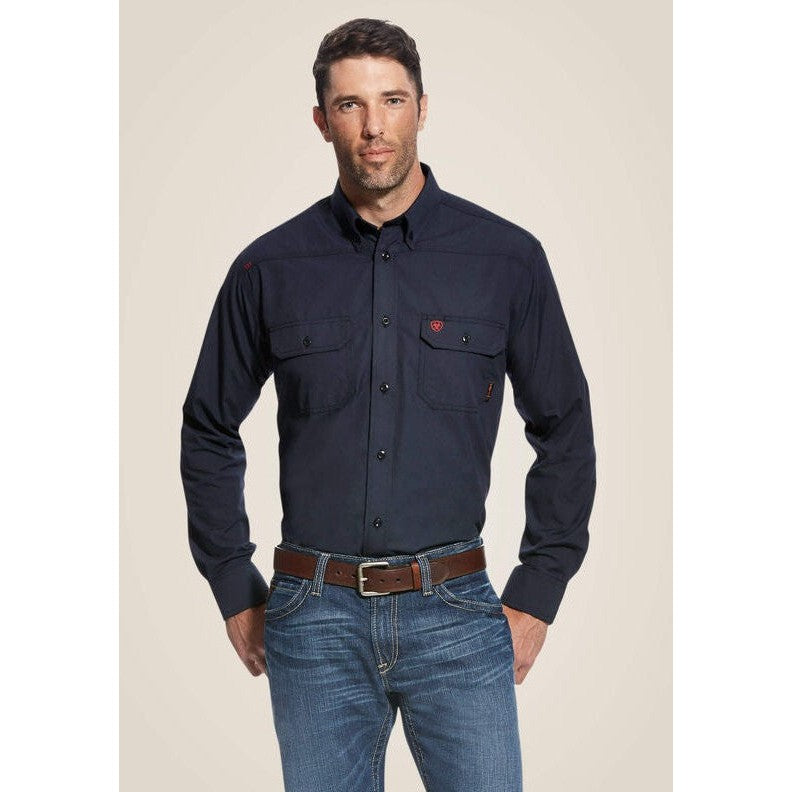
Sale price$139.95
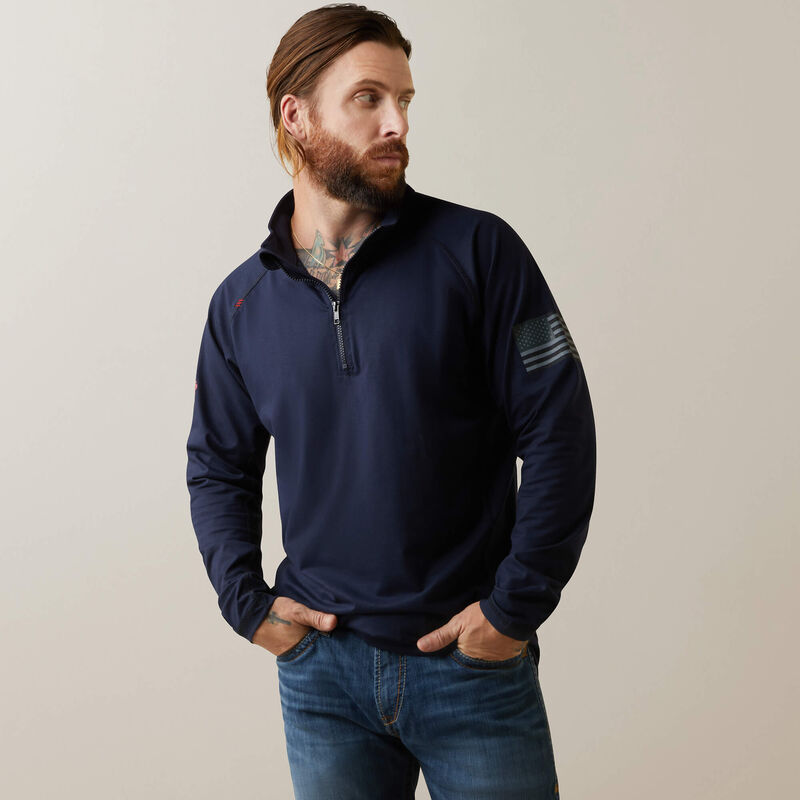
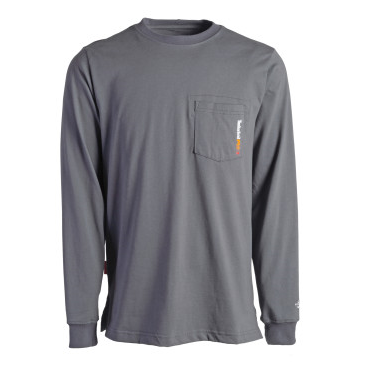
Ariat Men's Featherlight Flame Resist Work Shirt Navy - 10022899
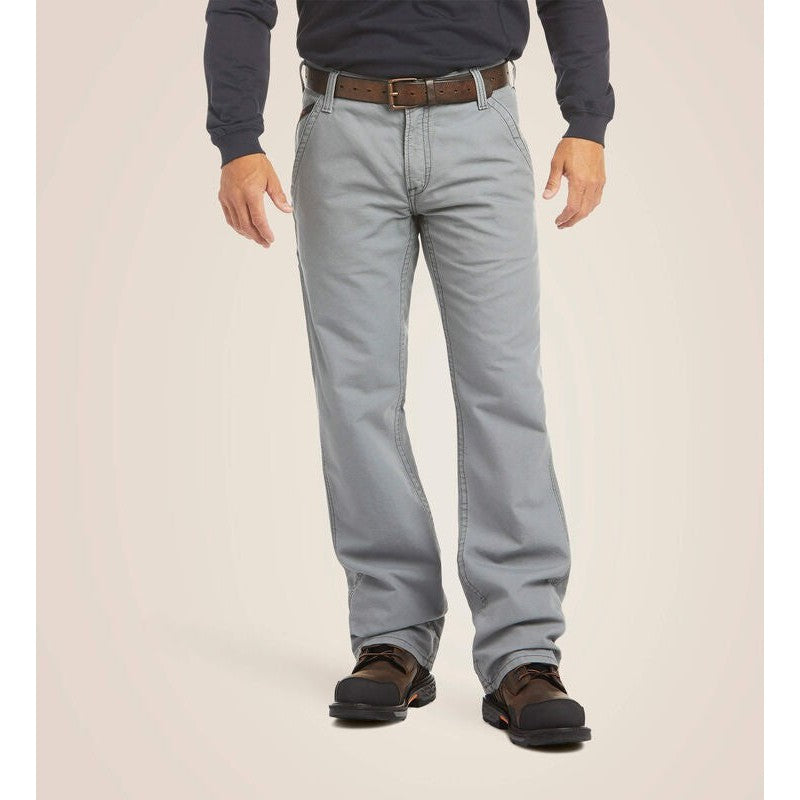
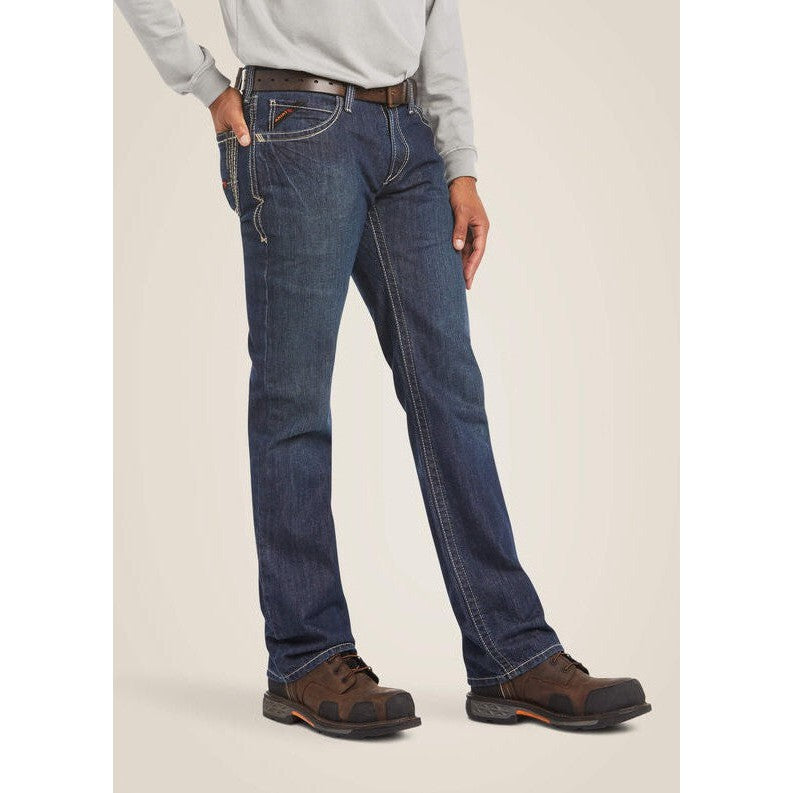
Sale price$139.00
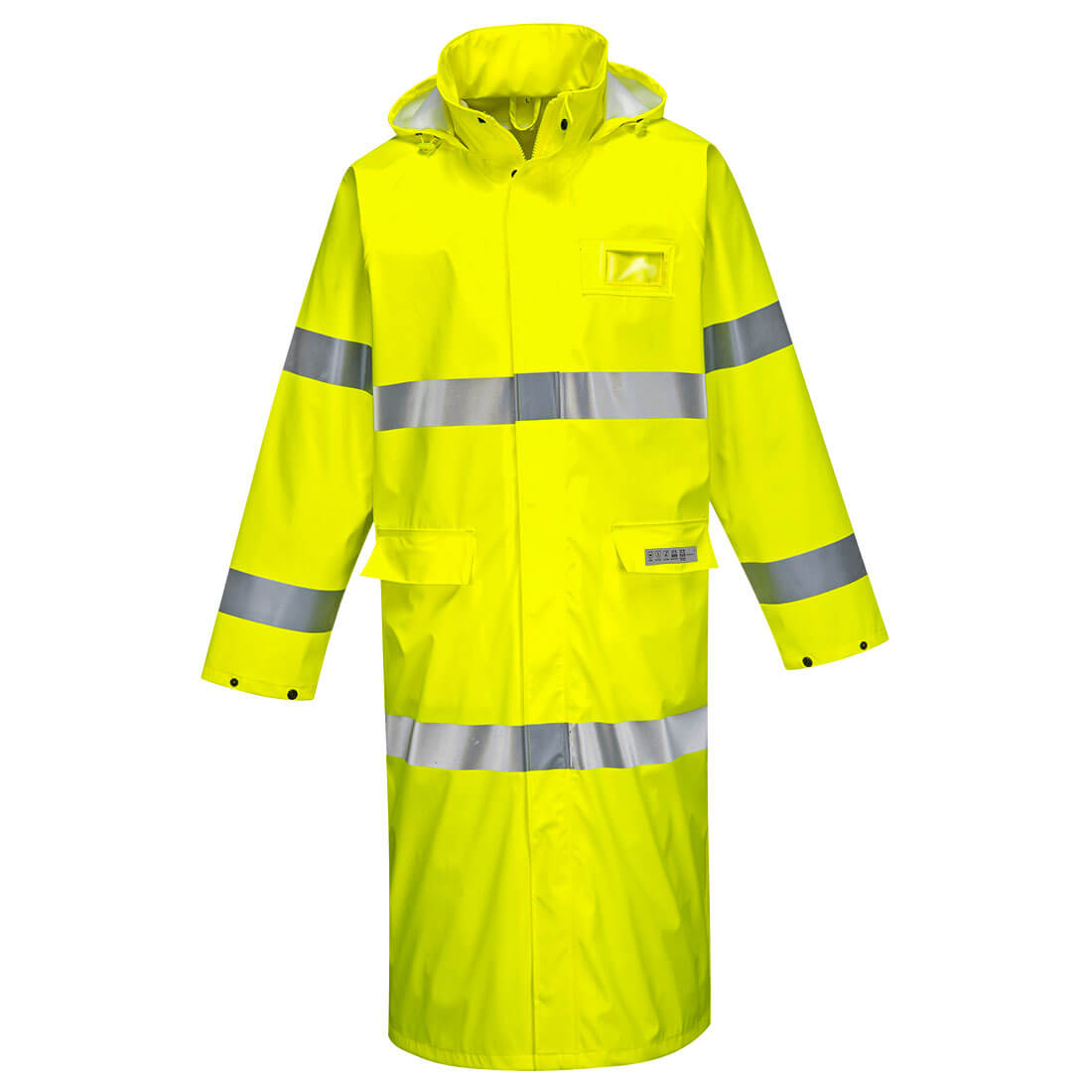
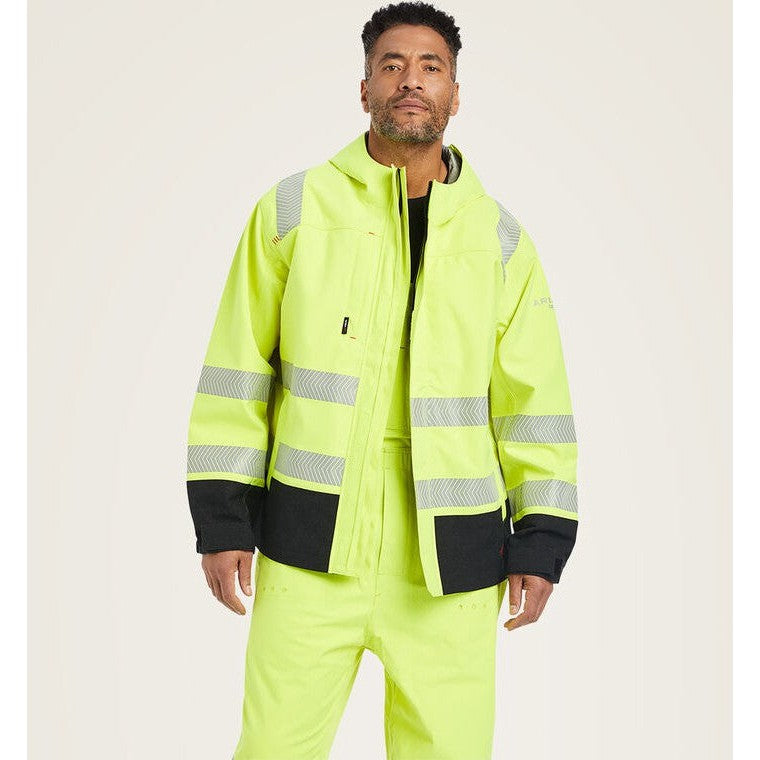
Portwest Sealtex Flame Hi-Vis FR Coat 50″ - Yellow - FR44

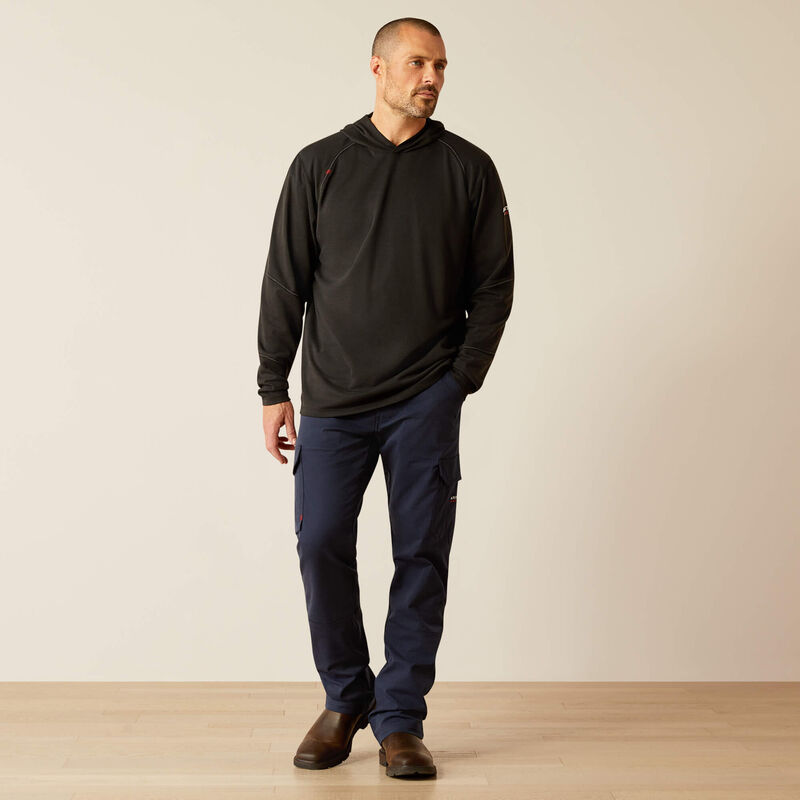
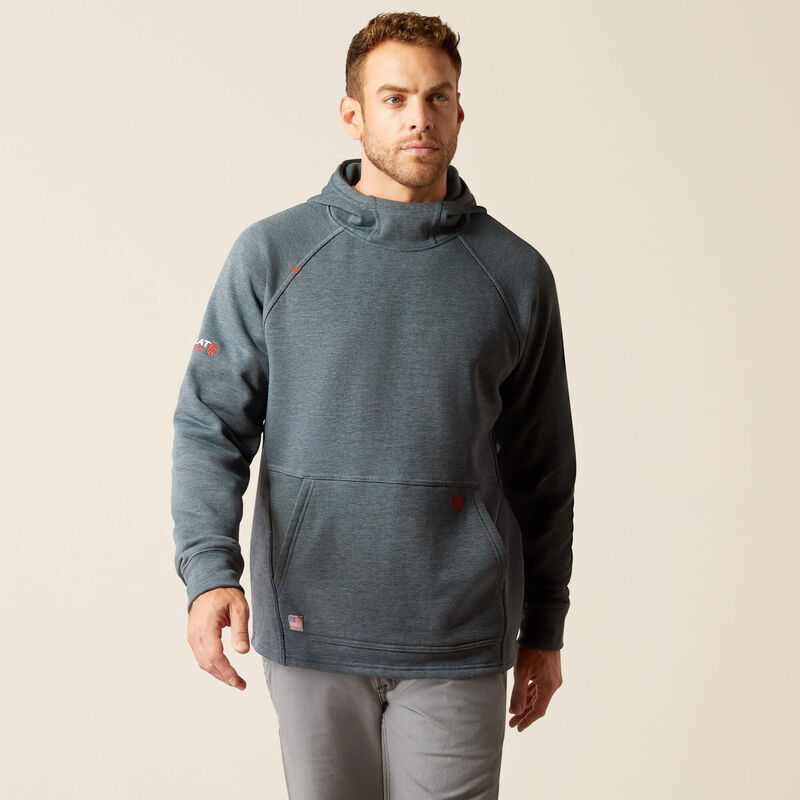
Sale price$269.95
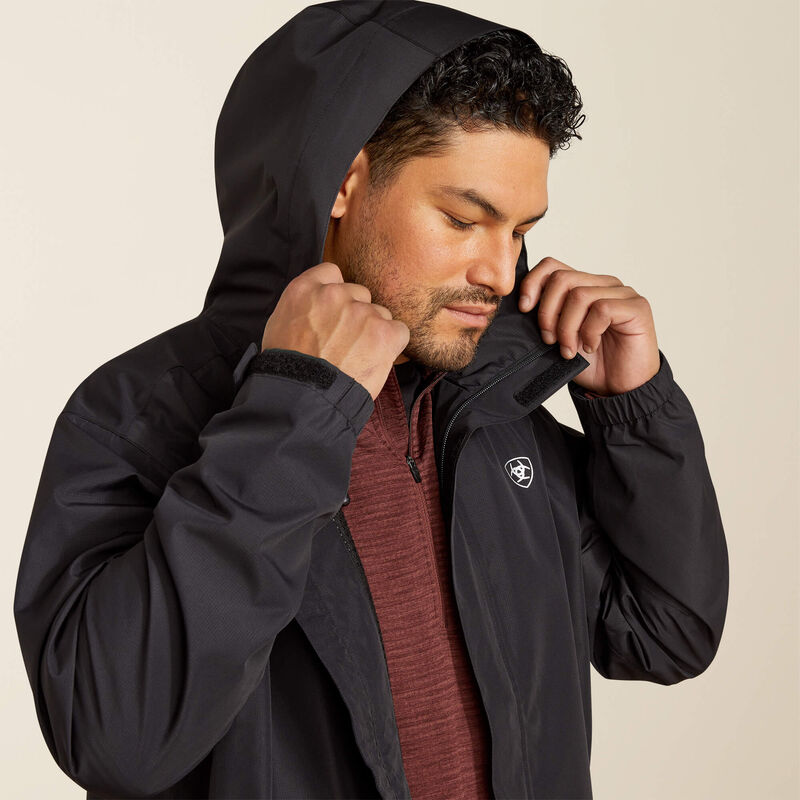
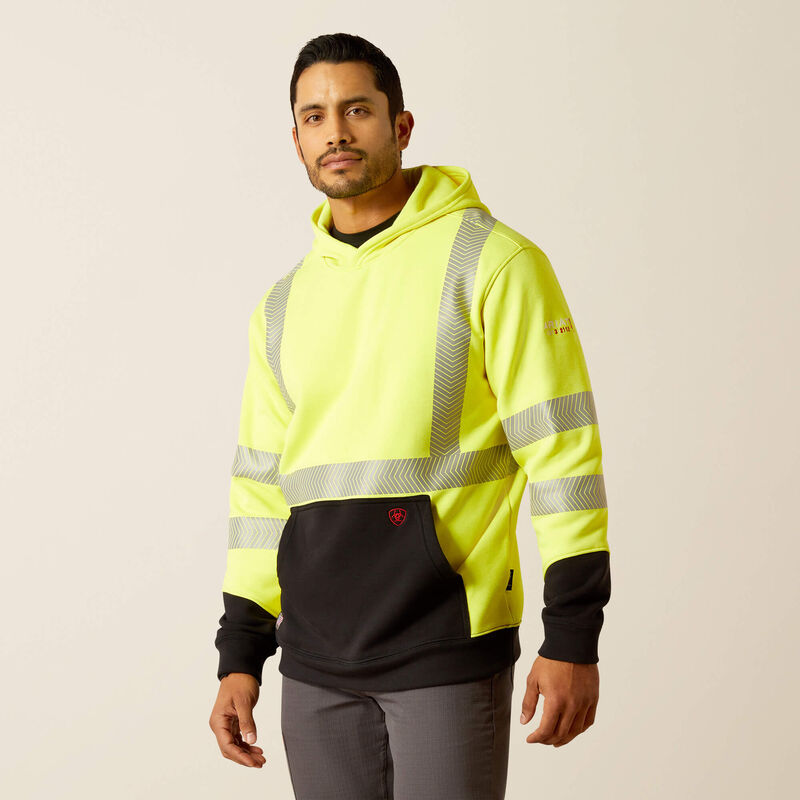
Ariat Men's Flame Resistant Primo Fleece 2.0 Hoodie - Grey - 10052095

Sale price$269.95
Ariat Men's Flame Resistant Cloud 9 2.0 Insulated Vest Black - 10052013
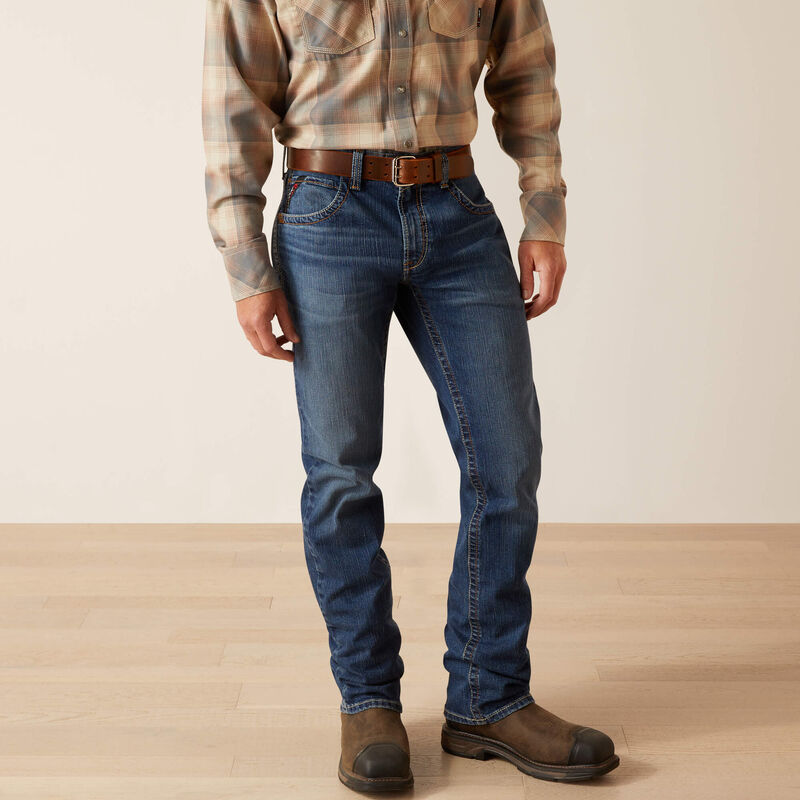
Sale price$119.95
Ariat Men's Flame Resistant M5 Basic Straight Leg Jean Havasu - 10048191


Frequently Asked Questions
An FR garment resists ignition and self-extinguishes once the ignition source is removed, rather than continuing to burn or melting onto skin. It is not fireproof and it does not make you immune to burns. What it does is stop the clothing itself becoming the thing that injures you, which in a flash fire is the difference between a survivable event and a catastrophic one.
An arc rating, expressed in calories per square centimeter, measures how much thermal energy a fabric can block before the wearer would suffer a second-degree burn. Sites working under NFPA 70E assign a required arc rating based on the hazard, and that number is what you must meet. A garment being FR is not the same as it meeting your required arc rating.
Not a synthetic one. Polyester, nylon, and most performance fabrics melt at temperatures an FR outer layer is designed to survive, and molten synthetic against skin causes severe injury even when the outer garment performs perfectly. Base layers under FR should be FR-rated, or at minimum untreated natural fiber such as cotton or wool.
Inherently FR fabrics keep their protection for the life of the garment because the resistance is built into the fiber. Treated fabrics can lose protection through repeated washing, particularly with bleach, fabric softener, or industrial detergents. Either way, holes, worn thin areas, and contamination with flammable substances all compromise the garment regardless of type.
No bleach, no fabric softener, and no starch, all of which can compromise protection or leave a flammable residue. Wash separately from non-FR clothing so oils and lint do not transfer. Contaminated FR clothing, particularly with hydrocarbons, is a serious hazard because the contamination burns even when the fabric does not.
It depends on the arc rating your hazard assessment requires. Layering FR garments increases the effective protection, which is how people meet higher ratings without a single very heavy garment. Your employer's assessment under NFPA 70E or the relevant standard determines what you need. Do not assume one shirt covers it.
Electrical utility and linework, oil and gas, refining and petrochemical, chemical processing, and some electrical maintenance and industrial roles. The common thread is a flash fire or arc flash risk rather than open flame. See our lineman boots and oil and gas work boots ranges for the footwear these trades wear.
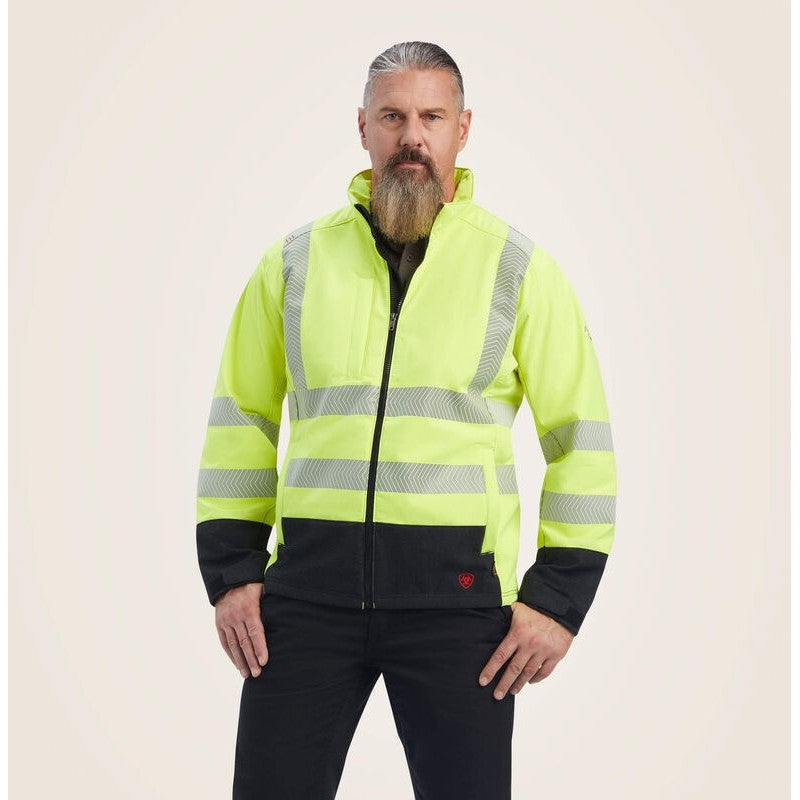
If your site requires both, the garment needs both certifications rather than layering one over the other, since a non-FR hi-vis vest over FR clothing introduces exactly the meltable layer you were avoiding. FR hi-vis garments are made specifically for this. See our work vests range.
Recently viewed
Our Top Brands