Save 11%
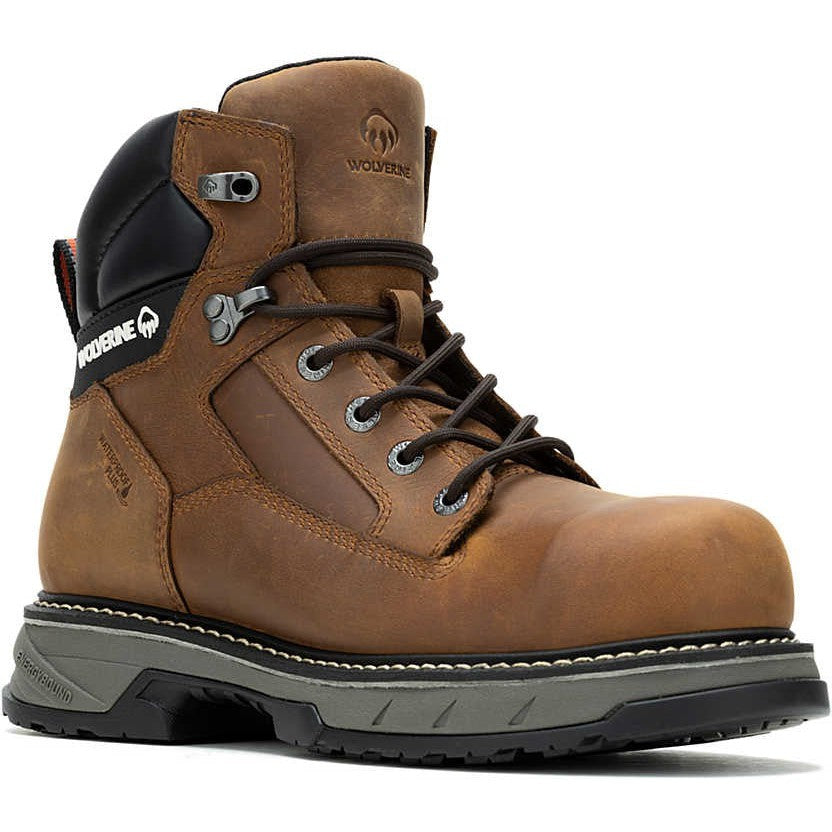
Sale price$169.95
Regular price$190.00
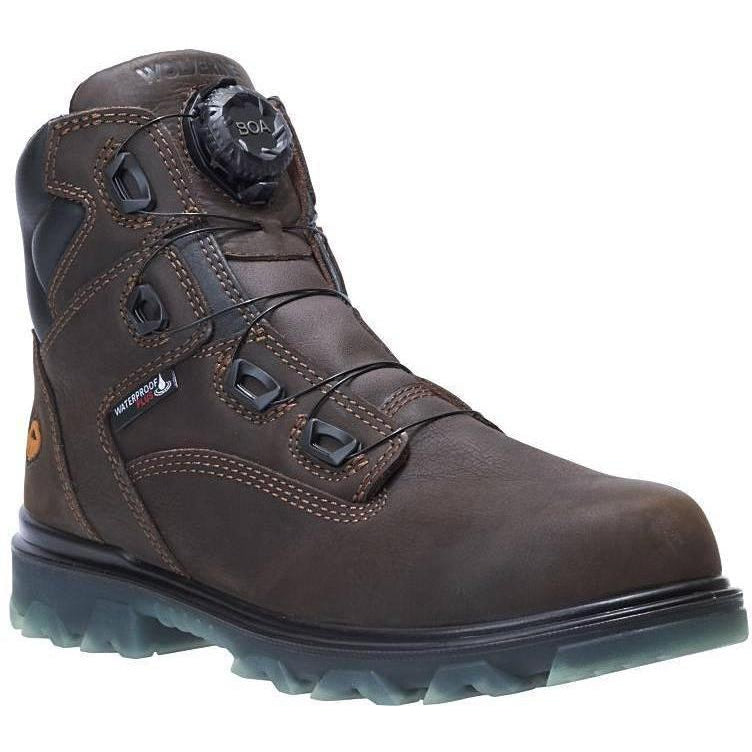
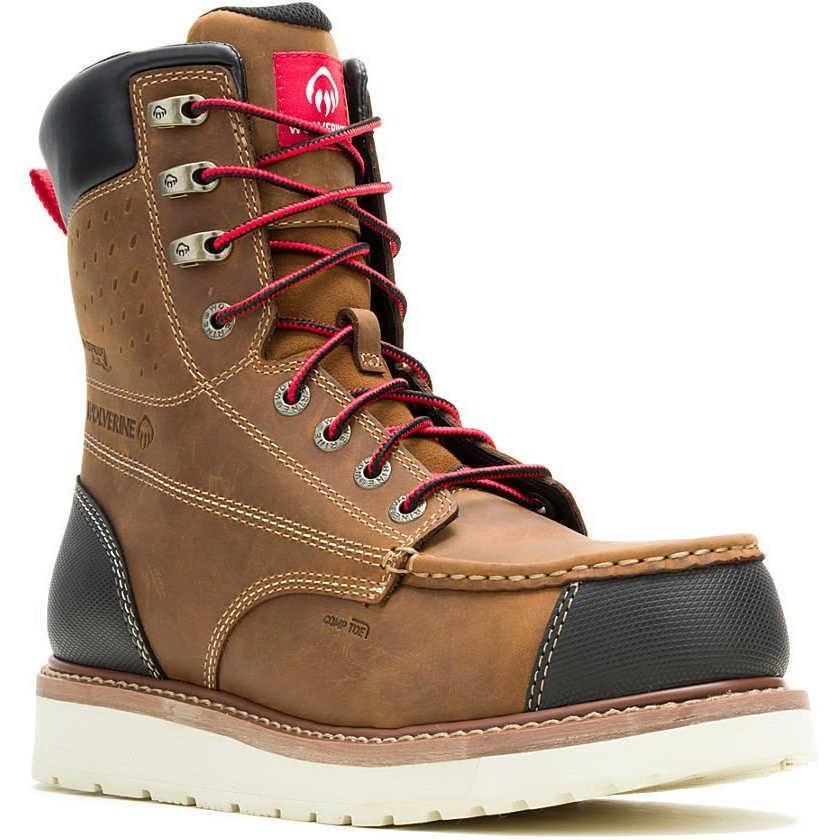
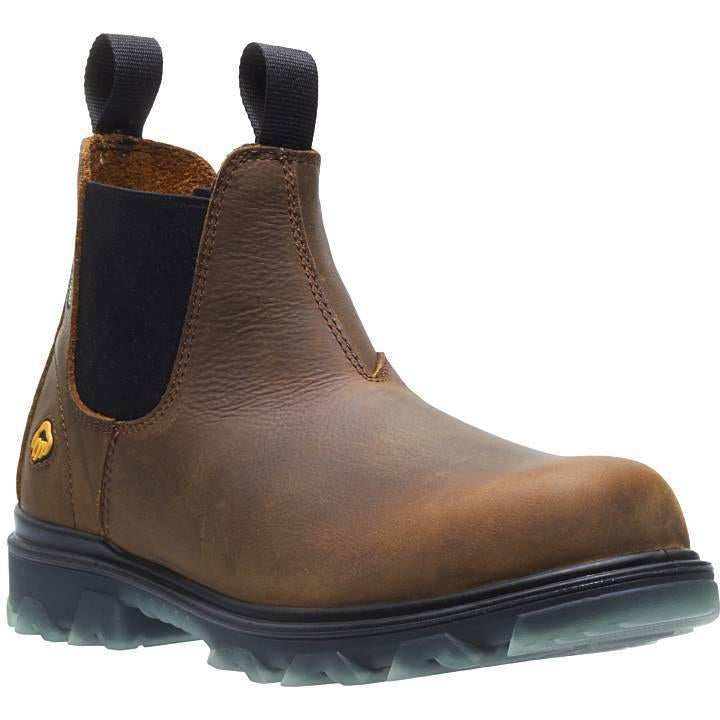
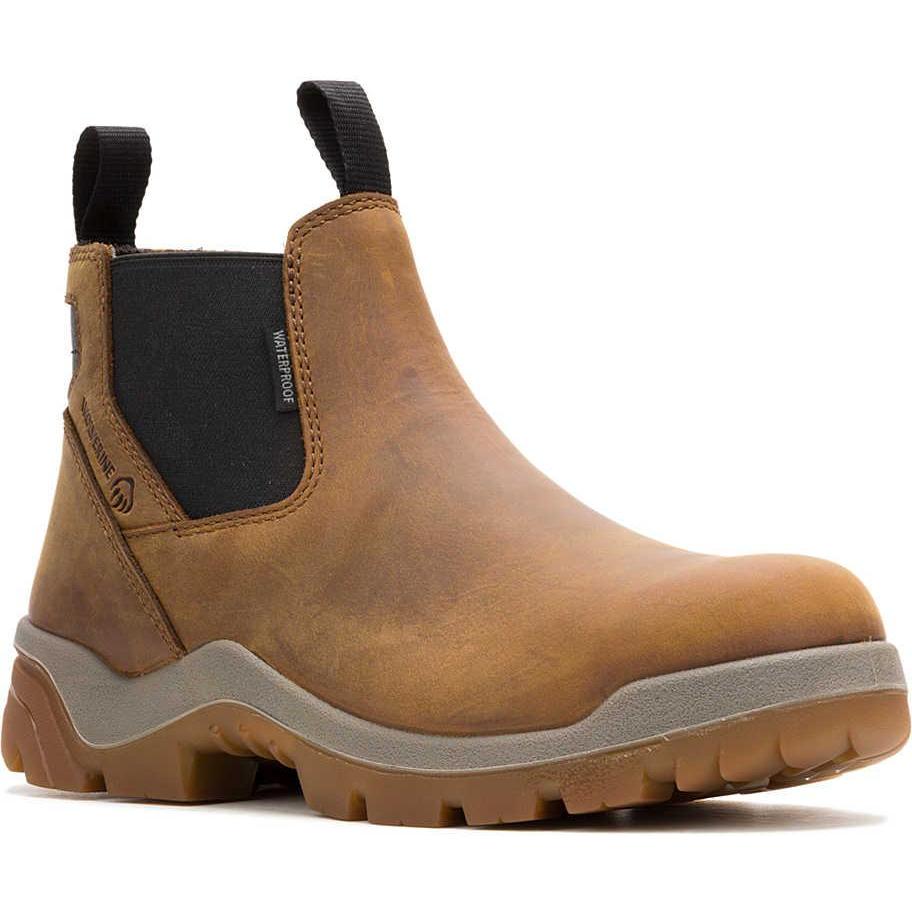
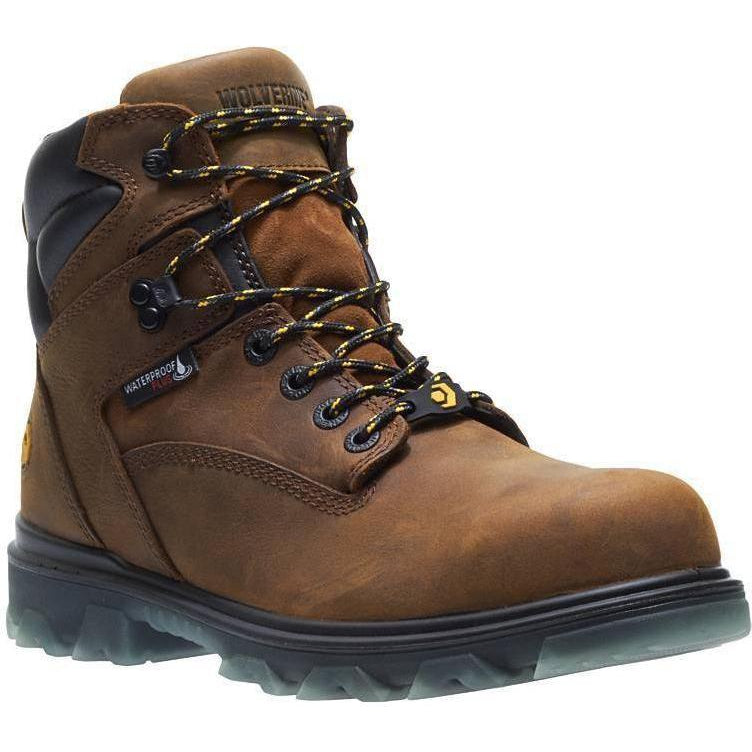
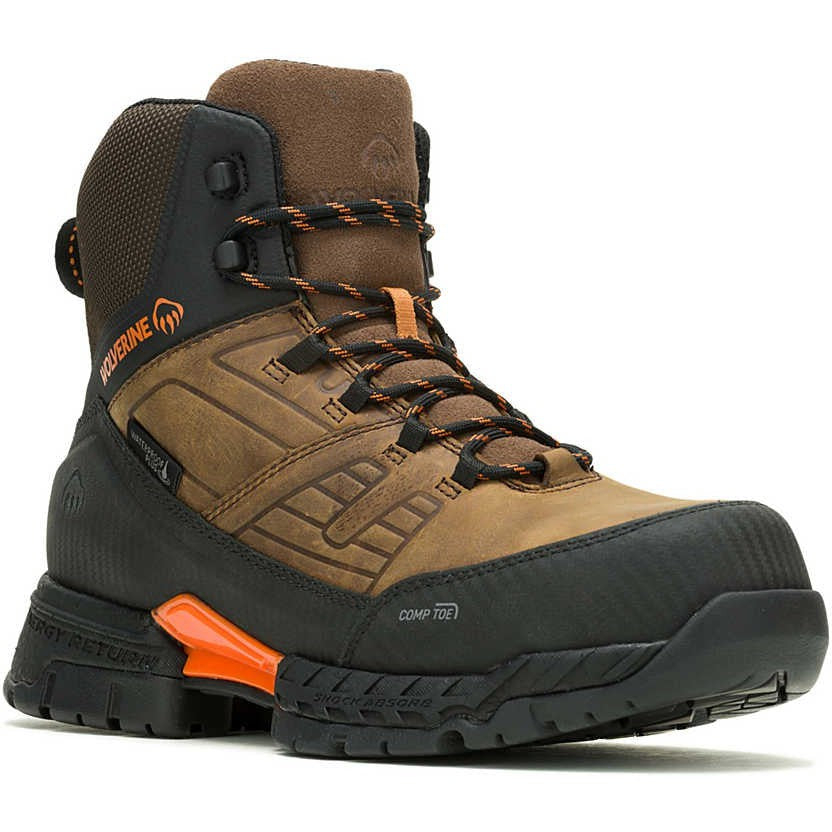
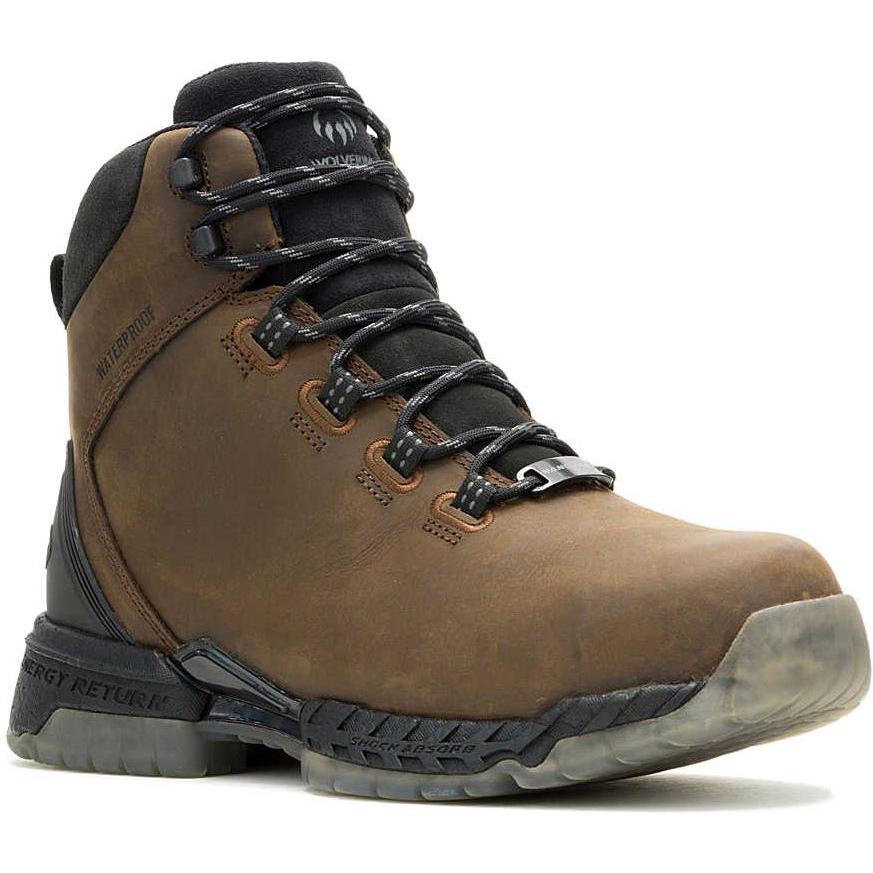
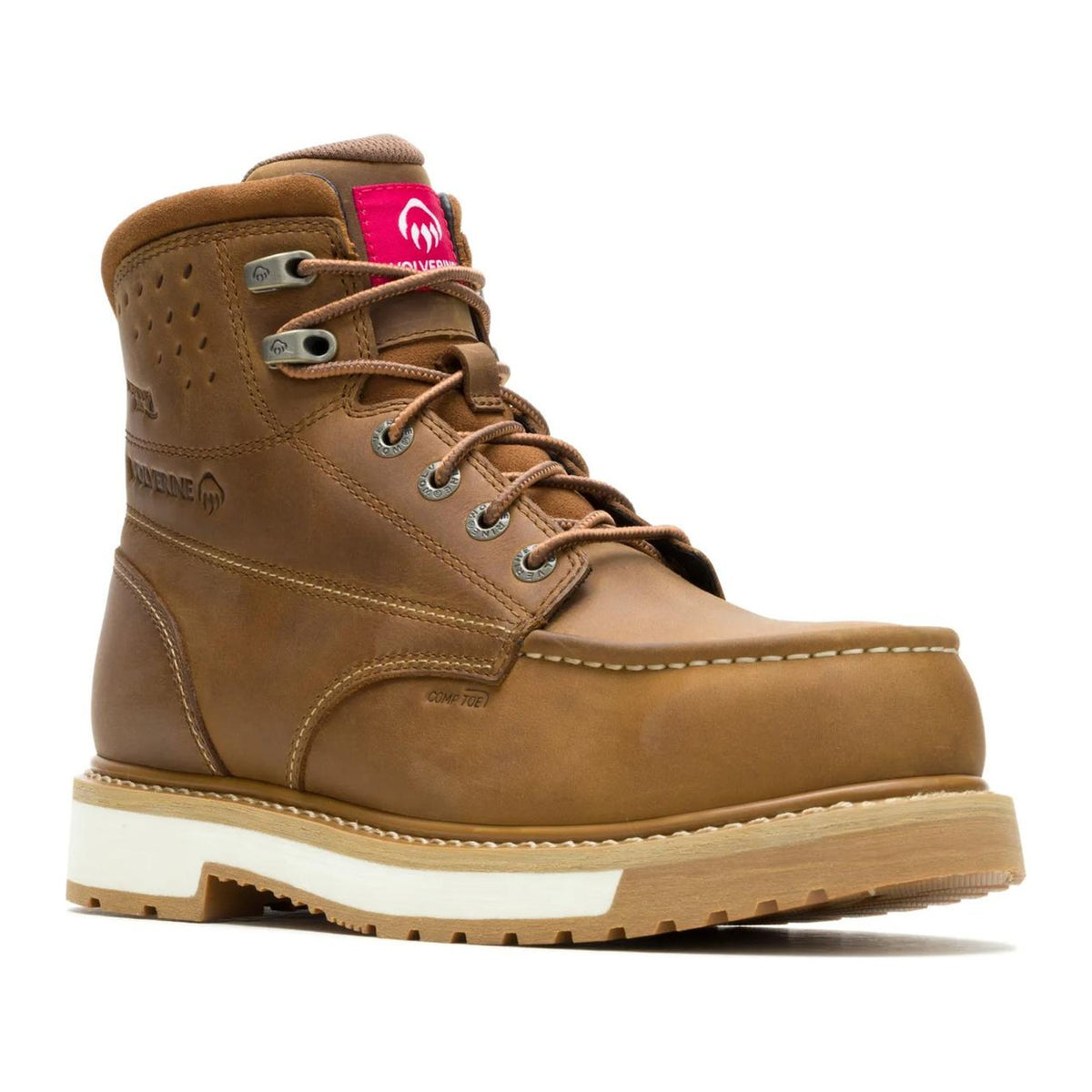
Wolverine Men's Loader 6" Comp Toe Waterproof Carbonmax Work Boot- Trail- W261029
Sale price$174.95
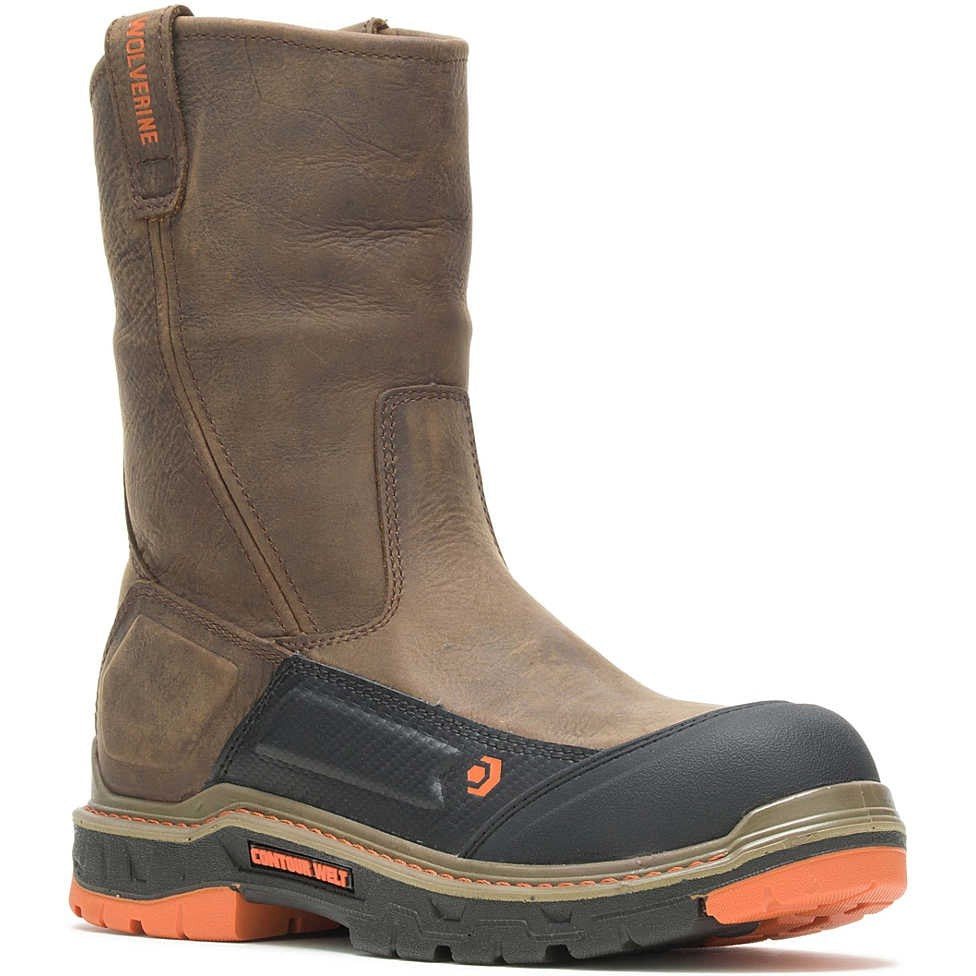
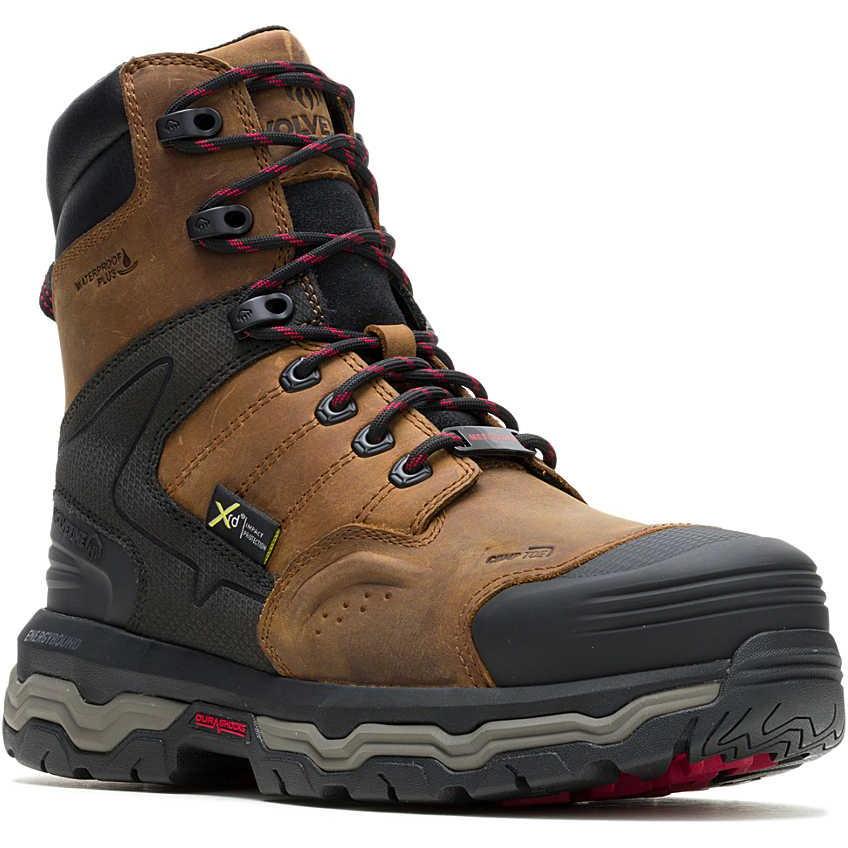
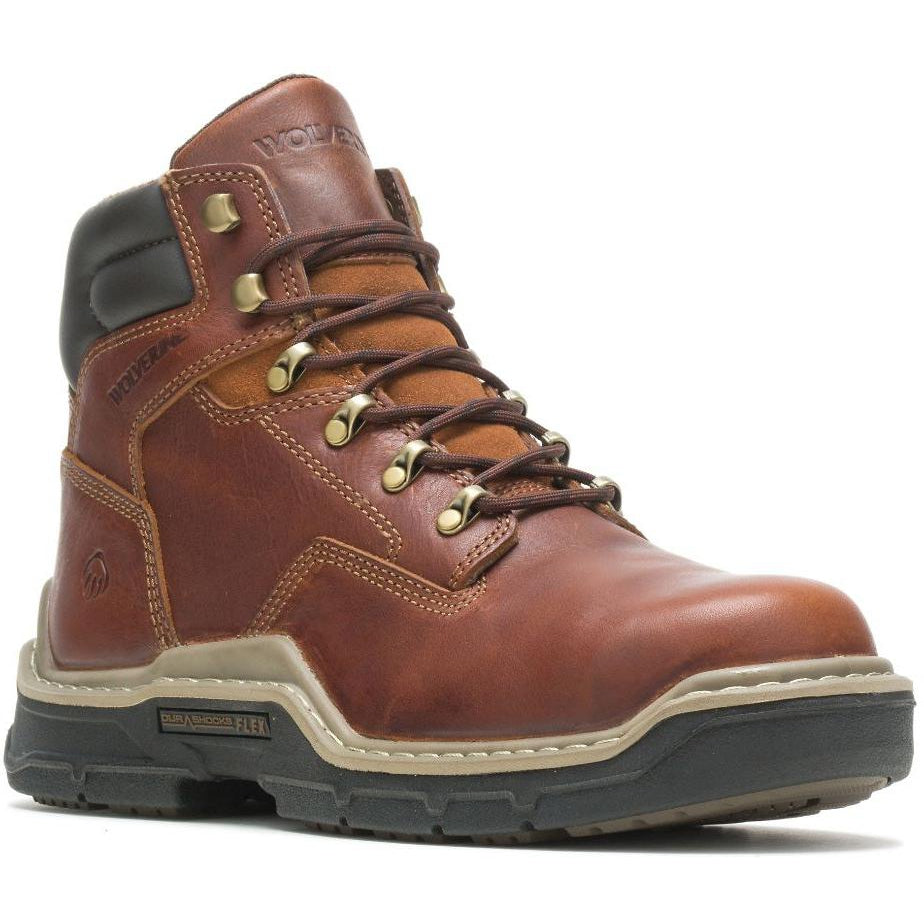
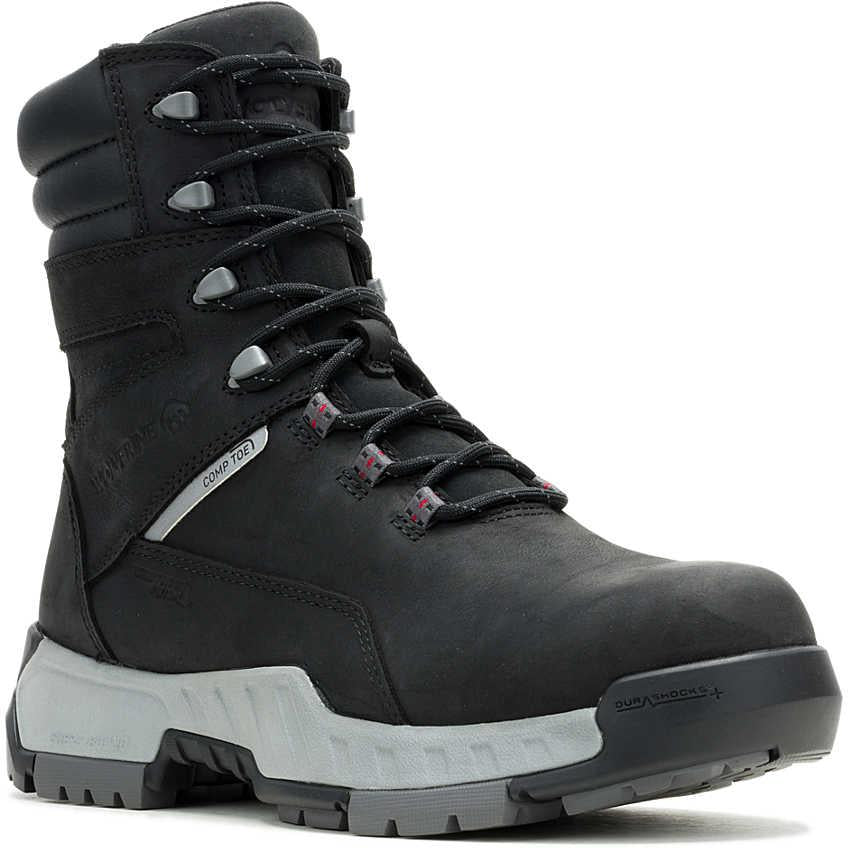
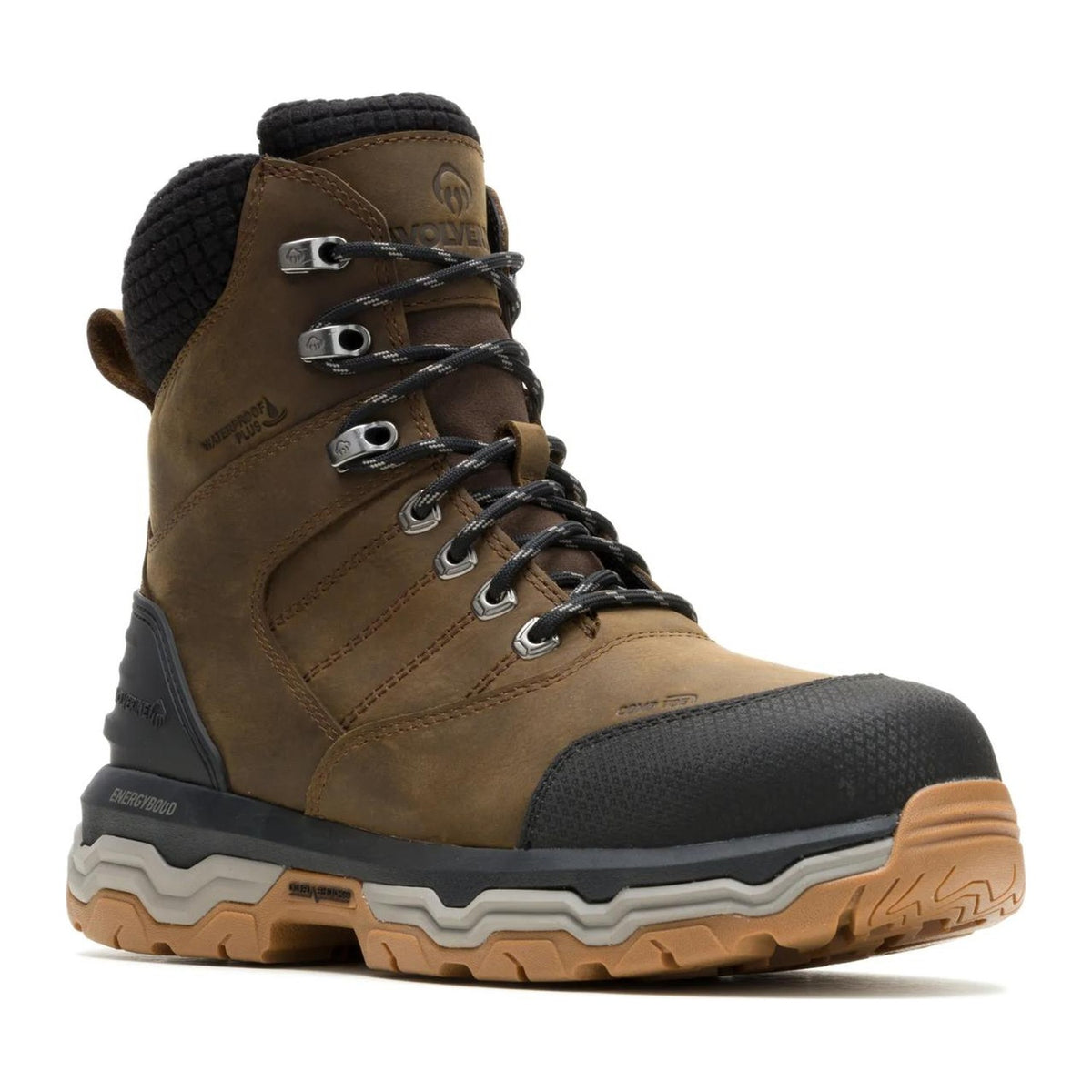
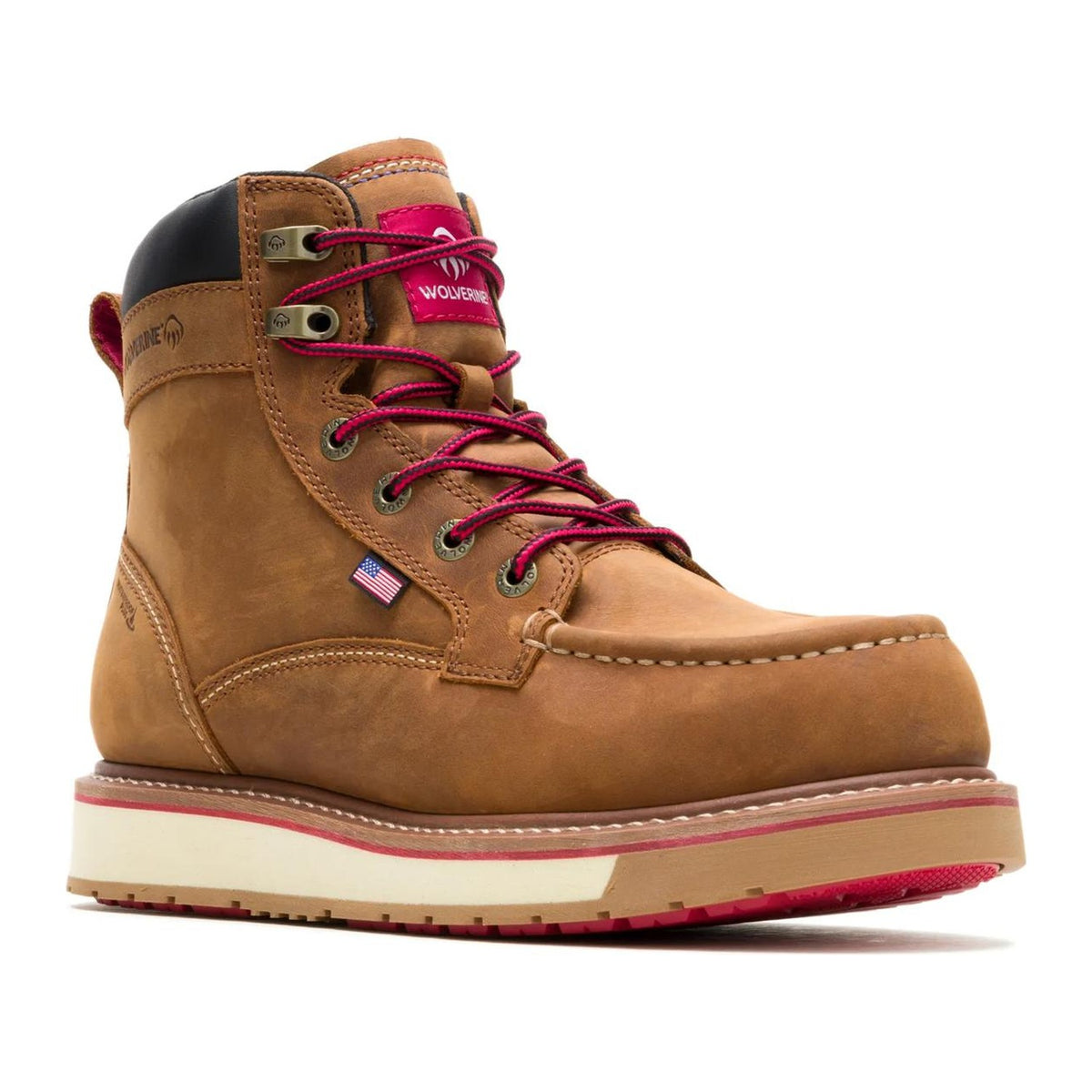
Wolverine Men's Raider Durashocks 6" CarbonMax Toe Work Boot - W211099



Save 11%
Sale price$170.00
Regular price$190.00
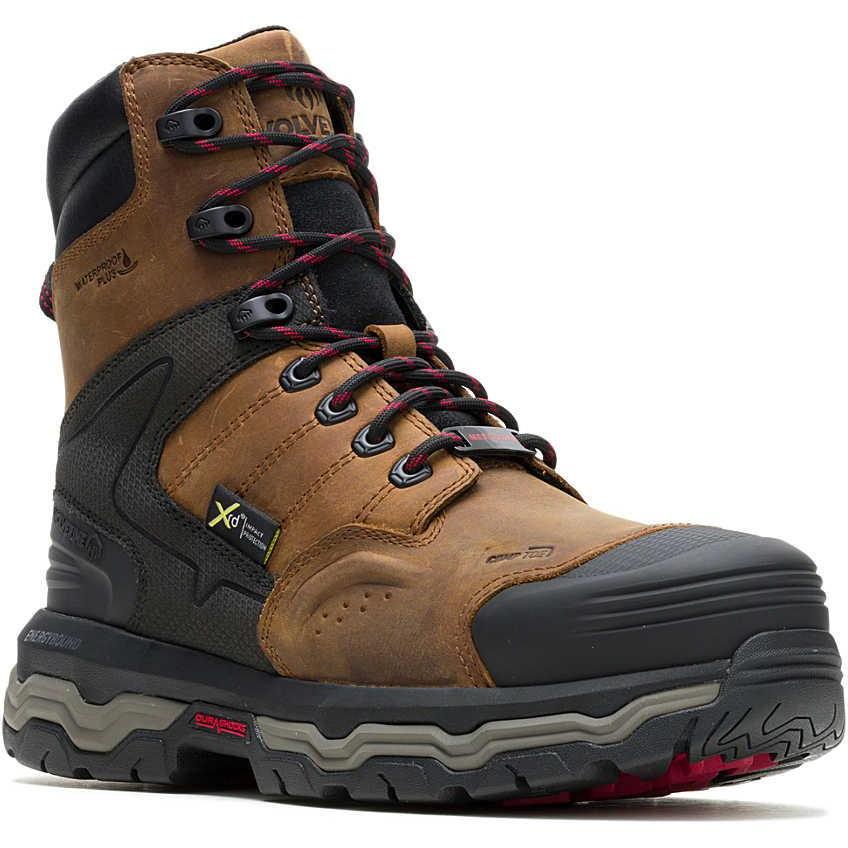
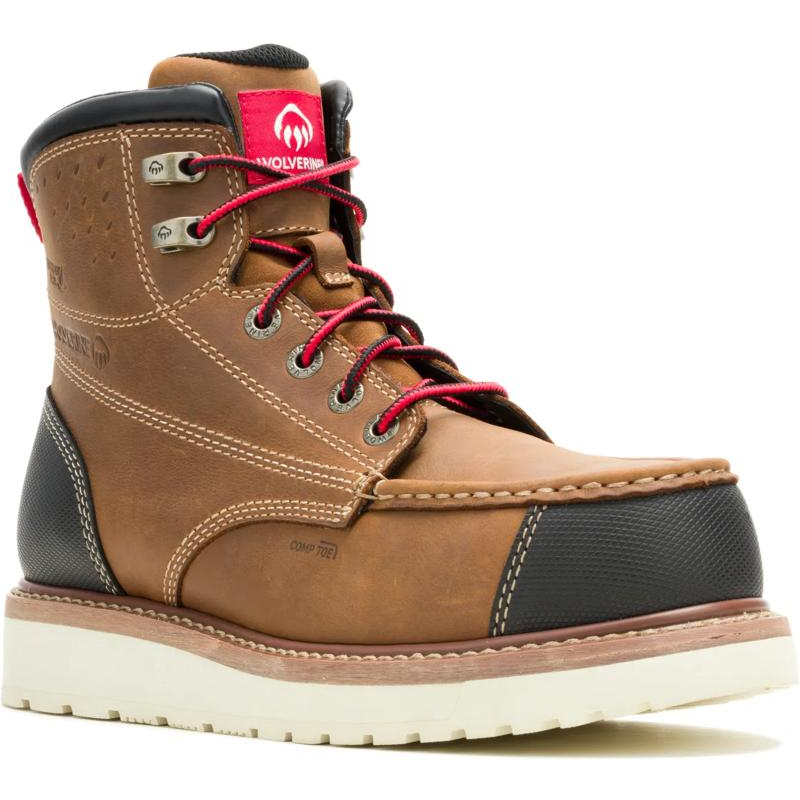
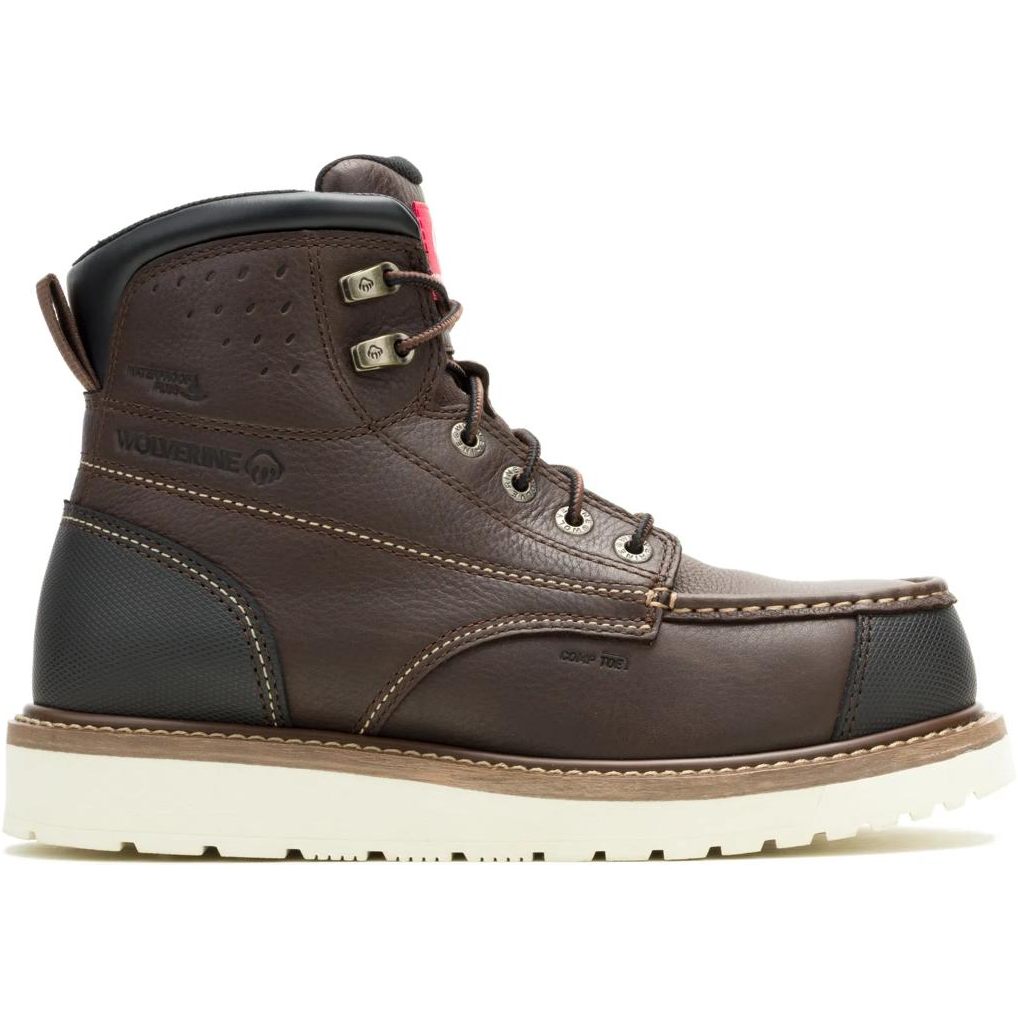
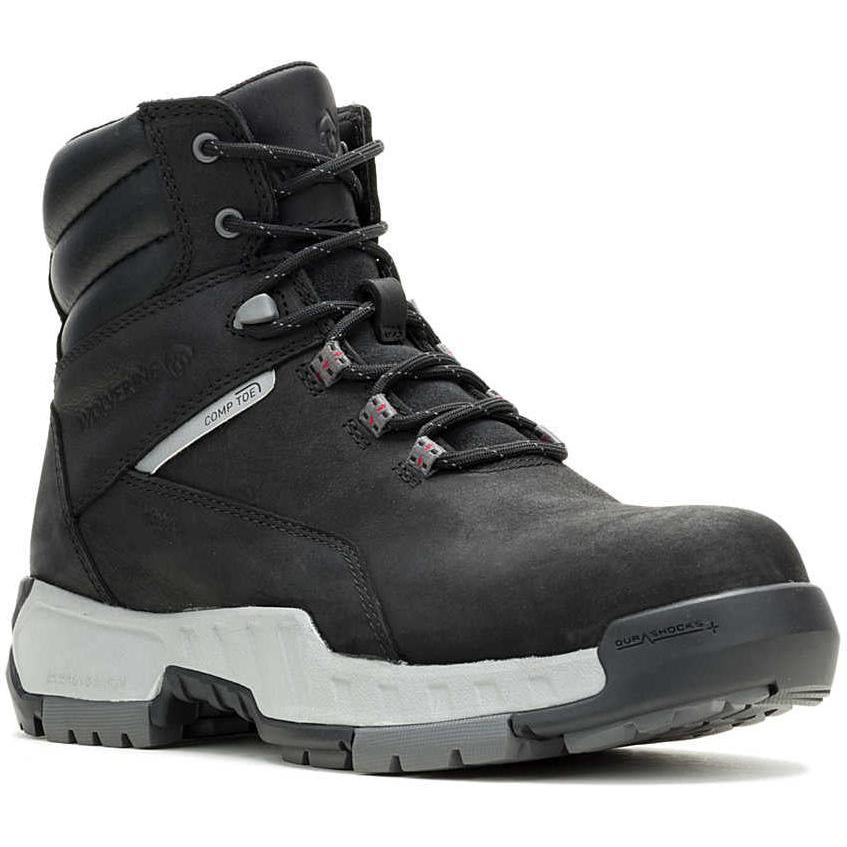
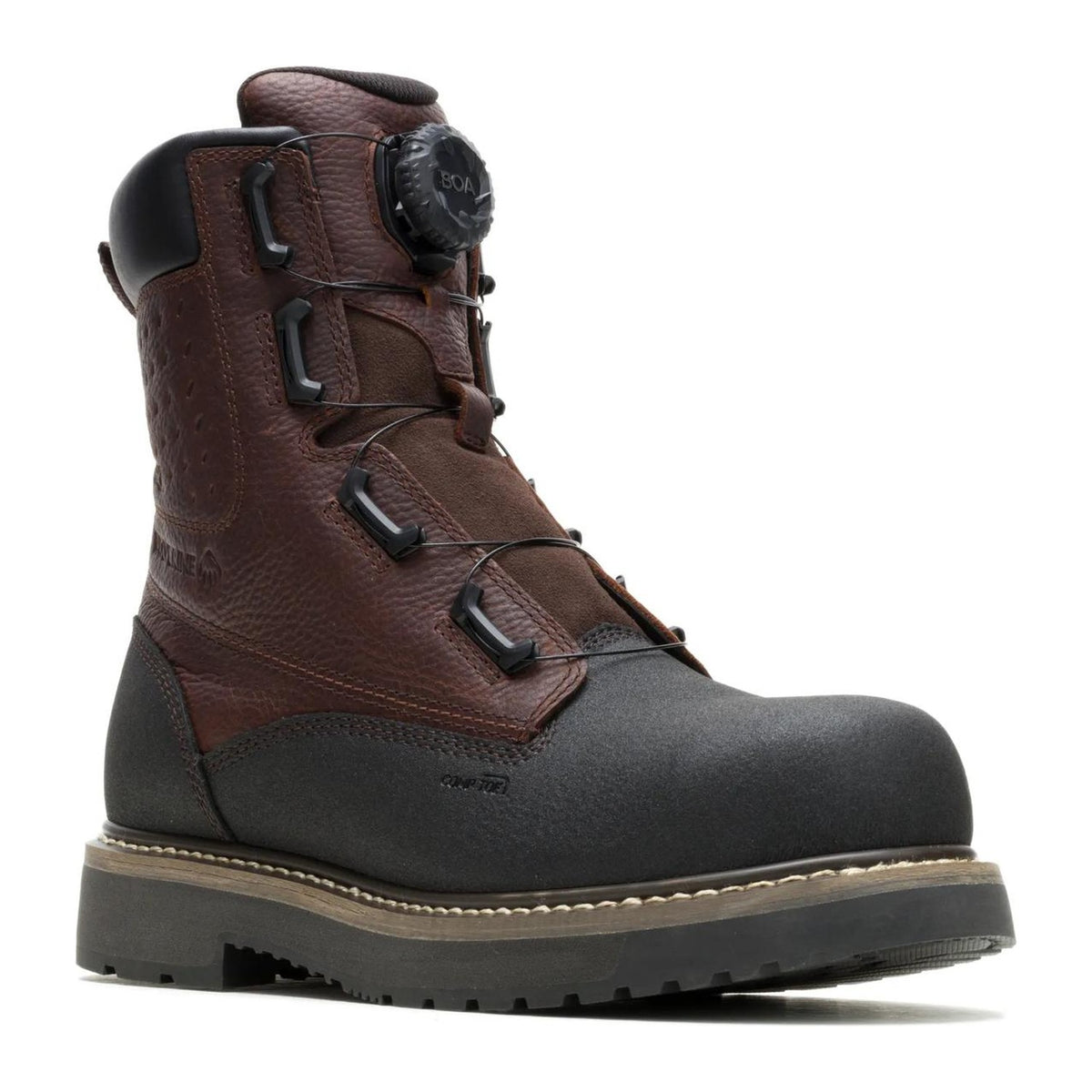
Wolverine Men's Loader 6" Comp Toe Waterproof Carbonmax Work Boot- Brown- W261030





Save 5%

Sale price$179.95
Regular price$190.00
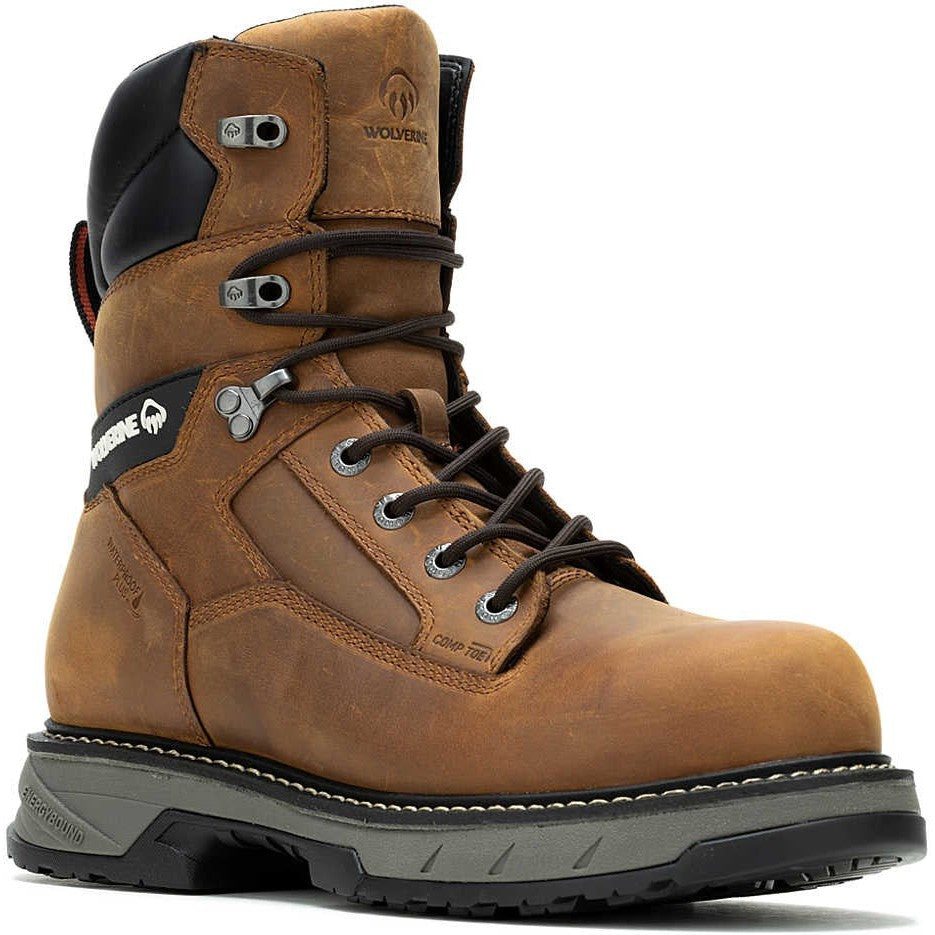
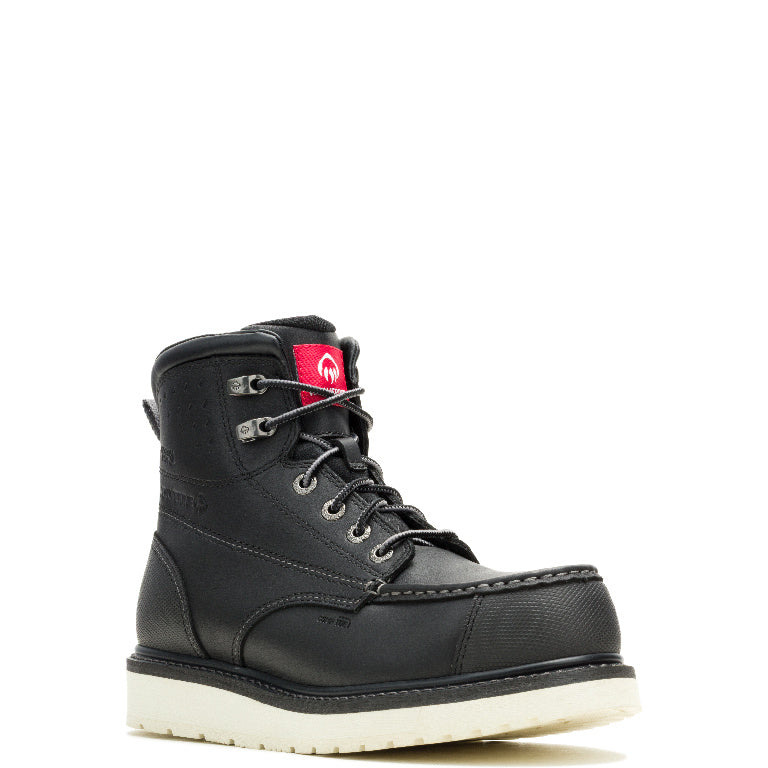
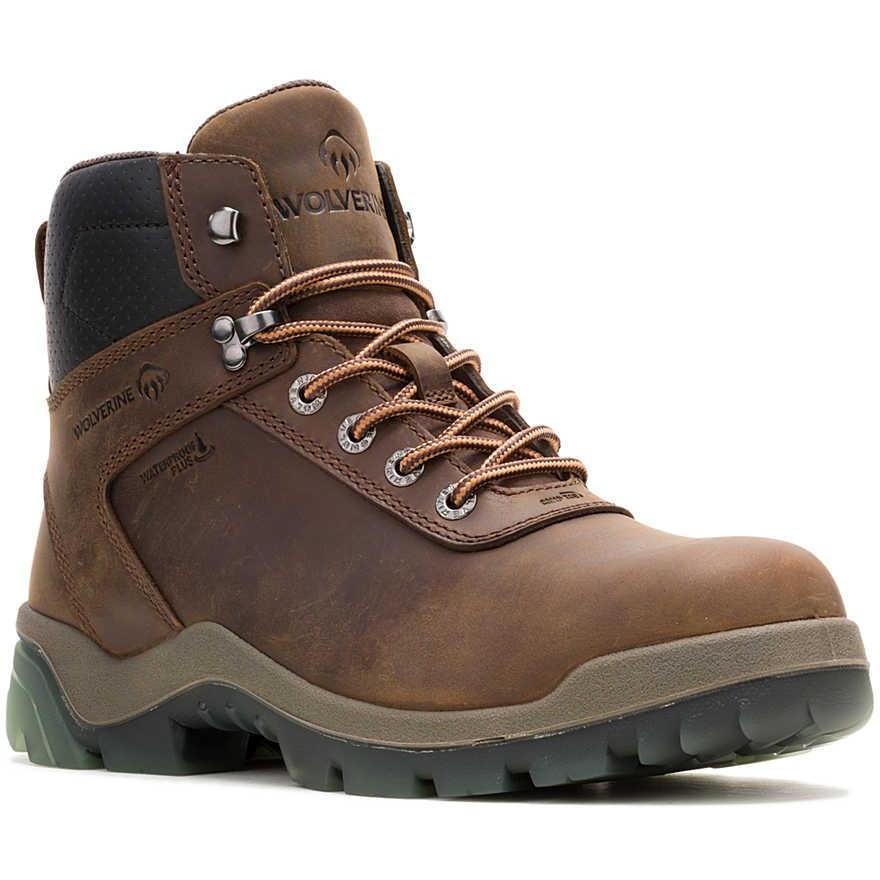
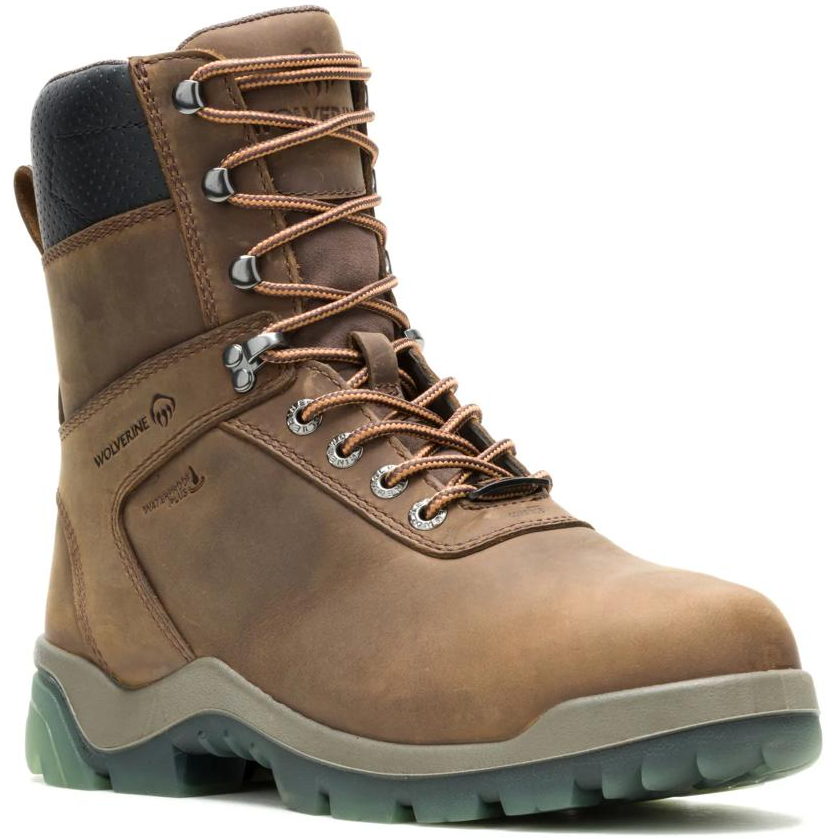
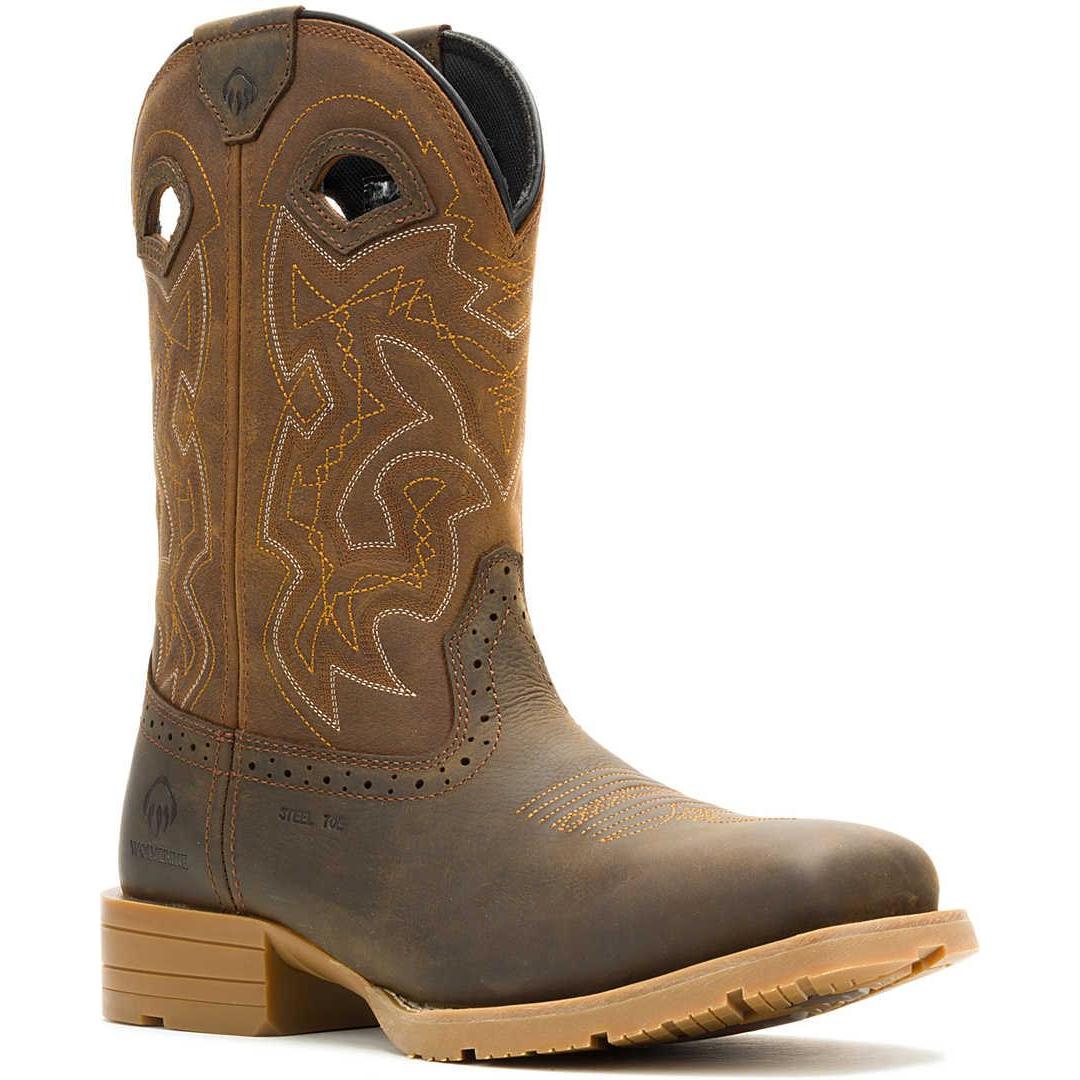
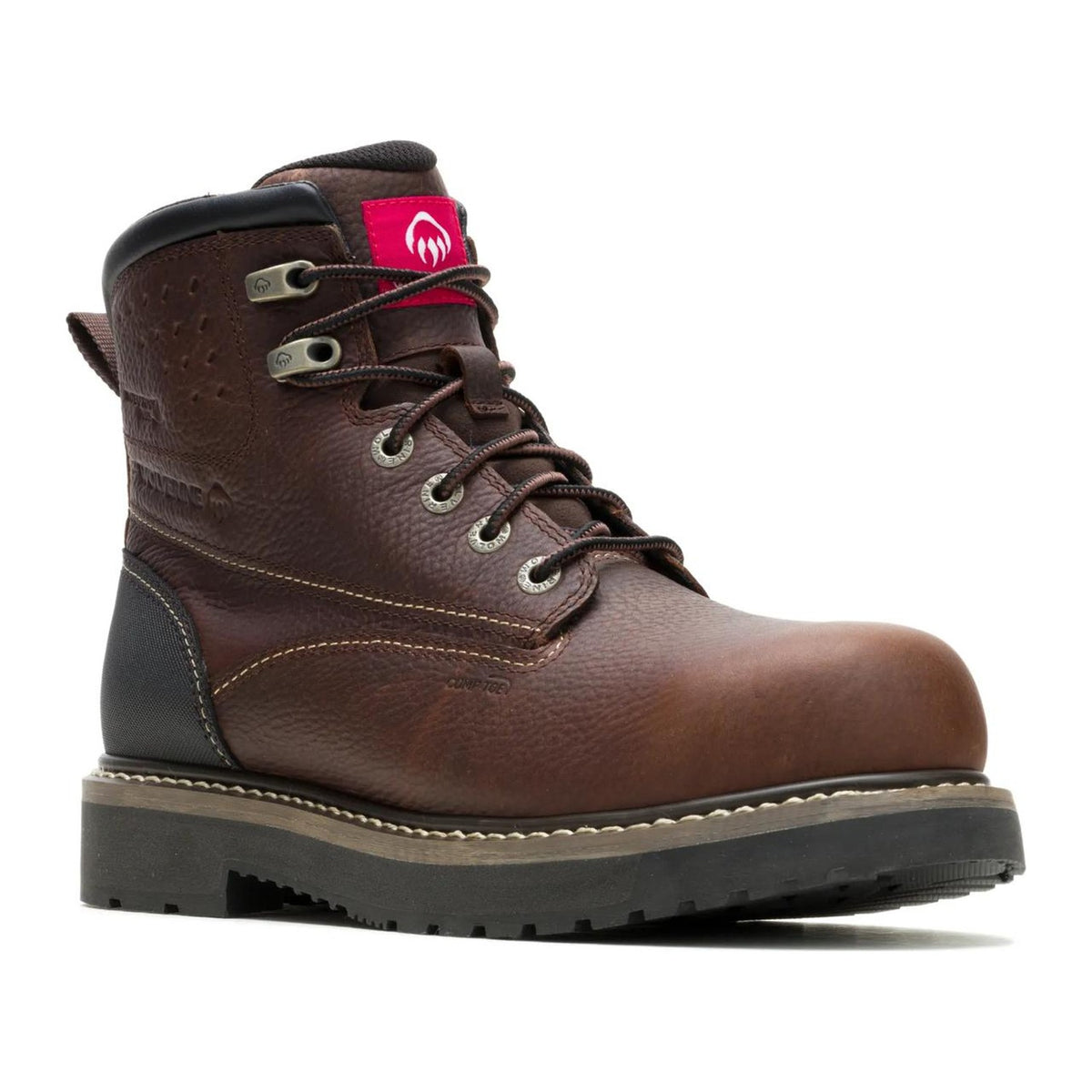
Wolverine Men's DuraShocks SR Icon Insulated 6" CarbonMAX Composite Toe Waterproof 400G Insulated Work Boot - Wheat - W261093

12
Frequently Asked Questions
CarbonMax is Wolverine's carbon fiber safety toe. Carbon fiber is the lightest material available that still meets a rated toe standard, so a CarbonMax cap gives you ASTM F2413 impact and compression protection at noticeably less weight than steel. It is non-metallic, so it does not conduct heat or cold, and it is used across most of Wolverine's current safety footwear range.
For the protection that is actually tested, yes. Both meet ASTM F2413 for impact and compression, which is the same certification against the same test. Steel remains thinner for a given rating, so a steel toe boot has a slimmer profile, and carbon caps have to be slightly bulkier to reach the same standard. Neither is a protection gap.
The toe cap itself will not, since carbon fiber is non-metallic. That does not make the whole boot detector safe, because the shank, any puncture plate, and the eyelets and speed hooks are separate components and can be steel. If you clear checkpoints during your shift, verify the whole boot rather than the toe. Our 100 percent non metallic collection covers boots verified metal free throughout.
Both are non-metallic and both hit the same rating. Standard composite caps use materials such as fiberglass, Kevlar, or reinforced plastic, while CarbonMax uses carbon fiber, which is lighter and allows a thinner cap for the same protection. In practice that means a CarbonMax boot feels closer to an unrated boot at the front than a conventional composite one does. Our composite toe work boots range covers the wider category.
No, and this is one of its practical advantages over steel and alloy. Carbon fiber does not conduct temperature, so the cap does not pull cold toward your toes the way a metal one does. That makes CarbonMax a strong choice for outdoor winter work and freezer environments, and it means you need less insulation to stay comfortable than you would in a steel toe boot.
It runs across the I-90 EPX, Loader and Loader II, Reforce, and Overpass families, in 6-inch and 8-inch lace-ups, BOA dial models, and Romeo pull-ons. Nearly all of them are waterproof. Browse the full Wolverine safety toe range to see how it sits alongside the brand's steel and composite options.
They sit above Wolverine's steel toe models, because carbon fiber costs more as a material and the cap requires more precise manufacturing. What you are paying for is weight saving and temperature performance rather than more protection. If neither of those is a problem for you, a steel toe in the same model line gets you the same rating for less.
It depends on your shift and your conditions. If you are on your feet all day, work outdoors in cold, or have found steel toe boots tiring at the front of the foot, the weight and temperature difference is genuinely noticeable. If you work indoors in moderate conditions and price matters, steel does the same certified job. Neither answer is wrong; they solve different problems.
Recently viewed
Our Top Brands