Save 29%
Sale price$163.67
Regular price$230.00
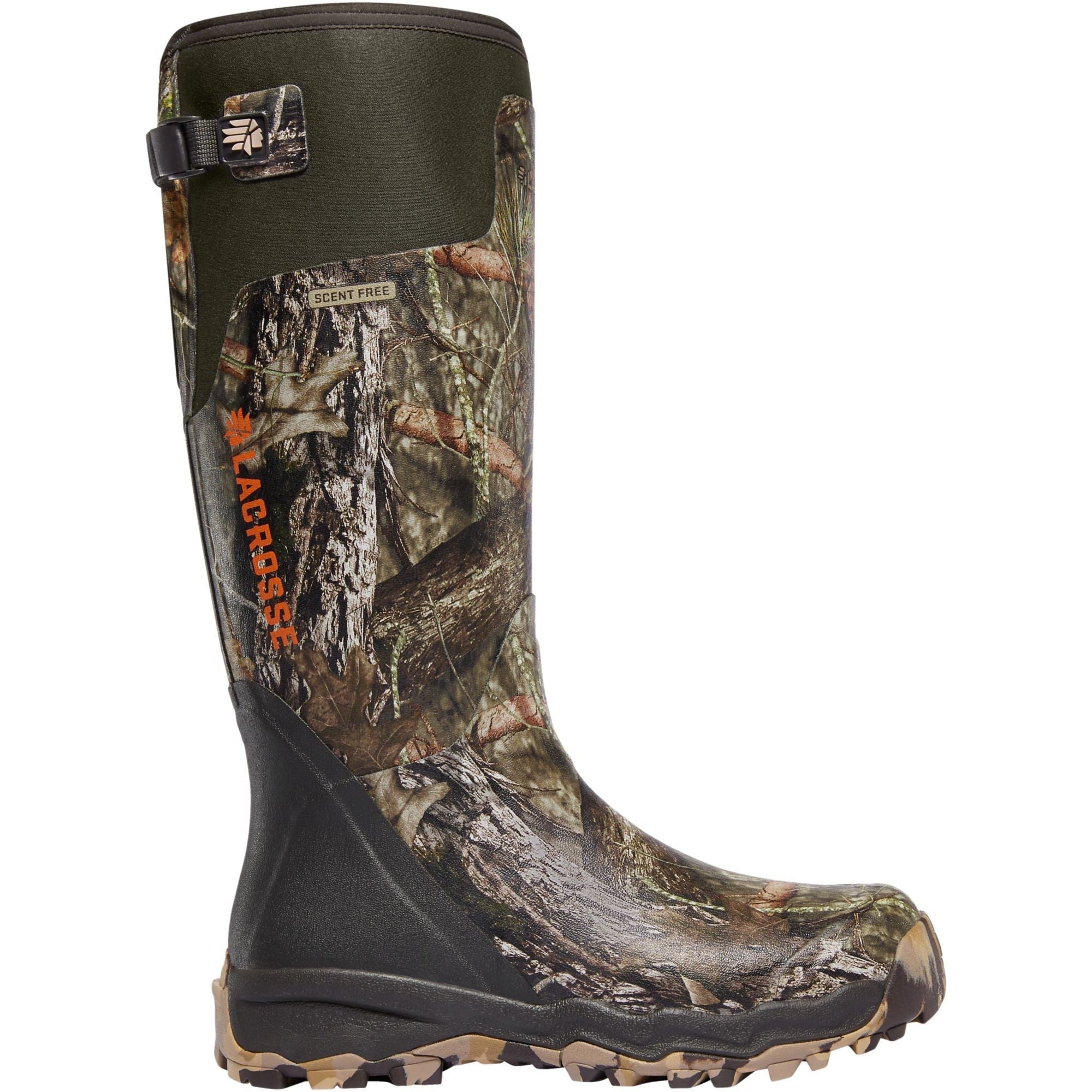
LaCrosse Men's Alphaburly Pro 18" Rubber Hunt Boot - Mossy Oak Break-Up Country - 376027
Save 7%
Sale price$279.95
Regular price$300.00
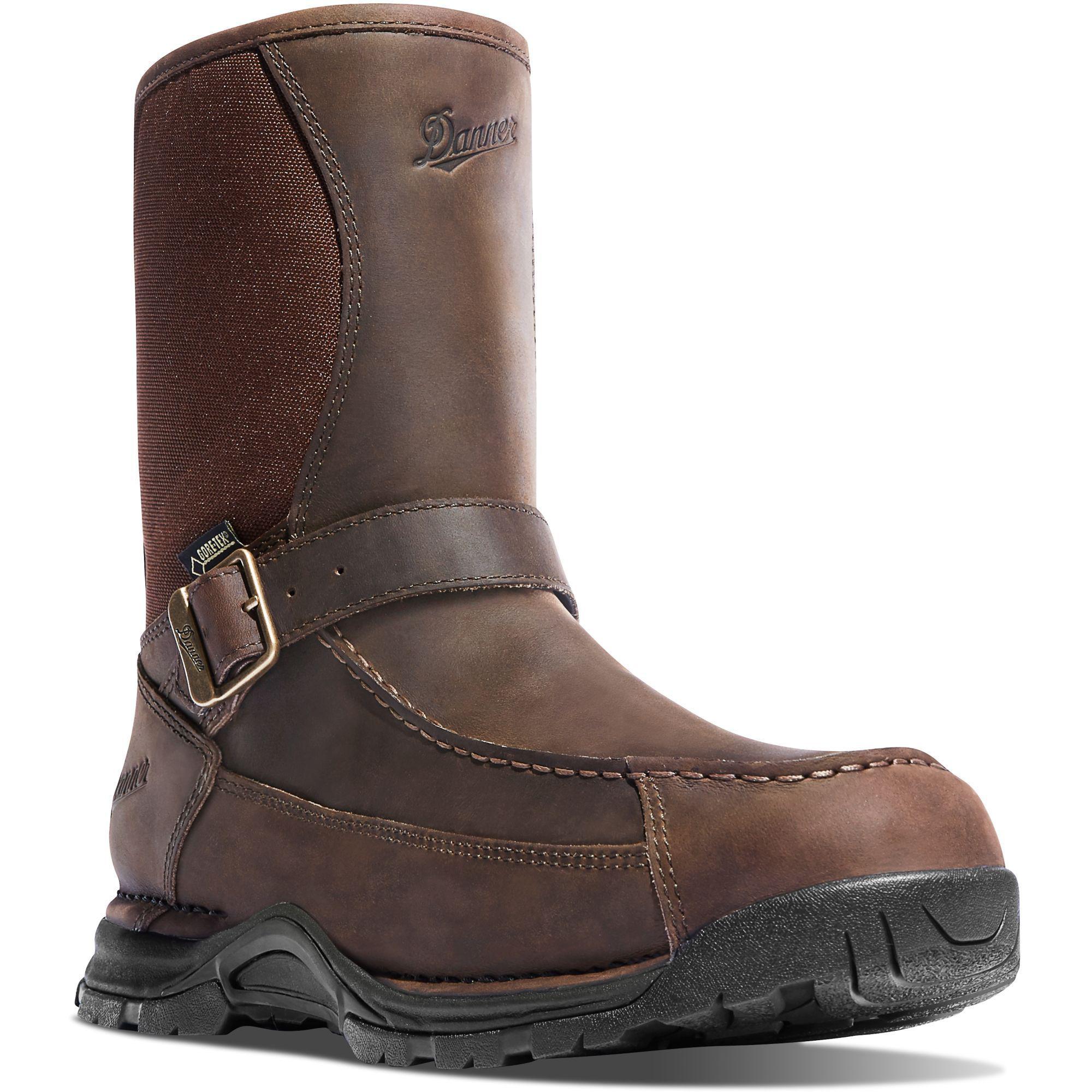
Danner Men's Sharptail 10" Rear Zip Waterproof Hunt Boot Brown - 45025
Sale price$309.95
Regular price$320.00
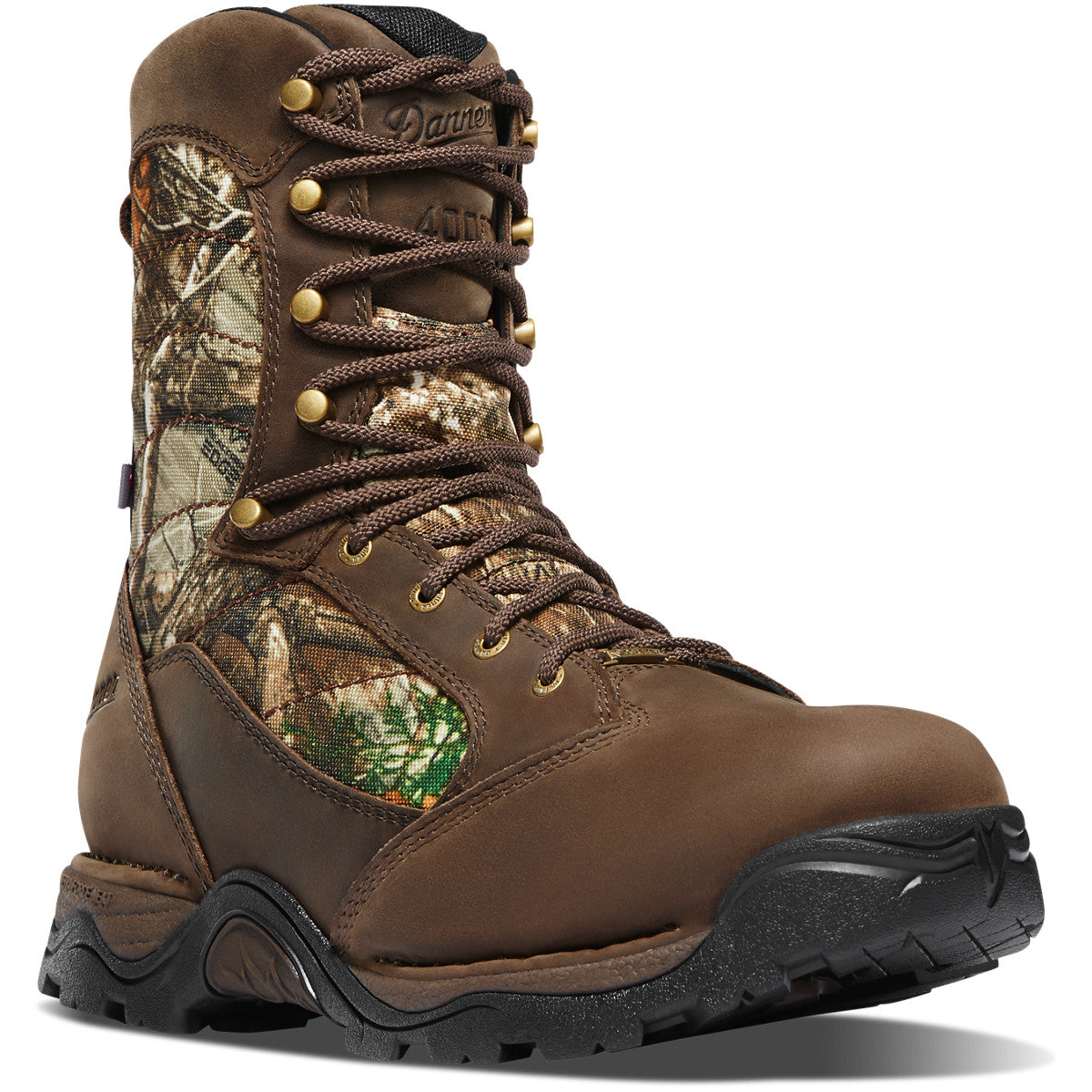
Danner Men's Pronghorn 8" Waterproof Ins Hunt Boot - Realtree Edge - 41341
Save 26%
Sale price$175.82
Regular price$237.00
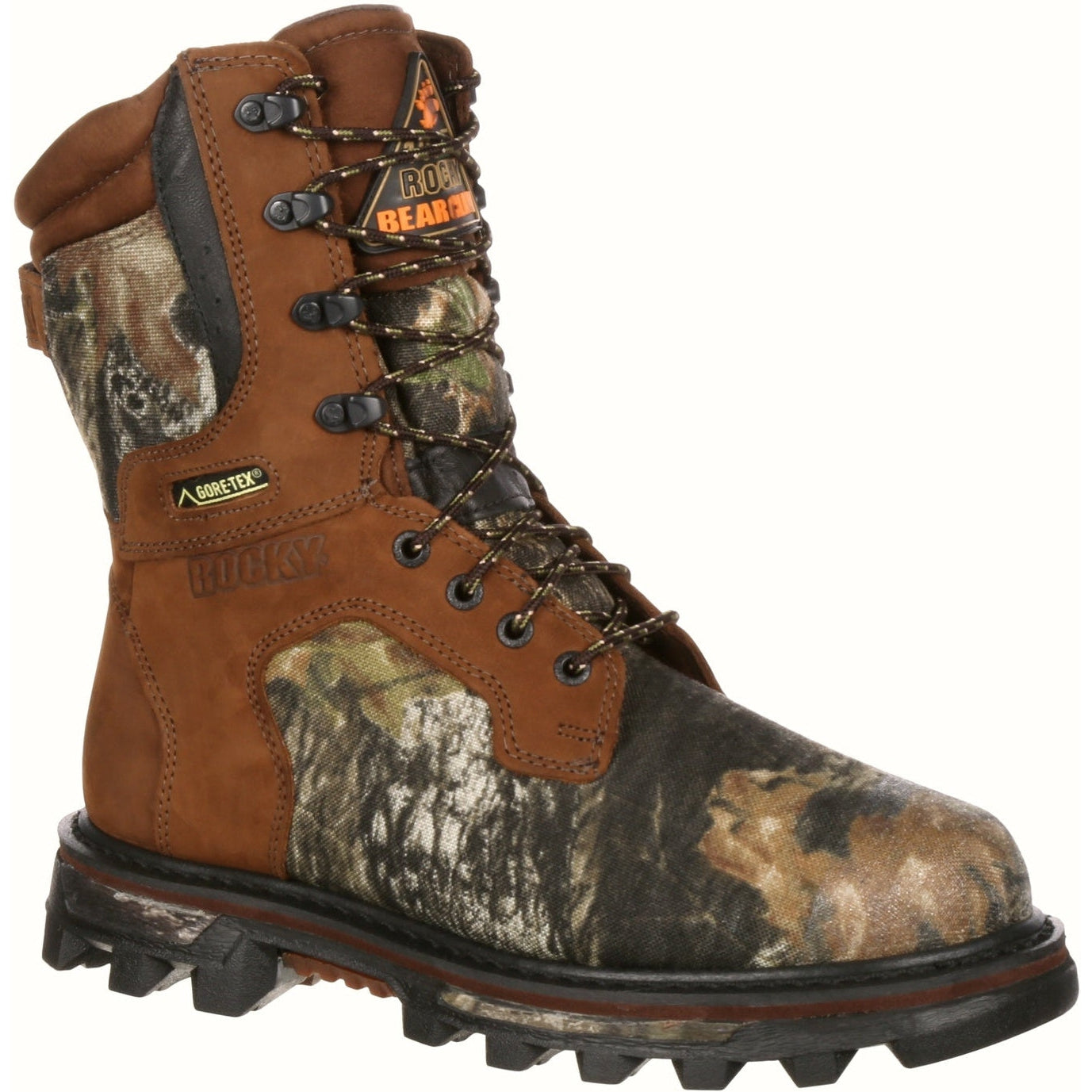
Rocky Men's BearClaw GORE-TEX® 9" Waterproof 1000G Ins Hunt Boot - Mossy Oak FQ0009275
Sale price$349.95
Regular price$360.00
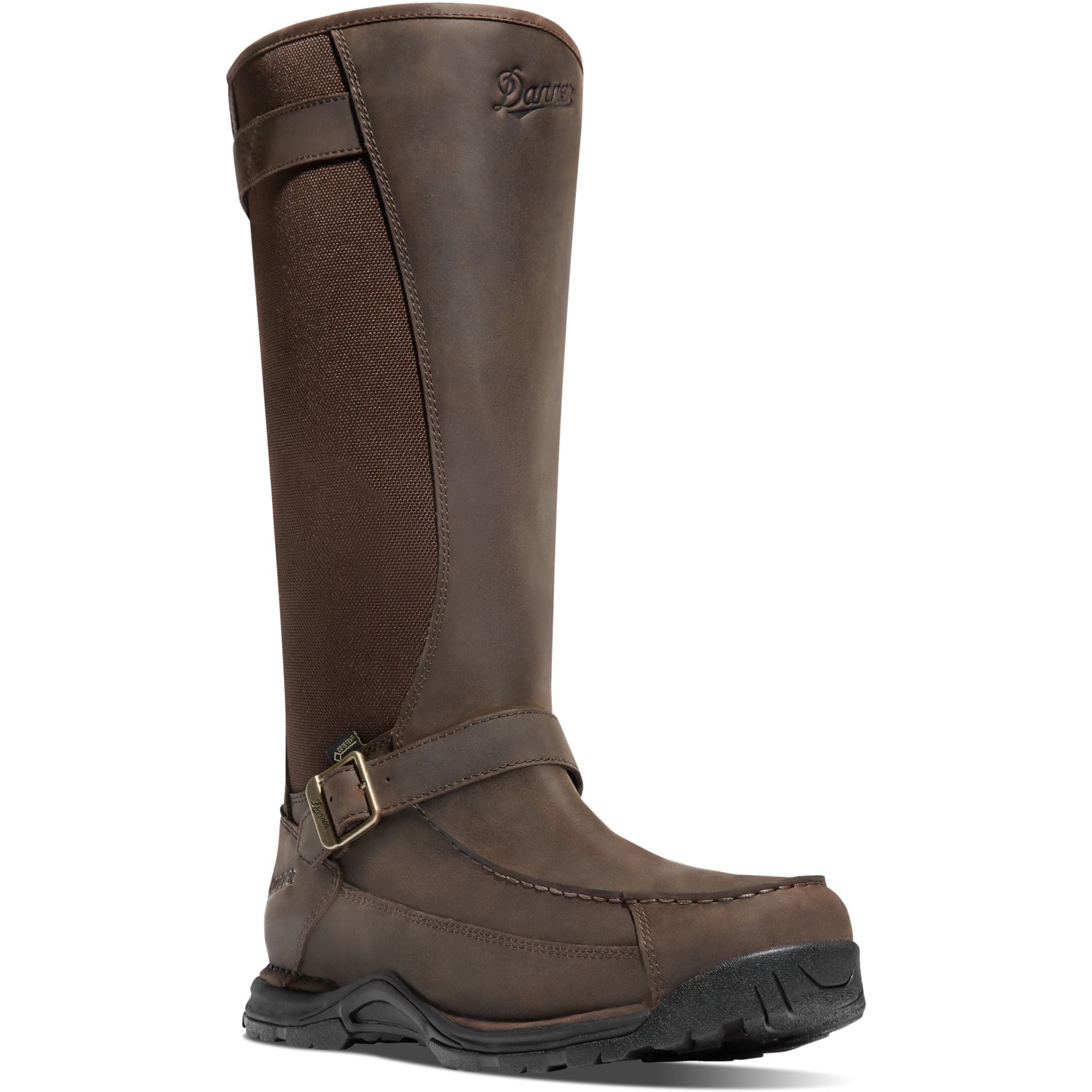
Danner Men's Sharptail 17" Waterproof Snake Hunt Boot - Brown - 45040
Save 15%
Sale price$219.95
Regular price$258.00
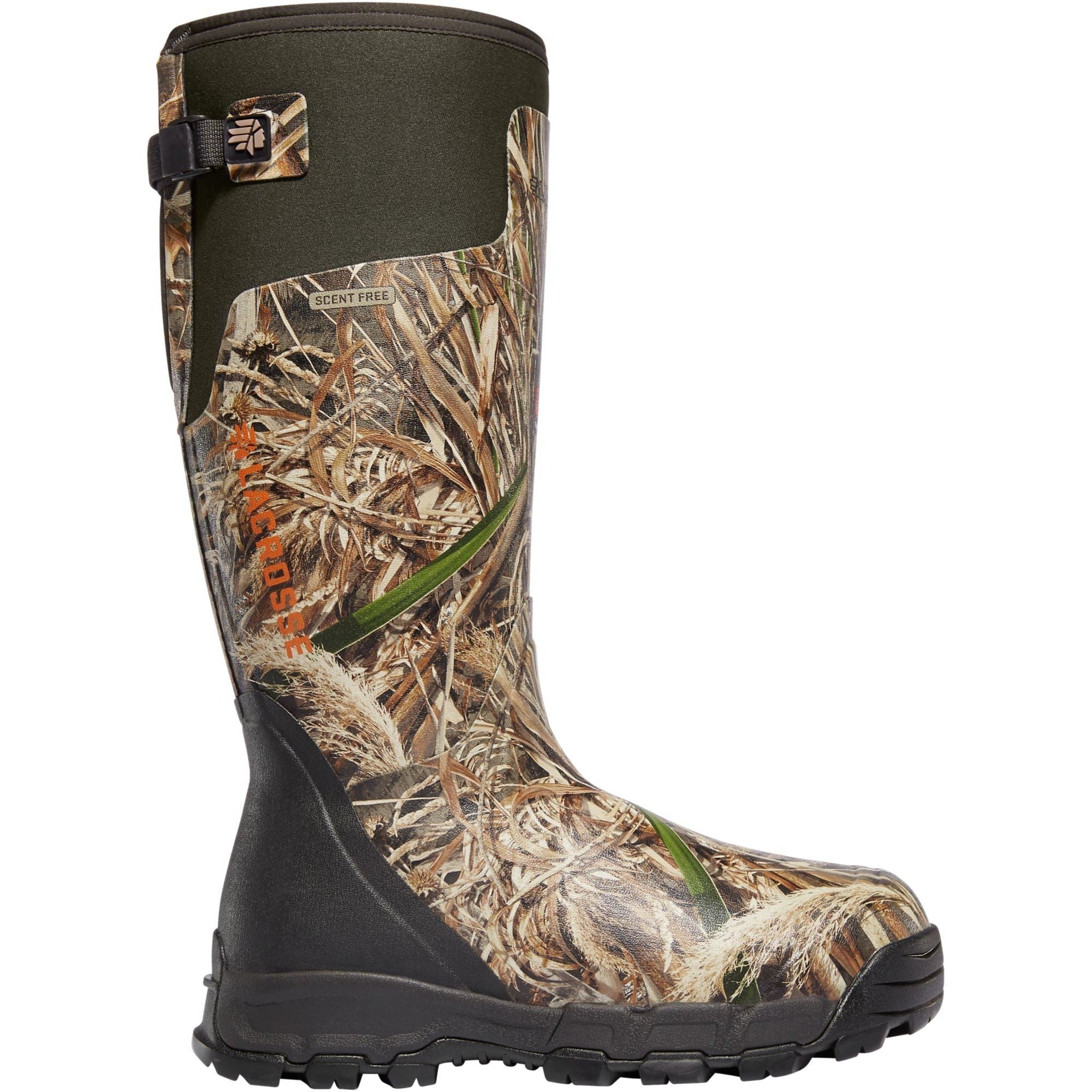
LaCrosse Men's Alphaburly Pro 18" 800G Insulated Rubber Hunt Boot - Realtree Max-5 - 376021
Save 9%
Sale price$169.99
Regular price$187.00
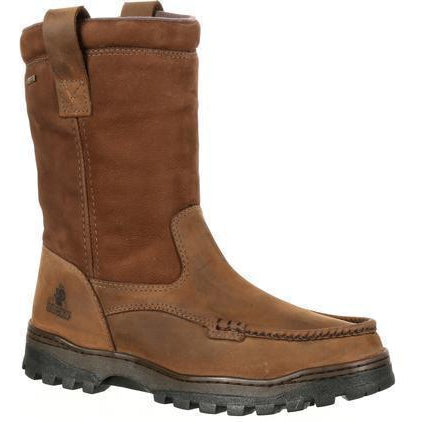
Rocky Men's Outback Gore-Tex Waterproof Wellington Hunting Boot Brown RKS0255
Save 7%
Sale price$279.95
Regular price$300.00
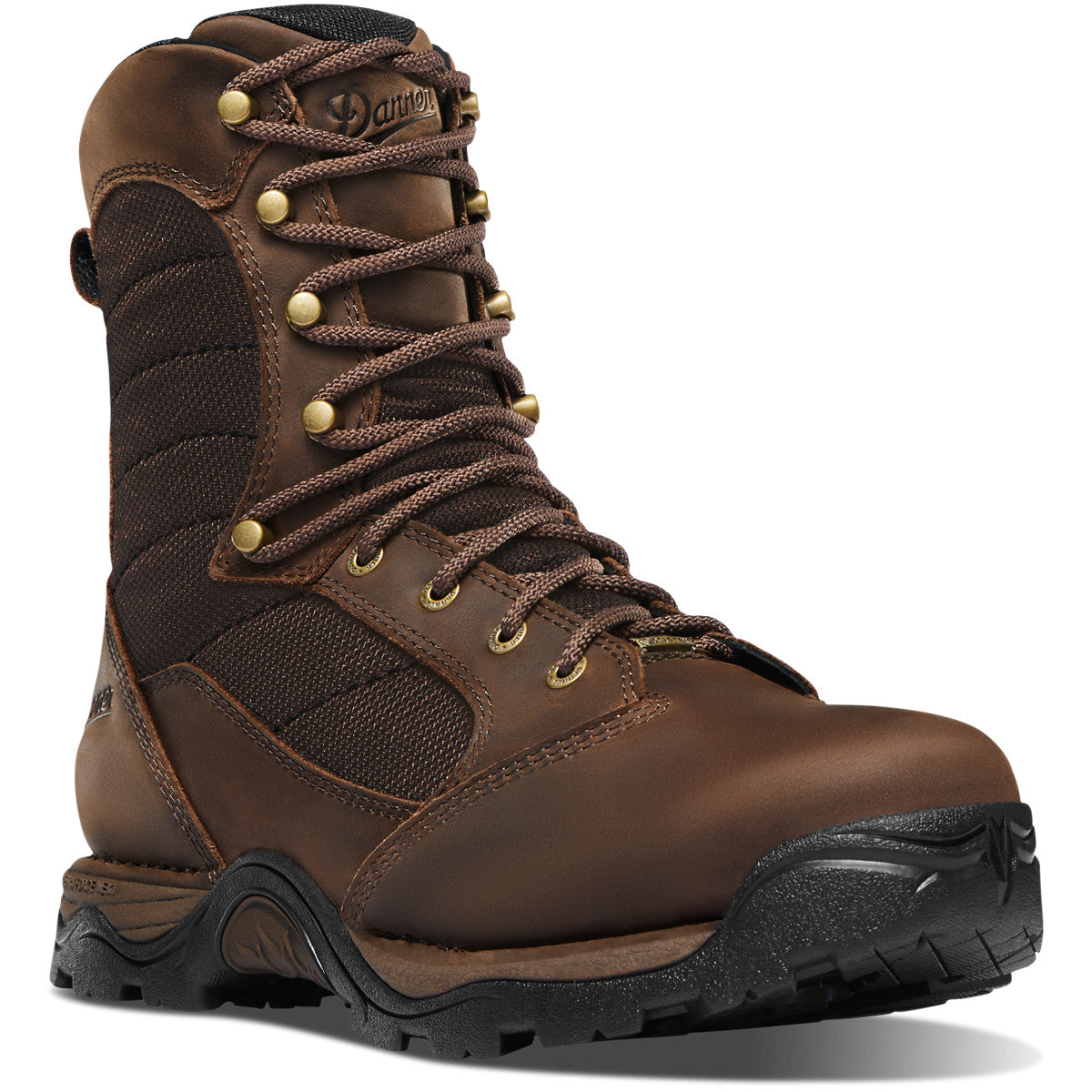
Danner Men's Pronghorn 8" Waterproof Hunting Boot - Brown - 41340
Save 5%
Sale price$359.95
Regular price$380.00
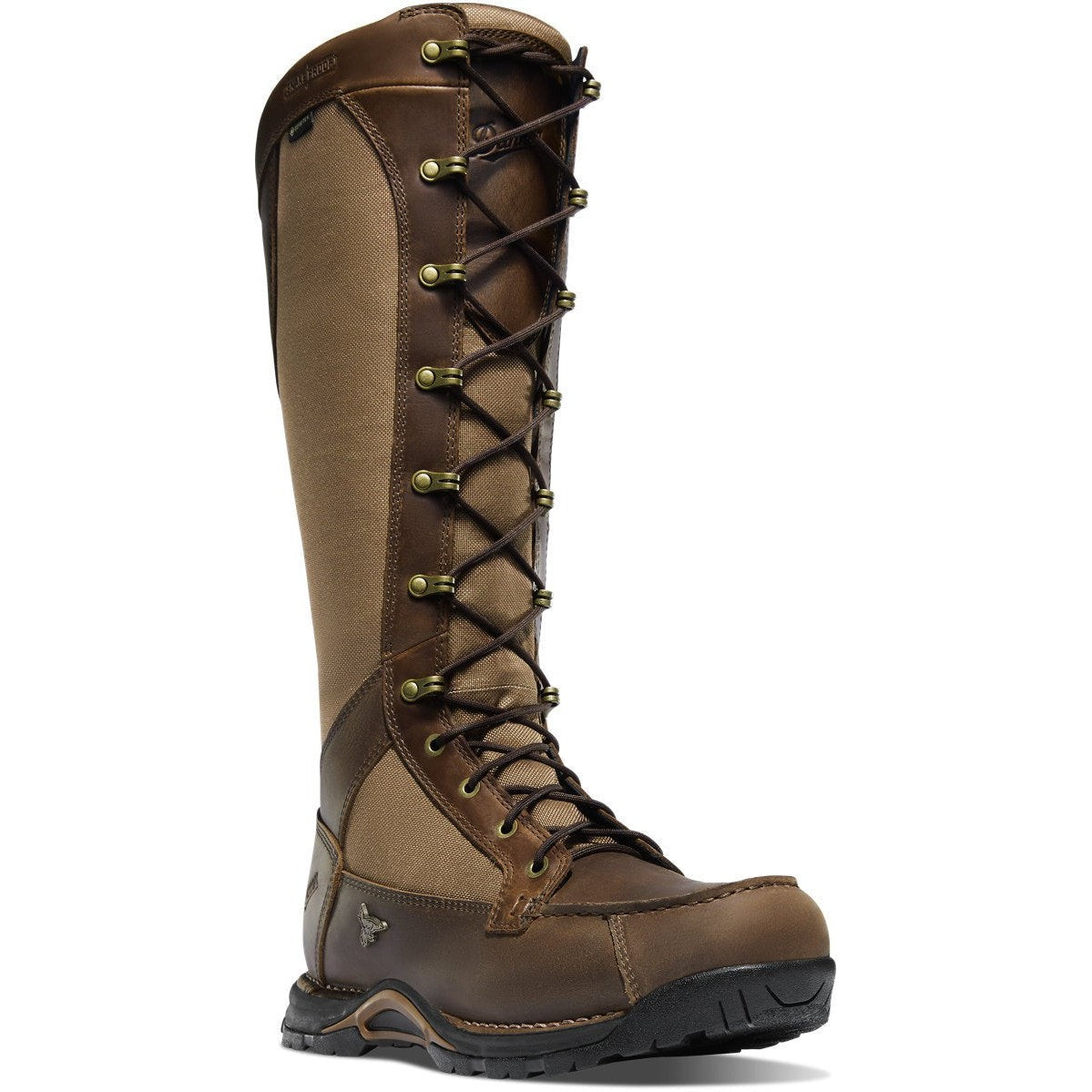
Danner Men's Sharptail 17" Side Zipper Snake Hunt Boot -Brown- 45041
Save 29%
Sale price$238.34
Regular price$336.00
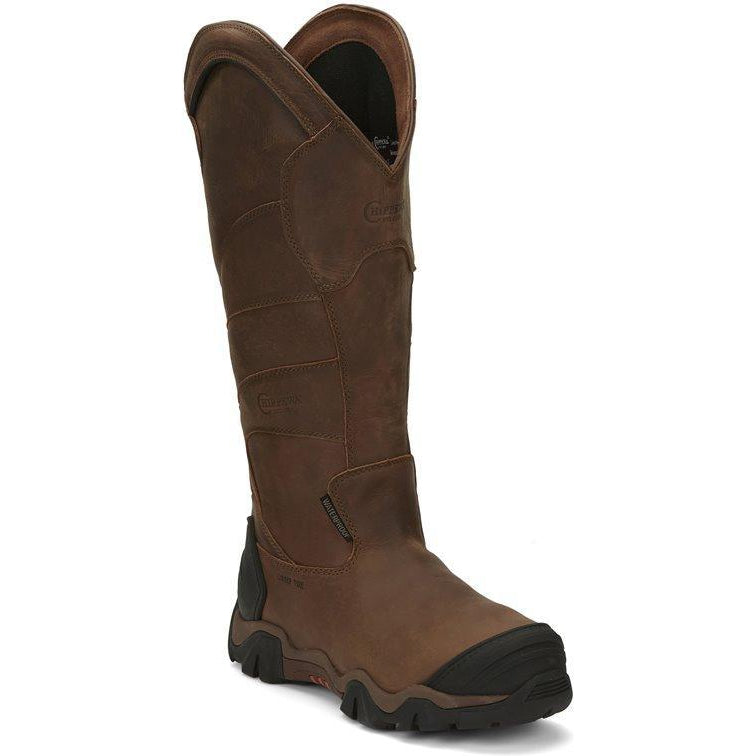
Chippewa Men's Cross Terrain 17" Composite Toe Waterproof Pull-On Snake Hunt Boot- AE5034
Save 9%
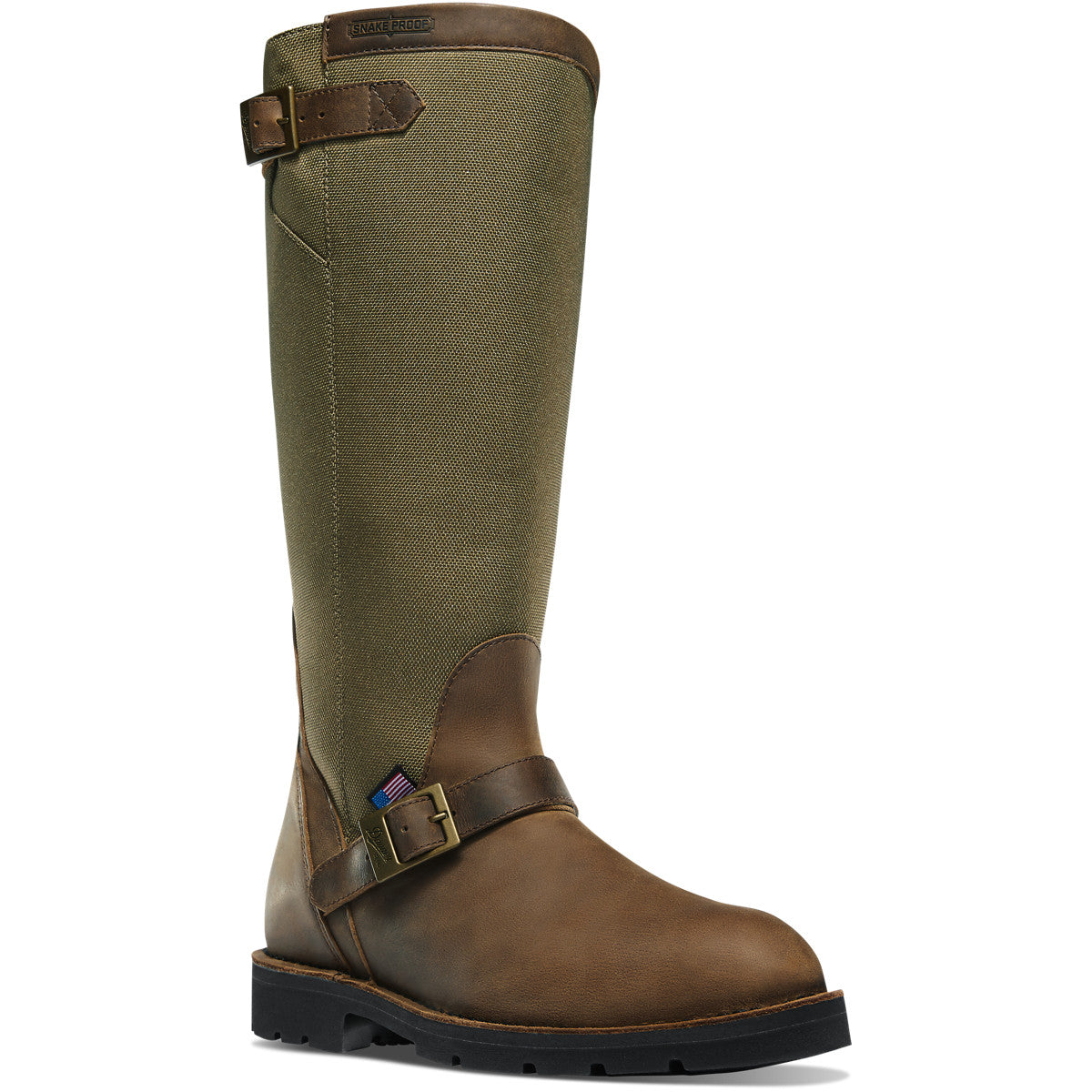
Sale price$319.95
Regular price$350.00
Danner Men's San Angelo 17" Snake Hunt Boot - Brown - 42751
Save 6%
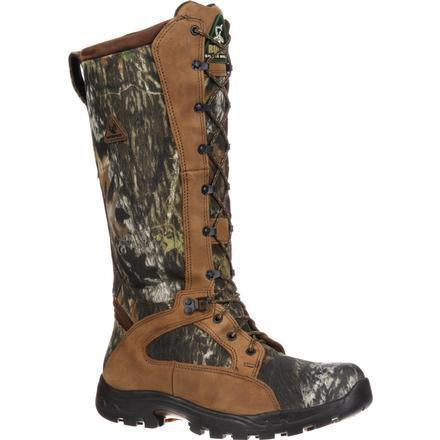
Sale price$164.99
Regular price$174.99
Rocky Men's Snakeproof 16" Waterproof Hunting Boot - Mossy Oak - FQ0001570
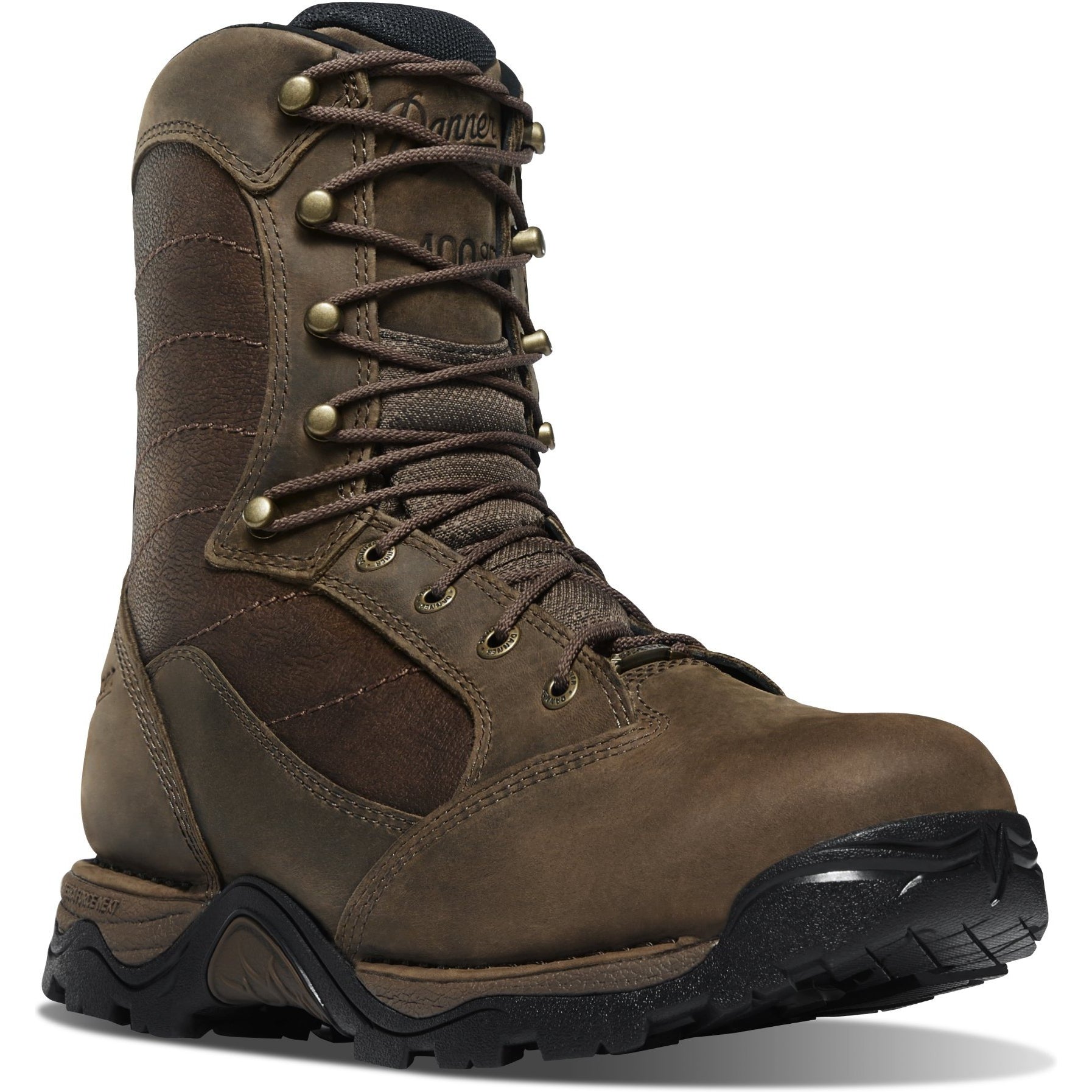
Sale price$319.95
Regular price$330.00
Danner Men's Pronghorn 8" Waterproof 400G Insulated Hunt Boot - Brown - 41345
Save 15%
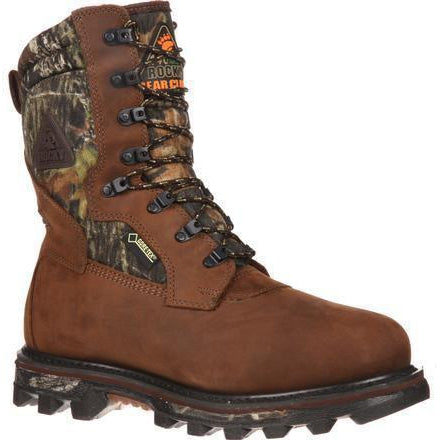
Sale price$213.89
Regular price$252.00
Rocky Men's Arctic Bearclaw Waterproof Insulated Hunti Boot Realtree- FQ0009455
Save 5%
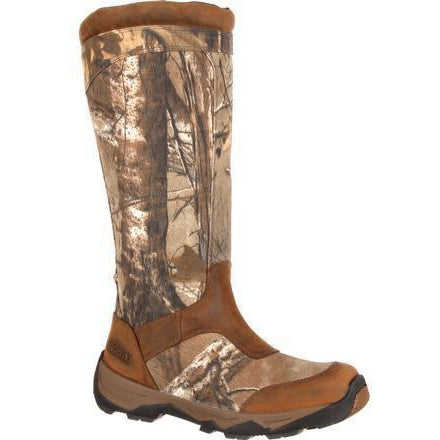
Sale price$174.99
Regular price$184.99
Rocky Men's Retraction 17" Waterproof Side Zipper Snake Hunt Boot Realtree RKS0243
Save 35%
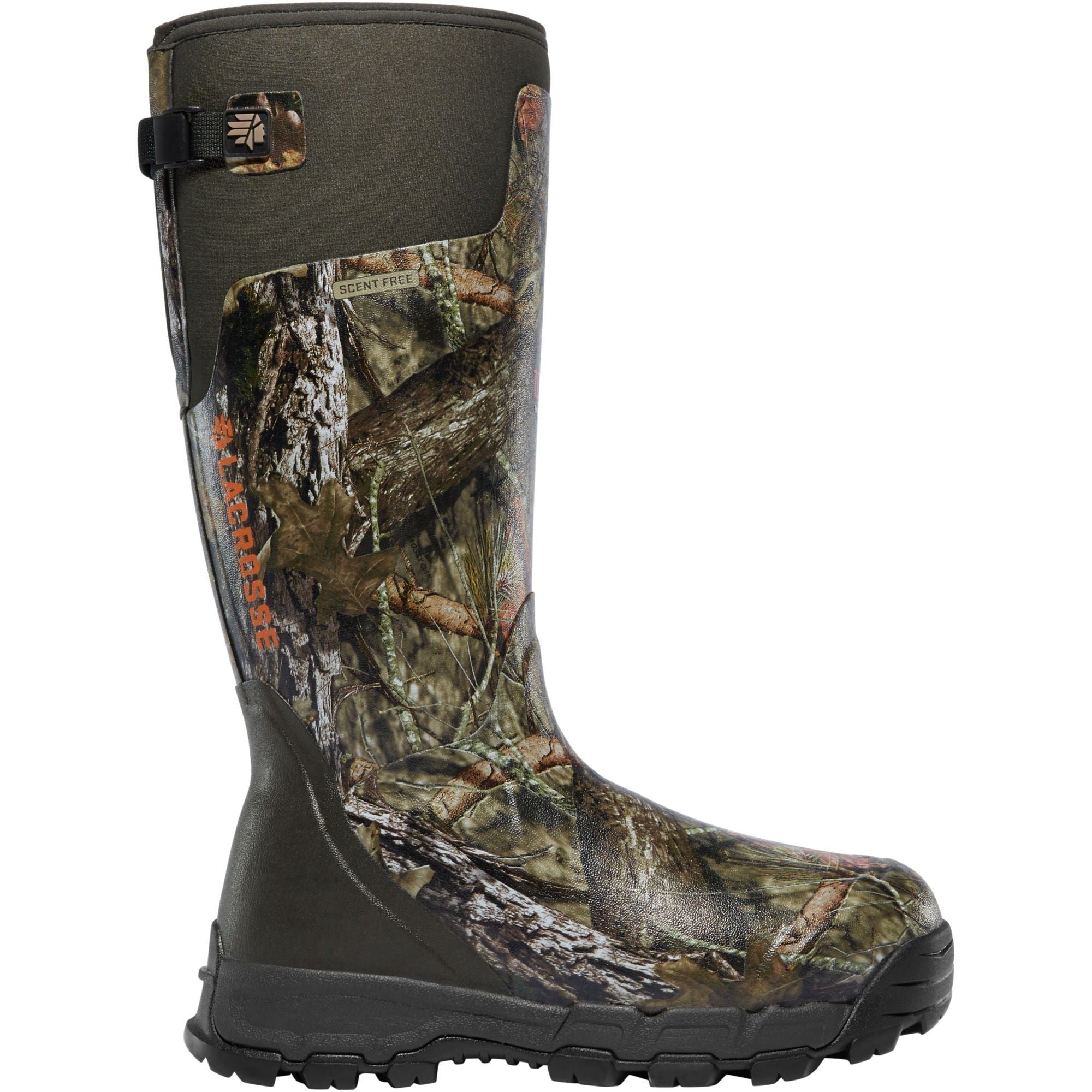
Sale price$161.67
Regular price$250.00
LaCrosse Men's Alphaburly Pro 18" Ins Rubber Hunt Boot Mossy Oak - 376029
Save 17%
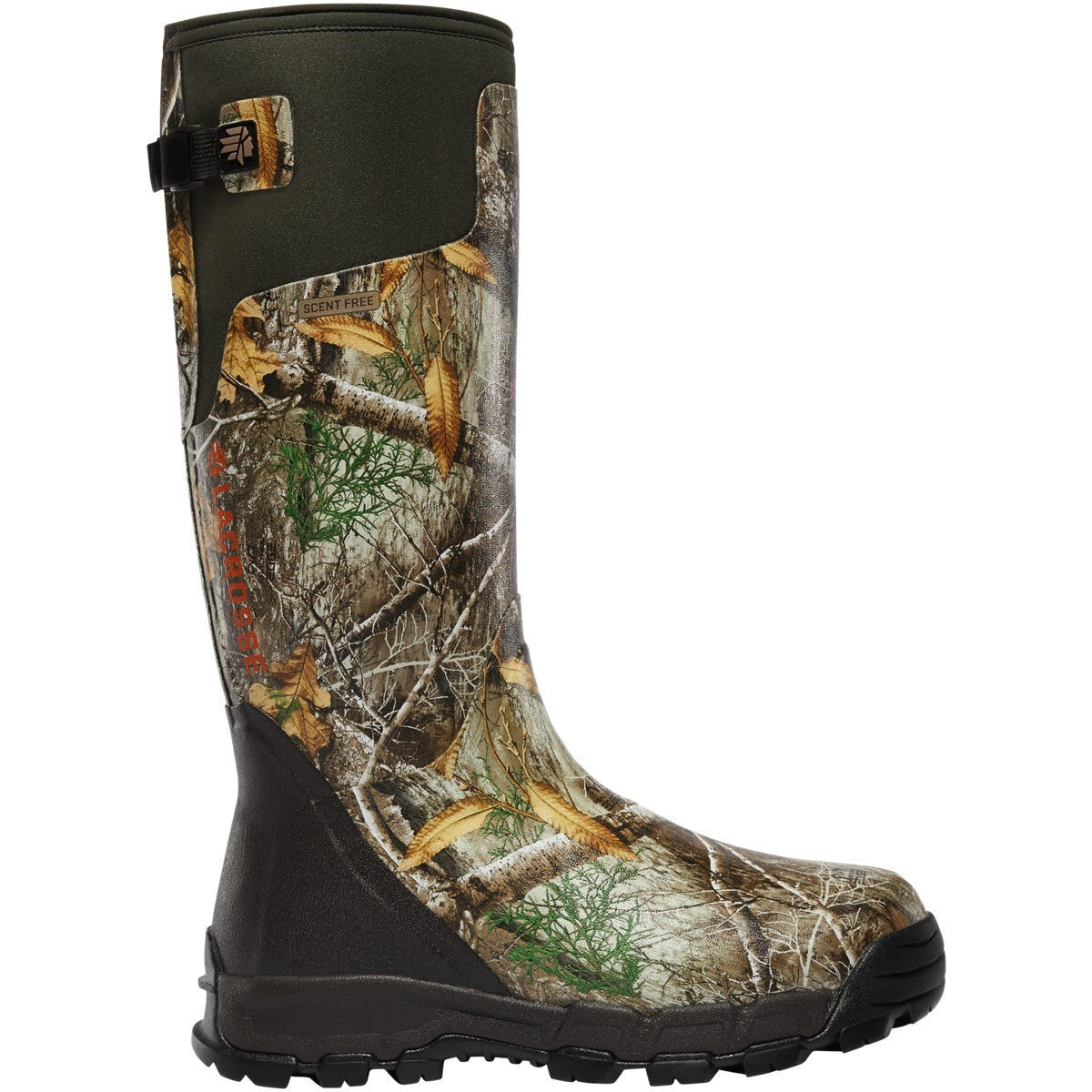
Sale price$209.95
Regular price$254.00
LaCrosse Men's Alphaburly Pro 18" Soft Toe Waterproof 400G Thinsulate Rubber Hunt Boot - Realtree Edge - 376012
Save 8%
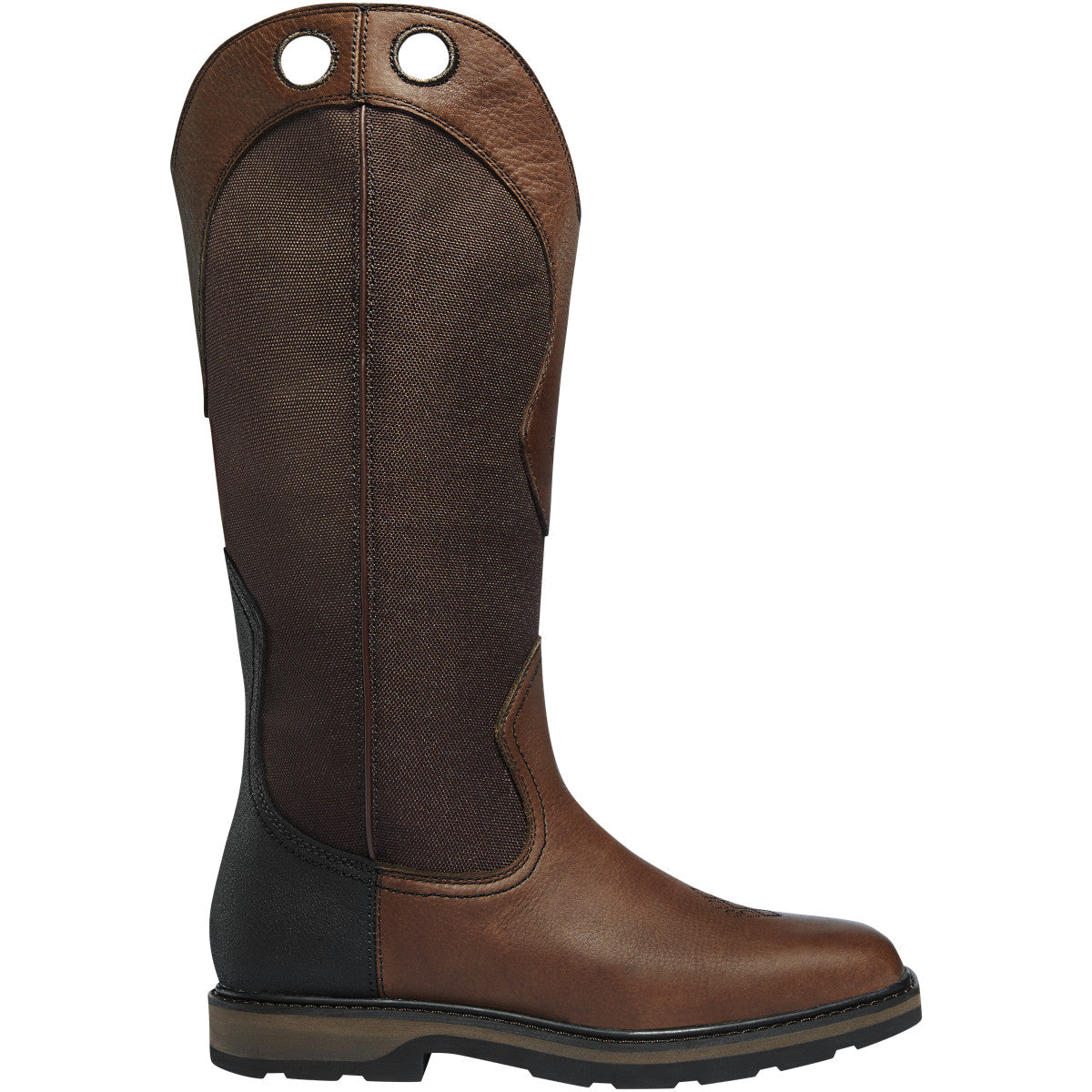
Sale price$259.95
Regular price$282.00
LaCrosse Men's Snake Country 17" Soft Toe Waterproof Snake Guard Hunt Boot - Brown - 521172
Save 6%
Sale price$149.99
Regular price$160.00
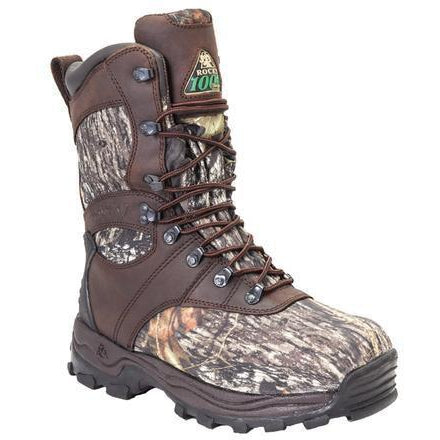
Rocky Men's Sport Utility Max Waterproof Ins Hunting Boot - Camo - FQ0007481
Save 8%
Sale price$249.95
Regular price$272.00
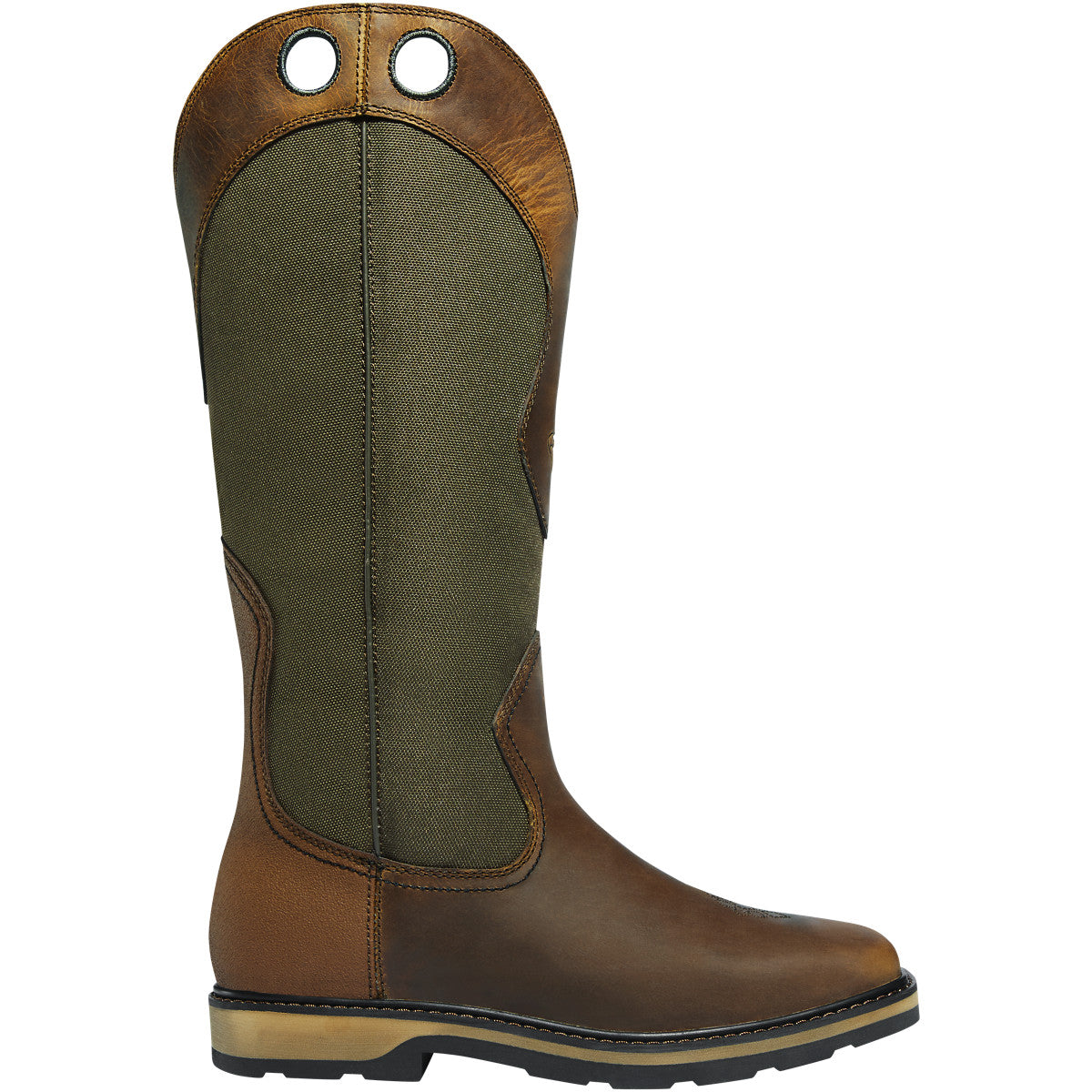
LaCrosse Men's Snake Country 17" Snake Guard Hunt Boot - Olive - 521170
Save 15%
Sale price$361.01
Regular price$425.00
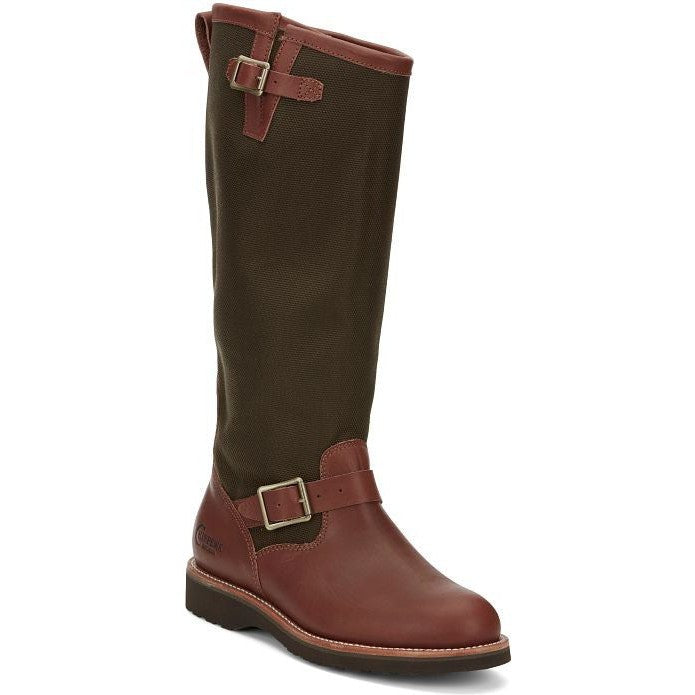
Chippewa Men's Descaro 17" Snake Hunt Boot -Brown- SN5913
Sale price$429.95
Regular price$442.00
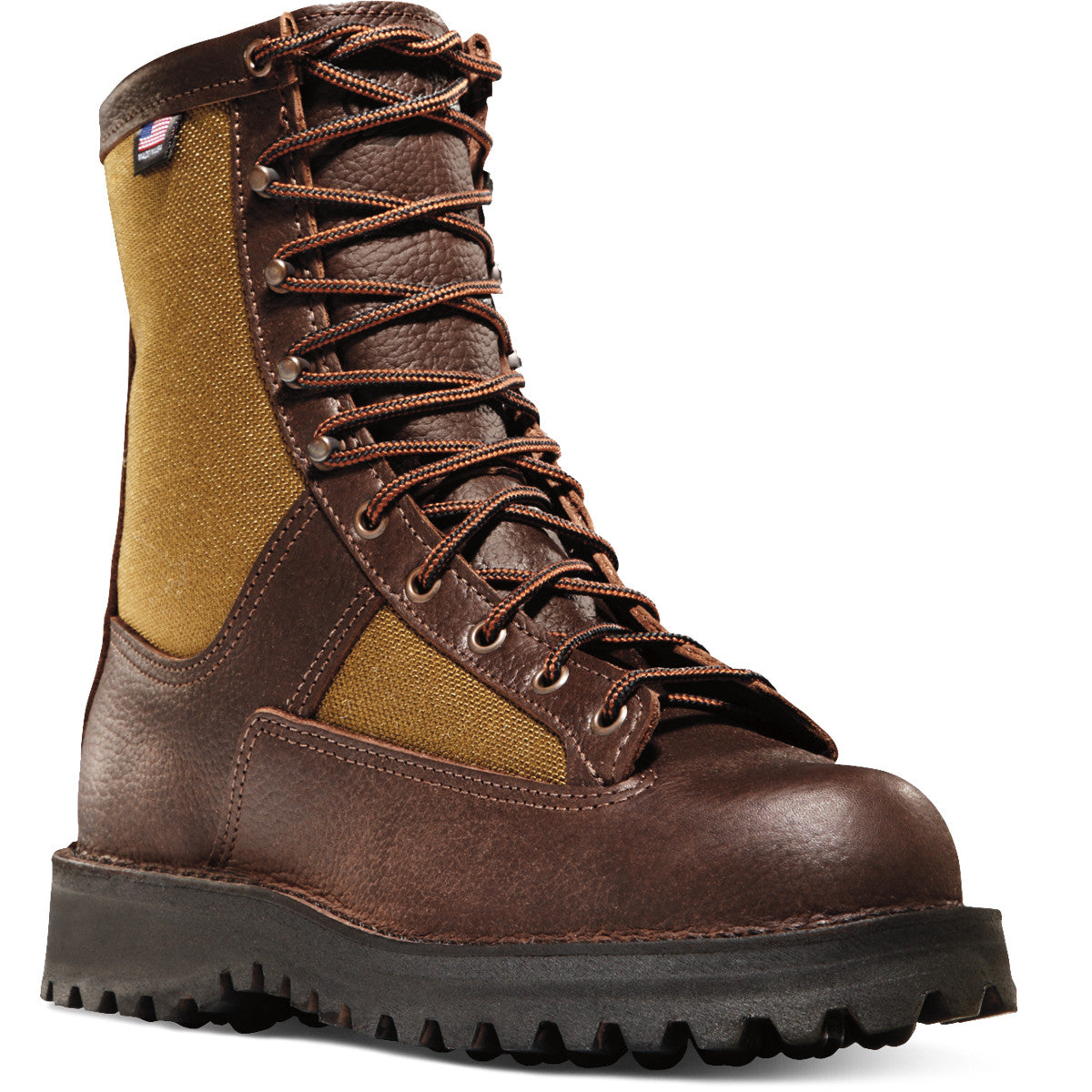
Danner Men's Grouse 8" USA Made Waterproof Hunt Boot - Brown - 57300
Save 7%
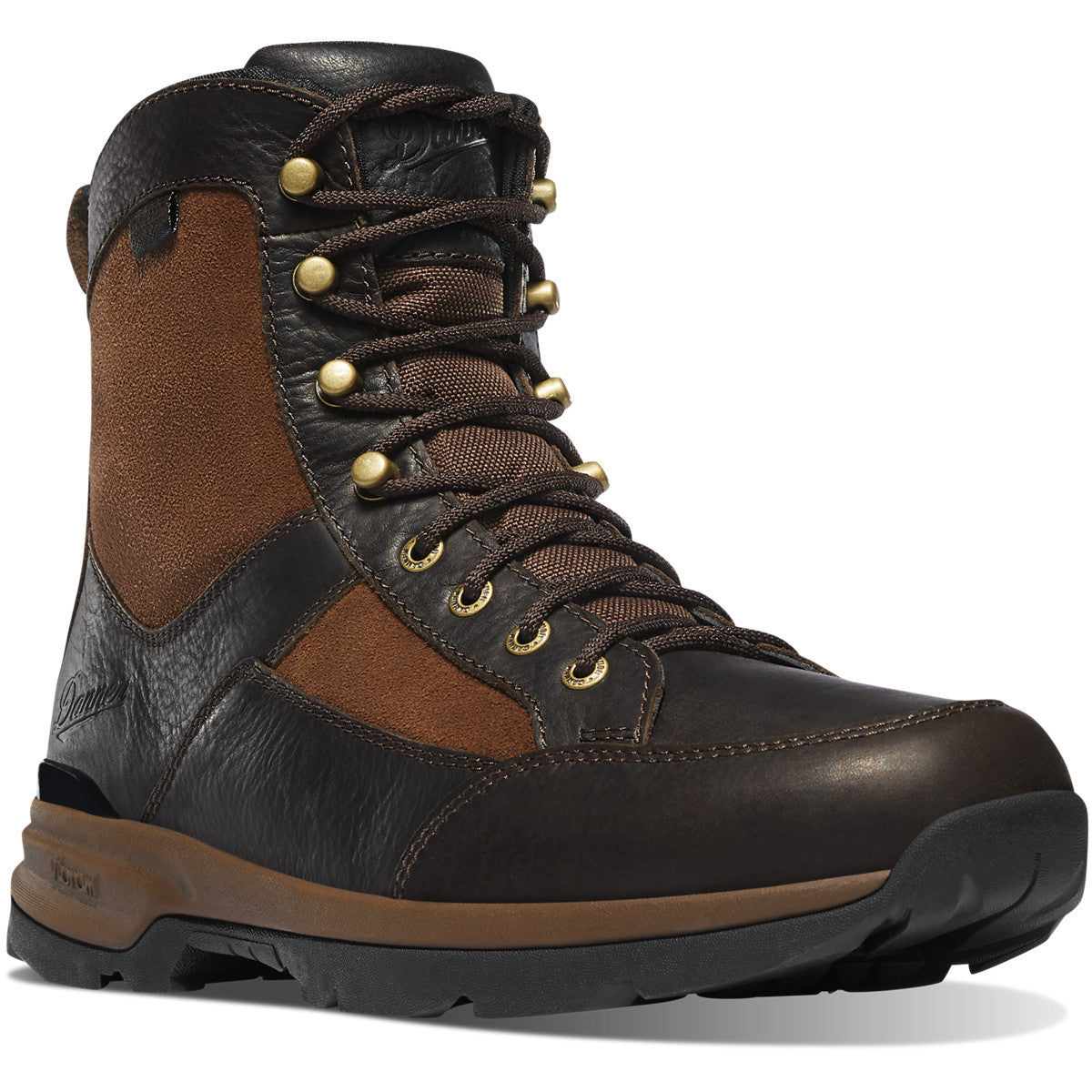
Sale price$269.95
Regular price$290.00
Danner Men's Recurve 7" Waterproof Hunt Boot - Brown - 47611
Save 13%
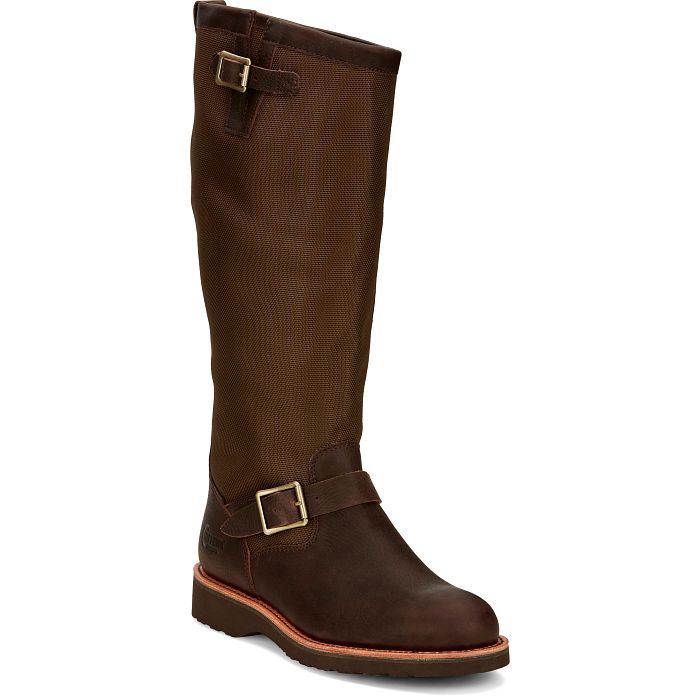
Sale price$382.76
Regular price$439.95
Chippewa Men's Brome 17" Soft Toe Waterproof Pull-On Snake Hunt Boot Brown- 25110
Save 6%
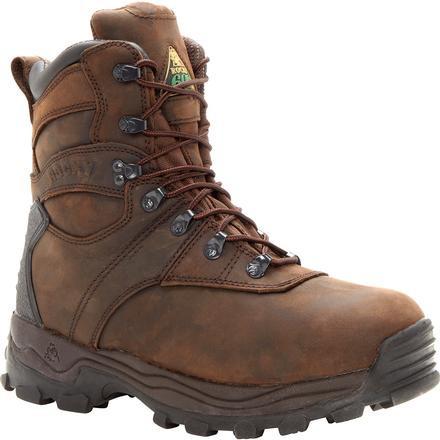
Sale price$144.99
Regular price$155.00
Rocky Men's Sport Utility Pro Waterproof Ins Hunting Boot -Brown - FQ0007480
Save 5%
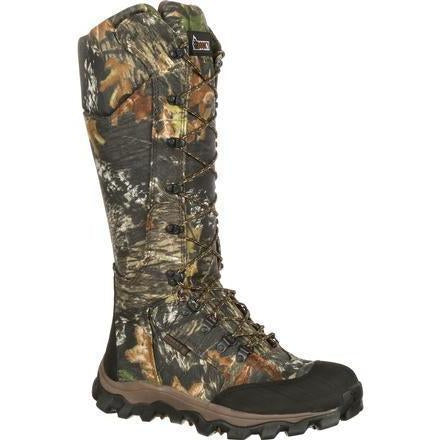
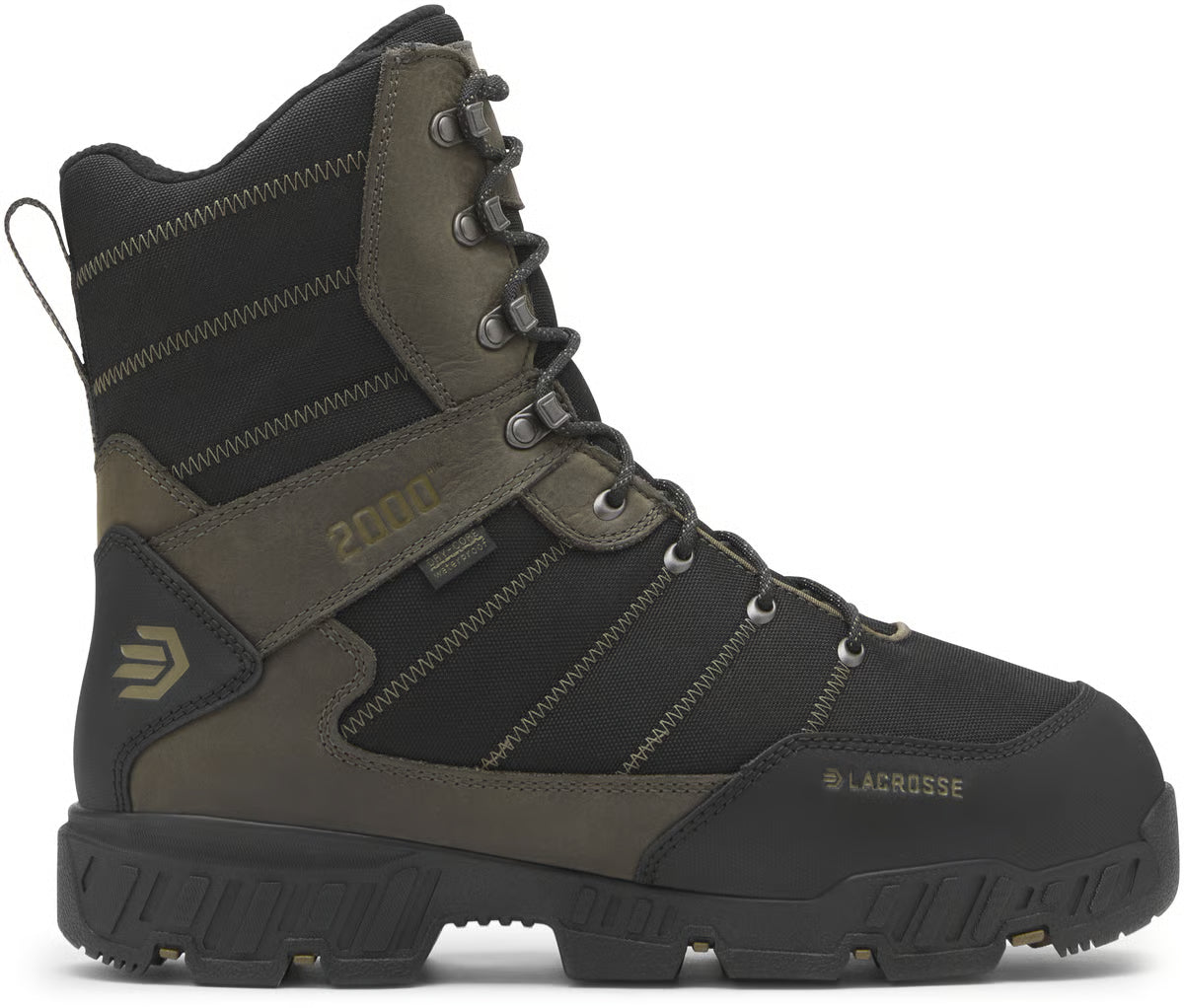
Sale price$174.99
Regular price$184.99
Rocky Men's Lynx 16" Waterproof Snake Hunting Boot - Mossy Oak - FQ0007379
Save 7%
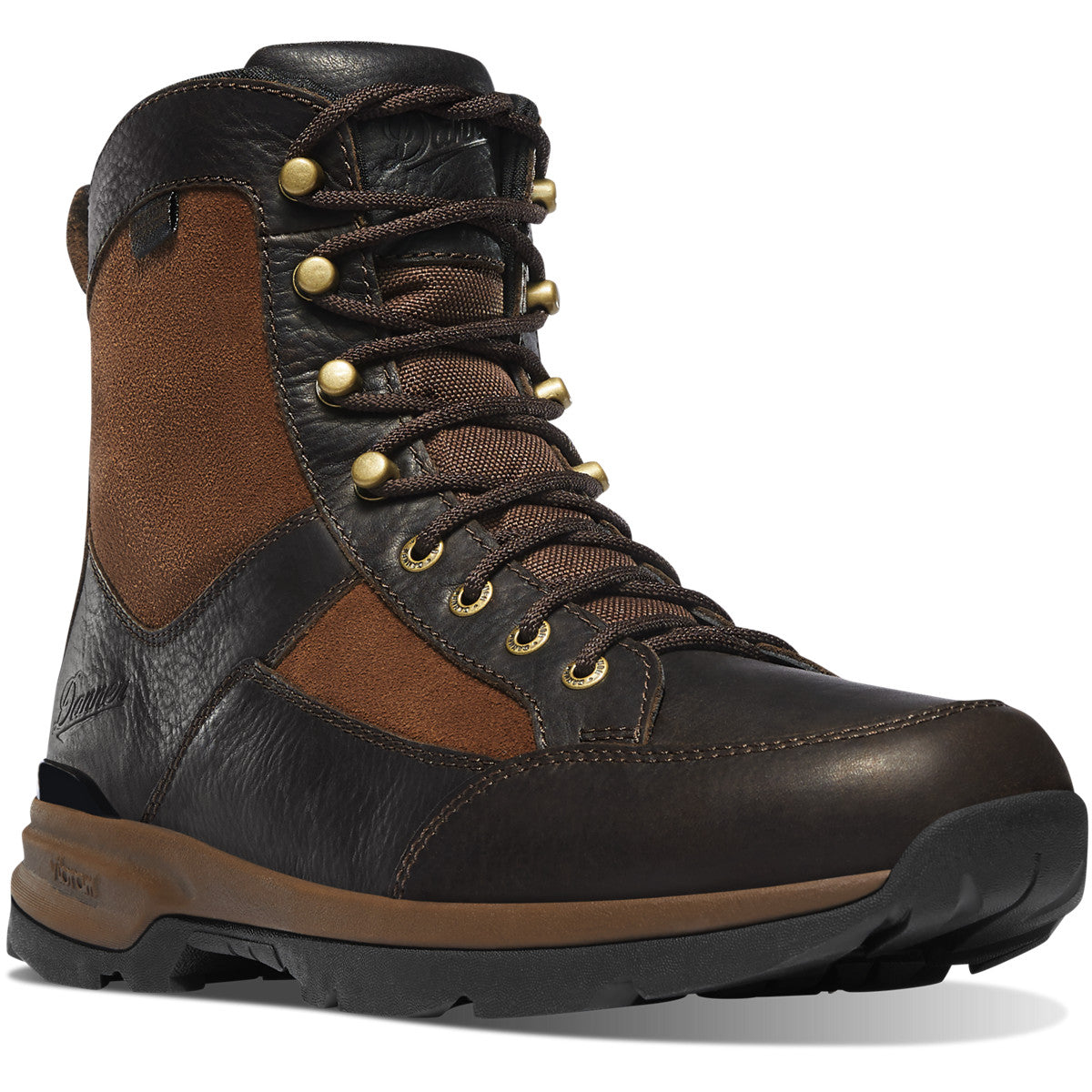
Sale price$279.95
Regular price$300.00
Danner Men's Recurve 7" Waterproof 400G Thinsulate Hunt Boot - Brown - 47612
Save 8%
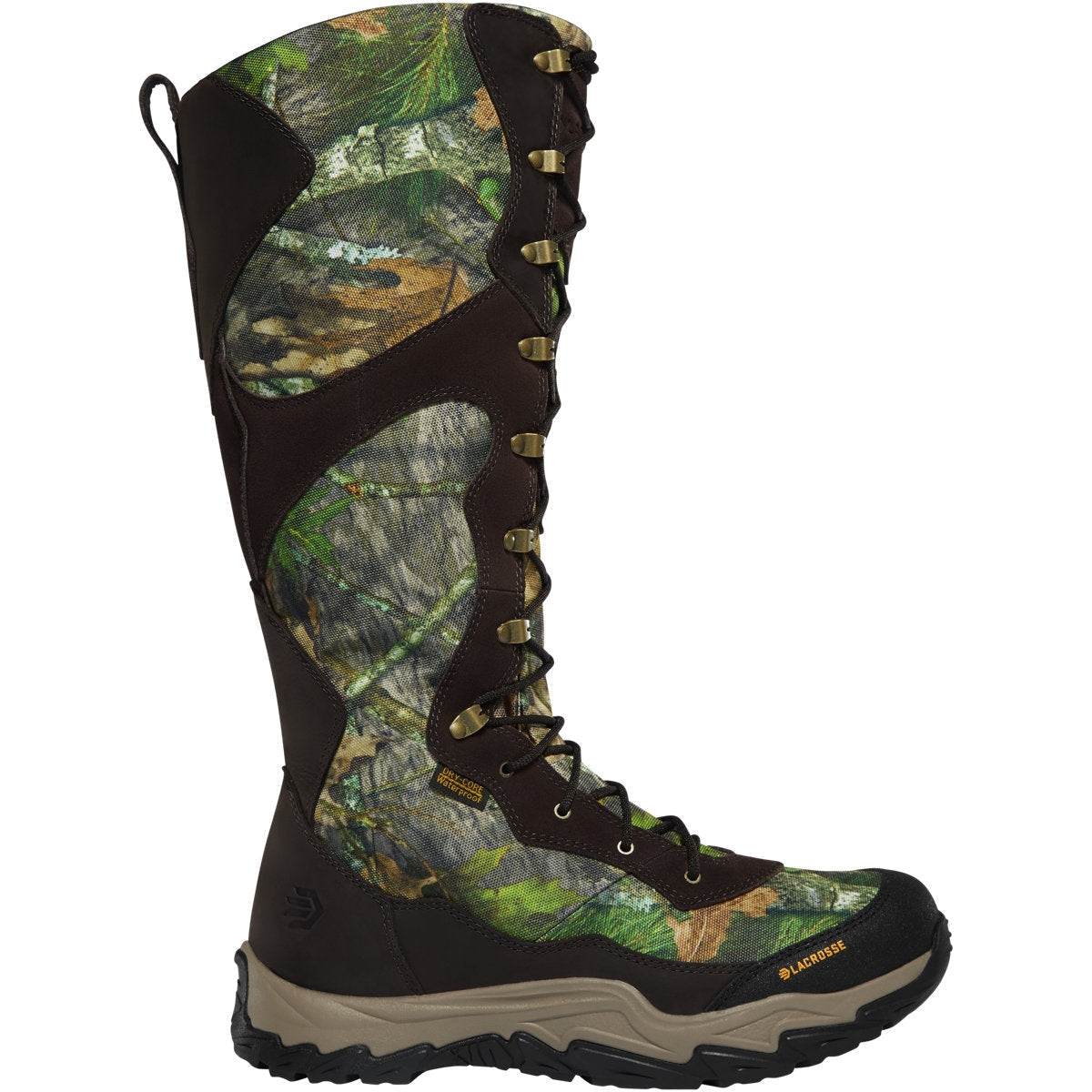
Sale price$279.95
Regular price$304.00
LaCrosse Men's Venom II 18" Waterproof Side Zipper Snake Hunt Boot - NWTF Mossy Oak Obsession - 501000
Save 9%
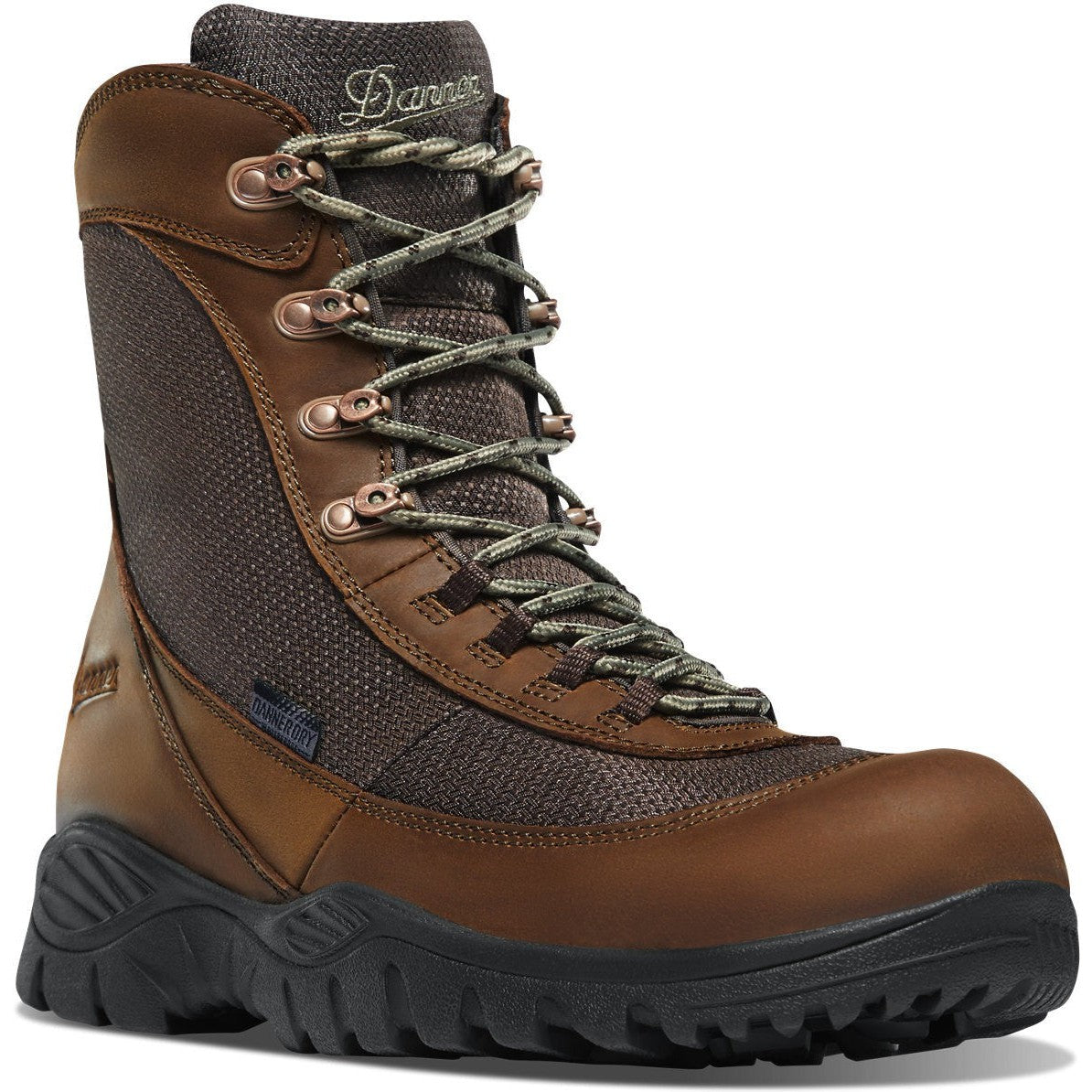
Sale price$199.95
Regular price$220.00
Danner Men's Element 8" Waterproof Hunt Boot - Brown - 47130
Save 6%
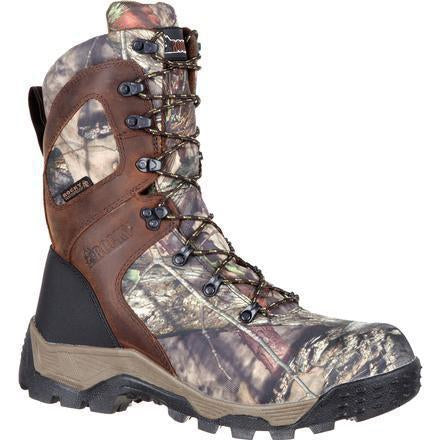
Sale price$164.99
Regular price$174.99
Rocky Men's Sport Pro Ins Waterproof Hunt Boot - Mossy Oak - RKS0309
Save 13%
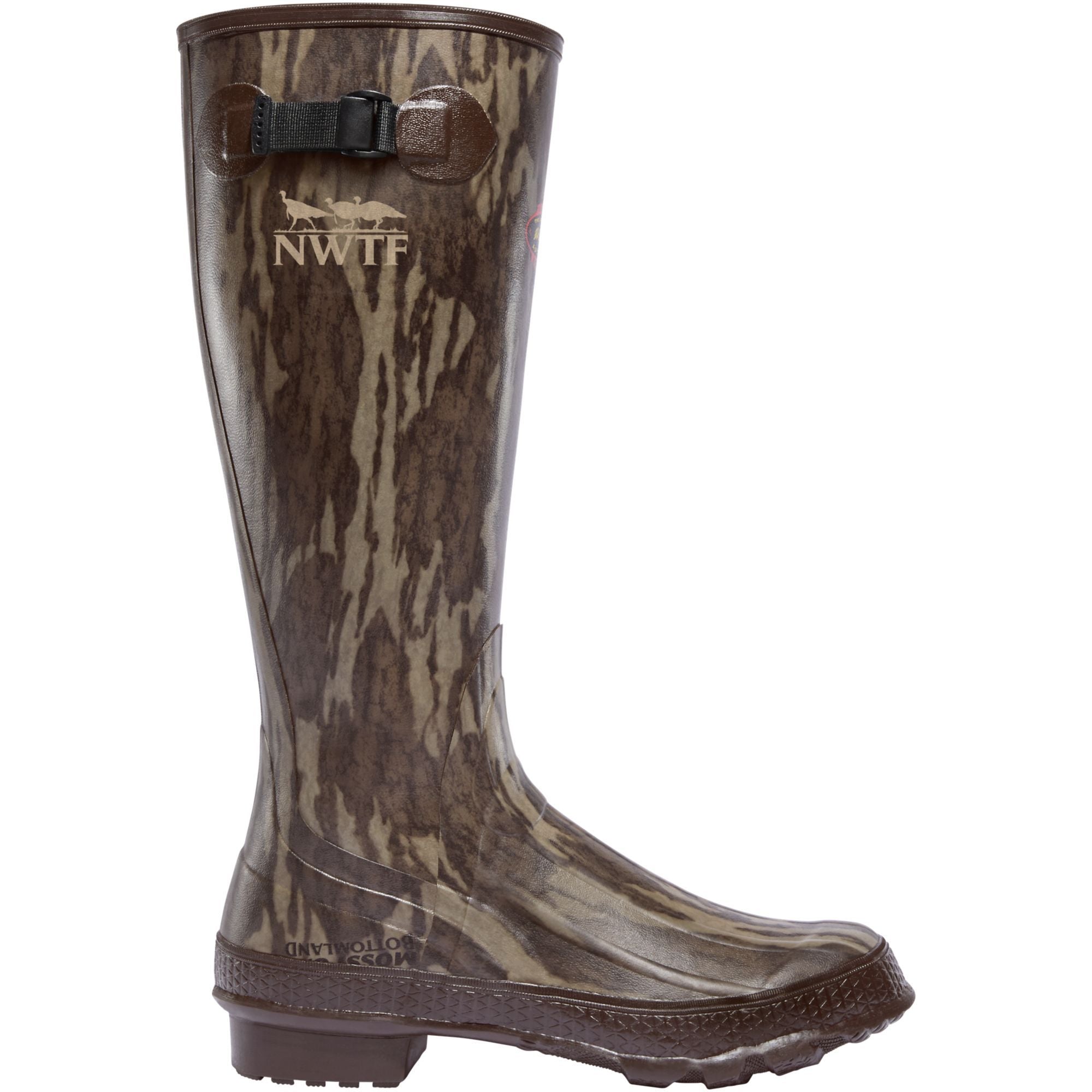
Sale price$129.95
Regular price$150.00
LaCrosse Men's Grange 18" Rubber Hunt Boot - Mossy Oak - 322142
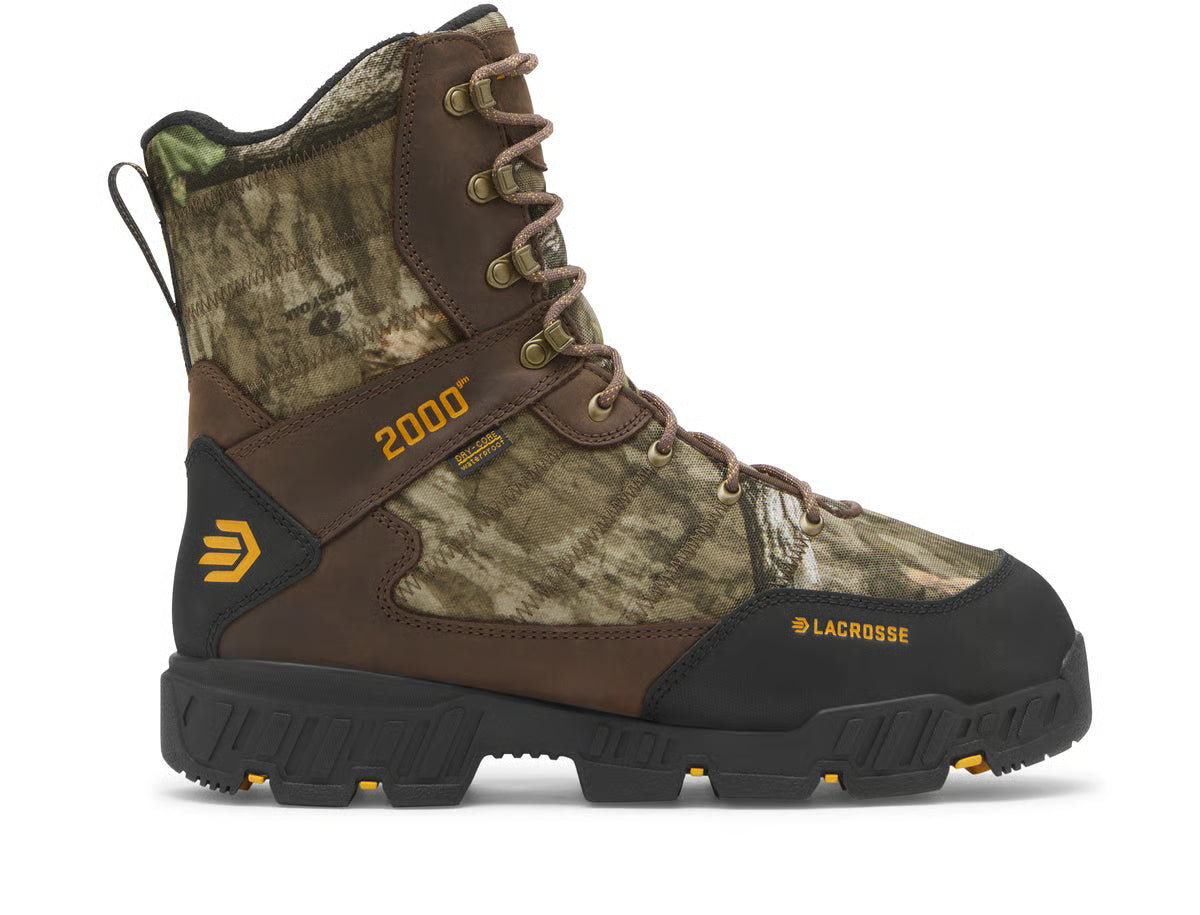
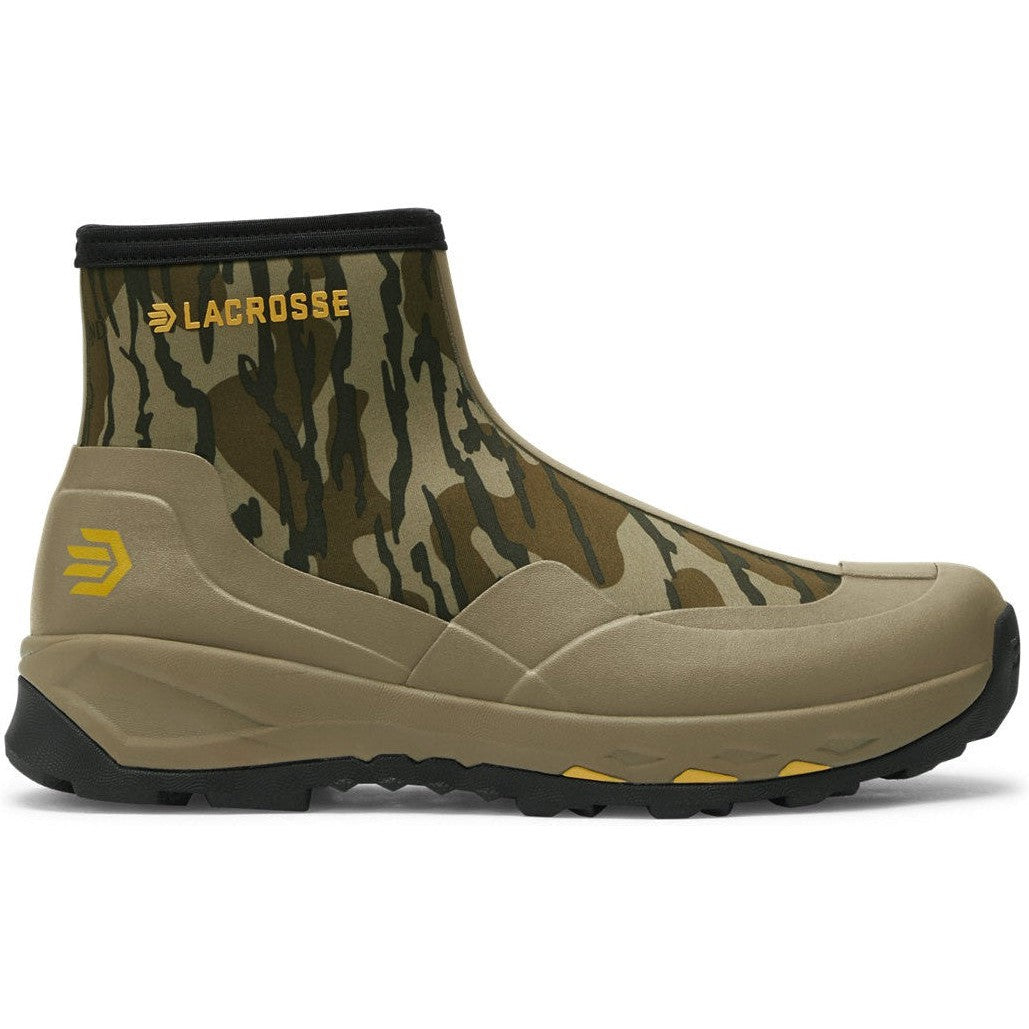
Sale price$169.95
LaCrosse Men's AlphaTerra 6" Waterproof Hunt Boot - Camo - 351301
Save 9%
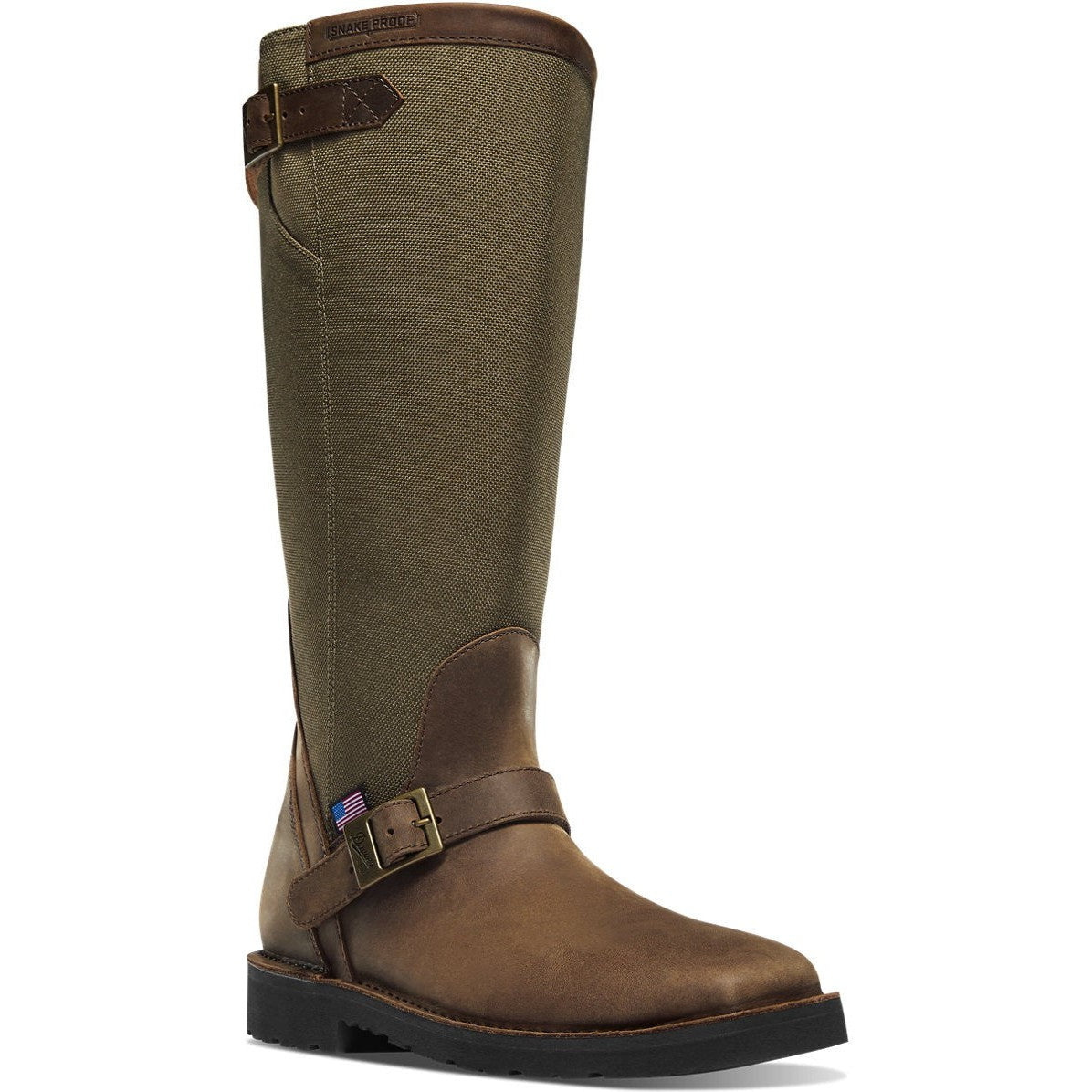
Sale price$319.95
Regular price$350.00
Danner Men's San Angelo 17" Square Toe Snake Hunt Boot -Brown- 42752
Save 20%
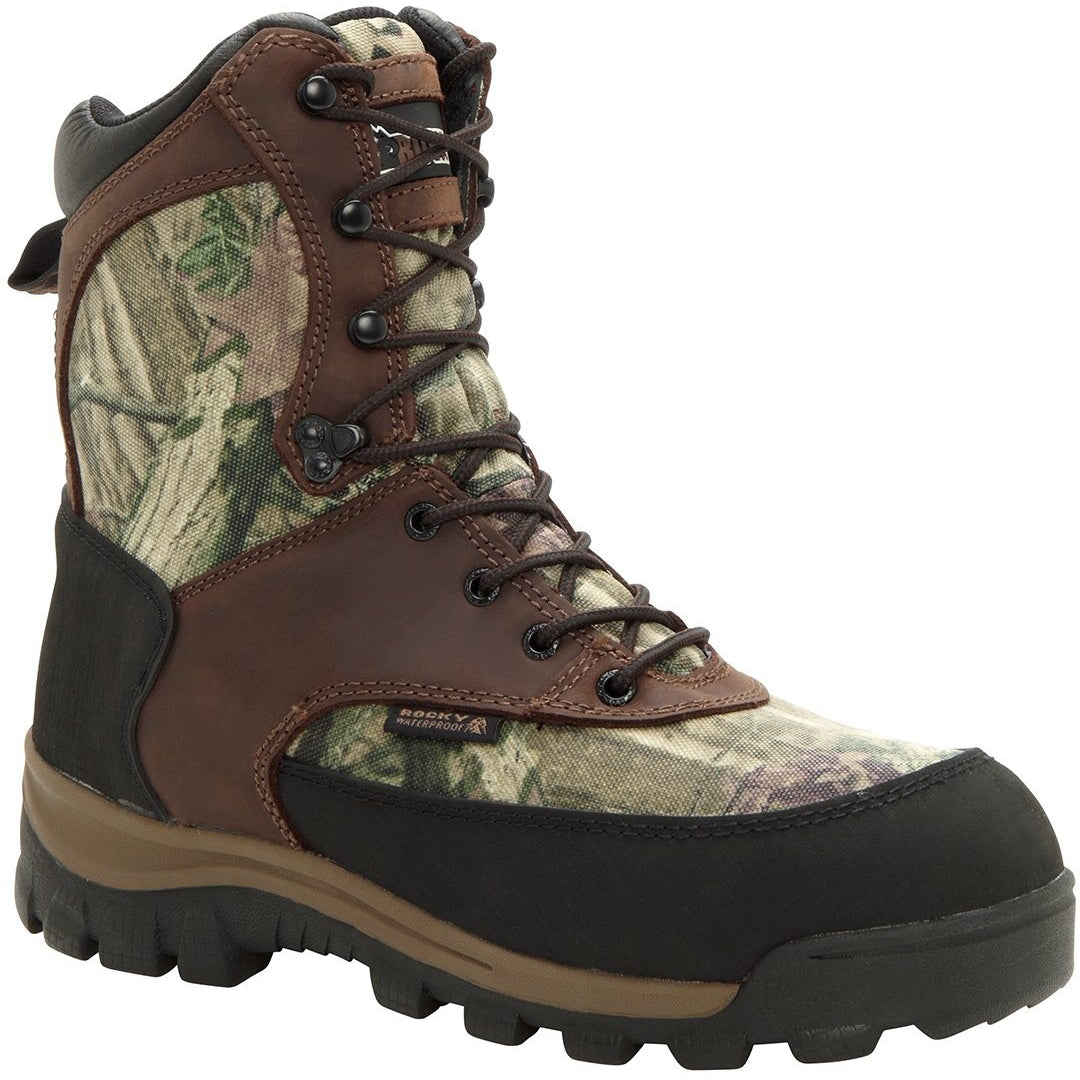
Sale price$120.00
Regular price$149.99
Rocky Men's Core 8" Waterproof 800G Pac Thinsulate Hunt Boot - Mossy Oak - FQ0004755
Frequently Asked Questions
Match it to how much you move rather than to the temperature. Uninsulated or 200 grams suits early season and any hunt where you cover ground. Four hundred grams handles cool weather with moderate activity. Eight hundred to 1200 grams is for stand sits in real cold, and 1600 to 2000 grams is for sitting still in sub-zero. The mistake almost everyone makes is buying for the coldest morning, then sweating on the walk in and getting cold once they stop.
Usually sweat. If you walk in wearing 1000 gram boots, your feet perspire, the moisture saturates the insulation, and wet insulation loses most of its value the moment you sit down. The other common cause is boots laced too tight, which restricts circulation. Carrying a lighter boot for the walk in and changing at the stand solves it for many stand hunters.
For scent control and wet ground, yes. Rubber and neoprene hold far less scent than leather, they are waterproof by construction with no seams to fail, and they hose clean. What they give up is support and breathability, so they are poor for covering real distance. Leather is the better choice for uplands and mountain hunting. See our rubber hunt boots range.
For whitetail hunting from a stand, most experienced hunters treat it as worth the effort, and rubber and neoprene are chosen specifically because they absorb and hold less odor than leather. It is one part of a scent strategy rather than a solution on its own, and wind direction matters more than any boot. If you hunt species with less acute noses, it matters less.
Eight to 10 inches covers most walking hunts and keeps out debris and light water. Sixteen to 18-inch rubber pull-ons are for marsh, flooded timber, and deep mud, where the height is the whole point. Snake country calls for 16 inches or more of protected shaft. Taller boots are heavier and hotter, so buy the height your ground actually requires.
A pac boot has a waterproof rubber lower with a leather or synthetic upper and a removable insulated liner. The removable liner is the point: you can pull it out and dry it overnight, which matters on multi-day cold hunts where a sealed insulated boot never fully dries. They are built for stationary cold rather than for covering ground. See our pac boots range.
No, and you generally do not want one. There is no crush hazard in hunting, and a rated cap adds weight at the front of the foot where it costs the most over miles of walking, while a steel cap also conducts cold straight to your toes. Hunting boots are almost universally soft toe for good reason.
Start at least a few weeks out and walk real distance in them, not just around the house, because break-in problems show up at mile four rather than mile one. Wear the socks you will actually hunt in, since sock thickness changes fit substantially. Leather boots on a welt need the most time; rubber boots need essentially none. A blister on day one of a trip you paid for is an avoidable mistake.
Pattern matters far less on boots than on your upper body, since your feet are low, usually partly obscured, and rarely what an animal focuses on. Choose on the terrain you hunt if you care, or on availability if you do not. Realtree and Mossy Oak are the two patterns you will see most across the range. See our camo boots range.
LaCrosse and Muck dominate the rubber side, Danner leads on leather hunting and mountain boots, and Rocky covers a wide middle including snake boots and pac boots. Chippewa builds tall leather snake and outdoor boots. Which is right depends far more on how you hunt than on the badge. Browse the LaCrosse hunt and Danner hunt ranges.
Recently viewed
Our Top Brands