
Save 7%
Sale price$259.95
Regular price$280.00
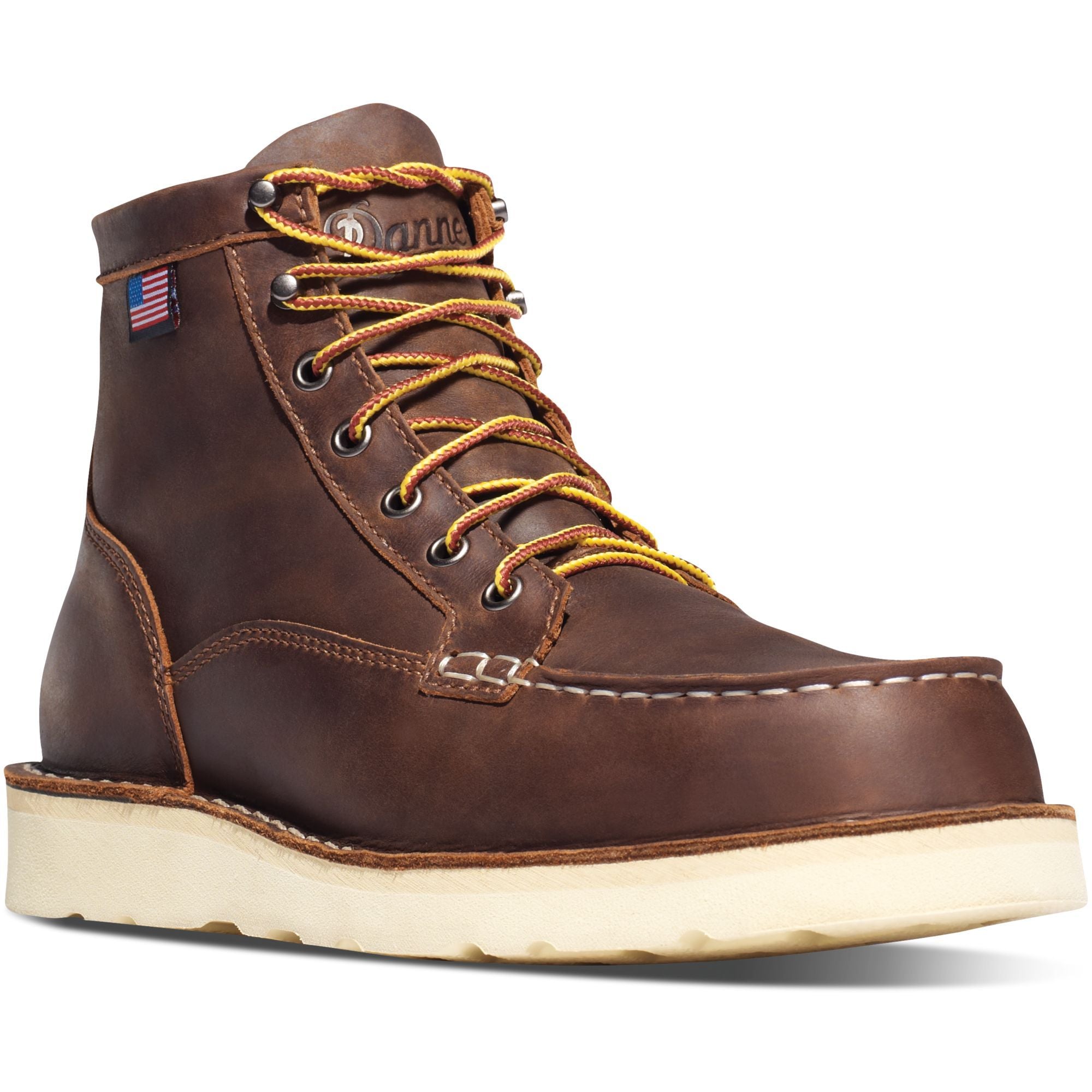
Danner Men's Bull Run USA Made 6" Moc Toe Wedge Work Boot - Brown - 15563
Save 5%
Sale price$264.95
Regular price$280.00
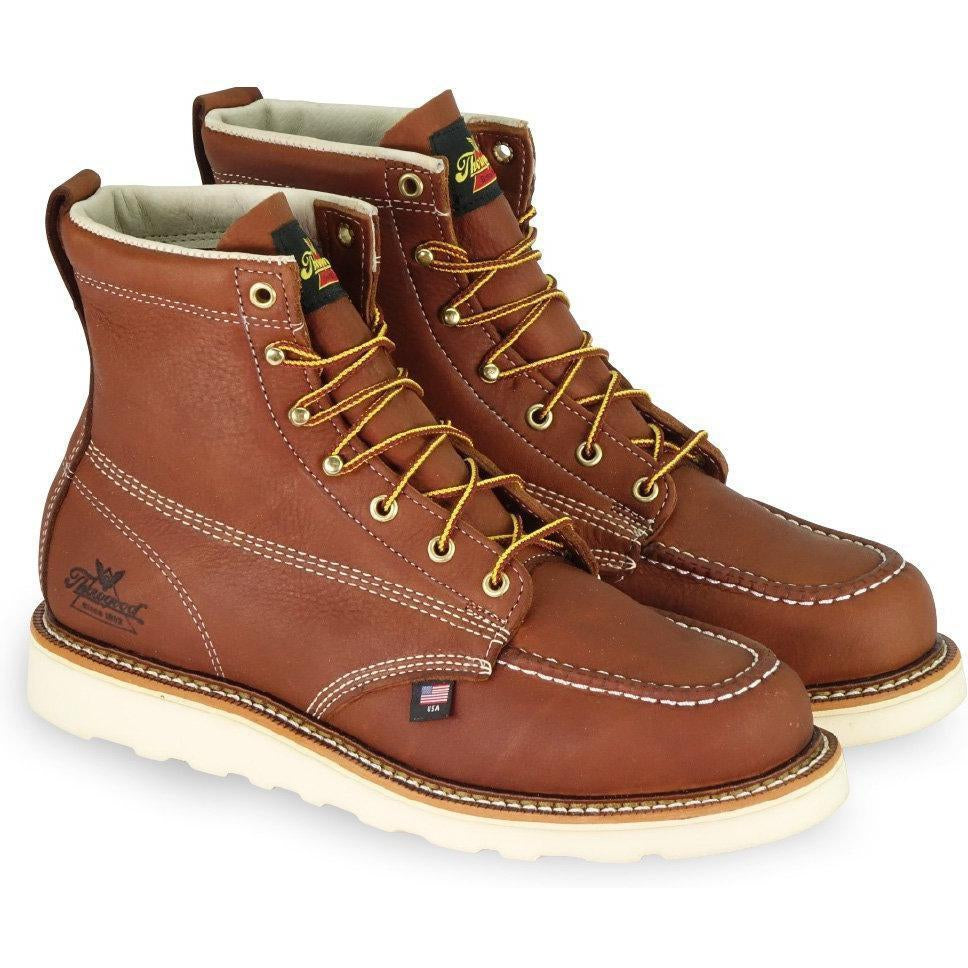
Thorogood Men's USA Made American Heritage 6" Wedge Work Boot - 814-4200
Save 7%
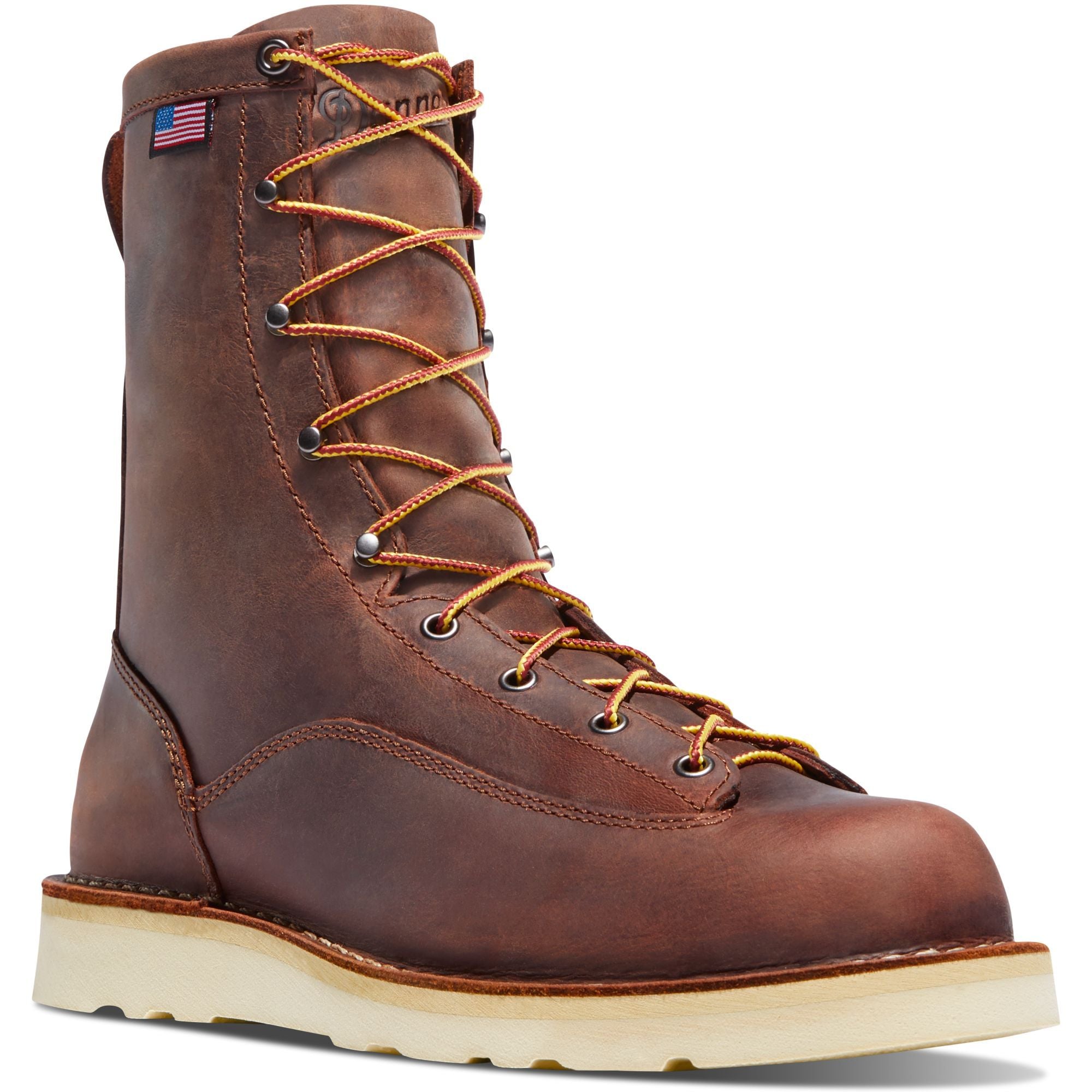
Sale price$269.95
Regular price$290.00
Danner Men's Bull Run USA Made 8" Soft Toe Wedge Work Boot - Brown - 15556
Save 5%
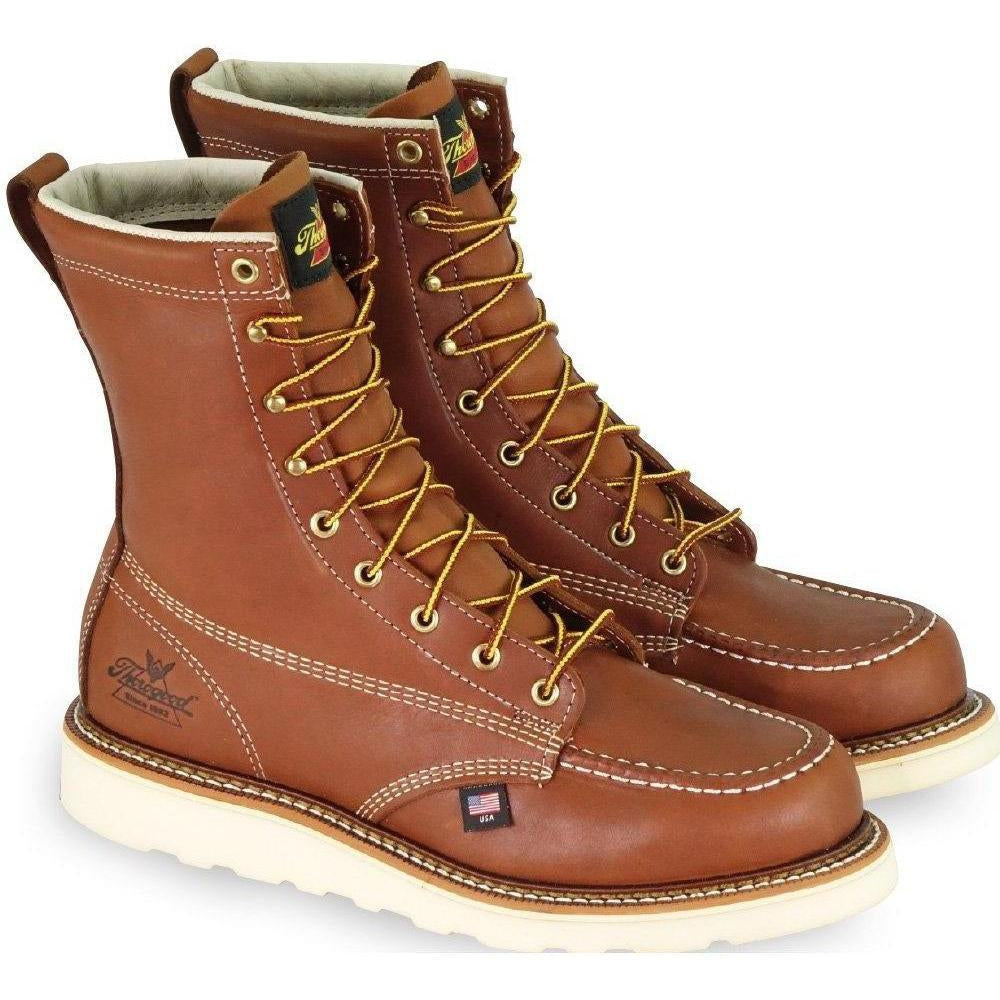
Sale price$274.95
Regular price$290.00
Thorogood Men's USA Made American Heritage 8" Wedge Work Boot - 814-4201
Save 7%
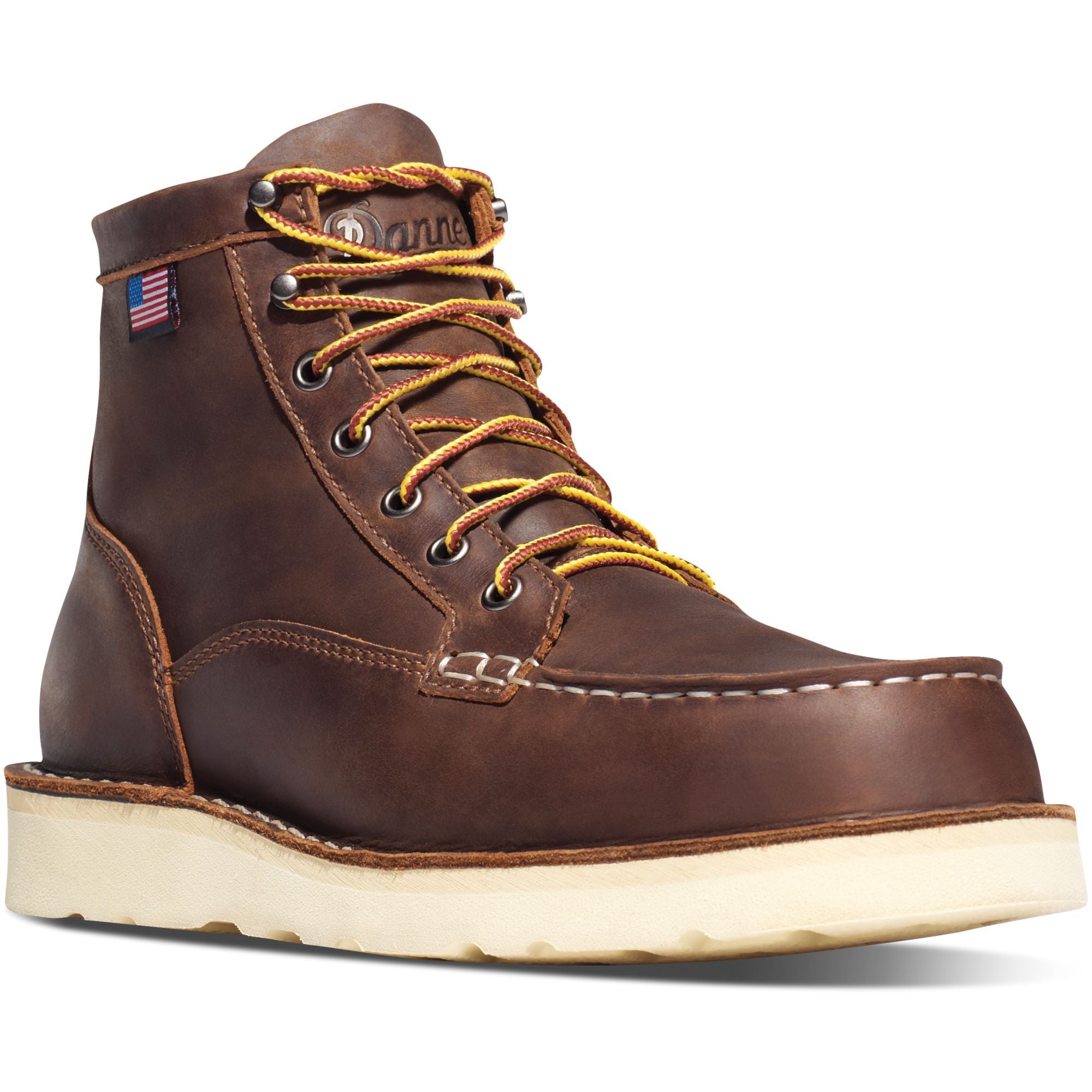
Sale price$269.95
Regular price$290.00
Danner Men's Bull Run USA Made 6" Moc Steel Toe Work Boot Brown 15564
Save 6%
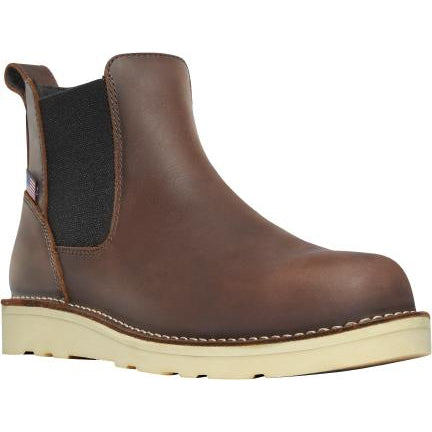
Sale price$239.95
Regular price$256.00
Danner Bull Run Chelsea 6 Inch Work Boots - Men's Soft Toe Wedge - 15481
Save 5%
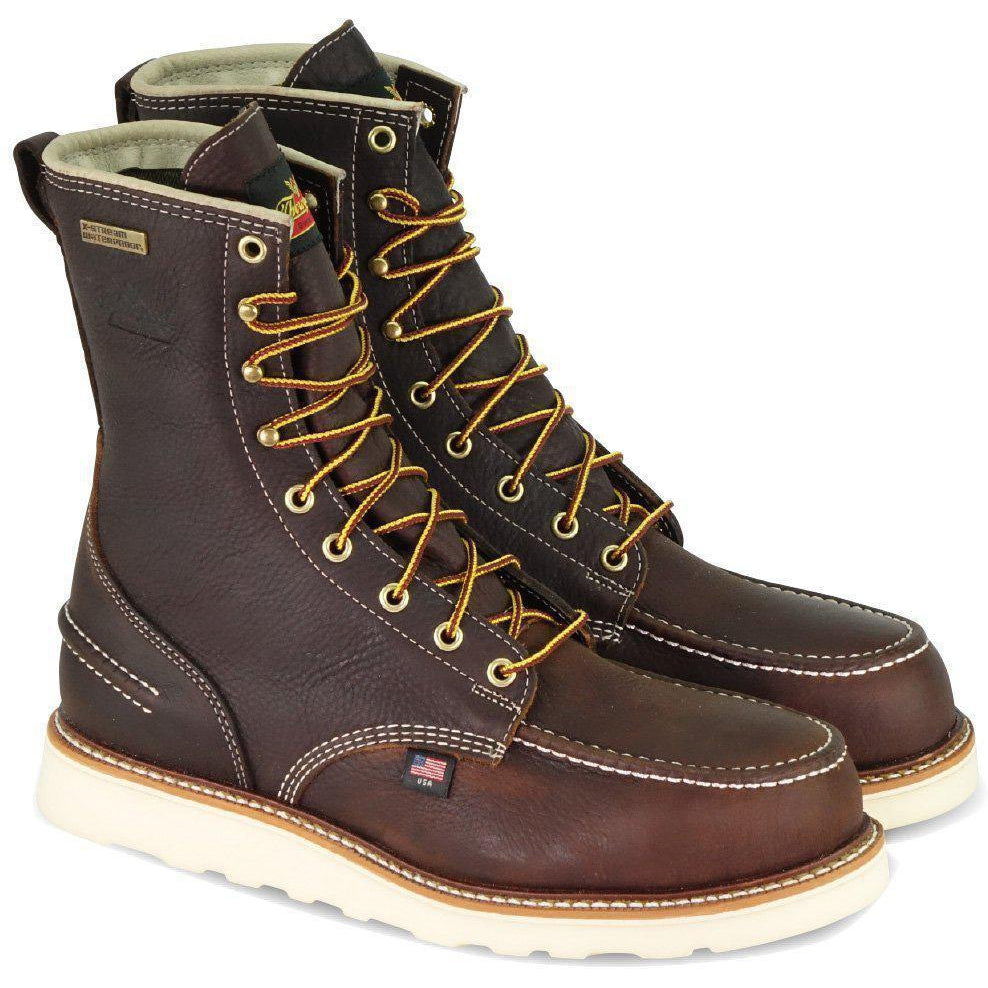
Sale price$294.95
Regular price$310.00
Thorogood Men's USA Made 1957 8" Moc Safety Toe Waterproof Wedge Work Boot 804-3800
Save 7%
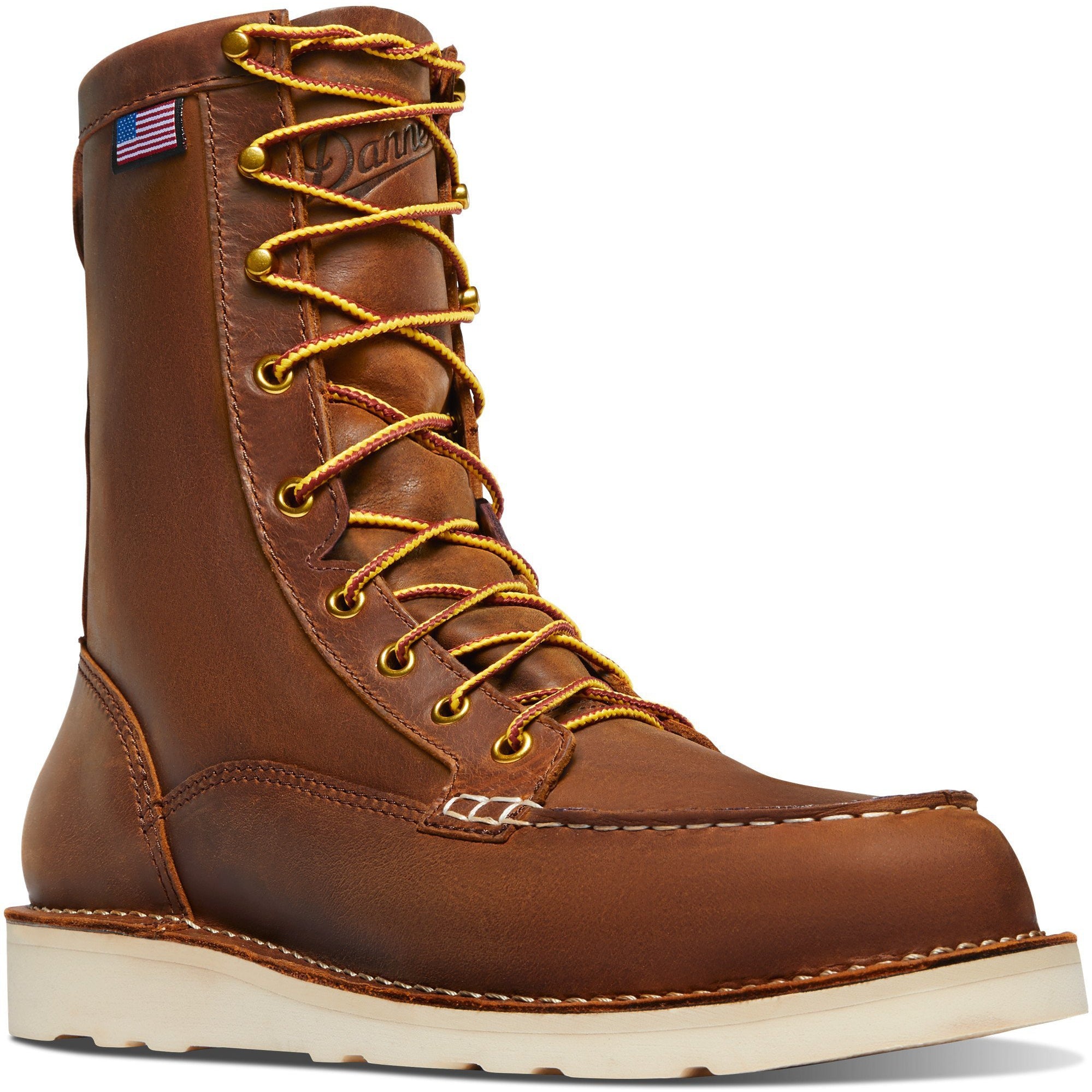
Sale price$269.95
Regular price$290.00
Danner Men's Bull Run 8" Moc Toe USA Made Wedge Work Boot - Tobacco - 15541
Save 7%
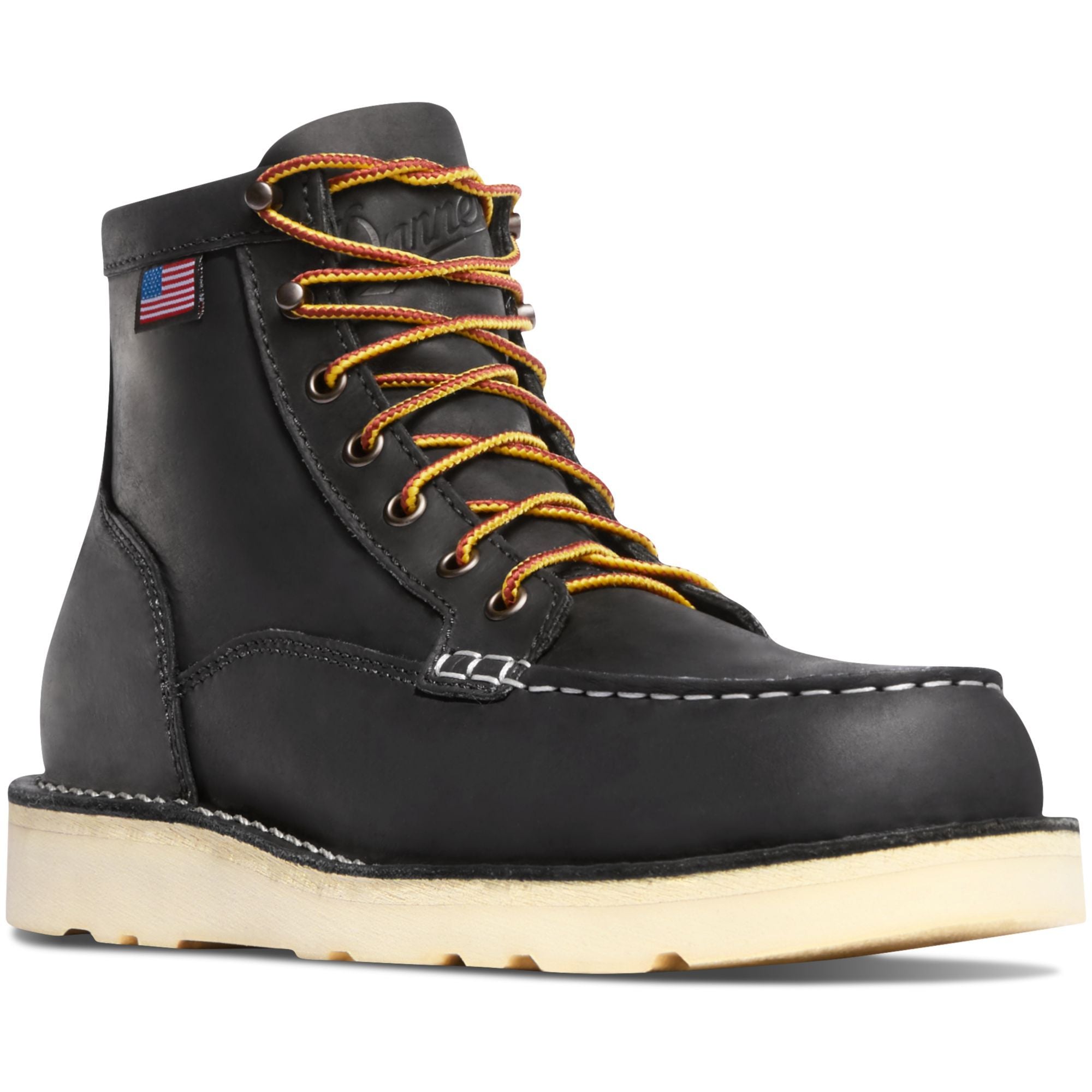
Sale price$259.95
Regular price$280.00
Danner Men's Bull Run USA Made 6" Moc Soft Toe Work Boot Black 15568
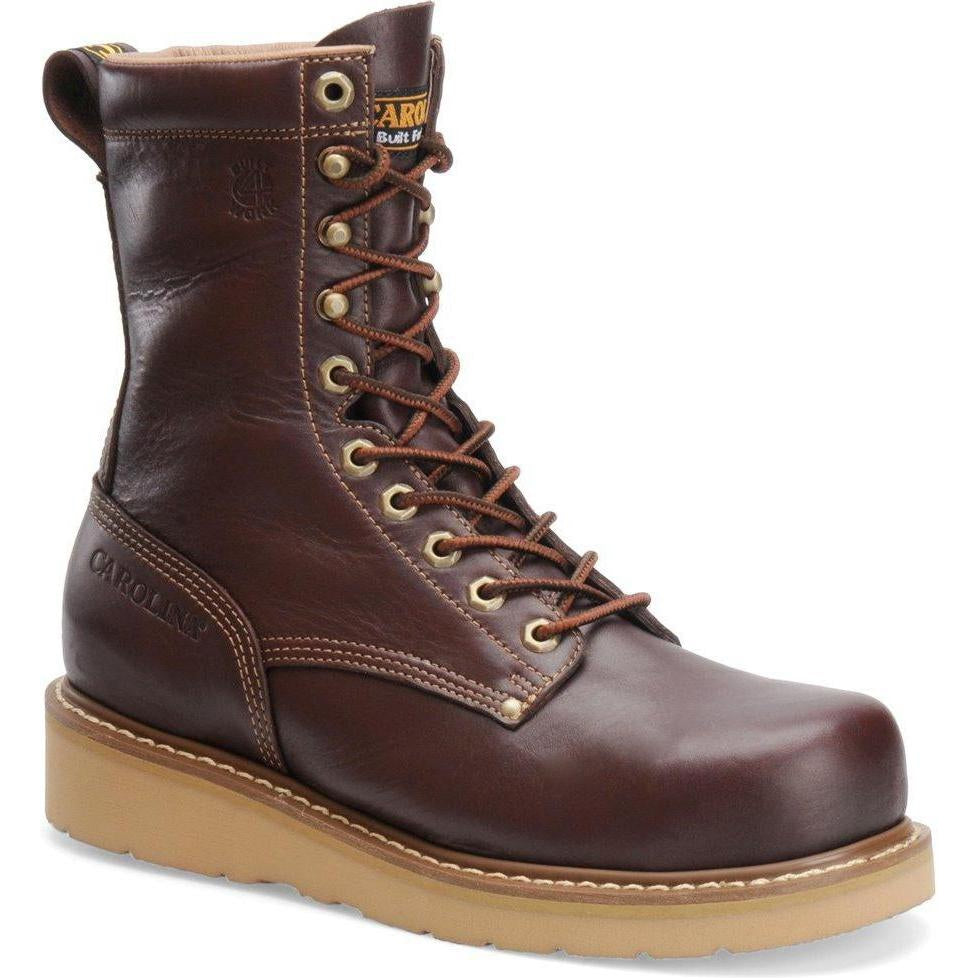
Sale price$199.99
Carolina Men's Amp Hi 8" Broad Toe Wedge Work Boot - Dark Oak - CA8049
Save 5%
Sale price$274.95
Regular price$290.00
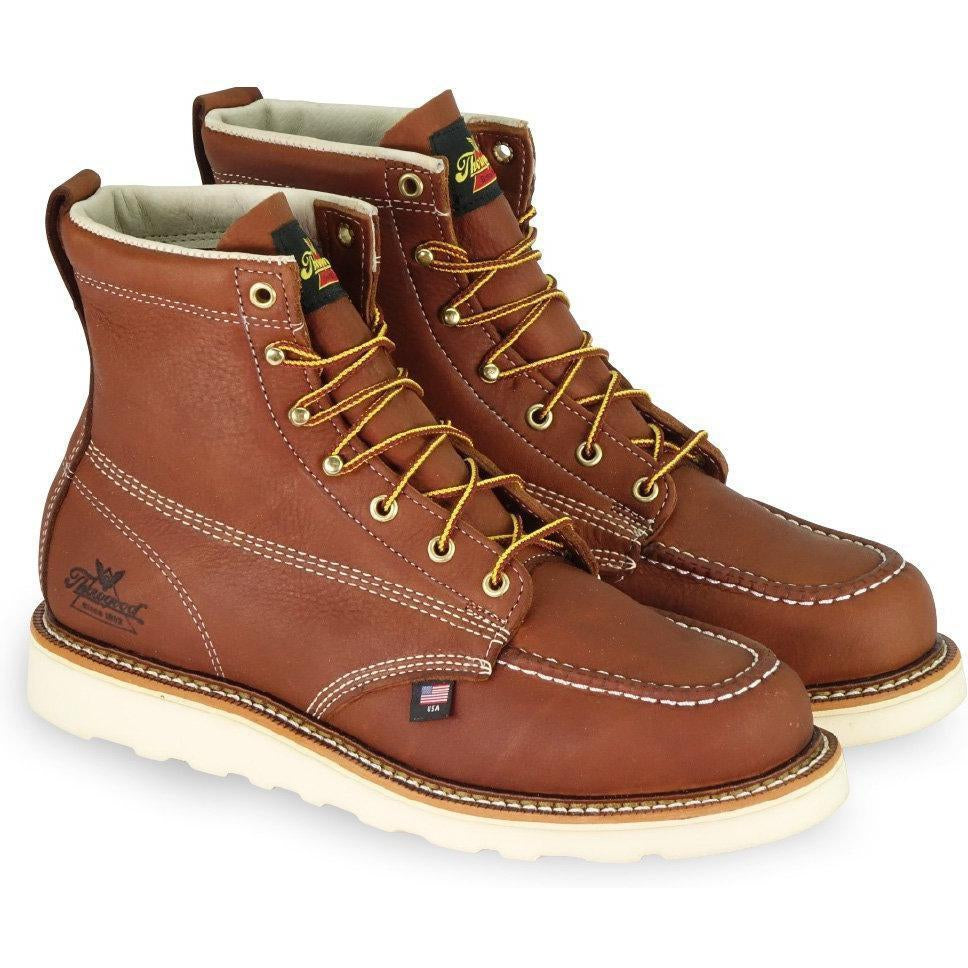
Thorogood Men's USA Made Amer. Heritage 6" Steel Toe Wedge Work Boot 804-4200
Save 5%
Sale price$284.95
Regular price$300.00
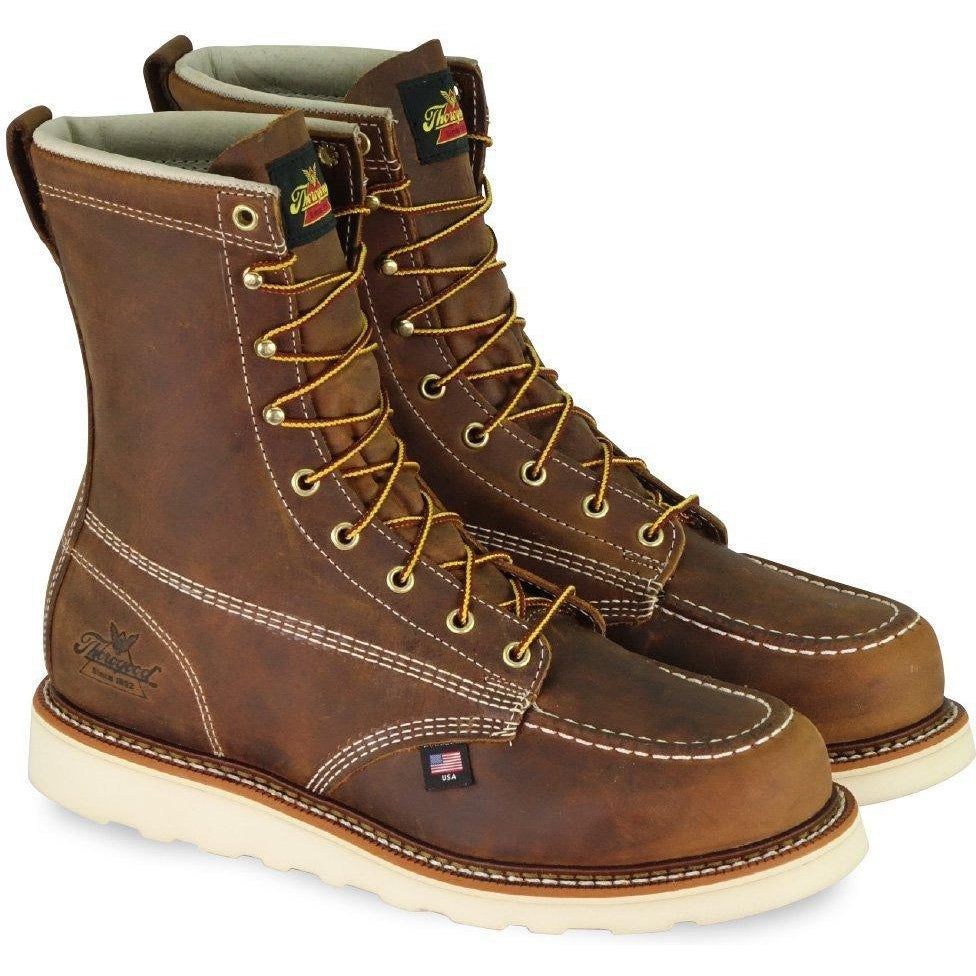
Thorogood Men's USA Made Amer. Heritage 8" Steel Toe Work Wedge Boot 804-4478
Save 7%
Sale price$259.95
Regular price$280.00
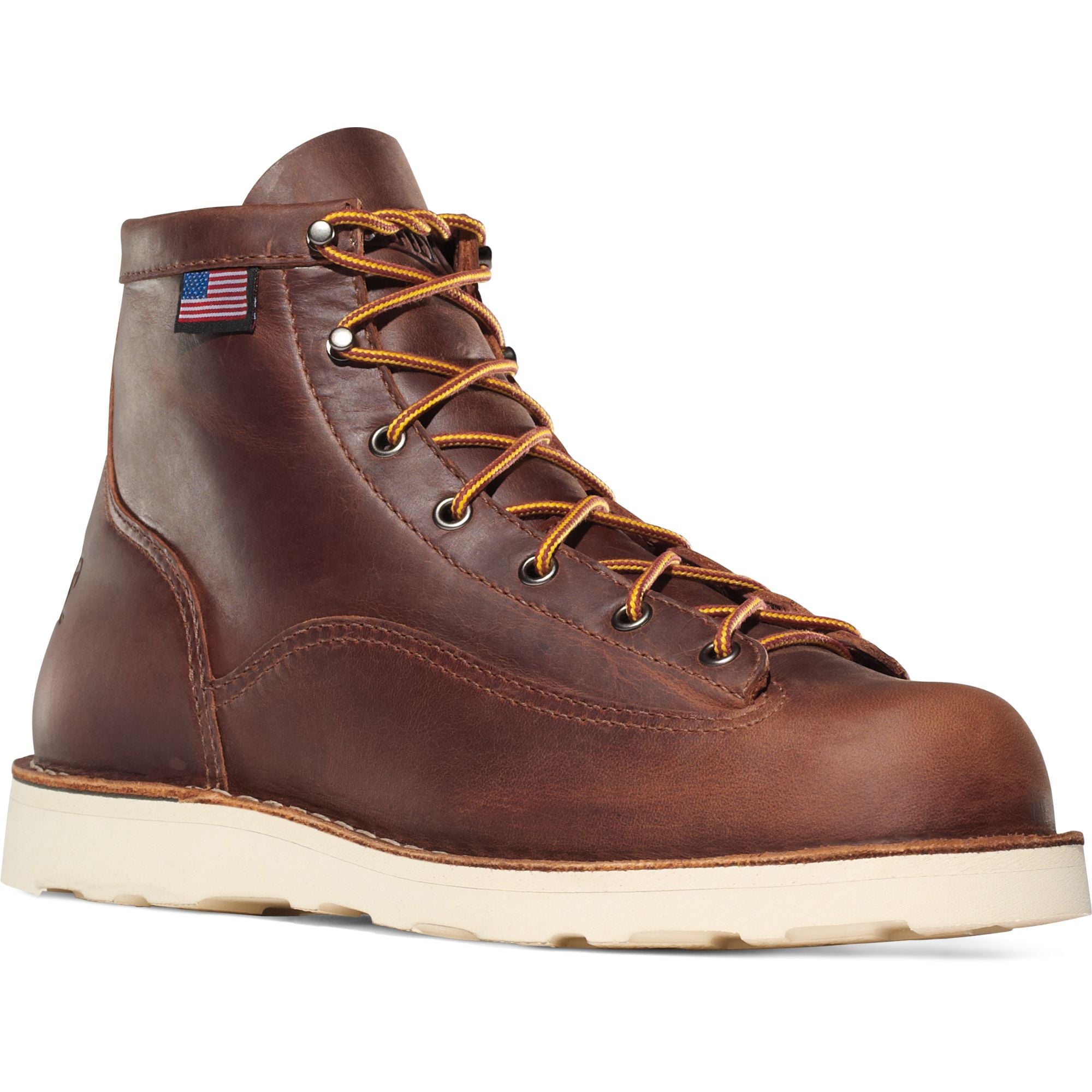
Danner Men's Bull Run USA Made 6" Soft Toe Wedge Work Boot - Brown - 15552
Save 11%
Sale price$139.99
Regular price$158.00
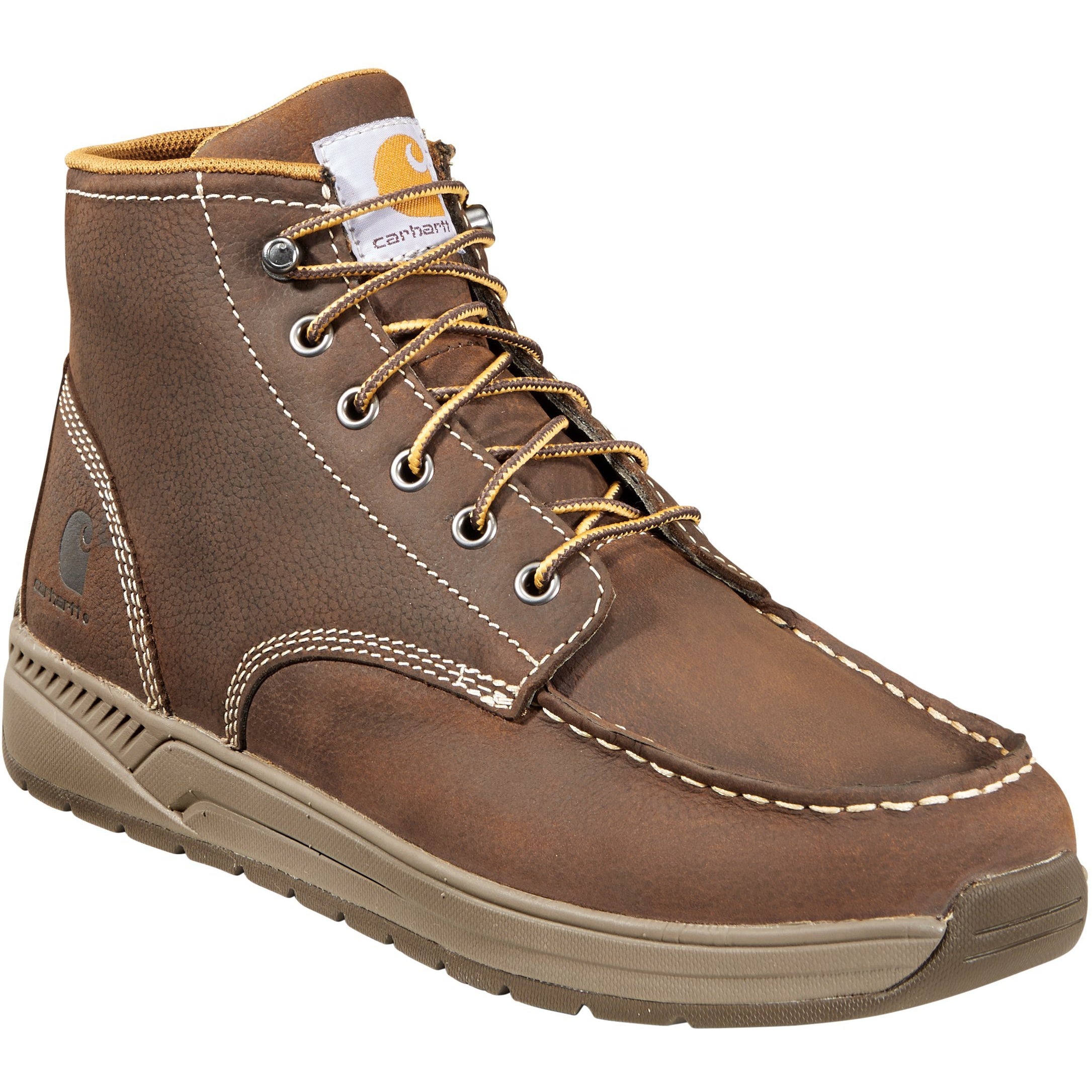
Carhartt Men's 4" Lightweight Soft Toe Wedge Work Boot Brown - CMX4023
Save 5%
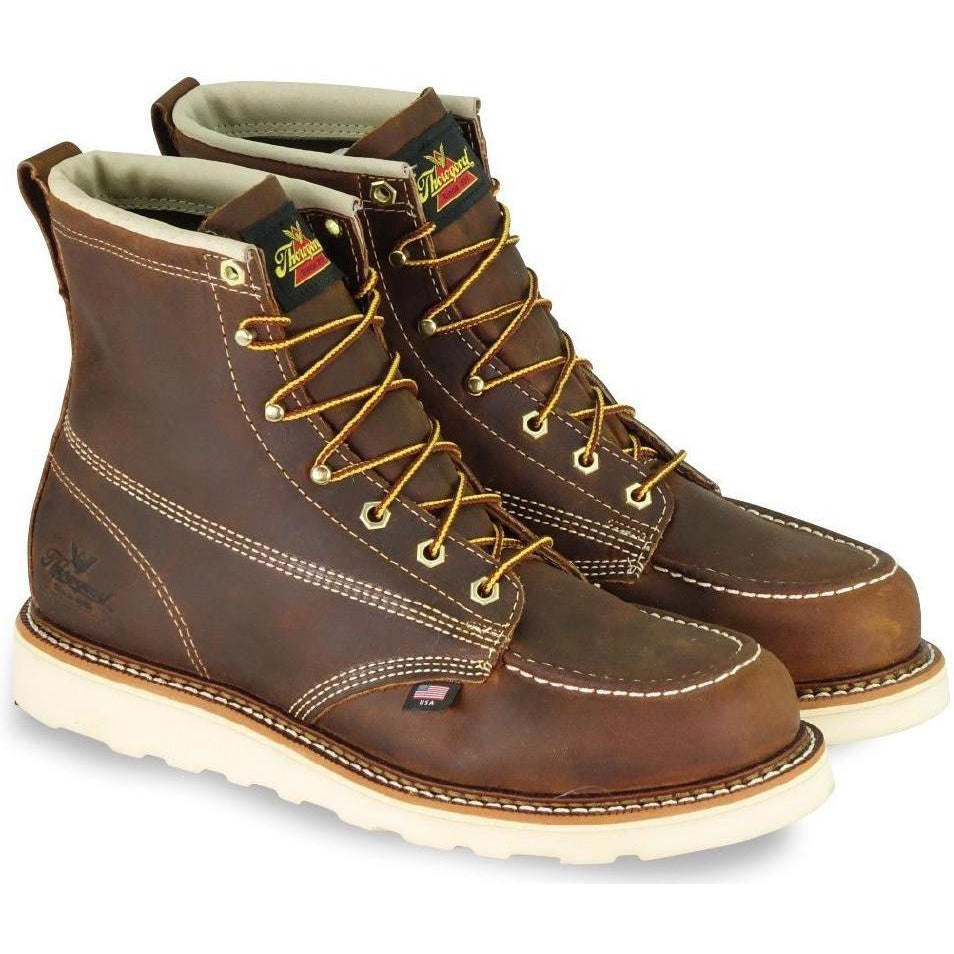
Sale price$264.95
Regular price$280.00
Thorogood Men's USA Made Amer. Heritage 6" Moc Toe Wedge Work Boot 814-4203
Save 5%
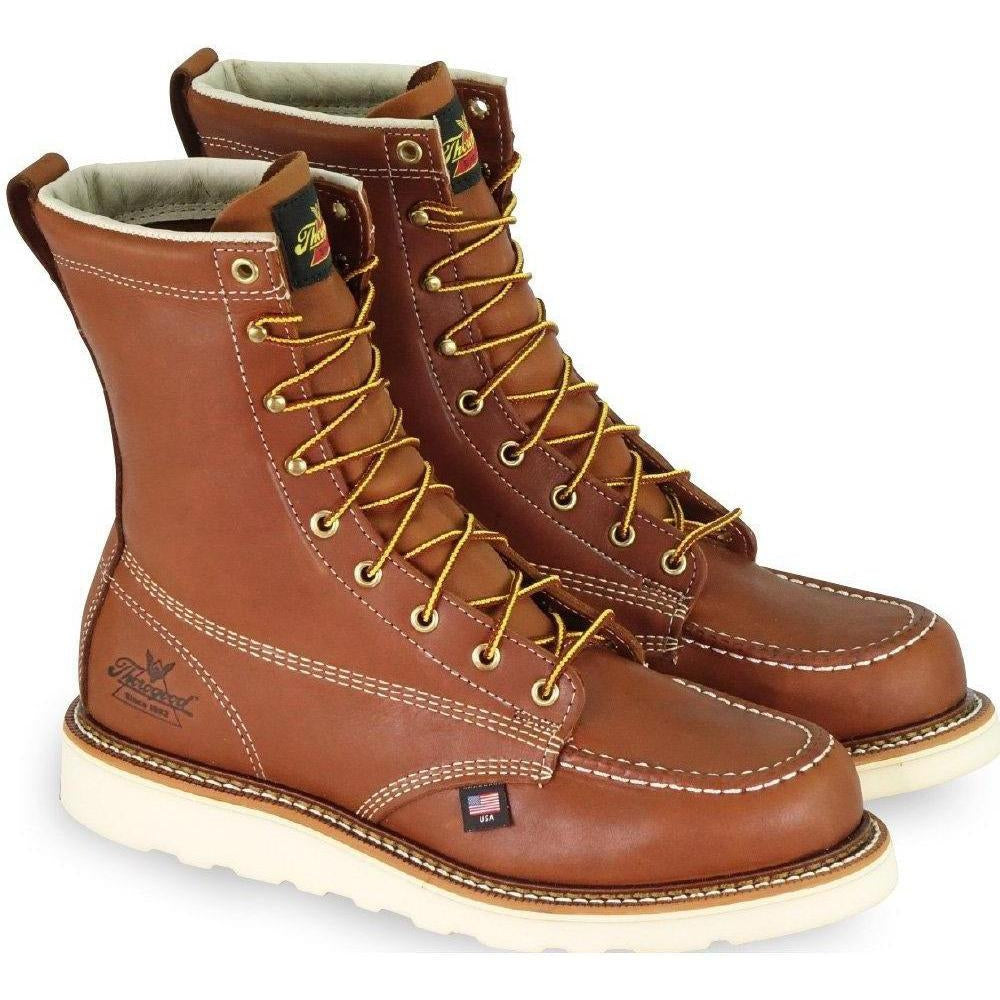
Sale price$284.95
Regular price$300.00
Thorogood Men's USA Made Amer. Heritage 8" Steel Toe Wedge Work Boot 804-4208
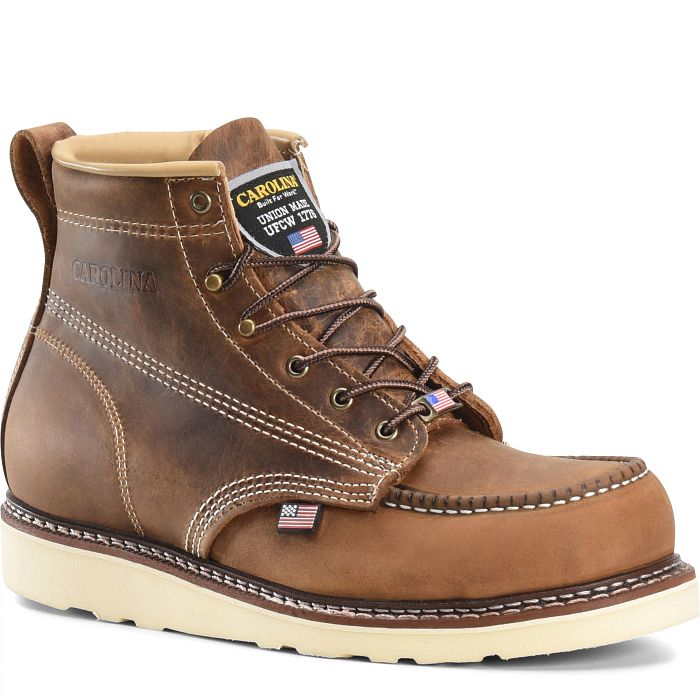
Sale price$249.99
Carolina Men's AMP USA Made 6" Moc Toe Wedge Work Boot Brown - CA7011
Save 16%
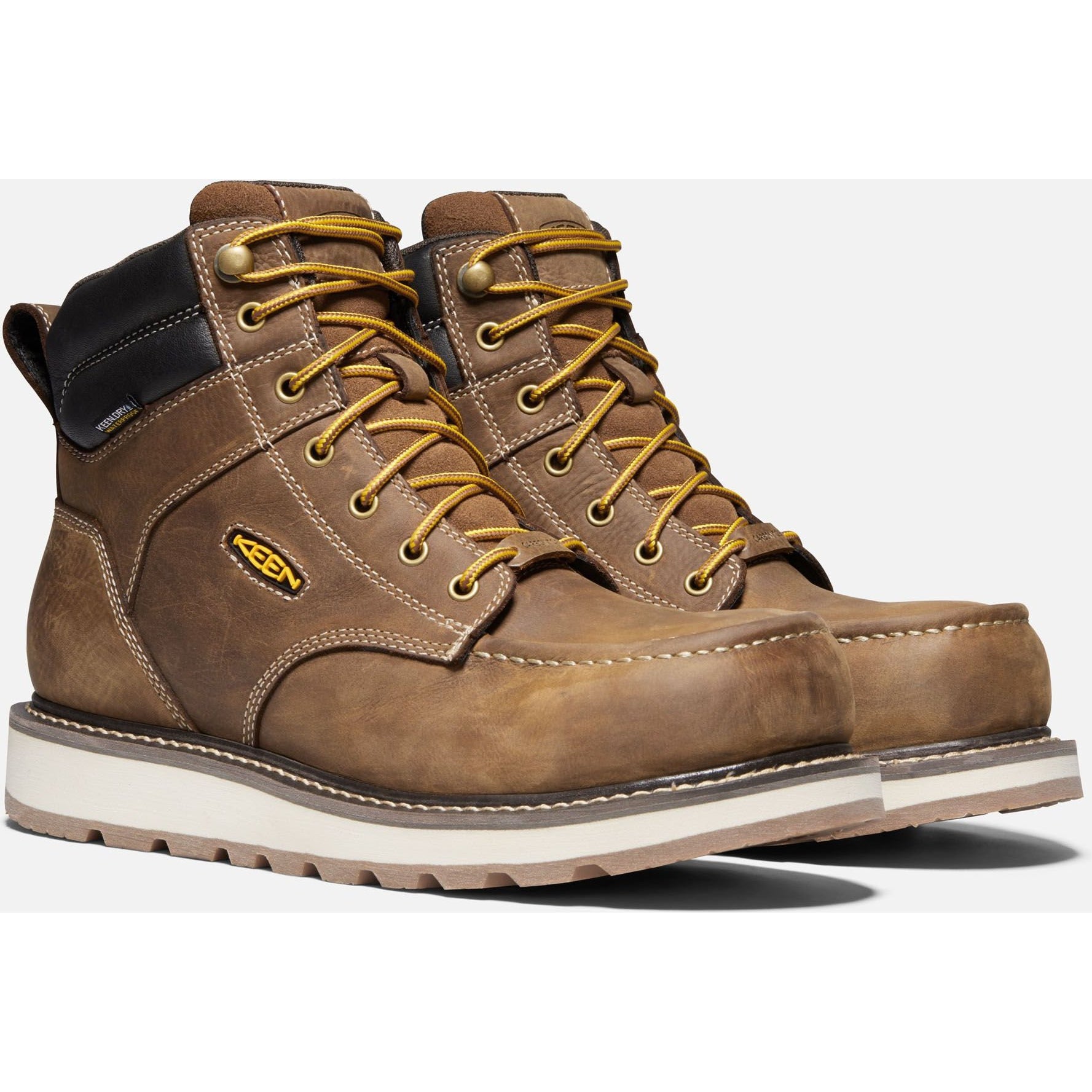
Sale price$179.99
Regular price$214.95
Keen Utility Men's Cincinnati 6" Carbon-Fiber Toe Waterproof Wedge Work Boot - Belgian/Sandshell - 1023222
Save 5%
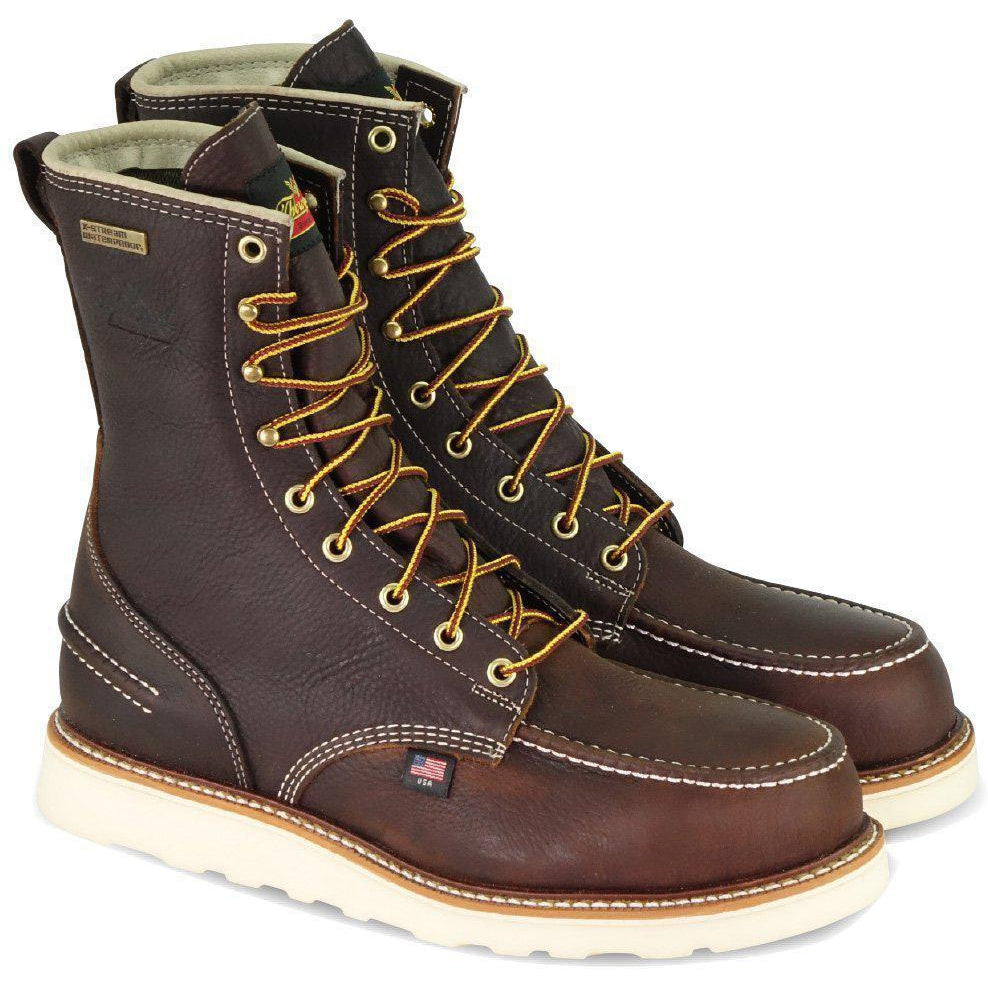
Sale price$284.95
Regular price$300.00
Thorogood Men's USA Made 1957 8" Moc Toe Waterproof Wedge Work Boot Brown 814-3800
Save 6%
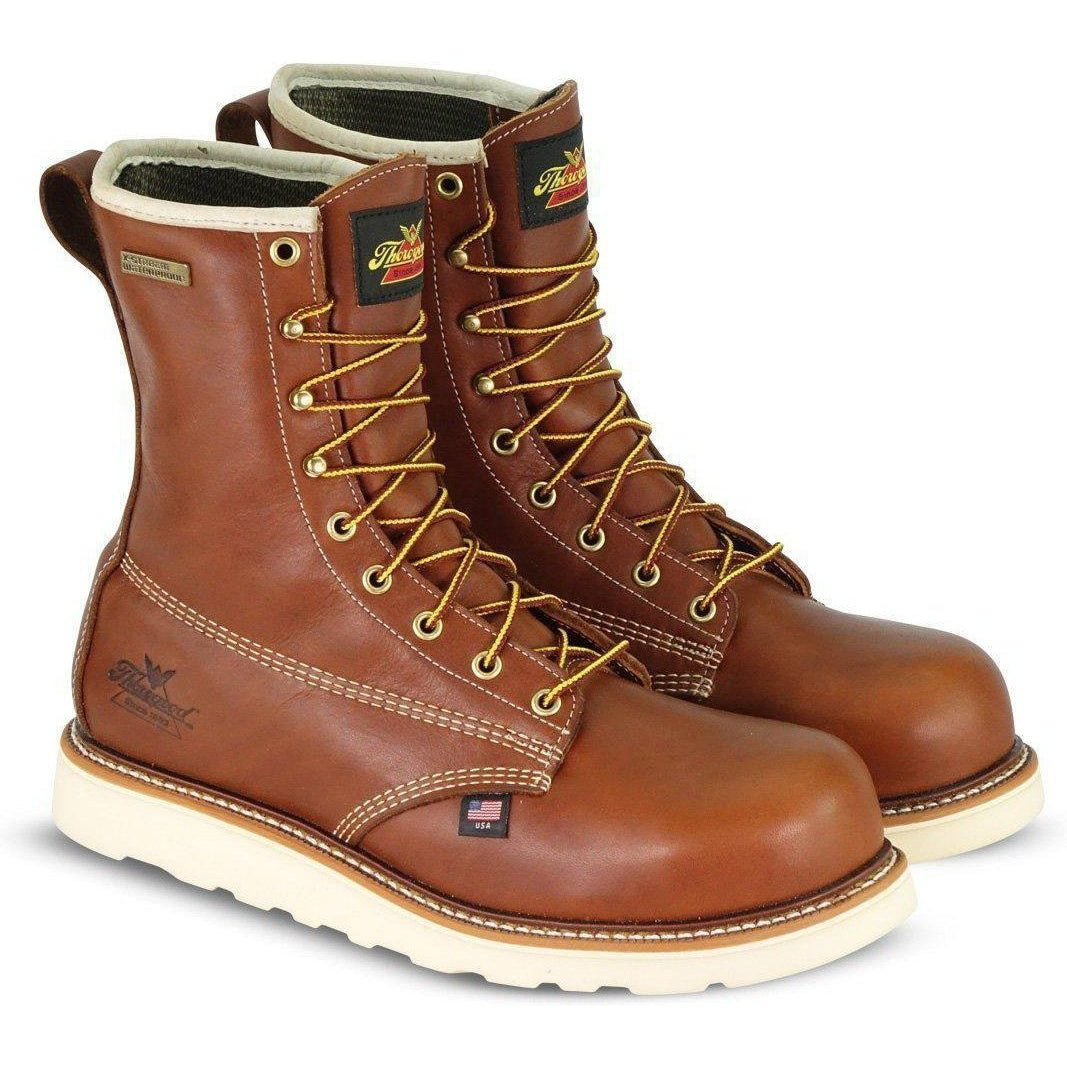
Sale price$309.95
Regular price$330.00
Thorogood Men's USA Made Amer Heritage 8" Composite Toe Wedge Work Boot 804-4210
Save 7%
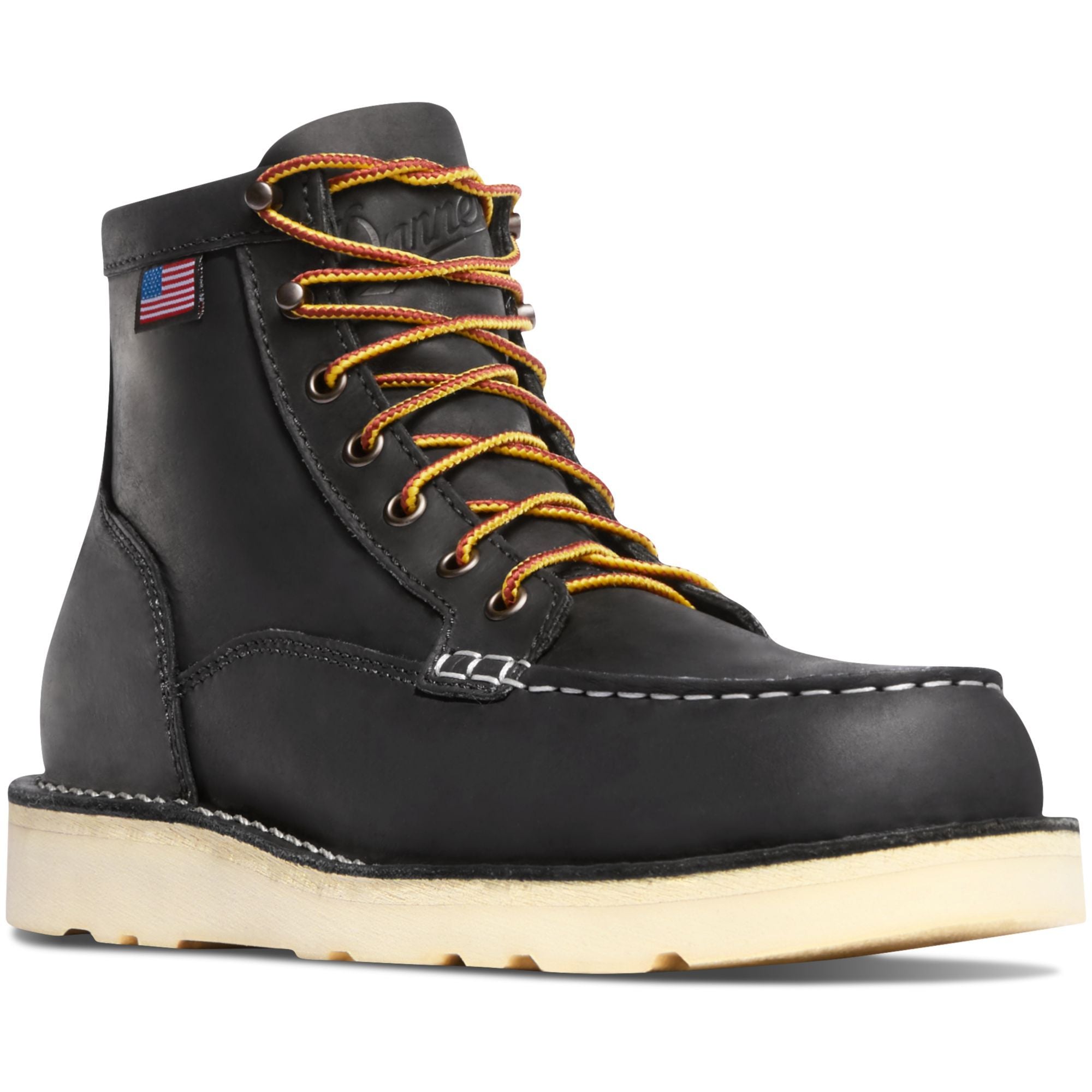
Sale price$269.95
Regular price$290.00
Danner Men's Bull Run USA Made 6" Moc Steel Toe Wedge Work Boot Black 15569
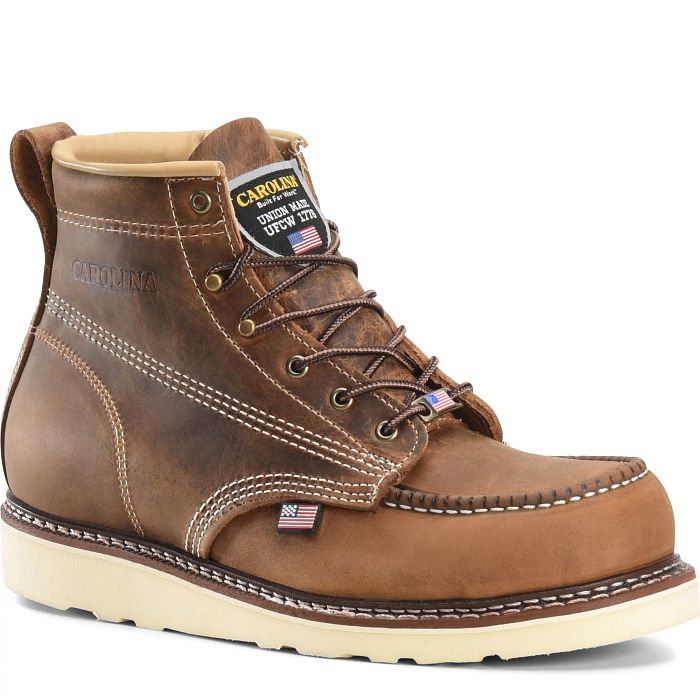
Save 7%
Sale price$279.95
Regular price$300.00
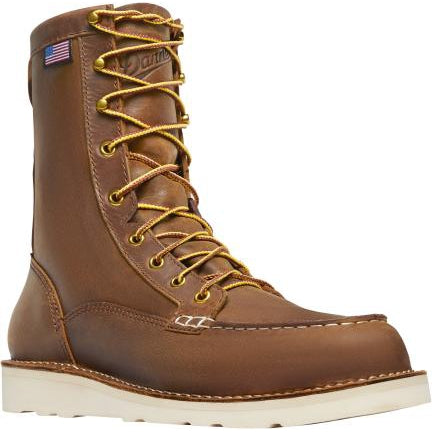
Danner Bull Run 8 Inch Steel Toe USA Made Work Boots - Wedge Boot 15542
Sale price$269.99
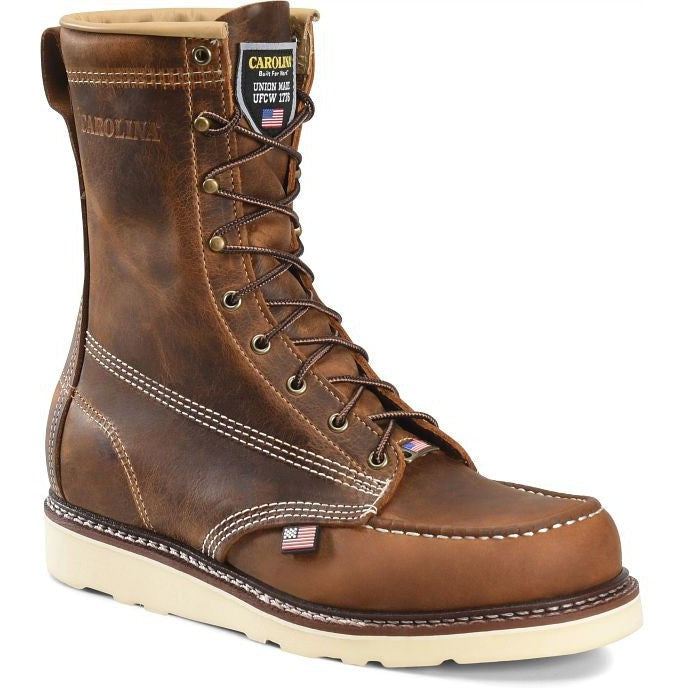
Carolina Men's Amp 8" Steel Toe USA Made Wedge Work Boot -Brown- CA8512
Save 6%
Sale price$145.00
Regular price$155.00
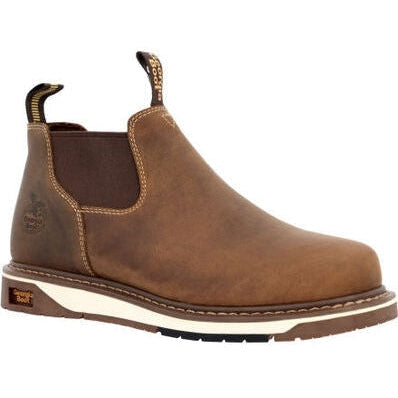
Georgia Men's Boot Amp Lt Wedge 4" Romeo Work Boot - Brown - GB00545
Save 5%
Sale price$274.95
Regular price$290.00
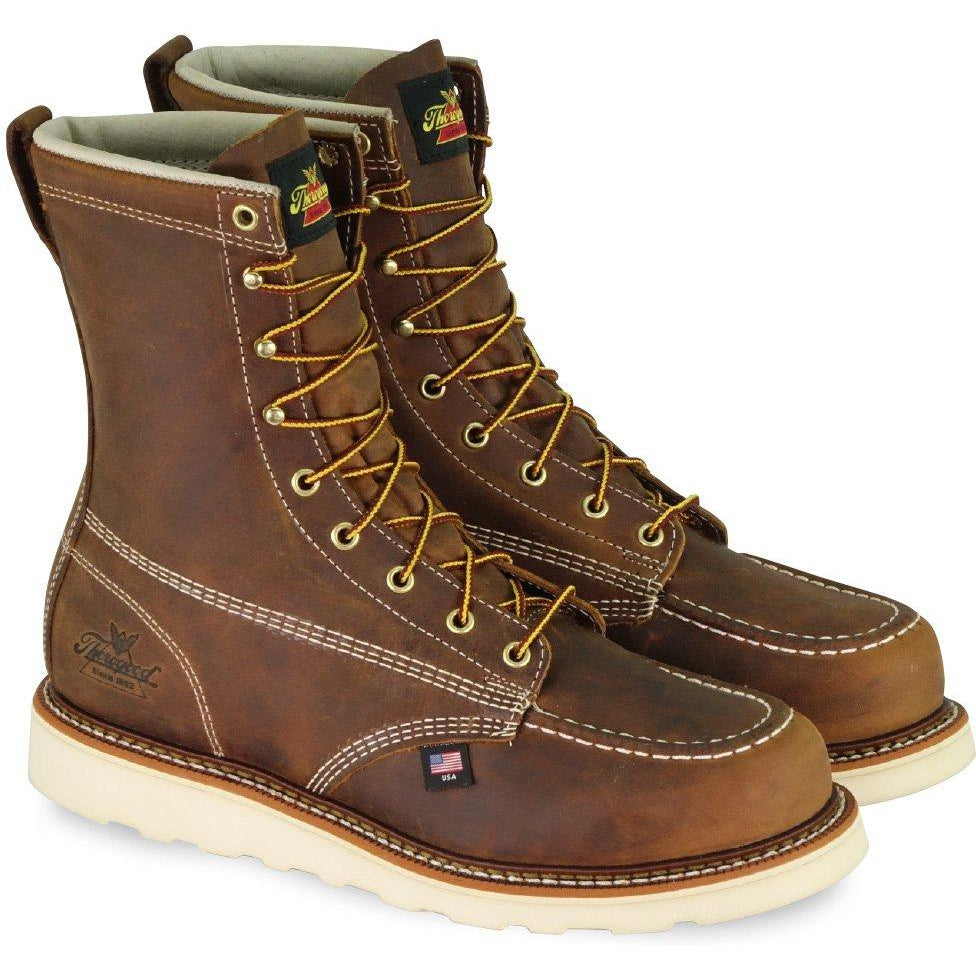
Thorogood Men's American Heritage 8" Soft Toe USA Made Work Boot 814-4178
Save 5%
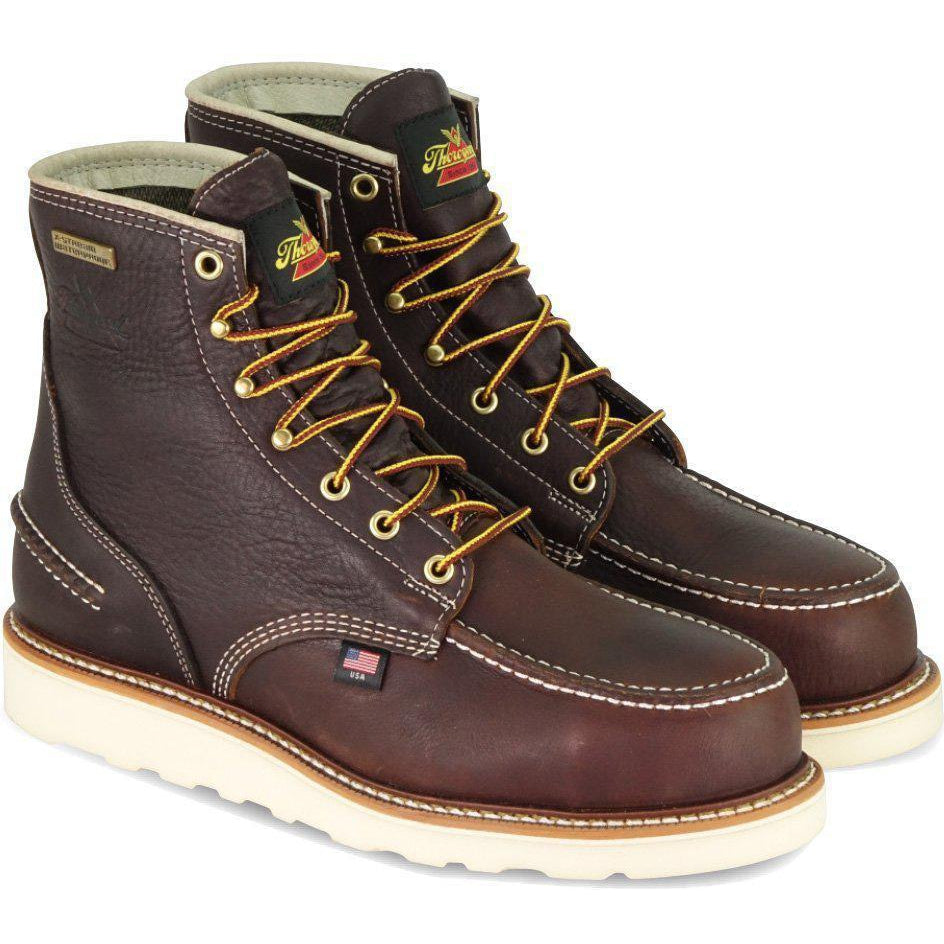
Sale price$284.95
Regular price$300.00
Thorogood Men's USA Made 1957 6" Moc Safety Toe Waterproof Wedge Work Boot 804-3600
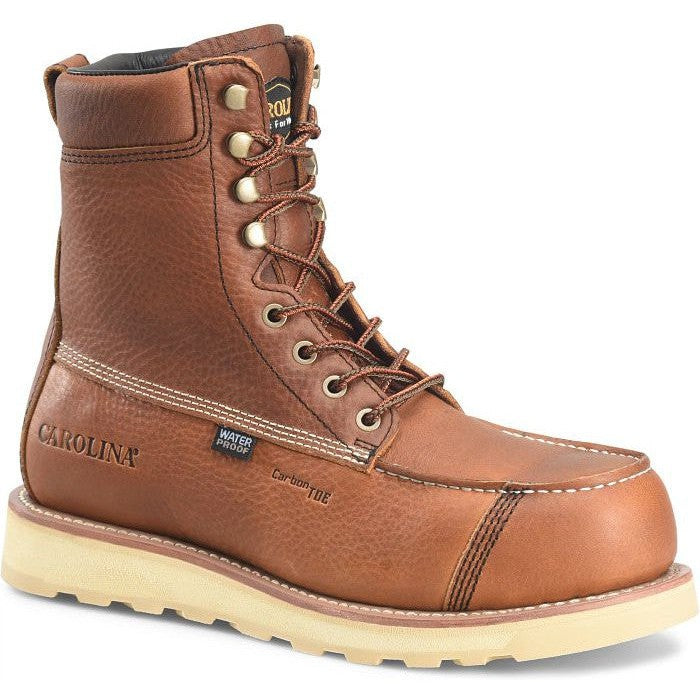
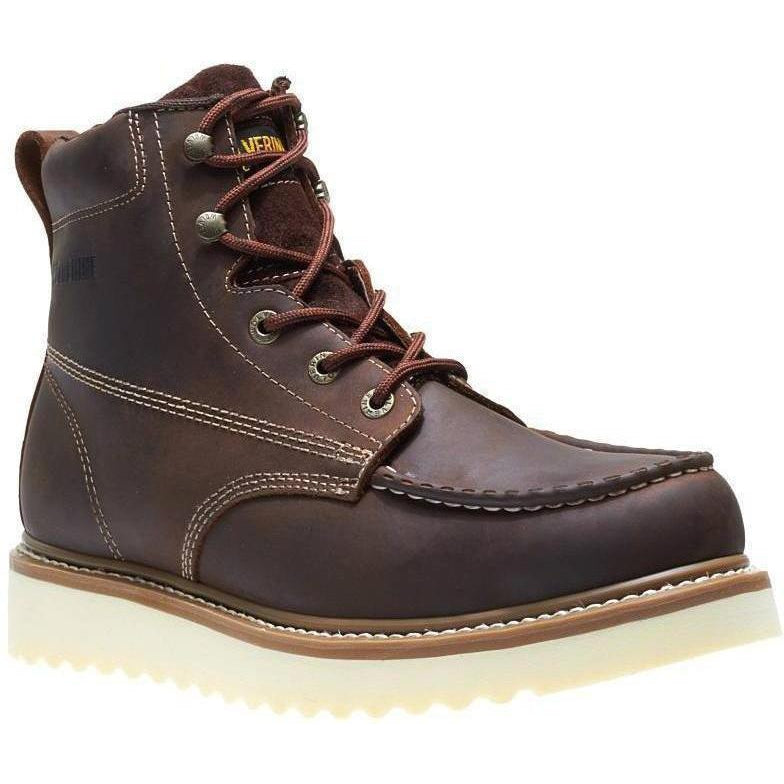
Sale price$139.95
Wolverine Men's Loader 6" Wedge Work Boot - Brown - W10744
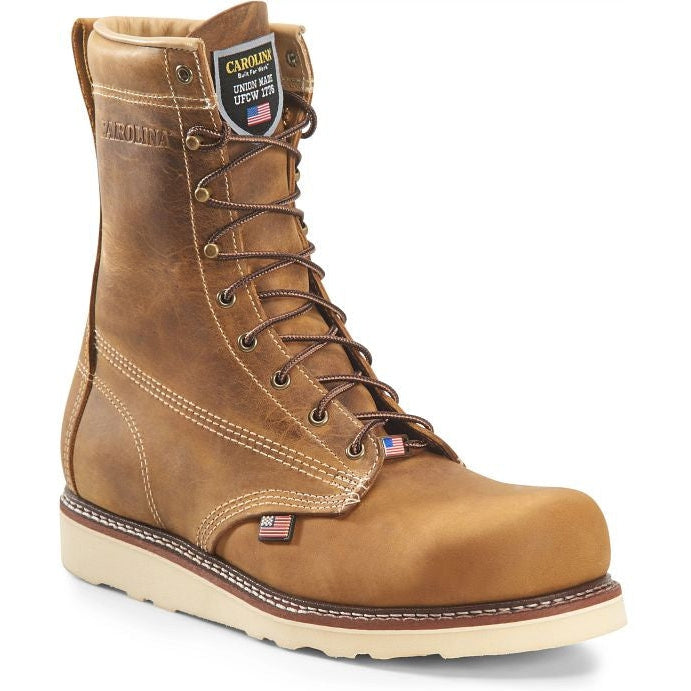
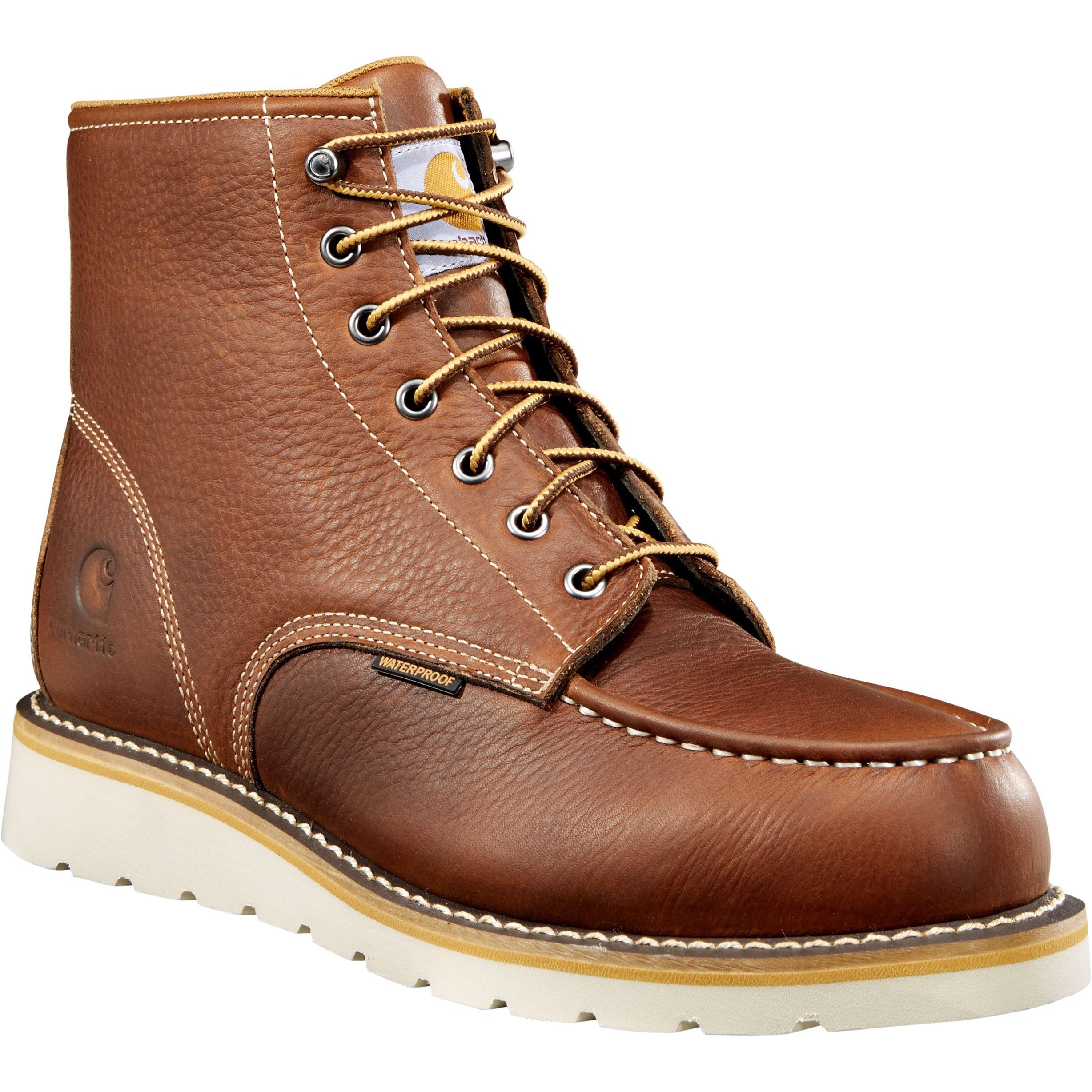
Sale price$179.99
Regular price$183.00
Carhartt Men's 6" Soft Toe Waterproof Wedge Work Boot - Tan - CMW6175
Save 5%
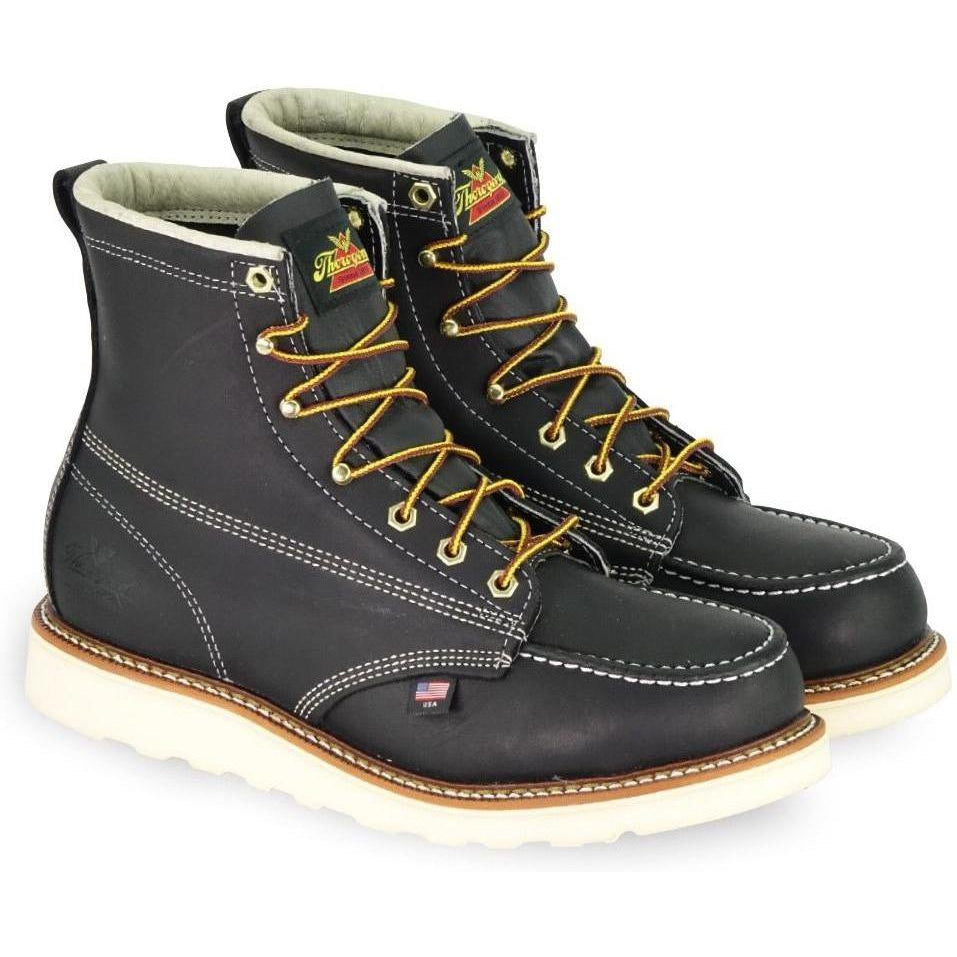
Sale price$264.95
Regular price$280.00
Thorogood Men's USA Made American Heritage 6" Wedge Work Boot - 814-6201
Save 5%
Sale price$244.95
Regular price$259.00
Chippewa Men's Edge Walker 6" Moc Toe Waterproof Lace Up Work Boot - 25341
Save 5%
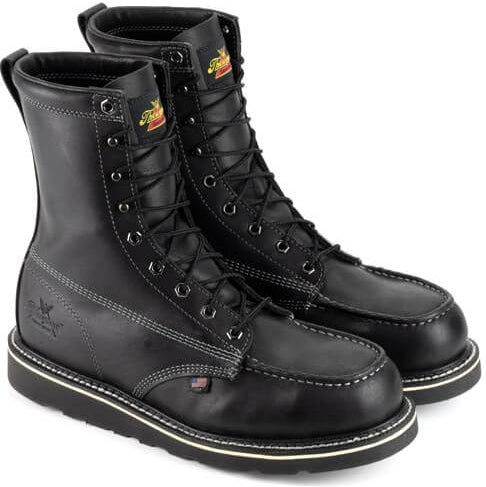
Sale price$284.95
Regular price$300.00
Thorogood Men's American Heritage Midnight 8" Steel Toe USA Made Wedge Work Boot - 804-6208
Frequently Asked Questions
Wedge sole boots are best for work on hard, flat surfaces such as concrete shop floors, warehouse aisles, finished roofs, and paved roads. The flat outsole spreads your weight across the whole foot rather than driving it through your heel, making a full day on concrete easier on your legs and feet. Wedge soles don’t grip as well as a lug heel on ladders, gravel, and broken ground, so within the wider range of men's work boots, they are the top choice for flat ground.
Yes, wedge sole work boots are among the better choices for standing on concrete all day. That same even weight distribution applies here, but how comfortable it stays beyond a few hours also depends on the footbed and cushioning. A wedge with a thin or worn-in insole may still cause discomfort.
Comfortable wedge boots can be easier on your feet on hard, flat floors because of their even weight distribution. Whether they help your back depends more on fit, support, and how you stand than on the sole shape. If back or joint fatigue is your main complaint, a supportive footbed or a pair built as anti-fatigue work boots does more than the wedge profile alone.
No, wedge soles aren’t suitable for ladders and uneven ground. A wedge has shallow tread and no defined heel, so it doesn't hook a ladder rung or bite into gravel, mud, or loose dirt as well as a lugged, heeled sole does. On flat, hard surfaces, that same shallow profile is an advantage, and a wedge trades terrain grip for standing comfort. If your workday mixes ladders or broken ground with shop floors, match the boot to where you spend the most hours.
Expensive wedge sole work boots are usually worth it when the price buys welt construction that can be resoled rather than replaced, plus better leather and a more supportive footbed. Boots like Thorogood American Heritage or a Danner Bull Run are strong candidates when you want these features. Full-grain leather and a denser footbed also tend to hold up better through daily abrasion and long shifts. If you work part-time or rotate pairs, a cheaper, cement-built boot can be the smarter buy, since you may retire the shoe before you ever reach the resole point. Check the construction spec either way, since even value brands sell both welted and cemented lines.
Wedge soles can be slip-resistant on wet and oily floors, but that's due to the rubber compound and tread pattern, not the wedge shape. A slip-rated wedge works because the compound and tread channels displace a thin film of liquid, allowing the rubber to grip the floor beneath. The softer the rubber, the better it conforms. Many wedge boots list slip-resistant or oil-resistant outsole specs, but check the individual product page rather than assume every wedge resists oil. If you absolutely need slip-resistant boots, browse our slip-resistant collection.
A soft wedge sole can wear down faster than a lugged sole, especially on rough or abrasive ground. The wedge is often made of softer crepe or foam rubber that trades abrasion resistance for underfoot comfort, so on rough or abrasive ground the sole can wear out sooner than the upper. On the flat, clean floors a wedge is built for, that wear is much slower. How long a set of soles lasts comes down to the surface you’re on, your weight, and the number of hours you wear them.
Yes, a worn wedge sole can be replaced, but only on a boot built to be resoled. Welt-constructed boots, where the upper is stitched to a welt, can go to a cobbler for a fresh wedge and come back ready for another run. Cement-constructed boots, where the sole is glued directly to the upper, typically can’t be cleanly resoled and are instead replaced entirely.
Yes, wedge sole boots come with steel, composite, soft, alloy, or carbon toes. Steel toes cost the least but can set off metal detectors, while composite and carbon toes are lighter, non-metallic, and do not get as cold in winter. If a composite toe is a firm requirement, you can filter straight to composite toe boots and narrow down from there. Soft-toe wedges remain the most flexible for jobs without a safety-toe rule.