Ahorra 15%
Precio de venta$361.01
Precio habitual$425.00
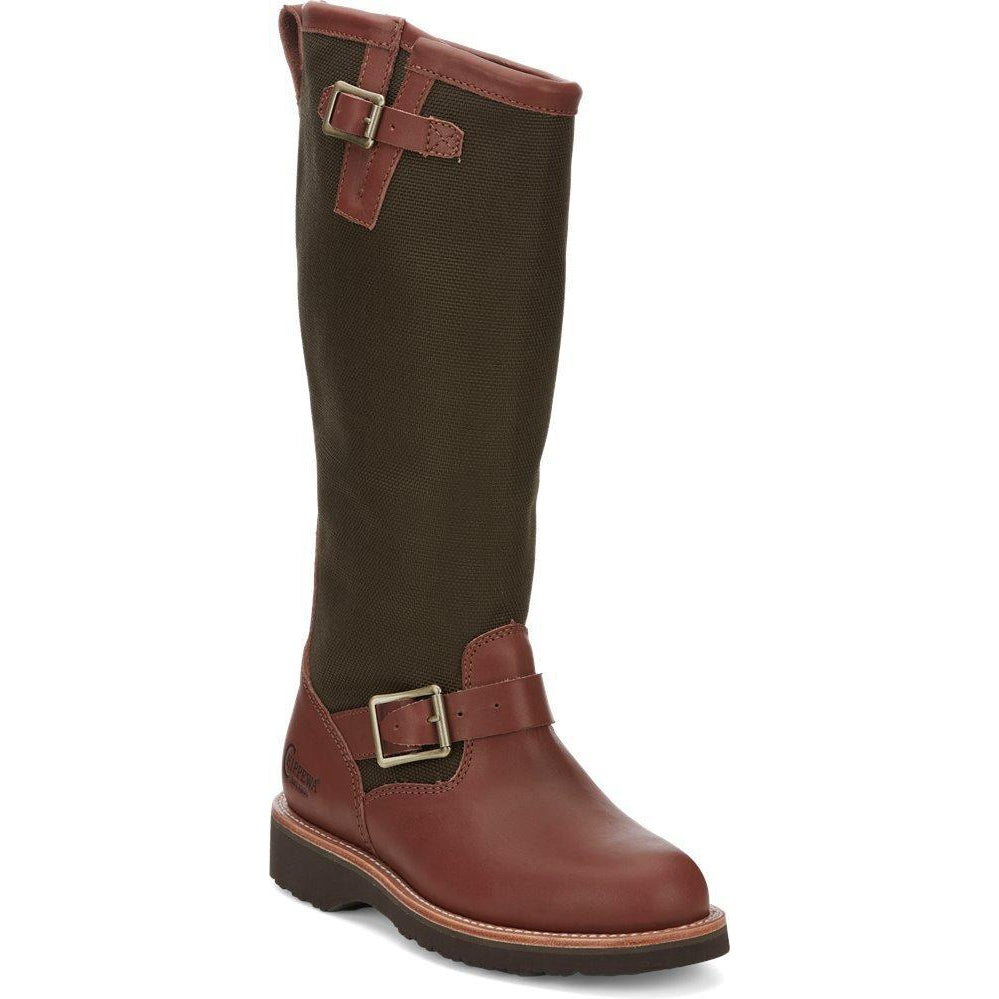
Chippewa Sunjo bota de caza contra serpientes de 15 pulgadas con punta suave para mujer - Café - SN6913
Ahorra 13%
Precio de venta$356.66
Precio habitual$410.00
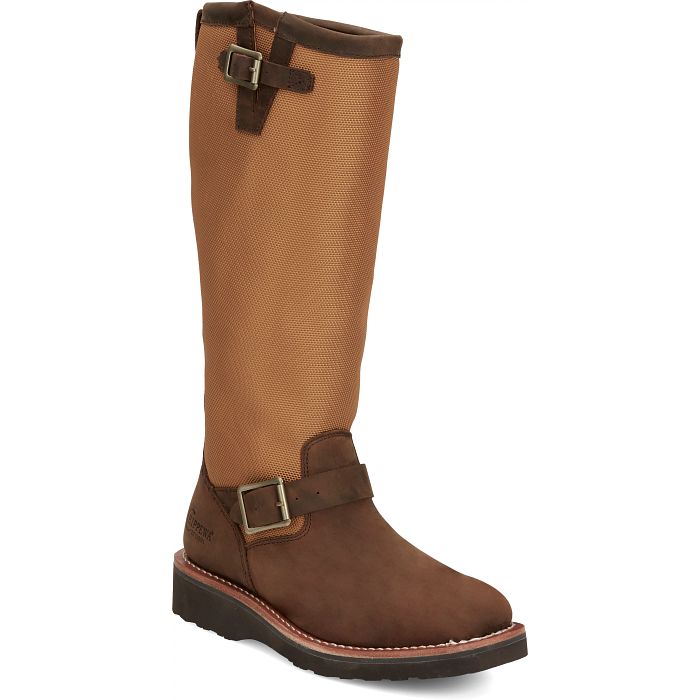
Chippewa Cottonwood bota de caza contra serpientes de 15 pulgadas para mujer - Café - SN6914
Precio de venta$349.95
Precio habitual$360.00
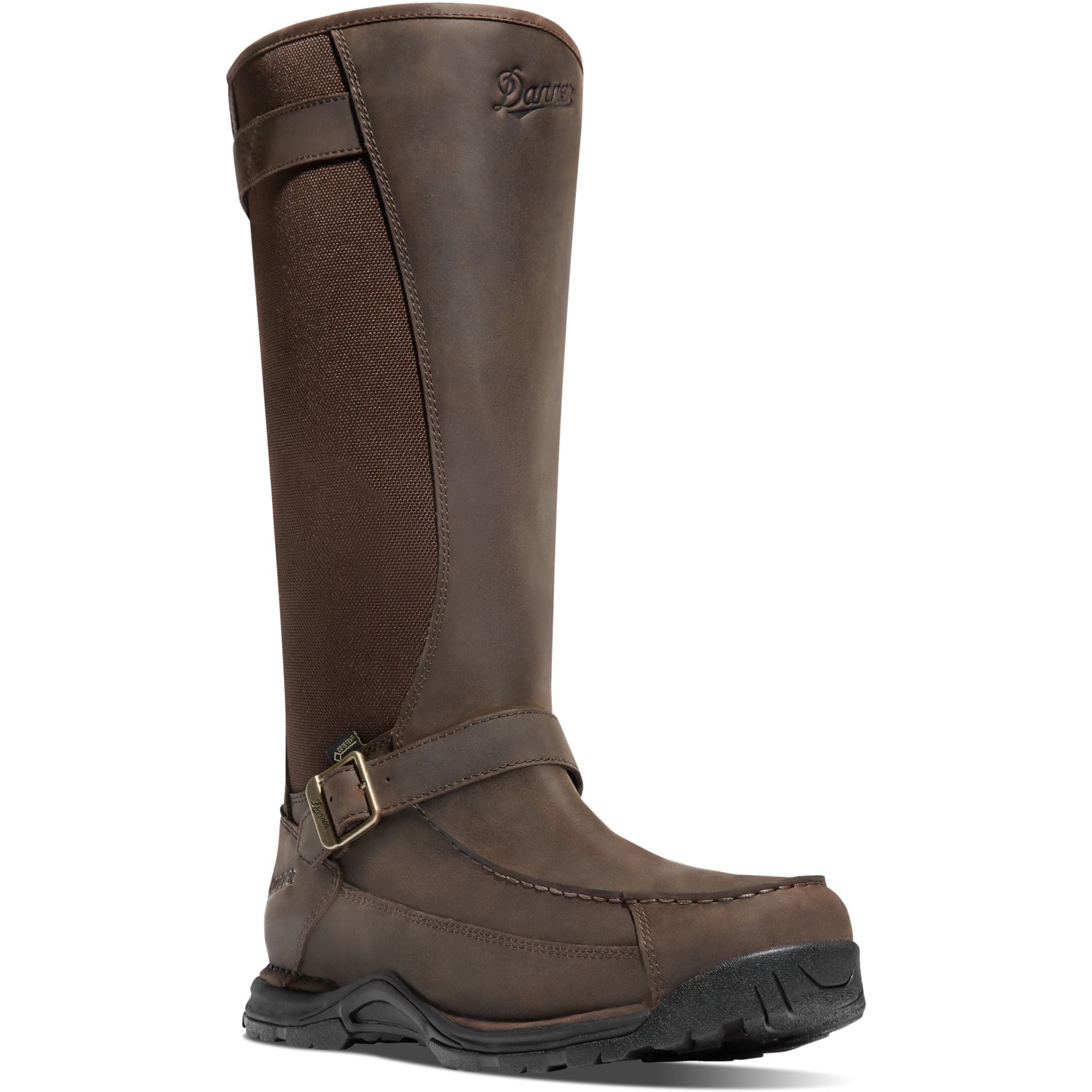
Danner Sharptail bota de caza impermeable contra serpientes de 17 pulgadas para hombre - Café - 45040
Ahorra 5%
Precio de venta$359.95
Precio habitual$380.00
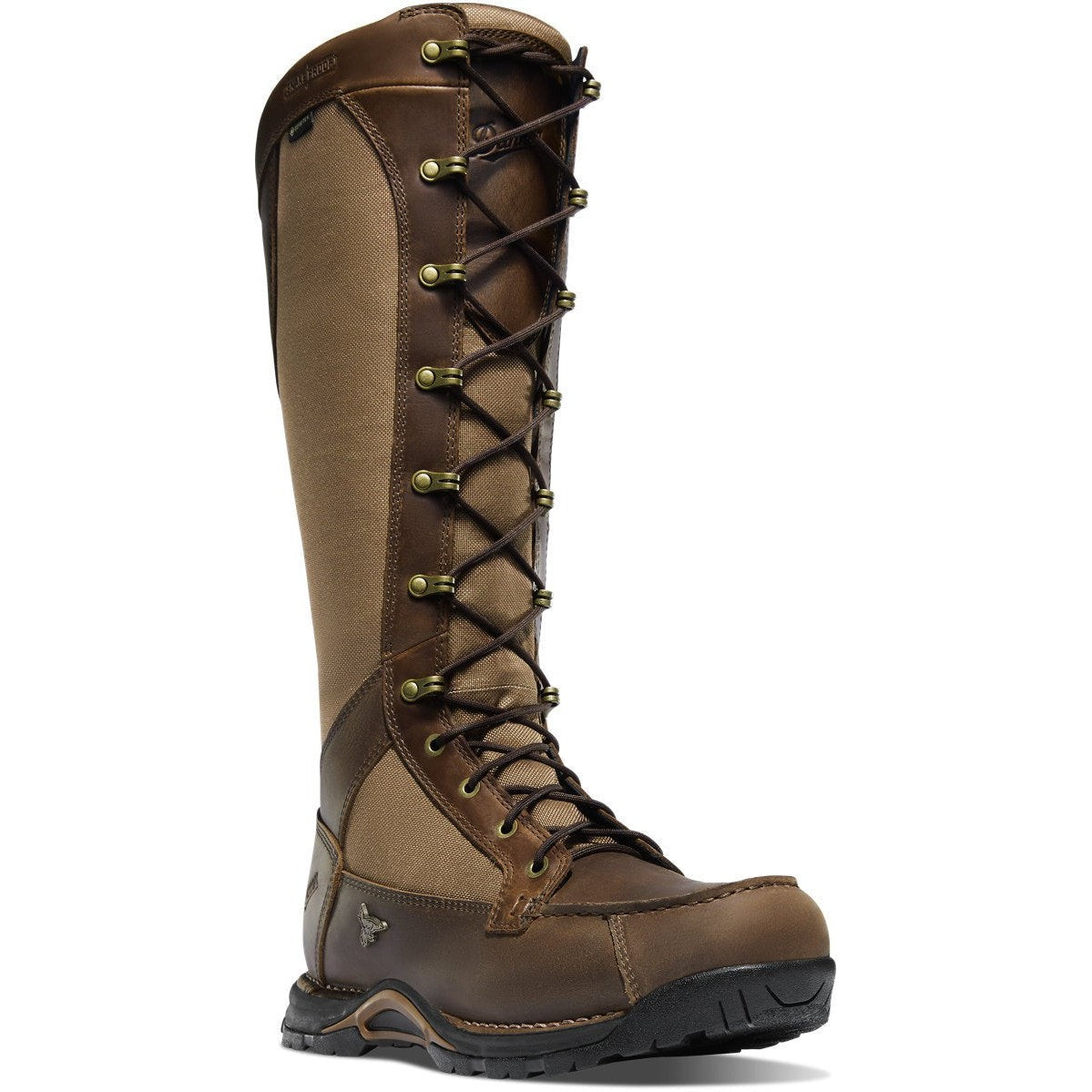
Danner Sharptail bota de caza contra serpientes de 17 pulgadas con cierre lateral para hombre - Café - 45041
Ahorra 29%
Precio de venta$238.34
Precio habitual$336.00
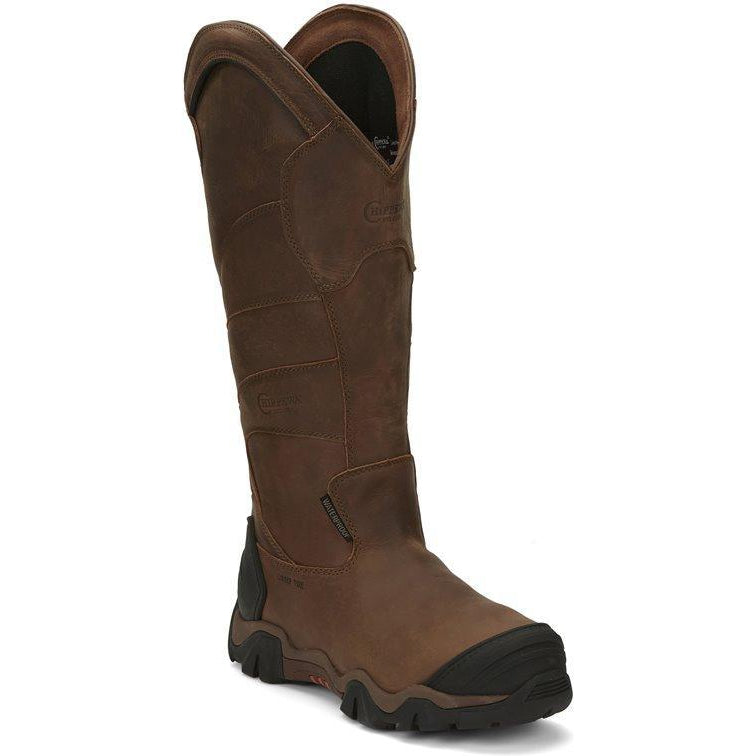
Chippewa Cross Terrain bota de caza contra serpientes impermeable sin agujetas de 17 pulgadas con punta compuesta para hombre - AE5034
Ahorra 9%
Precio de venta$319.95
Precio habitual$350.00
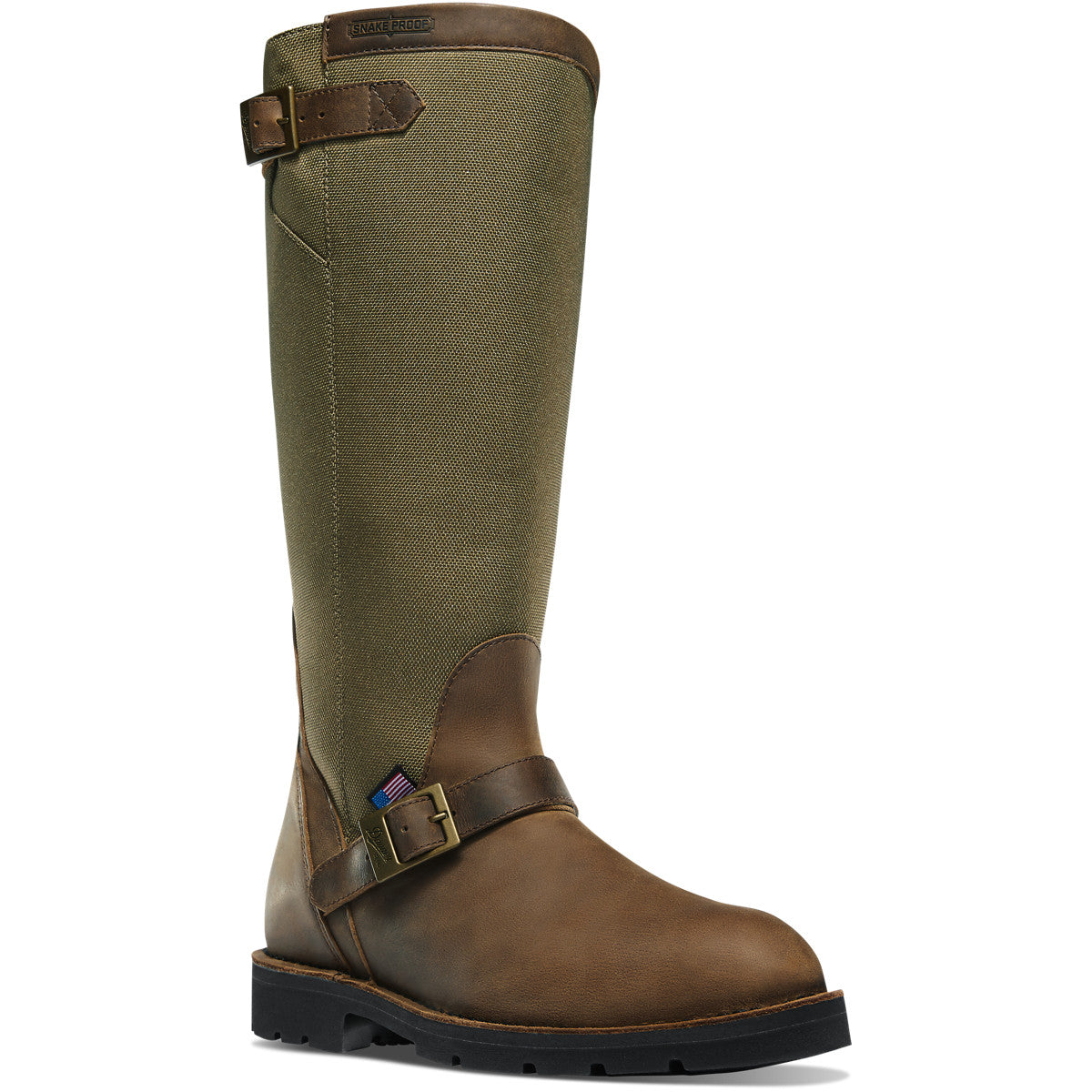
Danner San Angelo bota de caza a prueba de serpientes de 17 pulgadas para hombre - Café - 42751
Ahorra 6%
Precio de venta$164.99
Precio habitual$174.99
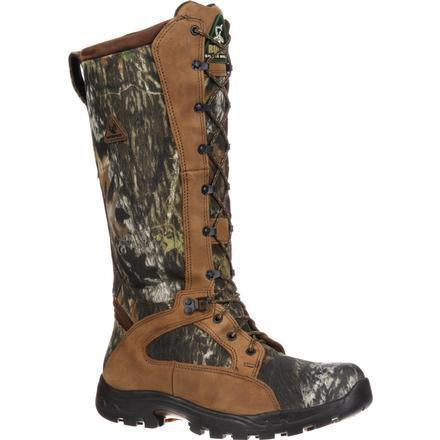
Rocky Snakeproof bota de caza impermeable de 16 pulgadas a prueba de serpientes para hombre - Mossy Oak - FQ0001570
Ahorra 5%
Precio de venta$174.99
Precio habitual$184.99
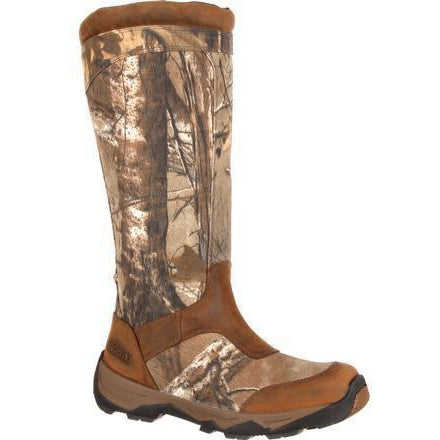
Rocky Retraction bota de caza a prueba de serpientes impermeable de 17 pulgadas con cierre lateral para hombre - Realtree Xtra - RKS0243
Ahorra 8%
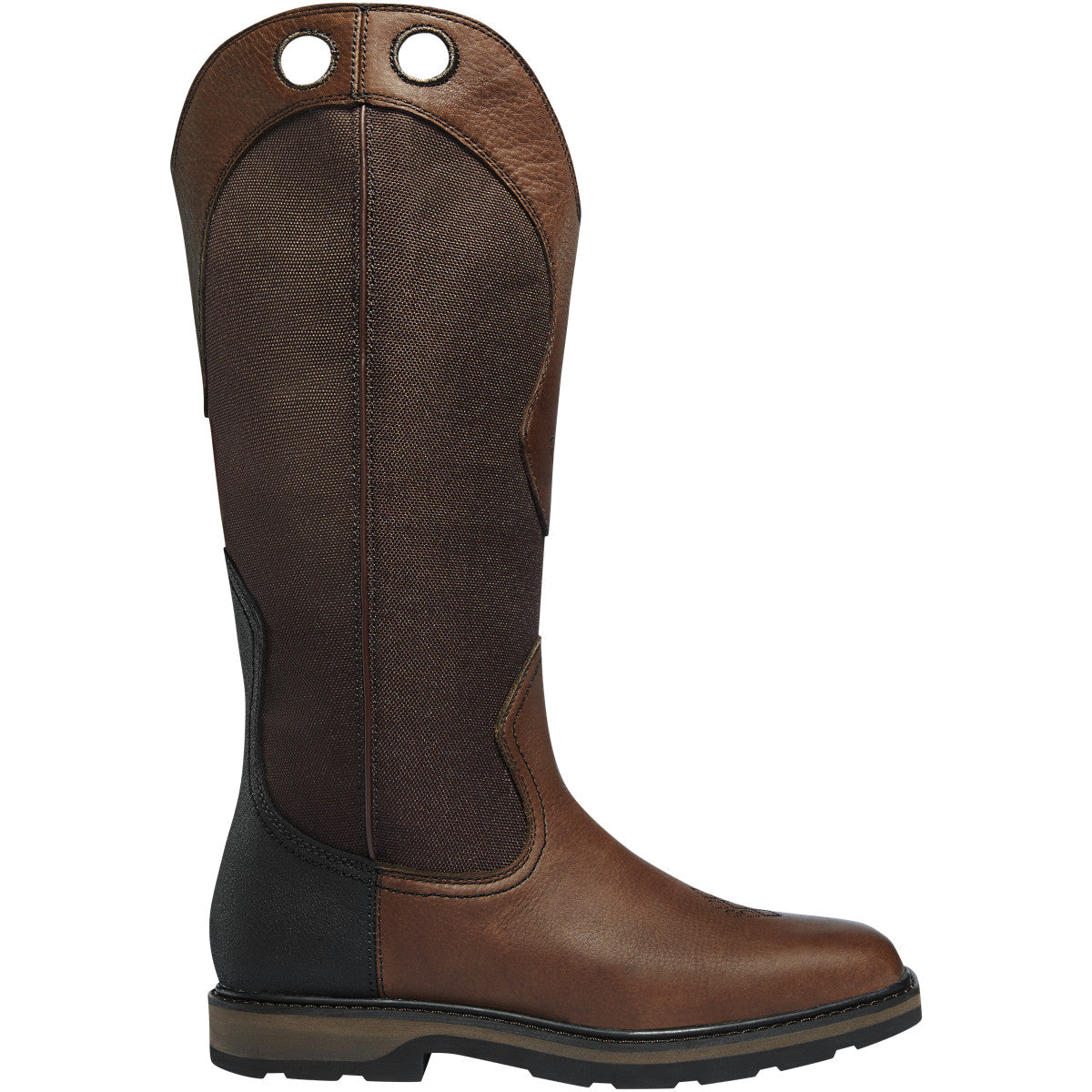
Precio de venta$259.95
Precio habitual$282.00
LaCrosse Snake Country bota de caza impermeable contra serpientes de 17 pulgadas con punta suave para hombre - Café - 521172
Ahorra 8%
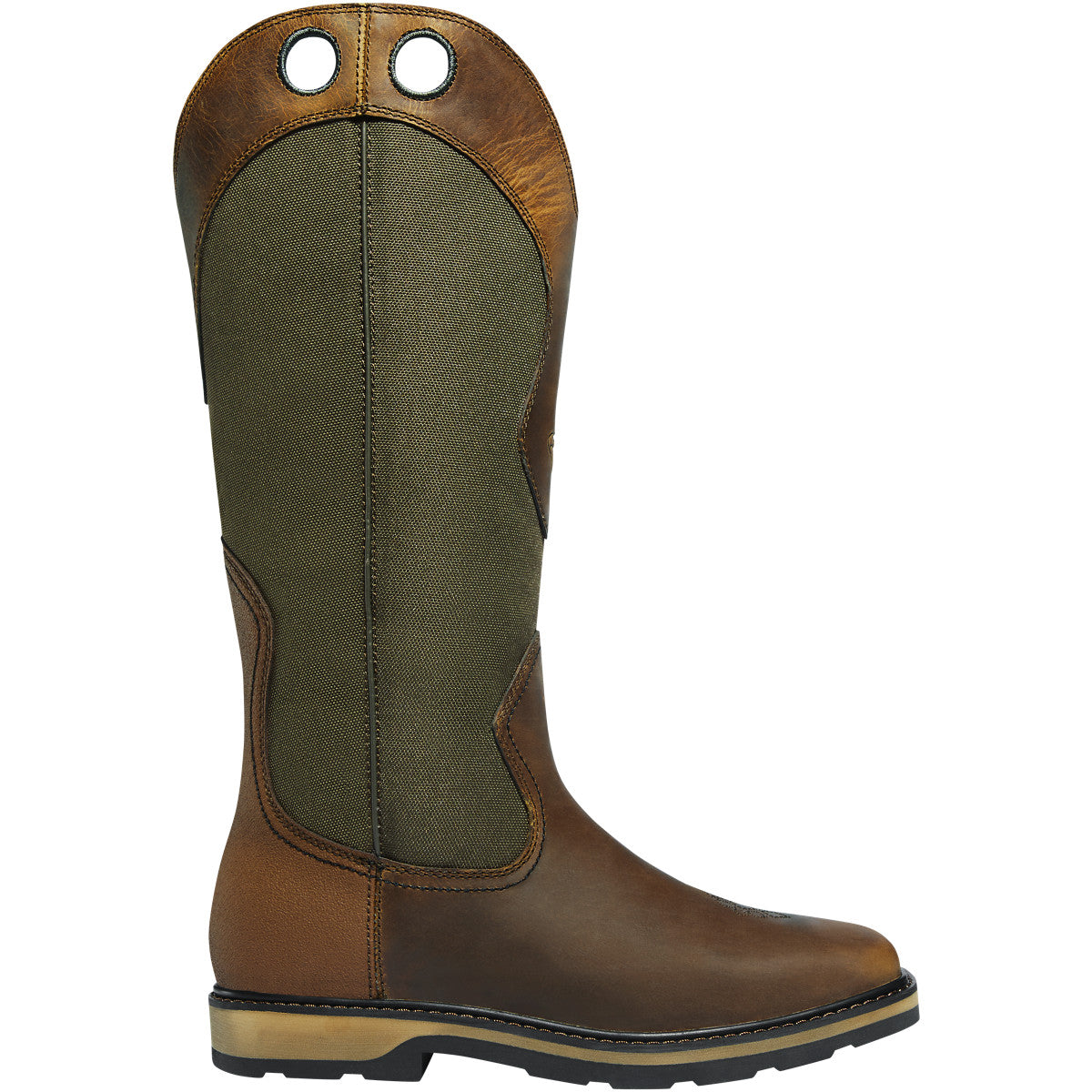
Precio de venta$249.95
Precio habitual$272.00
LaCrosse bota de caza Snake Country de 17 pulgadas con protección contra serpientes para hombre - Verde olivo - 521170
Ahorra 15%
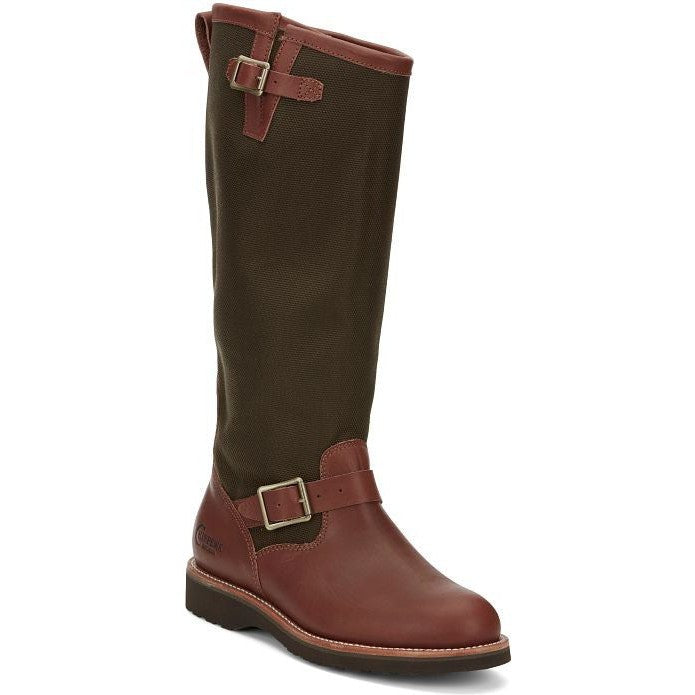
Precio de venta$361.01
Precio habitual$425.00
Chippewa Descaro bota de caza contra serpientes de 17 pulgadas para hombre - Café - SN5913
Ahorra 13%
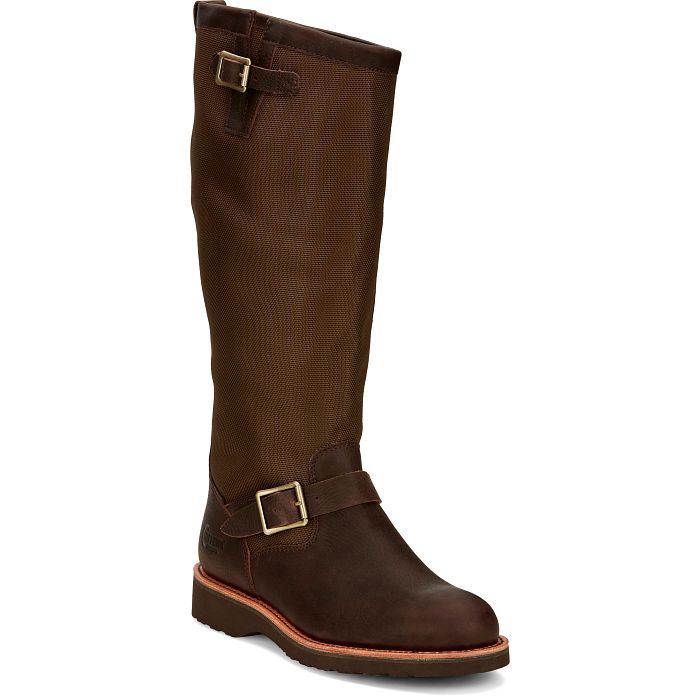
Precio de venta$382.76
Precio habitual$439.95
Chippewa Brome bota de caza contra serpientes impermeable sin agujetas de 17 pulgadas con punta suave para hombre - Café - 25110
Ahorra 14%
Precio de venta$356.66
Precio habitual$415.00
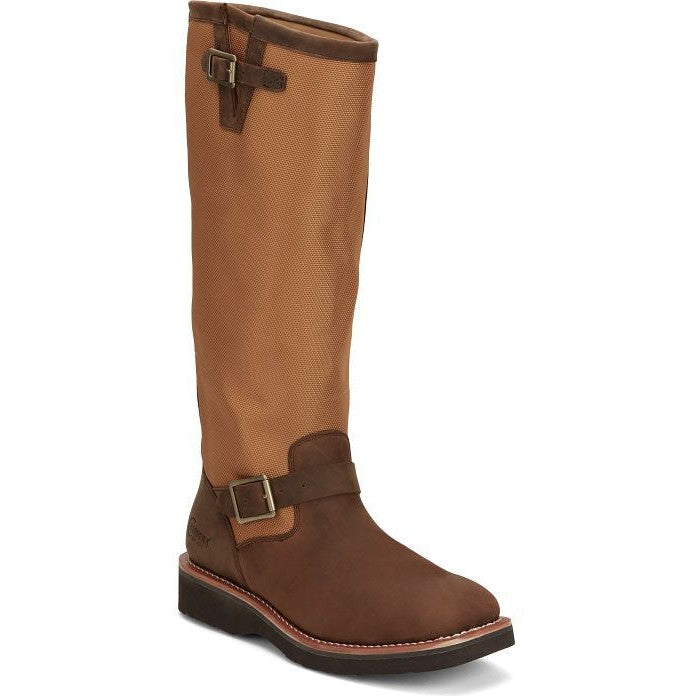
Chippewa Cottonwood bota para exteriores contra serpientes de 17 pulgadas para hombre - Hickory Brown - SN5914
Ahorra 5%
Precio de venta$174.99
Precio habitual$184.99
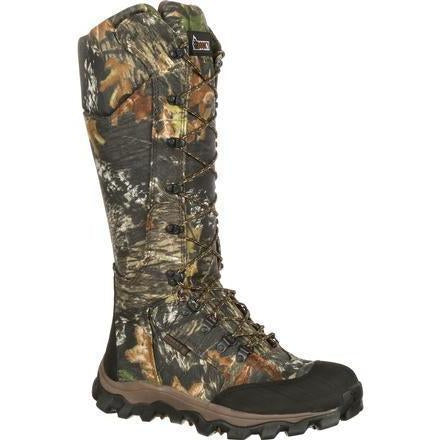
Rocky bota de caza Lynx de 16 pulgadas impermeable a prueba de serpientes para hombre - Mossy Oak - FQ0007379
Ahorra 8%
Precio de venta$279.95
Precio habitual$304.00
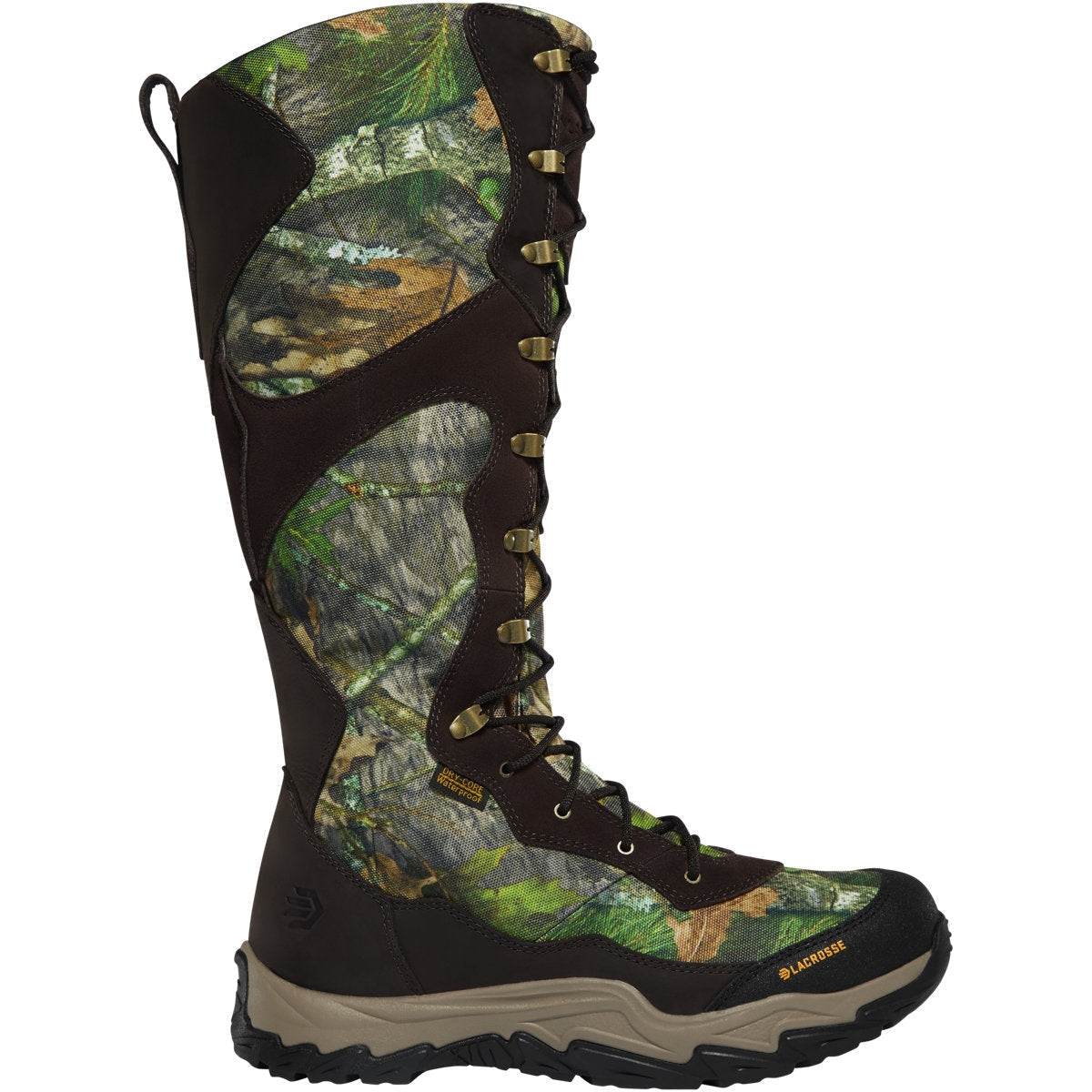
LaCrosse Men's Venom II 18" Waterproof Side Zipper Snake Hunt Boot - NWTF Mossy Oak Obsession - 501000
Ahorra 8%
Precio de venta$279.95
Precio habitual$304.00
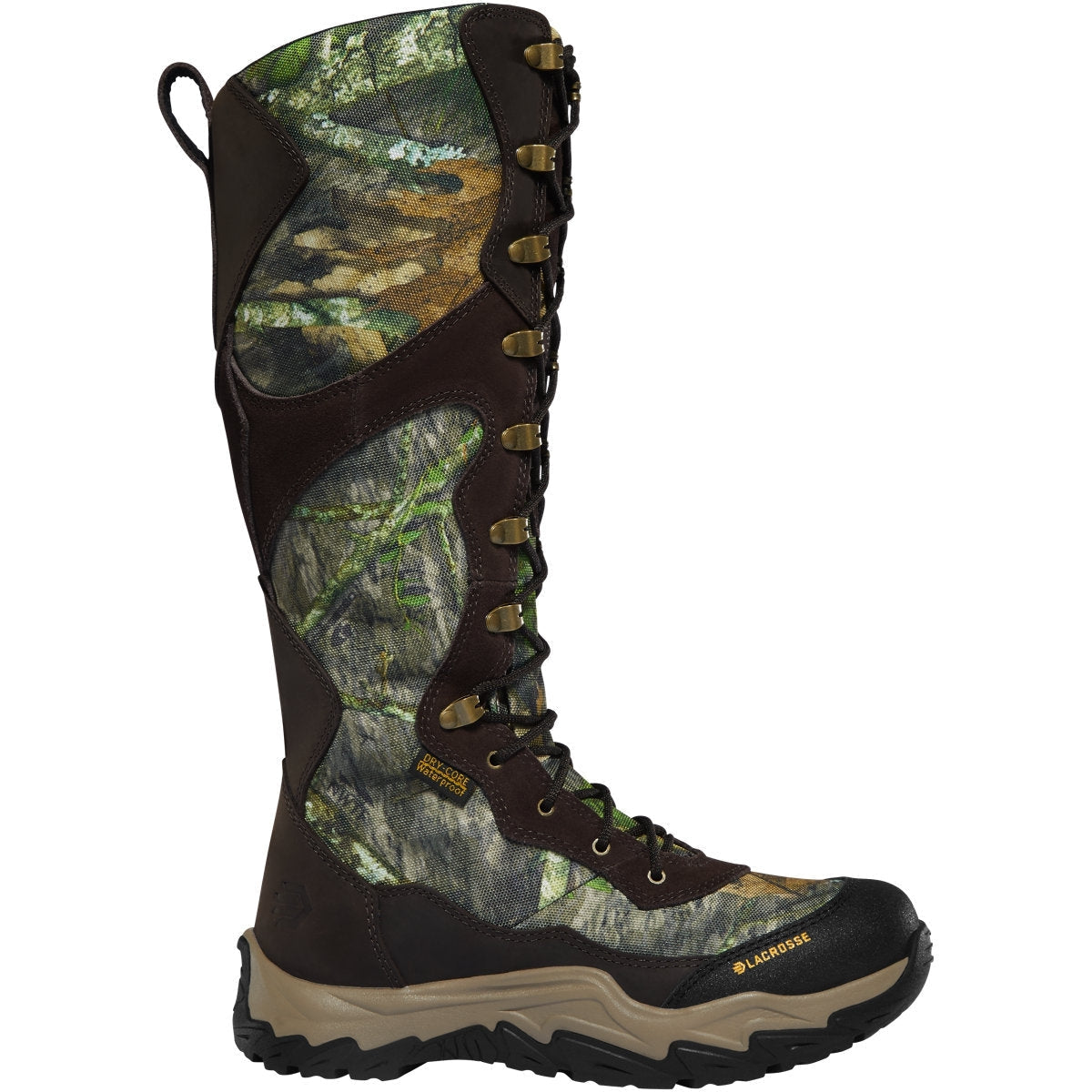
LaCrosse Venom II bota de caza a prueba de serpientes, impermeable, de 15 pulgadas con cierre lateral para mujer - NWTF Mossy Oak Obsession - 501001
Ahorra 9%
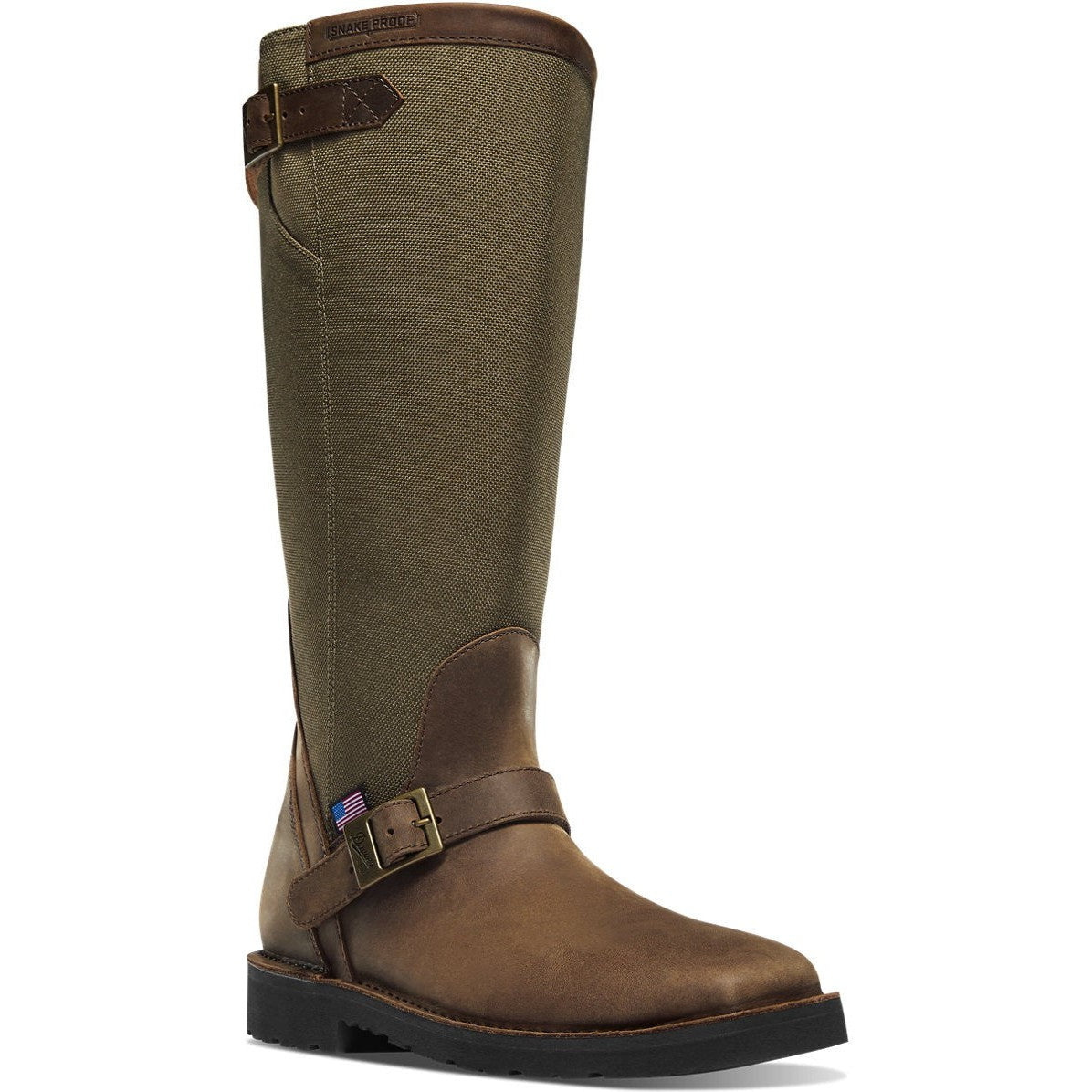
Precio de venta$319.95
Precio habitual$350.00
Danner San Angelo bota de caza contra víboras de 17 pulgadas con punta cuadrada para hombre - Café - 42752
Ahorra 15%
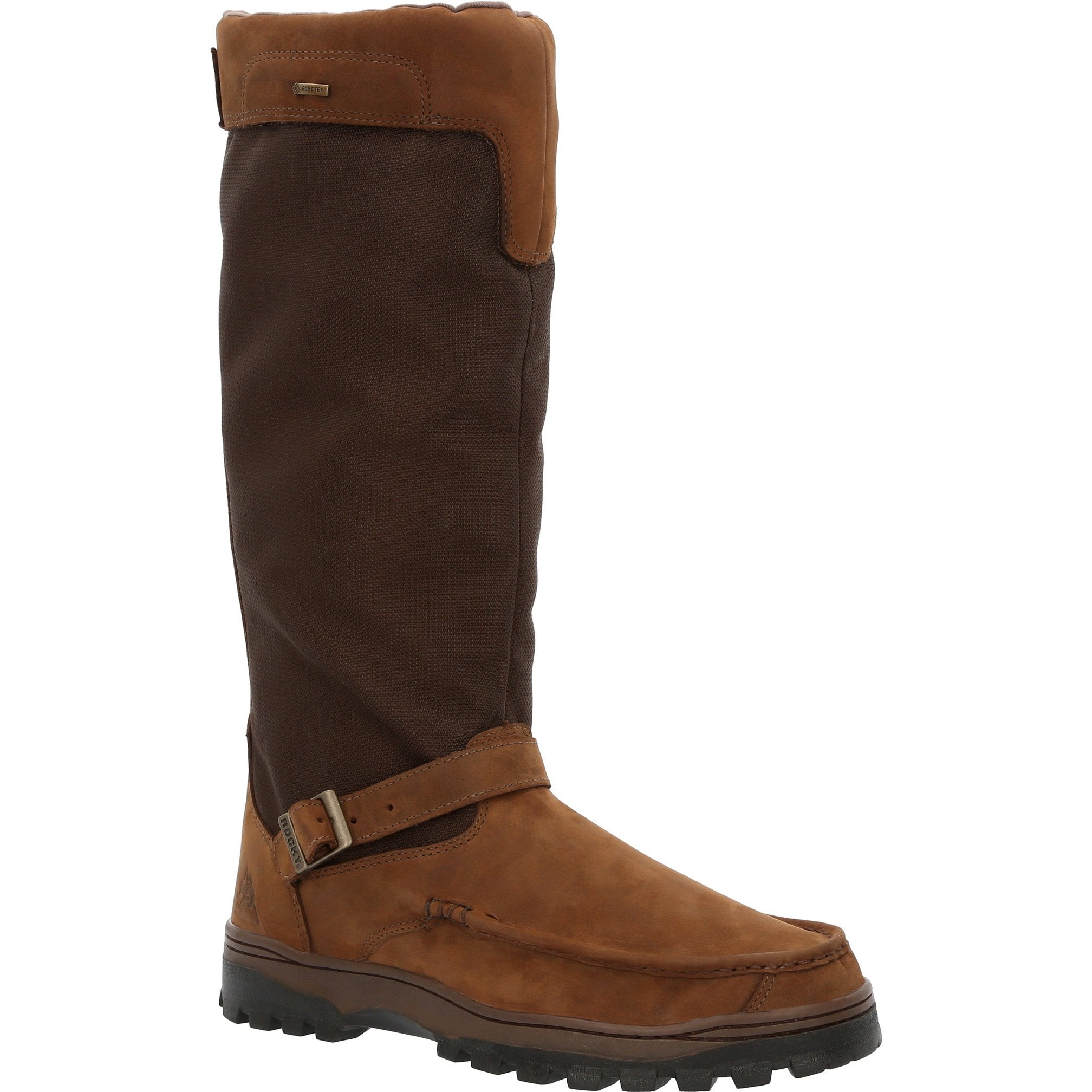
Precio de venta$204.59
Precio habitual$239.99
Rocky Outback GORE-TEX® bota impermeable de 16 pulgadas a prueba de serpientes para hombre - Café - RKS0550
Ahorra 15%
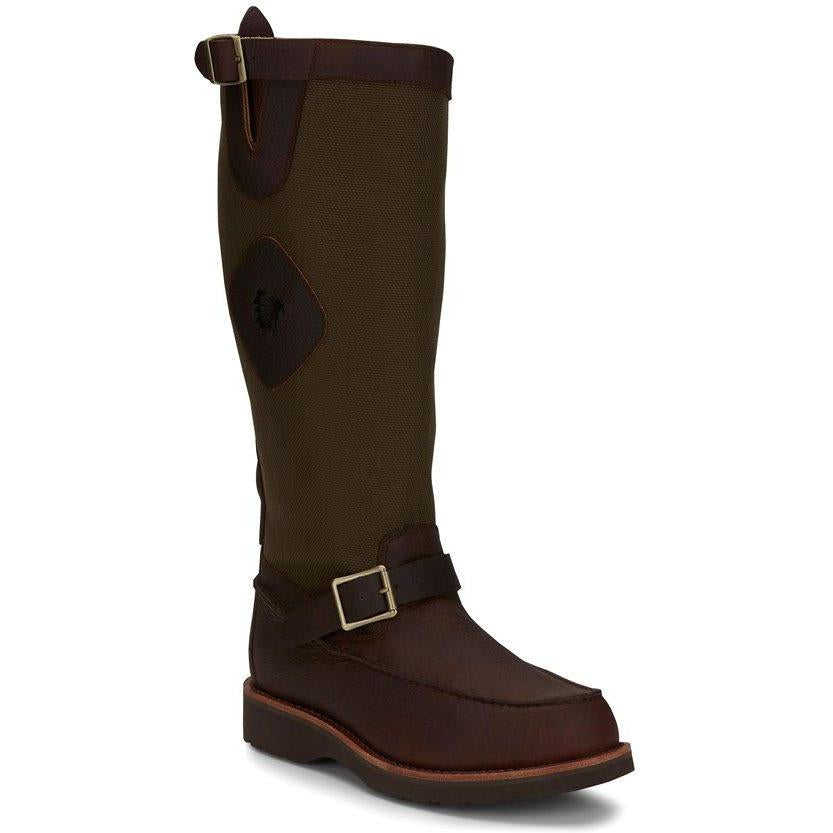
Precio de venta$391.46
Precio habitual$458.00
Chippewa Cutter bota de caza contra serpientes de 17 pulgadas con punta moc, sin agujetas, para hombre - Café - 23923
Ahorra 12%

Precio de venta$172.05
Precio habitual$195.00
Muck Wetland Pro Snake bota de hule impermeable a prueba de serpientes para exteriores, para hombre - Café - WETP-900
Ahorra 14%
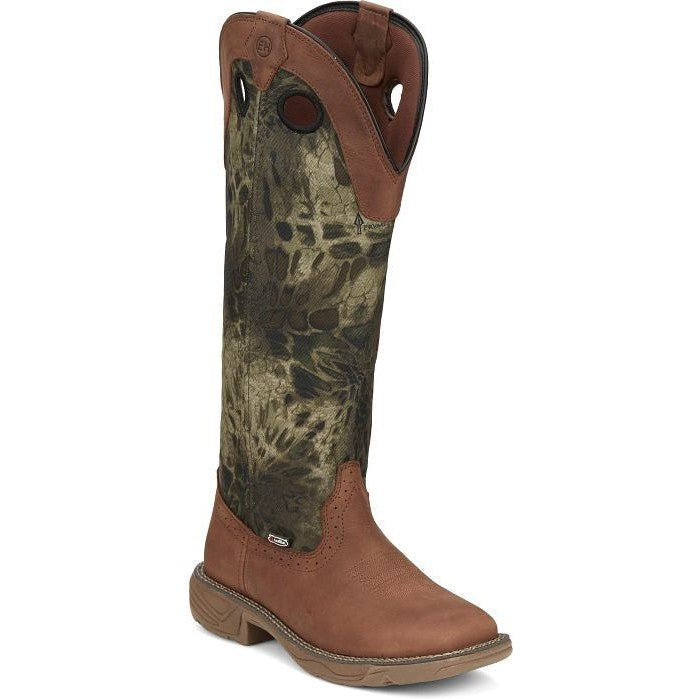
Precio de venta$234.55
Precio habitual$273.00
Justin Rush Strike bota de trabajo resistente a serpientes de 17 pulgadas para mujer - Russett Brown - SE4361
Ahorra 12%
Precio de venta$172.04
Precio habitual$194.99
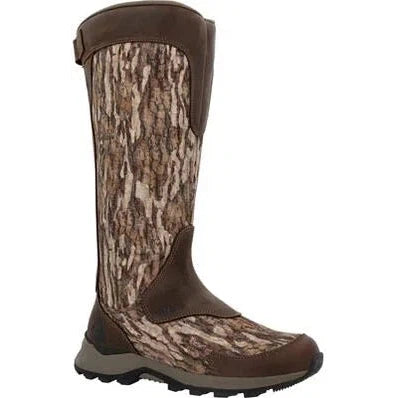
Rocky Trophy Series bota para víboras impermeable de 16 pulgadas con punta suave para hombre - Mossy Oak - RKS0640


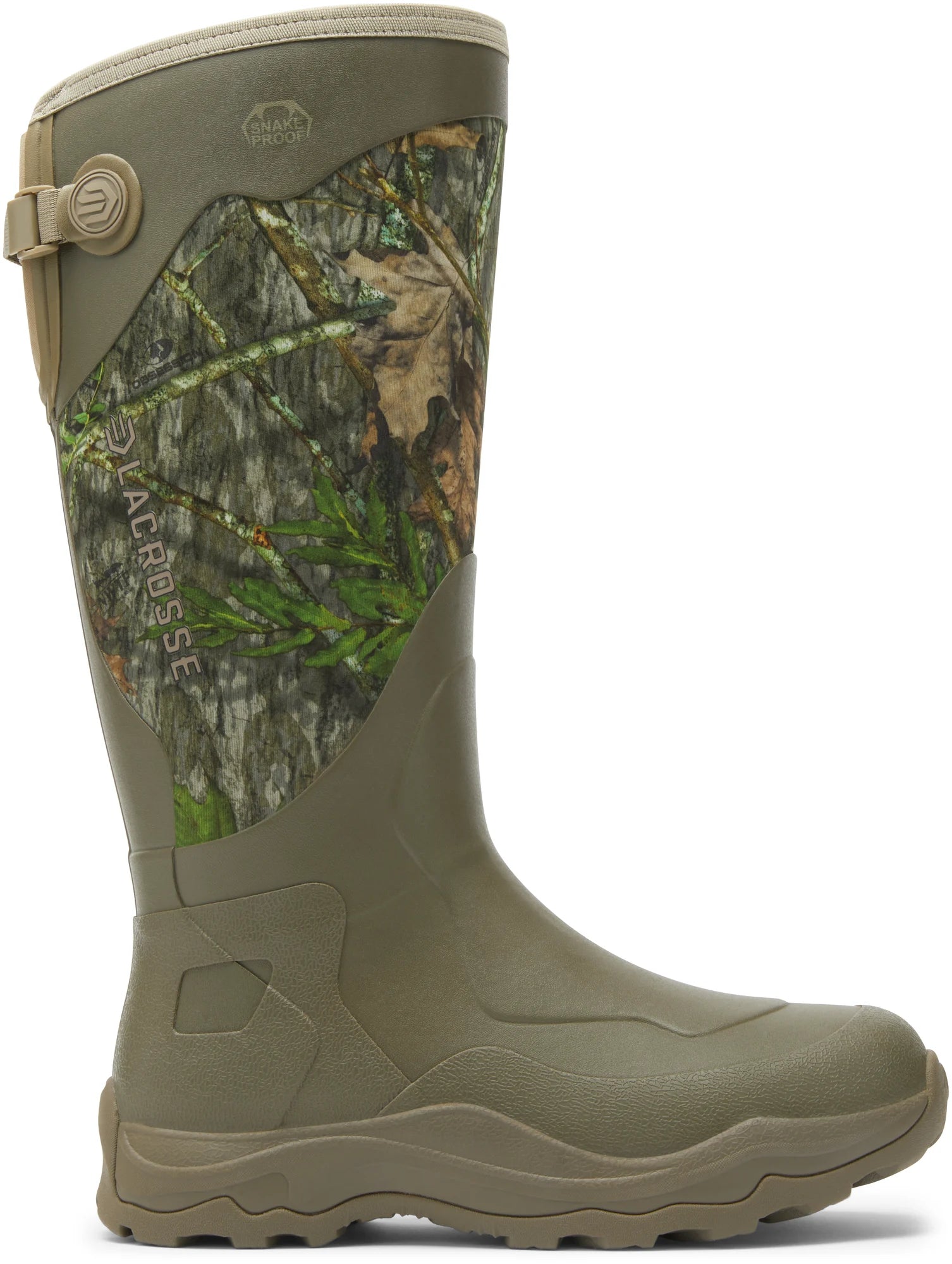
Precio de venta$179.95
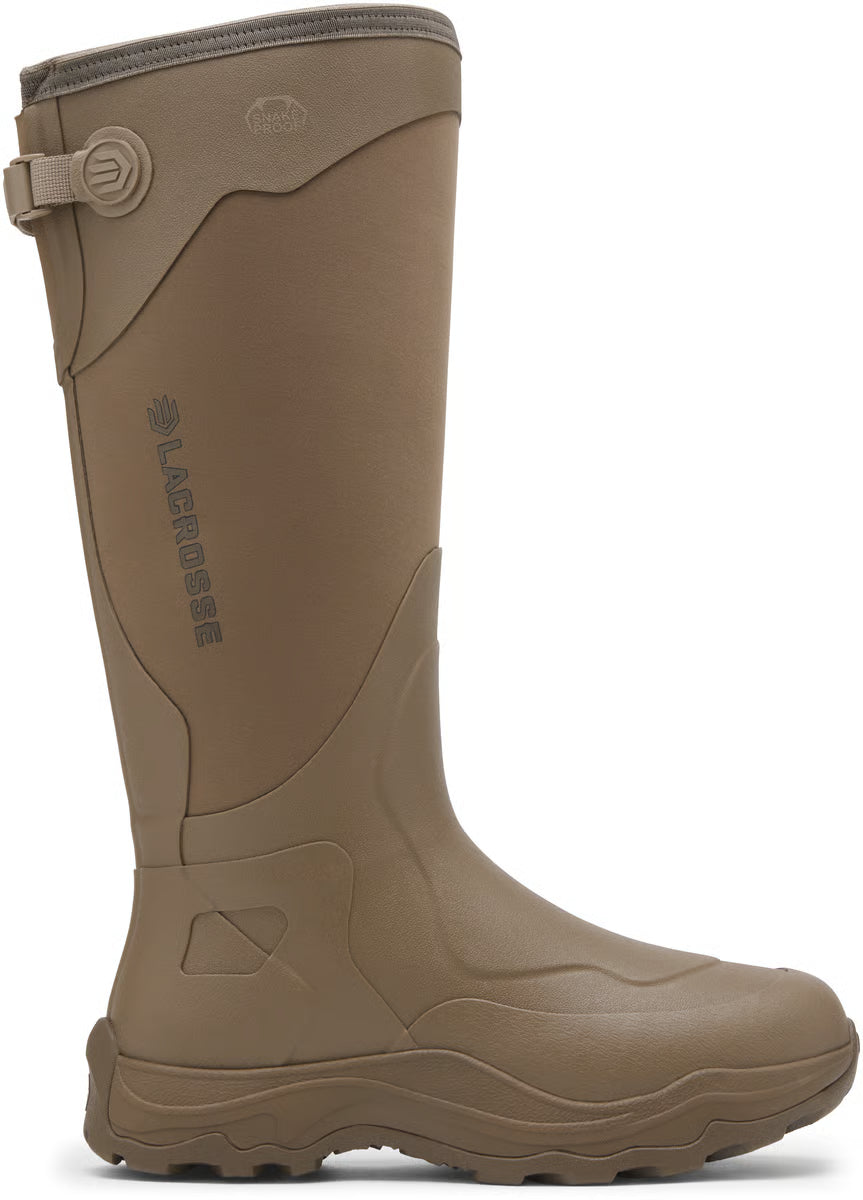
LaCrosse Men's Alpha Lite II 16" Waterproof Slip On Snake Work Boot- Camo- 342302
Precio de venta$229.95
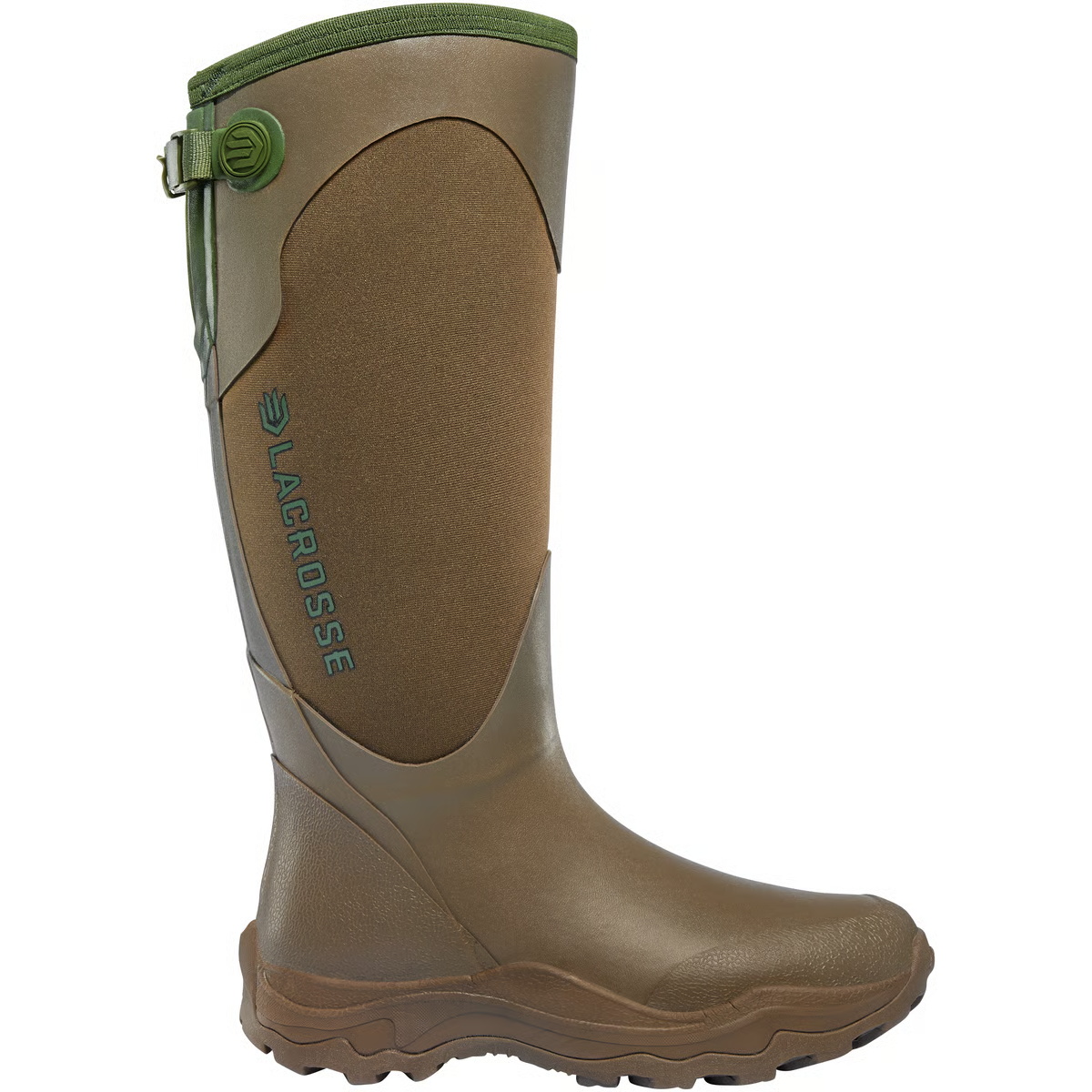
LaCrosse Women's Alpha Agility 15" Waterproof Slip On Snake Work Boot - Brown/Green - 302485

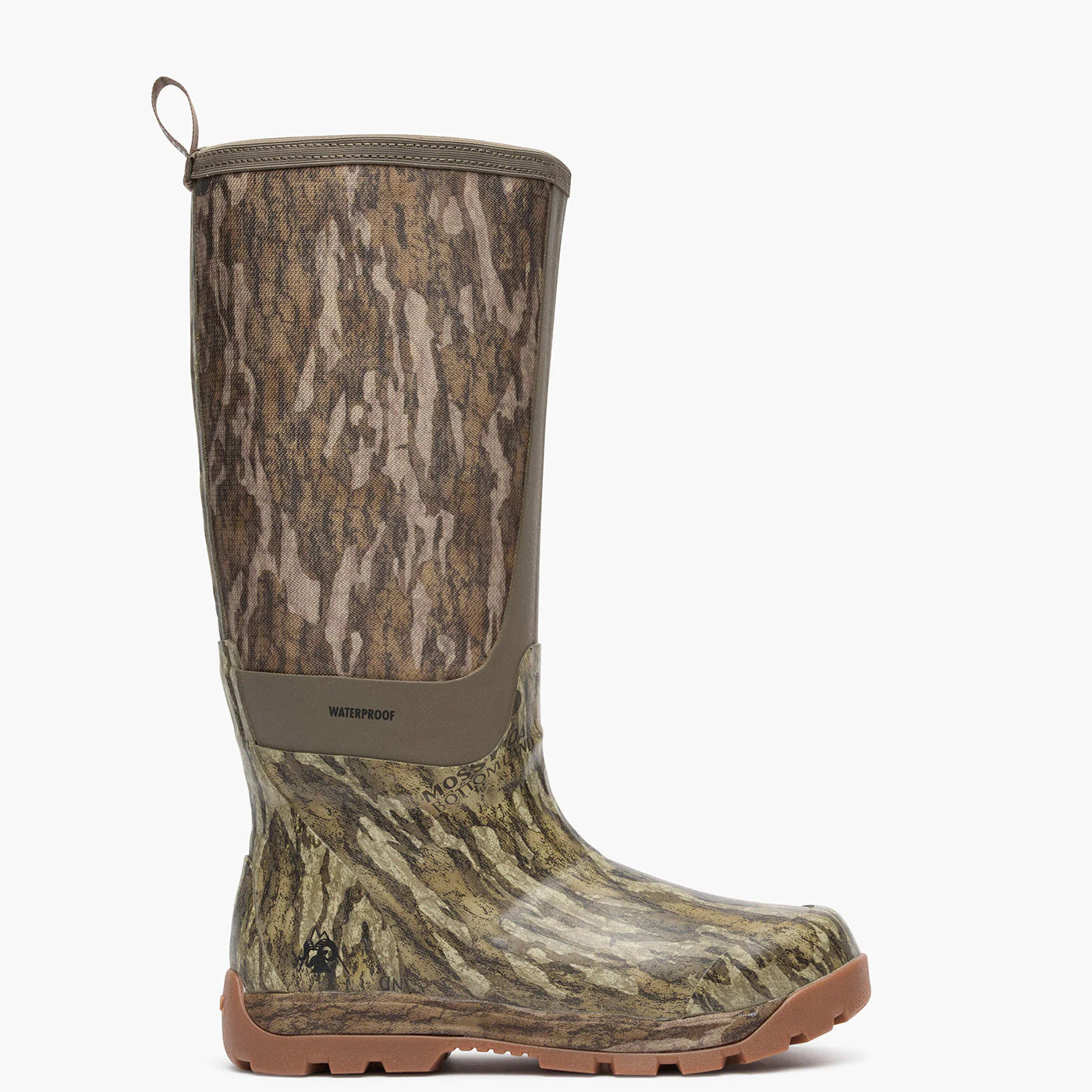
Precio de venta$189.99
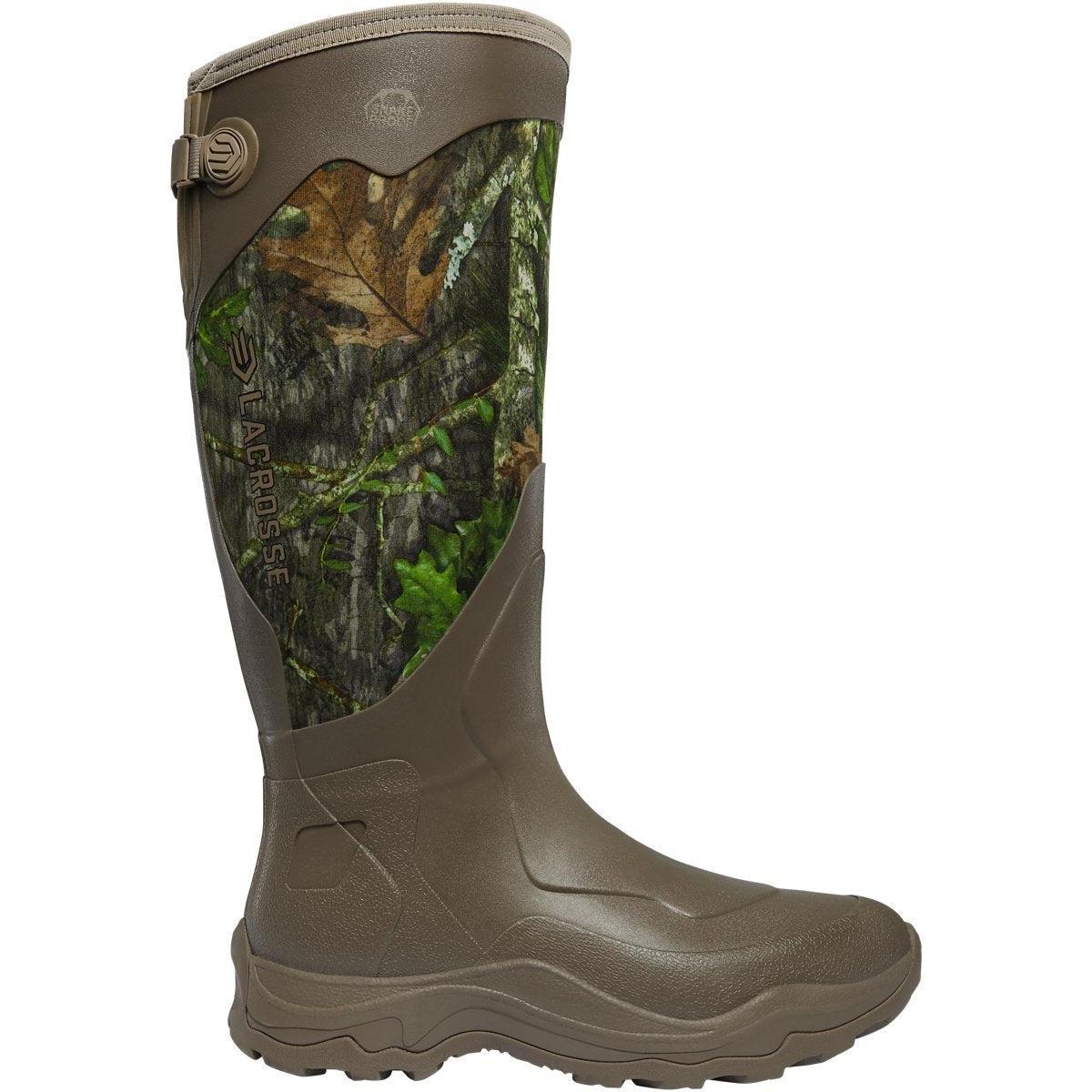
Rocky Backlands Men's 16" Waterproof Snake Boot - Camo - RKS0720
Ahorra 7%
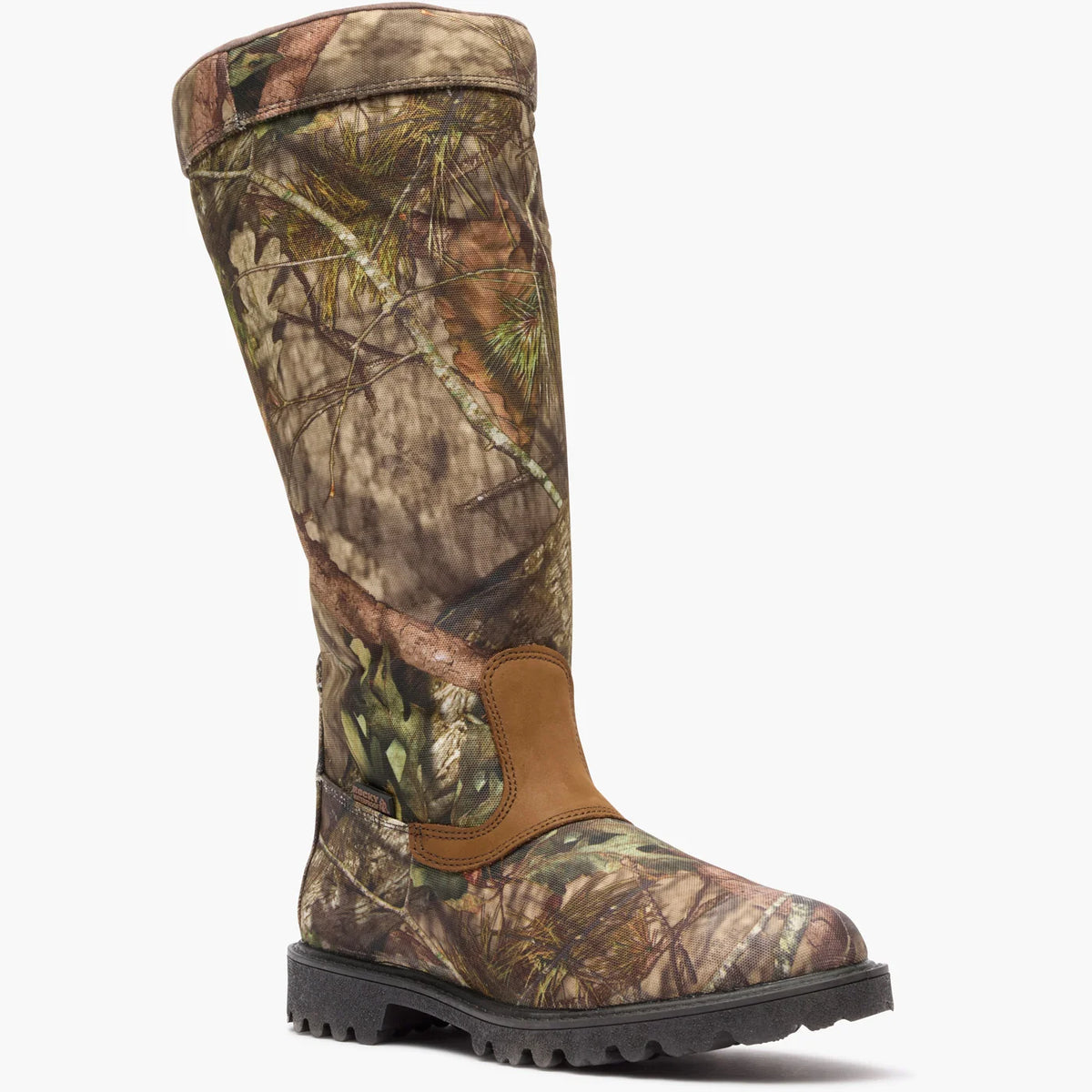
Precio de venta$138.95
Precio habitual$149.99
Rocky Men's Low Country 16" Waterproof Snake Boot - Mossy Oak - RKS0232
Preguntas frecuentes
They use dense layered materials in the shaft, typically ballistic nylon, tightly woven synthetics, or heavy leather, designed to resist penetration so a fang does not reach skin. The protection covers the shaft and the foot. It is a barrier that reduces risk substantially rather than an absolute guarantee, and manufacturers describe it that way for good reason.
Sixteen inches is the practical minimum and 18 inches is common, because the majority of bites land below the knee, most of them below mid-calf. A shorter boot leaves the part of your leg most likely to be struck unprotected. If you also want coverage above the boot, snake gaiters or chaps extend protection up the leg. Height is stated in every product title.
No, and treating them that way is the wrong approach. They significantly reduce risk over the area they cover, but a large snake, an unusual strike angle, or a strike above the shaft can still result in a bite. They are one layer of protection alongside watching your footing, using a stick in heavy cover, and knowing where you are putting your hands and feet.
Hunters in the southern and southwestern US during warm months, particularly quail, turkey, and hog hunters working thick cover. Surveyors, utility crews, and ranch workers in snake country. Anyone moving through tall grass, palmetto, or rocky terrain where you cannot see the ground. If you can see where you are stepping, the case is much weaker.
Yes, and it is the main complaint. The dense shaft materials that resist penetration also resist airflow, and snake country is hot when snakes are active, which is the unfortunate combination at the heart of this category. Uninsulated and ventilated models help. Most people accept the heat for the hours they are in cover rather than wearing them all day.
Ordinary rubber boots are not, and this is a dangerous assumption people make. Standard rubber is not thick or dense enough to reliably stop a fang. Some manufacturers build purpose-made snake-protective rubber boots with reinforced shafts, and those are labeled as such. If a boot does not specifically state snake protection, do not treat it as having any.
Reasonably, though the tall stiff shaft restricts ankle flex and they are heavier than a standard hunting boot. Leather models break in and become more comfortable over time; the nylon-shafted ones are lighter from the start. If you cover serious ground, consider whether gaiters over a lighter boot suit you better than a full snake boot.
Chippewa builds tall leather snake boots, LaCrosse makes the Venom with a lightweight snake guard in full-grain leather and nylon, and Rocky and Muck both build models in the category. Materials and construction vary more here than in most categories, so read the specification rather than assuming they are equivalent. See our women's snake boots range as well.
Vistos recientemente
Nuestras marcas principales