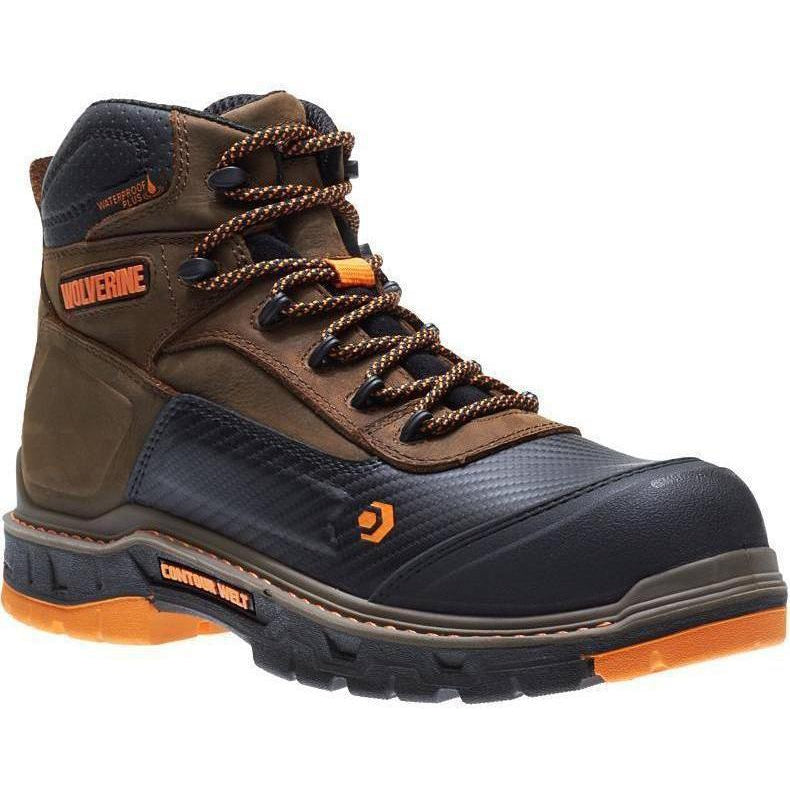
Precio de venta$179.95
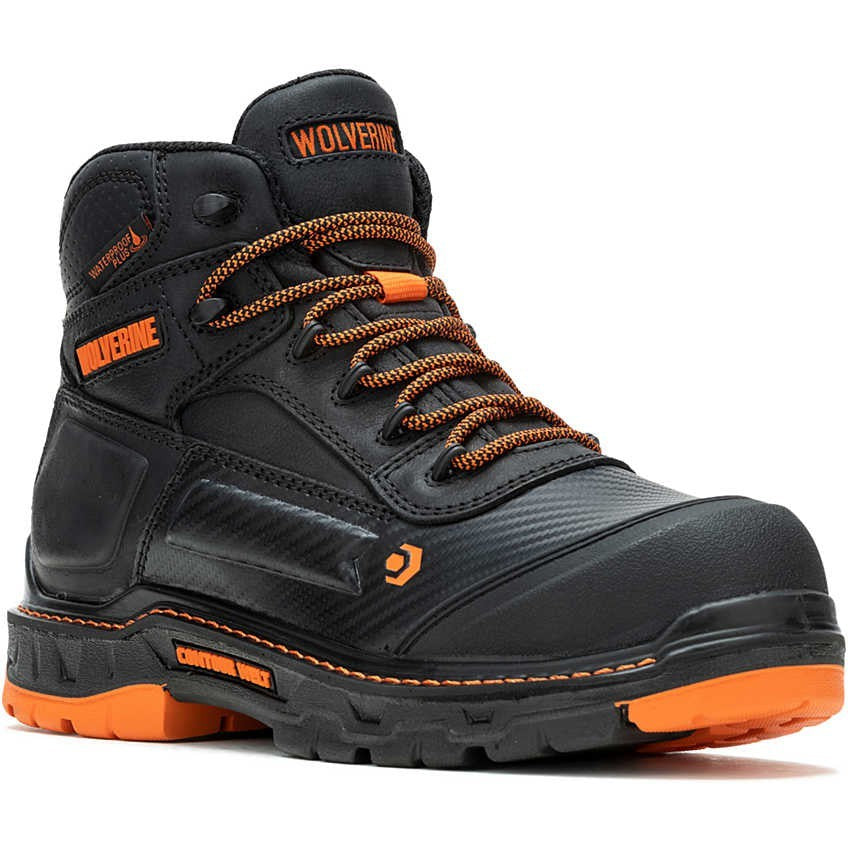
Wolverine Men's Overpass Safety Toe 6" Waterproof Work Boot - Brown - W10717
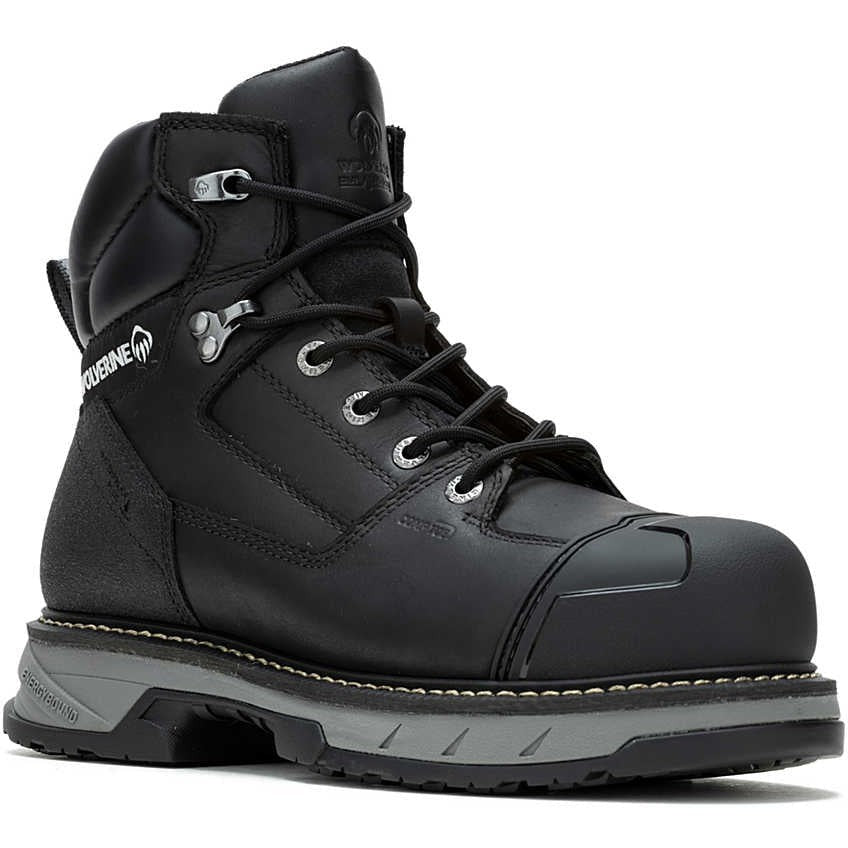
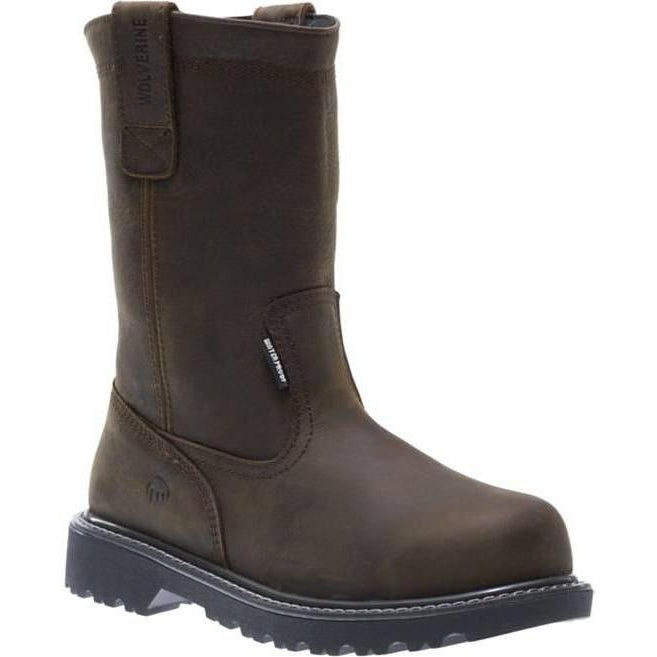
Precio de venta$129.95
Wolverine Men's 10" Floorhand Waterproof Wellington Work Boot - Brown - W10682
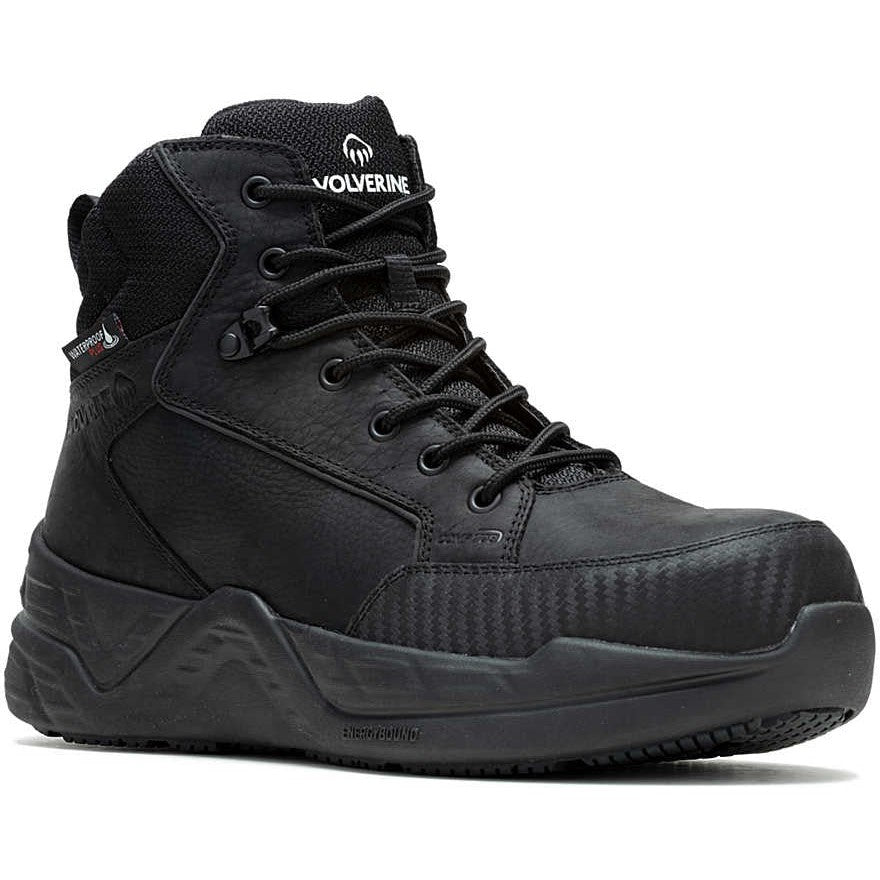
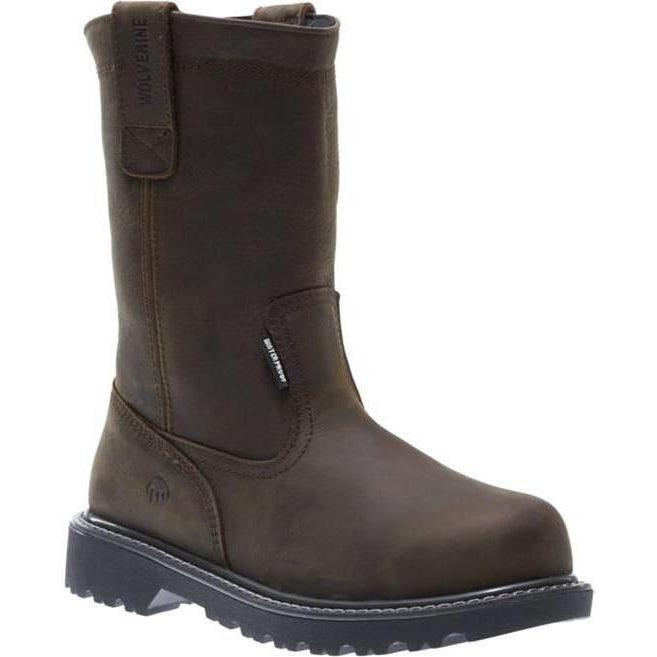
Precio de venta$134.95
Wolverine Men's 10" Floorhand Steel Toe Waterproof Wellington Work Boot - W10680
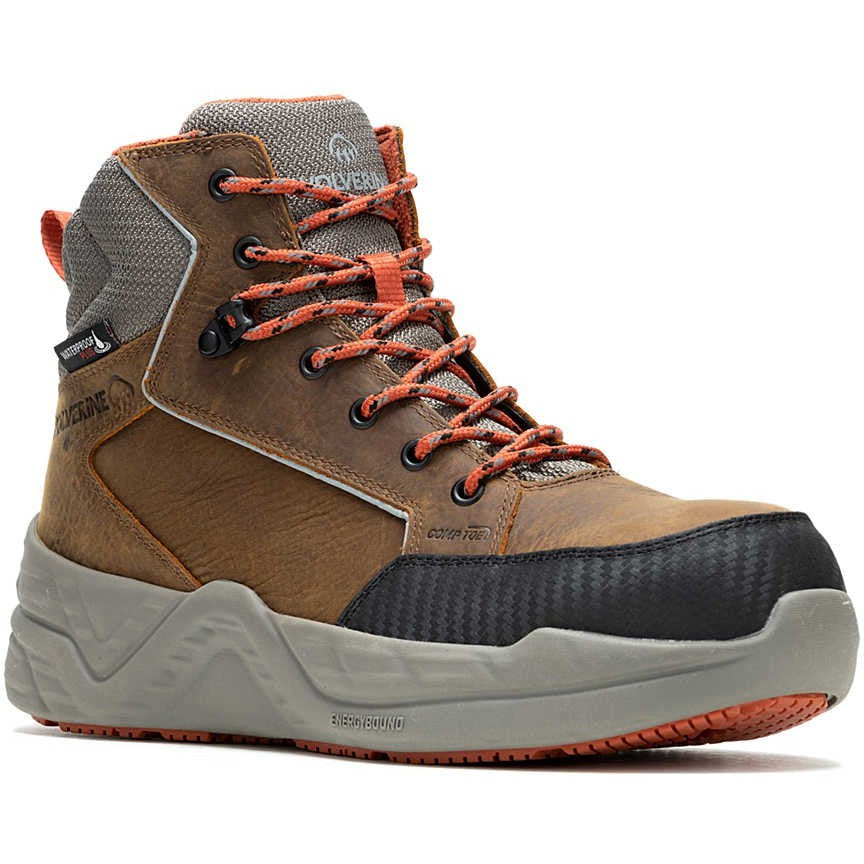
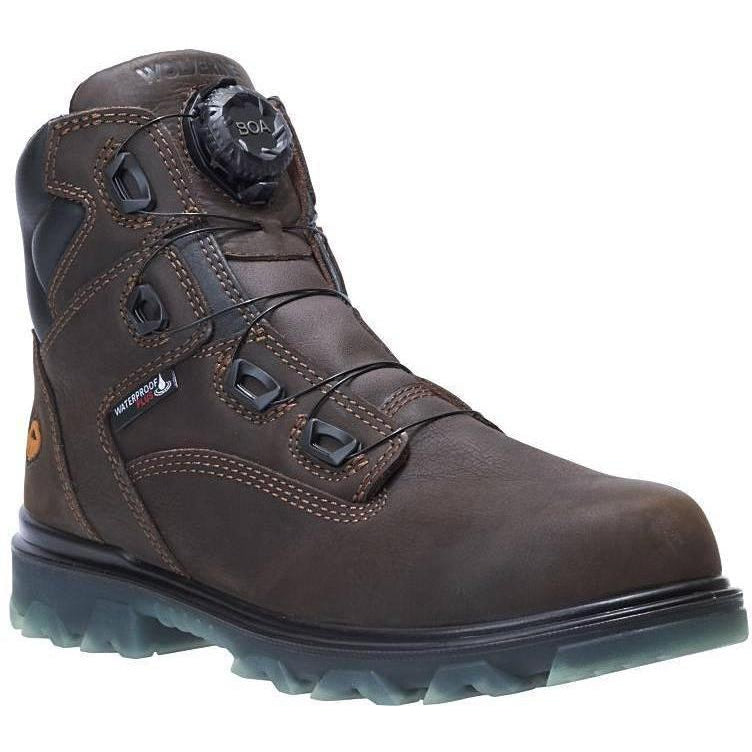
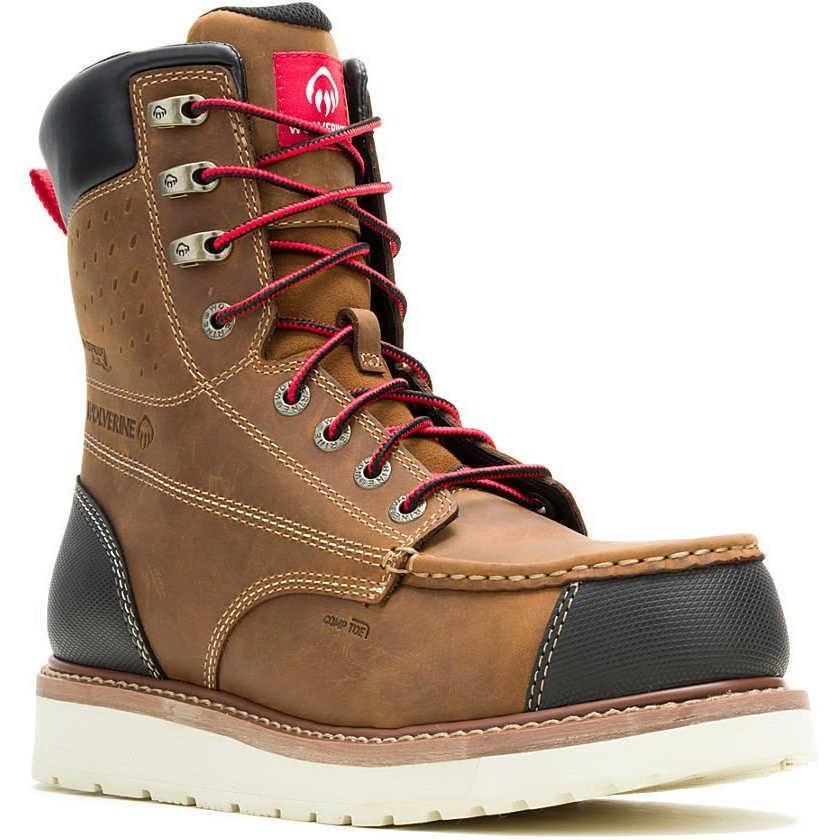
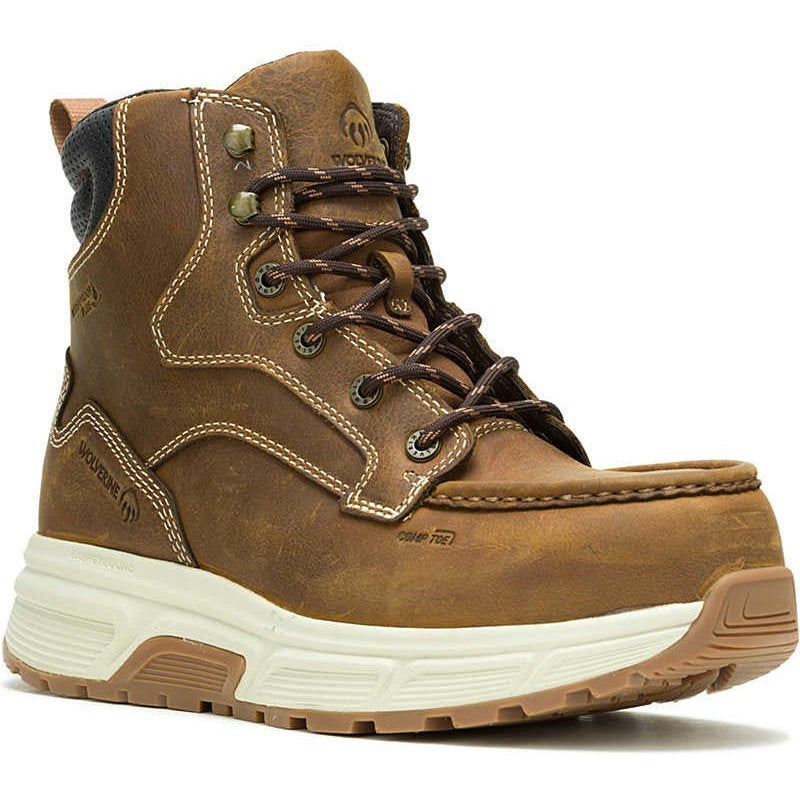
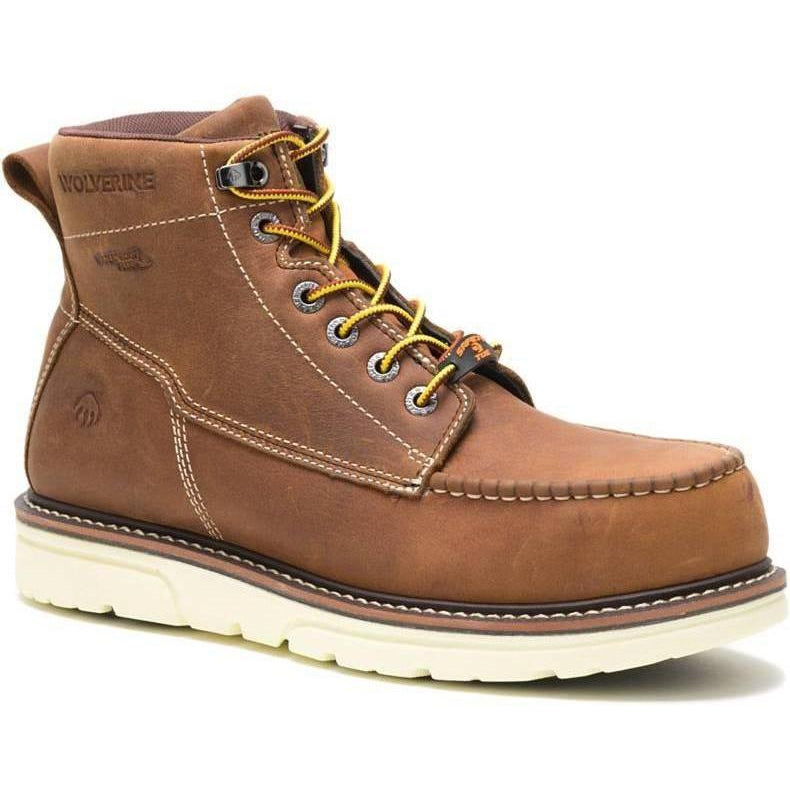
Precio de venta$184.95
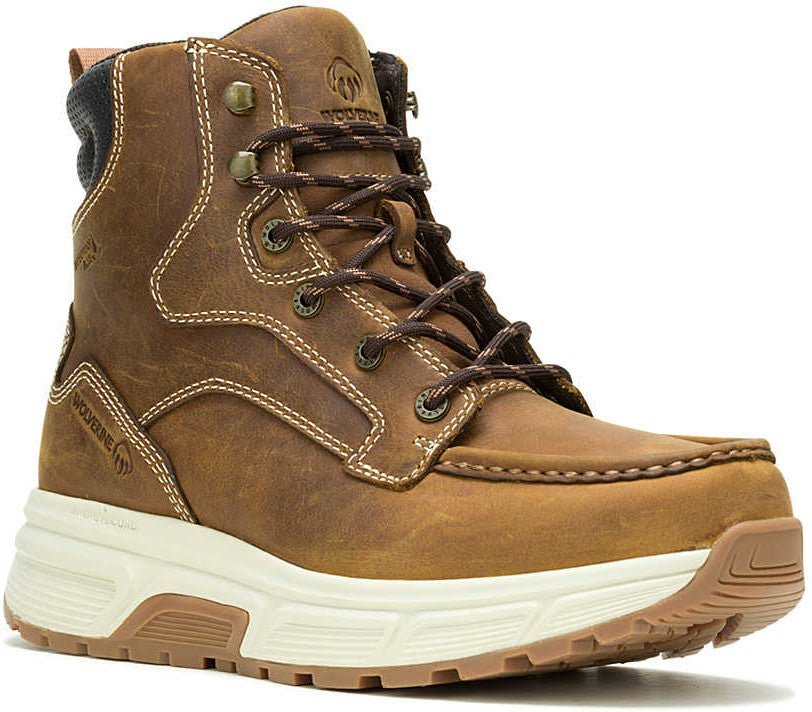
Wolverine Men's I-90 Durashock 6" Soft Toe Waterproof Wedge Work Boot- Tan - W200051
Precio de venta$204.95
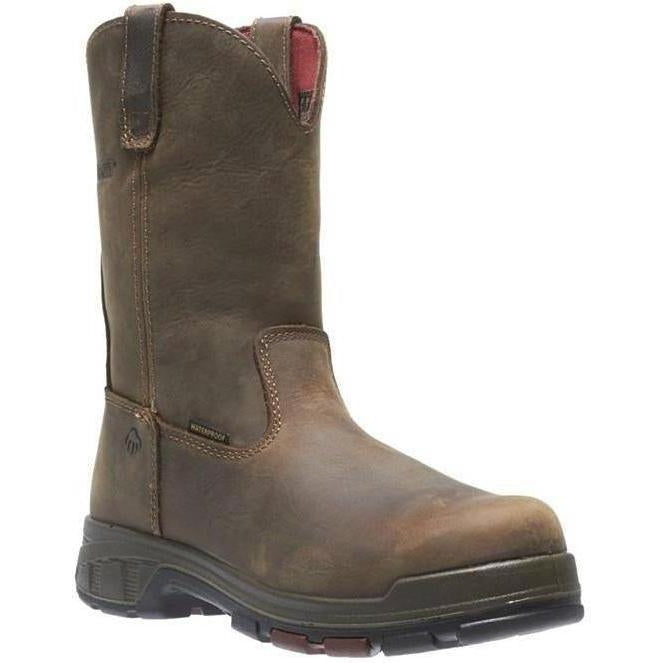
Wolverine Men's Cabor EPX Composite Toe Waterproof Wellington Work Boot W10318
Precio de venta$199.95
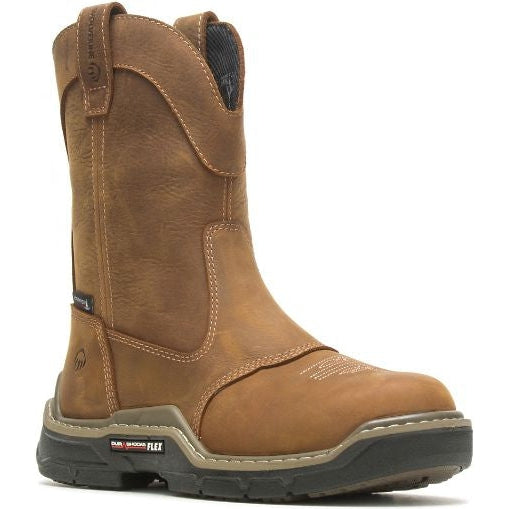
Wolverine Men's Raider Durashocks Waterproof Western Work Boot Brown W220038
Precio de venta$204.95
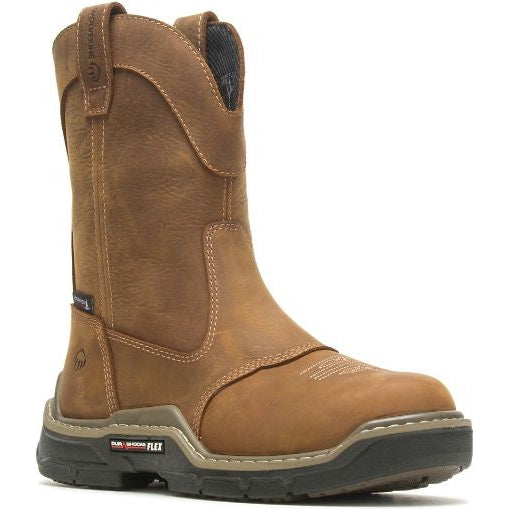
Wolverine Men's Raider Durashocks 10" Waterproof Western Work Boot Brown W221045
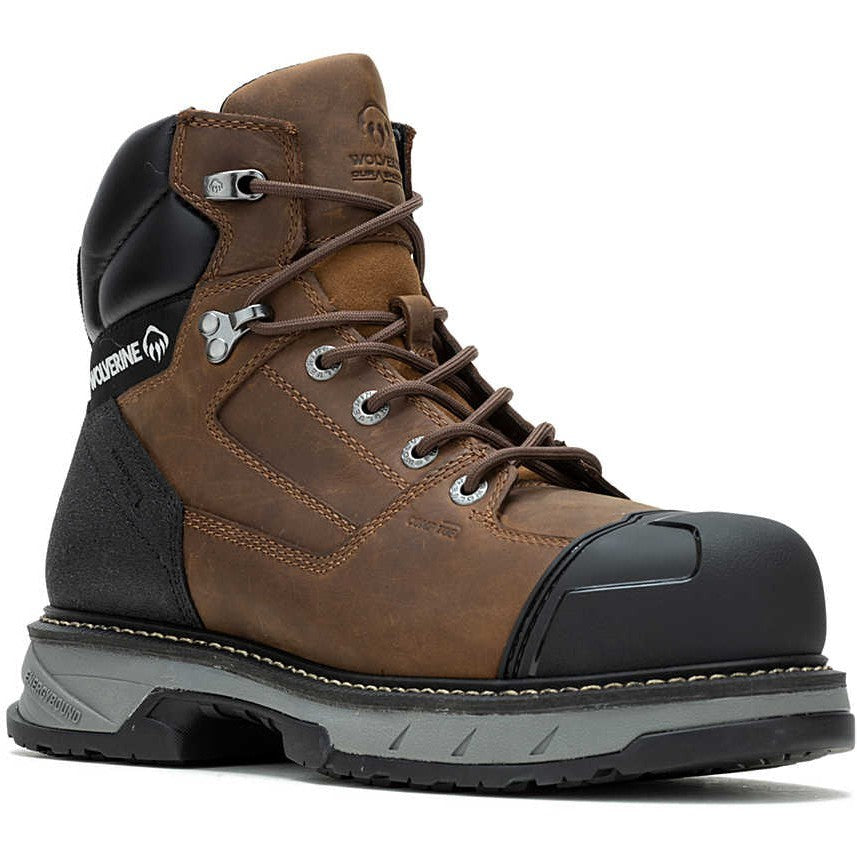
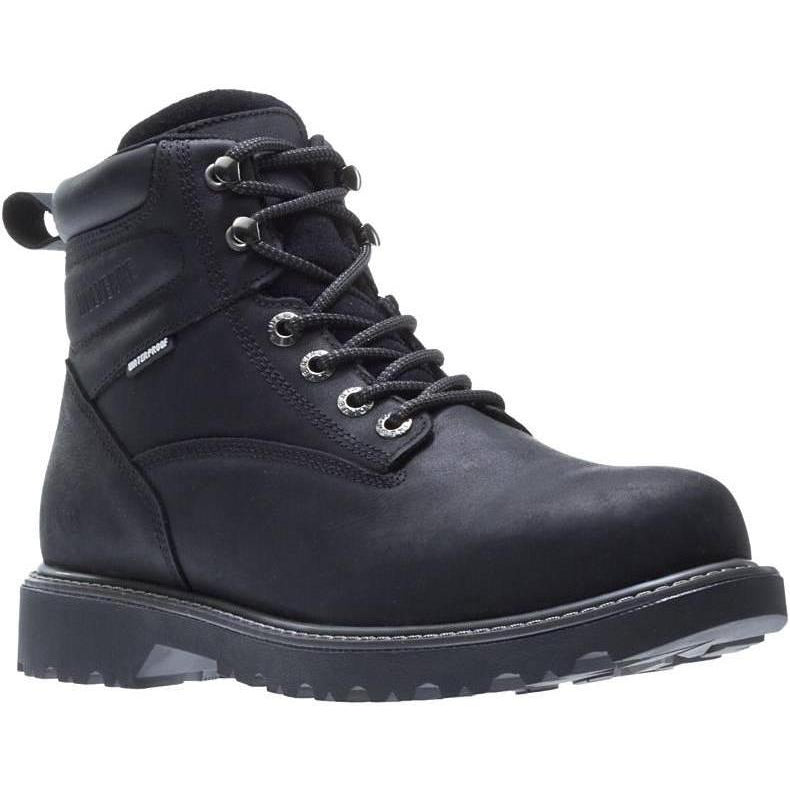
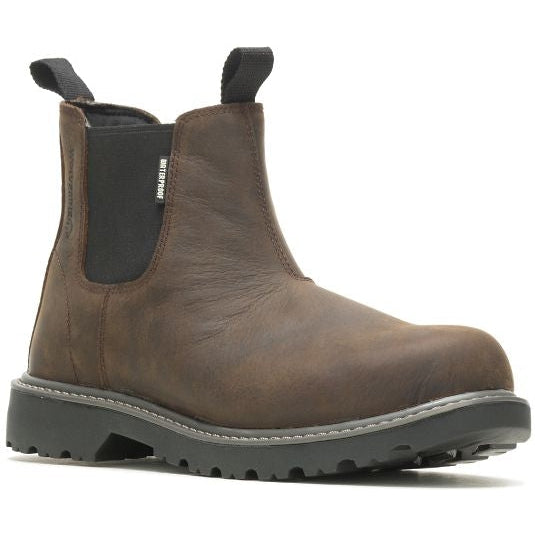
Precio de venta$114.95
Wolverine Men's Floorhand Waterproof Soft Toe Romeo Work Boot Brown W220030
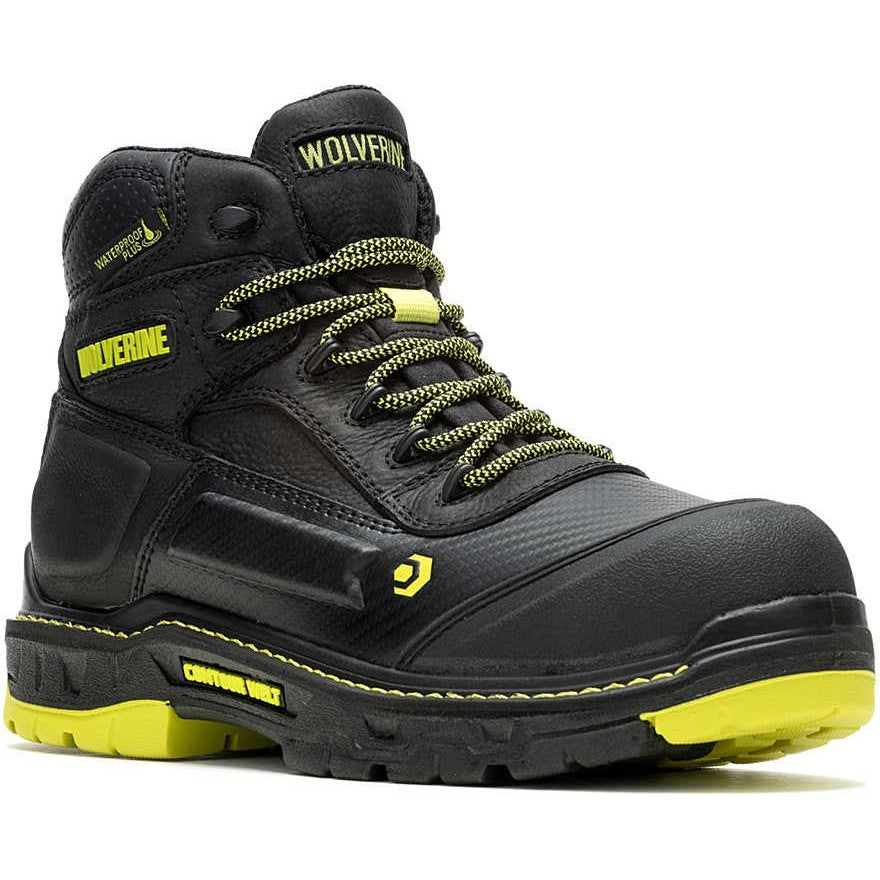
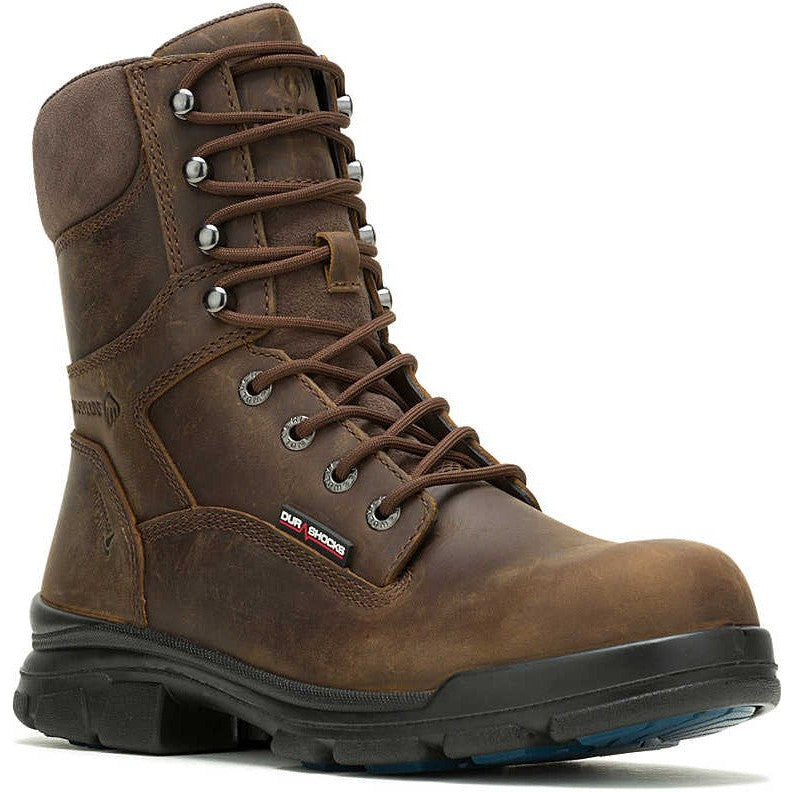
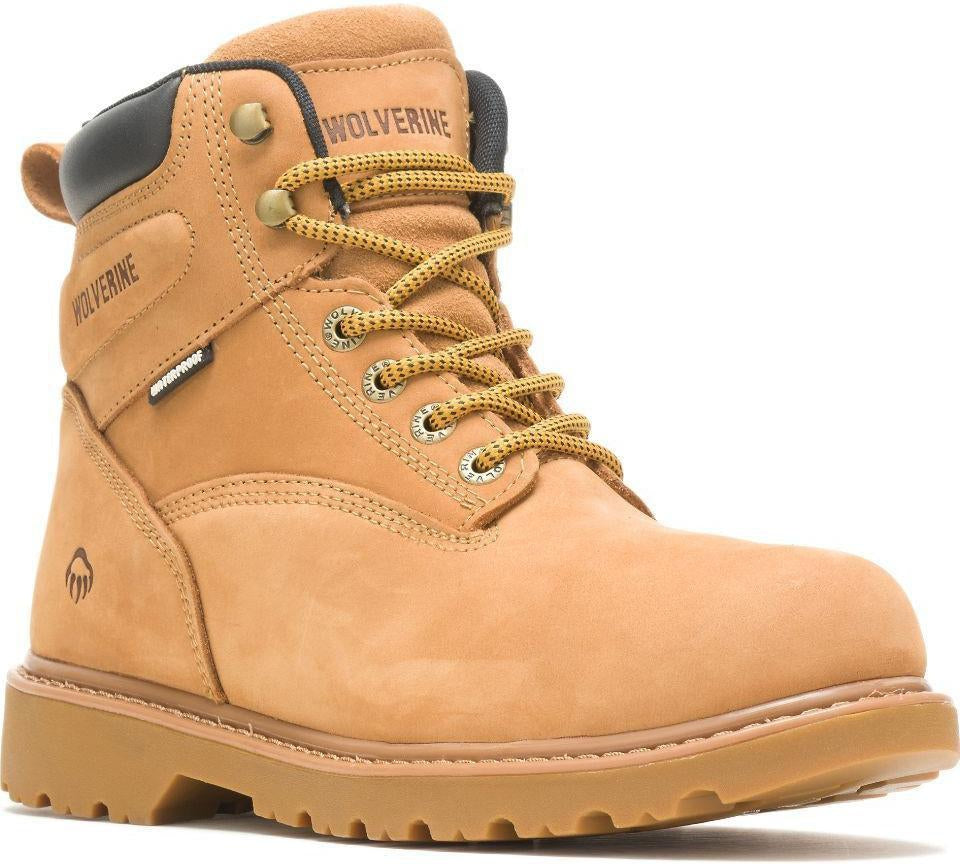
Precio de venta$114.95
Wolverine Men's 6" Floorhand Waterproof Steel Toe Work Boot - Wheat- W10632
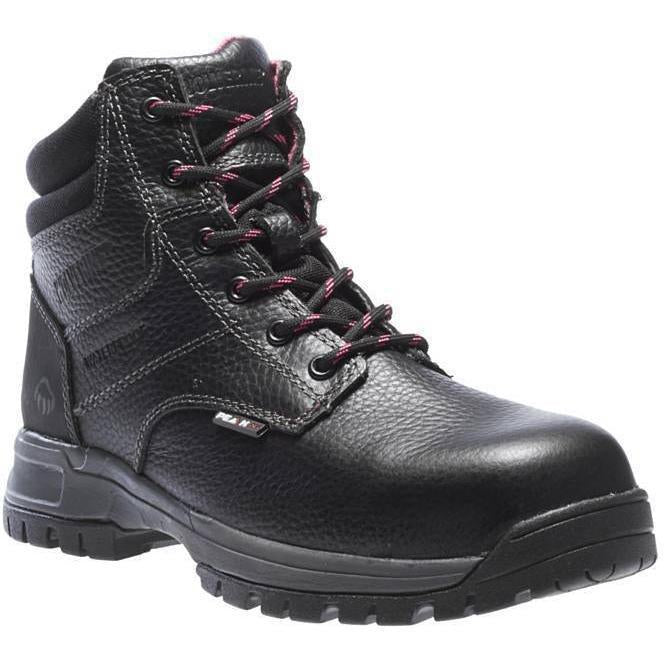
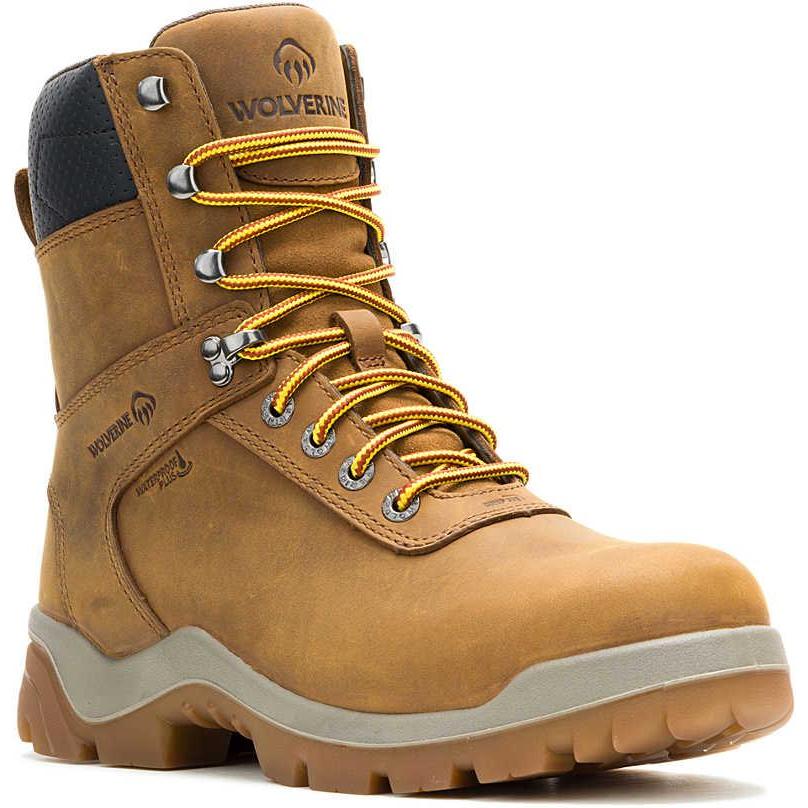
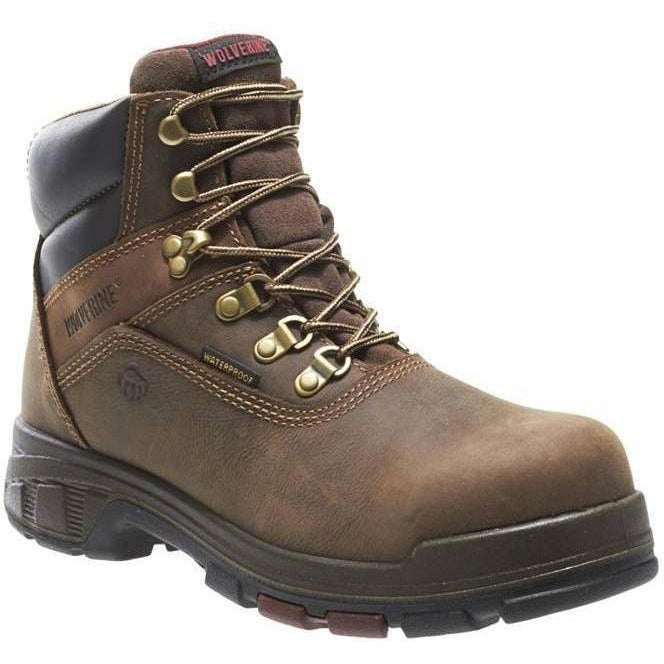
Precio de venta$189.95
Wolverine Men's Cabor EPX 6" Composite Toe Waterproof Work Boot - Brown - W10314
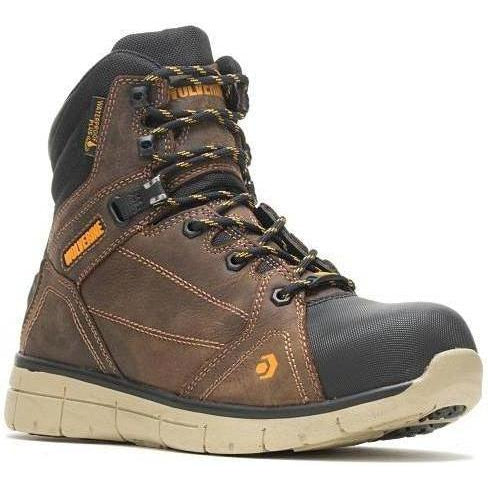
Precio de venta$164.95
Wolverine Men's Rigger EPX 6" Safety Toe Waterproof Wedge Work Boot Brown - W10797
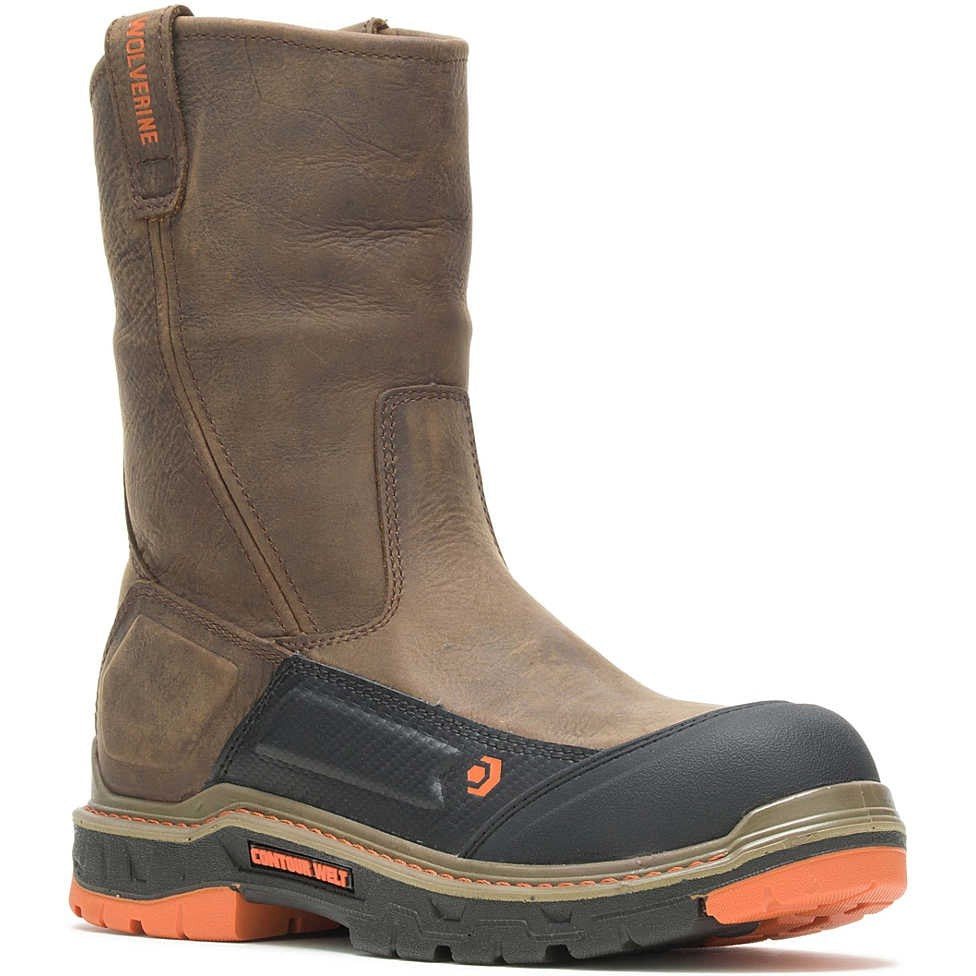
Precio de venta$204.95
Wolverine Men's Overpass Carbonmax Composite Toe Waterproof Work Boot- Coffee- W10708
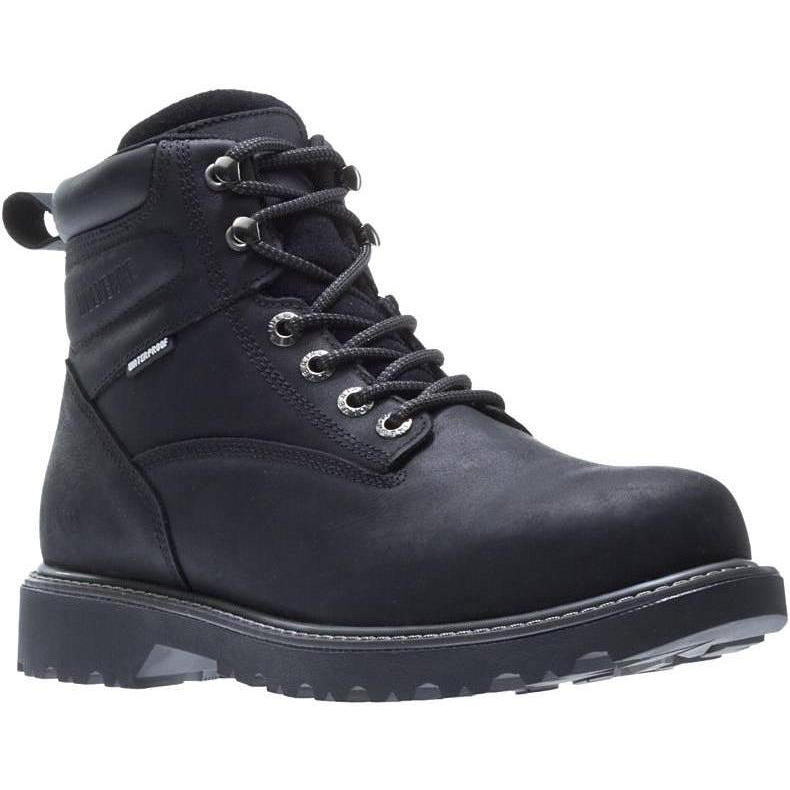
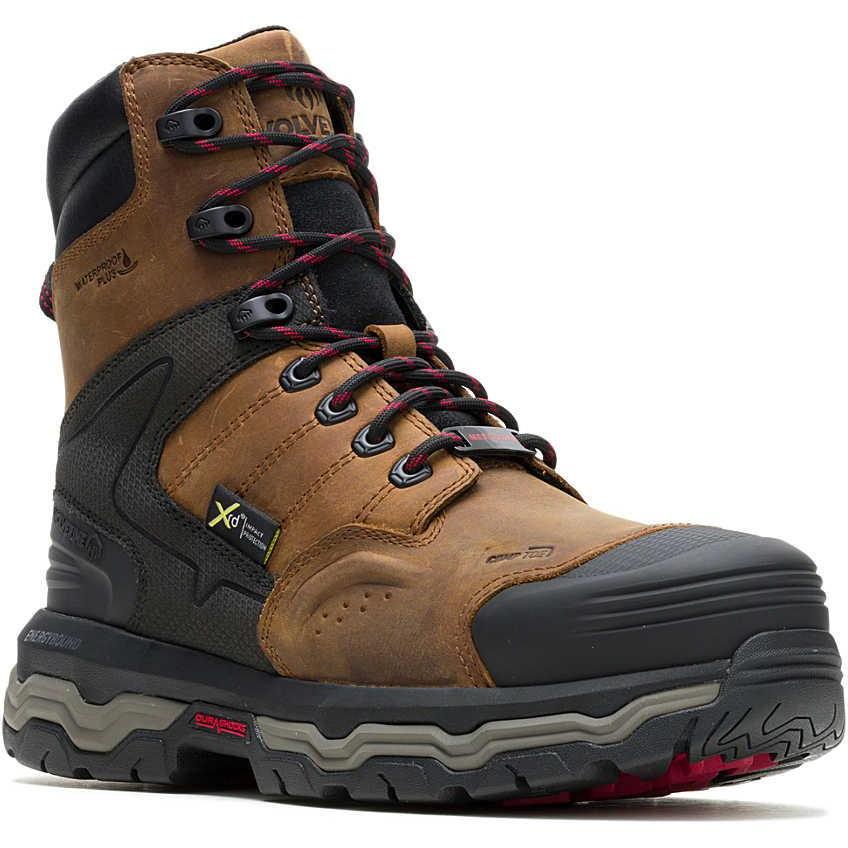
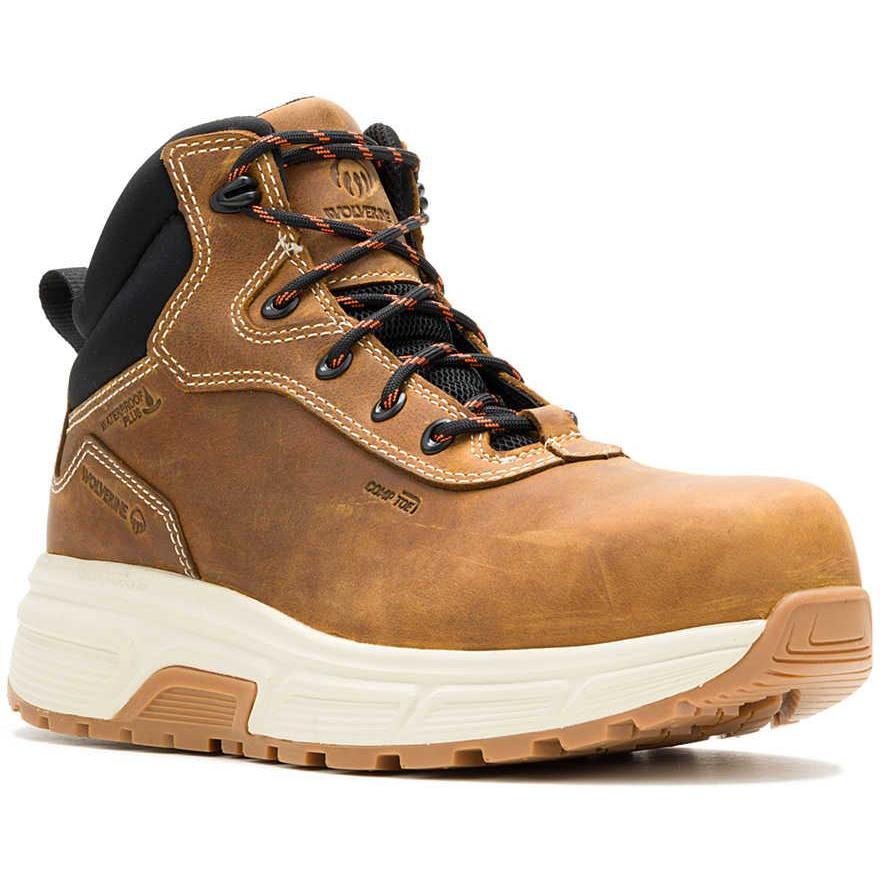
Precio de venta$149.95
Wolverine Men's Ride Performance Comp Toe Waterproof Wedge Work Boot - Cashew - W251095
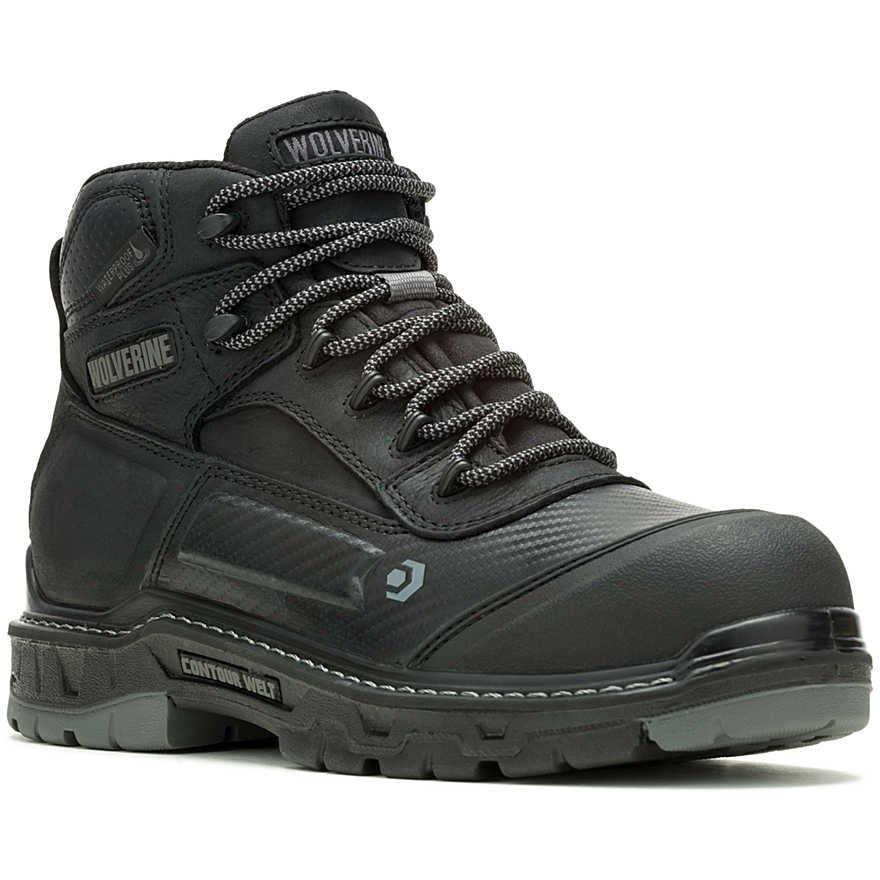
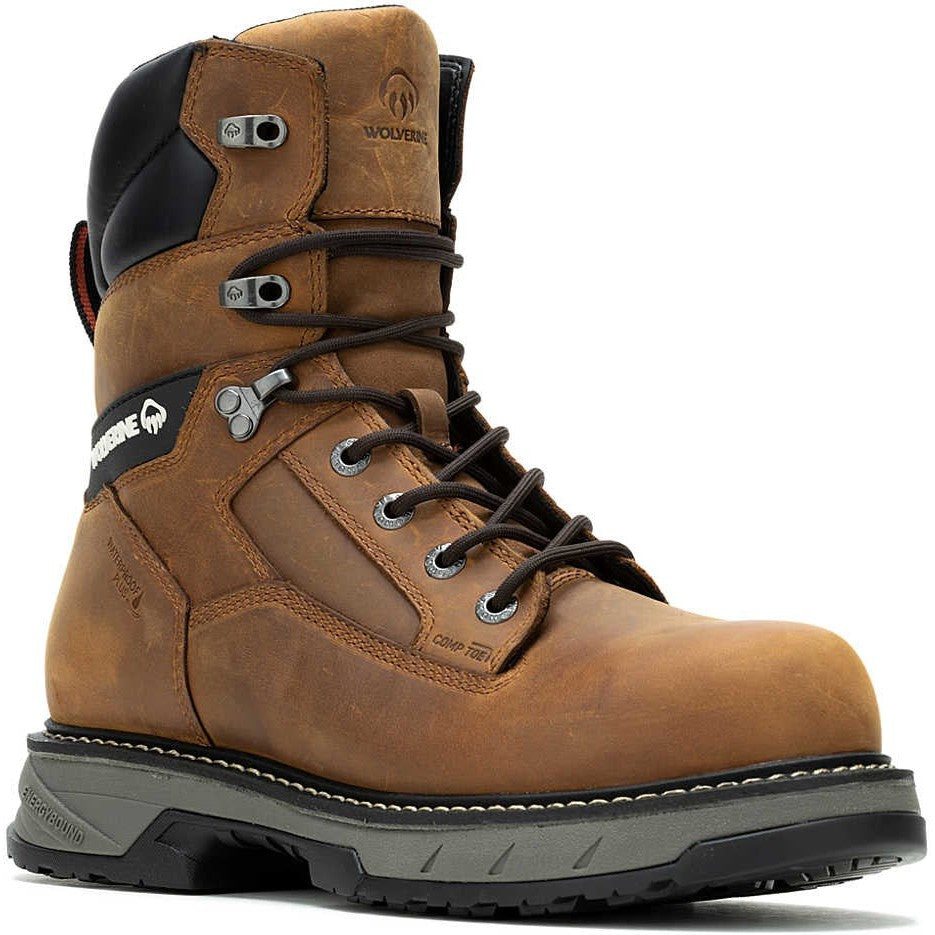
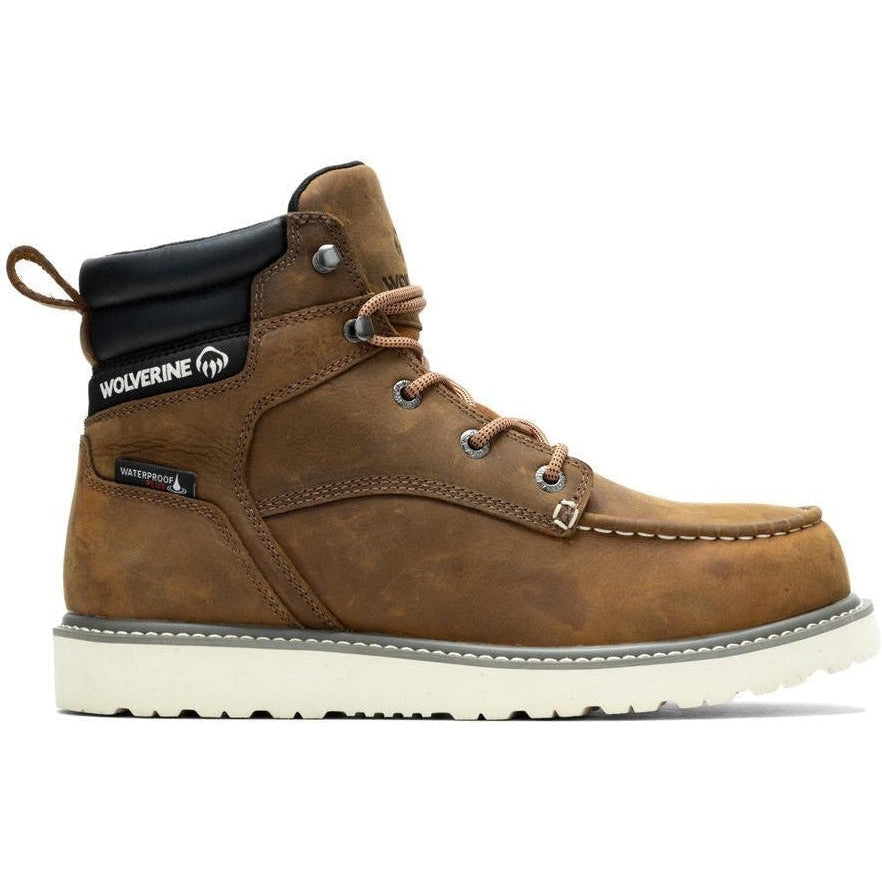
Precio de venta$134.95
Wolverine Men's Trade Wedge 6" Soft Toe Waterproof Work Boot - Brown - W230042
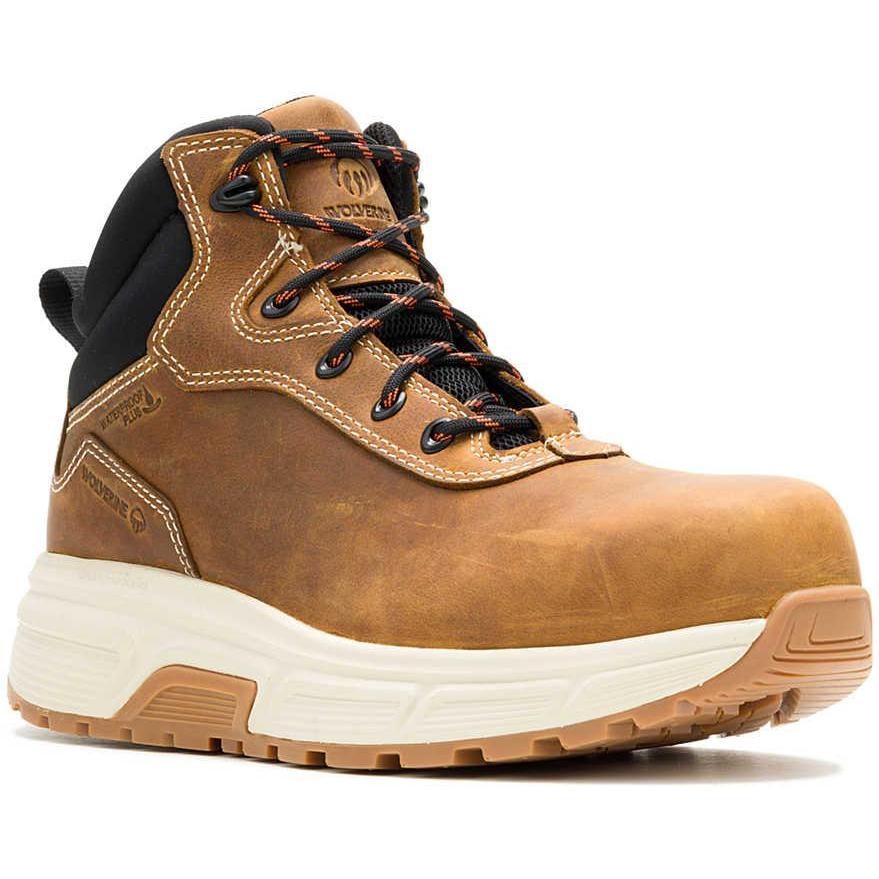
Precio de venta$144.95
Wolverine Men's Ride Performance Soft Toe WP Mid Wedge Work Boot - Cashew - W250062
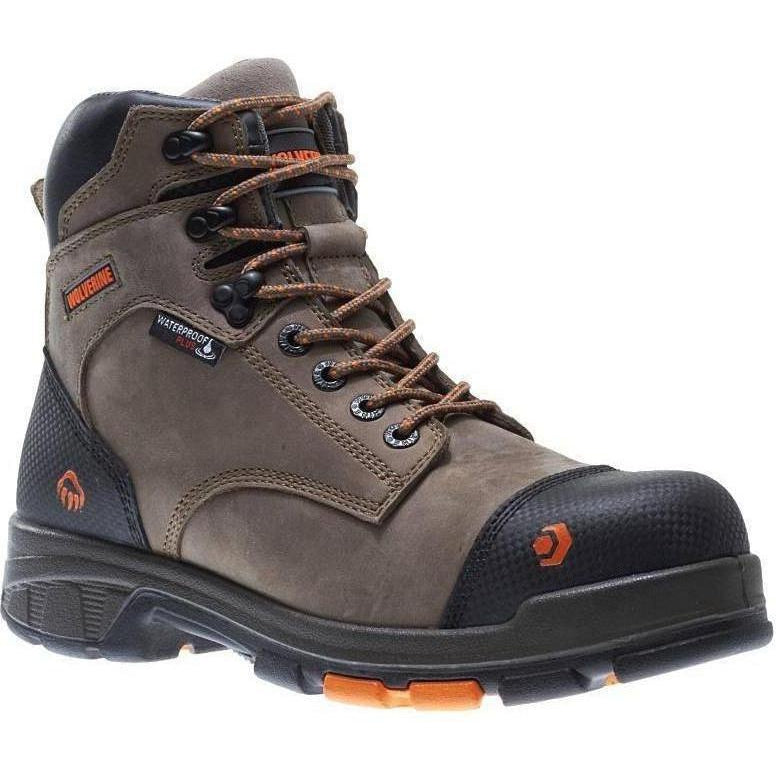
Precio de venta$194.95
Wolverine Men's Blade LX Safety Toe Waterproof Work Boot - Brown - W10653
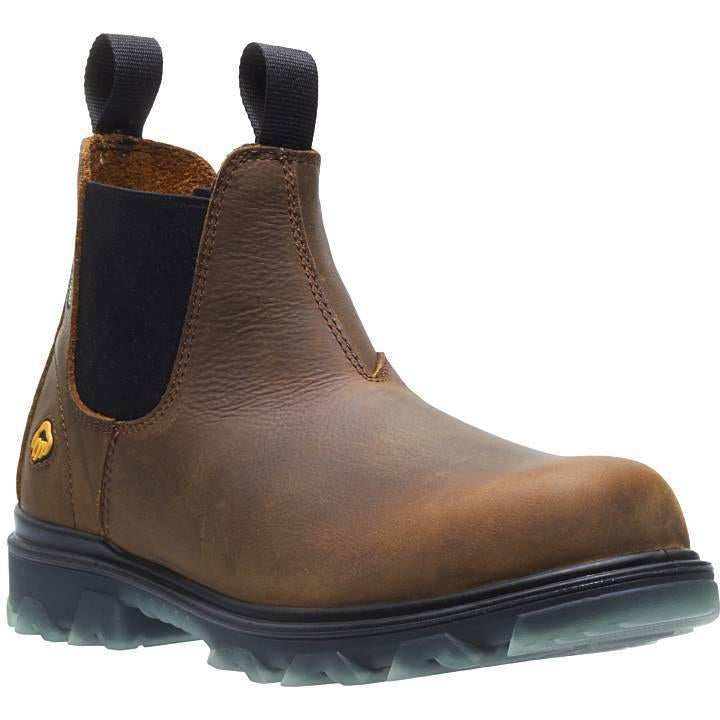
Precio de venta$159.95
Wolverine Men's I-90 EPX Carbonmax Safety Toe Waterproof Romeo Work Boot W10791
Ahorra 11%
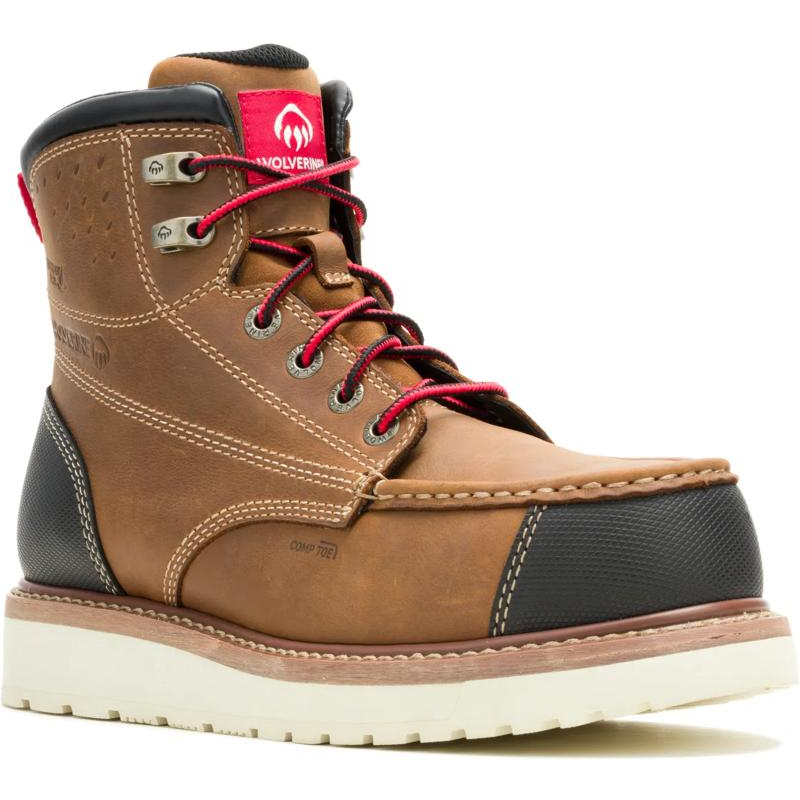
Precio de venta$169.95
Precio habitual$190.00
Wolverine Men's Loader 6" Comp Toe Waterproof Carbonmax Work Boot- Trail- W261029
Preguntas frecuentes
A waterproof boot uses a sealed membrane and sealed seams so water cannot work through the leather or the stitching. Water-resistant leather sheds rain and handles damp ground but wets through with sustained exposure. The distinction matters if you stand in water rather than walk through it, and it is stated in the product title.
High enough for the water you actually stand in, since the membrane protects only to the collar. A 6-inch handles wet ground and rain. If you work in standing water or deep mud, a 10-inch Wellington does far more for you than a better membrane on a short boot. See our Wolverine Wellington range.
Usually sweat rather than leakage, particularly in warm weather when the membrane cannot breathe effectively. The other common cause is water coming in over the collar, which no membrane prevents. If the outer leather is soaking through, that is a worn water-repellent finish rather than a failed membrane, and it can be restored.
Yes. Membranes fail at seams and flex points over a few years of hard wear, and unlike an outsole they cannot be replaced. Treat waterproofing as a finite feature over the life of the boot. The outer repellent finish wears off much sooner and can be restored by cleaning and reapplying a treatment.
Somewhat, since the membrane restricts airflow, and it is most noticeable in heat. The membrane adds no insulation on its own, so a waterproof uninsulated boot is a three-season boot rather than a winter one. If heat rather than water is your problem, an unlined breathable boot is the better choice.
Yes, and the combination is standard for winter work since wet insulation stops working and snow melts against a warm boot. Insulation weight is stated in every product title where it applies. Match it to how much you move rather than to the temperature.
No. Waterproofing sits between the leather and the lining and has nothing to do with the toe cap or the outsole ratings. A waterproof boot carries whatever ASTM ratings it was built and tested for, exactly as a non-waterproof version of the same model would.
Clean the dirt off regularly, since it clogs the outer material and stops moisture escaping, which causes clammy feet. Condition the leather every one to three months. Dry at room temperature away from direct heat, which damages both the leather and the membrane adhesives.
Vistos recientemente
Nuestras marcas principales